The Worst Pennsylvania Plants For Rooms Without Windows
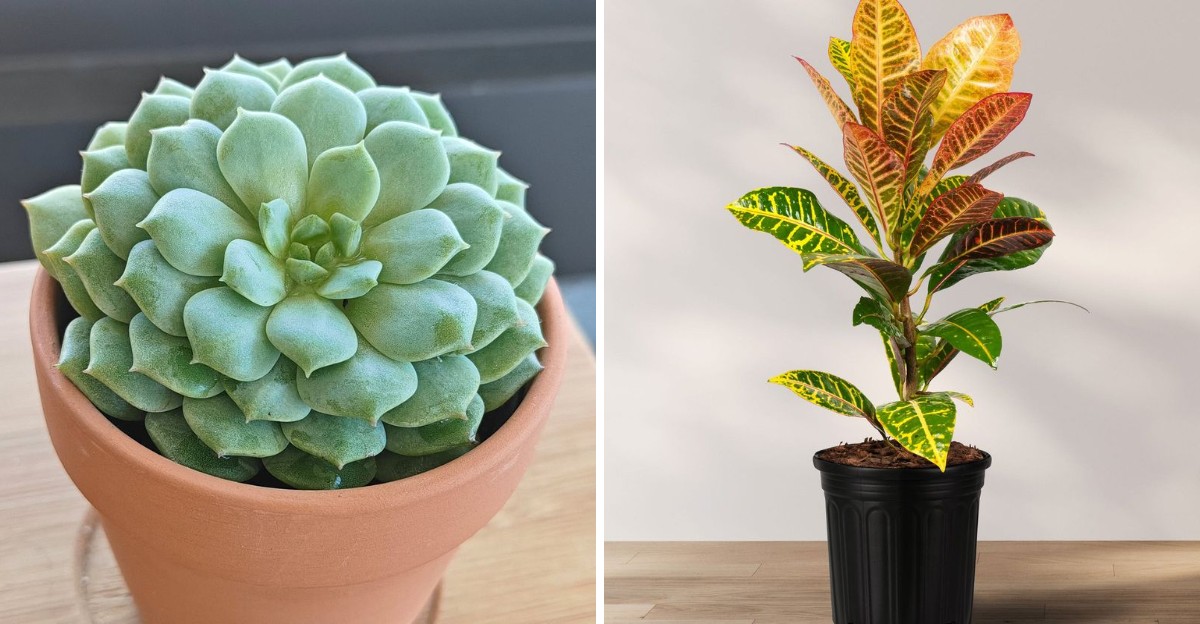
Pennsylvania winters are already short on sunshine. Days are brief, skies are often gray, and even sunny rooms can feel dim by late afternoon. Now take away the window entirely.
Bathrooms, basements, interior offices, and hallways can be tough places for houseplants. Some plants handle low light surprisingly well.
Others start struggling almost as soon as you bring them home. Their leaves fade, stems stretch toward any light they can find, and new growth comes in small and weak.
A few drop leaves by the handful or simply stop growing. The frustrating part is that many of these plants are popular, eye-catching, and easy to find at local stores. It’s tempting to grab one for that empty corner without a second thought.
Knowing which plants to skip can save you money, time, and a lot of disappointment this winter.
1. Fiddle-Leaf Fig
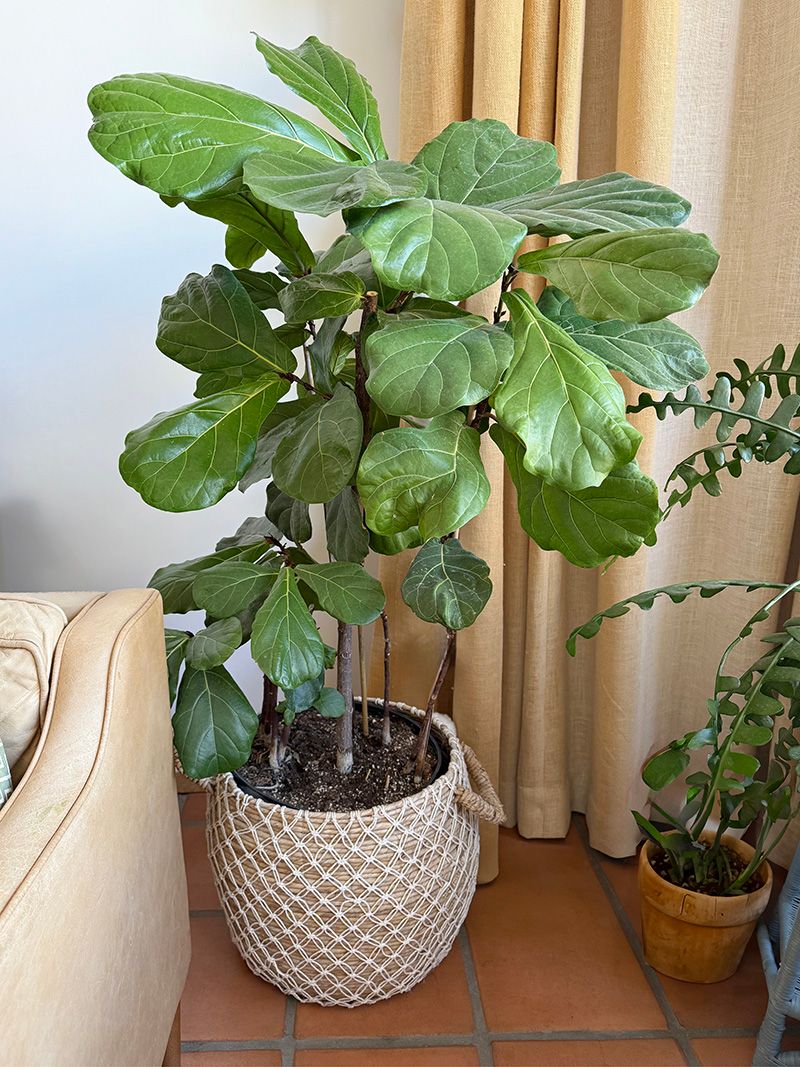
Few houseplants look as stylish as a fiddle-leaf fig. Its big, glossy leaves show up in magazines and on social media all the time. Sadly, that good look comes with a big need for light.
Out in nature, fiddle-leaf figs grow in the warm lowlands of western Africa. They can reach heights of 40 feet or more there. They soak up bright, steady sunshine all day long. A windowless room offers almost none of that.
So what happens in the dark? First, the plant starts dropping leaves, often from the bottom up. Next, new growth comes in small and weak. The stems stretch out and look thin and leggy as they search for light.
Over a few months, the whole plant slowly declines. Brown spots may appear, and the soil may stay wet too long. Soggy soil in low light can lead to root rot, which is hard to fix.
Pennsylvania winters make things even harder. Even homes with windows get weak light from November through February. A room with no windows at all is simply too much to ask.
Fiddle-leaf figs also hate change. Moving them around often can cause them to shed leaves. That makes them a poor match for spaces where you might shuffle things around.
If you love the look, try a snake plant or a ZZ plant instead. Both can handle dim corners much better. Another choice is a cast iron plant, which lives up to its tough name.
Want to keep a fiddle-leaf fig anyway? Place it near a bright, south-facing window in another room. Turn it a little every couple of weeks so it grows evenly.
2. Echeveria And Other Rosette Succulents
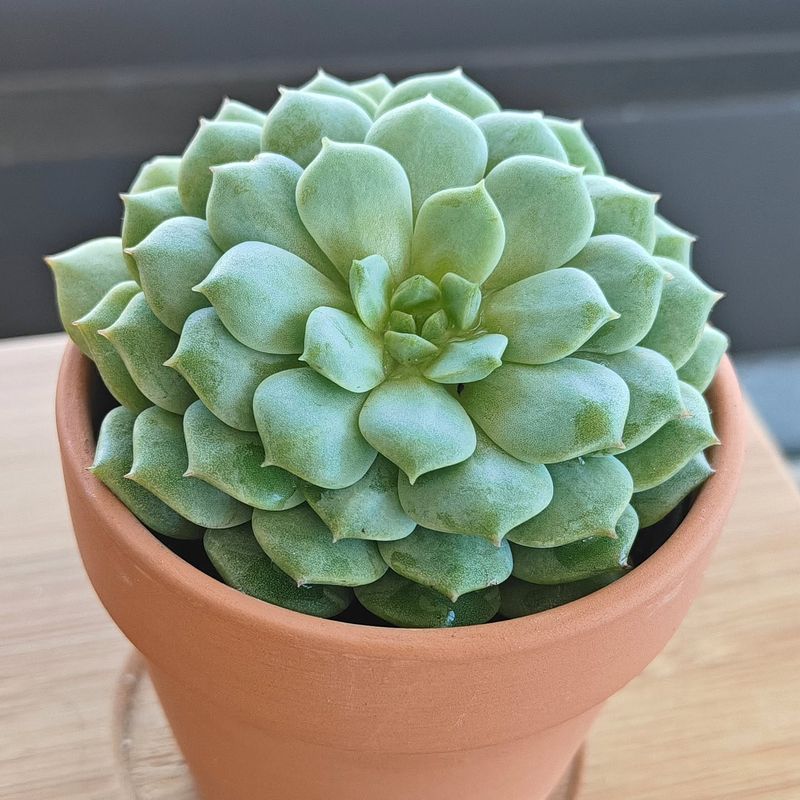
Cute, colorful, and cheap, echeverias are some of the first plants people grab at the garden center. Their tight rosettes look like little stone flowers. Many come in shades of pink, purple, blue, and even orange.
Those pretty colors are a clue, though. Echeverias come from dry, sunny areas of Mexico and Central America. The bright hues often show up as a reaction to strong sunlight. Without it, the colors fade fast.
In a room with no windows, these succulents begin to stretch. Gardeners call this etiolation. The rosette opens up, the stem gets long, and the leaves spread far apart. The plant ends up leaning toward any lamp it can find.
Your Pennsylvania Garden Changes Every Week. Your Plan Should Too.
Gardening in Pennsylvania changes quickly throughout the season. Every Friday you’ll receive a simple weekly plan showing exactly what to plant, prune, fertilize, harvest, and protect so you never miss the right timing.
Soon the leaves turn pale green or yellowish. They may feel soft and floppy instead of firm. Once a succulent stretches, it will not shrink back to its old shape.
Watering gets tricky too. In the dark, the soil dries very slowly. Too much water sitting around the roots can cause rot, even if you water only once in a while.
Echeverias usually need at least four to six hours of strong light every day. A sunny Pennsylvania windowsill in summer works well. A windowless bathroom or basement does not come close.
Fun fact: you can grow a new echeveria from a single leaf. Just let it dry and set it on soil. That trick works best near bright light, of course.
For a dim spot, choose a pothos or a Chinese evergreen. They forgive low light far more easily. Save the succulents for your brightest window.
3. Cacti
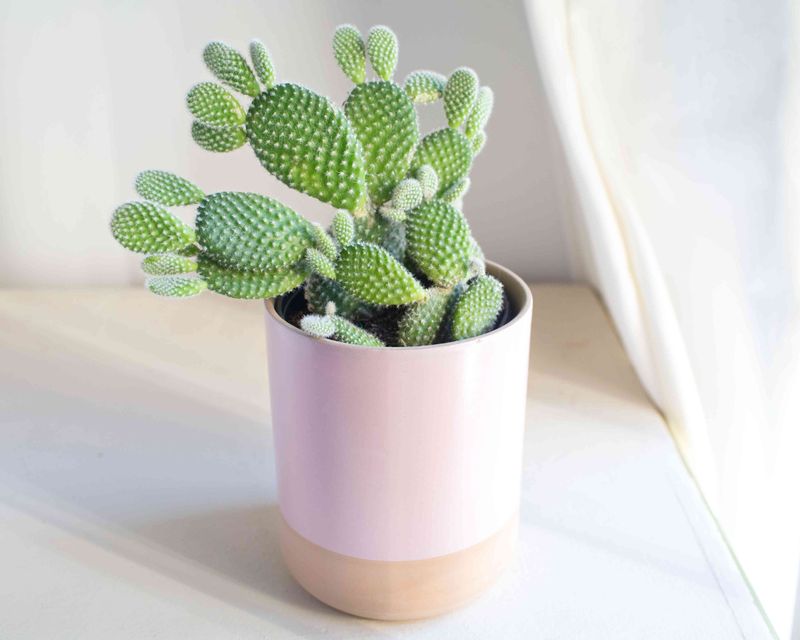
Think about where cacti live in the wild. Most grow in deserts and open, rocky places with blazing sun overhead. Shade is rare, and rain is even rarer.
Now put that same plant in a room with no windows. It feels like moving a beach lover to a cave. The cactus will try to survive, but it will not be happy.
One of the first signs of trouble is thin, pale growth. The top of the cactus narrows into a skinny point. Some people say it looks like the plant is reaching up for help. The bright green color fades to a weak, washed-out shade.
Leaning is another clue. The cactus bends toward any light source, even a small lamp. Over time, it may become top-heavy and tip over in its pot.
The biggest danger is rot. Cacti use very little water in low light. That means the soil stays damp for a long time after watering. Wet roots can turn mushy and brown, and the rot can climb into the stem.
Many folks think cacti are the easiest plants to grow. In bright light, that is often true. In a dark room, they become some of the hardest.
Here is a quick tip if you already own one. Keep it near your sunniest window, and water only when the soil is fully dry. In winter, many cacti need water just once a month.
For a windowless room, skip the desert plants entirely. A peace lily or a philodendron will handle the dim light much better.
4. Croton
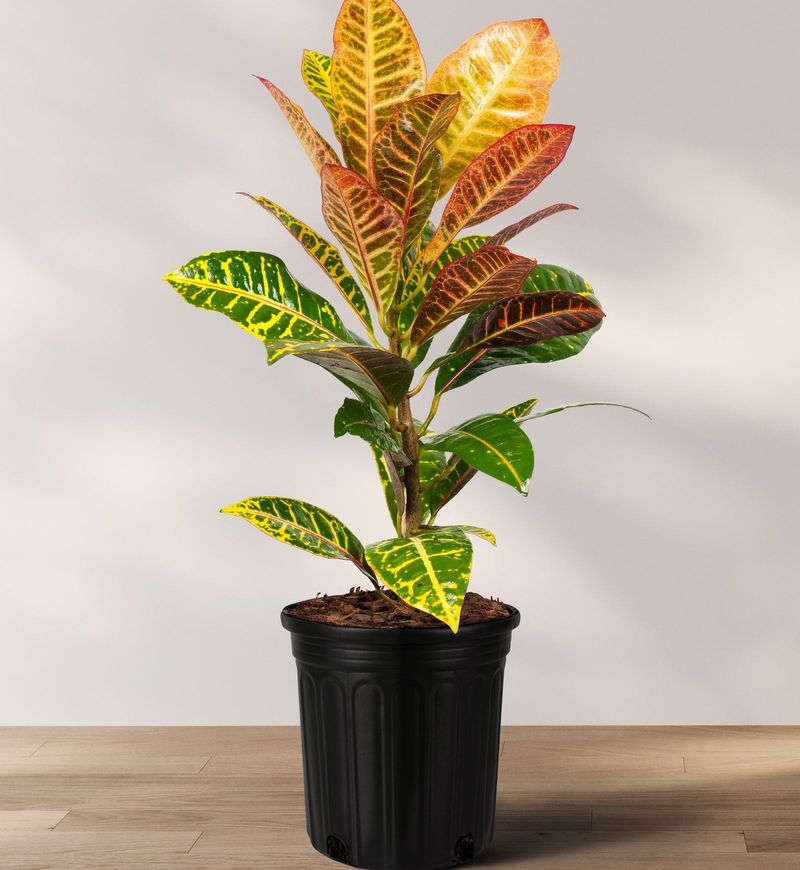
Bold is the best word for a healthy croton. Its leaves splash red, orange, yellow, and deep green together like a painter’s palette. One plant can brighten up an entire room.
Here is the catch. Those fiery colors depend on lots of bright light. Crotons come from sunny tropical spots in Southeast Asia and the Pacific Islands. They are used to strong rays for much of the day.
Move a croton into a windowless room, and the show starts to fade. New leaves come in mostly green. The reds and oranges grow dull and then disappear. Your rainbow plant ends up looking pretty plain.
Leaf drop often follows. Crotons are known for being dramatic. Even a small change in light or temperature can make them shed a bunch of leaves at once.
Pests can also show up. Spider mites love stressed crotons, especially in dry indoor air. Pennsylvania homes get very dry in winter when the heat runs nonstop.
If you want to keep a croton happy, give it the brightest spot you have. An east or west window is often a good choice. Wipe the leaves now and then to keep dust from blocking light.
Did you know? Some gardeners call crotons “Joseph’s coat” because of their many colors. The name comes from the famous coat of many colors in an old story.
Need color in a dark room instead? Try a Chinese evergreen with pink or red leaves. It gives you a pop of brightness without needing a sunny window.
5. Bird Of Paradise
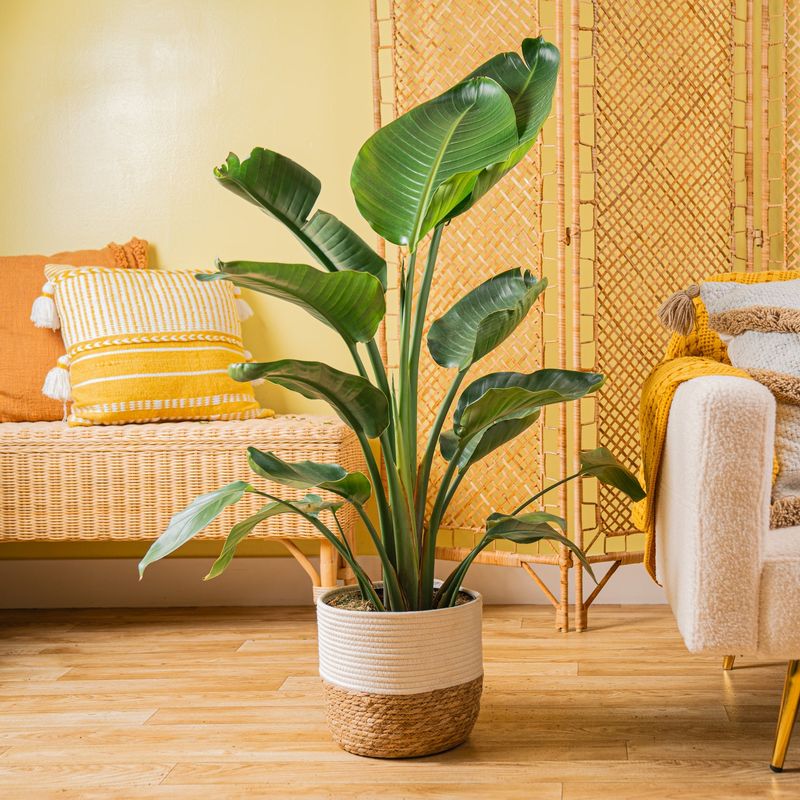
Picture-perfect orange and blue blooms are the dream for anyone who buys a bird of paradise. The flowers look just like a bright tropical bird with its head held high. Getting those blooms indoors, though, takes a lot of sunshine.
Bird of paradise plants come from South Africa. There, they grow in warm, open areas with plenty of direct light. They are big plants that use a lot of energy to grow and flower.
In a room with no windows, growth slows to a crawl. New leaves may take months to unroll. The leaves that are already there start to droop and lose their stiff, upright look.
Flowers become almost impossible. Even with good care, indoor plants often need several years and many hours of sun before they bloom. Without light, you can pretty much forget about it.
Brown edges and curling leaves are common too. The plant may also struggle with overwatering, since dark rooms keep soil wet longer. Root rot can sneak in quietly.
Many people notice the leaves splitting along the sides. That is natural and helps the plant handle wind in the wild. It is not a big problem, but stressed plants often split more.
For the best results, place a bird of paradise near a large south or west window. In summer, you can even move it outside to a sunny Pennsylvania porch. Bring it in before nights drop below 50 degrees.
For a dark room with a tropical feel, look at a parlor palm. It handles low light with ease and still gives off vacation vibes.
6. Potted Citrus
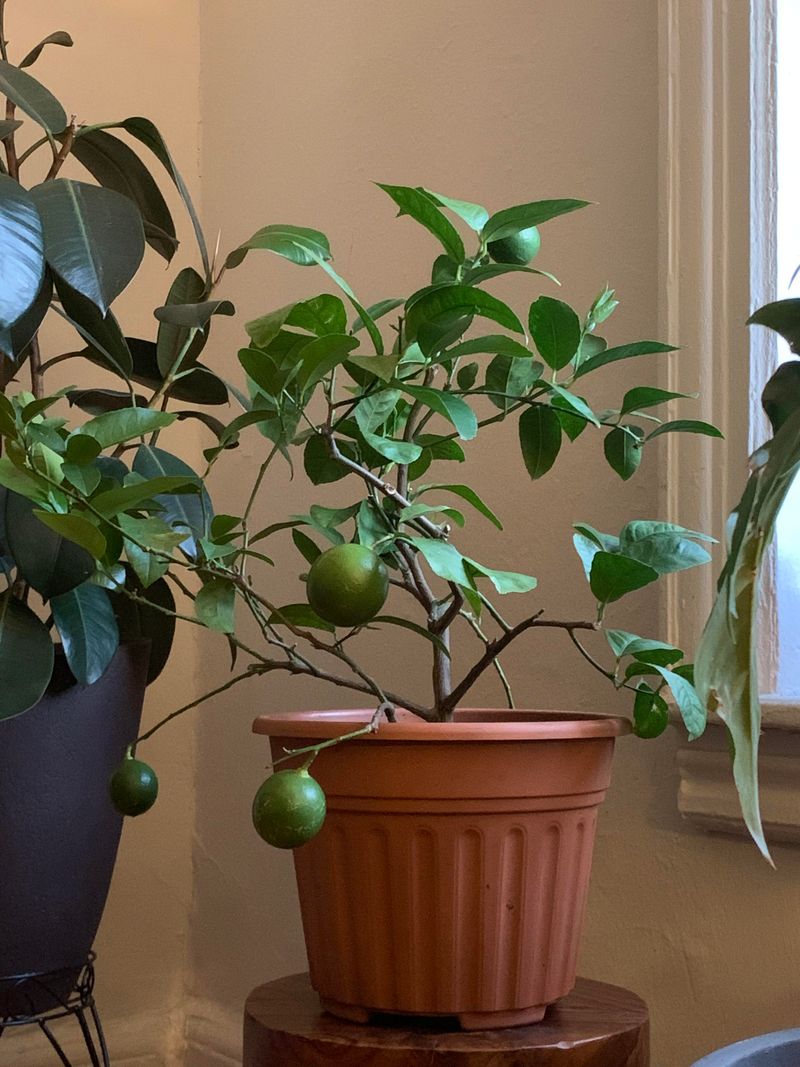
Fresh lemons from your own tree sound amazing, right? Plenty of Pennsylvania gardeners have tried growing Meyer lemons, key limes, or tiny calamondin oranges indoors. It can work, but only with a lot of light.
Citrus trees are sun lovers through and through. They grow best in places like Florida, California, and the Mediterranean. Those areas get strong sunshine almost all year.
Pennsylvania is a different story. In December, the sun sets before 5 p.m. in much of the state. Even citrus trees sitting right next to a sunny window often struggle through those short, gray days.
Now take away the window completely. A citrus tree in a windowless room just cannot make enough food. Leaves turn yellow and fall off. Flowers rarely form, and any small fruit may drop before it ripens.
Bugs also like weak citrus plants. Scale insects and spider mites often show up on stressed trees. You may notice sticky leaves or tiny webs.
Fun fact: the Meyer lemon is thought to be a cross between a lemon and a mandarin orange. That is why it tastes a bit sweeter than a regular lemon.
If you want to try citrus, give it the sunniest window you have. Many growers also use a strong grow light in winter. Moving the tree outdoors from late spring to early fall helps it store up energy.
For a windowless room, though, citrus is simply the wrong pick. A heartleaf philodendron or snake plant will stay green and steady with far less fuss.
7. String Of Pearls
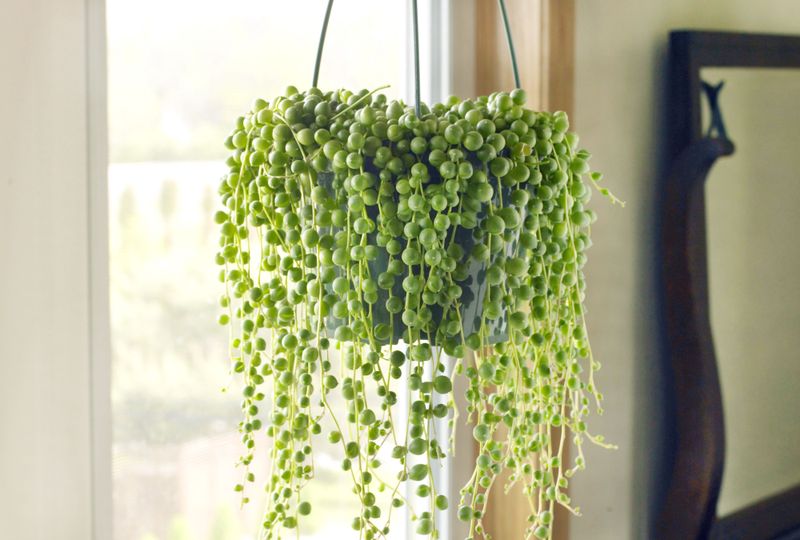
Hanging from a basket, a healthy string of pearls looks like a green bead necklace spilling over the edge. Each little round leaf is plump and full of water. It is one of the most fun plants to show off.
Fun as it is, this succulent is also picky. It comes from dry parts of southwest Africa. In the wild, it creeps along the ground, often tucked under other plants but still getting lots of bright light.
Indoors, it needs a very bright spot to stay healthy. In a room with no windows, the strands start to thin out. Fewer pearls grow, and the spaces between them get longer.
Shriveled pearls are another warning sign. They may look wrinkled or flat instead of round. Some turn mushy if the soil stays wet too long.
Rot is a big risk for this plant. The stems are thin, and the roots are shallow. In dim light, water sits in the pot and soaks the base of the plant. Once rot starts at the soil line, it spreads fast.
A smart trick is to use a terracotta pot with a drainage hole. Clay helps the soil dry faster. Water only when the top inch of soil feels dry.
Here is something neat. Each pearl has a tiny see-through line called a window. It lets light reach inside the leaf.
For a dark room, a trailing pothos makes a great swap. It spills over shelves just like string of pearls but handles dim light much better.