The Hibiscus Pruning Mistake That Can Leave Your Florida Yard With Fewer Fall Flowers
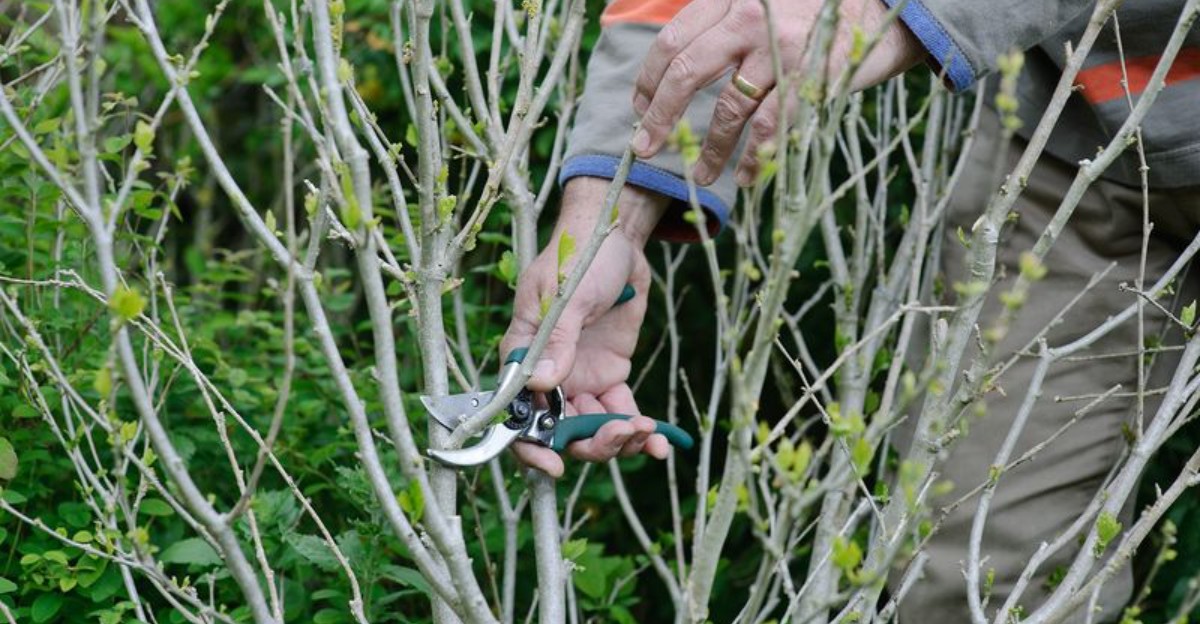
Your hibiscus probably looks like it could use a trim right about now, a little leggy, a little wild after a summer of nonstop growth.
Grab the shears and go at it the way you might with any other shrub, and you could be cutting away the exact growth that was about to bloom.
Here’s what most people get wrong. Hibiscus flowers form on new growth, and prune too hard or too late in the season and you remove the very branches that were getting ready to flower this fall.
The plant won’t suffer for it. It just won’t give you much of a show when you’re expecting one.
Timing matters as much as technique here, and Florida’s growing season gives you less room for error than you’d think. Get this wrong once and you’re stuck looking at a bare, flowerless hibiscus while everyone else’s yard is still blooming.
Here’s how to prune it the right way.
1. Blooms Form On Fresh Growth, Not Old Wood
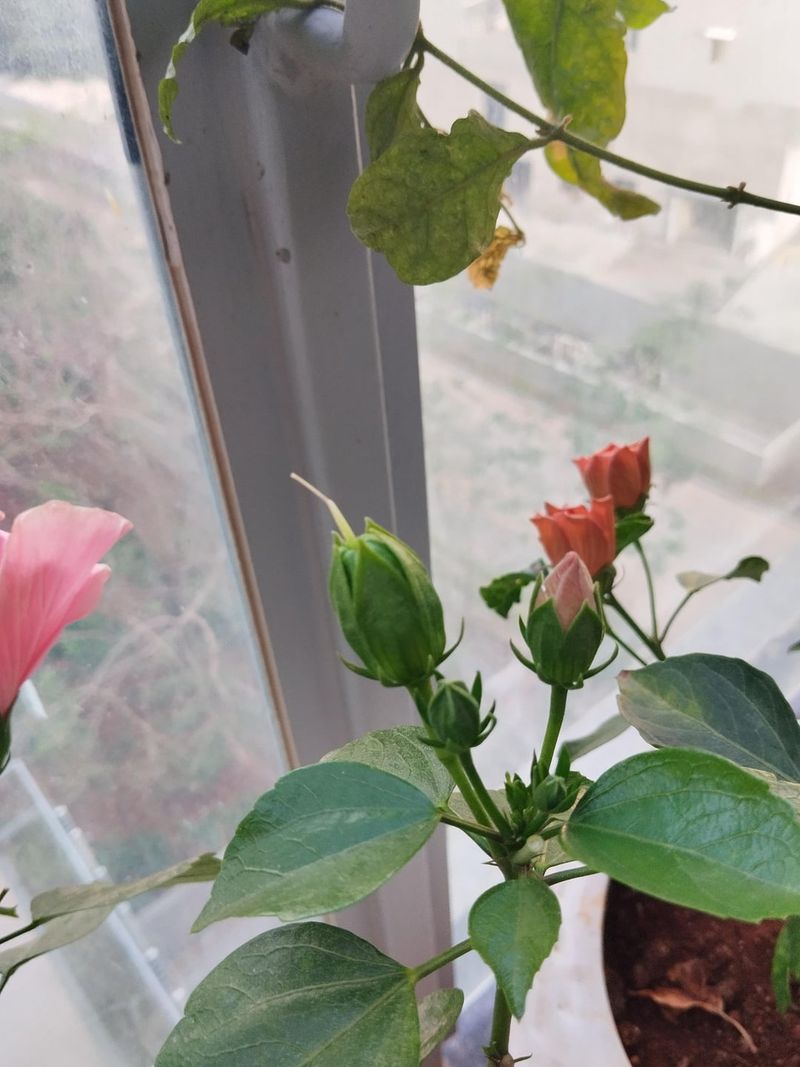
Here is the single idea that changes how you hold your pruners: hibiscus flowers show up on new growth. Every bud you admire started as a soft green shoot that pushed out weeks earlier.
So when you clip a branch tip, you are removing the exact wood that was about to make flowers. The plant is not upset with you, it simply has to start the whole process over.
That restart takes time. Depending on the variety and growing conditions, a heavily pruned hibiscus may need weeks or months to rebuild flowering growth.
Late-season pruning can delay the next flush of flowers, especially when cooler weather slows new growth.
Understanding this also flips the mistake into a tool. If you want blooms in November, encourage new shoots in summer and leave them alone once they harden up and set buds.
A quick way to tell what stage a branch is in: run your fingers along the tip. Soft, flexible, and slightly lighter in color means active growth.
Older, hardened stems are less likely to respond quickly after pruning, so avoid removing large amounts of mature growth unless necessary.
Once you start reading your shrub this way, pruning stops feeling like guesswork and starts feeling like a conversation with the plant.
2. Late Fall Trimming Interrupts The Season Finale
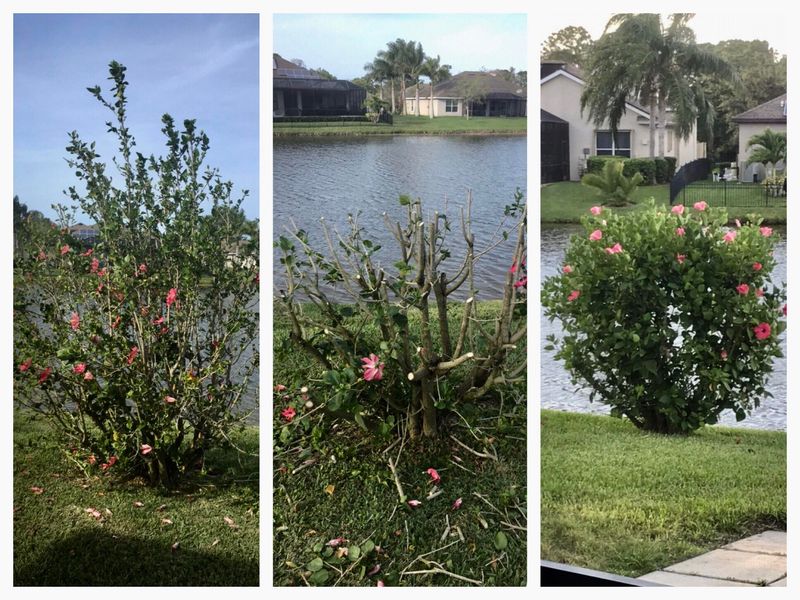
Fall cleanup fever hits a lot of us. The weather finally cools, the yard looks shaggy, and suddenly everything gets a trim whether it needs one or not.
Tropical hibiscus does not appreciate that timing. Cutting it back in late fall or early winter pushes out tender new shoots right when temperatures start dipping, and those soft stems have little time to toughen up.
Cool snaps in central and north Florida can nip that fresh growth. The shrub then spends its energy repairing itself instead of setting buds, which pushes your flower show further into next year.
South Florida gardeners get a little more wiggle room thanks to milder winters, but even there a heavy fall cut trades autumn color for bare branches.
Your Florida Garden Changes Every Week. Your Plan Should Too.
Gardening in Florida changes quickly throughout the season. Every Friday you’ll receive a simple weekly plan showing exactly what to plant, prune, fertilize, harvest, and protect so you never miss the right timing.
A better plan is to save the big shaping for late winter or very early spring, before growth wakes up. Late winter or early spring is usually the safest time for major shaping, after the coldest weather has passed.
If the plant looks messy in October, limit yourself to removing broken or crossing branches. Think tidying rather than remodeling.
Your patience pays off in petals. A shrub left mostly intact through fall keeps opening flowers while the neighbors wonder why theirs went quiet.
3. Taking Off More Than A Third Stresses The Shrub
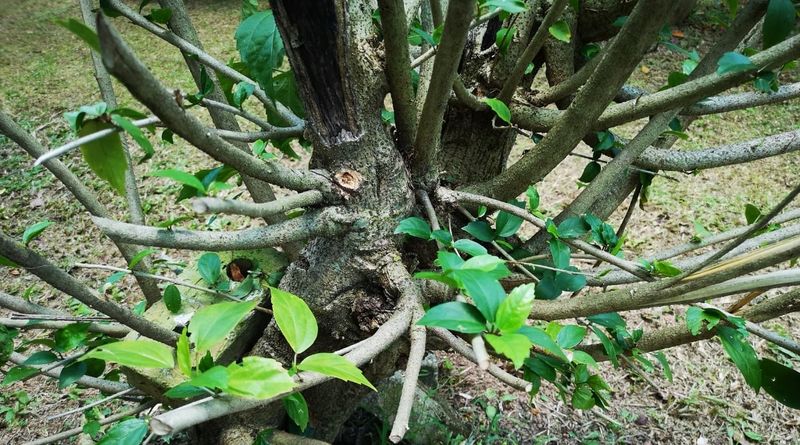
Enthusiasm is the enemy here. Once the pruners start snipping, it is weirdly satisfying, and plenty of gardeners look up to find half the shrub sitting on the ground.
Avoid removing too much foliage at once. Leaving enough leaves helps the plant fuel recovery and new growth.
Leaves feed the plant, so removing too many at once leaves it short on energy exactly when it needs fuel for regrowth.
A heavily chopped hibiscus usually responds with a flush of leafy stems and very few flowers. It is prioritizing survival over showing off, which makes sense from the plant’s point of view.
Try stepping back every few cuts. Walk a full circle around the shrub, look at the overall shape, then decide if more needs to go.
If your hibiscus has grown into a woody monster and truly needs a hard reduction, spread the work across two or three seasons. Take a third this spring, let it recover and bloom, then take more the following year.
Cutting just above an outward-facing leaf node helps too, since the new shoot grows away from the center and keeps the interior open.
Gentle and gradual beats dramatic. Your shrub keeps flowering while it slowly reshapes itself into something you actually planned.
4. Tropical And Hardy Types Follow Different Rules
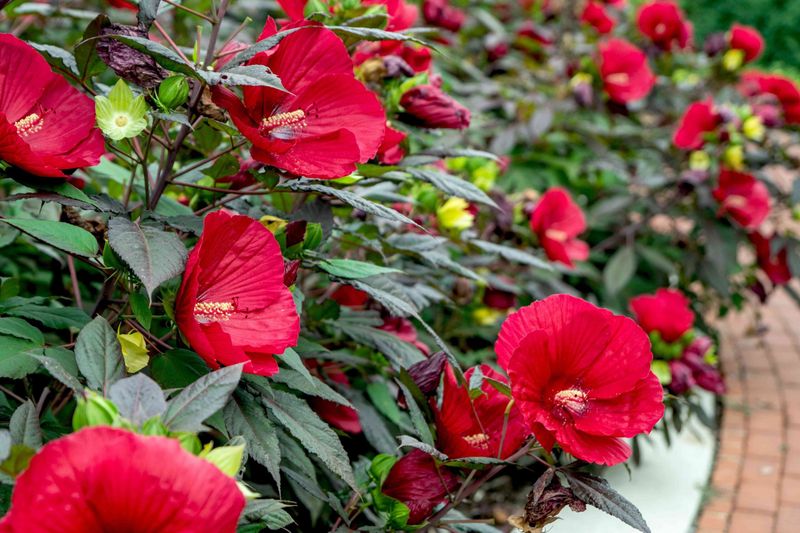
Not all hibiscus play by the same rulebook, and mixing them up is where a lot of yards go sideways.
Tropical hibiscus, Hibiscus rosa-sinensis, is the glossy-leaved classic you see hedging Florida driveways. It keeps woody stems year-round and expects only moderate trimming.
Hardy hibiscus types often wither in colder climates and regrow from the crown in spring .
Apply the hardy routine to a tropical plant and you strip away the framework it needs. Apply tropical caution to a hardy type and you end up with a tangle of spent stalks.
Telling them apart is easier than it sounds. Tropicals have shiny, deep green leaves and blooms in fiery reds, oranges, and doubles.
Hardy types show duller, coarser leaves and huge dinner-plate flowers in pinks and whites.
Native marsh types like Hibiscus coccineus fall into the hardy camp too, with those striking scarlet star-shaped petals.
Snap a photo and check the tag if you inherited the plant with the house. Knowing which one you own turns pruning from a gamble into a simple, repeatable habit that keeps fall flowers on schedule.
5. Dull, Grimy Blades Leave Ragged Wounds
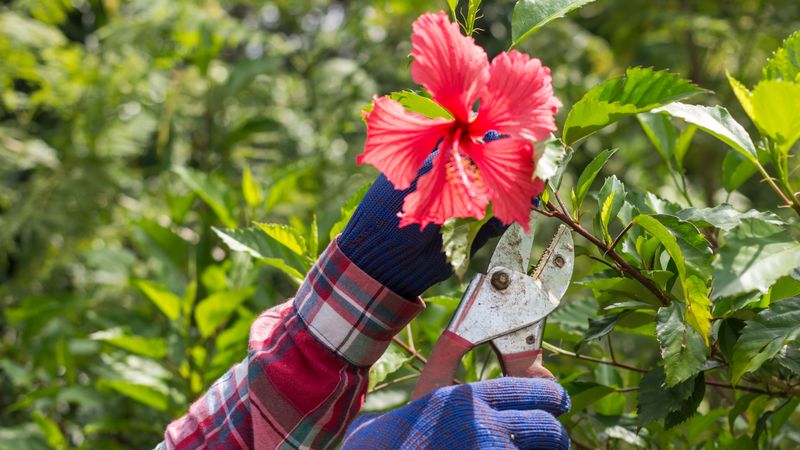
Ask any longtime gardener about their pruners and watch them light up. Good tools genuinely change results, and hibiscus shows the difference fast.
Dull blades crush and tear instead of slicing. Those shredded edges create a larger damaged area that the plant must compartmentalize.
Dirty blades carry their own baggage. Sap and plant debris left on the metal can move unwanted organisms from one shrub to the next as you work down a hedge.
Bypass pruners, the kind with two curved blades that slide past each other, make the cleanest cuts. Anvil-style pruners squash stems, which is fine for deceased wood but rough on living branches.
Wipe the blades with rubbing alcohol between plants, especially if one looks unwell. It takes five seconds and saves a lot of second-guessing later.
Sharpen a few times per season with a small file, and keep a drop of oil on the pivot so the action stays smooth.
Fun bit of trivia: bypass pruners were patented back in the 1800s and the basic design has barely changed, because it simply works.
Sharp, clean, and comfortable in your hand. That is the whole toolkit.
6. Skipping Aftercare Slows The Comeback
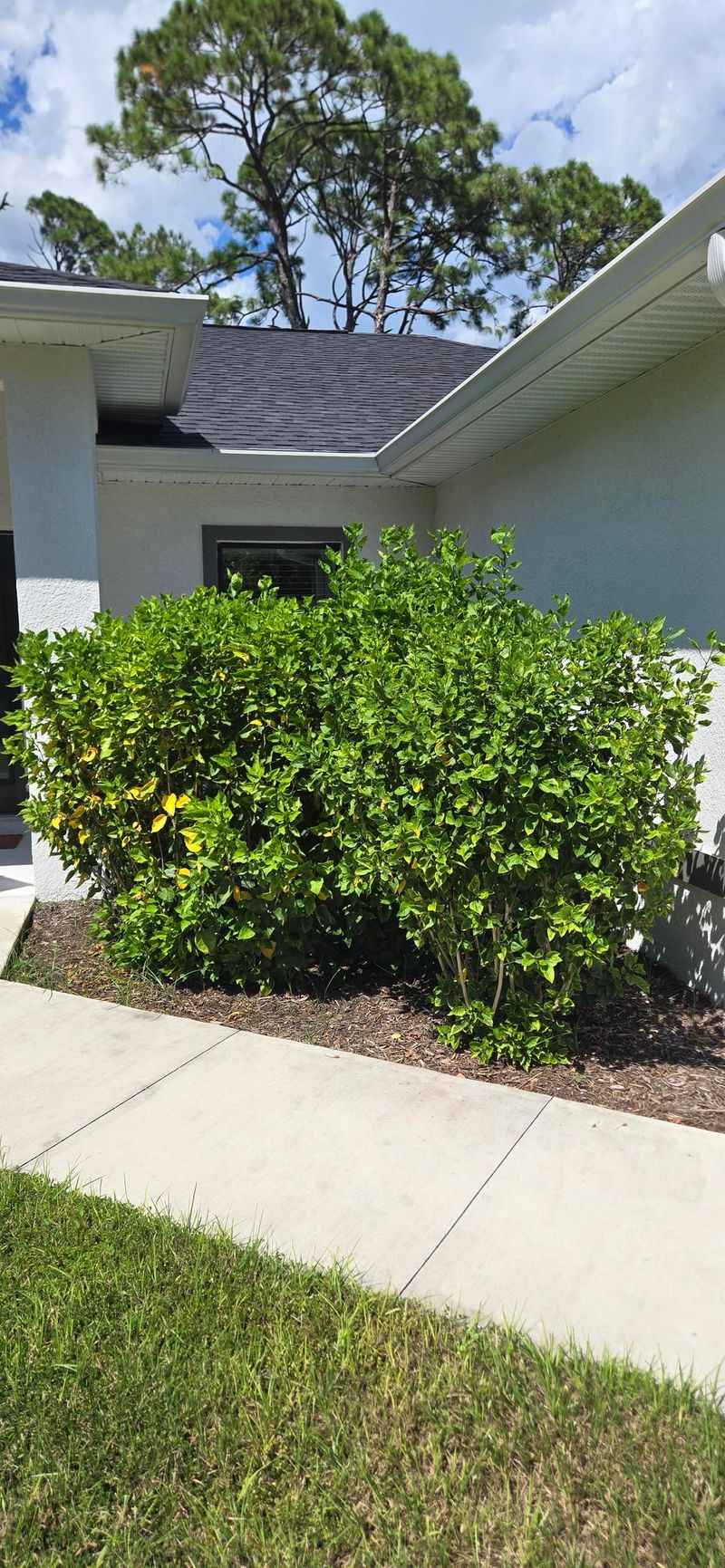
Pruning is only half the job. What you do in the two weeks afterward largely decides how quickly flowers return.
A freshly trimmed hibiscus is about to push out a wave of new shoots, and that takes water and nutrients. Florida’s sandy soil drains quickly, so consistent moisture matters more here than in heavier clay regions.
Water deeply when the soil begins to dry, adjusting frequency based on rainfall, heat, and soil conditions. Mulch a few inches thick, kept slightly away from the trunk, helps hold that moisture in.
Feeding comes next. Hibiscus benefits from regular feeding during active growth, especially with a balanced fertilizer formulated for flowering plants.
Frequent light feedings beat one heavy dose. Many Florida growers apply small amounts every few weeks through the growing season and ease off as cooler months arrive.
Watch the new leaves as your progress report. Rich green and steadily unfurling means the plant is happy.
Pale or yellowing foliage often points to a nutrient gap or soggy roots.
Give a pruned shrub that bit of attention and it rewards you with thicker growth and noticeably more buds. Neglect it and recovery drags on well past the season you were aiming for.
7. Chasing A Perfect Shape Can Overlook Real Problems
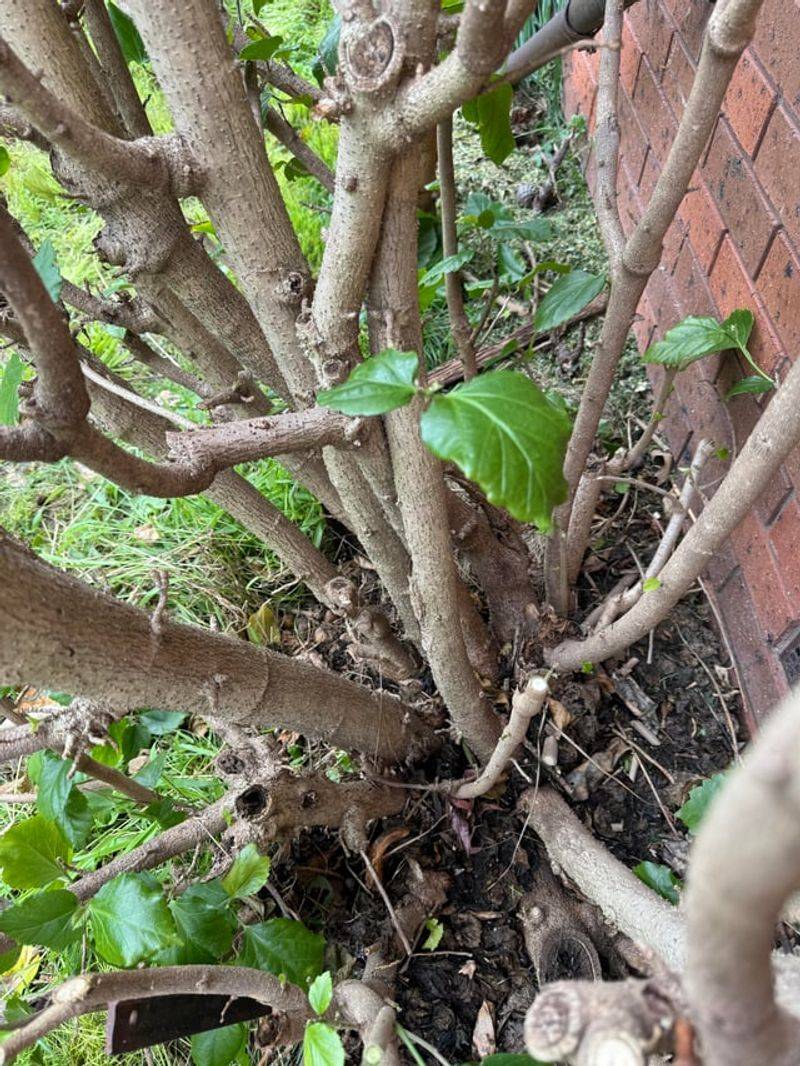
There is a certain pride in a neatly rounded shrub. The trouble starts when appearance becomes the only goal.
Shearing a hibiscus like a hedge creates a dense outer shell of twigs. Inside that shell, air barely moves and sunlight rarely reaches, which is not a setup that favors flowers.
Health-first pruning looks messier at the start but works better. Begin by removing branches that are broken, weak, rubbing against neighbors, or growing straight through the middle of the plant.
Once those are gone, step back. You will often find the shape has improved on its own, and only a few finishing cuts remain.
Opening the interior lets light hit inner stems, and those stems then produce buds instead of just holding up leaves. Better airflow also keeps foliage drying out after Florida’s afternoon downpours.
Aim for a vase-like structure with several strong main stems and space between them. Think of a shrub you could toss a tennis ball through without much trouble.
Old-time growers sometimes call this letting the plant breathe, and the phrase fits. A hibiscus with room to move air produces more flowers over more of its surface, not just a thin layer of blooms clinging to the outside edge.
8. Cutting During A Heavy Bloom Cycle Pauses The Show
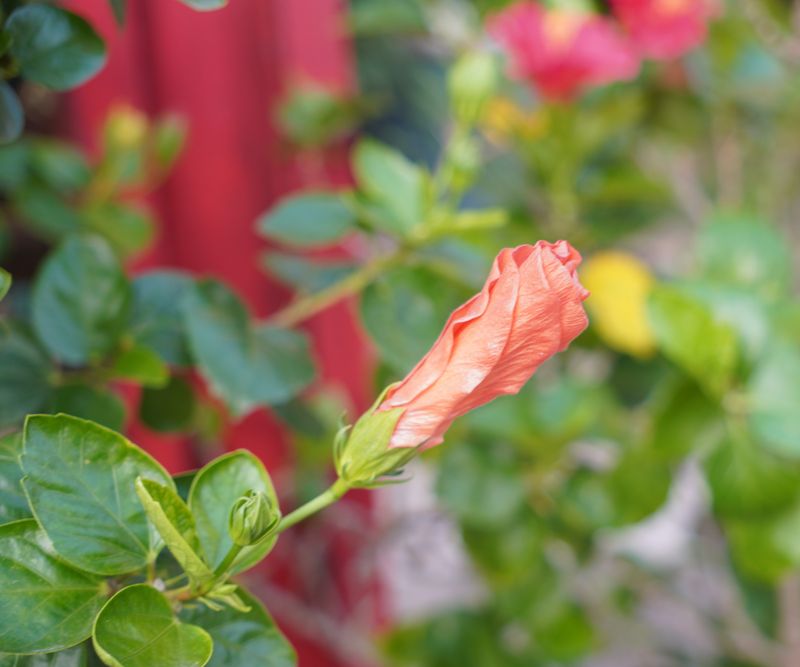
Your shrub is loaded with flowers, more than you have seen all year. Resist the urge to shape it right now.
Pruning tells the plant to grow, and growing pulls energy away from opening buds. The result is a temporary blank stretch where color used to be.
That trade-off can be worth it in spring, when you have months of warm weather ahead. In late summer or fall, with your prized display underway, it costs you the very thing you were waiting for.
Trimming is the exception and it is completely fine. Snapping off spent flowers keeps things tidy without removing the stem tips carrying future buds.
If a branch flops into the walkway during peak bloom, just take that one branch. Targeted cuts barely register with the plant, while a full trim resets the whole schedule.
Mark your calendar instead. Note when your shrub reliably peaks, then plan structural work for the quiet window in late winter.
Individual hibiscus flowers usually last only a day or two, which makes the constant supply of new buds so valuable. Protect the pipeline and the parade keeps rolling, day after day, right through the cooler months your yard looks best.
9. Light Tip Pinching All Season Builds More Buds
Doing nothing at all is its own mistake. Left untouched for years, hibiscus tends to stretch into long, bare stems with a few flowers way up at the top.
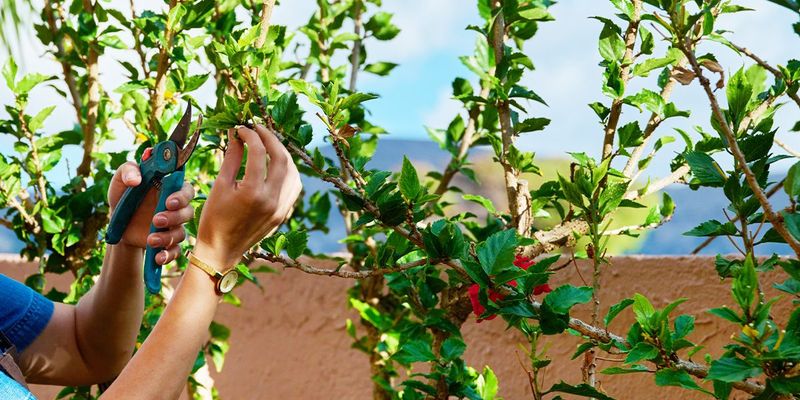
The fix is delightfully low effort. Tip pruning means pinching or snipping just an inch or two off soft branch ends during the growing season.
Each pinch prompts the stem to split into two or three side shoots. More shoots mean more tips, and since flowers form on new growth, more tips translate directly into more buds.
Rotate through the shrub rather than pinching everything at once. Do a handful of branches one week, another handful two weeks later, and the plant keeps flowering while it thickens up.
Tip pinching is most useful during active growth, but reduce it as the plant approaches the period when you want mature shoots to bloom. Ease off as autumn approaches so the last round of shoots has time to mature and set buds.
You do not even need tools for young growth. Soft tips snap off cleanly between your thumb and forefinger, which makes it an easy habit to fold into your morning garden walk.
Growers who show hibiscus competitively swear by this trick. A few seconds of pinching, repeated over a season, turns a leggy plant into a bushy, bud-covered showpiece.