The Meaning Behind Finding Earthworms In Your Florida Summer Soil
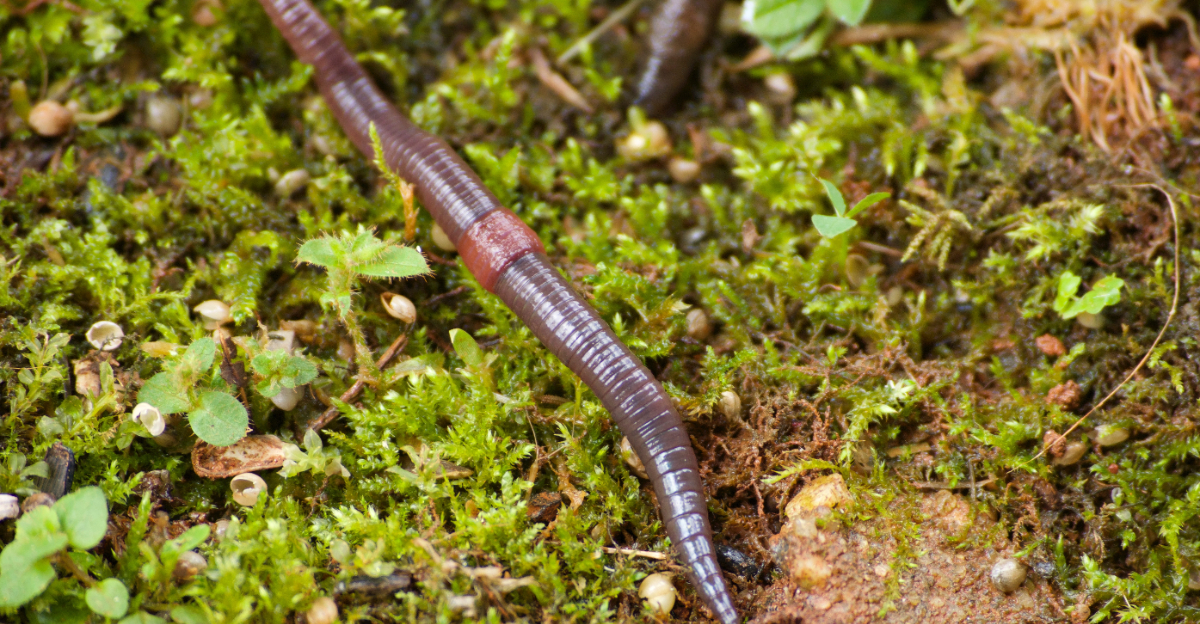
Digging into Florida summer soil and finding earthworms is not something everyone experiences. Florida’s sandy, often dry, intensely heated ground is not the friendliest environment for them.
Finding one, let alone several, during the hardest stretch of the year says something specific about what is happening beneath the surface of that particular yard. Earthworms in summer soil are indicators.
They show up where organic matter is present, where moisture is being retained, and where the soil biology has reached a level of health that most yards never achieve. The meaning behind that find goes beyond a good sign.
It points to a specific set of conditions that took time and deliberate choices to build.
Understanding what created those conditions, and what they mean for everything growing above them, changes how the yard gets managed from the ground up.
Florida soil that supports earthworms in summer is doing something right worth understanding fully.
1. Your Soil Is Holding Some Summer Moisture
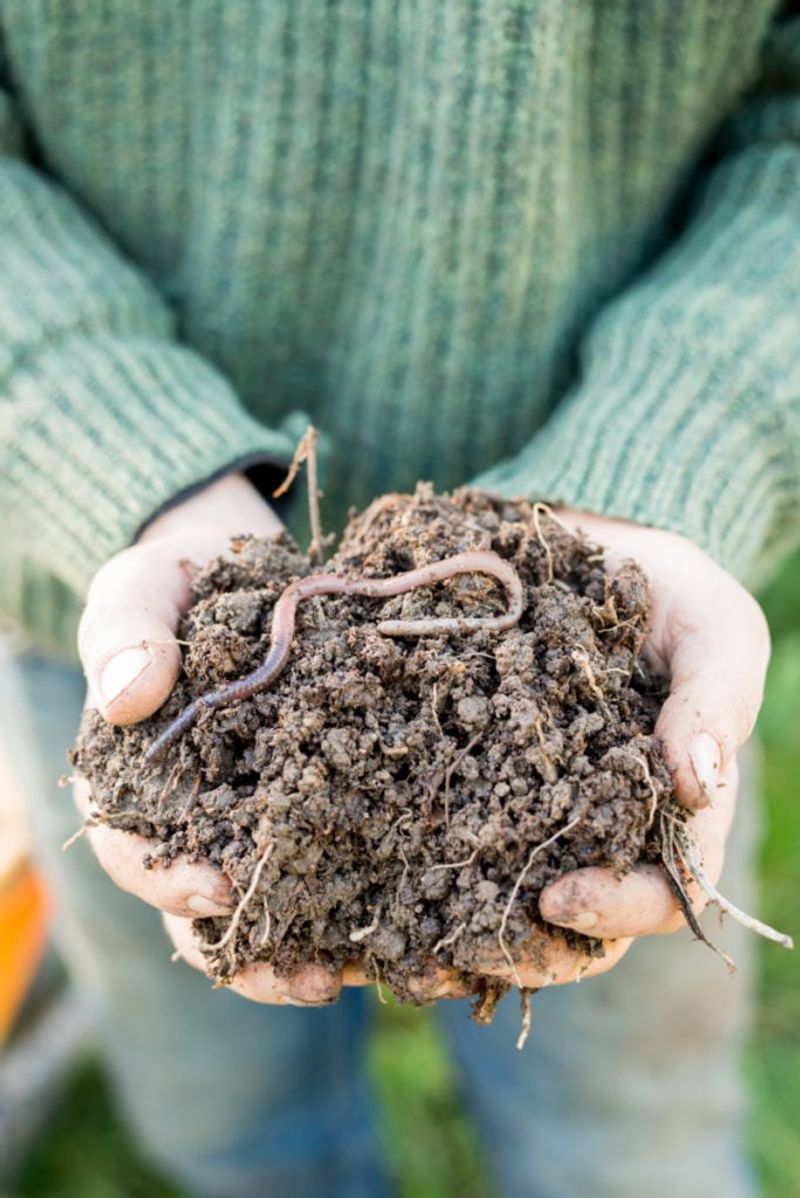
Lift the edge of a mulch layer after a few dry summer days. Finding earthworms underneath tells you something valuable: the soil is holding moisture even when the air feels like an oven.
Earthworms need a consistently damp environment to survive and move through the soil. They breathe through their skin, which means dry, cracked ground sends them deeper or stops their activity altogether.
In sandy soils common across many parts of Florida, moisture drains away quickly. Raised beds, mulch beds, and compost-rich areas tend to hold water longer than bare ground.
When worms are present near the surface in summer, it usually means that layer of soil has stayed evenly moist without becoming waterlogged. That balance is harder to achieve than most gardeners realize.
Before adding more water to any bed where you spot worms, push a finger two inches into the soil first. If it feels damp, hold off on irrigation.
Consistent, deep watering done less frequently supports moisture retention better than daily light sprinkles. Worm activity near the surface is a useful reminder to check actual soil moisture rather than water on a fixed schedule regardless of conditions.
2. Organic Matter Is Feeding Life Underground
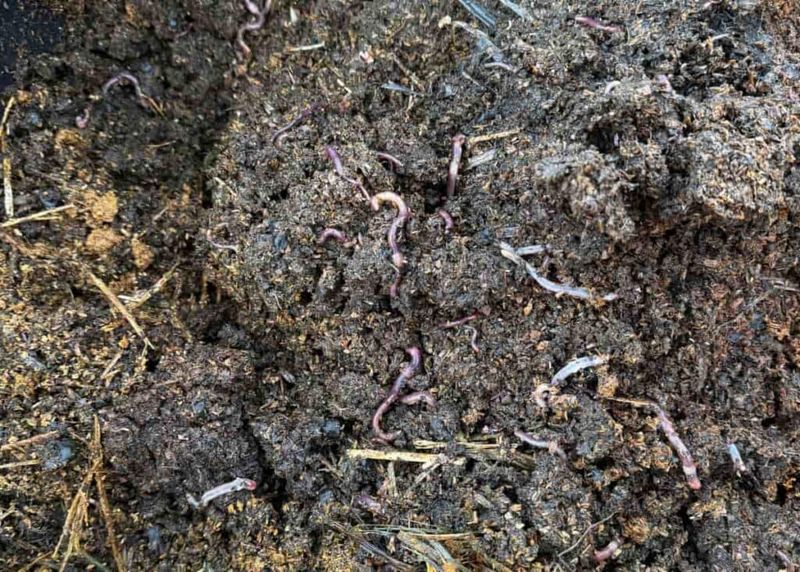
Compost-rich beds have a way of attracting underground life, and earthworms are one of the most visible signs that organic matter is doing its job. Earthworms feed on decomposing plant material, fungi, and bacteria found in organic matter.
When a bed has compost, aged mulch, or natural leaf litter, it becomes a food-rich environment. That environment supports worm populations and many other soil organisms.
Earthworms are part of a much larger soil food web. Bacteria, fungi, nematodes, beetles, and other tiny creatures all work alongside worms to break down organic material and cycle nutrients through the soil.
Worms are useful indicators of that activity, but they are not the only workers underground. Seeing them in a compost-amended bed means the system is functioning, not that one organism is carrying all the weight.
Adding organic matter to garden beds gradually and from safe sources makes a real difference. Compost from a reliable source, aged wood chip mulch, and plant debris from non-diseased plants are all good options.
Your Florida Garden Changes Every Week. Your Plan Should Too.
Gardening in Florida changes quickly throughout the season. Every Friday you’ll receive a simple weekly plan showing exactly what to plant, prune, fertilize, harvest, and protect so you never miss the right timing.
Avoid burying raw kitchen scraps directly in open garden beds, since that can attract pests. Slow, steady additions of organic matter build the kind of soil environment that supports life season after season.
3. Worm Castings Point To Active Soil
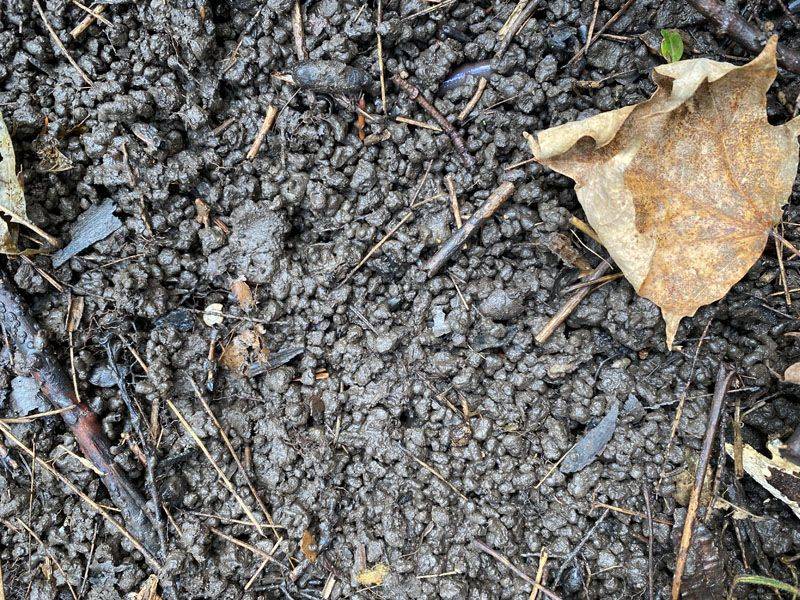
Small, granular piles of dark material on your soil surface are often worm castings, the processed organic matter that passes through an earthworm as it feeds and moves.
Castings look like tiny clumps of compressed soil and tend to appear near the surface after rain or irrigation.
Spotting them means earthworms have been actively feeding and moving through your soil, which points to biological activity happening underground.
Castings can improve soil structure by adding aggregates that help water and air move through the ground more easily. Research from university soil science programs notes that castings contain nutrients plants can access.
The actual benefit depends on the volume of castings and the existing soil conditions. Castings alone are not a substitute for soil testing, proper drainage, or balanced fertilization.
Think of visible castings as a sign worth noticing, not a reason to stop caring for your soil. A soil test from your county extension office will tell you far more about nutrient levels, pH, and texture than any surface observation can.
Castings confirm activity; they do not replace the practical steps of adding compost, watering correctly, and growing plants suited to your local soil type and climate.
4. Mulch May Be Creating A Cooler Layer
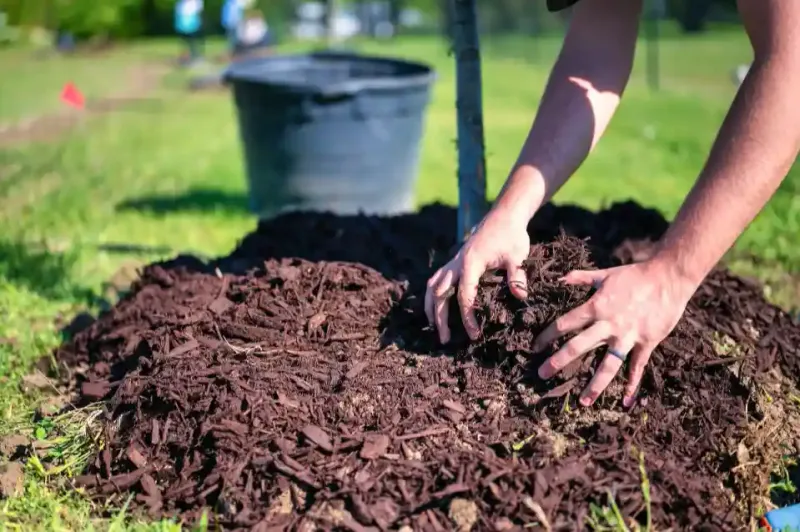
A well-mulched bed can feel like a completely different world just a few inches below the surface. During the hottest months, bare soil in full sun can reach temperatures that push most soil life deeper or slow it down significantly.
A two-to-three-inch layer of organic mulch acts as insulation, keeping the soil beneath noticeably cooler and more stable than exposed ground nearby.
As organic mulch breaks down over time, it adds material that feeds soil organisms including earthworms. The layer between the mulch and the soil surface often stays slightly damp and shaded.
That protected environment is where worms tend to stay active during summer. Finding worms at that mulch-soil interface is a common discovery in well-maintained garden beds across Florida.
Apply mulch carefully and correctly to get the most benefit. Keep it two to three inches deep, and pull it back a few inches from plant stems, tree trunks, and crowns to prevent rot and pest problems.
Piling mulch too thick or pressing it against structures creates issues with moisture, disease, and unwanted insects.
Mulch used correctly does more than protect worms; it reduces surface crusting, conserves irrigation water, and gradually improves the organic content of your soil.
5. Heavy Rain Can Bring Worms To The Surface
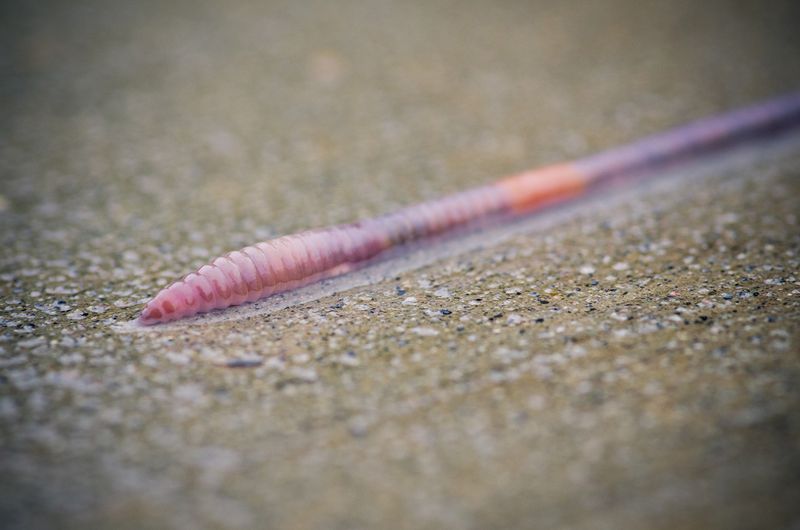
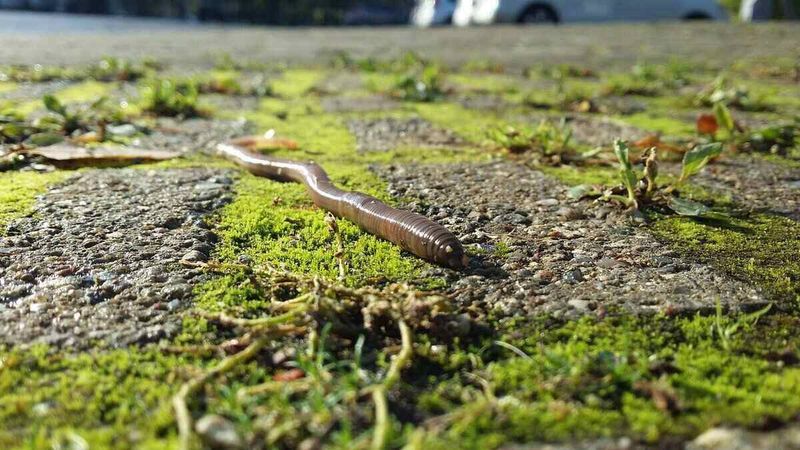
After a heavy summer downpour, it is not unusual to find earthworms crawling across sidewalks, driveways, and lawn surfaces. That scene can look alarming, but the reason behind it is straightforward.
When soil becomes saturated during intense rain, the small air pockets that normally exist between soil particles fill with water. Earthworms move toward the surface to avoid those flooded conditions underground.
Storms also make the surface environment easier to cross. Earthworms lose moisture quickly when exposed to sun and heat, so they typically stay underground during dry weather.
Overcast skies and wet surfaces after rain give them a brief window to move around without drying out. Surface worms after a storm are a seasonal observation, not necessarily a sign of serious damage to your garden.
Pay attention to how quickly water drains from your beds and lawn after heavy rain. Standing water that lingers for more than a day or two points to a drainage issue worth addressing.
Poor drainage affects plant roots, soil structure, and soil life far beyond just earthworm comfort. If water pools repeatedly in the same spots, consider raising bed edges or improving soil organic matter.
You can also consult your local extension office for drainage guidance suited to your site and soil type.
6. Compacted Soil Still Needs More Than Worms
Spotting earthworms in one part of your yard does not mean every square foot of soil is in good shape. Compacted areas, worn paths, spots under heavy foot traffic, and places where water sheets off after rain all tell a different story.
Compaction squeezes out the air pockets that roots and soil organisms need, making it hard for water to move through and difficult for roots to grow deep.
Earthworms can create small channels as they move through soil, and those channels do help with water movement to some degree. However, worms cannot undo serious physical compaction on their own.
Thin turf, shallow roots, lingering puddles, and bare patches are signs that the soil needs direct attention. Any worm population can only do so much.
Practical steps for compacted areas include reducing foot traffic with stepping stones or defined paths. Top-dressing with compost and adding mulch can also protect the surface.
Avoid deep tilling near tree roots or in areas where underground utilities may be present. If a large area of your landscape has compaction problems, reach out to your county extension office before starting major soil work.
Good guidance upfront saves time, money, and plant stress down the road.
7. Not Every Earthworm Tells The Same Story
Most Florida gardeners assume any earthworm in the soil is a welcome sign, and in a managed garden bed, that is often true. However, not all earthworms are the same species, and not every species plays the same role.
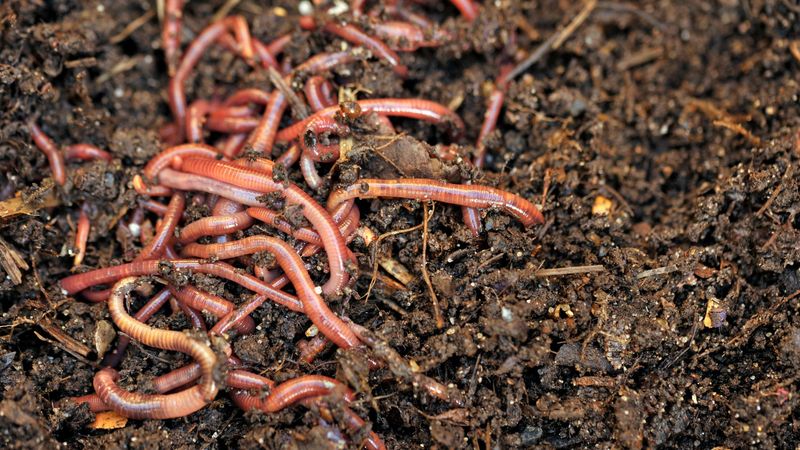
Many earthworms found in home gardens, raised beds, and compost bins across the United States are nonnative species. They arrived centuries ago through soil and plant trade.
Their effects in managed garden settings are generally considered helpful, but the picture is more complicated in natural ecosystems.
Research from university natural resource programs shows that some nonnative earthworms can disrupt leaf litter in forest ecosystems. That can affect native plants, fungi, and wildlife that depend on undisturbed forest floors.
In a home garden or raised bed, that level of ecological concern is less relevant. The practical takeaway for homeowners is simple: avoid moving worms from your garden into natural areas, parks, or wild spaces.
Do not dump bait worms purchased from a shop into outdoor garden beds or natural areas. Bait worms are often species not suited to the local soil or climate, and releasing them in the wrong setting can cause unintended problems.
In your garden beds, appreciate worms as useful clues about soil conditions, while keeping them where they belong.
8. Living Soil Means Your Garden Is Waking Up
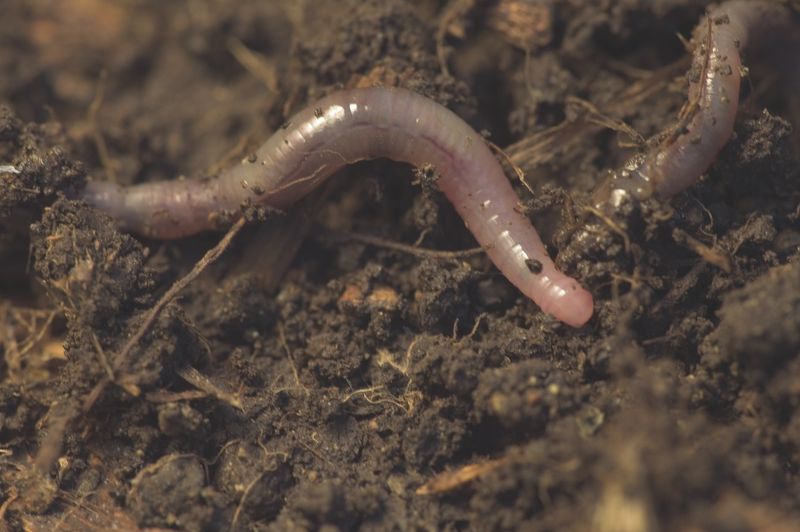
Earthworms are one piece of a much larger picture. Healthy, living soil is full of bacteria, fungi, nematodes, insects, plant roots, and organic material.
They work together in a constant cycle of feeding, decomposing, and rebuilding. When conditions support earthworms during a Florida summer, those same conditions usually support much of that broader soil community.
Worms are visible; most of the other workers are not.
The best response to finding earthworms in your summer beds is not to chase more worms or treat them as the goal. Focus instead on maintaining the conditions that support living soil.
These include consistent moisture without overwatering, regular organic matter, correct mulch depth, and minimal soil disturbance. They also include protection from extreme surface heat.
Avoid unnecessary pesticide applications near garden beds, since many products affect soil organisms beyond their intended targets.
A garden with living soil is more resilient. It handles summer heat, heavy rain, and dry spells better than bare, depleted ground.
Earthworms in your summer soil are a quiet signal that the system is working. Keep supporting that system with steady, thoughtful care.
Check soil moisture before watering, add compost gradually, mulch correctly, and let the underground community do what it does best all season long.