The Centuries Old Pennsylvania Garden Habit Most Homeowners Abandoned And Are Now Quietly Returning To
Somewhere in the last several decades of modern gardening, a practice that Pennsylvania gardeners followed for centuries quietly disappeared from most residential yards. It wasn’t banned or discouraged.
It just got crowded out by newer products, newer approaches, and the convenience of solutions that promised faster results with less effort. But those faster solutions came with trade offs that are becoming harder to ignore.
Pennsylvania gardeners are returning to this old practice in growing numbers, and the reasons are both practical and philosophical. It rebuilds what modern gardening has been depleting.
It reduces dependence on inputs that have real environmental costs. And it produces results in the garden that newer approaches consistently struggle to match over the long term.
It’s not complicated, it doesn’t require special equipment, and generations of Pennsylvania gardeners managed their yards with it as a foundation without giving it a second thought.
Here’s the centuries old Pennsylvania garden habit that’s making a quiet and well deserved comeback in yards across the state.
What A Traditional Pennsylvania Kitchen Garden Was
Picture a tidy little garden tucked right outside the back door of a farmhouse, close enough that you could step out in your slippers and snip fresh herbs for dinner.
That was the traditional Pennsylvania kitchen garden, and it was not fancy. It was practical, productive, and placed with purpose.
These gardens were small but intensively planted, meaning every inch of soil was put to work. They were always positioned near the kitchen entrance and close to a water source, which made daily watering and harvesting quick and easy.
Pennsylvania German families, who settled much of the state in the 1700s, were especially known for keeping well-organized kitchen gardens as a central part of home life.
The garden supplied a wide variety of plants. Vegetables like beans, onions, cabbages, and beets grew alongside culinary herbs such as parsley, sage, rosemary, and thyme.
Fruits were common too, along with plants valued for fragrance or traditional household uses. Nothing was decorative for decoration’s sake alone. Every plant earned its spot.
What made the kitchen garden different from a regular vegetable patch was its location and its purpose. It was not out in a distant field.
It was right there at the house, woven into daily life. Cooks could walk out the door and gather exactly what they needed for that day’s meal.
Frequent harvesting actually encouraged plants to keep producing, so the garden rewarded regular attention.
Families visited it almost every day, pulling weeds, checking for pests, and gathering fresh food. It was a living pantry, always stocked and always within arm’s reach.
Why It Was Once Essential To Pennsylvania Homes
Before refrigerators, before supermarkets, and before trucks hauled produce across the country, Pennsylvania families had one reliable food source they could count on: their own garden. The kitchen garden was not optional.
For most households, it was the difference between eating well and going without. Families depended on these gardens for fresh, seasonal ingredients throughout the spring, summer, and fall months.
Your Pennsylvania Garden Changes Every Week. Your Plan Should Too.
Gardening in Pennsylvania changes quickly throughout the season. Every Friday you’ll receive a simple weekly plan showing exactly what to plant, prune, fertilize, harvest, and protect so you never miss the right timing.
When the harvest season ended, they preserved what they could through drying, pickling, fermenting, and canning.
Those preserved goods carried the family through winter when fresh food was nearly impossible to find. The kitchen garden and the preservation pantry worked together as one system.
At historic Pennsbury Manor, William Penn’s reconstructed estate along the Delaware River, the kitchen garden played a central role in feeding the household.
Visitors today can still see how that garden supplied both food and medicinal plants, giving a real sense of how important these spaces were to everyday colonial Pennsylvania life.
For Pennsylvania German communities, the kitchen garden also carried cultural meaning. Growing and preserving food was a skill passed from mothers to daughters, fathers to sons.
Knowing how to tend a productive garden was a sign of good household management. A thriving garden reflected well on the whole family.
Communities also shared seeds, traded plants, and helped one another learn what grew best in local soil and climate. This shared knowledge built stronger neighborhoods.
The kitchen garden was never just about food. It was about family, community, and self-reliance, values that Pennsylvania families held deeply for generations before modern convenience changed everything.
What Pennsylvanians Traditionally Grew
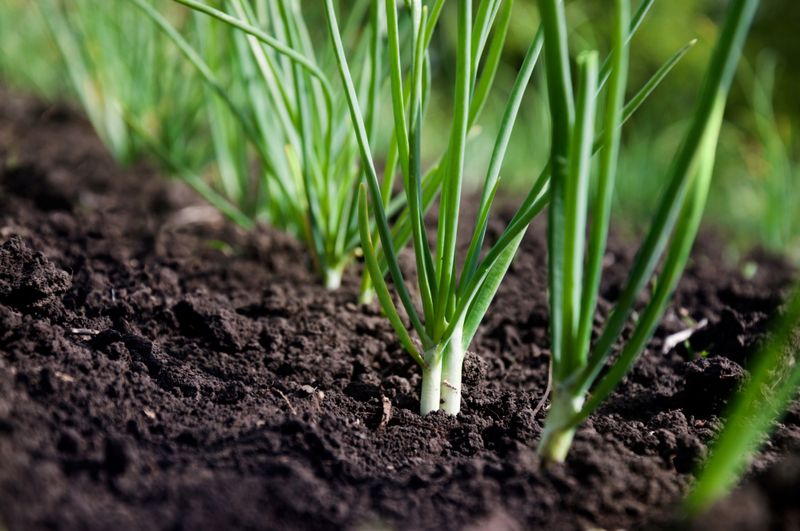
Walk through a traditional Pennsylvania kitchen garden and you would find a surprisingly rich variety of plants growing in a small amount of space. These were not exotic or rare plants.
They were everyday crops chosen because they were useful, dependable, and well-suited to Pennsylvania’s climate and soil.
Everyday vegetables formed the backbone of the garden. Beans, onions, cabbage, beets, turnips, carrots, and other root crops were staples.
They stored well after harvest, which made them especially valuable to families who needed food to last through winter. Leafy greens and peas showed up in early spring, and warm-season crops like squash and cucumbers followed later in the season.
Culinary herbs had their own dedicated spot in many kitchen gardens. Parsley, sage, thyme, dill, and mint were used constantly for seasoning and for preserving meats and vegetables.
Some herbs also held traditional household value, used in teas or remedies that families had relied on for generations. Knowing which herb to use for which purpose was considered basic household knowledge.
Fruits like currants, gooseberries, and strawberries appeared in many gardens, along with plants grown for fragrance or natural dyes. Lavender, roses, and woad were not unusual additions.
Plant choices shifted depending on the family’s cultural background, the time period, and what seeds were available through trading with neighbors or purchasing from early seed merchants.
Pennsylvania’s diverse immigrant communities, including German, English, Welsh, and Scots-Irish settlers, each brought their own planting traditions.
Over time, those traditions blended together, creating a rich regional garden culture that was uniquely Pennsylvanian in character and deeply practical in spirit.
Why The Kitchen Garden Disappeared From Many Yards
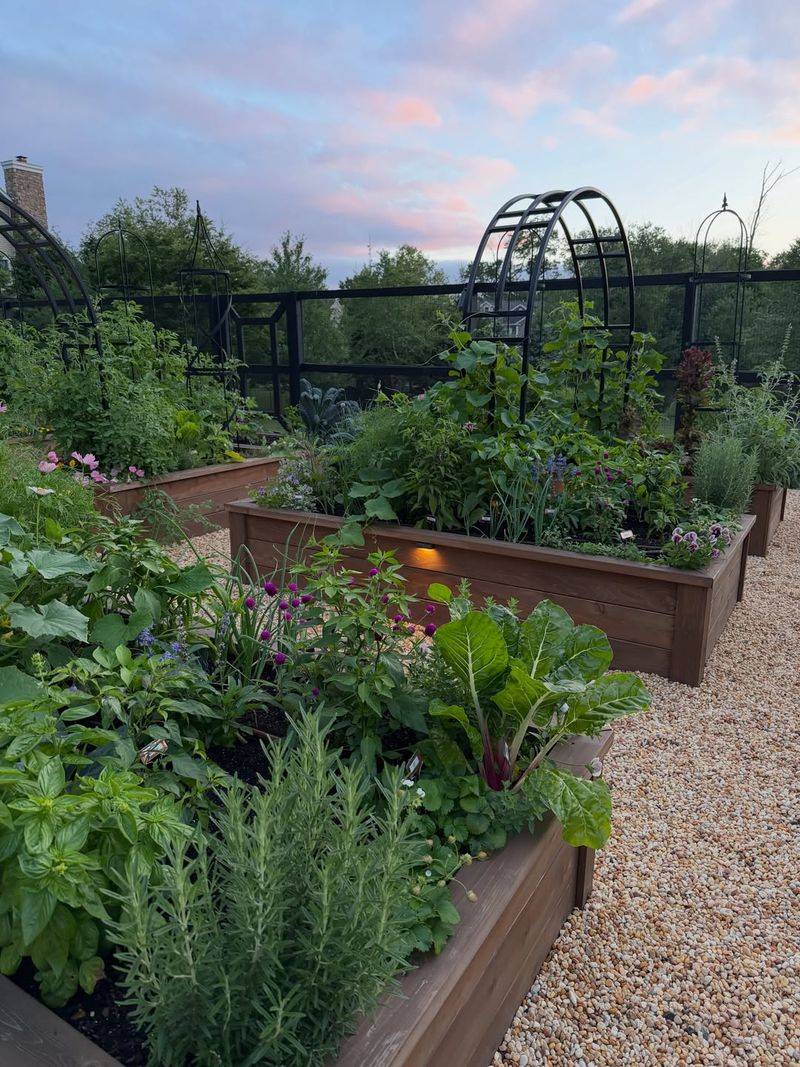
Something shifted in American life after World War II, and the kitchen garden quietly faded from most Pennsylvania backyards. It did not disappear overnight.
It happened gradually, as new conveniences made growing your own food feel less necessary and, eventually, old-fashioned.
Grocery stores changed everything. By the mid-twentieth century, fresh produce was available year-round at affordable prices.
Families no longer needed to grow beans and cabbage in the backyard when they could simply buy them on a Tuesday afternoon. Refrigeration meant food stayed fresh longer, and canning and preservation skills became less urgent.
The practical reason for maintaining a kitchen garden slowly evaporated. Suburban landscaping trends also pushed food plants out of the picture. Neatly mowed lawns, ornamental shrubs, and flower beds became the standard for a well-kept yard.
Growing vegetables in the front or side yard started to feel out of place in many neighborhoods. Lawns became a status symbol, and productive gardens were sometimes seen as a sign of economic hardship rather than smart household management.
Gardening knowledge also stopped being passed down as reliably as it once was. Younger generations grew up without learning how to plant, tend, harvest, or preserve food.
Skills that had been handed down for centuries began to disappear within just one or two generations as family routines shifted and time became scarcer.
Maintaining a productive kitchen garden also requires regular attention. Watering, weeding, harvesting, and pest management do not wait for a convenient weekend.
As schedules filled up with work and other obligations, many families simply found it easier to let the garden go and buy what they needed instead.
How The Habit Is Returning In A Modern Form
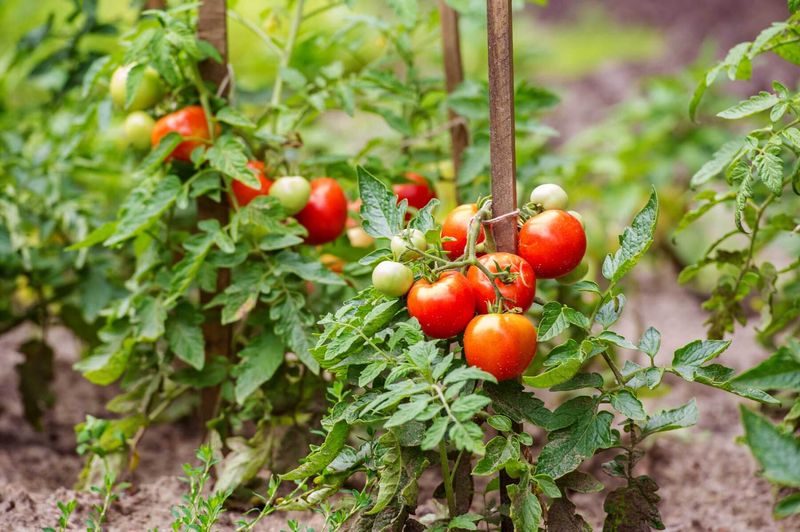
Something has been quietly growing in Pennsylvania backyards over the past several years, and it is not just tomatoes. Homeowners are bringing back the kitchen garden habit, but they are doing it with a fresh, modern twist that fits today’s smaller spaces and busier lifestyles.
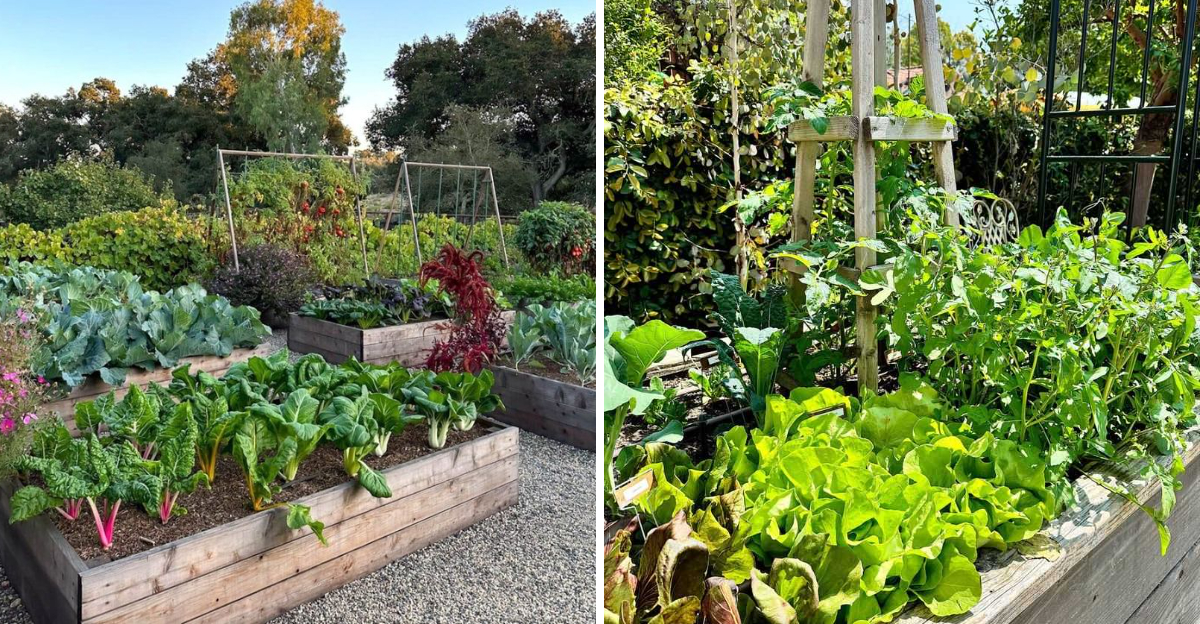
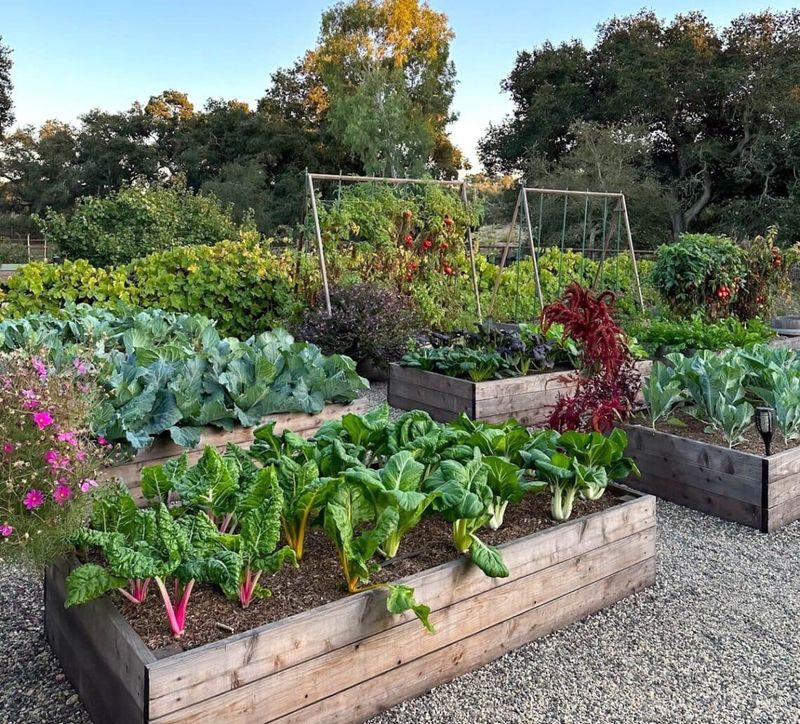
Raised beds have become one of the most popular ways to revive the tradition. They are easier to manage than in-ground gardens because you control the soil from the start.
No heavy tilling, no fighting compacted clay. You fill the bed with quality soil, plant your crops, and get growing.
Many Pennsylvania homeowners are building two or three raised beds and producing a surprisingly generous amount of food in a compact footprint.
Container gardening has opened the door for people with patios, decks, balconies, or very small yards. Tomatoes, peppers, lettuce, basil, and chives all grow happily in pots.
A few well-placed containers near a sunny door can recreate the spirit of the old kitchen garden without requiring a single square foot of in-ground space.
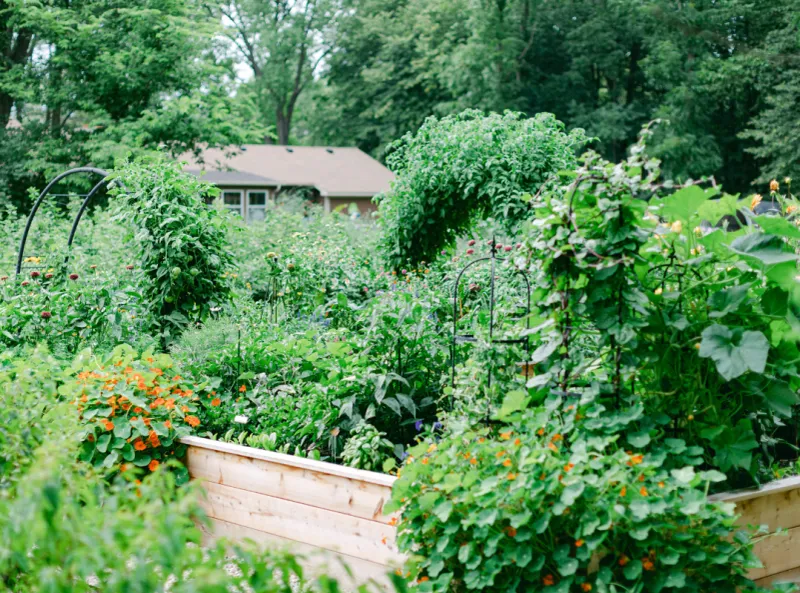
Modern kitchen gardens also look different from their historical counterparts. Many homeowners are blending vegetables, herbs, berries, edible flowers, and pollinator-friendly plants all in the same space.
Nasturtiums, calendula, and borage add color while attracting bees that help the whole garden produce better. The result is a garden that is productive, beautiful, and environmentally friendly all at once.
Online communities, local gardening groups, and social media have helped speed up the revival. Pennsylvania gardeners are sharing seeds, swapping advice, and encouraging neighbors to give it a try.
The knowledge that skipped a generation or two is finding its way back, one raised bed at a time.
How Pennsylvania Homeowners Can Recreate It
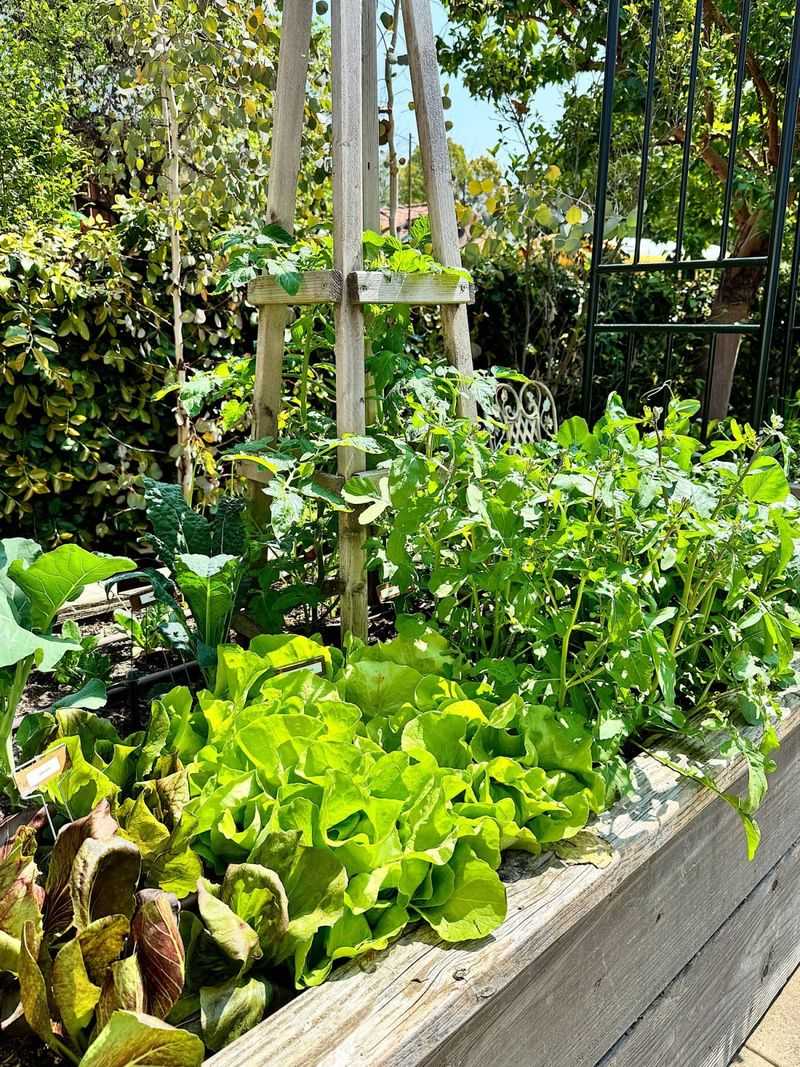
Ready to bring this tradition back to your own yard? Starting a kitchen garden does not require a lot of land, a big budget, or years of experience.
A little planning upfront makes the whole process much smoother and more rewarding from the very first season.
Location matters more than almost anything else. Choose a spot that gets at least six hours of direct sunlight each day, positioned as close to your kitchen door as possible.
Convenience is the whole point. If harvesting herbs for dinner feels like a chore, you are less likely to do it regularly. Place the garden where it fits naturally into your daily routine.
Before you plant anything, test your soil. Pennsylvania soils vary widely, from rich river-bottom loam to heavy clay to sandy patches near streams.
A basic soil test, available through Penn State Extension for a small fee, tells you exactly what your soil needs. Adding fertilizer or amendments without testing first is guesswork, and guesswork wastes money.
Start with crops your family actually eats. Lettuce, tomatoes, peppers, parsley, chives, and basil are excellent starting points.
They are productive, easy to manage, and immediately useful in the kitchen. Grow what you will harvest, not what looks interesting in a seed catalog.
Use succession planting to stretch your harvest season. Instead of planting all your lettuce at once, plant a small row every two to three weeks.
That way, you have fresh greens available over a longer period rather than a huge glut all at once.
Where native soil is compacted, unsuitable, or potentially contaminated from old construction or industrial use, raised beds and containers are the smart solution. Fill them with quality garden mix and start fresh with confidence.