The Meaning Behind Finding More Toads In Your Texas Garden After The Rain
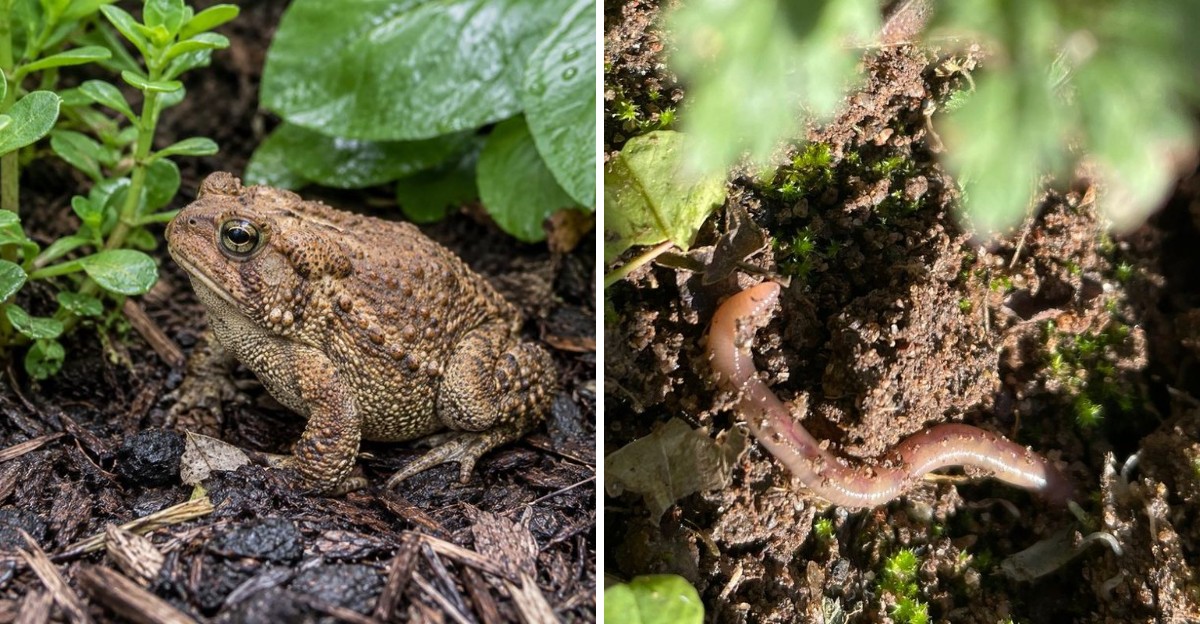
Rain in Texas changes the garden overnight, and one of the most noticeable changes is the sudden appearance of toads that weren’t there the day before.
One toad is charming. Several of them appearing at once after a good rain tends to make most people genuinely curious about what’s going on. Their appearance is not random.
Toads are highly sensitive to environmental conditions and they move in response to very specific triggers.
A post-rain gathering of toads in your Texas garden tells you something real about the conditions your outdoor space is creating and the ecosystem it’s supporting, sometimes in ways that are more meaningful than a casual glance would suggest.
Beyond the practical side, toads carry rich symbolic meaning across many cultural traditions with deep roots in Texas life.
Here’s what finding more toads in your Texas garden after the rain really means.
1. Your Garden Has A Healthy Ecosystem
Spotting a bunch of toads after rain is actually a compliment to your yard. It usually means your garden has a balanced, thriving ecosystem that supports many kinds of life.
Toads are picky about where they hang out. They need clean water, plenty of bugs, and safe places to hide. When all three exist, toads move in and stay awhile.
Because these amphibians breathe partly through their skin, they are sensitive to pollution and chemicals. If your garden is full of them, that often signals low pesticide use and good soil health.
Think of toads as tiny inspectors giving your yard a passing grade. Their presence shows that the food chain is working, from insects up to birds and snakes.
A rainy day makes everything easier for them. Wet ground keeps their skin moist, and puddles offer quick drinking and cooling spots. That comfort draws more of them into the open.
You can encourage this healthy balance by avoiding harsh sprays and leaving some leafy corners untouched. A small pile of logs or a shallow dish of water goes a long way.
Native Texas plants also help by attracting the insects toads eat. The more natural your space feels, the more welcome these creatures will be.
Instead of worrying about the sudden crowd, take pride in it. Your green thumb created a place where wildlife wants to live.
Over time, this balance keeps growing stronger. More toads today often means an even livelier, healthier garden tomorrow.
2. Natural Pest Control Is Working
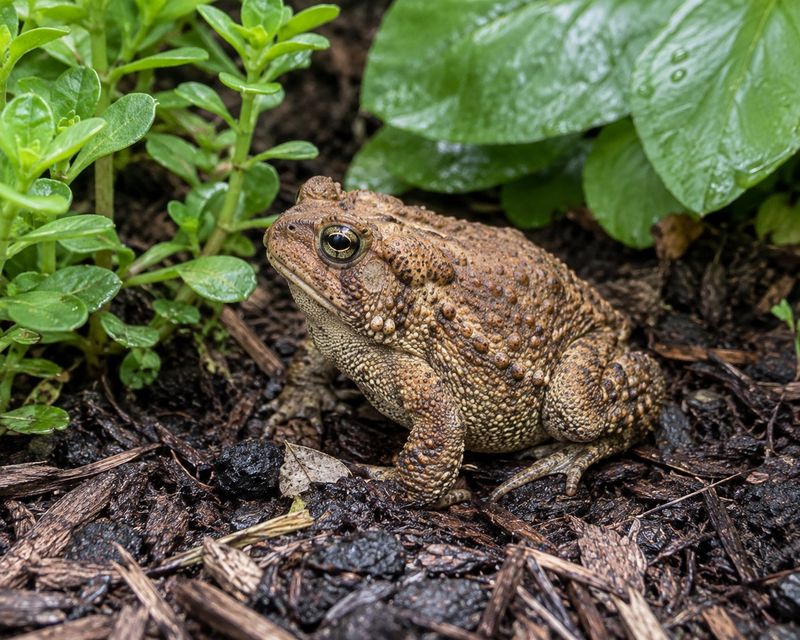
Here is a fun secret gardeners love. Every toad in your yard is basically a free, hardworking bug catcher.
A single toad can gobble up thousands of insects in one season. They snack on beetles, mosquitoes, slugs, grasshoppers, and other pests that damage plants.
When rain brings out more toads, it also means more mouths munching on the critters that bother your flowers and vegetables. That is great news for anyone tired of chewed leaves.
Rainy weather stirs insects into action too. Bugs come out of the soil and off the plants, giving toads an easy buffet right in your garden beds.
Your Texas Garden Changes Every Week. Your Plan Should Too.
Gardening in Texas changes quickly throughout the season. Every Friday you’ll receive a simple weekly plan showing exactly what to plant, prune, fertilize, harvest, and protect so you never miss the right timing.
Because toads hunt mostly at night, you might not see them working. But by morning, they have quietly reduced the pest population while you slept.
This natural teamwork saves you money and effort. You need fewer sprays, fewer traps, and less worry about chemicals near your food.
To keep your toad crew happy, give them shady hiding spots during hot Texas days. A broken clay pot flipped on its side makes a perfect little home.
Avoid using bug destroyers that could harm them. Remember, poisoning the insects can accidentally hurt the toads that eat those insects.
A garden full of toads after rain is a sign your pest control system is thriving all on its own. Nature is doing the job for you.
So the next time you spot extra hoppers, thank them. They are protecting your plants one bite at a time.
3. Breeding Season Has Begun
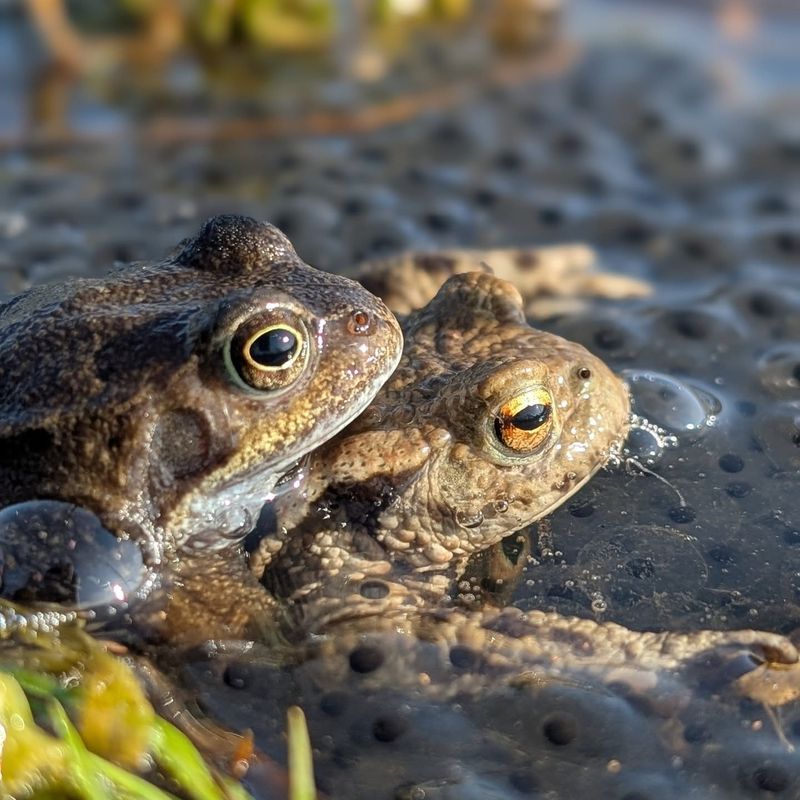
Rain is like a starting bell for toad romance. When storms hit, many Texas toads take it as their cue to breed.
Toads lay their eggs in water, so puddles and soggy spots become perfect nurseries. A heavy downpour fills these temporary pools almost instantly.
That is why you might suddenly see groups of toads gathering together. They are answering nature’s invitation to find mates and start families.
Male toads often call out with chirps and trills to attract females. If your garden sounds noisy after rain, that concert is part of the breeding rush.
Species like the Gulf Coast toad and the Texas toad time their reproduction with wet weather. Rain guarantees the water their eggs and tadpoles need to survive.
Within a few days, those puddles may fill with tiny wriggling tadpoles. If you look closely, you can watch them grow before the water dries up.
You can help by leaving a shallow, safe water source in your yard during rainy months. Avoid anything with steep sides that traps young toads.
Keep in mind that these baby amphibians grow fast. Soon your garden could have a whole new generation of pest-eating helpers.
Finding extra toads during this time is completely normal and healthy. It shows the wet season is doing exactly what nature intended.
Enjoy the show while it lasts. Breeding season is short, but it fills your garden with fresh life and future bug hunters.
4. A Sign Of Good Luck And Fortune
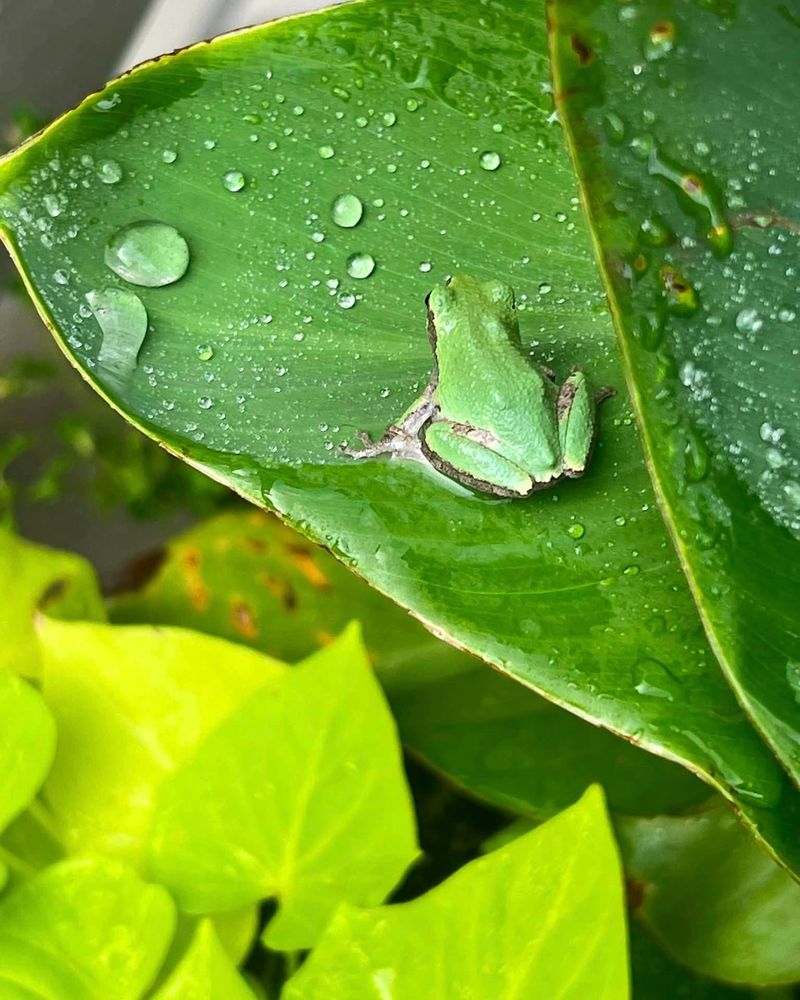
Long before science explained toad behavior, people saw these creatures as lucky charms. Many cultures believe a toad in your yard brings blessings.
In some traditions, toads symbolize wealth, prosperity, and steady growth. Finding several after rain can feel like fortune knocking on your door.
Chinese folklore even features a three-legged money toad said to attract riches. Placing its image near a home is thought to invite abundance.
The connection makes sense when you think about it. Rain feeds crops, and toads protect those crops, so both were signs of a good harvest ahead.
For farmers of the past, a toad-filled field meant fewer pests and healthier plants. That directly led to more food and better income.
Some folks also link toads to rain itself, treating them as tiny weather messengers. Their appearance hinted that nourishing storms were near.
Whether or not you believe the legends, there is comfort in the idea. Seeing lucky little visitors can brighten a gloomy, rainy day.
You might even turn it into a fun family tradition. Counting toads after each storm can become a cheerful garden ritual.
At the very least, welcoming these creatures reflects a positive, hopeful attitude toward nature. That mindset often leads to a happier gardener.
So if superstition says toads mean luck, why not embrace it? A yard full of them certainly beats a yard full of pests.
5. Your Soil Is Moist And Nutrient-Rich
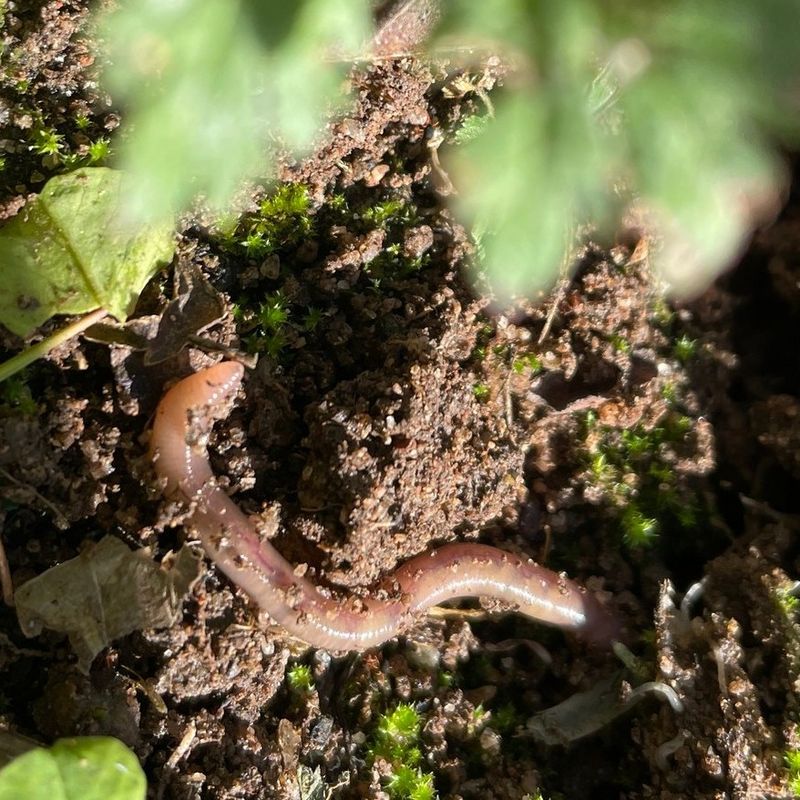
Toads and healthy soil go hand in hand. When they crowd your garden after rain, it often points to rich, moist earth beneath their feet.
These amphibians love damp ground because it keeps their skin from drying out. Wet, loose soil also makes it easy for them to burrow and cool off.
Rain that soaks deep into the dirt creates the perfect toad-friendly conditions. Soft, spongy soil means they can dig quick hideouts anytime.
Good soil usually holds lots of earthworms and insects too. That underground activity gives toads plenty to eat while they explore.
Rich earth full of organic matter drains well yet stays moist. That balance supports both strong plants and comfortable amphibians.
If toads keep returning to certain spots, those areas likely have the best soil in your yard. Pay attention to their favorite corners.
You can improve your dirt by adding compost and mulch. These materials trap moisture and invite the bugs toads crave.
Avoid packing the soil too tightly. Loose ground lets toads burrow and helps roots breathe at the same time.
A garden that attracts toads is often a garden ready to grow amazing vegetables and flowers. The same conditions benefit both.
Next time it rains, watch where the toads settle. They may be pointing you toward the healthiest planting zones on your property.
Treat their presence as a soil report card. Lots of happy toads usually means your ground is in excellent shape.
6. A Message To Reduce Chemical Use
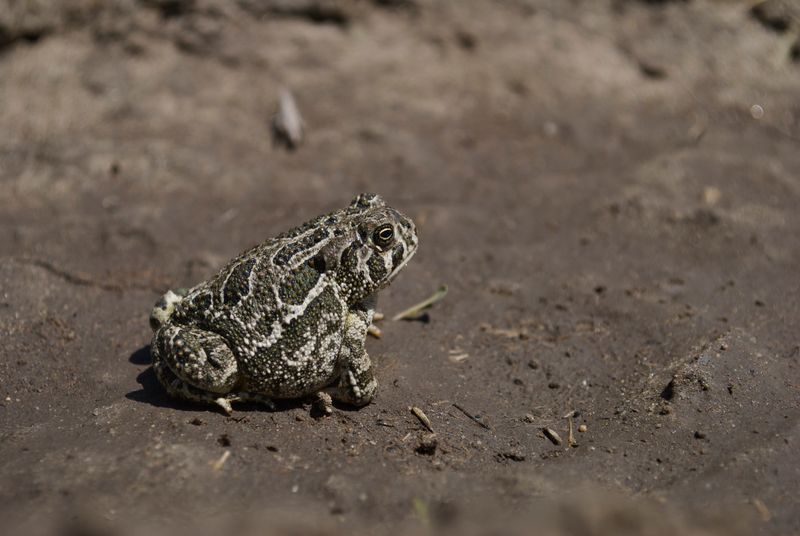
Toads are like living warning lights for your garden’s safety. Their sudden arrival can nudge you to rethink the products you spray.
Because their skin absorbs chemicals easily, toads only thrive where toxins are low. A rush of them after rain hints that your yard is fairly clean.
On the flip side, if you rarely see toads, harsh pesticides might be the reason. Their absence can reveal problems you cannot see.
Rain washes chemicals deeper into the soil and into puddles. Sensitive amphibians feel those effects quickly, so their comfort matters.
Seeing more toads is a gentle reminder that natural methods are working. It shows you may not need strong sprays after all.
Try switching to organic pest solutions like neem oil or companion planting. These options keep bugs down without harming your helpful hoppers.
Hand-picking pests and encouraging birds also lightens the chemical load. Every small change makes your garden safer for wildlife.
Healthier surroundings benefit your family too. Fewer toxins near your vegetables means safer food on your table.
Think of toads as partners in your gardening journey. When you protect them, they protect your plants in return.
Their presence after rain celebrates the choices you already made right. Keep leaning toward gentle, earth-friendly care.
Over time, a chemical-light garden grows stronger and more balanced. The toads will thank you by sticking around season after season.
So let those bumpy visitors guide your habits. They quietly reward a cleaner, greener way of gardening.
7. Nature Is Restoring Its Balance
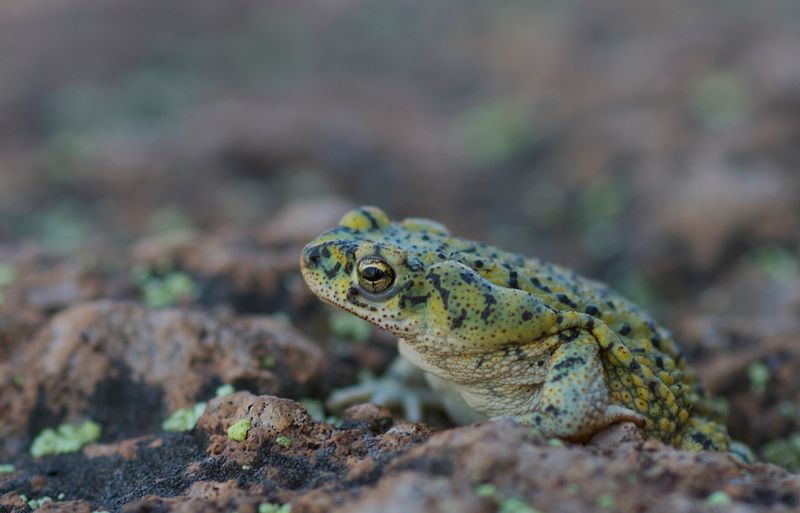
Sometimes a wave of toads simply means nature is hitting the reset button. Rain kicks off a cycle that brings everything back into harmony.
Dry spells can shrink toad numbers as water and food grow scarce. When storms return, these creatures bounce back in full force.
Their reappearance signals that the local environment is recovering nicely. Populations rise and fall, and a rainy surge shows the good side of that cycle.
Toads play a middle role in the food web. They eat insects and become meals for larger animals like snakes and owls.
More toads mean more food for those predators too. The whole chain strengthens whenever their numbers climb.
This natural rhythm has repeated for thousands of years. Rain, bugs, toads, and predators all rise and settle in a steady dance.
Watching it unfold in your own yard connects you to something bigger. Your garden becomes a small piece of a giant living system.
You can support this balance by keeping your space diverse. Mix flowers, shrubs, and shady spots to welcome many kinds of creatures.
Resist the urge to tidy every corner. A few wild patches give animals the shelter they need to thrive.
When you spot extra toads, view it as nature working exactly as designed. The system is healing and growing stronger with each storm.
Take a quiet moment to enjoy the balance around you. Those little hoppers are proof that your garden is truly alive and well.