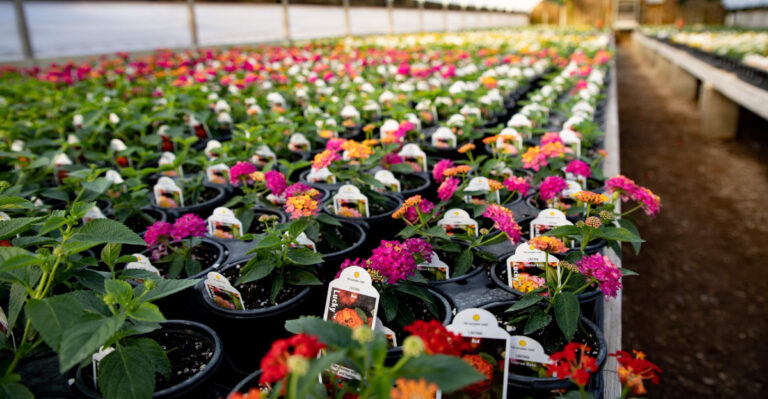
Why Florida Desert Rose Leaves Start Falling In Early Fall – And When It’s Actually Normal
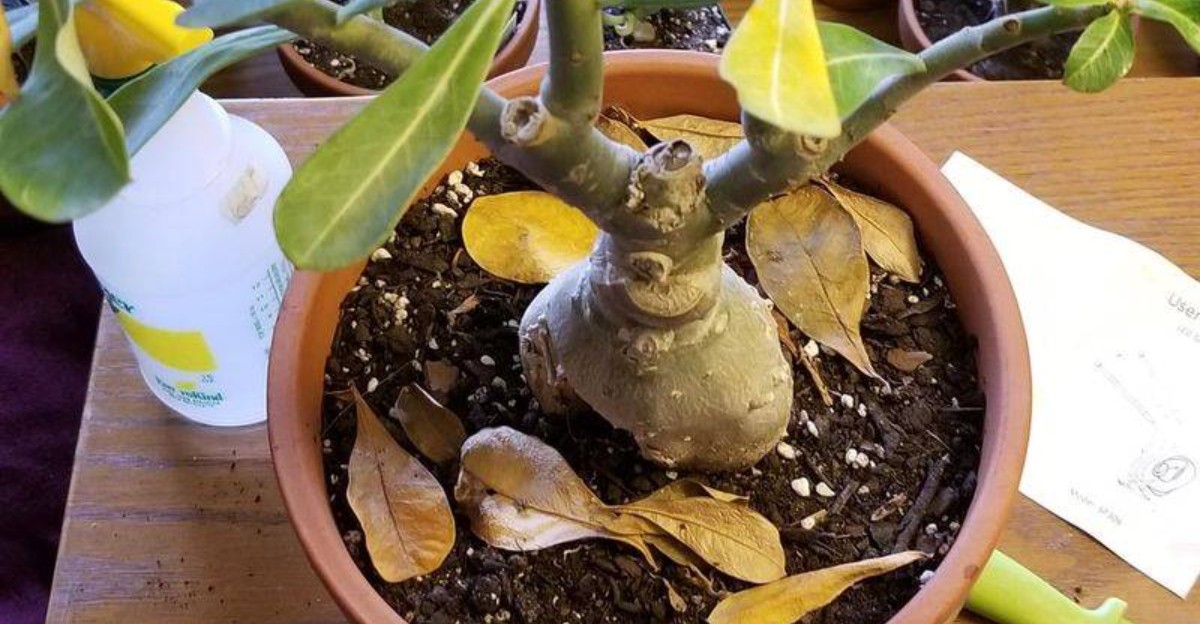
The leaves on that desert rose have been dropping for days, scattering across the pot, the patio, sometimes half the plant looking bare within a week. The instinct is to assume something’s gone wrong.
Sometimes it has. Sometimes it hasn’t.
This plant sheds leaves as part of its normal seasonal rhythm, slowing down as Florida’s early fall starts easing off summer heat. A healthy desert rose dropping leaves on schedule looks almost identical to one in real trouble.
The difference isn’t in how many leaves fall. It’s in what’s happening on the stems and at the base of the plant, long before the leaves offer any clue.
A few checks now can tell the two apart before anyone reaches for the wrong fix.
1. Let Seasonal Leaf Drop Signal The Start Of Desert Rose Rest
Picture a marathon runner finally sitting down after a long race. That is roughly what your desert rose is doing when the leaves start letting go in early fall.
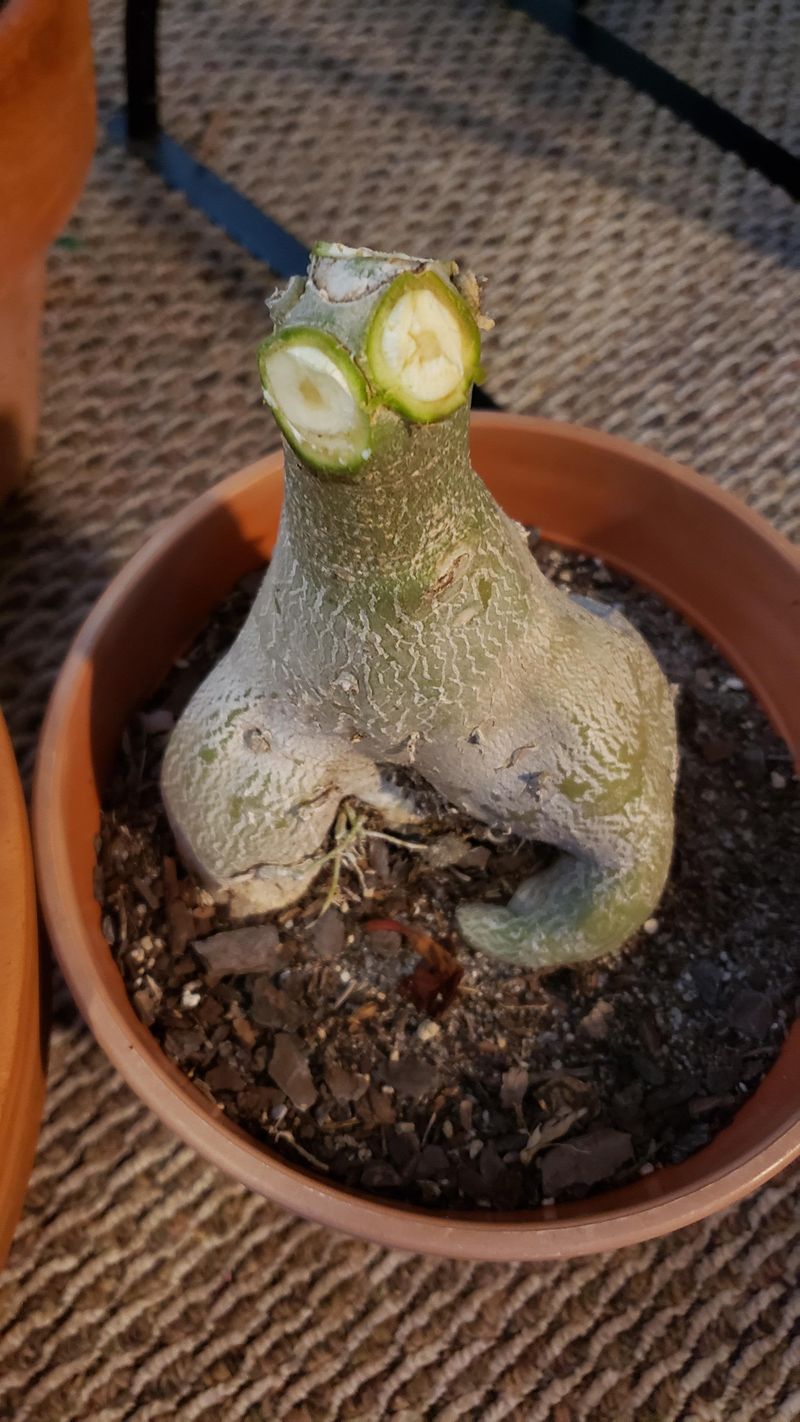
Adenium obesum is a succulent with a fat, water-storing trunk called a caudex. When days shorten and the air turns drier, the plant shifts into a resting phase and quietly pulls resources back into that swollen base.
Leaves cost energy to maintain, so shedding them is a smart budgeting move. Some plants drop a handful, others go nearly bare, and both patterns can be perfectly ordinary in Florida.
The clue that points toward normal is the pace and the pattern. Older, lower leaves yellow first, the stems stay firm, and the caudex remains plump rather than soft or wrinkled.
Resist the urge to fertilize your way out of it. Feeding a resting succulent pushes weak growth that struggles once nights cool further.
Instead, treat this stretch as scheduled downtime. Reduce fussing, keep the pot where drainage is quick, and let the plant settle.
A proper rest period can help set the plant up for strong growth and flowering when warm weather returns.
2. Watch Cooler Nights Trigger Yellowing Before Winter Arrives
Florida nights have a habit of sneaking down while the afternoons still feel like summer. Desert roses notice that gap long before we reach for a sweater.
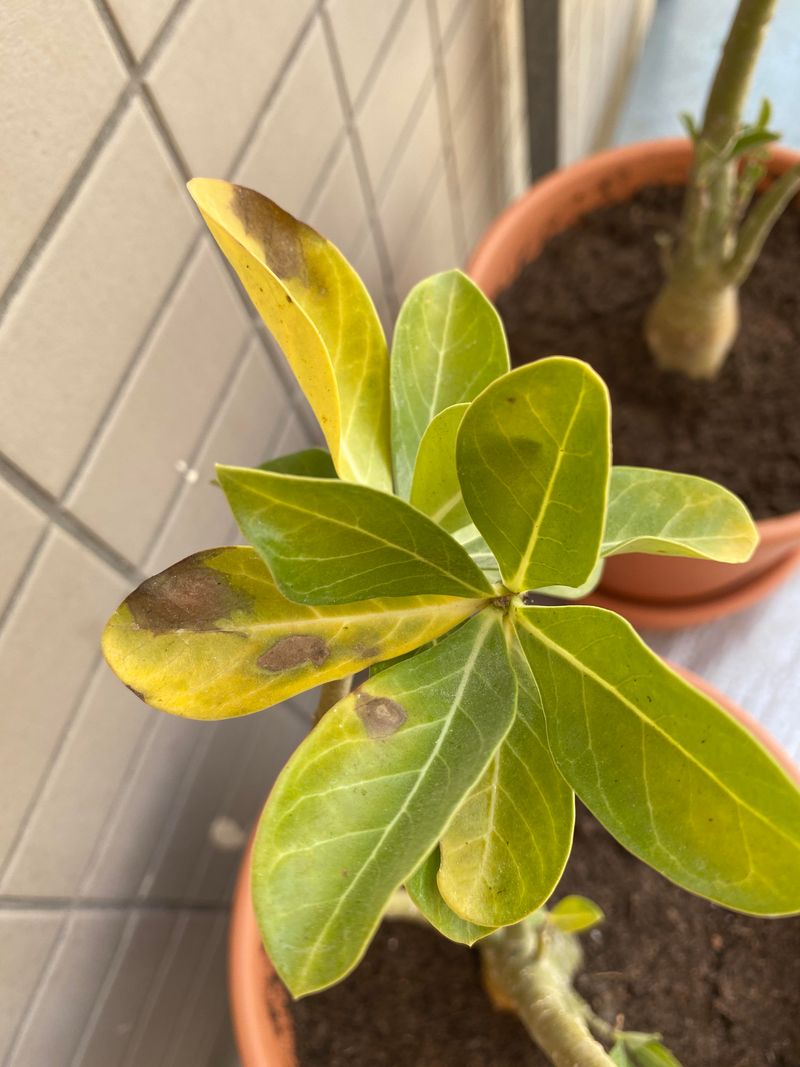
When nighttime readings slide into the upper 30s and mid 40s Fahrenheit, adeniums begin acting a bit like deciduous trees. Green fades to butter yellow, then leaves release one by one over several weeks.
The shift is usually gradual, which is the reassuring part. A sudden cold snap after a warm spell can speed things up and cause a heavier drop all at once.
Keep a simple thermometer near your plants rather than trusting the regional forecast. Patios, screened lanais, and spots near concrete walls hold different amounts of warmth.
If yellowing arrives with soft, mushy patches or a sour smell, temperature is not the whole story, and you should check the roots. Cool-weather yellowing leaves feel dry and papery as they fall.
Moving pots against a south-facing wall can buy a few degrees of overnight warmth. Brick and stucco soak up sun during the day and release it slowly after dark.
Your Florida Garden Changes Every Week. Your Plan Should Too.
Gardening in Florida changes quickly throughout the season. Every Friday you’ll receive a simple weekly plan showing exactly what to plant, prune, fertilize, harvest, and protect so you never miss the right timing.
Gardeners in Central and North Florida see this yellowing earlier than folks down in Naples or Homestead. Your zip code shapes the timeline more than the calendar does.
3. Cut Back On Water As Growth Begins To Slow
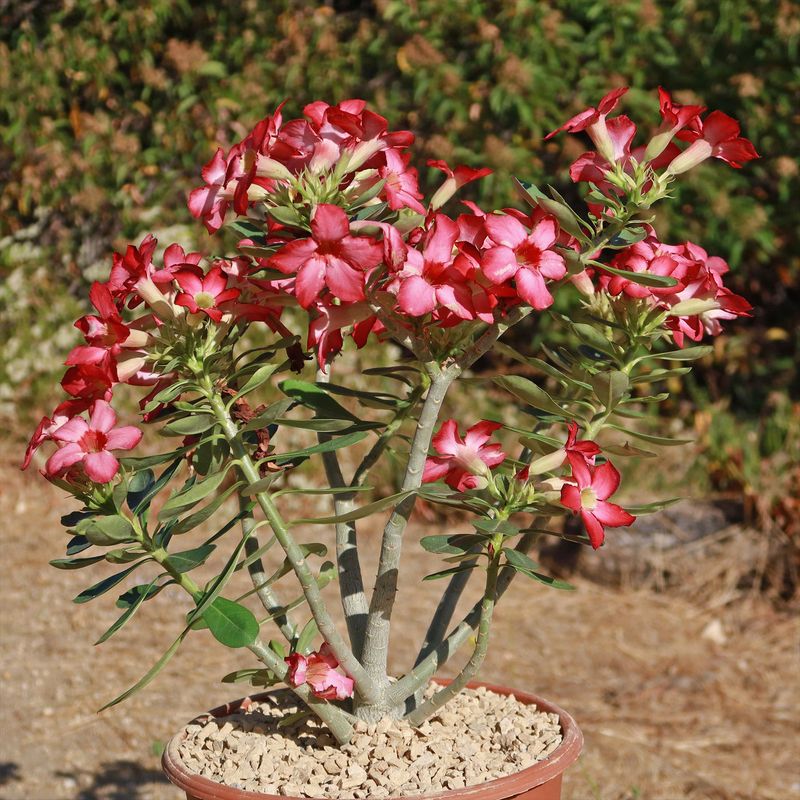
Old watering habits are hard to break, and that is exactly where most fall trouble begins. A plant that drank deeply in July wants far less in October.
Once growth slows, the roots take up moisture at a crawl. Water that used to vanish in two days may linger for two weeks in the same pot.
Shift your thinking from tropical bloomer to desert cactus. Let the potting mix dry thoroughly between waterings, then water sparingly while the plant is resting.
Many Florida growers stretch to once every three or four weeks by late fall, and some pause entirely for plants that have gone bare. A leafless adenium has almost no way to use extra moisture.
Poke a wooden skewer deep into the mix and pull it out. If it comes back damp or dark, hold off.
Weight is another handy test. Lift the pot after a thorough soak, then lift it again a week later and learn the difference.
Morning watering beats evening watering in cool months, since the surface dries before the chill settles in. That small timing tweak lowers rot risk considerably.
Skipping fertilizer during this stretch matters too. Save the feeding for spring, when leaves return and the plant can actually put nutrients to work.
4. Treat Soggy Soil As A Warning Instead Of A Seasonal Quirk
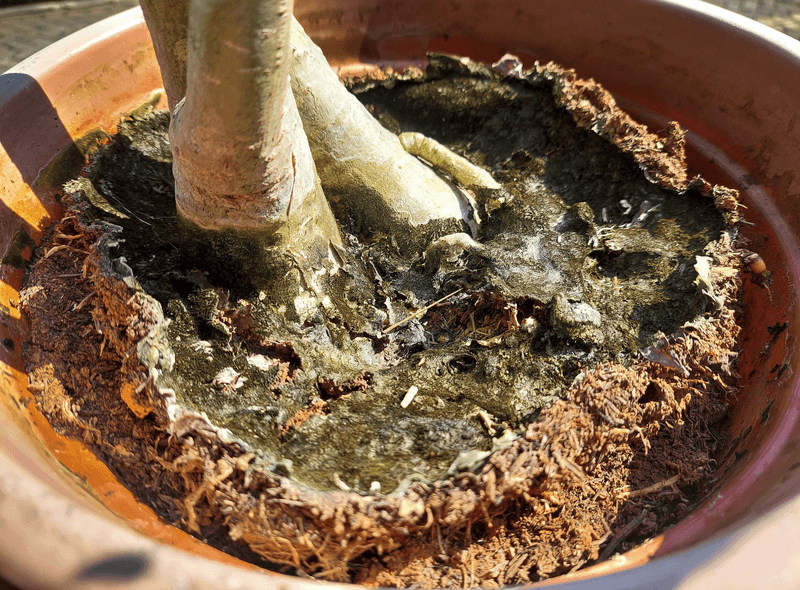
Not every falling leaf is following the calendar. Some are waving a small flag about what is happening underground.
Overwatering ranks as the number one headache for desert rose growers, and fall is when it strikes hardest. Cool air plus slow growth plus a heavy pot mix equals soil that stays wet far too long.
Roots sitting in moisture cannot breathe or pull in nutrients, and fungi and bacteria move in fast. Rot can creep from the roots straight up into the caudex.
Telltale signs differ from normal seasonal yellowing. Watch for leaves that look swollen, translucent, and squishy rather than dry, and for a base that feels spongy when gently pressed.
Drainage fixes most of it. Use a gritty blend heavy on perlite, pumice, or coarse sand, and choose a pot with generous holes at the bottom.
Saucers are sneaky culprits. Emptying them after every watering prevents a hidden puddle from wicking back up.
Florida rain adds another wrinkle, since a single autumn downpour can soak a pot you just decided to keep dry. Tucking containers under an overhang during wet stretches solves that.
If soft spots appear, unpot the plant, trim damaged tissue with a clean blade, let it air dry, and repot into fresh dry mix.
5. Keep Bright Light On The Menu As Days Grow Shorter
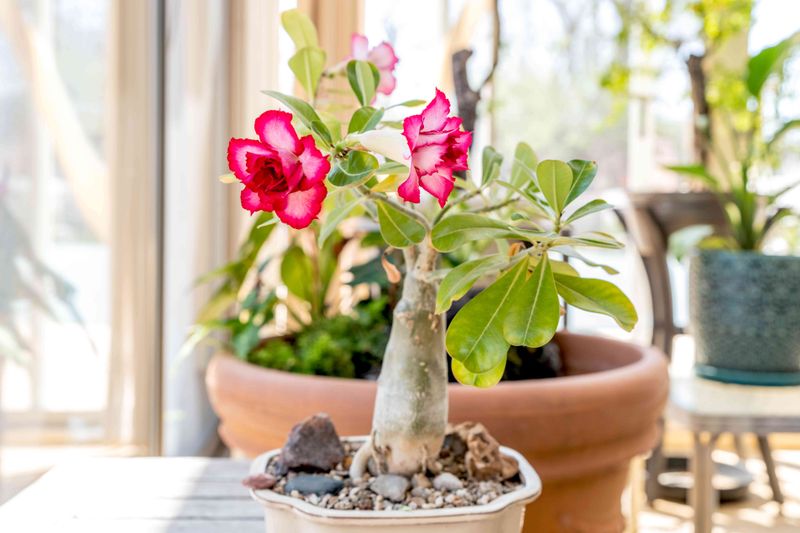
Sunlight is basically breakfast, lunch, and dinner for an adenium. Take away too much of it and the plant starts trimming its own menu by dropping leaves.
Florida autumn brings shorter days and a lower sun angle, which means shady corners get shadier. Spots that blazed in June may sit dim by November.
Keep the plant in the brightest location you can provide, ideally with several hours of direct sun each day.
Watch for stretched, skinny stems with wide gaps between leaf scars. Leggy growth like that usually means the plant is reaching for something it cannot find.
Indoor growers face the biggest gap. A south-facing window helps, and a simple full-spectrum grow light placed a foot or so above the canopy closes the rest of the distance.
Rotate the pot a quarter turn each week so every side gets a share. Otherwise the plant leans dramatically toward the glass.
Dust builds up on leaves indoors and blocks light more than people expect. A soft damp cloth wipe every couple of weeks makes a real difference.
One caution: move plants into stronger light gradually. Jumping straight from shade to blazing sun can scorch tender foliage.
6. Bring Container Plants In Before Temperatures Dip Below 40
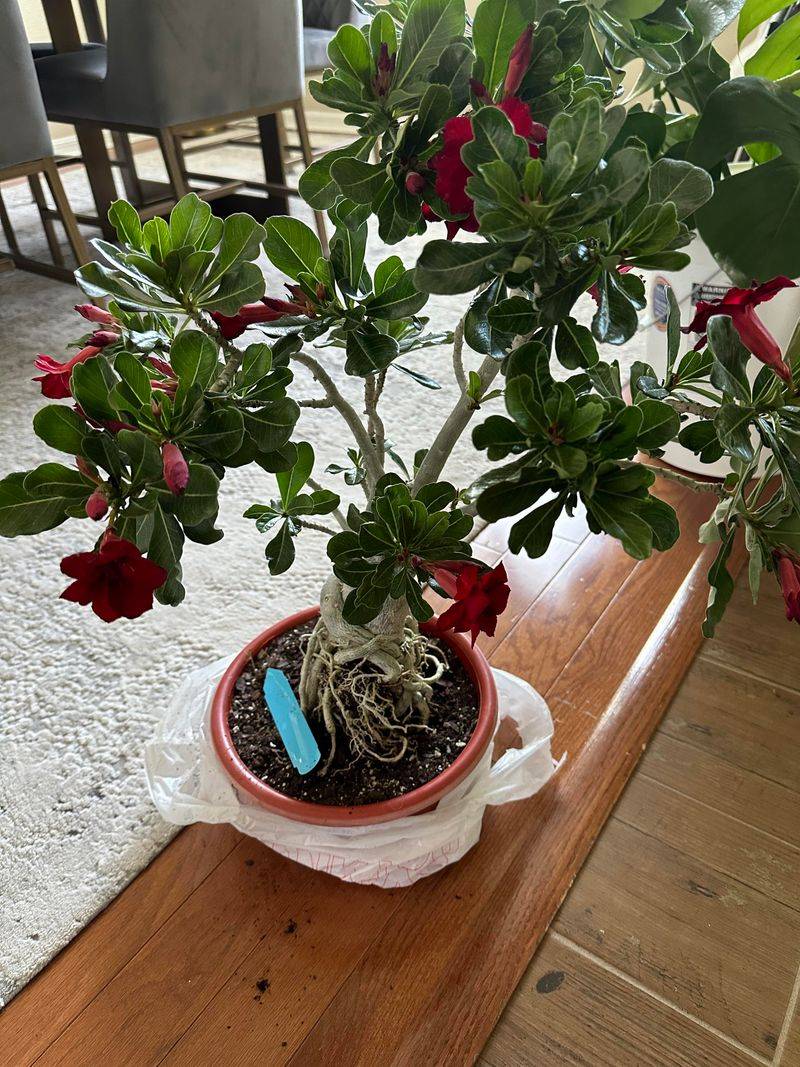
Cold is the one thing a desert rose truly cannot shrug off. Native to hot, dry regions of Africa and Arabia, it has no memory of frost whatsoever.
Trouble starts earlier than most people assume. Desert roses become increasingly vulnerable as temperatures fall, with freezing conditions posing a serious risk of damage.
Container growing is your advantage here. Wheeled plant caddies turn a heavy pot into a five-minute rescue mission when a front rolls through.
Watch the forecast from October onward, especially in North and Central Florida where cold snaps show up without much warning. Coastal South Florida gardeners usually get more breathing room.
A garage, screened porch, or bright indoor room all work as temporary shelter. The space does not need to be warm, just protected from the chill and free of drafts.
Keep the soil dry while the plant is inside. Cold plus wet roots is a combination that causes far more damage than cold alone.
In-ground specimens need a different plan, since moving them is not an option. Frost cloth draped over stakes, plus a thick mulch layer around the base, offers decent protection overnight.
Remove coverings once morning temperatures climb. Trapped heat and moisture under plastic can cause its own set of problems.
7. Check Falling Leaves For Scale And Mealybugs Before Blaming Fall
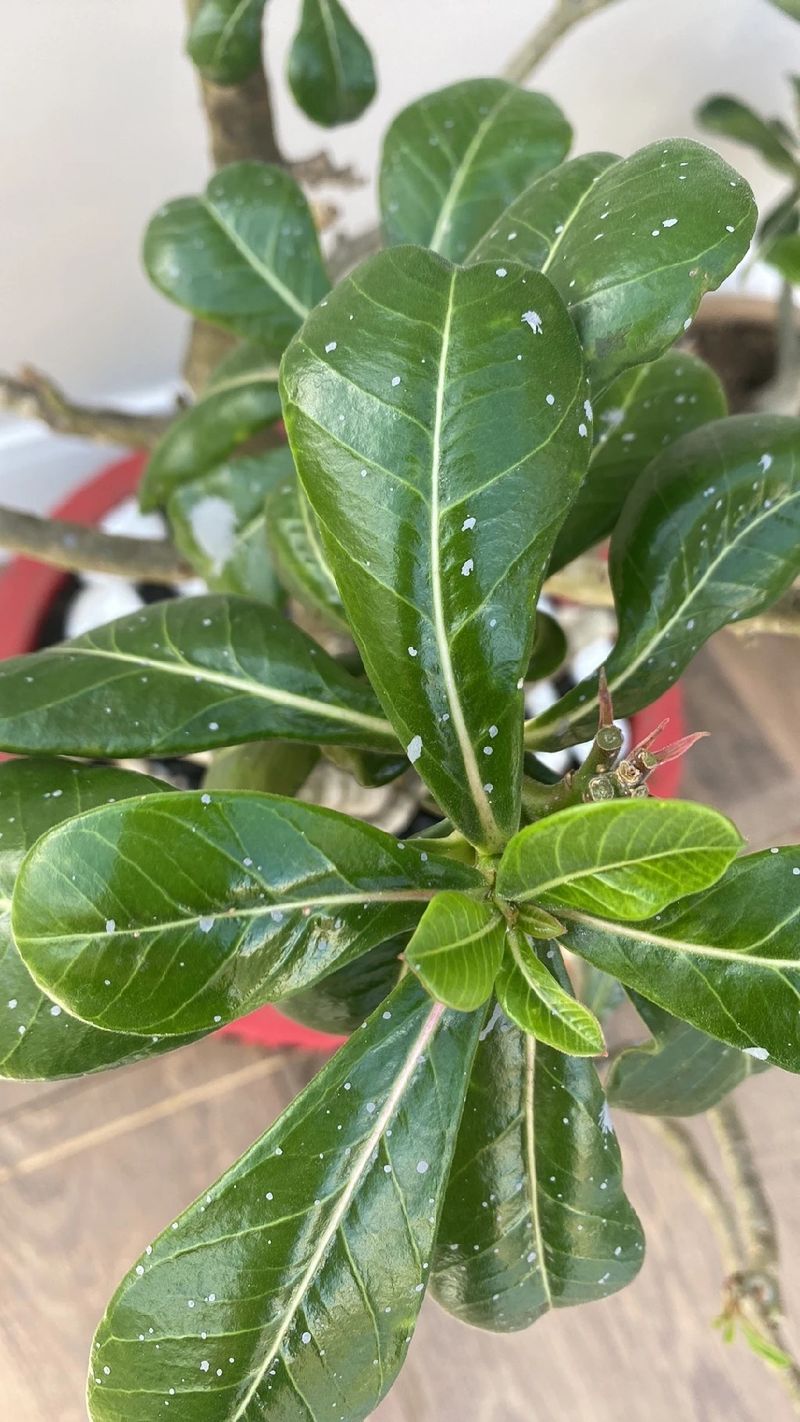
Before you blame the season, flip a few fallen leaves over. Pests love to hide behind a convenient excuse.
Mealybugs show up as fuzzy white specks that look like tiny cotton balls tucked into stem crevices and leaf joints. They cluster in sheltered spots where you rarely look.
Scale insects take a different disguise, appearing as hard brown or yellowish oval bumps stuck along stems and leaf veins. Many gardeners mistake them for natural bark texture at first glance.
Both feed by sucking sap, which drains the plant and turns leaves yellow well ahead of schedule. Stunted growth and a sticky residue called honeydew often follow.
A sooty black film on leaves is a strong hint, since that mold grows on the sugary honeydew these pests leave behind. Ants marching up the trunk are another giveaway.
Treatment stays simple for small outbreaks. A cotton swab dipped in rubbing alcohol wipes mealybugs away on contact, and a soft toothbrush dislodges scale.
For larger populations, horticultural oil or insecticidal soap sprayed thoroughly, including undersides and stem crevices, works well. Repeat every seven to ten days for a few rounds.
Inspect new plants before setting them beside old favorites. A quick quarantine of two weeks prevents a lot of grief.
8. Look For Oleander Caterpillars When Foliage Disappears Too Fast
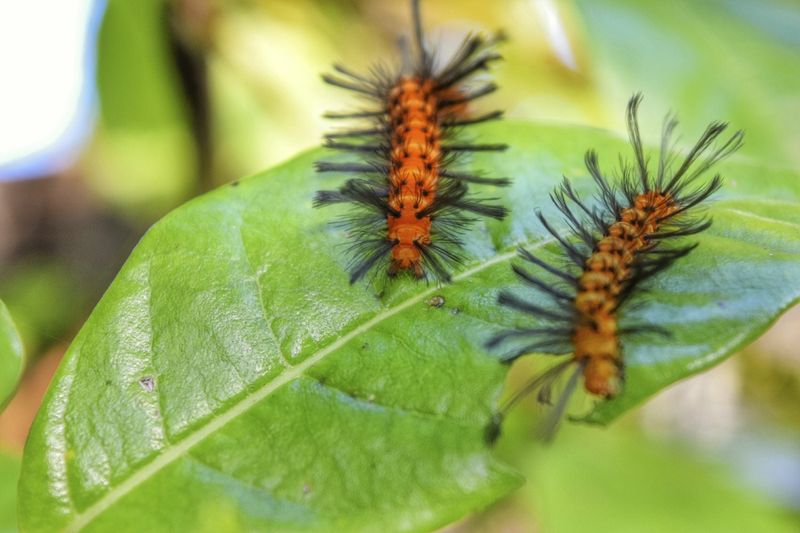
Overnight bareness is not a dormancy thing. When a full canopy vanishes in a couple of days, look for chewing mouths.
Oleander caterpillars, known scientifically as Syntomeida epilais jucundissima, are hard to miss once you spot them. Bright orange bodies covered in tufts of black bristles give them away instantly.
They feed in groups and can strip a desert rose down to bare stems with startling speed. Ragged, chewed leaf edges and dark droppings on the soil confirm the culprit.
The adult is a striking polka-dot wasp moth with a deep blue-black body and white spots. She lays clusters of creamy white eggs on leaf undersides, which is where prevention begins.
Scouting weekly during warm fall stretches catches egg clusters before they hatch. Pinching off an affected leaf removes dozens of future feeders at once.
Hand-picking works for small infestations, though gloves are wise since the bristles irritate skin. Drop them into soapy water rather than tossing them nearby.
For heavier outbreaks, a Bacillus thuringiensis product targets caterpillars while leaving pollinators alone. Coverage on leaf undersides matters most.
Encouraging wasps, birds, and other natural predators keeps numbers down over time. Plants rarely perish from a single attack, but repeated stripping weakens them and delays next season’s flowers.
9. Wait For Spring Warmth Before Expecting A Full Leafy Comeback
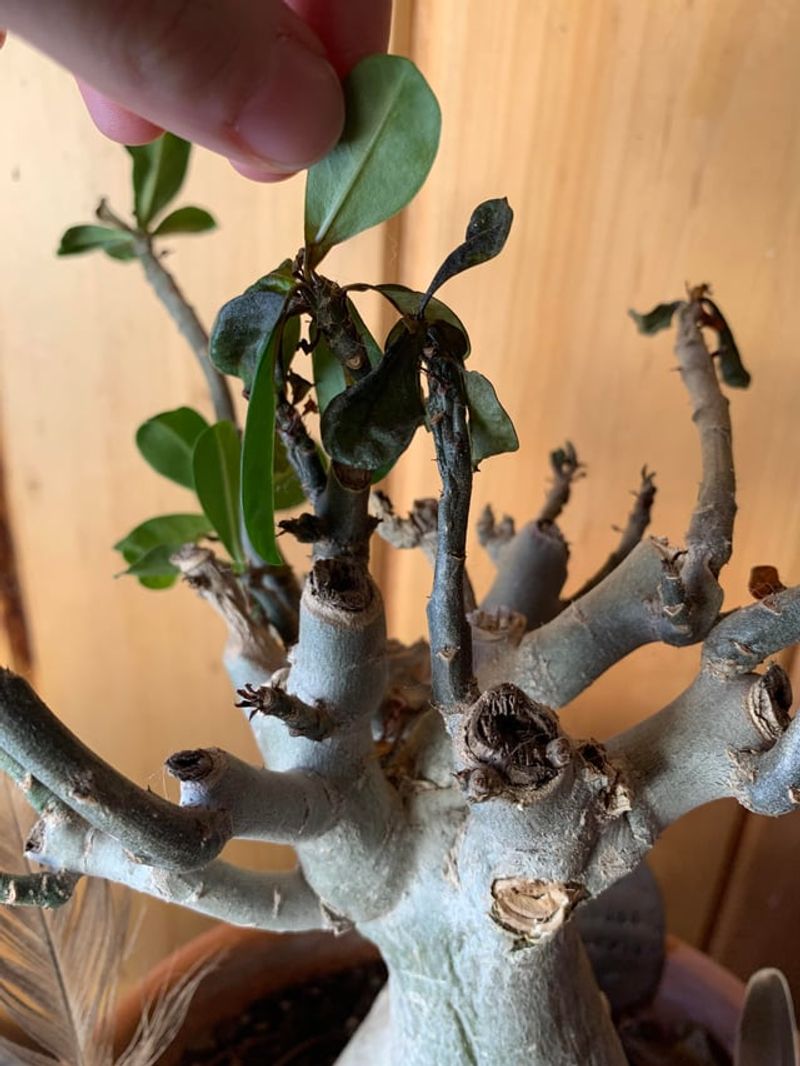
Patience is the final ingredient, and honestly the hardest one. A bare adenium in January looks like a sad stick collection, and that is fine.
New growth waits for warmth, not for encouragement. Once daytime temperatures settle comfortably into the 70s and nights stay above the 50s, buds begin swelling along the stems.
In much of the state that means late February through March, with South Florida waking up first. Northern counties may wait until April.
Resume watering slowly rather than all at once. Start with a light drink, wait for the first leaf tips to appear, then gradually return to a regular rhythm.
Fertilizer belongs in this restart phase too. A balanced, diluted feed once the plant has a few sets of leaves fuels the flower show ahead.
Here is the payoff most growers love: a proper rest period usually produces heavier blooming later. Plants that got pushed all winter tend to flower sparsely.
Check the caudex while you wait. A firm, plump caudex is reassuring; pronounced softness, especially alongside discoloration or a foul smell, can point to rot and deserves a closer look.
Pruning right before the warm-up encourages branching, which means more flowering tips. A clean cut above a node is all it takes.
Come April, that stick collection turns into a pink and crimson spectacle.