What California Law Requires You To Do With Yard Waste And Fallen Leaves
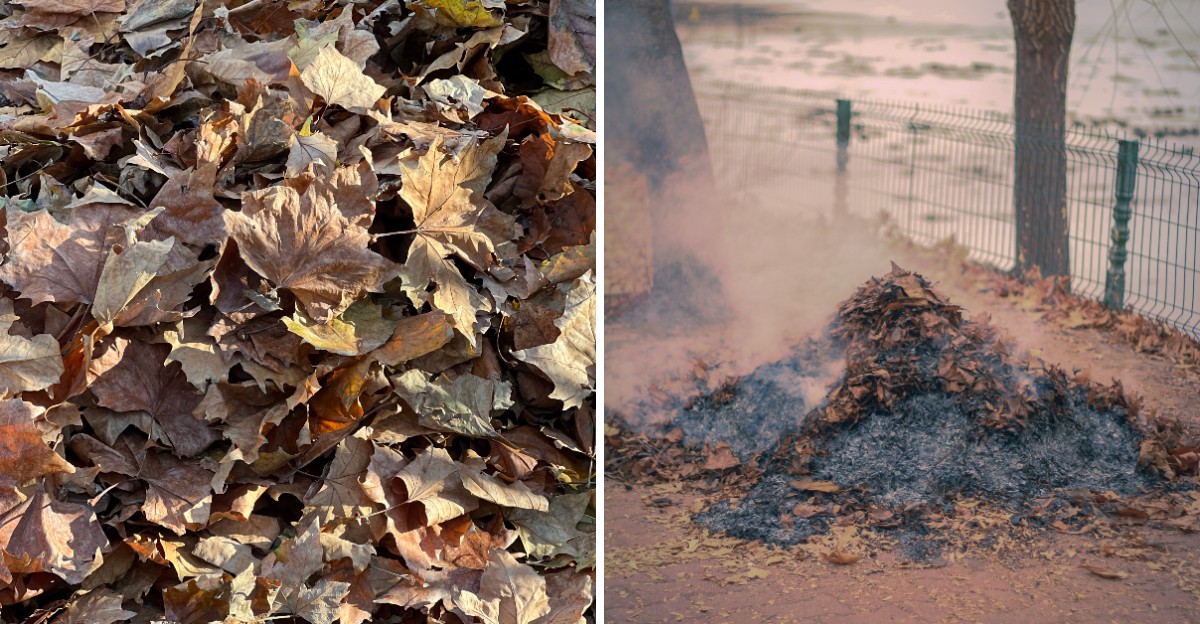
A single pile of soggy leaves buried in a landfill can quietly release methane, a gas that traps far more heat than carbon dioxide.
That surprised me the first time I read it. Those crunchy brown heaps under my sycamore suddenly felt a lot less innocent.
Lawmakers noticed too. California passed a rule in 2016 that changed what millions of households do with their lawn clippings, branches, and kitchen scraps. Cities started rolling out new carts, new labels, and in some places, even inspections.
Then wildfire season adds its own set of rules. Dry leaves on a roof or piled by a deck can catch a stray ember faster than you’d expect.
I can’t imagine most people know every requirement that now applies to their own backyard. So how sure are you that your fall cleanup routine is actually legal in your town?
That Pile Of Raked Leaves Is Now Part Of A Climate Law
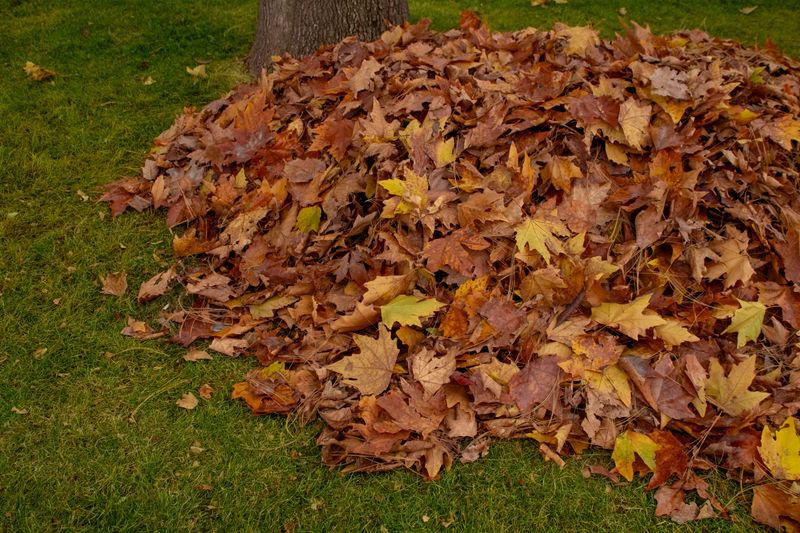
My leaf pile used to feel like a chore. Now it feels like a tiny piece of state climate policy sitting on my lawn.
The law behind this is Senate Bill 1383, signed in 2016. It set a goal to cut the amount of organic waste going to landfills by 75 percent from 2014 levels by 2025. Organic waste includes food scraps, grass clippings, branches, and yes, fallen leaves.
Why the fuss over leaves? Buried in a landfill, plant material breaks down without much oxygen. That process makes methane, a gas that warms the planet much faster than carbon dioxide over a short period of time.
State agencies say landfills are one of the biggest sources of methane in California. Keeping yard trimmings out of the trash is one of the simplest ways to shrink that number.
The law mostly puts duties on cities, counties, and waste haulers. They have to offer organics collection, teach residents how to sort, and check for mistakes. Your part is smaller but real, because the system only works if households actually separate their green stuff.
So that rustling pile under your tree has a job. It just needs to end up in the right place.
Your Green Organics Cart Is Where Most Leaves Belong
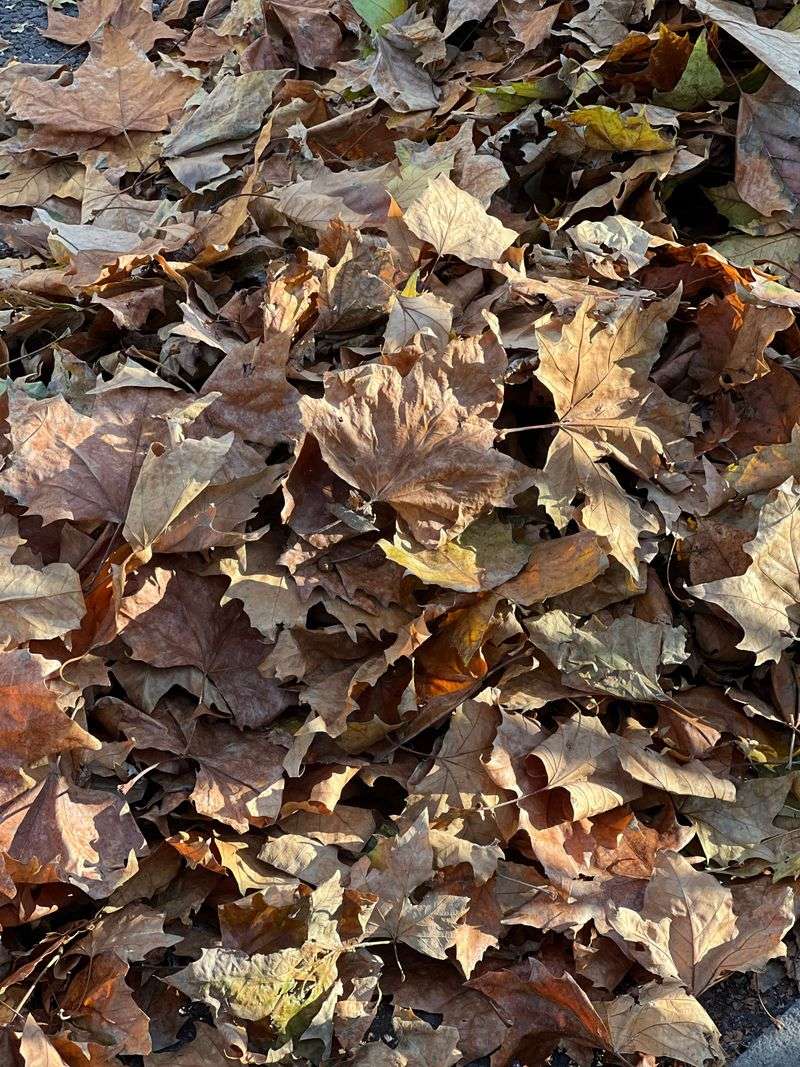
Here is the core rule in plain words. Since January 1, 2022, residents across the state are expected to keep yard waste and food scraps out of the regular trash and put them in an organics cart instead.
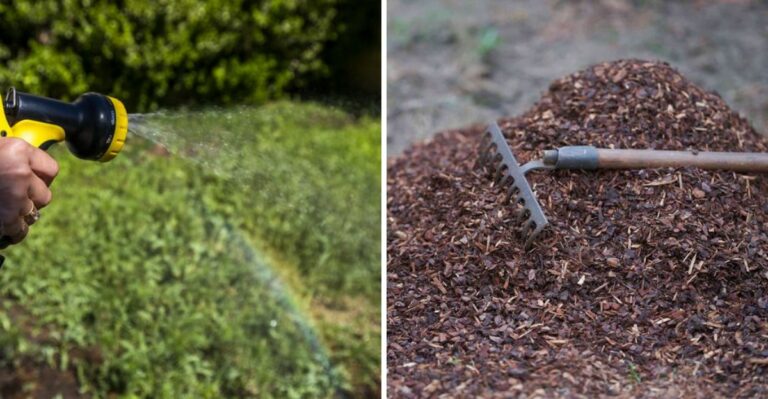
Most cities hand out a green cart for this. Leaves, grass clippings, weeds without soil clumps, small branches, and plant trimmings all go inside. Many areas also now accept food scraps in the same cart, though rules vary by hauler.
Toss materials in loosely. A lot of haulers reject plastic bags in the green cart, even ones labeled compostable, because they jam processing equipment and contaminate finished compost.
Got more leaves than one cart can hold? Many cities offer extra carts, paper yard bags, or seasonal leaf pickups. Call your hauler before you start stuffing trash cans, since mixing leaves into the landfill bin can break local rules.
Some households can skip organics service through a waiver, such as people who compost all their own yard waste. Ask your city about this option if you handle everything at home.
A quick glance at your cart lid or your hauler’s website usually answers most sorting questions in under a minute.
Sorting Mistakes In The Yard Waste Bin Can Cost You
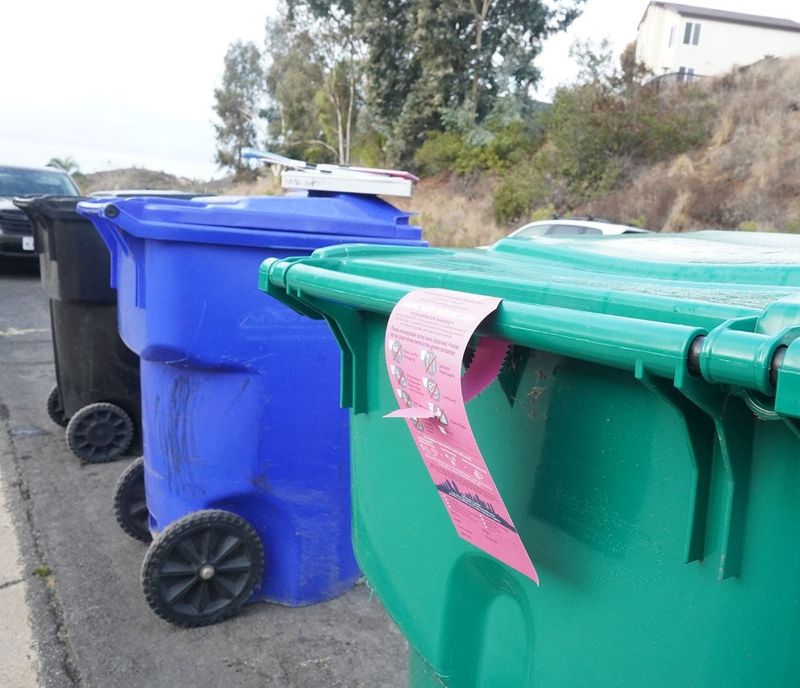
Ever found a bright tag hanging from your trash cart? In many communities, that little note is part of how SB 1383 gets enforced.
Haulers and cities must run contamination checks on organics carts. Workers may peek inside, snap photos, or use cameras on the truck. If they spot plastic bags, pet waste, rocks, or garbage mixed with your leaves, you often get a warning notice first.
Starting in 2024, local governments were allowed to issue penalties for repeated violations. The details depend on your city. Some focus on education and extra notices, while others can add contamination fees to your bill or skip collecting a messy cart.
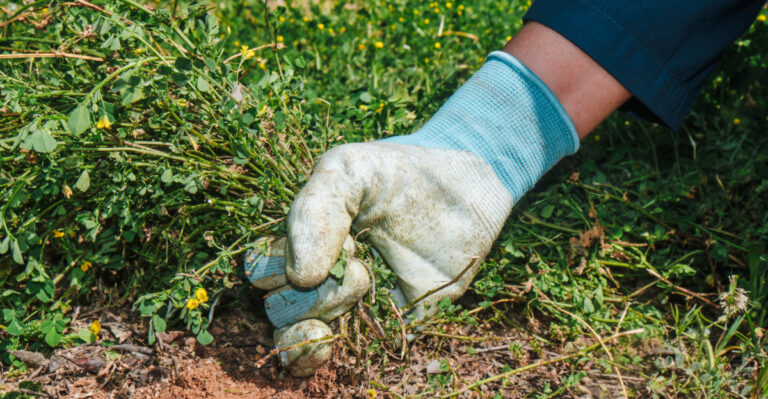
Common slipups are easy to fix. Keep soil and big rocks out, since many facilities cap the amount of dirt they accept. Avoid treated or painted wood, which does not belong in compost. Leave out plastic plant pots and nursery tags too.
Personally, I keep a small bucket next to my garden beds for weeds and spent flowers. That way, I sort as I go instead of picking through a heap later.
Clean bins make better compost, and that compost often comes back to local gardens and farms.
Wildfire Rules Want Dry Leaves Off Your Roof And Gutters
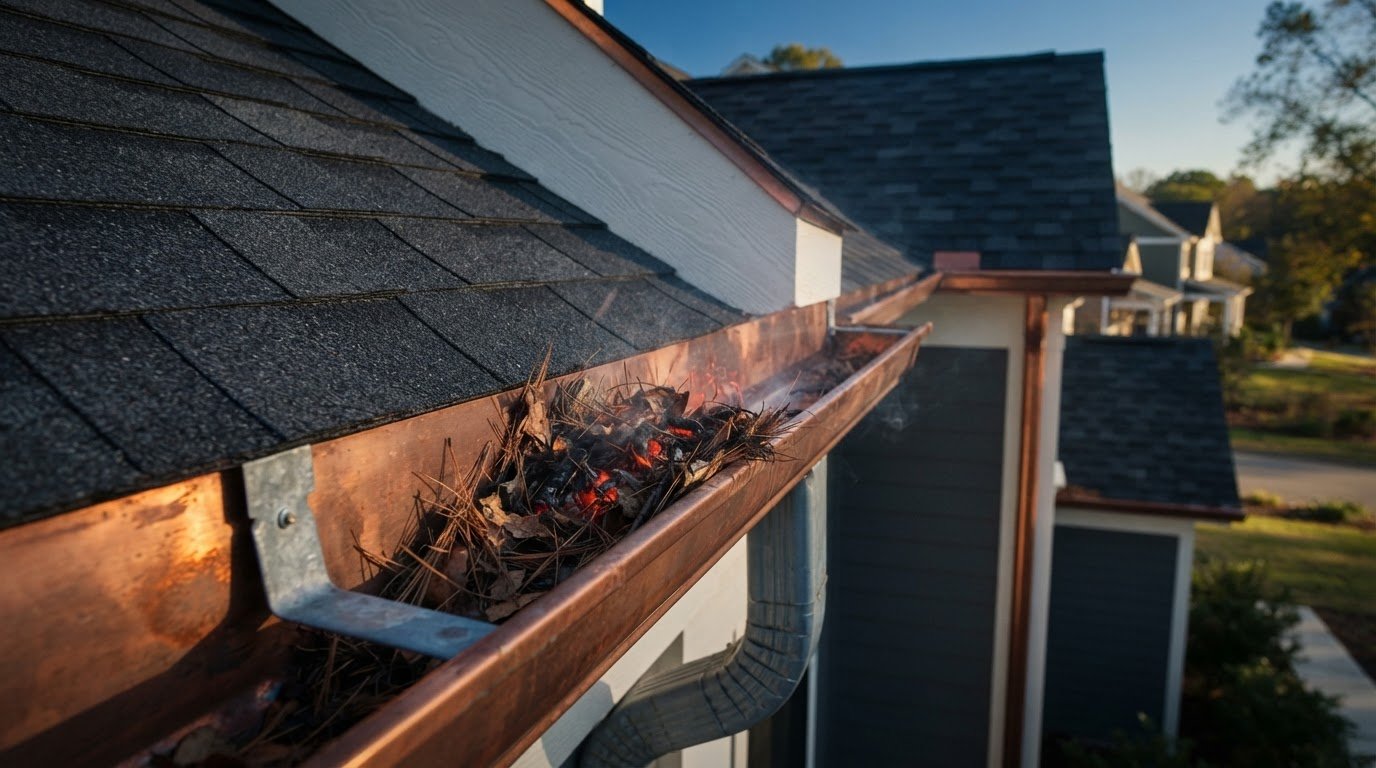
Fire officials have a favorite villain, and it fits in your rain gutter. Embers blown ahead of a wildfire can land in dry leaves and pine needles, then spread flames right onto a house.
Under Public Resources Code 4291, homes in many fire-prone areas must keep up defensible space. That covers up to 100 feet around buildings, or to the property line. Part of the rule calls for clearing dry leaves and needles from roofs and gutters.
The first 30 feet around your home gets extra attention. CAL FIRE guidance asks you to remove dry plants, grass, and leaf litter there, and keep branches trimmed away from the roof and chimney.
Lawmakers also created a stricter ember-resistant zone within 5 feet of structures, often called Zone Zero. The Board of Forestry has been writing the final details, so check CAL FIRE updates for current requirements in your area.
Local fire departments can inspect properties and order cleanup, and some charge fees if the work is ignored. Fall is a smart time to tackle it, since leaves pile up just as Santa Ana winds often arrive in Southern California.
Blowing Leaves Into The Street Storm Drain Is A No-Go
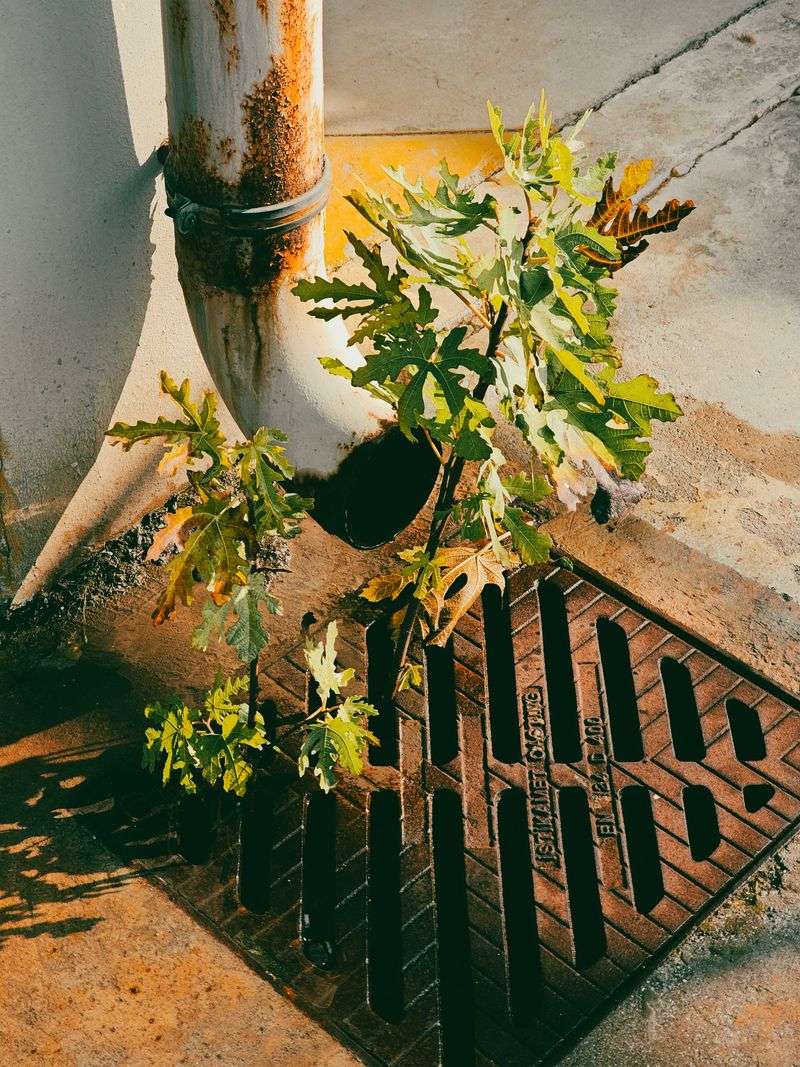
That curb drain at the end of your driveway does not lead to a treatment plant. In most cities, it carries water straight to creeks, rivers, and the ocean.
Because of this, municipal stormwater permits under the federal Clean Water Act let cities ban illegal discharges. Many local codes treat sweeping or blowing leaves, grass clippings, and dirt into the gutter or storm drain as a violation. Fines vary, but some cities do write citations.
Leaves seem harmless, yet piles of them rot in waterways and release nutrients. Those nutrients can feed algae blooms that lower oxygen for fish. Wet clumps also clog drains and can cause street flooding during the first big winter storm.
A better habit is simple. Rake or blow leaves back toward your lawn, then scoop them into your green cart or compost pile.
Gas leaf blowers bring their own wrinkle. Since 2024, new small off-road engines like gas blowers can no longer be sold in the state, though you can keep using one you already own. Some cities go further and ban their use, so check local rules before firing one up on a Saturday morning.
Backyard Leaf Burning Usually Needs A Permit Or Is Banned
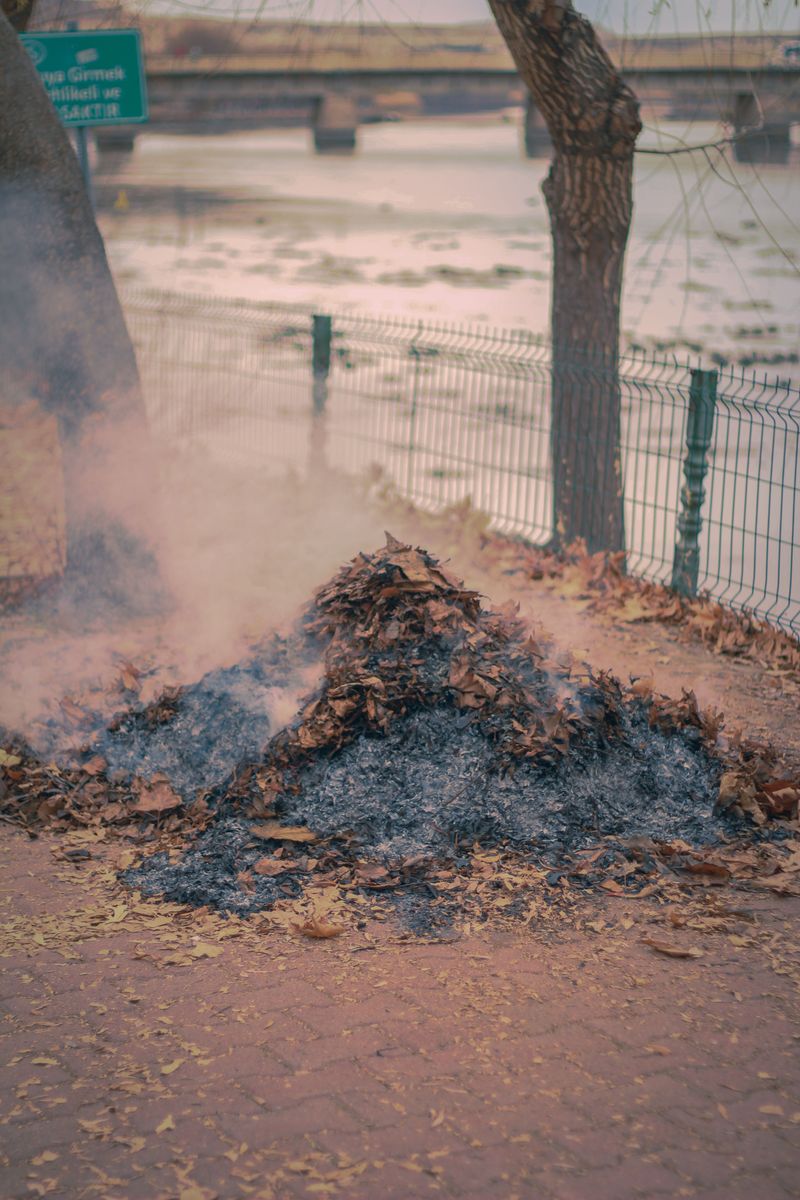
Older relatives sometimes talk fondly about the smell of burning leaves in autumn. That tradition runs into a wall of air quality rules today.
Burning yard waste is controlled by your local air district, not one single statewide rule. In many urban areas, like much of the Los Angeles basin and the San Francisco Bay Area, open burning of residential yard waste is generally prohibited.
Rural areas may allow it, but with conditions. You often need a burn permit from your air district or local fire agency. Burning may be limited to approved burn days, certain hours, and dry, untreated plant material grown on the property.
Smoke from smoldering leaves contains fine particles that irritate lungs, especially for kids and older neighbors. Fire danger also matters, which is why CAL FIRE suspends burn permits during peak fire season in many regions.
Burning household trash, plastics, or treated lumber is illegal statewide under California Air Resources Board rules. Leaves are a different case, but they still need the green light.
Before lighting anything, call your air district or check its website for burn day status. Honestly, a compost pile is far less hassle.
Your Neighbor’s Oak Leaves Are Mostly Your Cleanup Job
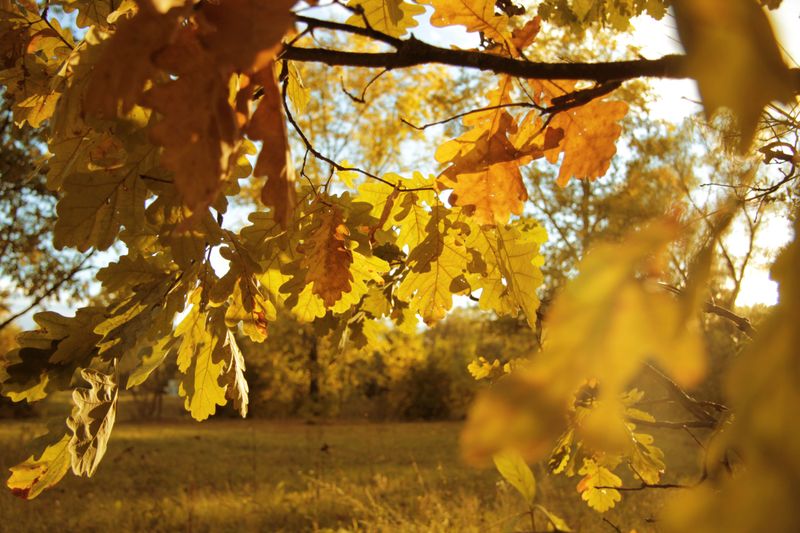
Few things test a friendship like a neighbor’s tree dumping leaves into your pool every November. So who has to clean them up?
In California, courts generally treat natural leaf fall as a normal part of living near trees. If leaves blow or drop onto your property, you usually handle them, and suing a neighbor over ordinary leaf litter rarely succeeds.
You do have the right to trim branches that hang over your property line, but only up to that line. Be careful here. Civil Code section 3346 allows double or even triple damages for wrongfully injuring someone else’s tree, and cutting so much that the tree declines can land you in trouble.
Hiring a certified arborist is a smart move for big limbs. Giving your neighbor a friendly heads-up first also goes a long way.
Homeowners associations add another layer. Many CC&Rs spell out how often leaves must be cleared from yards, walkways, and shared spaces, so read yours.
Personally, I’ve found a plate of cookies and a quick chat works better than any legal letter. Some neighbors even offer to help rake once they see the mess.