This Invasive Pest Is Spreading Across Texas Crape Myrtles Faster Than Anyone Expected
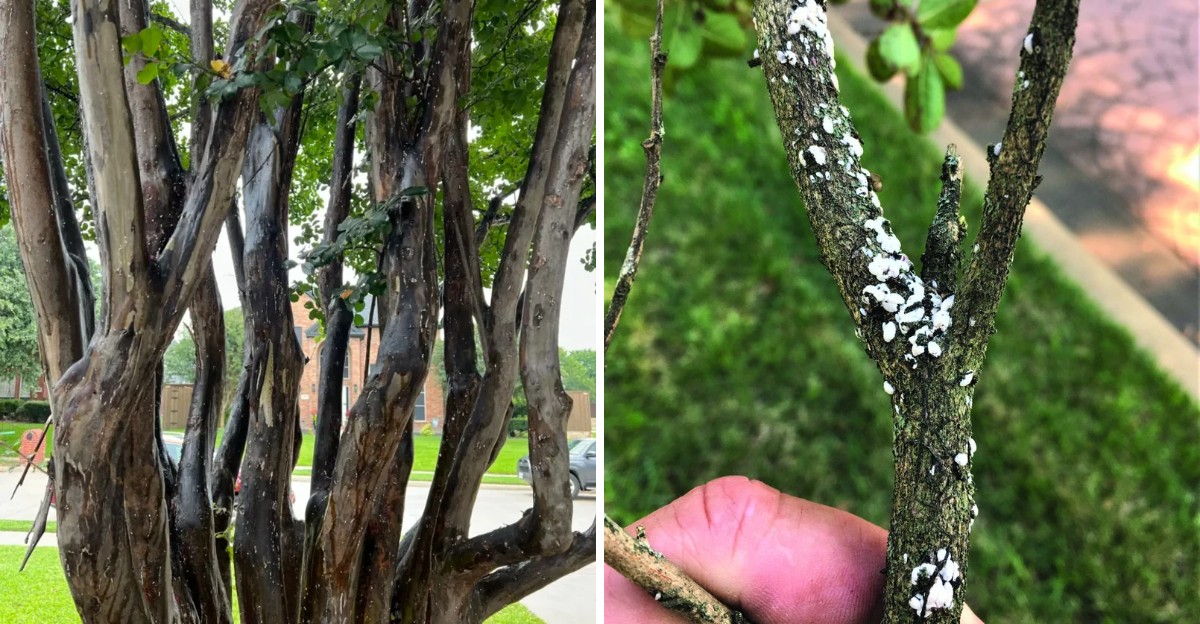
Crape myrtles are one of the most reliably beautiful trees in the Texas landscape, and for most of the year they deliver exactly what homeowners plant them for.
But an invasive pest has been spreading through Texas crape myrtle populations at a pace that has caught tree specialists and homeowners completely off guard.
The damage it leaves behind is both distinctive and difficult to reverse once an infestation is established. Most homeowners notice something is wrong long after the pest has settled in.
It works in ways that are easy to misread as environmental stress or normal seasonal changes, which is exactly what allows it to spread so effectively from yard to yard across Texas neighborhoods.
If you have crape myrtles on your property, this is something you need to know about right now.
Crapemyrtle Bark Scale Is The Pest To Watch
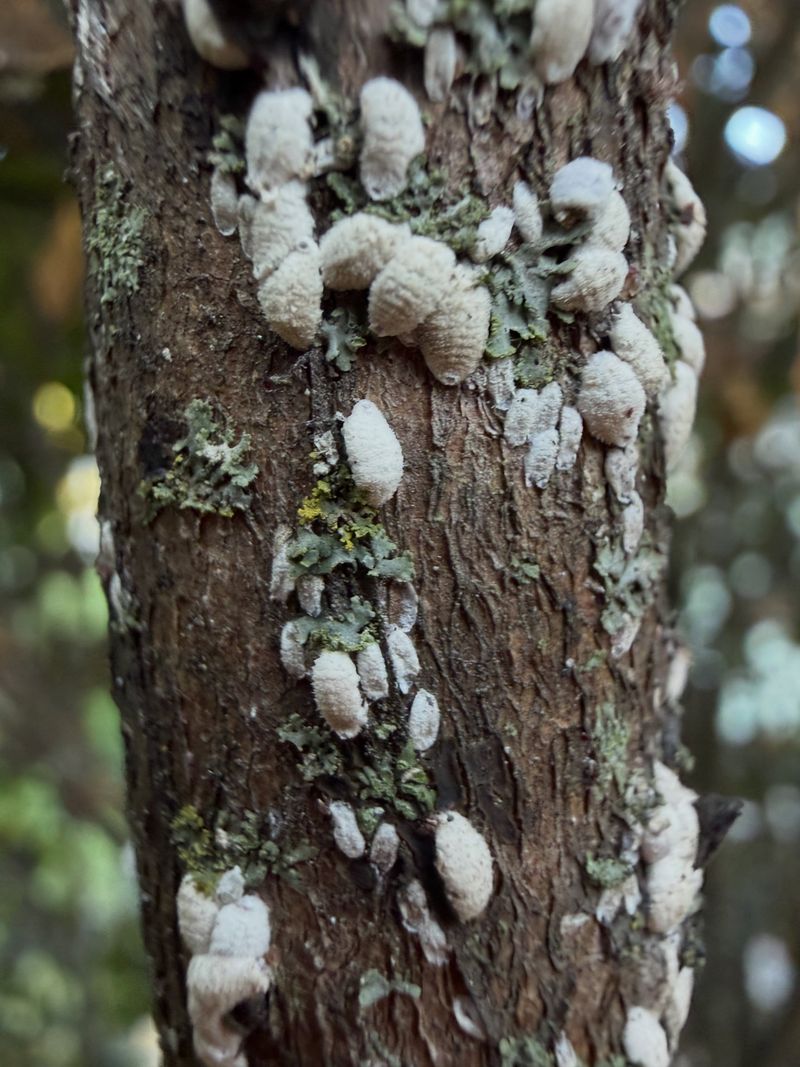
Not too long ago, gardeners in Texas started noticing strange white bumps on their crape myrtle bark. That was the arrival of crapemyrtle bark scale, a small insect that came from outside the country.
Experts believe it first showed up in the United States around 2004 near Dallas. Since then, it has moved across Texas and into many other states. It travels on infested plants, tools, and even birds that brush against the bark.
What makes this pest special is how quickly it spreads. A few insects can turn into a large group in a single growing season. Because crape myrtles are planted almost everywhere in Texas, the pest has plenty of trees to move between.
The scale insects attach themselves to branches, twigs, and the trunk. They feed on the sap inside the tree. As they feed, they create the sticky mess and dark mold that many people notice first.
Homeowners often feel surprised when they see it. One year the tree looks fine, and the next it seems covered in white flecks. That fast change is exactly why this pest has caught so much attention.
The important thing to remember is that this insect is manageable. It is not a mystery anymore, and gardeners now know what to look for. Catching it early gives your tree the best chance to stay strong.
Throughout Texas, garden centers and county experts have been sharing tips to help people spot it.
Being aware is the first step. Once you know the pest exists, you can start checking your own trees with confidence.
How To Spot Crapemyrtle Bark Scale
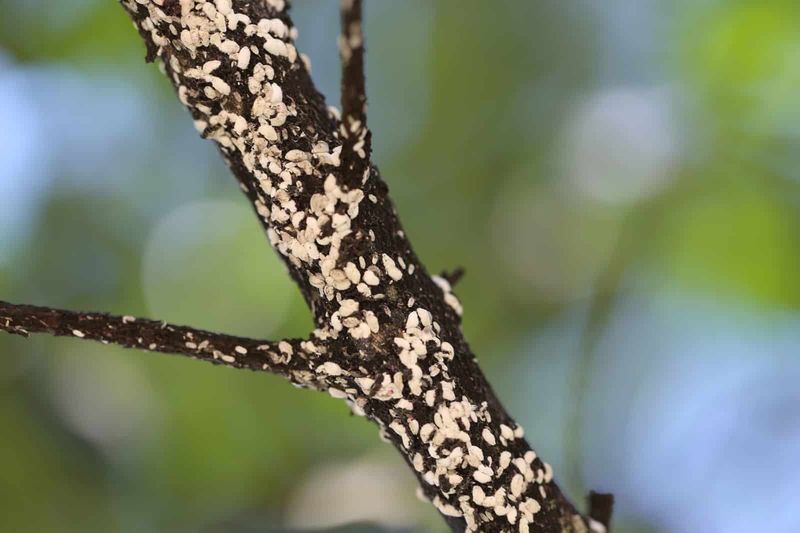
Picture running your hand along a crape myrtle branch and feeling small bumps that were not there before. Those bumps are often the first clue that this pest has moved in.
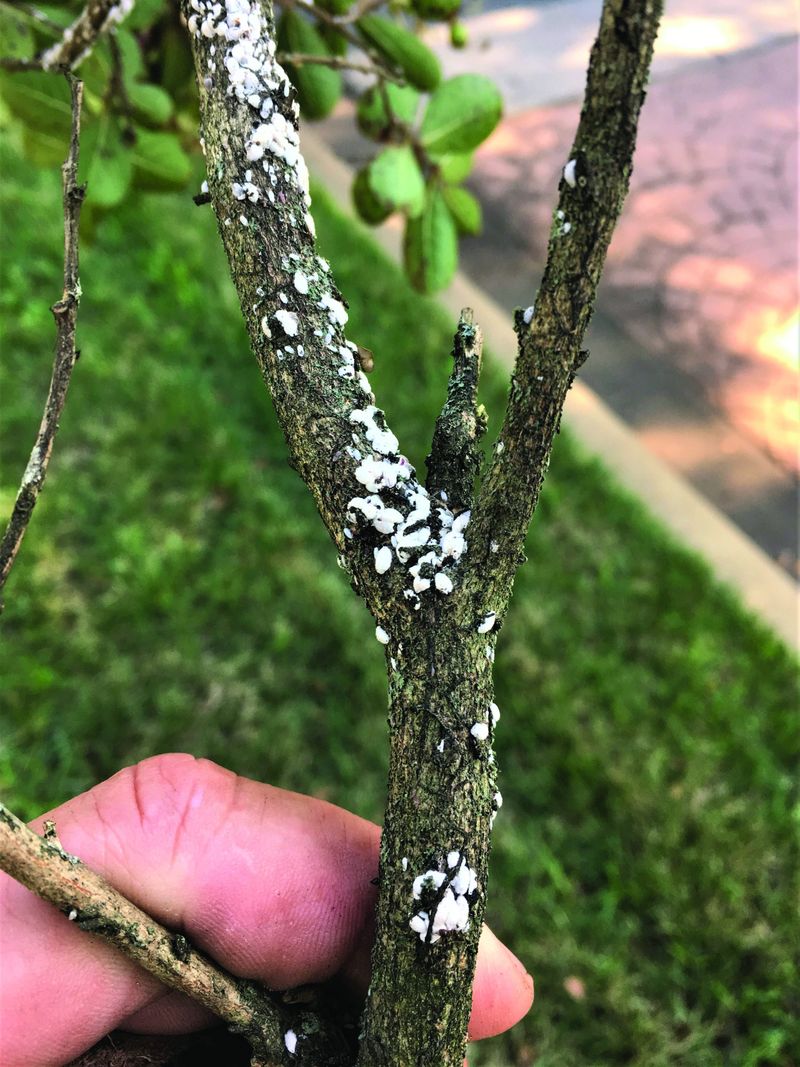
The scale insects look like tiny white or gray specks stuck to the bark. They have a soft, waxy coating that feels a little crusty.
You will usually find them clustered near branch joints, along the trunk, and around old flower stems.
If you press one gently, it may leave a pinkish stain. That color comes from the insect underneath the white shell. Seeing that stain is a strong sign you are dealing with bark scale.
Your Texas Garden Changes Every Week. Your Plan Should Too.
Gardening in Texas changes quickly throughout the season. Every Friday you’ll receive a simple weekly plan showing exactly what to plant, prune, fertilize, harvest, and protect so you never miss the right timing.
Another clue is stickiness. As the insects feed, they release a sugary liquid called honeydew. This makes leaves and branches feel sticky to the touch, almost like someone spilled soda on them.
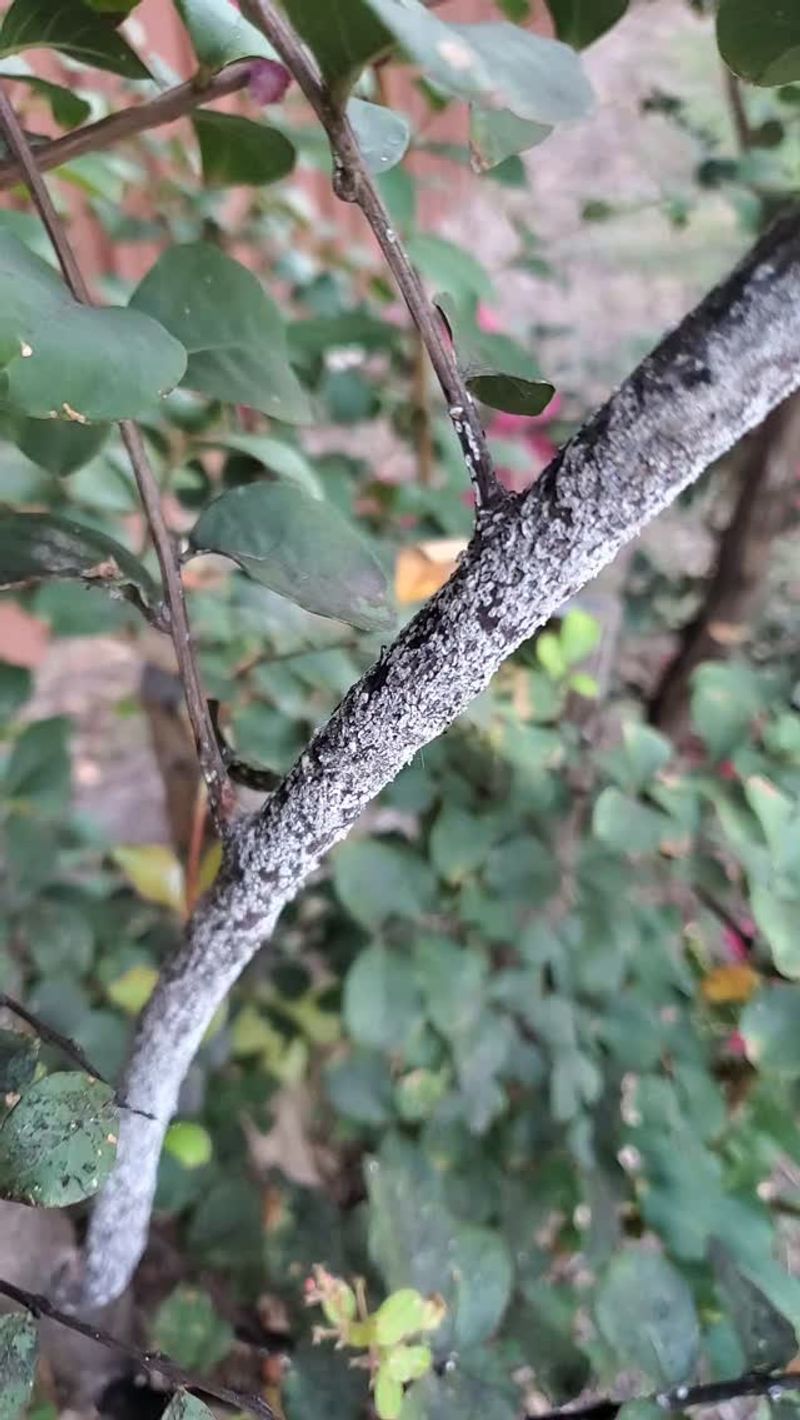
Where there is honeydew, black sooty mold usually follows. This mold grows on the sticky coating and turns leaves, twigs, and bark a dusty black color. From a distance, the tree can look dirty or burned.
Ants and wasps may also gather around the tree because they enjoy the sweet honeydew. If you notice more insects buzzing near your crape myrtle, take a closer look at the bark.
Checking your tree is easy. Walk around it slowly and look at the trunk, branches, and leaves. Bright white specks paired with black mold are the classic combination.
The sooner you spot these signs, the sooner you can act. Regular checks during spring and summer make it much easier to catch a small problem early.
Why Texas Crape Myrtles Are Especially Vulnerable
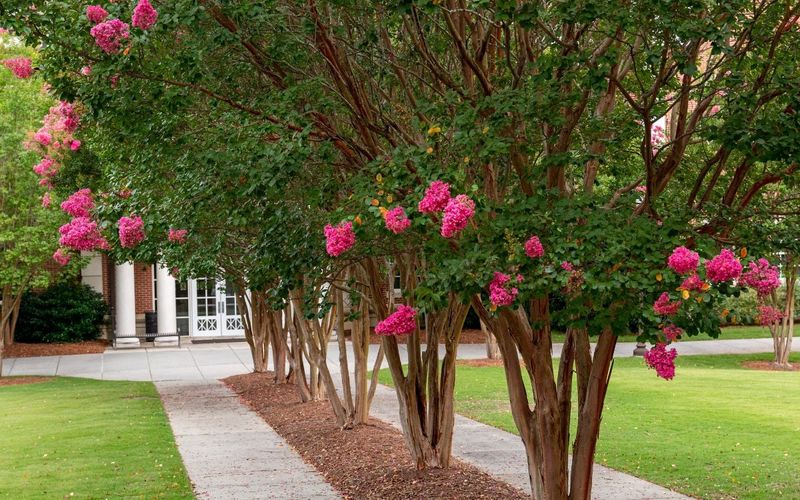
Drive through almost any neighborhood in summer and you will see crape myrtles blooming everywhere. That popularity is part of the reason this pest spreads so easily.
Crape myrtles are the favorite host for bark scale. The insects prefer these trees over almost anything else. With so many crape myrtles planted close together, the pest can hop from yard to yard.
Texas weather also plays a role. The long, warm growing season gives the scale plenty of time to reproduce. More warm months mean more generations of insects each year.
Many Texas landscapes use crape myrtles as street trees, in parking lots, and along fences. When trees are lined up in rows, pests move down the line quickly. One infested tree can pass the problem to its neighbors.
Infestations often become easy to see during the growing season. In spring and summer, the insects are active and multiplying. That is when the white specks and black mold really stand out.
Younger trees and stressed trees can attract more attention from the pest. Trees that are already struggling from drought or poor soil may show heavier buildup. Strong, well-cared-for trees tend to handle it better.
Because crape myrtles are so common, experts encourage everyone to keep an eye out. If your neighbor’s tree has scale, yours could be next. Sharing information across a neighborhood helps everyone protect their trees.
Understanding why these trees are targets makes checking them feel less scary. It simply means crape myrtle owners need to be a little more watchful during the warm months.
What Heavy Infestations Can Do To A Tree
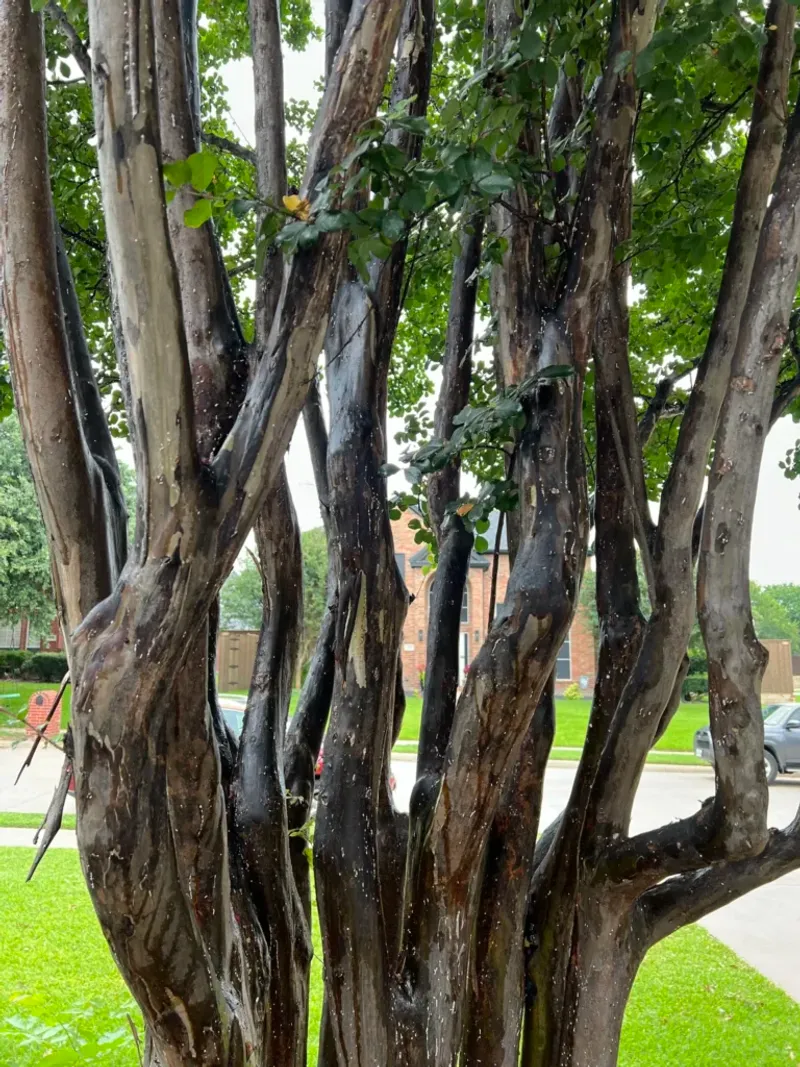
Imagine a crape myrtle that once burst with bright blooms now looking dull and dusty. That is what a heavy scale problem can do over time.
When large numbers of insects feed on the tree, they pull out a lot of sap. This can slow the tree’s growth and make it look weaker than usual. New branches may grow more slowly than before.
Flowering often suffers too. A tree loaded with scale may produce fewer blooms, and the flowers it does make can look smaller. Since people plant crape myrtles for their color, this is a real disappointment.
The biggest issue for most owners is how the tree looks. The black sooty mold coats the bark and leaves, giving the whole tree a grimy appearance. Instead of a bright summer showpiece, you get a tree that looks tired.
Leaves may also drop earlier than normal. The sticky honeydew and mold block sunlight from reaching the leaves. Less sunlight means the tree cannot make food as well.
Here is the reassuring part. Even with a heavy infestation, healthy crape myrtles are rarely lost to this pest. The scale creates cosmetic and stress problems more than serious harm.
Most trees can recover once the pest is managed and the mold fades away. With good care, blooms and healthy growth usually return the following seasons.
So while a bad infestation looks alarming, it is not the end for your tree. The main goal is to reduce the scale, clean up the mold over time, and help the tree regain its strength and beauty.
How Texas Gardeners Can Manage The Pest
Ask any experienced gardener and they will tell you that watching your trees closely beats reacting in a panic. Managing bark scale starts with regular monitoring.
Walk out to your crape myrtles every few weeks during spring and summer. Look for those white specks, sticky spots, and dark mold. Catching a small group early makes control much easier.
One simple step is to wash the trunk. Using a soft brush with water and mild soap can remove many insects and clean off some mold. This also helps you see how bad the problem really is.
When a branch is heavily covered, pruning it out can help. Removing badly infested wood takes away many insects at once. Always clean your tools afterward so you do not spread the pest to other plants.
Timing matters a great deal with any spray or treatment. Certain products work best when the young insects, called crawlers, are moving.
Reaching out to your local county extension office can help you learn the right timing for your area.
It is smart not to treat every tree automatically. If a tree has only a few scales, careful watching may be enough. Overtreating can harm helpful bugs like ladybugs that actually eat scale.
Speaking of helpers, natural predators can do part of the work for you. Encouraging beneficial insects gives you free pest control right in your yard.
A balanced approach works best. Combine cleaning, careful pruning, well-timed treatments, and patience.
By staying involved and paying attention, you can keep the scale under control without going overboard on chemicals.
How To Keep Crape Myrtles Healthy
A strong tree is your best defense against almost any pest, and crape myrtles are no different. Good basic care keeps them ready to handle a little trouble.
Start with the right amount of water. Crape myrtles like deep, occasional watering rather than constant sprinkling. Deep roots help the tree stay tough during hot summers.
Give the tree proper space and sunlight too. Crape myrtles love full sun and good air movement around their branches. Crowded, shaded trees tend to have more pest and mold problems.
Mulch around the base, but keep it away from the trunk. A ring of mulch holds moisture and keeps the soil cool. Just leave a small gap so the bark can breathe.
Avoid harsh over-pruning, sometimes called topping. Cutting off large amounts of the tree stresses it and can invite pests. Light, thoughtful trimming keeps the shape nice without hurting the tree.
Make inspections part of your routine. A quick look each time you water or mow can help you notice early signs of scale. Finding a few insects early beats discovering a full infestation later.
Keep the trunk and branches clean when you can. Gently washing off honeydew and mold helps leaves catch more sunlight. A clean tree simply performs better.
Early detection is the real secret. A small scale problem is easy to handle, but ignoring it lets the pest build up. By staying alert and caring for your trees, you can enjoy bright blooms year after year.
With steady attention and simple habits, your crape myrtles can stay healthy, colorful, and a beautiful part of your Texas yard.