The Meaning Behind Seeing A Firefly In Your Georgia Yard
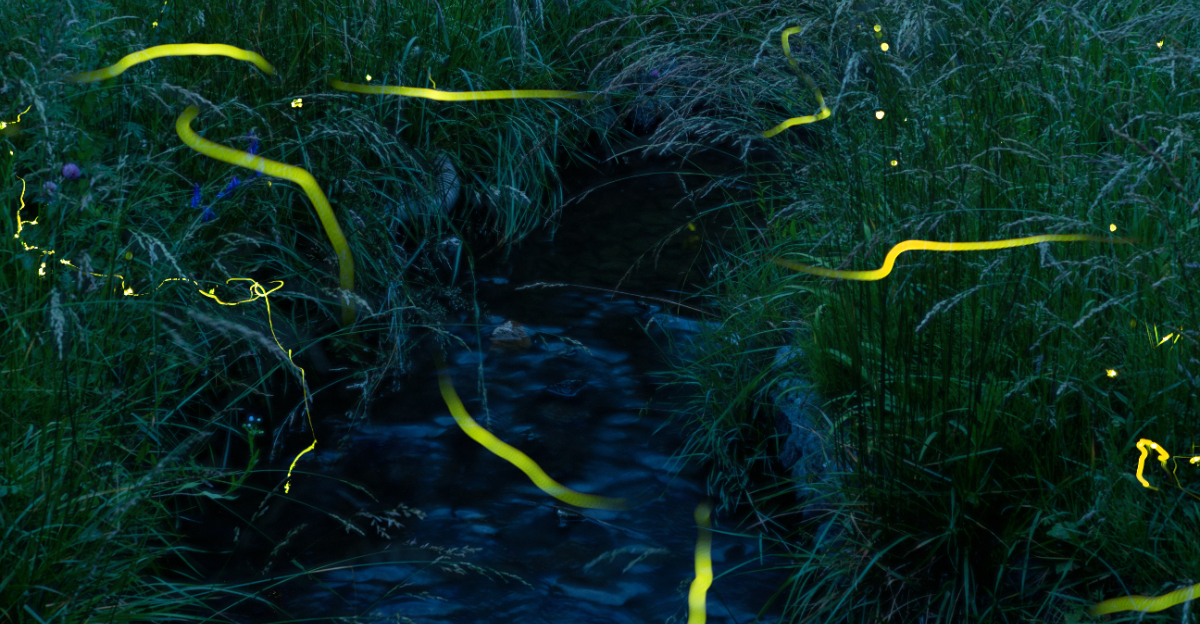
Few summer sights bring back memories as quickly as the soft glow of fireflies after the sun goes down. One tiny flash can turn an ordinary evening into something that feels peaceful and familiar.
Children chase them across the lawn, adults stop what they are doing to watch, and for a moment the yard feels a little more magical than it did a few minutes earlier.
Because they appear so suddenly, it is easy to wonder if there is a reason they chose your yard.
People have shared stories and beliefs about fireflies for generations, but there is also a fascinating explanation behind why they appear in some places and not others.
If you have been seeing more fireflies in your Georgia yard, there is more to their visit than simple chance.
Their presence can reveal interesting things about the space you have created without you even realizing it.
1. It Usually Means Your Yard Is A Healthy Habitat
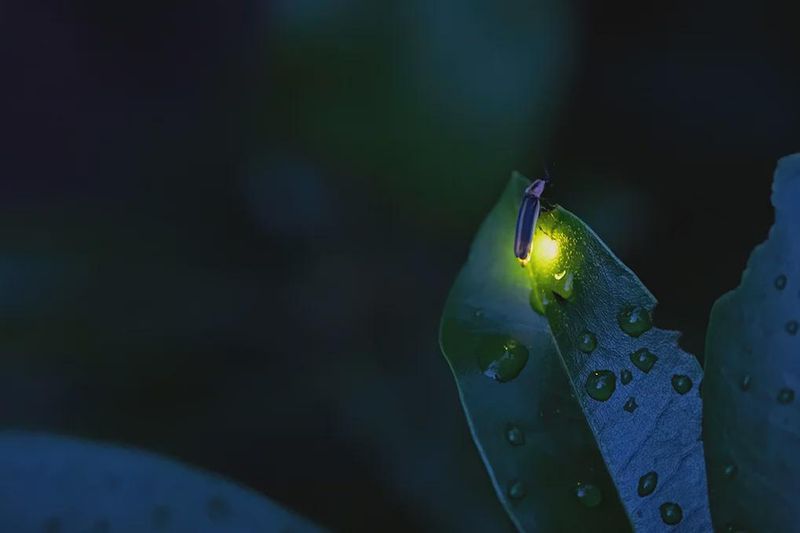
Fireflies showing up in your yard is basically a thumbs-up from nature. Not every yard earns that kind of signal.
These insects are picky about where they choose to live and flash their lights.
Fireflies need specific conditions to survive. Moisture, shelter, and food all have to line up just right.
Yards with heavy chemical use or very little plant life rarely attract them.
Healthy soil full of microorganisms is a big part of the puzzle. Firefly larvae live underground and feed on small creatures that only exist in rich, undisturbed soil.
Compacted or chemically treated ground pushes them out fast.
Minimal pesticide use matters too. Broad-spectrum sprays wipe out the insects that fireflies depend on for food.
Cutting back on chemical treatments gives the whole food chain a chance to recover.
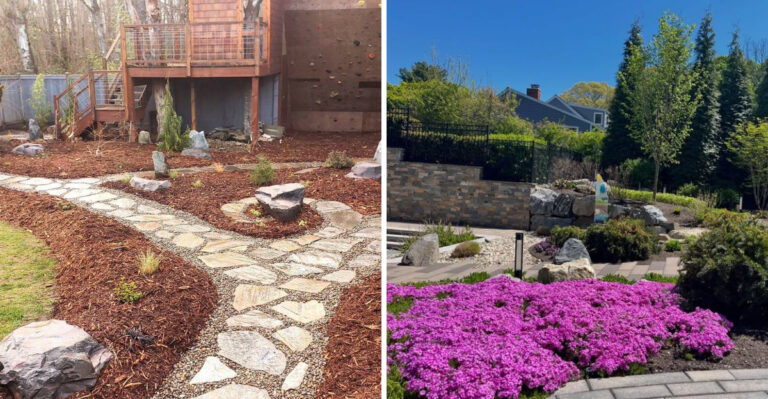
A yard with layers, meaning ground cover, shrubs, and taller plants, offers fireflies the structure they need. Open, manicured lawns with nothing but short grass rarely support them.
Variety in your plantings makes a real difference.
2. Moist Soil Helps Fireflies Thrive
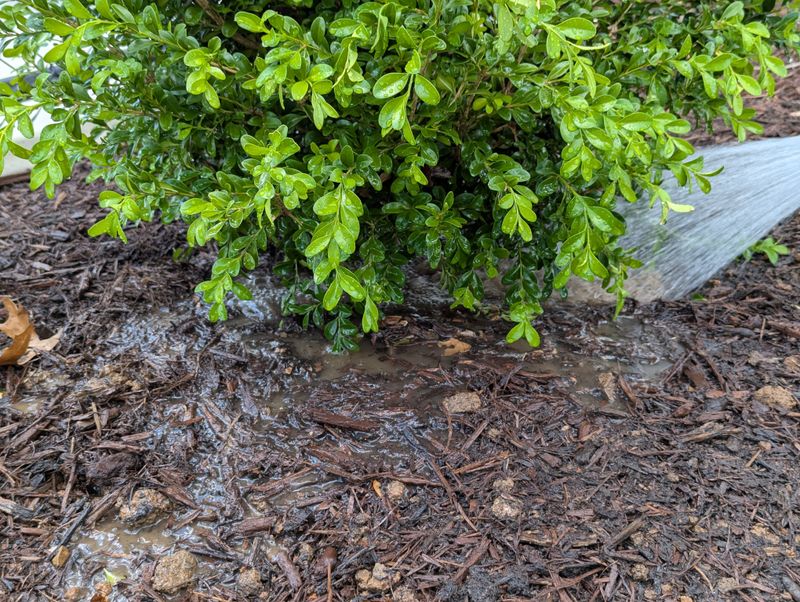
Dry, cracked ground is one of the fastest ways to lose fireflies from your yard. Moisture is not optional for them.
It shapes nearly every stage of their life cycle.
Firefly larvae spend months underground. During that time, they need soil that stays consistently damp.
Soil that dries out completely forces larvae to move or stops their development entirely.
Low-lying areas of a yard tend to hold moisture longer. Spots near downspouts, garden beds with mulch, or areas shaded by trees stay wetter between rain events.
Fireflies naturally gravitate toward these zones.
Watering your garden deeply and less frequently helps maintain soil moisture better than shallow daily watering. Deep watering encourages moisture to stay lower in the soil profile, which is exactly where larvae need it.
Mulch is one of the simplest tools available. A two to three inch layer of organic mulch over garden beds slows evaporation dramatically.
It also breaks down over time and adds nutrients back into the soil.
Standing water is not what fireflies want. Soggy, flooded ground creates different problems.
Your Georgia Garden Changes Every Week. Your Plan Should Too.
Gardening in Georgia changes quickly throughout the season. Every Friday you’ll receive a simple weekly plan showing exactly what to plant, prune, fertilize, harvest, and protect so you never miss the right timing.
What they need is consistently moist but well-draining soil that holds some humidity without becoming waterlogged.
Yards in the Southeast naturally get summer rain, but dry spells still happen.
3. Leaf Litter Gives Their Larvae A Place To Grow
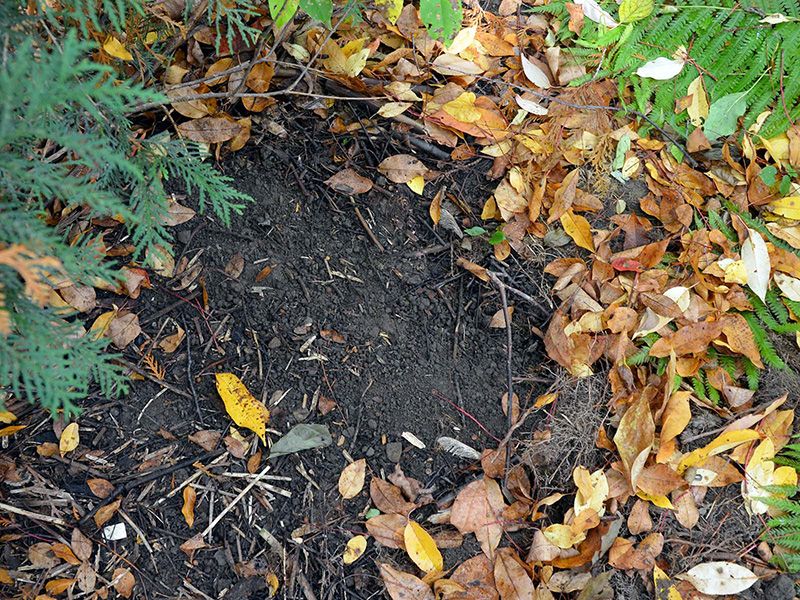
Raking every single leaf out of your yard might actually be working against you. Leaf litter looks messy to some people, but to fireflies, it looks like a perfect home.
Firefly larvae live in the layer between the soil surface and the decomposing leaves above it. That zone stays moist, sheltered, and full of the tiny prey they need to survive.
Remove it and you remove their habitat.
Fallen leaves break down slowly over winter and into spring. As they decompose, they feed earthworms, beetles, and other small invertebrates.
Those creatures become food for firefly larvae, so the whole system depends on that leaf layer staying intact.
A designated corner of the yard left with natural debris makes a big difference. You do not need to leave every inch wild.
Even a modest pile under a tree or along a fence line provides enough cover for larvae to develop.
Shredding leaves with a mower before leaving them in place is a good compromise. Smaller pieces break down faster and create a thinner layer that still shelters larvae without smothering grass or garden plants underneath.
Some gardeners call this approach a no-rake zone. It takes very little effort and costs nothing.
4. Native Plants Create Better Habitat
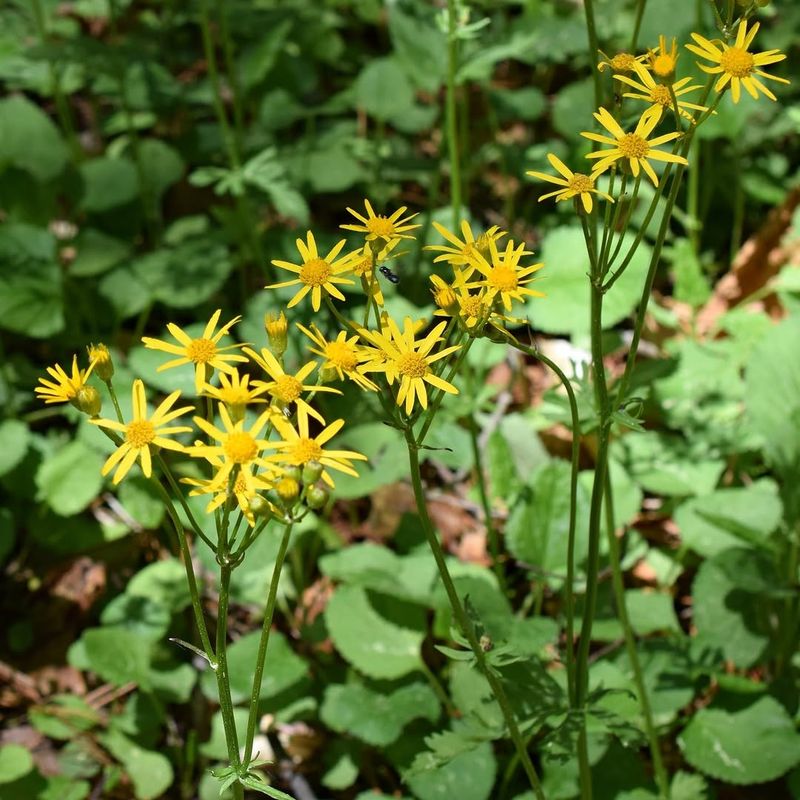
Swap out a few ornamental plants for native species and you might be surprised how quickly things change. Native plants do more than look good.
They rebuild the ecosystem from the ground up.
Non-native ornamentals often support very few local insects. Native plants co-evolved with local wildlife, so they provide food and shelter in ways that imported species simply cannot match.
Fireflies are part of that local web.
Native ground covers like wild ginger or Virginia creeper stay low and moist. They shade the soil, hold humidity, and give firefly larvae a protected layer to develop in.
Manicured turf grass does none of that.
Flowering native plants attract pollinators and other insects. More insects mean more food for firefly larvae.
Building up insect diversity in a yard is one of the most effective ways to support fireflies long term.
Shrubs like native viburnums or beautyberry add structure and shelter. Firefly adults use vegetation to rest during the day and to signal at night.
Dense shrubs give them both.
Replacing even a small section of lawn with a native plant bed can shift the balance noticeably. Start small, observe what moves in, and expand from there.
5. Too Much Outdoor Lighting Can Keep Them Away
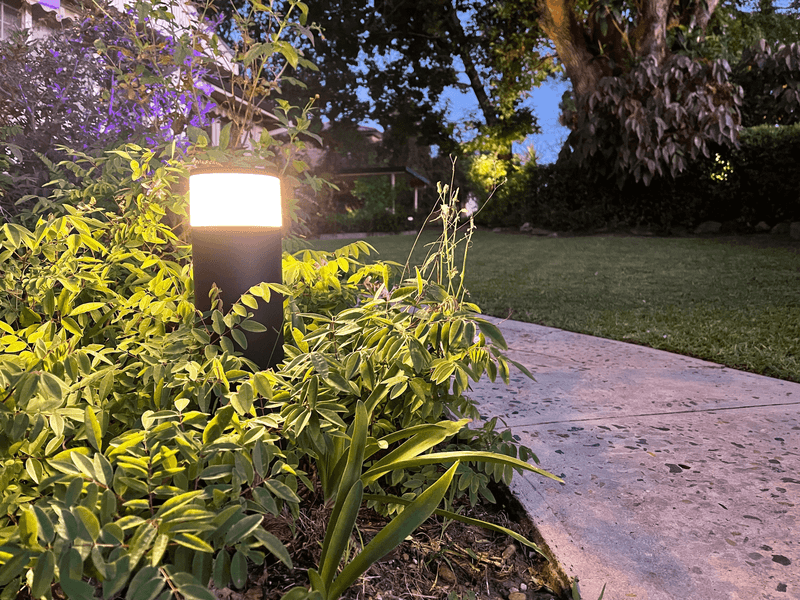
Bright outdoor lights and fireflies do not mix well. Light pollution is one of the most underappreciated reasons why firefly numbers drop in suburban yards.
Fireflies communicate through bioluminescence. Males flash patterns in the air while females respond from the ground below.
Competing with artificial light makes that signaling nearly impossible. Mates cannot find each other when background brightness drowns out their signals.
Motion-activated lights are less disruptive than lights that stay on all night. Switching to motion sensors reduces the hours of illumination and gives fireflies dark windows to flash and respond.
Warm-toned bulbs cause less interference than cool white or blue-spectrum LEDs. If you need outdoor lighting, choosing amber or warm yellow bulbs is a simple adjustment that reduces the impact on nighttime insects.
Pointing lights downward instead of outward also helps. Fixtures angled toward the ground rather than out into the yard keep the illuminated zone smaller and leave more of the space dark.
Turning off decorative string lights or porch lights earlier in the evening can make a noticeable difference. Peak firefly activity happens in the first two hours after dark.
Keeping that window as dark as possible gives them the best chance to signal successfully.
6. Firefly Larvae Depend On Small Invertebrates For Food
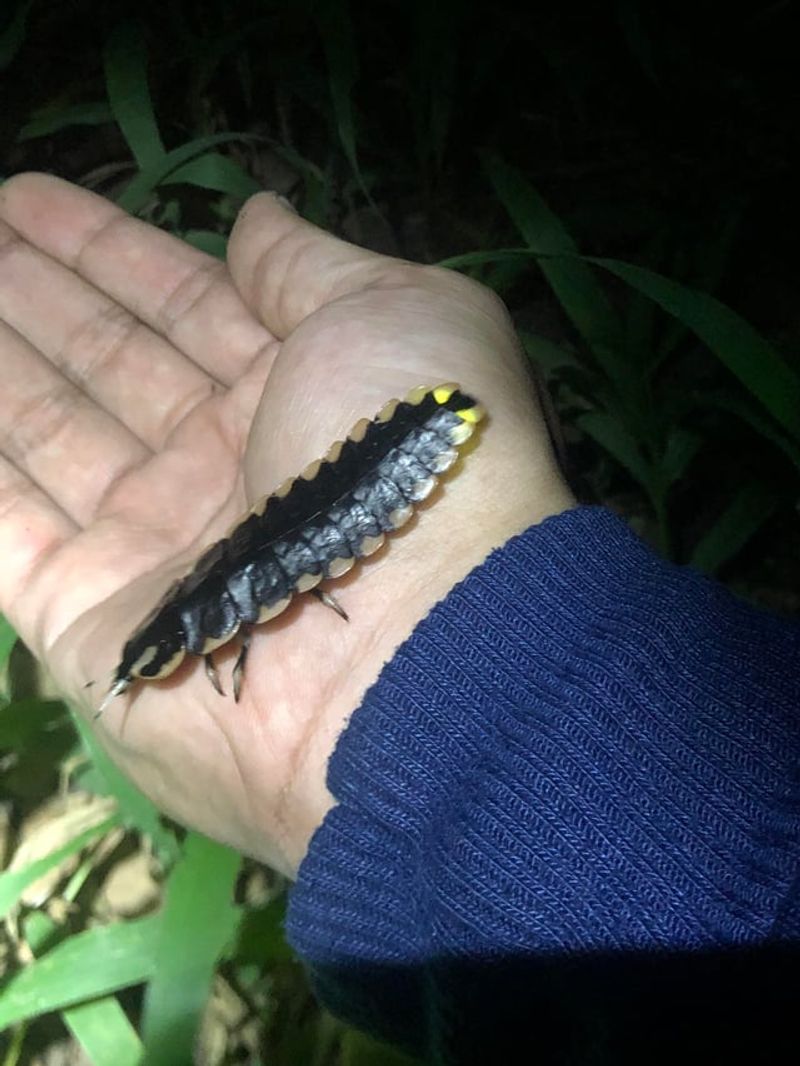
Firefly larvae are hunters. Before they ever flash a single light, they spend months underground tracking down prey.
What lives in your soil directly determines whether they can survive there.
Earthworms, snails, slugs, and small soft-bodied insects make up the bulk of their food supply. Larvae inject a fluid that immobilizes prey before consuming it.
Without enough of these small creatures nearby, larvae cannot grow and complete their development.
Soil health drives everything. Yards with rich, biologically active soil support larger populations of earthworms and other invertebrates.
Compacted, nutrient-depleted ground supports far fewer, leaving firefly larvae with almost nothing to eat.
Avoiding synthetic pesticides protects the invertebrate community underground. Many common lawn treatments affect soil organisms broadly.
Even products not specifically targeting soil insects can reduce populations of the very prey firefly larvae need.
Adding compost to garden beds boosts the soil food web. Compost feeds earthworms and microorganisms, which in turn supports the layered community of small invertebrates that larvae hunt.
Regular compost additions over a few seasons can meaningfully improve soil biology.
Reducing soil disturbance also helps. Frequent tilling disrupts earthworm populations and breaks apart the layered habitat larvae depend on.
Minimal tillage and a no-dig approach in garden beds preserves the underground structure these insects need.
7. Summer Is Their Peak Activity Season
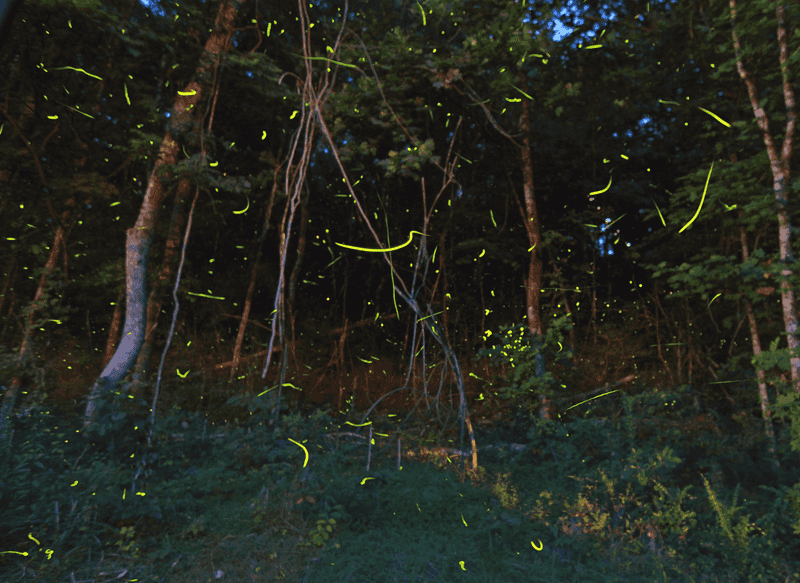
June through August is when firefly activity peaks across the Southeast. Warm nights, high humidity, and long twilight windows all line up during these months to create ideal flashing conditions.
Temperature plays a direct role. Fireflies become more active when nighttime lows stay above 60 degrees Fahrenheit.
Cooler nights slow them down noticeably. Summer in this region delivers exactly the warm conditions they need consistently.
Each firefly species follows its own timing. Some species peak in early June while others peak in late July.
If you watch carefully over several weeks, you may notice different flash patterns and rhythms as one species fades and another becomes active.
Humidity matters as much as heat. Dry summers with limited rainfall tend to reduce firefly numbers.
Moist air and wet soil conditions keep activity levels higher. Years with good summer rainfall usually bring stronger firefly displays.
Activity happens in a fairly short window each evening. Most species flash for roughly two hours after dark, then go quiet.
Heading outside about 30 minutes after sunset gives you the best chance to see peak activity in your yard.
By late August, numbers start to taper off as adults complete their seasonal cycle. Larvae from this year’s adults will spend the fall and winter underground before emerging the following summer.