The Heat-Loving North Carolina Native That Can Replace Struggling Summer Annuals
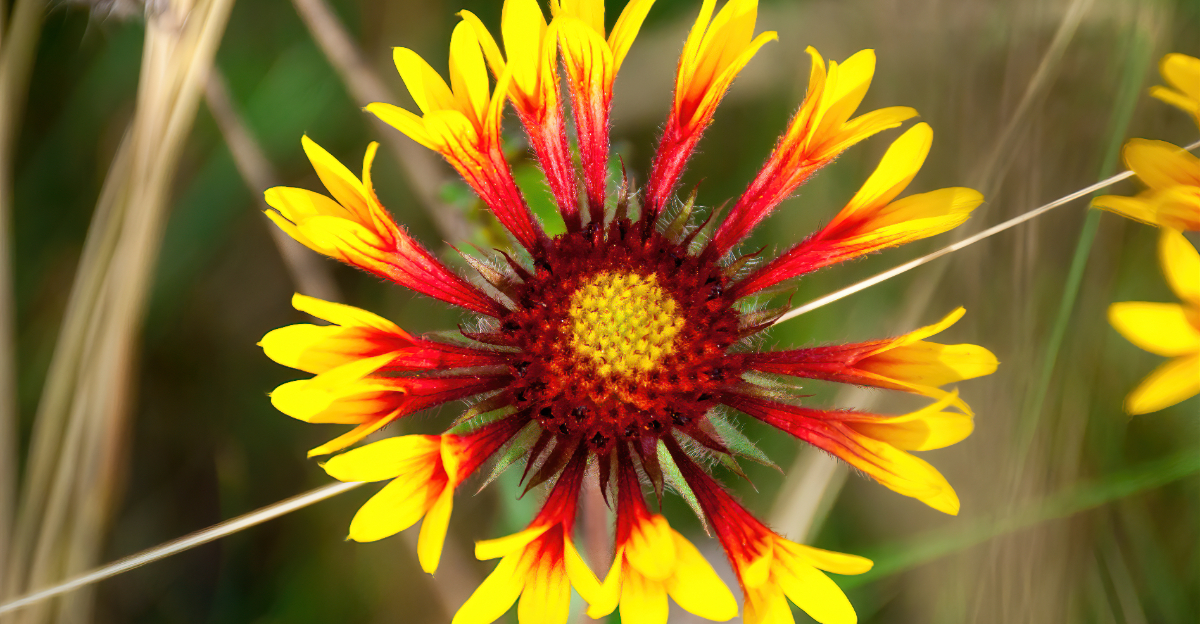
By mid-July, a lot of the annuals that looked promising in May have made their limitations clear. They are stretching, fading, dropping flowers, or simply sitting without any visible enthusiasm for what the season still has left in it.
North Carolina summers do not slow down to accommodate plants that were not built for this climate.
Replacing struggling annuals with something that genuinely thrives in the heat rather than tolerates it changes what the garden looks like through the hardest months of the year.
One native plant handles July and August with more energy and visual impact than most annuals ever produce, and it does it without the constant watering and deadheading that keeps summer annuals looking presentable.
1. Lanceleaf Blanket Flower
Not every flower that looks cheerful in a pot at the garden center is actually built for your garden.
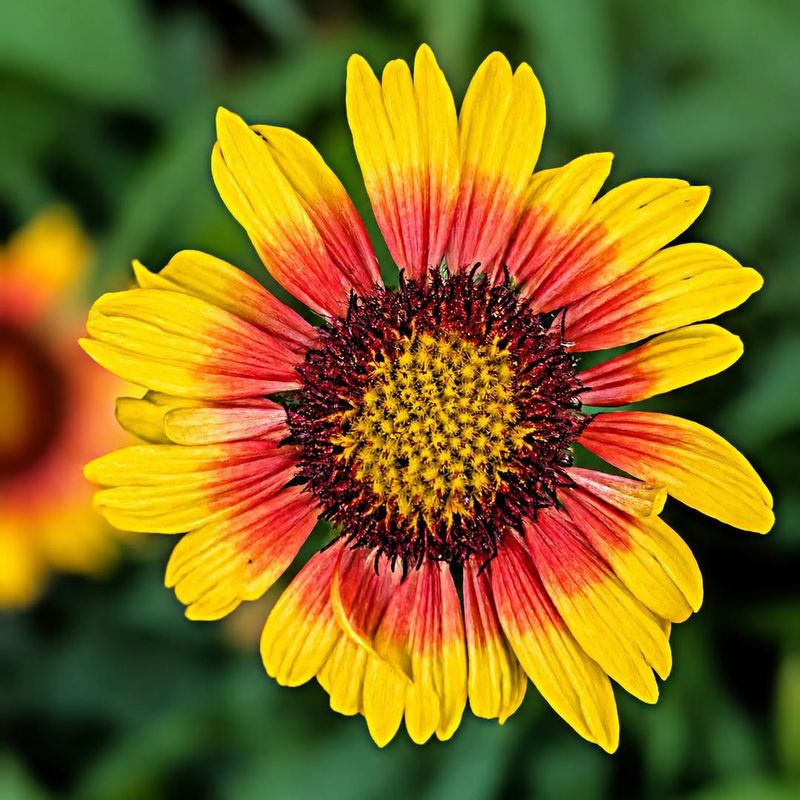
Lanceleaf blanketflower, known scientifically as Gaillardia aestivalis, is a native perennial that grows wild across the southeastern United States, including right here in North Carolina.
That wild origin matters more than people might think. Unlike the typical summer annuals most gardeners pick up in spring, this plant is not something engineered for a single season of color.
It is a true perennial, meaning it comes back year after year from the same root system. That alone sets it apart from most of what fills the bedding plant section at a nursery.
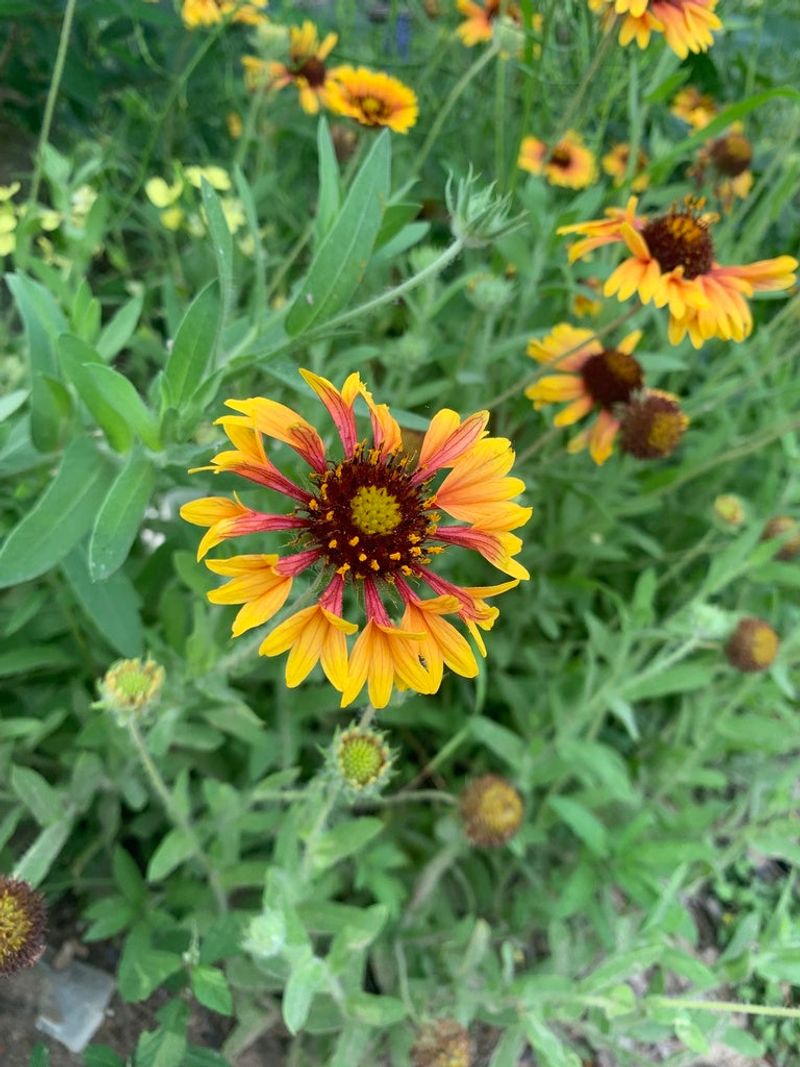
Gaillardia aestivalis belongs to the same plant family as sunflowers and coneflowers. Its flowers have that same open, daisy-like shape with warm golden-yellow rays that pollinators absolutely love.
The name “lanceleaf” comes from the narrow, lance-shaped leaves that give the plant a slightly wild, natural look even in a tidy garden bed.
Because it evolved in the sandy, sunny, and often dry soils of the Southeast, this flower is already adapted to the conditions that challenge many summer annuals.
It does not need babying, does not demand rich soil, and certainly does not mind a stretch of hot weather.
For North Carolina gardeners tired of replacing struggling annuals mid-summer, lanceleaf blanketflower offers something genuinely different: a plant that actually belongs here and thrives because of it.
2. Full Sun Is Where It Shines Brightest
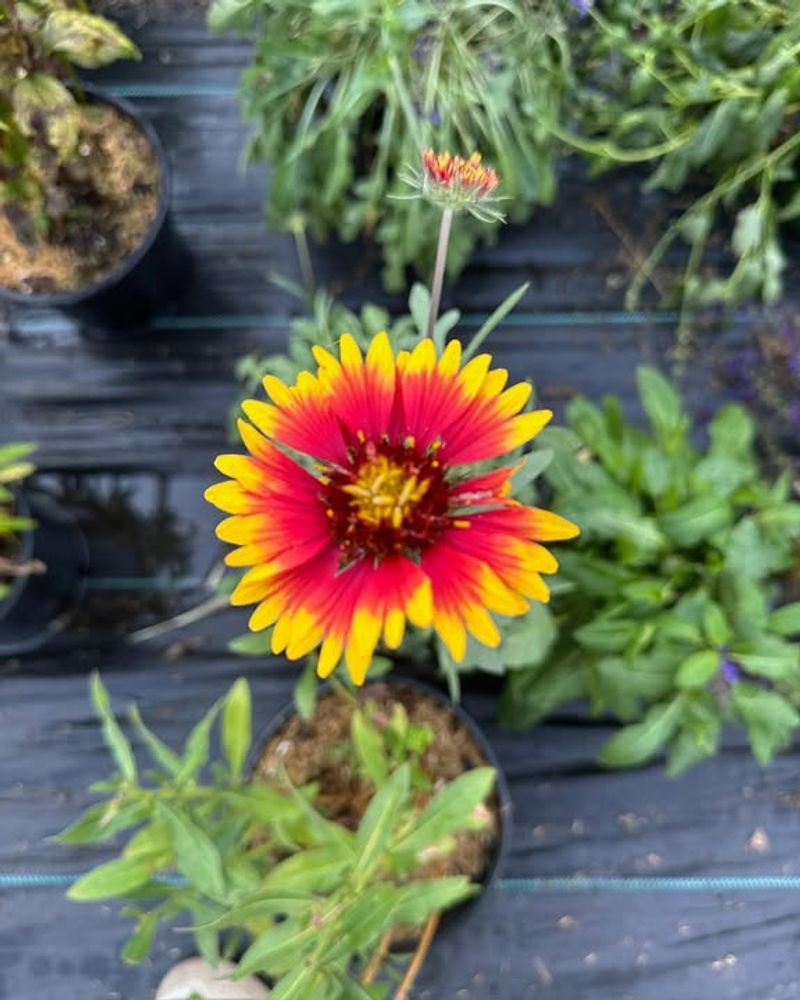
Some plants tolerate sun. Lanceleaf blanketflower genuinely loves it. Plant this native in a spot that gets six or more hours of direct sunlight each day and it will reward you with strong stems, healthy foliage, and a steady parade of blooms.
Put it somewhere shady, and it will quickly remind you that it was not designed for that life.
Full sun is actually one of the reasons this plant works so well as a replacement for common summer annuals. Many popular bedding plants, like petunias or impatiens, start looking rough when summer heat really kicks in.
Lanceleaf blanketflower, on the other hand, hits its stride right when temperatures climb. It was built for exactly those conditions.
In practical terms, that means it fits beautifully in spots that can be tricky to plant. Hot, south-facing borders, open wildflower meadow areas, rock gardens with little shade, and pollinator beds that bake in afternoon sun are all ideal placements.
Your North Carolina Garden Changes Every Week. Your Plan Should Too.
Gardening in North Carolina changes quickly throughout the season. Every Friday you’ll receive a simple weekly plan showing exactly what to plant, prune, fertilize, harvest, and protect so you never miss the right timing.
Cottage garden designs with a relaxed, naturalistic feel are another great match for this plant’s airy, open growth habit.
The full sun requirement also connects directly to drainage and soil health, since well-lit spots tend to dry out faster and stay less waterlogged. That combination of bright light and drier soil is exactly what lanceleaf blanketflower prefers.
If your garden has a hot, sunny corner where other plants have struggled, this native is one of the most sensible choices you can make for long-term color and performance.
3. Dry Soil? No Problem Once It Settles In
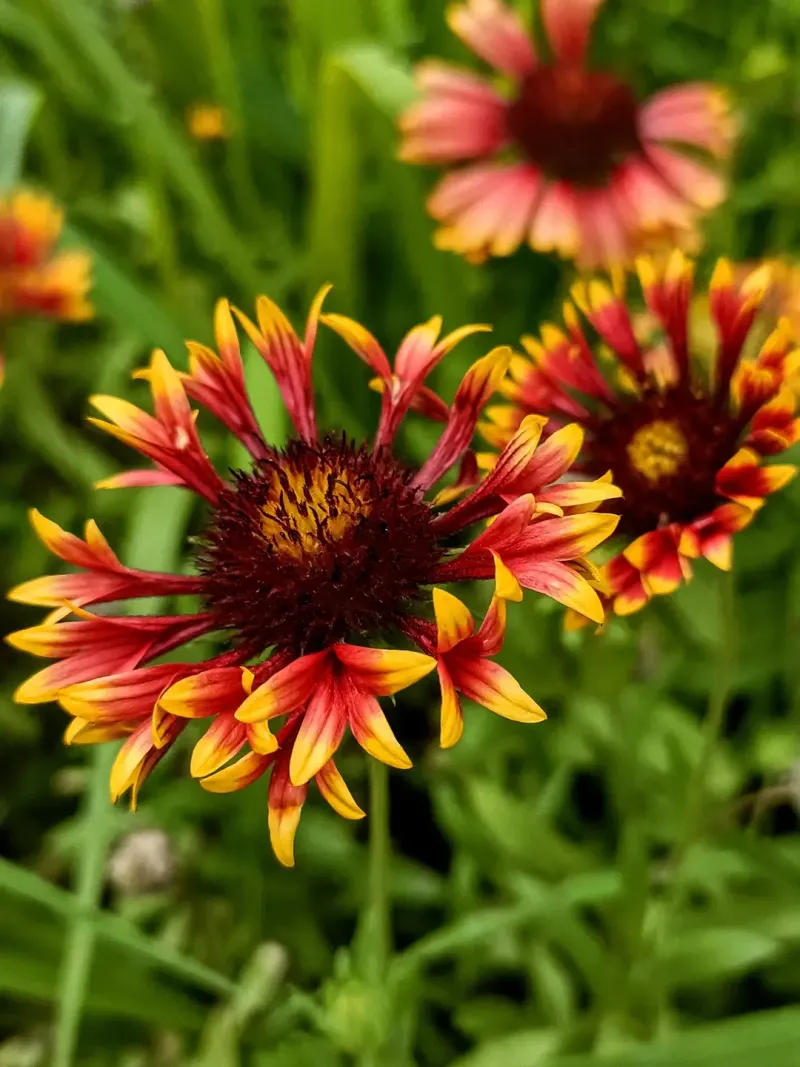
Here is something that surprises many gardeners: once lanceleaf blanketflower gets its roots established, it can handle dry soil that would stress out most summer annuals within days.
That drought tolerance is not a marketing claim. It comes from the plant’s natural history growing in sandy, well-drained soils across the Southeast where summer rainfall can be unpredictable and irrigation is nonexistent.
That said, new transplants still need consistent moisture while they get settled. For the first few weeks after planting, water regularly to help the root system spread and anchor into the soil.
Think of it like helping a new neighbor get comfortable before leaving them to manage on their own. Once established, usually after four to six weeks of good root growth, you can ease off watering significantly.
Mature plants can go through dry spells without much visible stress. The leaves may look slightly narrower during a real drought, but the plant holds on and often bounces back quickly once rain returns.
This makes it genuinely useful in beds where you do not want to run irrigation lines or drag a hose every other day.
For North Carolina gardeners dealing with summer heat waves and water restrictions, that kind of resilience is worth a lot. Replacing thirsty annuals with a drought-adapted native can save real time and effort over a whole season.
Lanceleaf blanketflower gives you color without demanding constant attention, which is honestly one of the best things a garden plant can offer during a hot Carolina summer.
4. Blooms That Last From Late Spring Into Fall
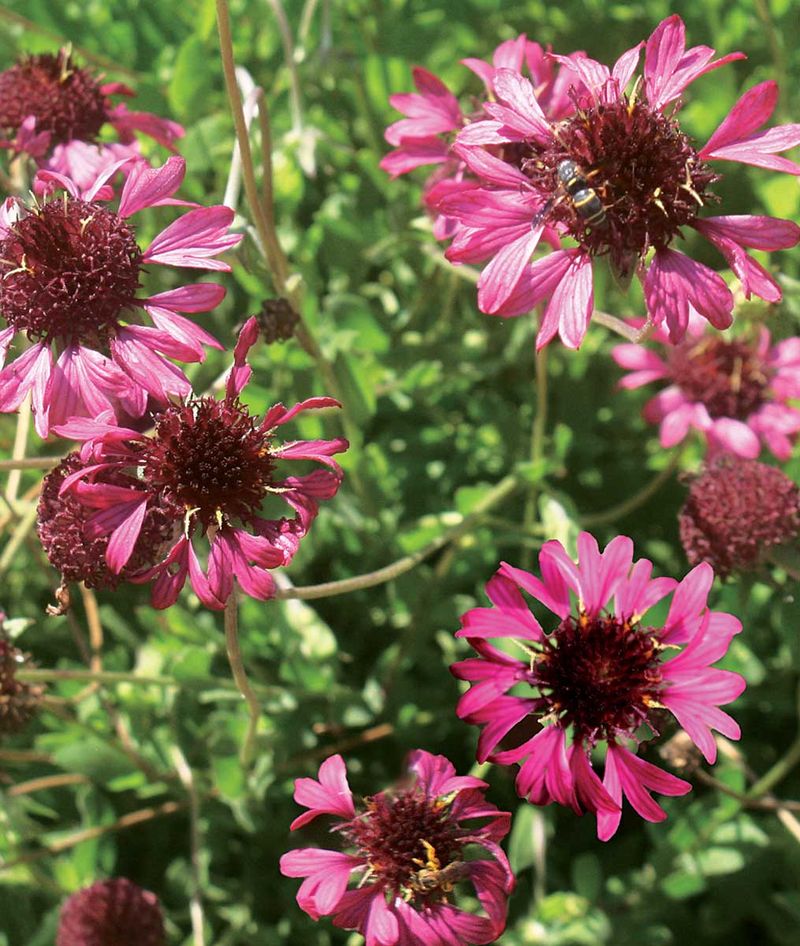
One of the biggest frustrations with summer annuals is how quickly their best moment passes. You plant them in May, they look amazing for a few weeks, and then by August the show is basically over.
Lanceleaf blanketflower works on a completely different schedule, and that extended bloom season is one of its most valuable traits for North Carolina gardeners.
Flowering typically begins in late spring and can continue well into fall, giving the plant a bloom window that stretches across several months rather than just a few weeks.
That kind of staying power is unusual even among native perennials, and it means you get consistent garden color through the hottest and driest stretch of the year when many other plants are taking a break.
The flowers themselves are showy and cheerful, with warm yellow rays that radiate out from a central button-like disk.
Each individual bloom does not last forever, but the plant produces new flowers continuously, keeping the display fresh and attractive throughout the season.
Removing spent blooms can encourage even more flowers to form, though the plant will bloom fairly reliably with or without that extra attention.
For gardeners who want a sunny bed that looks good from Memorial Day through Labor Day and beyond, that extended bloom season changes the math entirely.
Instead of replanting two or three rounds of annuals to keep a bed looking fresh, one well-placed patch of lanceleaf blanketflower handles the whole season on its own. That is a real advantage that adds up over time.
5. Butterflies Find It Irresistible
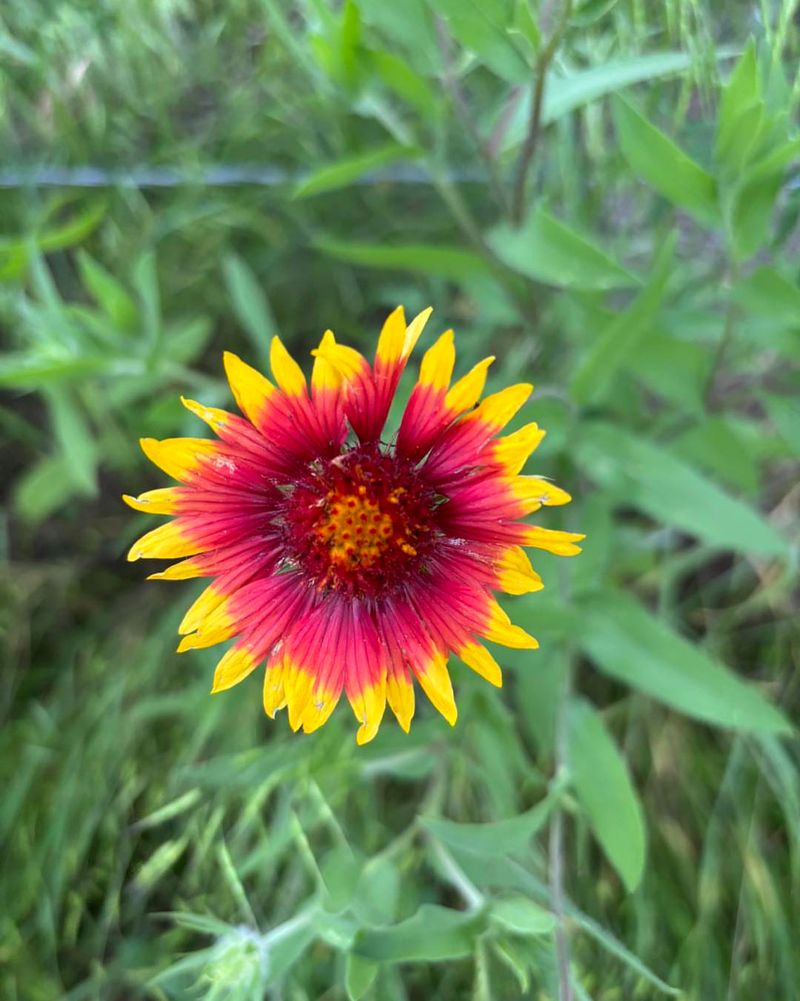
Walk past a patch of lanceleaf blanketflower on a warm summer afternoon and you will likely see wings.
Butterflies are drawn to these open, nectar-rich blooms with impressive consistency, and that wildlife value is something no ordinary bedding annual can match.
The wide, flat flower structure makes it easy for butterflies to land and feed, which is exactly the design feature that makes native flowers so effective for pollinators.
Species like swallowtails, skippers, and fritillaries regularly visit Gaillardia aestivalis in garden settings.
For anyone building or expanding a pollinator garden in North Carolina, this plant earns its place not just through good looks but through real ecological function. It feeds insects that are genuinely important to the broader garden ecosystem.
Beyond butterflies, the flowers also attract native bees, including bumblebees and smaller specialist bee species that rely on native plants for food.
That diversity of visitors makes a bed of lanceleaf blanketflower feel lively and buzzing in a way that a flat of petunias simply never will. The difference is noticeable from across the yard.
There is something genuinely satisfying about planting a flower that does double duty: looking beautiful in the garden while also feeding the local wildlife that pollinates your vegetables, fruits, and other flowering plants nearby.
Lanceleaf blanketflower fits that role naturally because it evolved alongside those pollinators.
Choosing it over a plain bedding annual is a small decision that ripples outward into the health of your whole garden in ways that are easy to appreciate once you see them in action.
6. A Compact Size That Fits Almost Anywhere
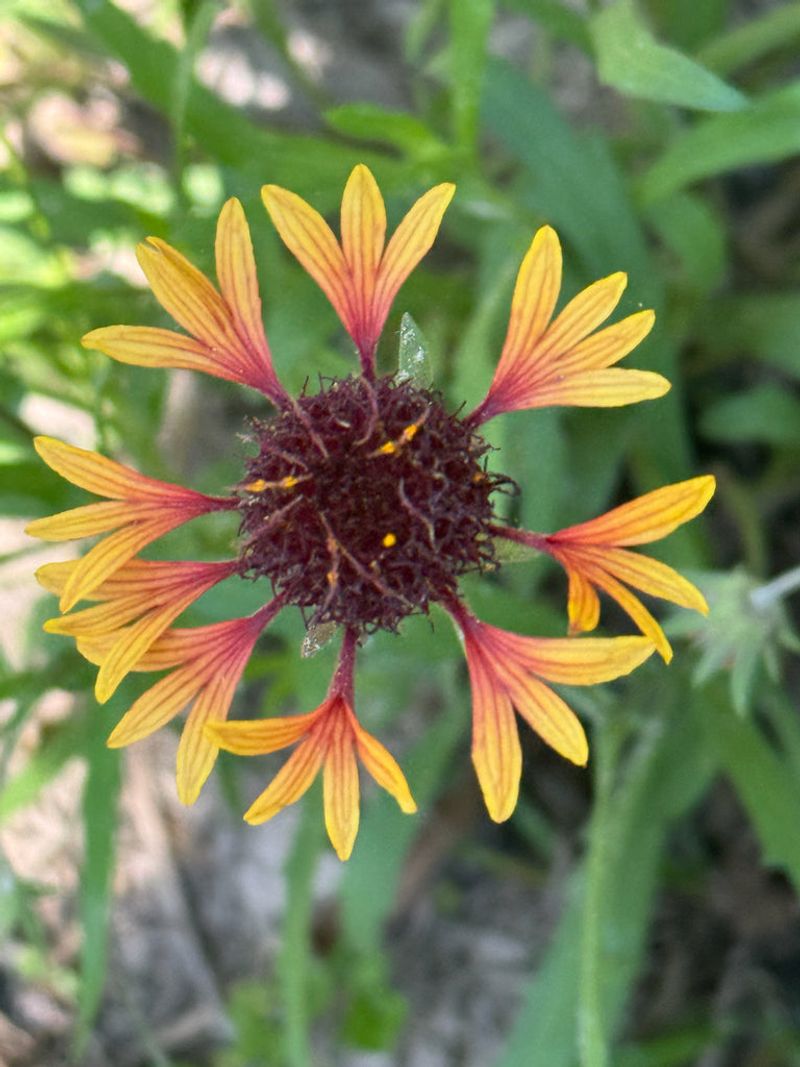
Not every garden has room for big, sprawling perennials. Sometimes what a bed really needs is a medium-sized plant that brings color without taking over everything around it.
Lanceleaf blanketflower fits that description almost perfectly, growing in tidy upright clumps that typically reach around 18 inches tall and about 12 inches wide.
That compact footprint makes it surprisingly versatile. Front-of-border placement works well because the plant stays visible without blocking shorter plants behind it.
It also fits nicely into small sunny openings in mixed perennial beds where you want a burst of color without committing a large section of soil to one plant.
Rock gardens, narrow side-yard beds, and container plantings are all reasonable options depending on your space.
The upright growth habit also means lanceleaf blanketflower does not tend to flop or sprawl, which keeps it looking tidy without staking or constant trimming.
That self-contained structure is genuinely useful in beds where you want a clean, maintained appearance alongside other plants that might have more relaxed growth habits.
Compared to some native perennials that spread aggressively or grow tall enough to shade out neighbors, this plant is refreshingly well-behaved. It stays in its lane, blooms generously, and does not create problems for the plants growing beside it.
For gardeners working with small urban lots, narrow borders, or carefully organized cottage-style beds, that manageable size is not a small thing.
It is actually one of the main reasons lanceleaf blanketflower earns a spot in gardens where space is genuinely limited and every plant needs to pull its weight.
7. Self-Seeding Means More Plants For Free
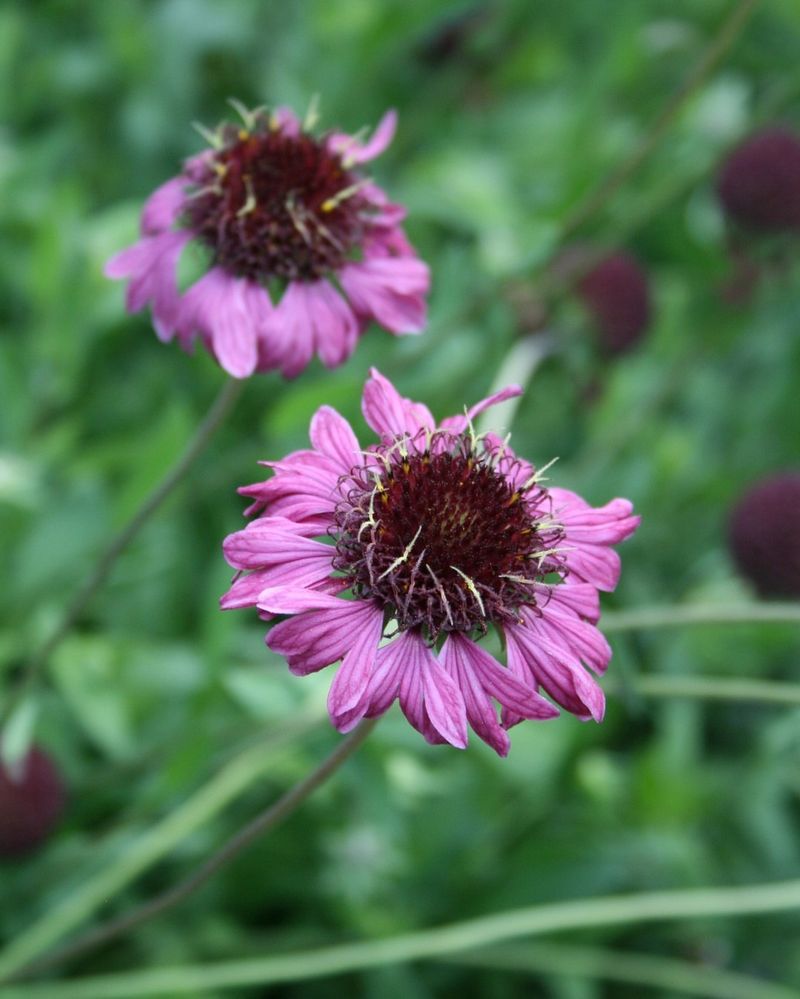
Happy plants tend to spread, and lanceleaf blanketflower has a quiet, unhurried way of doing exactly that. After flowers finish blooming, they develop seed heads that release small, wind-dispersed seeds into the surrounding soil.
In the right conditions, those seeds germinate and produce new plants the following season, gradually filling in a bed with a soft, natural-looking colony of blooms.
This self-seeding habit is genuinely appealing for gardeners who love a wildflower aesthetic.
Instead of a rigid, planted arrangement, a bed of lanceleaf blanketflower can develop a relaxed, meadow-like quality over time as new plants appear in slightly different spots each year.
That kind of organic spread looks intentional in cottage gardens and naturalistic landscape designs.
If self-seeding sounds like more than you want to manage, the easy fix is simply removing spent blooms before seeds mature and drop. That keeps the plant tidy and prevents unwanted spread while still encouraging new flower production.
On the other hand, if you want more plants without spending money on new transplants, letting some seed heads mature and drop is an effortless way to expand your planting.
It is worth noting that self-seeding success depends on soil conditions and local climate. Sandy, well-drained soil in a sunny spot gives seeds the best chance of taking hold. In heavier or more competitive soil, germination rates may be lower.
Either way, the potential for a plant to reproduce and return on its own adds a layer of value that store-bought annuals simply cannot offer, since those plants are finished after one season no matter what you do.
8. Good Drainage Is Non-Negotiable For This Plant
Every plant has at least one firm requirement, and for lanceleaf blanketflower, that requirement is good drainage. Soggy soil is the one condition this plant genuinely cannot handle well.
Roots sitting in waterlogged ground become vulnerable to rot, and a plant that handles drought beautifully can run into serious trouble in a bed where water pools after a heavy rain.
This is worth knowing before you choose a planting spot. Walk around your garden after a significant rainstorm and notice where water collects and where it drains away quickly.
Low spots, compacted clay areas, and beds near downspouts are likely to hold moisture too long for lanceleaf blanketflower to thrive. Raised beds, slopes, and sandy or loamy soil areas are much better choices.
Amending heavy clay soil with coarse sand or fine gravel before planting can improve drainage enough to make a marginal spot workable.
Adding organic matter like compost also helps open up compacted soil and improve overall drainage over time.
If your garden is mostly clay and you cannot amend it easily, a raised bed filled with a well-draining mix is a practical workaround that gives this plant the conditions it needs.
Avoiding wet spots is not just about keeping the plant alive through one season. Good drainage directly affects long-term root health, winter survival, and the plant’s ability to come back strong each year.
Getting the drainage right from the start means less replanting and more consistent performance.
For a native perennial that is otherwise very low-maintenance, soil drainage is the one area where a little upfront planning makes a significant difference in how well the plant performs over time.