This Fragrant Plant Handles Pennsylvania Heat And Makes Every Patio Smell Amazing All Summer
There are plants that look good on a patio, and then there are plants that transform the whole experience of being out there.
The kind of plant that greets you the moment you step outside, drifts through open windows on a warm evening, and makes your outdoor space feel like somewhere genuinely special rather than just a patch of pavement with some furniture on it.
Fragrance does something that visual impact alone simply cannot. There’s one plant that Pennsylvania patio gardeners have been quietly falling in love with that delivers exactly this experience.
It handles Pennsylvania’s summer heat without complaint, it grows beautifully in containers, and it produces a fragrance that carries through warm summer air in a way that turns an ordinary patio evening into something memorable.
It’s not temperamental. It doesn’t demand constant attention or perfect conditions. It just grows, blooms, and fills your outdoor space with one of the most beautiful natural scents you can find in a garden plant.
‘Phenomenal’ Lavender Was Selected For Tougher Growing Conditions
Not all lavender is created equal, and ‘Phenomenal’ proves that point beautifully. Bred specifically for gardeners dealing with difficult growing conditions, this cultivar stands out from the crowd in a big way. Its name alone tells you something about what it can handle.
Patent documentation for ‘Phenomenal’ lavender highlights its resistance to both summer and winter forms of Pythium root disease. Pythium is a soil-borne problem that destroys roots when conditions stay too wet for too long.
Many lavender varieties struggle or fail because of it, but ‘Phenomenal’ was developed with this exact challenge in mind.
Northeastern gardeners, including those in Pennsylvania, often deal with heavy clay soils, humid summers, and unpredictable spring weather.
Most tender lavender types simply cannot keep up. ‘Phenomenal’ was selected to perform under these tougher real-world conditions, making it a smarter choice for this region.
That said, even this tough cultivar needs your help. Excellent drainage remains the single most important factor for dependable performance.
No matter how disease-resistant a lavender variety is, sitting in soggy soil will eventually cause serious root damage.
Plant ‘Phenomenal’ in a raised bed, a slope, or a container with drainage holes to give its roots the dry, airy environment they prefer. Amend heavy clay with coarse sand or gravel before planting.
Choose a spot that gets full sun and good air circulation to reduce humidity around the foliage. With those basics in place, ‘Phenomenal’ lavender can reward Pennsylvania gardeners with strong, healthy growth and an incredible fragrance season after season.
Fragrant Foliage Keeps The Patio Aromatic Beyond Blooming
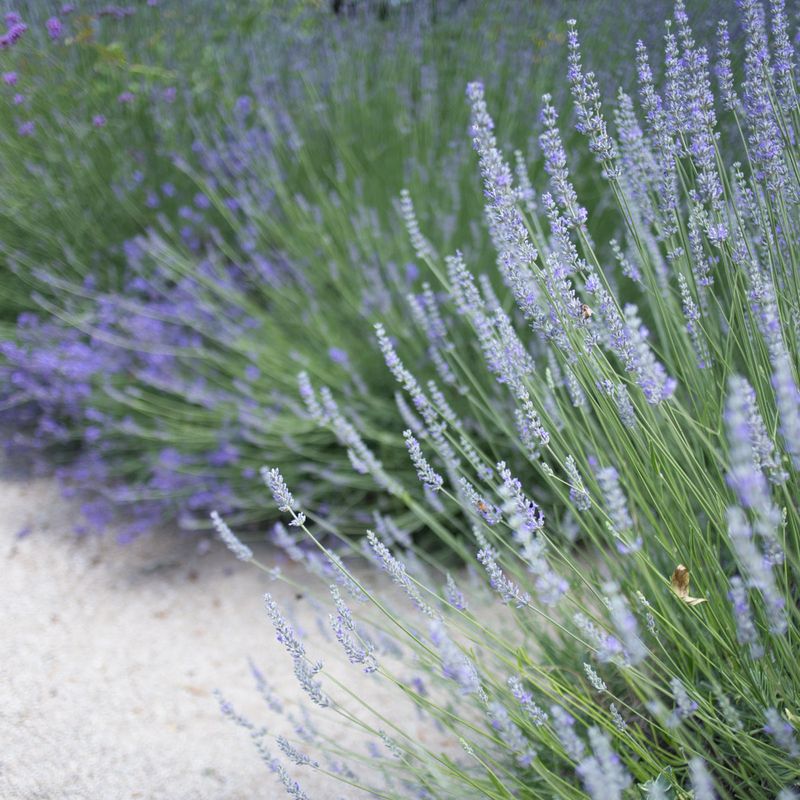
Here is something most people do not realize about lavender until they grow it themselves. The flowers are stunning and fragrant, yes, but the leaves carry just as much of that signature scent.
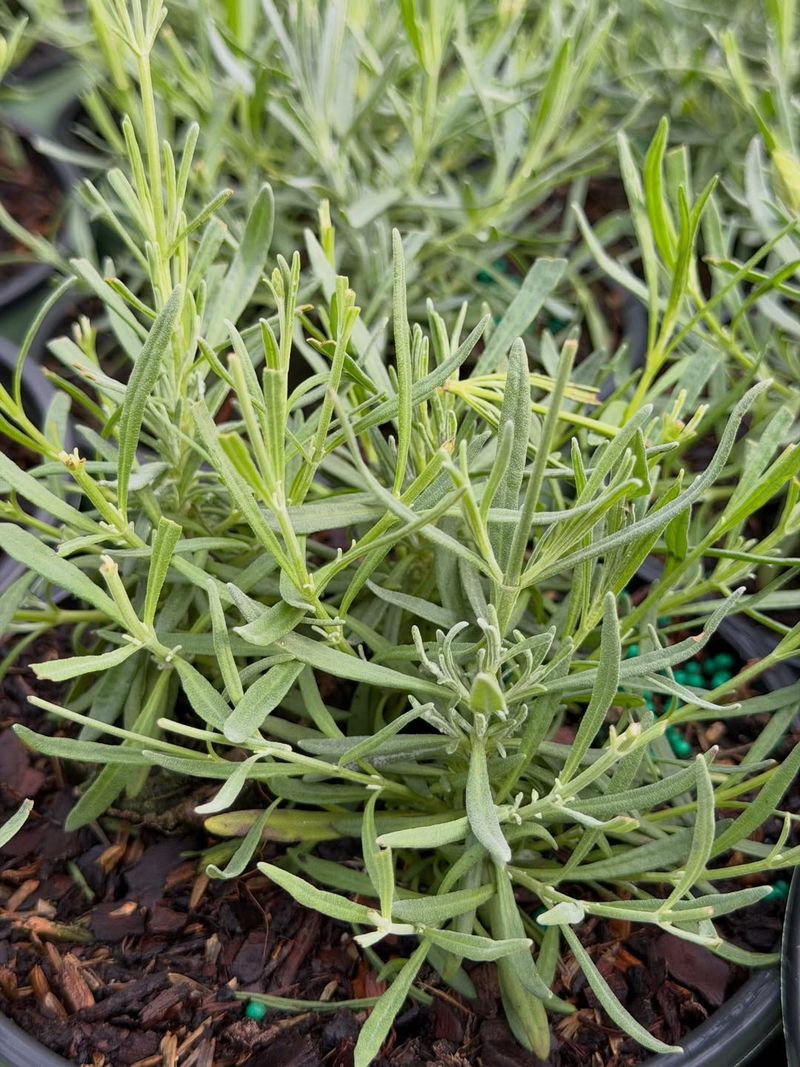
Both the flower spikes and the silver-gray foliage release lavender’s calming, pleasant aroma throughout the season.
Walk past a lavender plant on a warm afternoon and you will notice the fragrance floating through the air. Brush against the leaves with your hand or your leg, and the scent becomes even stronger.
Your Pennsylvania Garden Changes Every Week. Your Plan Should Too.
Gardening in Pennsylvania changes quickly throughout the season. Every Friday you’ll receive a simple weekly plan showing exactly what to plant, prune, fertilize, harvest, and protect so you never miss the right timing.
Cutting a few stems for a vase or a bundle intensifies the aroma in a wonderful way. The oils that create lavender’s scent are stored right in the foliage, so every bit of contact releases more of it.
Placement really matters when you want to enjoy this fragrance on your patio. Position lavender beside a walkway, near a seating area, or along the edge of steps where you and your guests will naturally brush against it.
A sunny spot close to where you spend time outdoors will let you enjoy the scent without even trying.
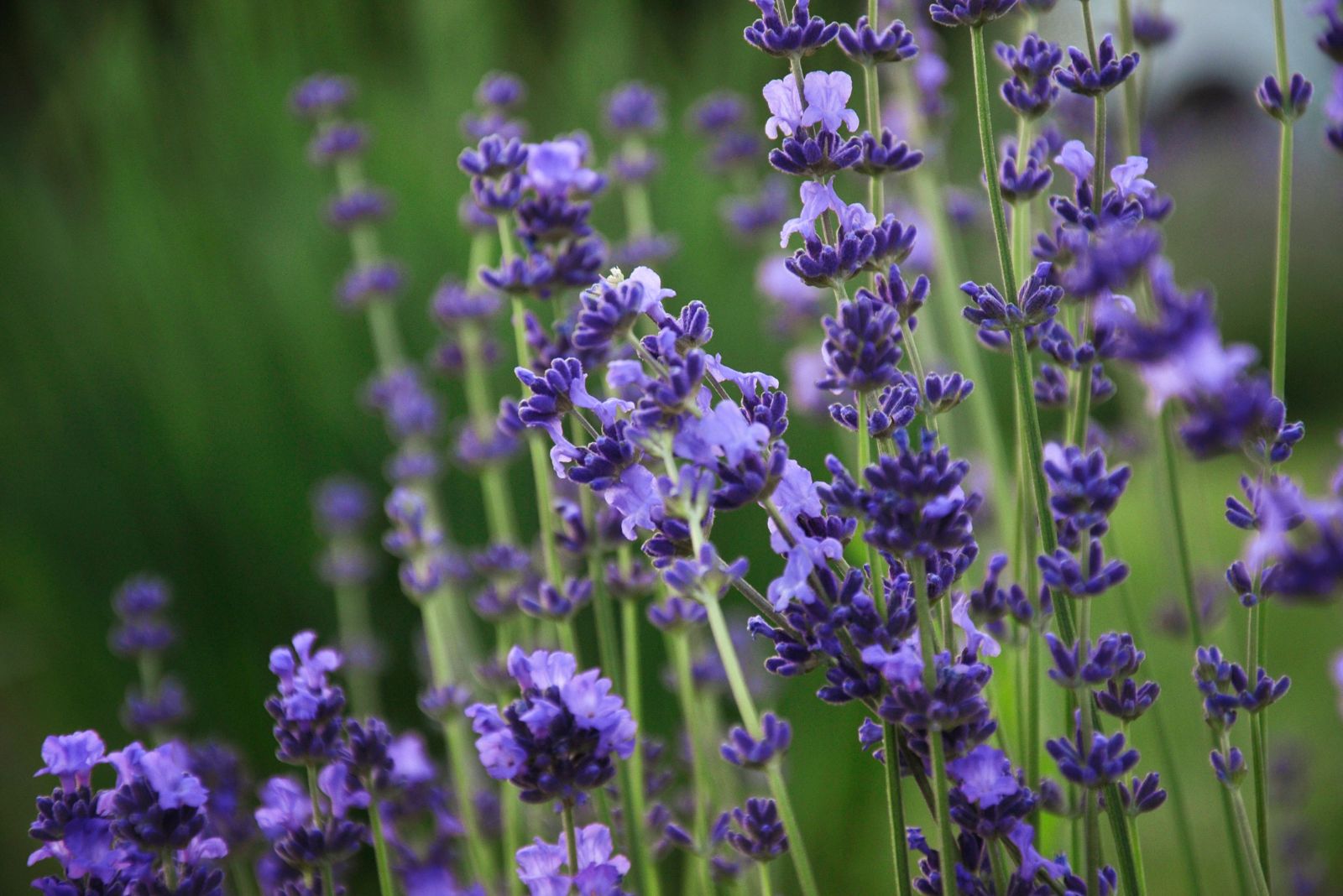
One of the best parts of growing ‘Phenomenal’ lavender is that the aromatic foliage does not quit when the main flowering flush ends. Even after the tall purple flower spikes fade, the silvery leaves keep releasing their fragrance on warm days.
You do not have to wait for a new bloom cycle to enjoy the scent your plant provides. That steady, season-long aroma is one of the main reasons lavender has remained such a beloved patio plant for so many years.
Full Sun Produces The Strongest Growth And Flower Display
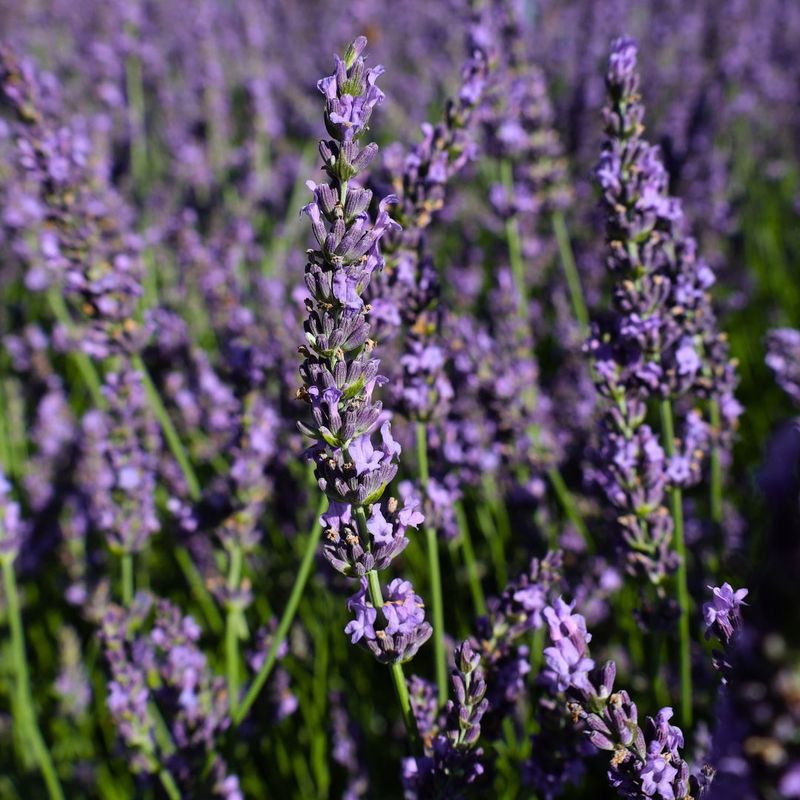
Lavender is a sun lover through and through. Give it anything less than a full day of bright light, and it will let you know by growing weak, floppy, and sparse.
For the best results, plan on providing at least six to eight hours of direct sunlight every single day.
When lavender does not get enough light, the stems stretch out looking for more sun. The plant becomes open and floppy instead of forming a tidy, rounded mound.
Fewer flower spikes appear, and the ones that do show up tend to be shorter and less colorful. The whole plant just looks tired and underwhelmed.
A sunny patio location can actually work very well for lavender, especially when you grow it in a container. Just make sure the container does not overheat in intense afternoon sun, which can stress the roots even in a heat-tolerant plant.
Terra cotta pots can help regulate soil temperature naturally. Also, never let the container sit in a saucer filled with standing water, since trapped moisture is a bigger problem than heat.
One fun detail about lavender is that its silver-gray foliage is not just pretty. That pale color actually helps the plant survive intense sunlight.
The light-colored leaves reflect some of the sun’s energy and help slow down moisture loss during the hottest parts of the day. It is a built-in survival tool that makes lavender especially well-suited for exposed, sunny spots.
So when choosing where to plant your lavender, always go for the sunniest location available. More sun almost always means more flowers and a stronger, healthier plant overall.
Fast Drainage Matters More Than Frequent Watering
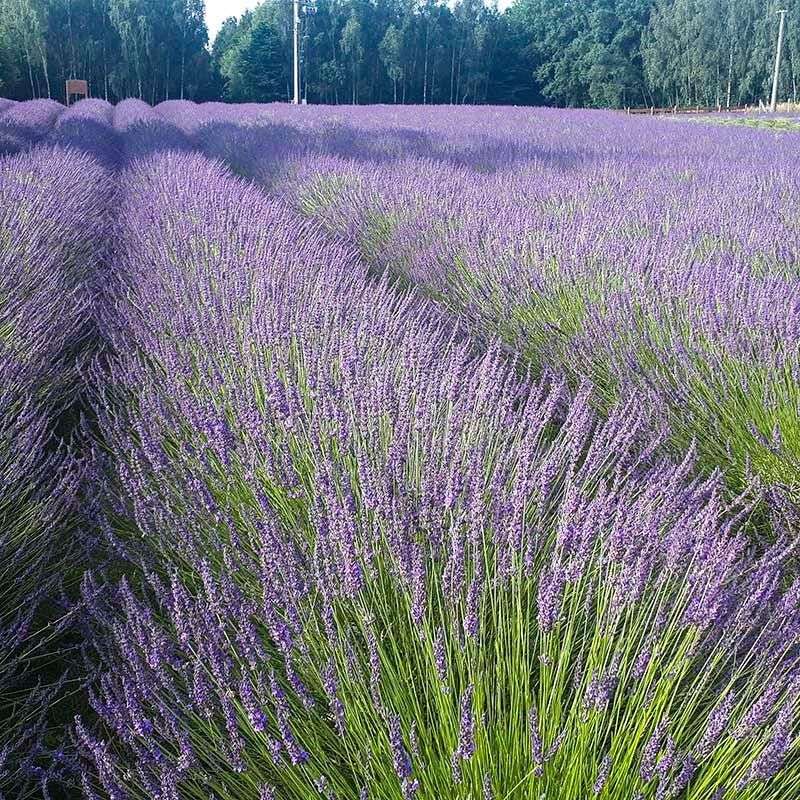
Ask any experienced lavender grower what the number one rule is, and they will almost always say the same thing: drainage, drainage, drainage. Lavender thrives in dry, gravelly, or sandy soils that let water move through quickly.
It does not want to sit in moisture, and it definitely does not want to be watered on a tight daily schedule.
Pennsylvania soil can be a real challenge for lavender because much of the state has heavy clay. Clay holds onto water for a long time, and that is the opposite of what lavender roots need.
Constantly damp soil around the roots leads to rot, which can seriously damage an otherwise healthy plant. If your garden soil is clay-heavy, amend it with coarse sand, pea gravel, or raised bed mix before planting.
Container growing is a popular solution for Pennsylvania gardeners, and it works well as long as you follow a few rules. Use a pot with clear, unobstructed drainage holes at the bottom.
Never set the pot inside a saucer that collects and holds water. Even a small amount of standing water beneath a container can keep the lower soil too wet for lavender’s comfort.
Watering technique matters too. Instead of watering a little bit every day, water thoroughly and then wait.
Let the top inch or two of soil begin to dry out before watering again. Lavender is naturally adapted to dry Mediterranean climates, so it prefers the wet-then-dry cycle over constant moisture.
Getting drainage right from the start is the single best thing you can do to help your lavender thrive all summer long.
Summer Heat Is Manageable Once The Roots Are Established
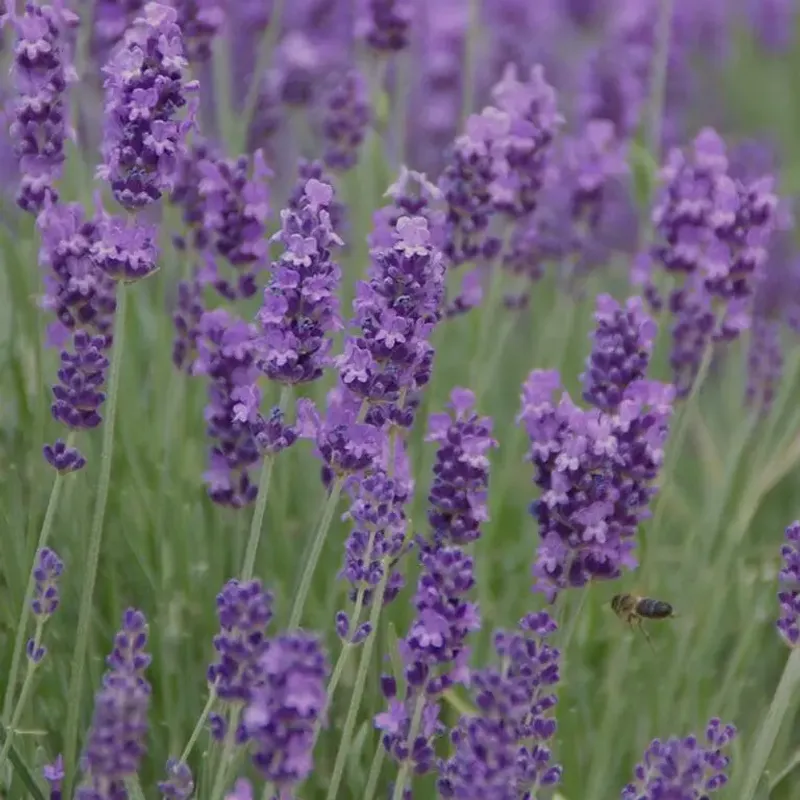
Pennsylvania summers come with serious heat and sticky humidity that can challenge even tough plants. Luckily, once lavender gets its roots settled in, it handles high temperatures surprisingly well.
Penn State Extension includes lavender among plants well-suited to heat-conscious and drought-aware landscapes across the region.
Established lavender plants generally need far less supplemental watering than most popular patio flowers. While your petunias and impatiens might need water every day during a heat wave, a well-rooted lavender plant can often go a week or more between waterings.
That makes it a practical choice for busy gardeners or anyone who wants a lower-maintenance patio display.
The tricky part is the word “established.” Newly planted lavender is not yet drought-tolerant. During the first few weeks after planting, the root system is still small and shallow.
During that time, monitor the soil regularly and water when the top layer begins to dry. Once you see strong new growth, the plant is settling in and becoming more self-sufficient.
Pennsylvania’s humidity is worth taking seriously, though. On its own, heat is not the biggest threat to lavender in this region.
The real trouble starts when high humidity combines with poor drainage and constantly wet soil around the roots. That combination creates the perfect conditions for root problems.
Good air circulation around the plant helps reduce humidity buildup in the foliage. Choose an open, breezy spot on your patio if possible. Avoid crowding lavender between other plants or walls where air cannot move freely.
With solid drainage and a bit of space, summer heat becomes very manageable for this resilient plant.
Timely Trimming Can Encourage A Neater Second Display
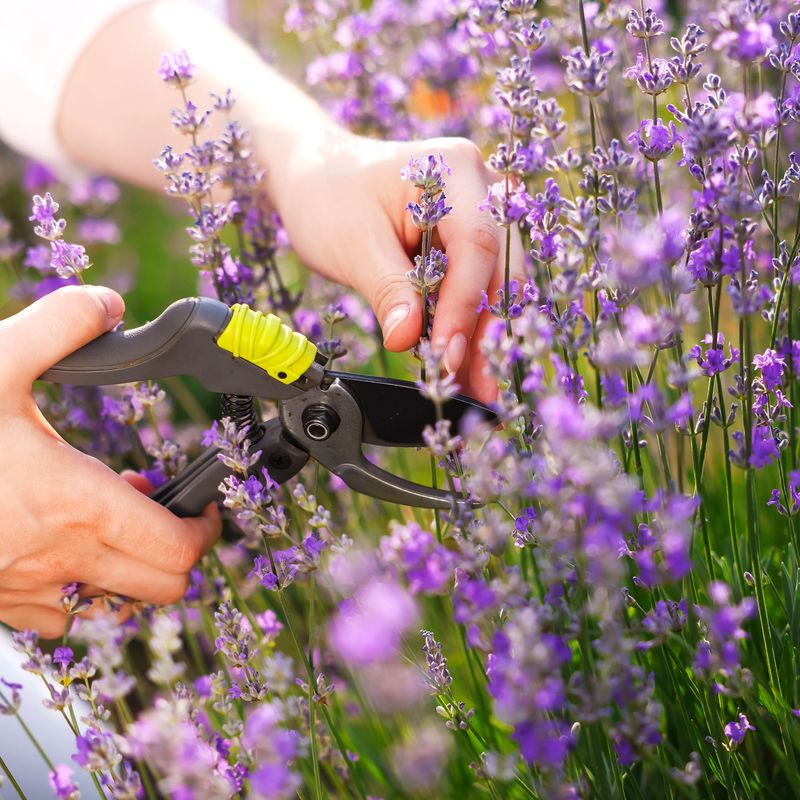
Grabbing a pair of garden shears after the main lavender bloom fades might feel a little sad, but it is actually one of the smartest moves you can make.
Removing spent flower stems keeps the plant looking tidy and attractive through the rest of summer. A plant covered in dried, brown flower stalks loses a lot of its visual appeal fast.
Beyond appearance, light trimming after the first bloom flush may encourage the plant to produce additional flowers when growing conditions stay favorable.
Not every lavender plant will rebloom heavily, and results depend on the weather, the plant’s health, and how well established it is.
But giving it a gentle trim after the first flush at least gives it the opportunity to try. Think of it as a friendly nudge rather than a guarantee.
One important rule to keep in mind: do not cut too deeply into the woody, old stems at the base of the plant. Those thick, brown, leafless stems may not push out new growth if cut back hard.
Lavender does not regenerate from old wood the way some shrubs do. Always leave plenty of green, leafy growth on the plant when you trim.
A good rule of thumb is to remove about one-third of the green growth at most. Use clean, sharp shears to make smooth cuts and reduce any risk of disease entering through rough wounds. Trim on a dry day when the foliage is not wet.
Even without a strong second bloom, the aromatic foliage will keep your patio smelling wonderful right through the end of summer.