The Meaning Behind Seeing An Eastern Towhee In Your Florida Yard
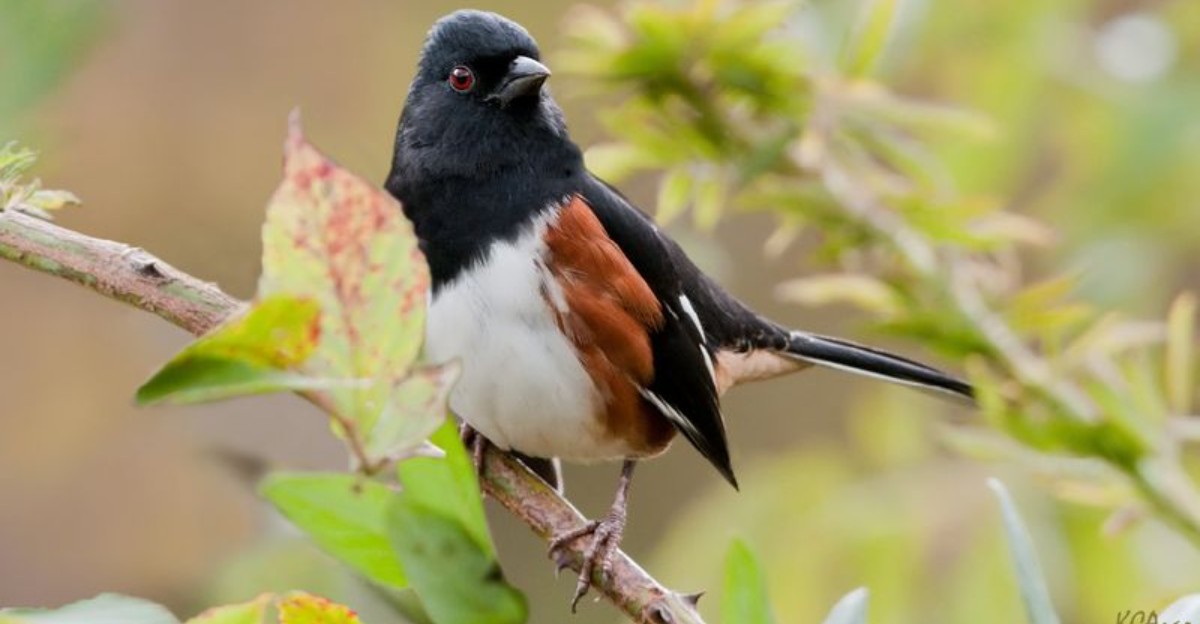
An eastern towhee scratching through leaf litter at the edge of the yard, kicking debris in both directions like it’s got somewhere specific to be underneath. It’s not random foraging.
That bird picked this spot on purpose.
Towhees favor thick, brushy cover over open, manicured lawn. A yard drawing one in regularly usually has more going on at ground level than it gets credit for.
Insects, seeds, and cover all have to line up before a towhee sticks around, instead of passing through once and never coming back.
Florida yards holding onto a little mess, brush piles, unraked corners, thicker undergrowth, tend to be exactly the kind that keep a towhee coming back. Seeing one regularly says more about what’s growing wild than what’s been cleaned up.
1. An Eastern Towhee Visit Means Your Yard Has Something It Likes
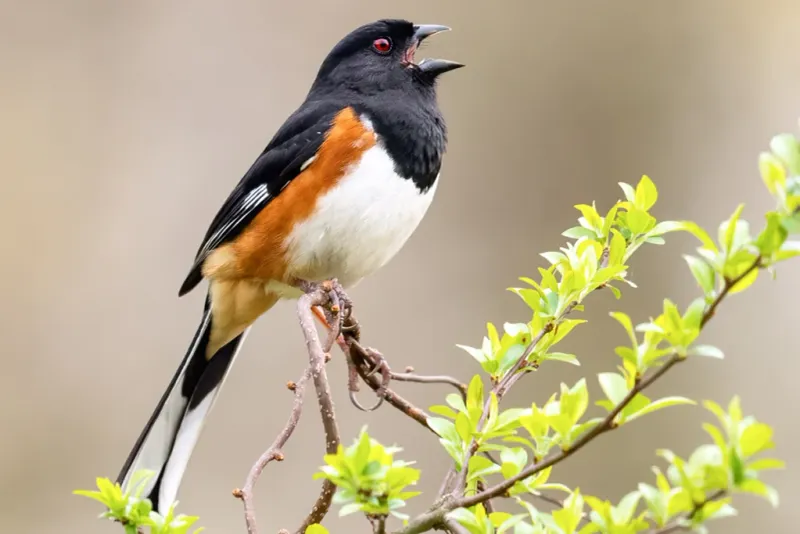
Consider a towhee sighting a quiet compliment. These birds live in mainland Florida year-round, so they have plenty of neighborhoods to choose from, and they picked yours.
Eastern Towhees favor brushy areas, open woods, thickets, and forest understories. When one turns up near your fence line, it usually means some corner of your property looks and feels like those wild places.
They are not birds that hang around wide open turf. Dense, bushy cover gives them a sense of safety, and that cover is often the deciding factor in whether they linger or move along.
Many Florida homeowners spot their first towhee near an overgrown hedge, a pile of yard clippings, or a shady spot under oaks where leaves gather. Those unfussy areas are doing more work than they appear to.
A single visit might be a bird passing through while exploring. Repeat visits over several days suggest food and shelter are both available, which is the combination towhees look for.
Eastern Towhees can show regional variation in appearance, so take note of the bird’s overall coloring and markings next time.
Treat the sighting as feedback. Something in your landscaping is working, and figuring out what can help you keep the visits coming.
2. Thick Shrubs Can Turn A Yard Into Prime Towhee Cover
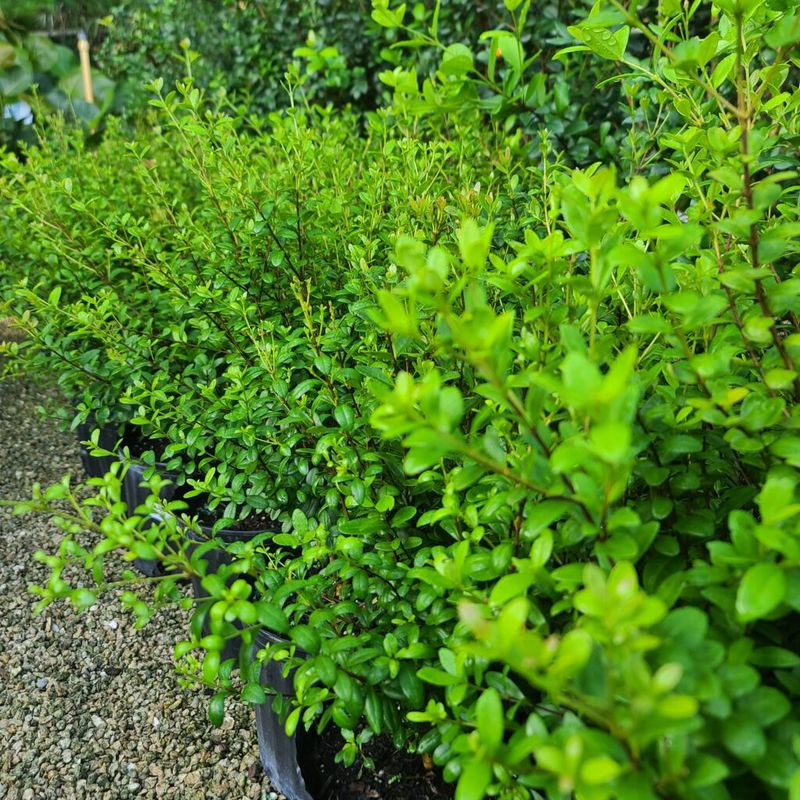
Towhees are the introverts of the backyard bird world. They spend much of the day tucked under thick underbrush, showing themselves for a moment before slipping back into the greenery.
Dense shrub cover ranks high on their list of habitat needs. Bushy plantings give them escape routes from hawks, outdoor cats, and anything else that moves too quickly.
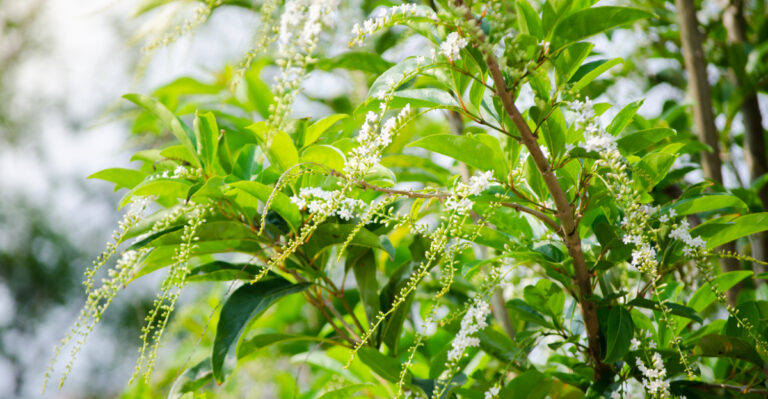
In Florida yards, saw palmetto, wax myrtle, beautyberry, yaupon holly, and viburnum all create that layered tangle towhees appreciate. Planting a few together in a cluster beats scattering single shrubs across the lawn.
Height matters less than density. A waist-high thicket with branches growing close together offers better shelter than a tall, trimmed hedge with bare legs underneath.
Homeowners often prune shrubs into tidy balls, which removes the messy interior a towhee wants. Letting the lower branches sprawl and touch the ground creates a hidden hallway the bird can travel through unseen.
Your Florida Garden Changes Every Week. Your Plan Should Too.
Gardening in Florida changes quickly throughout the season. Every Friday you’ll receive a simple weekly plan showing exactly what to plant, prune, fertilize, harvest, and protect so you never miss the right timing.
Edges are the sweet spot. Where a shrub border meets open ground, towhees can forage in the leaves and duck into safety within a second or two.
Once shrub cover is established, you may start hearing the bird more than seeing it. That is a good sign, since it means your landscaping is doing exactly what the towhee hoped for.
3. Leaf Litter Gives Towhees A Dining Room Beneath Their Feet
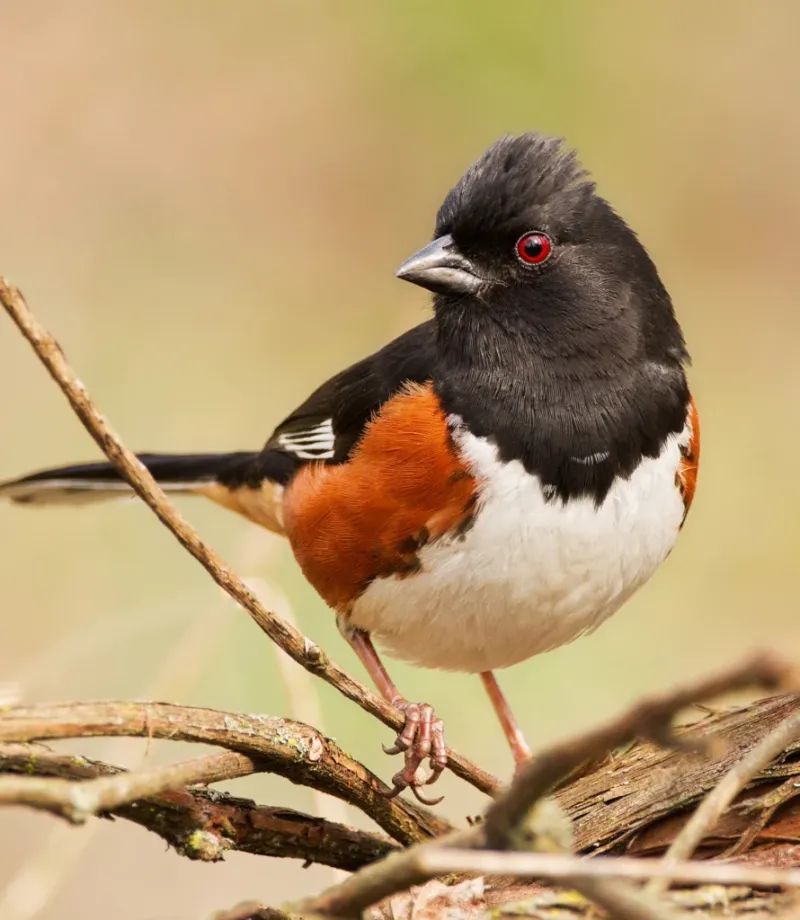
Fallen leaves are not clutter to a towhee. They are a buffet with a lid on it.
These birds forage mainly on the ground, scratching through the leaf layer to uncover whatever is hiding below. Areas with deep, undisturbed litter act like a treasure map of possible meals.
Under that leafy blanket you get beetles, ants, spiders, snails, small seeds, and moisture that keeps the whole system going. Bare soil and short grass offer very little by comparison.
Florida yards produce plenty of raw material for this. Live oak, laurel oak, and hickory drop leaves steadily, and raking every last one away removes the towhee cafeteria in one afternoon.
A practical middle ground works well for most homeowners. Rake pathways and driveways as usual, then move the leaves under shrubs and around tree bases where they can accumulate naturally beneath the plants.
Thicker is generally better. A shallow scattering dries out fast, while a deeper layer holds humidity and shelters the small creatures towhees hunt.
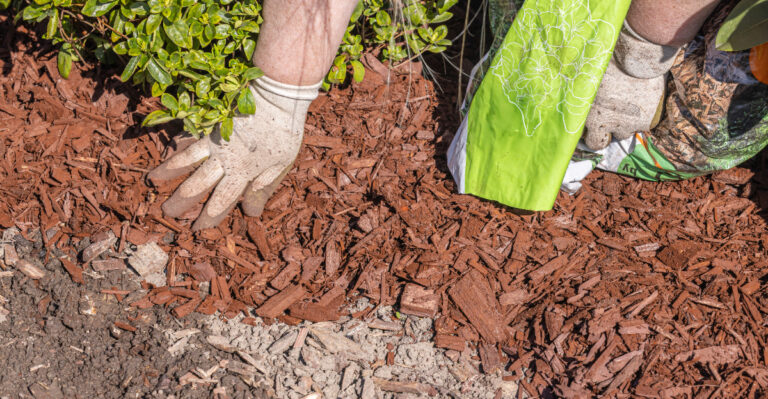
Skip the plastic weed fabric and heavy rubber mulch in those beds, since both block the scratching motion the bird depends on. Natural leaves and pine straw stay loose and easy to flip.
The payoff arrives quietly. One morning you notice leaves flying, and your resident towhee is already halfway through breakfast.
4. That Noisy Scratching Is A Towhee Searching For Its Next Meal
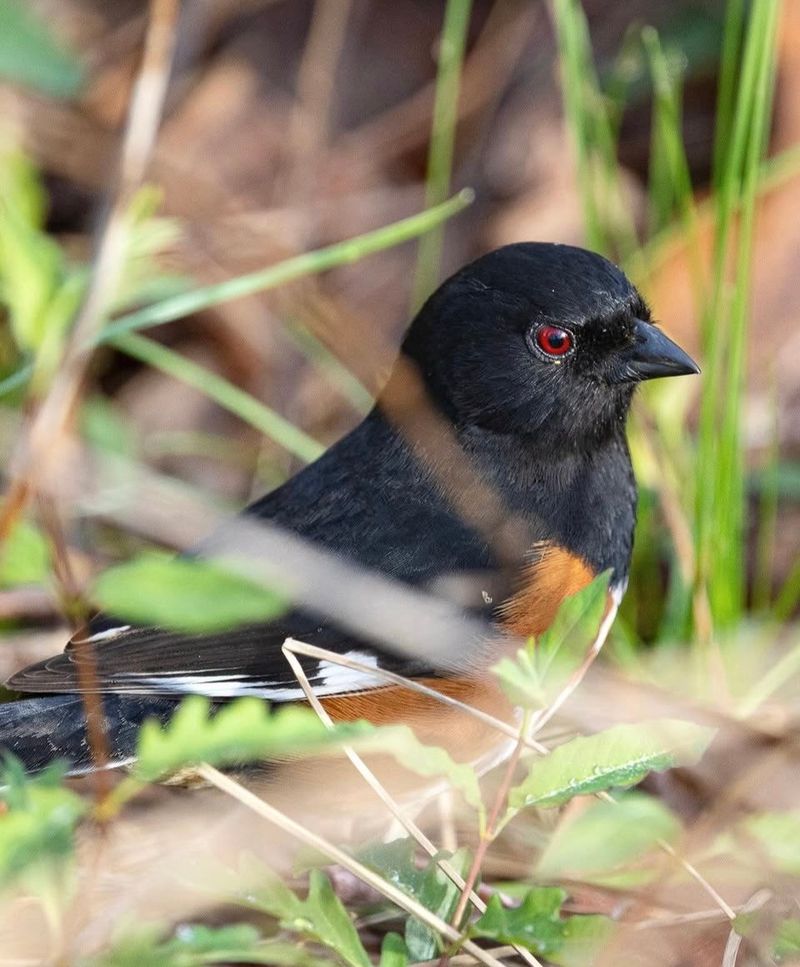
Ever heard something big rustling in the bushes, only to find a bird the size of your hand? Towhees are famous for making a racket well above their weight class.
Their signature move is a two-footed hop backward, sometimes called the backward double-scratch. Both feet kick at once, dragging loose leaves out of the way in a quick jerk.
The motion exposes insects, spiders, and seeds hiding under the debris. It is efficient, repetitive, and surprisingly loud in dry Florida leaf litter.
Birders often locate towhees by ear before ever spotting one. If you hear rhythmic rustling from a shrub with no wind to explain it, freeze and watch the shadows near the ground.
Their calls help confirm the identification too. The sharp, rising chewink note and the whistled song often described as drink-your-tea both carry a good distance through dense cover.
Standing still is the trick. Towhees tolerate quiet observers but bolt when someone walks straight at the bushes, so watching from a porch or window works better.
Morning and late afternoon bring the most activity, especially after rain softens the ground. That is when the scratching gets busiest and the leaves fly highest.
Listening for the sound turns into a habit fast. Soon you will recognize your towhee without lifting your eyes from your coffee.
5. Insects Beneath The Leaves Can Keep Towhees Coming Back
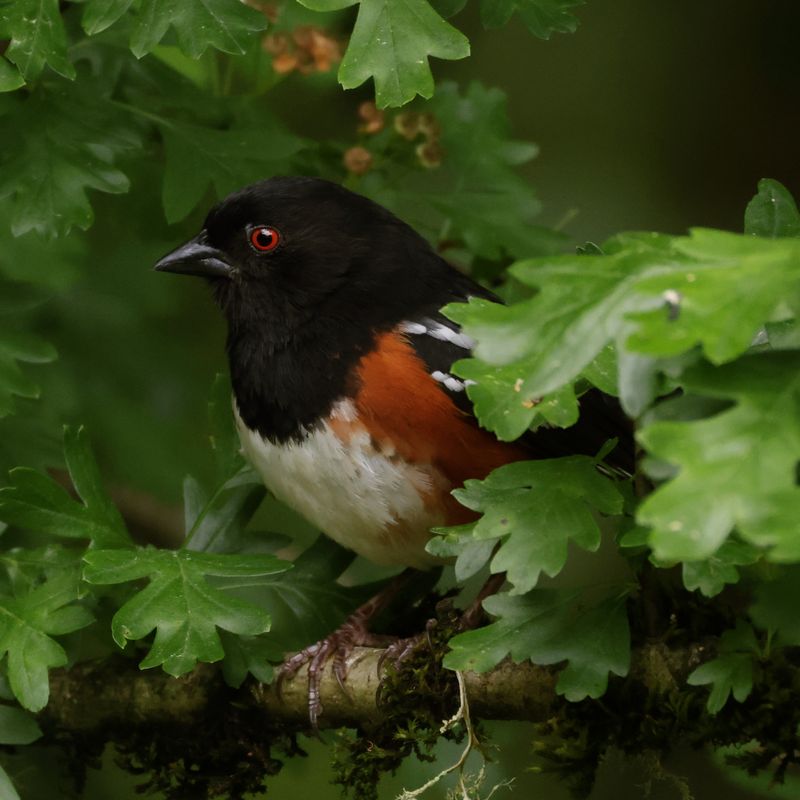
Bugs are the main draw during the warm months, and Florida has no shortage of them. Insects make up a large share of a towhee diet, especially through summer.
The menu includes beetles, caterpillars, moths, true bugs, and ants. Spiders, snails, millipedes, and centipedes round things out when they turn up in the litter.
During breeding season the share of animal food climbs even higher. Growing nestlings need protein, and soft-bodied caterpillars are exactly the kind of meal parents hunt for.
Here is where yard choices matter. Broad insecticide spraying across lawns and shrub beds reduces the small creatures towhees rely on, which can quietly make your property less interesting to them.
Spot-treating specific problems instead of blanket spraying protects the bug population under your shrubs. Native plants help too, since local insects evolved alongside them and reproduce more successfully on them.
Beautyberry, oaks, and native grasses all support impressive numbers of caterpillars. Oaks can support a wide range of caterpillars and other insects, making them valuable additions to a Florida bird-friendly yard.
Damp leaf litter keeps that food chain humming through dry spells. A shady bed that holds moisture will usually out-produce a sun-baked strip of mulch.
Feed the insects, and the towhee handles the rest of the arrangement itself.
6. Seeds And Fallen Fruit Add Another Reason To Stick Around
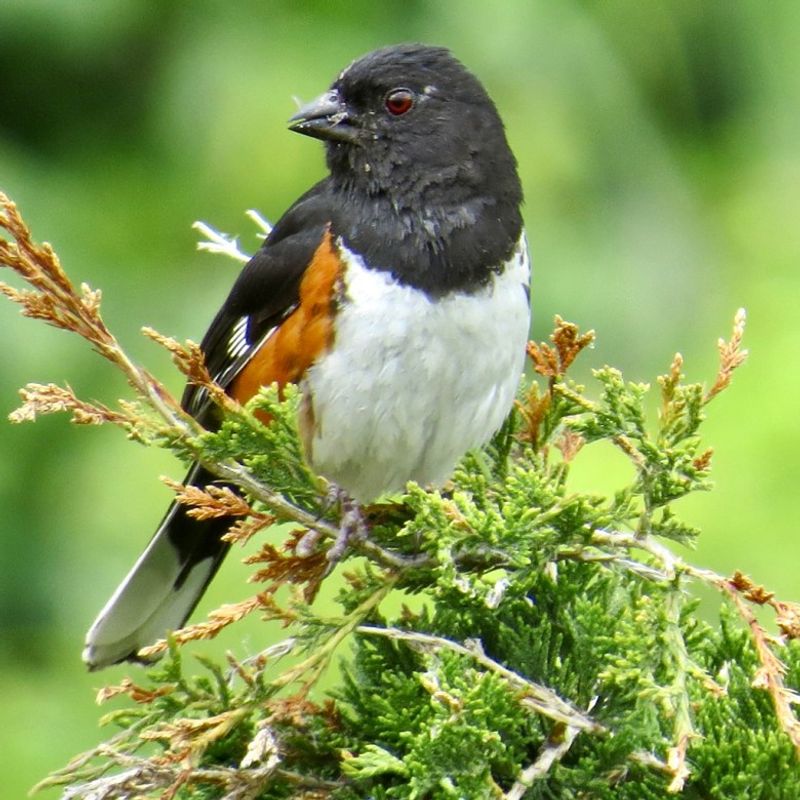
Towhees are omnivores with a practical attitude toward food. Plants fill in whenever insects are scarce, which makes them steady year-round residents in Florida.
That thick, cone-shaped beak is built for cracking. Seeds, berries, acorns, and small fruits all get handled with ease.
Documented favorites include ragweed and grass seeds, blackberries, blueberries, wheat, corn, oats, and the seeds of loblolly pine and sweetgum. Fallen fruit under a shrub rarely goes to waste.
Planting with fruit in mind pays off. Beautyberry, blueberry, blackberry, elderberry, and viburnum all drop food within reach of a ground-feeding bird.
One habit worth breaking is the rush to clean up every fallen berry. Fruit that lands beneath a bush is exactly where a towhee expects to find it.
Letting native grasses and weedy patches go to seed in a back corner also helps. Ragweed may not win landscaping awards, but towhees eat the seeds through the cooler months.
Bird feeder tip: towhees prefer eating on the ground rather than perching on tube feeders. If you choose to offer seed, placing a small amount on the ground near protective cover suits their ground-feeding habits better than relying only on hanging feeders.
Keep those scattered piles small and refresh them often so seed does not sit and spoil. A little goes a long way with a bird that already knows how to find its own dinner.
7. Brushy Borders Matter More Than A Perfectly Manicured Lawn
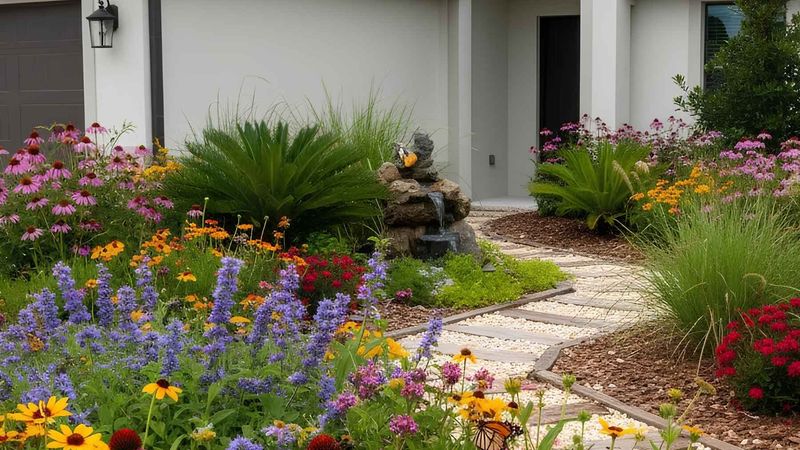
A flawless carpet of St. Augustine grass looks sharp from the street. To a towhee, it reads as wide open space with nothing to eat and nowhere to hide.
These birds flourish in thickets, shrubby edges, and forest understories. Overgrown fields and plant-filled property lines rank far above trimmed turf on their preference list.
Dense shrub cover paired with generous leaf litter forms the winning combination. Miss either piece and towhee visits tend to stay rare.
The good news is you do not have to surrender your whole yard. Dedicating a strip along the back fence or one shady side bed to brushy growth is often enough.
Think of it as a soft border rather than a wild mess. Layer a few native shrubs, let the leaves stay put, and add a small brush pile of trimmed branches behind them.
Brush piles are underrated. Stacked limbs create instant shelter and collect leaves on their own over time.
Mow less frequently in transitional zones if your neighborhood rules allow it. Slightly taller growth at the lawn edge gives ground birds a safer path between cover and feeding spots.
Your lawn can stay handsome where people actually use it. The untamed corners are where the interesting birds decide to settle in.
8. Low Dense Cover Can Make The Yard Suitable For Nesting
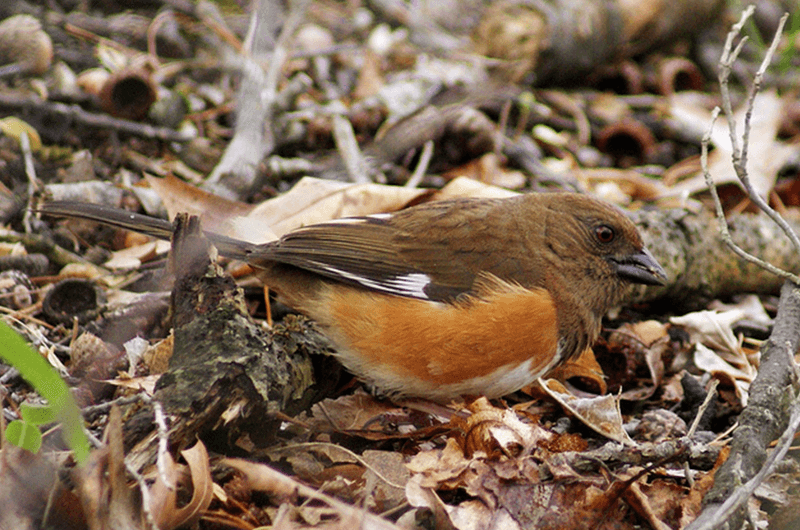
Sometimes a towhee is not just visiting. It may be house hunting.
Nests usually sit on the ground or in low shrubs, typically less than five feet up. Ground nests get tucked right into the leaf litter with leaves framing the rim like a natural doorway.
The female builds the cup herself using grass, twigs, weeds, rootlets, and strips of bark. She lines it with finer material such as animal hair for a softer interior.
Eastern Towhees can breed across much of the spring and summer in Florida, with timing and the number of broods varying by conditions and location.
Knowing that timeline should change how you handle yard work. Heavy pruning or raking inside dense shrub beds during spring can disturb a nest you never noticed.
Save the serious trimming for late summer or winter. If you must work in a thicket during spring, look before reaching in and step carefully.
Keeping cats indoors makes an enormous difference for ground nesters. Low nests are easy for roaming pets to reach, and a supervised yard gives the young birds a far better chance.
Fledglings often hop around near cover before they fly well, so give them space for a few days. Their parents are usually close by, watching from the branches.
9. Keep Some Ground-Level Habitat If You Want More Towhee Visits
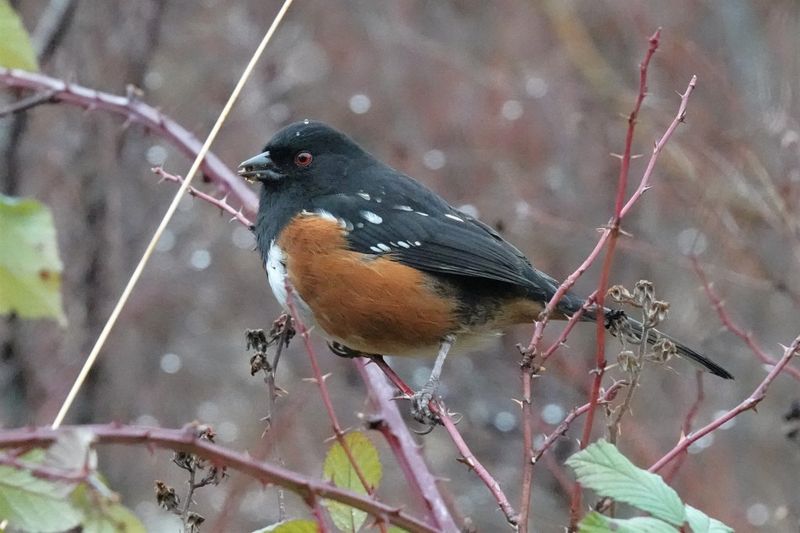
Attracting towhees comes down to one idea: build down low. Everything these birds need happens within a few feet of the soil.
Start with a brushy, shrubby, or slightly overgrown border somewhere on the property. Even a modest patch can anchor the whole setup.
Let leaf litter stay put under those shrubs. That layer supports the insects, spiders, and small creatures towhees hunt, and it costs you nothing but restraint with the rake.
Since they feed on the ground, scatter seed there rather than filling another hanging feeder. A spot a few feet from protective cover gives them a quick exit if something startles them.
Water helps too. A shallow ground-level basin or a dish sunk into the soil suits a bird that rarely perches high.
Group your plantings instead of spacing them out. Connected cover lets a towhee move across the yard without crossing open lawn.
Go easy on pesticides and leaf blowers near those beds. Both undo the messy conditions that make the habitat work.
Patience is part of it. Towhees may take a season to find and trust a new brushy corner, and then they often stick around since they live in Florida year-round.
Seeing one means your yard already speaks their language. Keeping a little wildness on the ground keeps the conversation going.