The Spiders Appearing In Washington Homes Are Not Coming In From Outside
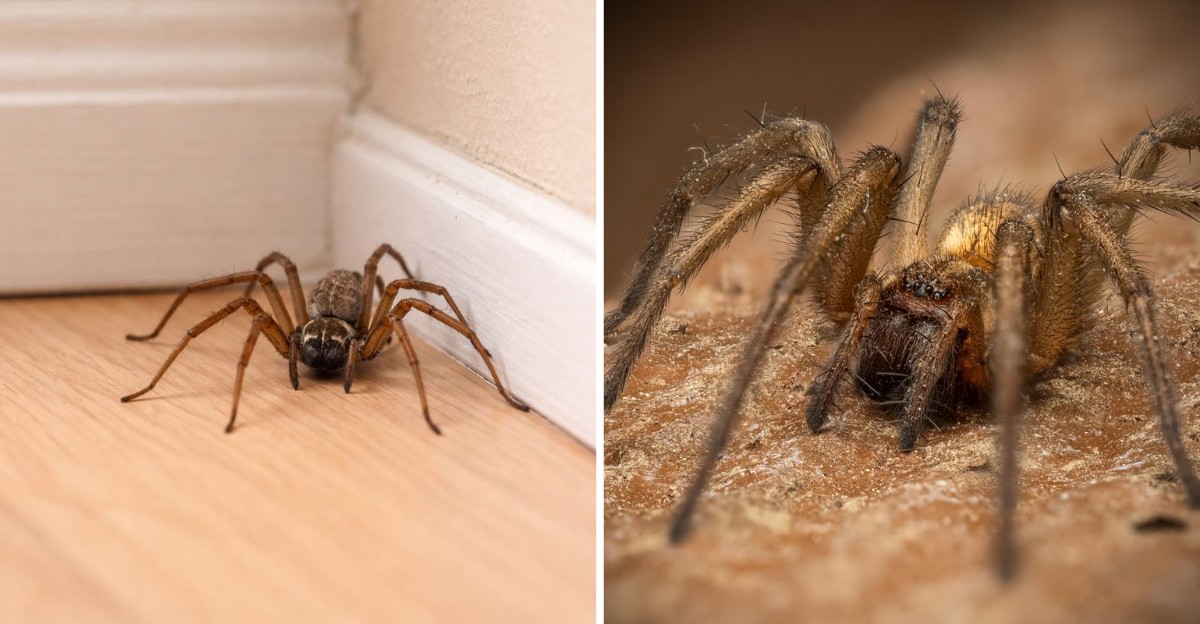
The hallway light clicks on and something long-legged sprints across the carpet like it owns the mortgage. You freeze, it freezes, and for one long second the entire house seems to hold its breath.
September in Washington arrives with damp mornings, early dusk, and sudden movement along the baseboards after dinner. Most people blame an open door, a loose screen, or that one gap under the garage.
The blame feels tidy and reasonable, and it happens to be wrong in a fairly interesting way. Whatever raced past your slipper did not come in from the yard at all this week.
Homeowners across the state point at the weather, the woodpile, or the neighbor’s overgrown hedge. The actual culprit has lived downstairs since spring, and it has opinions about your cardboard.
Indoor Residents All Along
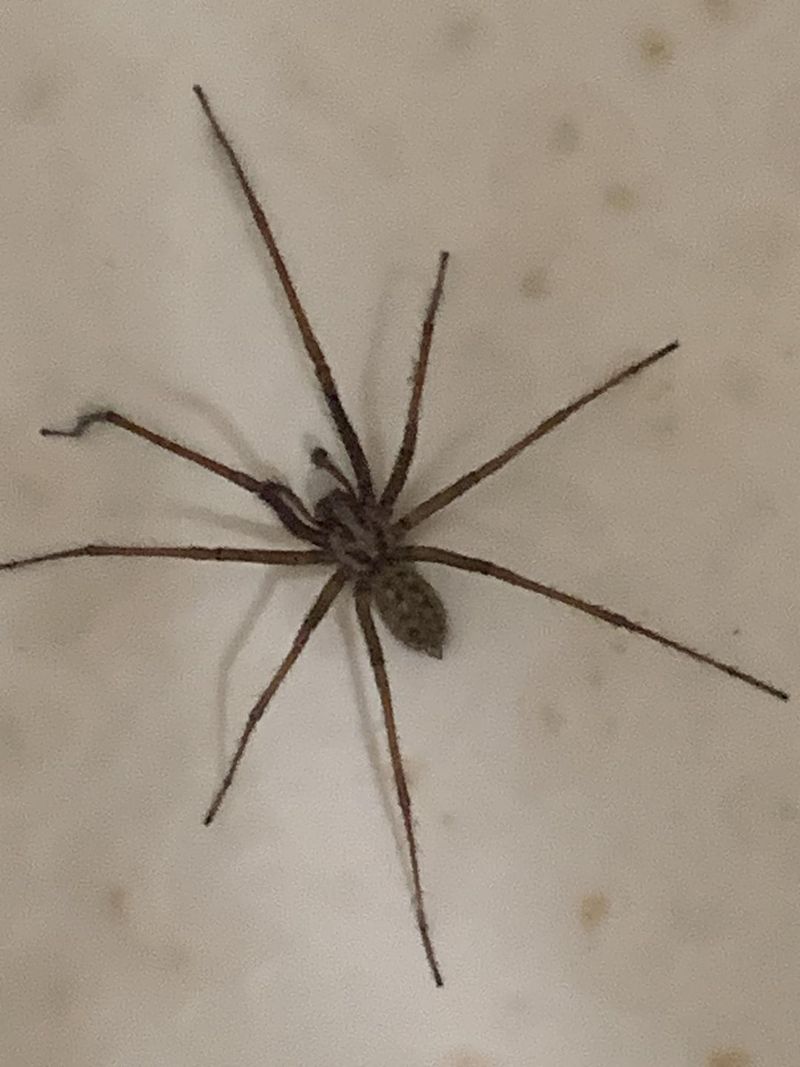
The spider on your hallway floor did not sneak through a door crack last night. It likely hatched, grew, and molted somewhere in your basement, often near a forgotten cardboard box.
Giant house spiders belong to the genus Eratigena, and they came to the Pacific Northwest from Europe. Records place them around Seattle early in the twentieth century, and they settled in comfortably.
These spiders are what scientists call synanthropic, meaning they thrive alongside people and rarely bother with wilderness. Dry, sheltered corners suit them far better than a soggy Washington forest floor ever could.
A female builds a flat funnel web in a quiet corner and stays put for years. Her egg sacs hang nearby, and the spiderlings spread out through wall voids and floor joists.
By late summer, those youngsters have grown into adults with legs spanning up to four inches. They were inside the whole time, just out of sight behind storage shelves and insulation.
Homeowners often insist their house is sealed tight, and in many cases it is. Sealing helps with other pests, but it locks an established indoor population inside with you.
Counting spiders outdoors will not predict what shows up in your living room in September. The population already living inside your crawl space is the one that truly matters here.
Understanding that shifts the whole approach, because the fix starts indoors instead of along the foundation. Your yard, for once, is not the guilty party in this particular household mystery.
The September Wander Of Male Spiders
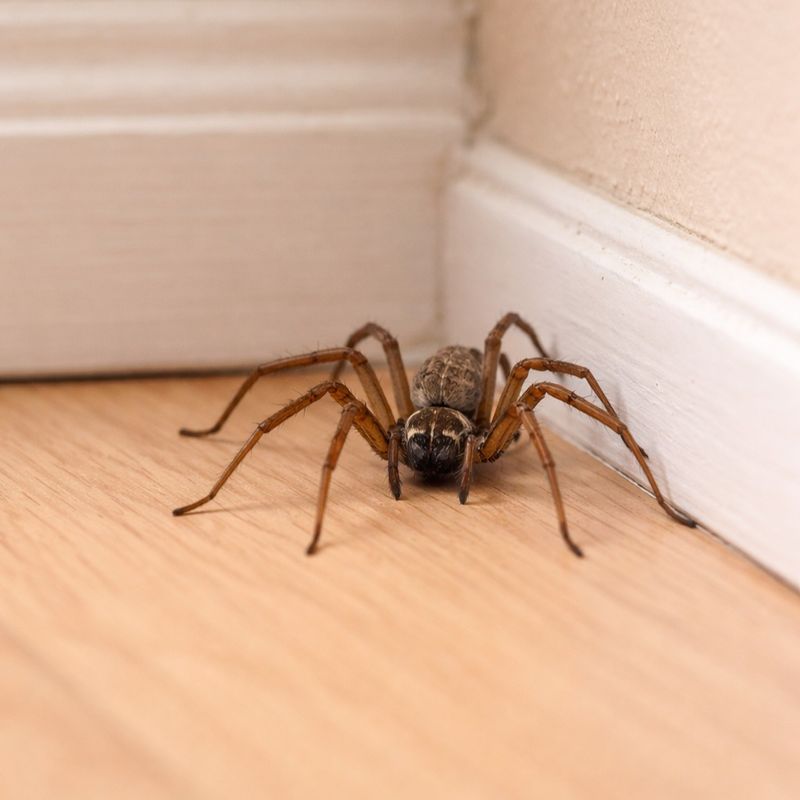
Autumn sightings spike for one simple reason, and it has very little to do with cold weather. Male giant house spiders are hunting for mates, and romance makes them remarkably reckless.
From late August through October, adult males abandon their webs and start roaming after dark. A single male may cross several rooms in one night while searching for a female’s funnel.
You can spot males by their longer legs and the two small boxing-glove shapes near the face. Those are pedipalps, and they work as the spider equivalent of an online dating profile.
Females stay home, sitting patiently in their webs, because travel costs energy and invites danger. That is often why the spider sprinting across your rug is a wandering male.
Your Washington Garden Changes Every Week. Your Plan Should Too.
Gardening in Washington changes quickly throughout the season. Every Friday you’ll receive a simple weekly plan showing exactly what to plant, prune, fertilize, harvest, and protect so you never miss the right timing.
Bathtubs and sinks trap them constantly, since smooth porcelain gives eight legs nothing to grip. The spider did not climb up the drain, despite the popular story about household plumbing.
Cooler nights rarely push this species indoors in Washington, since it typically lives indoors already. Temperature mostly influences activity levels, nudging males to move during evening hours instead of midday.
Most males live roughly a year, and this wandering phase is the final chapter of it. Females can survive several seasons, which explains why webs reappear in the same corner.
By November, the parade usually quiets down and the house feels normal again. Mark it on next year’s calendar if that knowledge brings you even slight comfort.
Basements, Crawl Spaces, And Garage Clutter As Nurseries
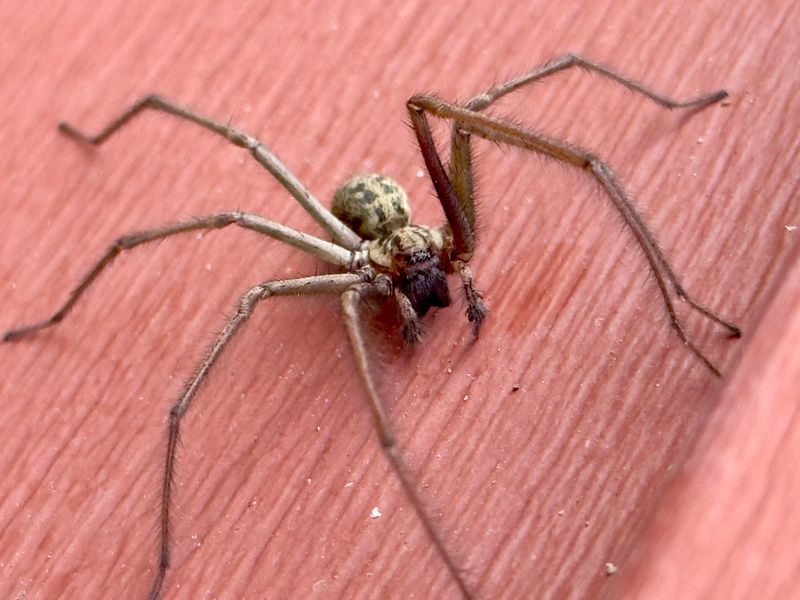
Every giant house spider in your home started life in a quiet, undisturbed spot you rarely visit. Crawl spaces top that list in Washington, followed closely by basements and attached garages.
Egg sacs look like small papery pouches tucked against floor joists, shelving, or cardboard flaps. One sac can hold dozens of spiderlings, and a female produces several across her life.
Cardboard is the real villain here, because corrugated layers create warm, dark tunnels perfect for hiding. Boxes stored directly on concrete also absorb moisture, which attracts the insects spiders eat.
Speaking of food, indoor populations survive on silverfish, sowbugs, ground beetles, and the occasional moth. A crawl space with steady prey can support generations of spiders without any outside help.
Humidity matters far more than temperature, and Washington crawl spaces hold plenty of it. Damp vapor barriers, leaky pipes, and poor ventilation build the kind of habitat they love.
Water heater closets, laundry rooms, and the narrow gap behind the dryer also rank high. Each spot offers warmth, darkness, and enough quiet for a funnel web to last months.
Walk through with a flashlight in early spring and look for flat sheet webs in corners. Finding webs tells you far more than counting stray spiders during the busy autumn weeks.
Clear the clutter, swap cardboard for sealed plastic bins, and the nursery loses its appeal. Spiders do not pay rent, but they certainly notice when the amenities start disappearing.
The Sealed House Mistake
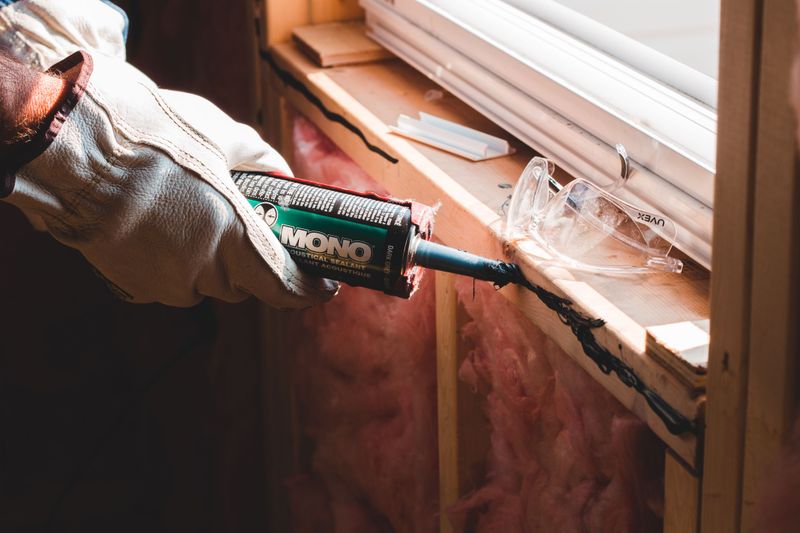
Every September, hardware stores sell a lot of caulk to homeowners chasing the wrong problem. Sealing gaps is smart home maintenance, but it will not stop an indoor population.
Perimeter sprays along the foundation work well on insects crossing from the yard into the walls. Giant house spiders hatched inside rarely cross that barrier, so the treatment misses them entirely.
Another common misstep involves fogging the entire basement and hoping for instant overnight results. Foggers rarely reach the narrow cracks where spiders sit, and residue settles on stored belongings.
Some folks stack firewood against the garage wall and blame the pile for everything. Firewood does attract other creatures, but the funnel webs upstairs got their start in the crawl space.
Sticky traps often get tossed near doorways, which is the least useful place for them. Set flat traps along basement walls and behind appliances, where wandering males actually like to travel.
There is also the vacuum-and-forget approach, which handles one spider and ignores the real source. Without changing the underlying habitat, another male strolls out the following evening looking bored.
Timing compounds the mistake, because September is late for prevention work in Washington homes. Egg sacs already hatched, and the current generation reached full adulthood weeks or months ago.
Seal the gaps anyway, because mice, wasps, and other pests care very much about them. Just do not expect caulk to solve a problem that begins under your own floor.
Calm Removal And Relocation At Home
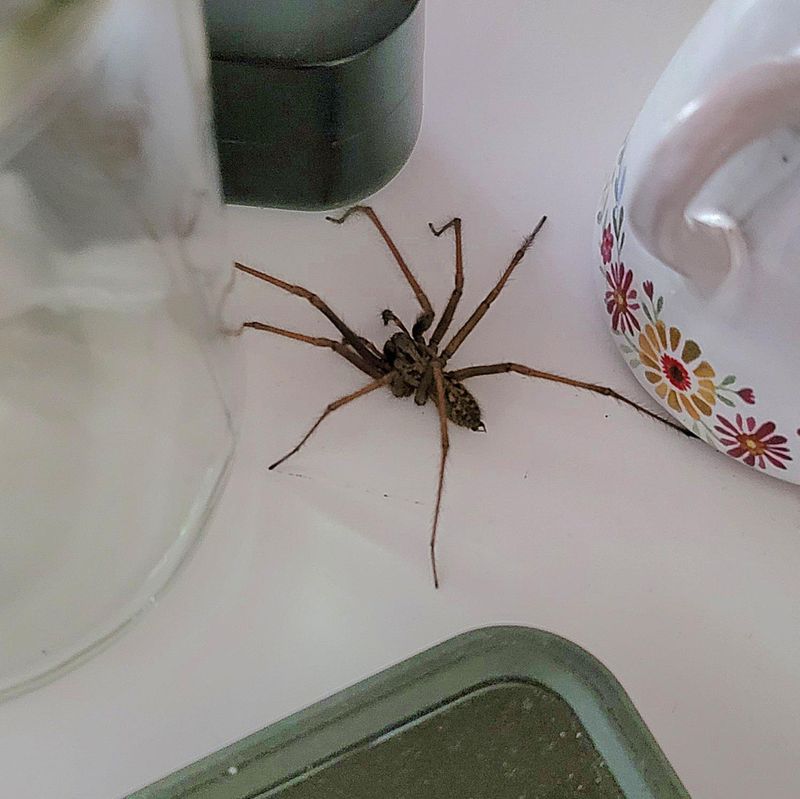
A drinking glass and a piece of mail solve most spider emergencies in under a minute. Trap it, slide the paper under, lift, and carry, and nobody involved has a bad evening.
Giant house spiders held a world speed record for years, clocking roughly 1.7 feet per second. That burst of speed startles people far more than anything the spider might actually do.
Bites are rare, and these spiders would rather sprint under the couch than face a human. Their fangs can pinch, though reactions stay mild and roughly comparable to a small nettle sting.
Releasing one into the September yard feels kind, but the outdoors is genuinely rough on them. A woodshed, detached garage, or covered porch corner offers a far better second address.
Vacuums work too, especially with a hose attachment and a little distance from the baseboard. Empty the canister or bag outside afterward so nothing wanders back through the living room.
Flat glue boards placed along baseboards catch wandering males quietly, without sprays or scent. Check them weekly, because forgotten traps collect dust and slowly lose their grip.
Teach kids the glass trick and the fear drops fast, replaced by a strange pride. Watching a seven year old politely escort a spider outside beats any pest control invoice.
Keep a dedicated cup and index card on the basement stairs during autumn months. Preparedness turns a shriek into a shrug, which is honestly the real goal here.
Fewer Eight-Legged Roommates By Next Autumn
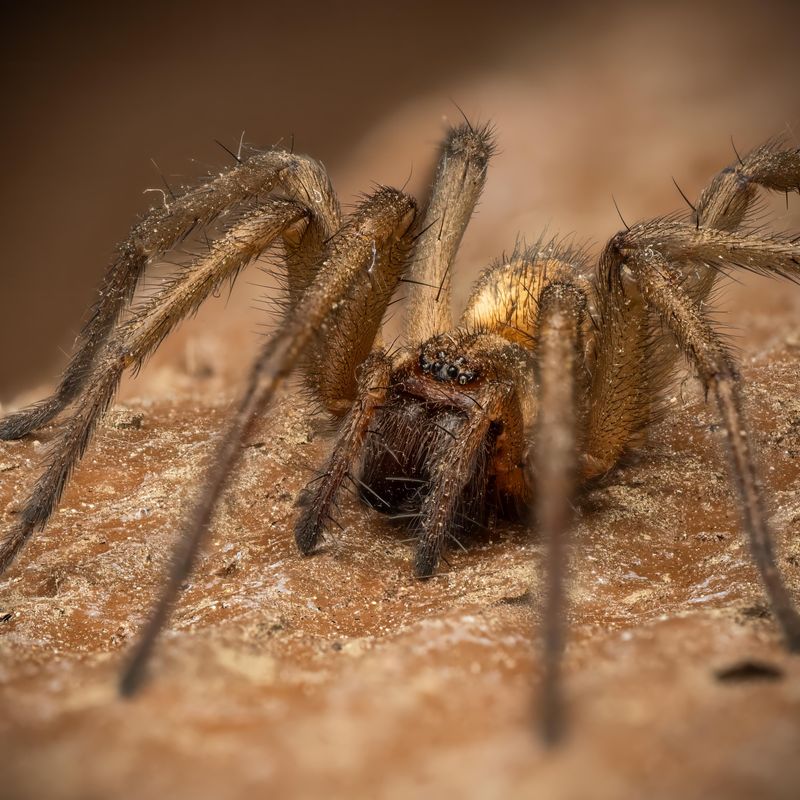
Long-term results come from spring work, not from panic purchases made during the first week of October. Spiderlings hatch and grow through the warm months, so that window shapes the autumn crowd.
Start with moisture, since a dry crawl space supports far fewer insects and far fewer hunters. Repair a torn vapor barrier, fix slow drips, and make sure vents stay clear of debris.
Clutter reduction does the heavy lifting after that, especially in garages and basement storage rooms. Sealed plastic bins on metal shelving remove the dark cardboard maze spiders depend on.
Sweep away webs and egg sacs with a broom or shop vacuum every spring and midsummer. Removing sacs before they open prevents an entire generation from settling inside your walls.
Swap bright white porch bulbs for warm yellow ones to draw fewer moths and midges. Fewer insects near the foundation means less food traveling down into the lower levels.
Weatherstripping and door sweeps still earn their place, mostly by limiting other unwanted visitors. Combine that work with indoor habitat changes and the results actually hold through the season.
A professional crawl space treatment in April or May often works better than an emergency call in September. Technicians can reach rim joists and hidden voids that homeowners rarely see or comfortably access.
Keep the routine going and next autumn delivers two or three wanderers instead of twenty. The house stays yours, and the basement finally stops running its own housing program.