The Meaning Behind Seeing Frogs In Your Ohio Yard After Heavy Rain
Some frogs in Ohio can freeze nearly solid in winter and thaw back to normal by spring. That same tough little crowd may be the reason your lawn suddenly seems to hop after a big storm.
What I find interesting is how fast it happens. One evening the grass is quiet.
Then a soaking rain rolls through, and tiny bodies are bouncing across the driveway and splashing in puddles near the porch light.
You might find it hard to believe, but those visitors were probably there the whole time. They were tucked under mulch, logs, and loose soil, just waiting for the right weather to show up.
I never get tired of watching that first wet night of the season. It feels like a secret party your yard throws without sending you an invitation.
So what exactly brings these small hoppers out, and should you be thrilled or worried about them?
1. Those Little Hopping Frogs Didn’t Fall From The Sky
Old stories once claimed frogs rained down from the clouds during storms. It makes a fun tale, but the real explanation is much closer to your back steps.
Most of the frogs and toads you spot after a downpour were already living in or near your yard. During dry spells, they hide in cool, damp places to protect their skin.
Leaf piles, flower bed mulch, the space under a deck, rock edges, and even loose soil can all serve as hideouts.
American toads are especially good at this trick. They back into the dirt with their hind feet and wait out hot, dry days below the surface.
Gray treefrogs might tuck into tree bark cracks or sit snug in a shady corner of a gutter.
So when you see a dozen frogs where there were none yesterday, you are not seeing an invasion. You are seeing neighbors who finally decided the weather was safe enough to come out.
I like to think of rain as their welcome sign. The ground turns soft, the air gets heavy with moisture, and suddenly every hiding frog has a reason to move around.
Next time a storm passes, grab a flashlight and take a slow walk outside. Don’t be surprised if you count far more hoppers than you expected.
2. Thin Frog Skin Explains That Rainy Night Parade
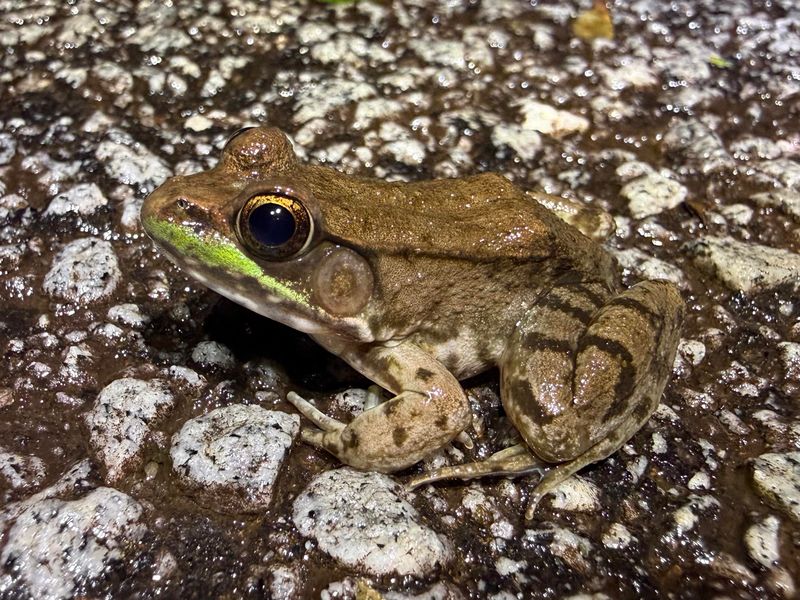
Here’s something worth knowing about frogs. They drink and partly breathe right through their skin.
A frog does not sip water the way a dog does at a bowl. Instead, it soaks up moisture through a special patch of skin on its belly and thighs.
Oxygen also passes through that thin, moist skin, which is why staying damp matters so much.
On a sunny, dry afternoon, a frog sitting out in the open can lose water quickly. That makes daytime travel across a lawn or patio risky.
Heavy rain changes everything by wetting the ground and raising the humidity.
With the whole yard soaked, frogs can hunt, wander, and look for new spots without drying out. Many species become most active on warm, rainy nights for this very reason.
Insects also get busy after storms. Worms come to the surface, slugs slide across sidewalks, and small bugs gather near puddles.
For a hungry frog, a rainy evening is like an open buffet with free delivery.
So the meaning behind your rainy frog sightings is mostly simple biology. The weather finally matches what their bodies need.
You can see why a single good storm can make your yard look so lively. Water, food, and safe travel conditions all arrive together in one soggy package.
3. Spring Rains Send Many Frogs Hunting For Breeding Pools
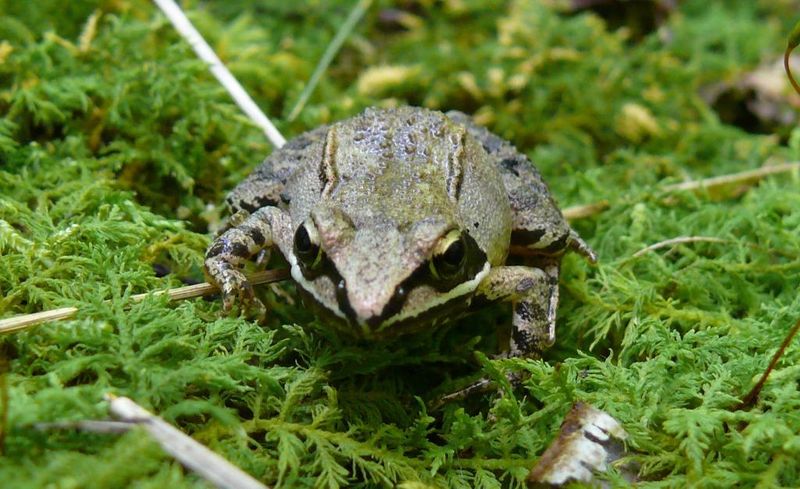
Early spring in Ohio can sound like a backyard concert. Spring peepers, western chorus frogs, and wood frogs often start calling as soon as rain and milder nights arrive.
For many species, a warm rain is the signal to travel. Wood frogs and some salamanders head toward vernal pools, which are shallow woodland ponds that fill with snowmelt and rain.
These pools often dry up by summer, so they have no fish to eat eggs or tadpoles.
If your yard sits between woods and a wetland, you might notice frogs crossing your lawn or even the road on these rainy nights. They are on a mission, not lost.
Later in spring and into summer, other frogs take their turn. American toads trill near ponds and ditches, while gray treefrogs and green frogs call into warm summer evenings.
That standing water in a low spot of your yard might even attract a hopeful parent. Toads sometimes lay long strings of eggs in surprisingly small puddles.
I find it fascinating how closely these animals follow the weather. A heavy rain is not just a shower to them.
It can be the start of a whole new generation. If you hear loud calling after a storm, there is likely a breeding spot nearby.
4. Meet The Toads And Treefrogs Hopping Around Ohio Yards
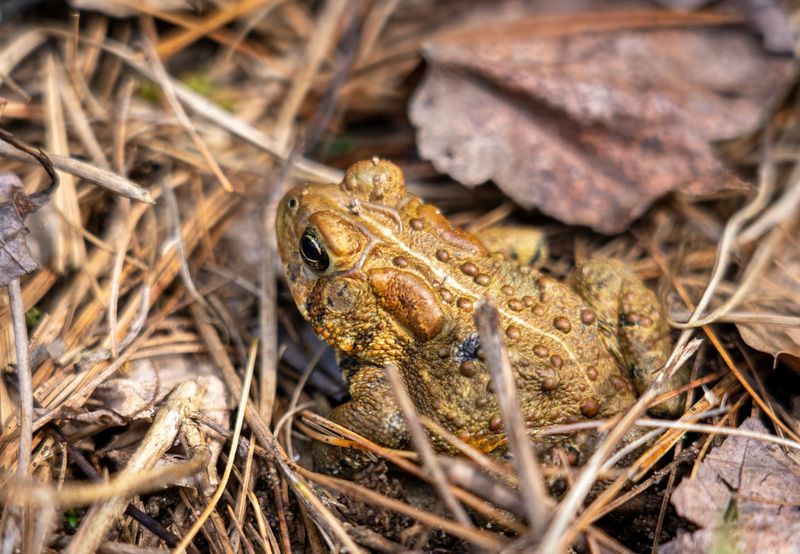
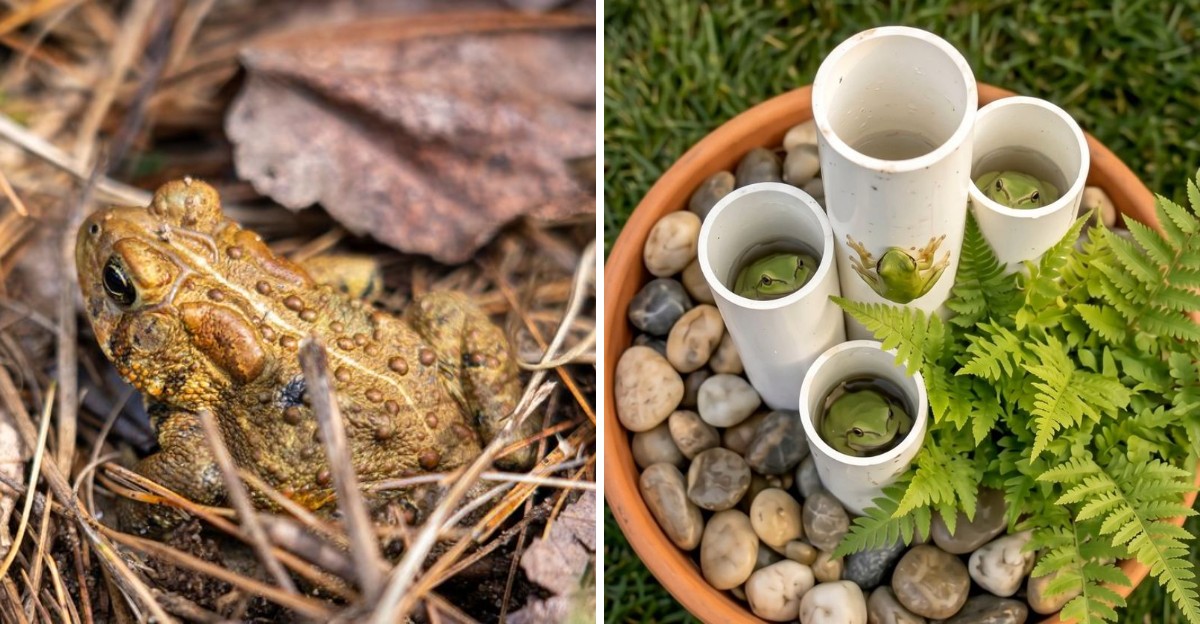
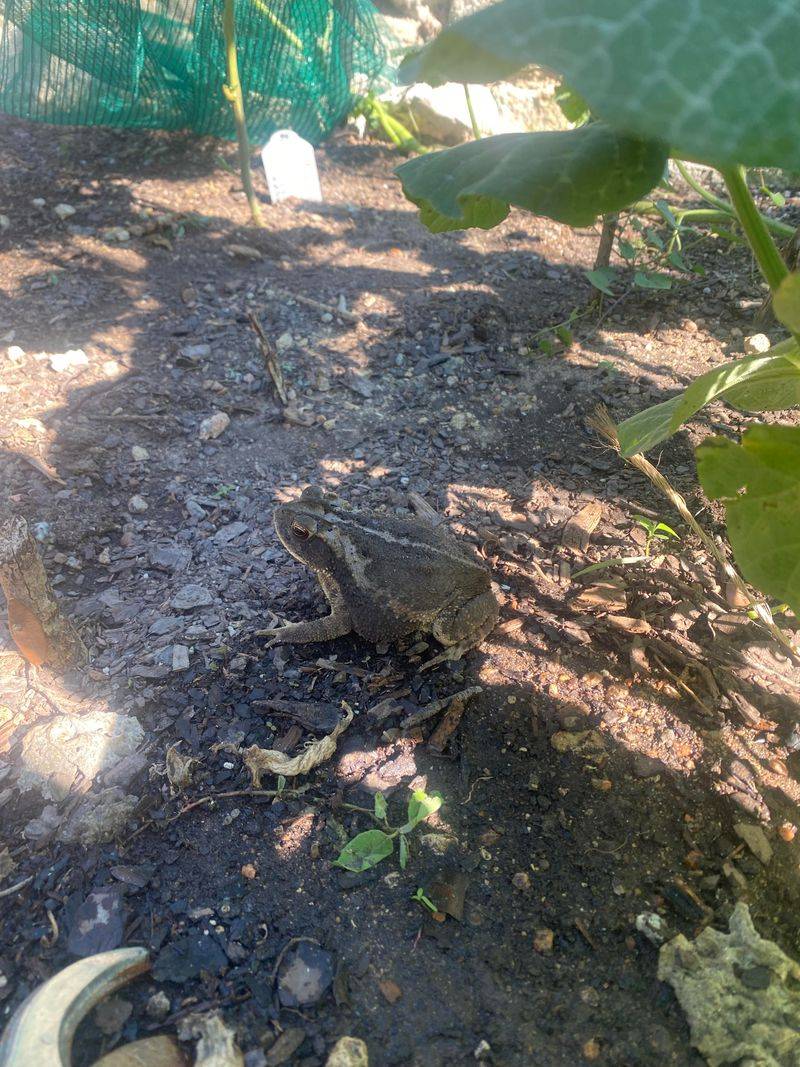
That bumpy brown fellow near your porch light is probably an American toad. Toads count as frogs too, and they are some of the most common yard visitors in Ohio.
American toads have dry-looking, warty skin and big glands behind their eyes. They do well in gardens, lawns, and city yards, and they often hop rather than leap.
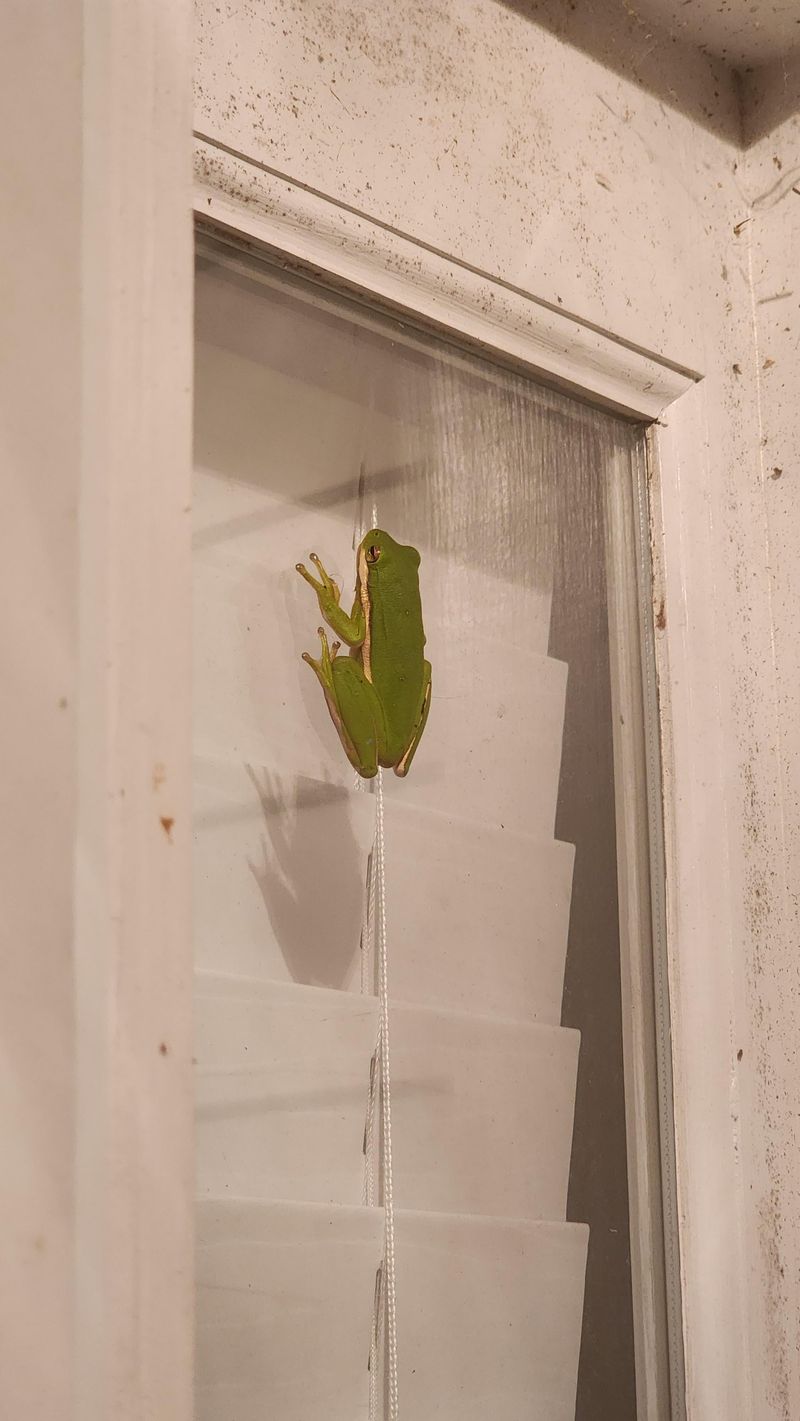
Gray treefrogs are another frequent guest. They have sticky toe pads, can shift between gray and green, and show bright yellow-orange patches on their hind legs.
You might find one stuck to a window or rain barrel.
Green frogs and American bullfrogs usually stay near ponds, ditches, and slow streams. The bullfrog is the largest frog in North America, and its deep call sounds a bit like a low foghorn.
Tiny spring peepers wear a dark X on their backs and are easier to hear than to see. Western chorus frogs and wood frogs show up mostly near wet woods and marshes.
I could be wrong, but I think learning their calls is the most fun part. The Ohio Department of Natural Resources offers guides and recordings that make it easy.
Once you can name your visitors, every rainy night turns into a little game of guess who.
5. Frogs In The Garden Usually Signal A Healthy Yard
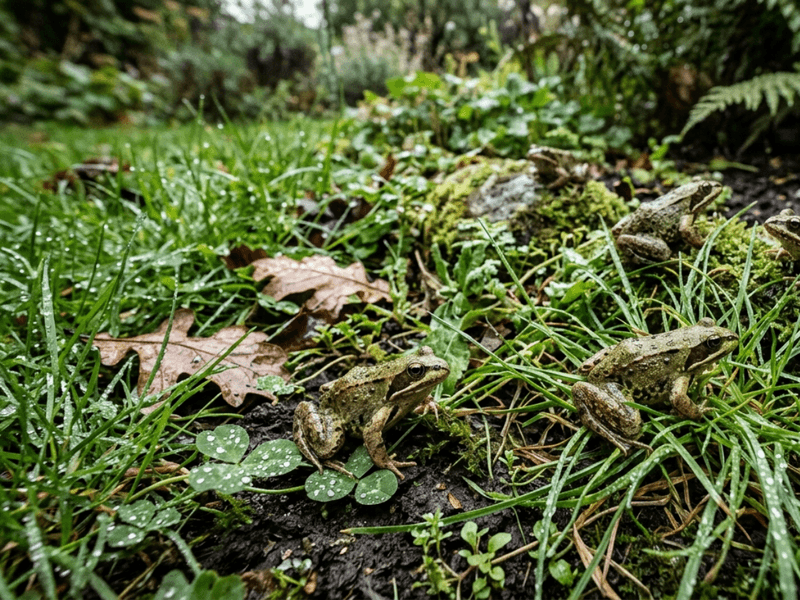
A yard full of frogs is often a compliment to the gardener. Scientists call frogs indicator species because they react quickly to changes in water and soil quality.
Their thin skin absorbs more than just water. Chemicals, pollution, and harsh conditions can affect them faster than many other animals.
When frogs are thriving around your home, it often hints that your yard has clean moisture, shelter, and a steady food supply.
That said, a few frogs do not guarantee a perfect ecosystem. They simply suggest your space offers some of what wildlife needs.
Gardeners also get a helpful bonus. A single toad can eat a large number of insects over a summer, including beetles, cutworms, and other plant-munching pests.
Slugs and snails are on the menu for many frogs too.
They are part of a bigger food web as well. Birds, snakes, raccoons, and other animals rely on frogs and tadpoles as a meal.
The way I see it, frogs work the night shift while you sleep. They patrol your vegetable beds without asking for a single thank you.
So if you spot one tucked beside your tomatoes, let it stay. That little hunter is doing more for your harvest than you might guess.
6. Skip The Lawn Chemicals Around Your Frog Friends
You might want to think twice before reaching for that weed spray after a rainy week. Frogs absorb chemicals through their skin far more easily than people do.
Pesticides, herbicides, and some fertilizers can wash into puddles and low spots during storms. Frogs then sit in that water, soaking it up.
Tadpoles growing in contaminated water can struggle to develop normally.
A few simple habits help a lot. Pull weeds by hand when you can, spot-treat problems instead of spraying the whole lawn, and avoid applying products right before heavy rain.
Slug baits deserve extra caution. Some types can harm frogs, pets, and other wildlife, so read labels carefully or try physical barriers and hand-picking instead.
Mowing matters too. Frogs often hide in tall, wet grass after storms, so raise your mower blade and wait until the lawn dries a bit before cutting.
A quick walk around the yard first can spare a few hoppers.
Watch your step at night as well. Driveways and sidewalks become frog highways during rainy evenings.
Small changes like these rarely take much extra effort. Your yard still looks great, and your amphibian neighbors get a much safer place to live.
7. Add A Little Water And Cover For Next Year’s Frog Visitors
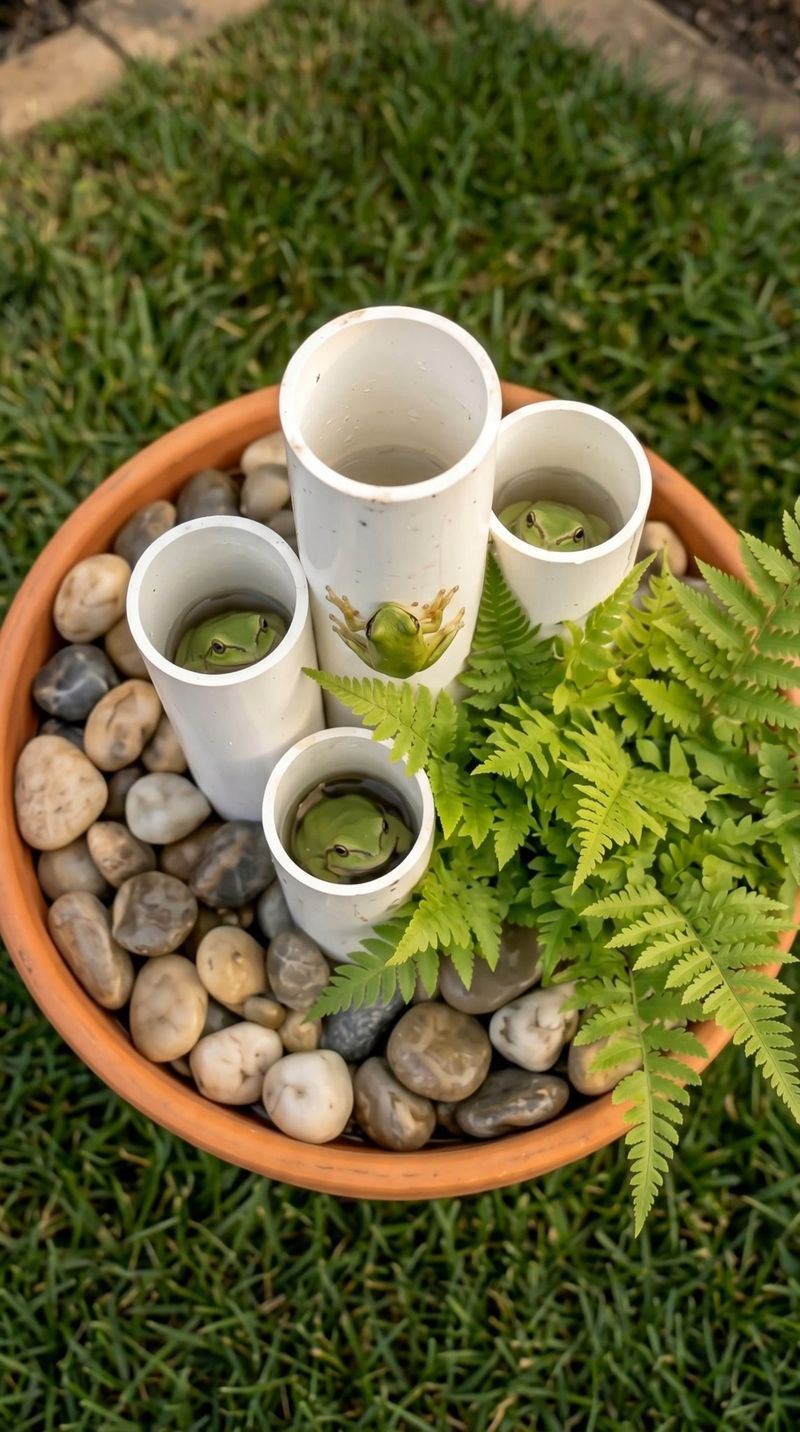
Want more of those cheerful rainy night visitors? A few easy yard projects can make your space far more frog-friendly.
Start with shelter. Leave a corner of leaf litter, stack a few rocks, or set a log in a shady bed.
An upside-down clay pot with a small doorway makes a cute and practical toad house.
Water comes next. A small pond with gently sloping sides gives frogs a place to soak and possibly breed.
Skip the fish if you want tadpoles to survive, since many fish eat eggs and young frogs.
Even a shallow dish of fresh water sunk into the ground can help in dry weather. Just add a rock or stick so anything that hops in can climb back out.
Native plants tie everything together. Swamp milkweed, blue flag iris, sedges, and cardinal flower handle damp Ohio soil and attract the insects frogs love to eat.
Outdoor lighting deserves a thought too. Porch lights draw bugs, which draws frogs, so a light near the yard rather than the busy driveway can be safer.
Here’s the takeaway I keep coming back to. Frogs after heavy rain usually mean your yard is working well, and a little extra care can keep that rainy night chorus going strong for years.