Why Spotted Lanternflies Are Suddenly Everywhere In Ohio This September And What To Do
Something crimson and quick keeps flashing across your porch light this month, and it isn’t leaving. Ohio yards from Columbus to Cleveland are suddenly hosting the same guest, and chances are it’s already crossed your path this week.
Warm days stretched far into September this year, giving this creature exactly the runway it needed to multiply across the state. Trees near your fence line are crawling with far more of these insects than most homeowners expect this late in the season.
Your neighbors across Ohio are noticing it too, trading photos and questions on porches and in group chats alike. Patterns like this rarely appear overnight, and this one has been building quietly for longer than most residents realize.
Curiosity might have brought you here, but what you do next could shape how your yard looks by next month. Somebody has to make the first move before this spreads any further, and that somebody might as well be you.
Grown-Up Bugs On The Move After Summer
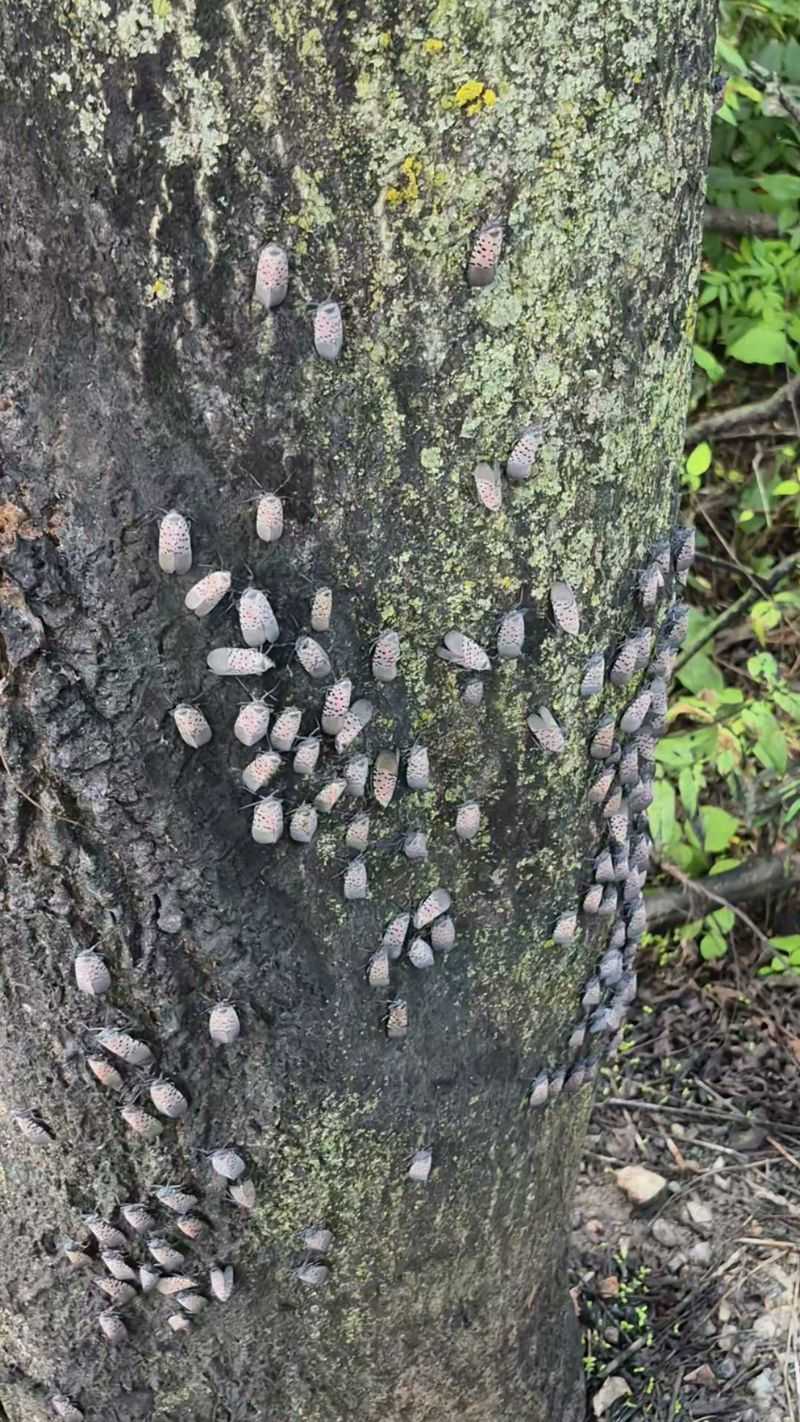
Blame a busy summer of growing up that happened right under your nose. Tiny nymphs spent June and July hiding in plain sight, and now they are full-sized adults with wings.
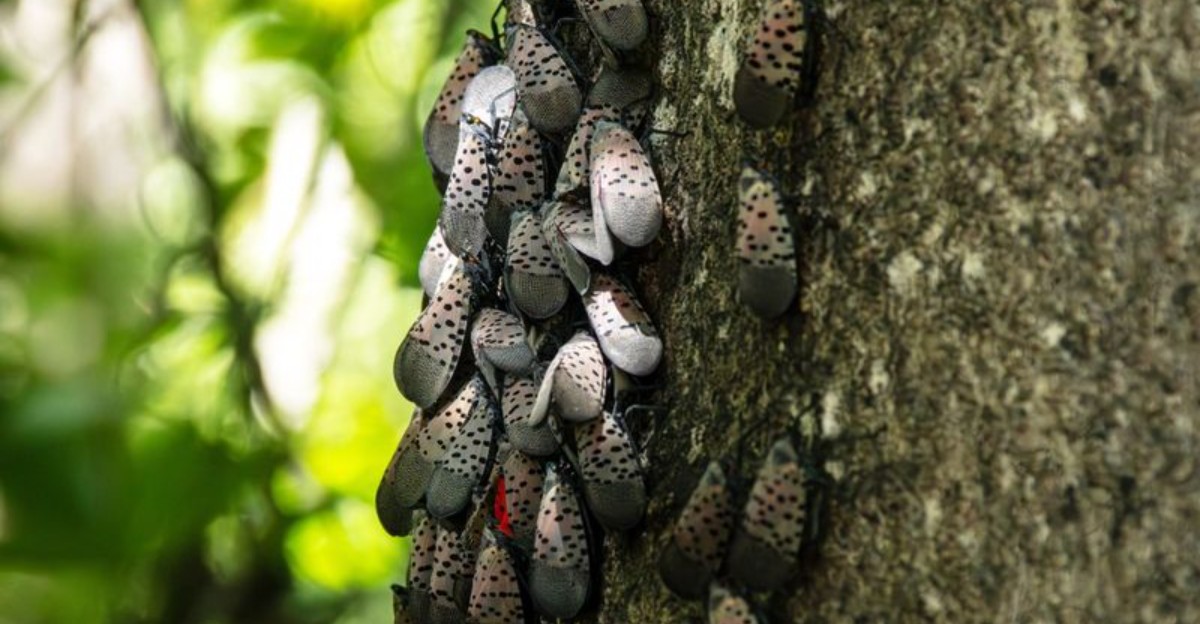
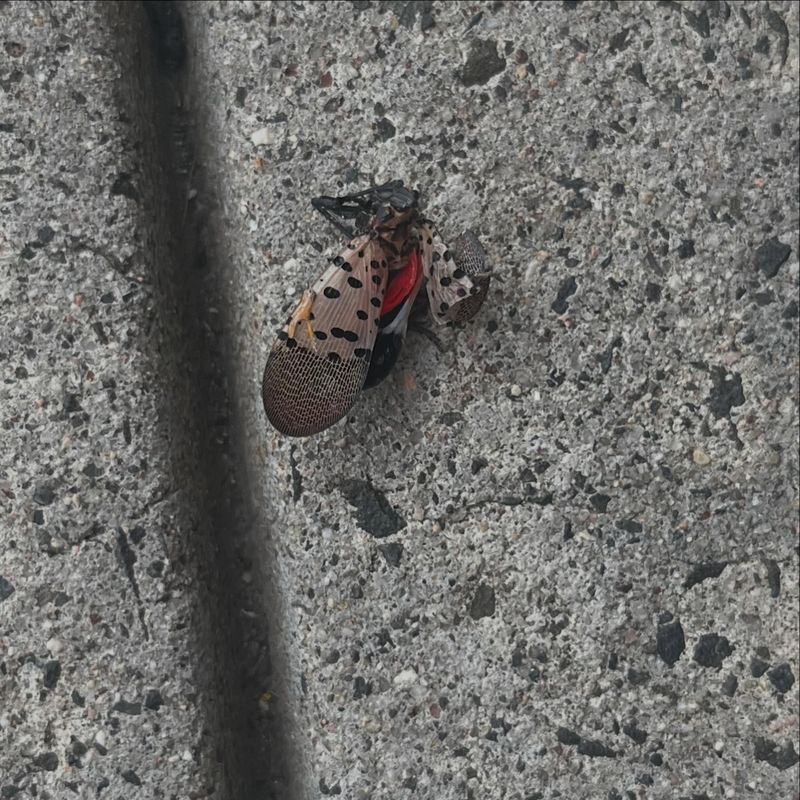
Spotted lanternflies hatch in spring as small black bugs with white dots, easy to miss on a leaf. By late summer, they grow about an inch long and flash bright red hind wings when startled.
Bigger bodies are much easier to spot on fences, cars, and patio furniture. That is a big reason the sightings seem to explode overnight in early fall.
The other reason is travel, because these insects are expert hitchhikers with no sense of personal space. They ride on trucks, trains, trailers, and firewood from Pennsylvania, where they first showed up in 2014.
Ohio spotted its first population in Jefferson County in 2020, right along the Ohio River. Since then, groups have popped up near Cleveland, Toledo, Cincinnati, and plenty of smaller towns in between.
Their favorite snack is tree of heaven, a weedy tree that grows along highways and railroad tracks. So the same roads that carry the bugs also feed them along the way.
Each year the population also builds on itself, since every female can lay dozens of eggs. More eggs last fall means more grown-ups crowding your yard this fall.
Adults cannot fly very far, but they hop and glide surprisingly well. Put wings, wheels, and weedy roadsides together, and you get a very crowded September across the state.
The September Peak Of Adult Season
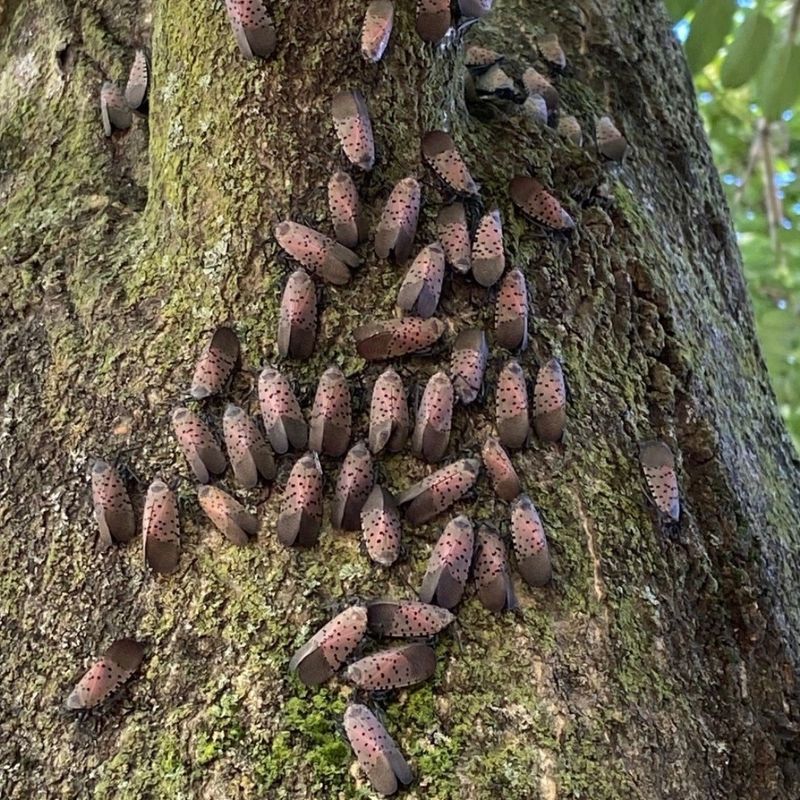
Mark your calendar, because September is the lanternfly version of prom season. Adults are fully grown, hungry, and busy looking for mates all at once across the whole neighborhood.
Their life cycle follows a steady yearly pattern in Ohio, a lot like a school calendar. Eggs hatch around May, nymphs grow through summer, and adults show up in July.
By September, nearly every bug in the area has reached its adult form at the same time. Numbers that seemed small in June suddenly look like a crowd.
Your Ohio Garden Changes Every Week. Your Plan Should Too.
Gardening in Ohio changes quickly throughout the season. Every Friday you’ll receive a simple weekly plan showing exactly what to plant, prune, fertilize, harvest, and protect so you never miss the right timing.
Adults also gather in big groups on trunks, which makes them hard to ignore. You might see fifty of them lined up on one maple or walnut tree.
Warm afternoons make them extra active, so sunny September days bring the most hopping. Cooler mornings often find them sluggish and easy to catch near the base of trees.
Egg laying starts in September and keeps going until the first hard frosts. Females search for flat surfaces like bark, stones, grills, and car bumpers.
That egg hunt sends them wandering onto houses, decks, and parked vehicles. People notice them more simply because the bugs are now coming to us.
Here is a fun fact to share at the dinner table tonight. Adult lanternflies cannot survive an Ohio winter, so only the eggs make it to spring.
That means the fall months are your best chance to shrink next year’s crowd. Every female you stop now is one less batch of eggs waiting on your fence.
The Car Trunk Mistake Most People Make
A family in Toledo packs up for a weekend camping trip, and three stowaways hop into the cooler. Nobody notices until the bugs climb out at a campground two counties away.
That little scene happens all over Ohio every fall, and it is the biggest mistake people make. Most new infestations start with a person accidentally giving the insects a ride.
Adults love to rest on car roofs, truck beds, trailers, boats, and bike racks. Egg masses stick to lawn chairs, firewood, and anything left outside for a few weeks.
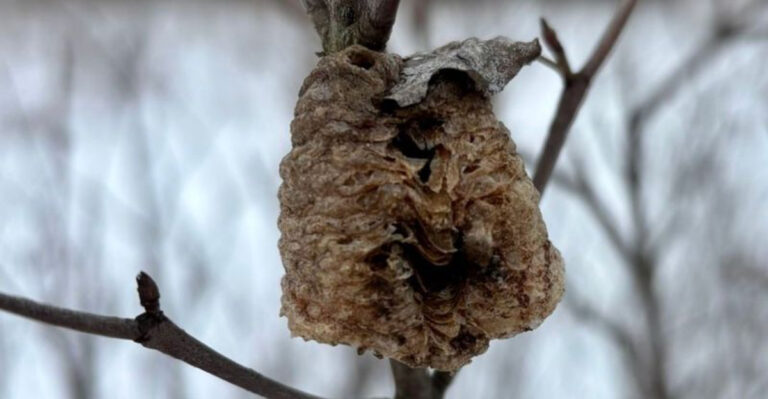
Those egg masses are sneaky because they look like a smear of dried gray mud. Each one can hold thirty to fifty eggs, which is a lot of trouble in a tiny package.
Another common slip is thinking the bugs are harmless because they do not bite or sting. They leave people and pets alone, but plants, crops, and trees pay a real price.
Before you drive anywhere, take one minute to walk slowly around your parked car. Check the wheel wells, windshield wipers, grill, and the gap around the trunk lid.
Keep windows rolled up when parking near trees, especially the weedy tree of heaven. Try not to move firewood, and buy it close to where you plan to burn it.
Think of yourself as the last checkpoint before your car leaves town. A quick check today can protect a vineyard or park you have not even visited yet.
Smart Squashing With Safe Traps
Your old sneaker is a perfectly fine tool for this job. Ohio experts actually encourage people to squash any lanternfly they can catch, no guilt required.
Catching them takes a little strategy, since they jump away when a shadow falls over them. Approach from the front, because they tend to leap forward right into your waiting hand or cup.
An empty plastic bottle works great for crowds gathered on a tree trunk. Hold it under a cluster, tap the bark, and watch them tumble inside before you cap it.
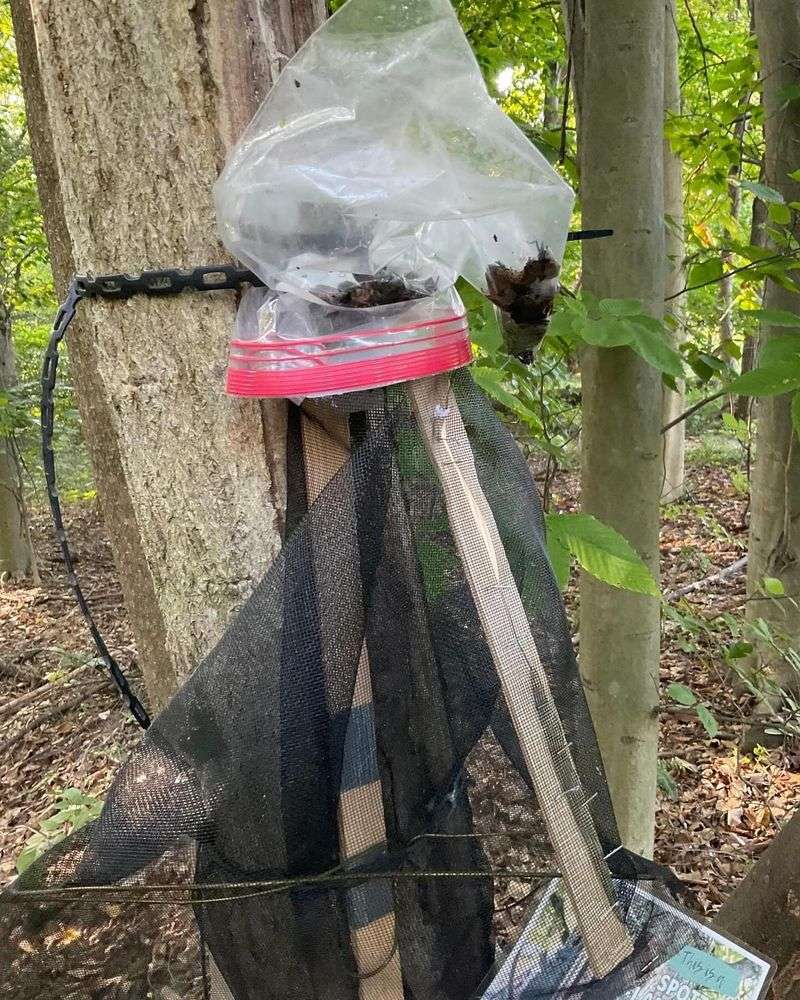
Circle traps are another smart choice for a yard with many repeat visitors. These mesh funnels wrap around a trunk and guide climbing bugs into a bag at the top.
Be careful with plain sticky bands, because they can trap birds, squirrels, and helpful insects too. If you use them, cover the band with a wire cage or mesh guard.
Sprays can help on heavy crowds, and insecticidal soap or neem oil works best on young nymphs. Read the label first, and skip spraying flowers where bees are busy.
Removing tree of heaven from your yard also cuts down on hungry visitors quite a bit. Ask a local arborist for help, since cut stumps can sprout dozens of new shoots.
Finally, snap a photo and report your sighting to the Ohio Department of Agriculture. Your report helps scientists track where the bugs are spreading next, which guides the whole state response.
Sticky Trouble For Ohio Grapes Or Maples
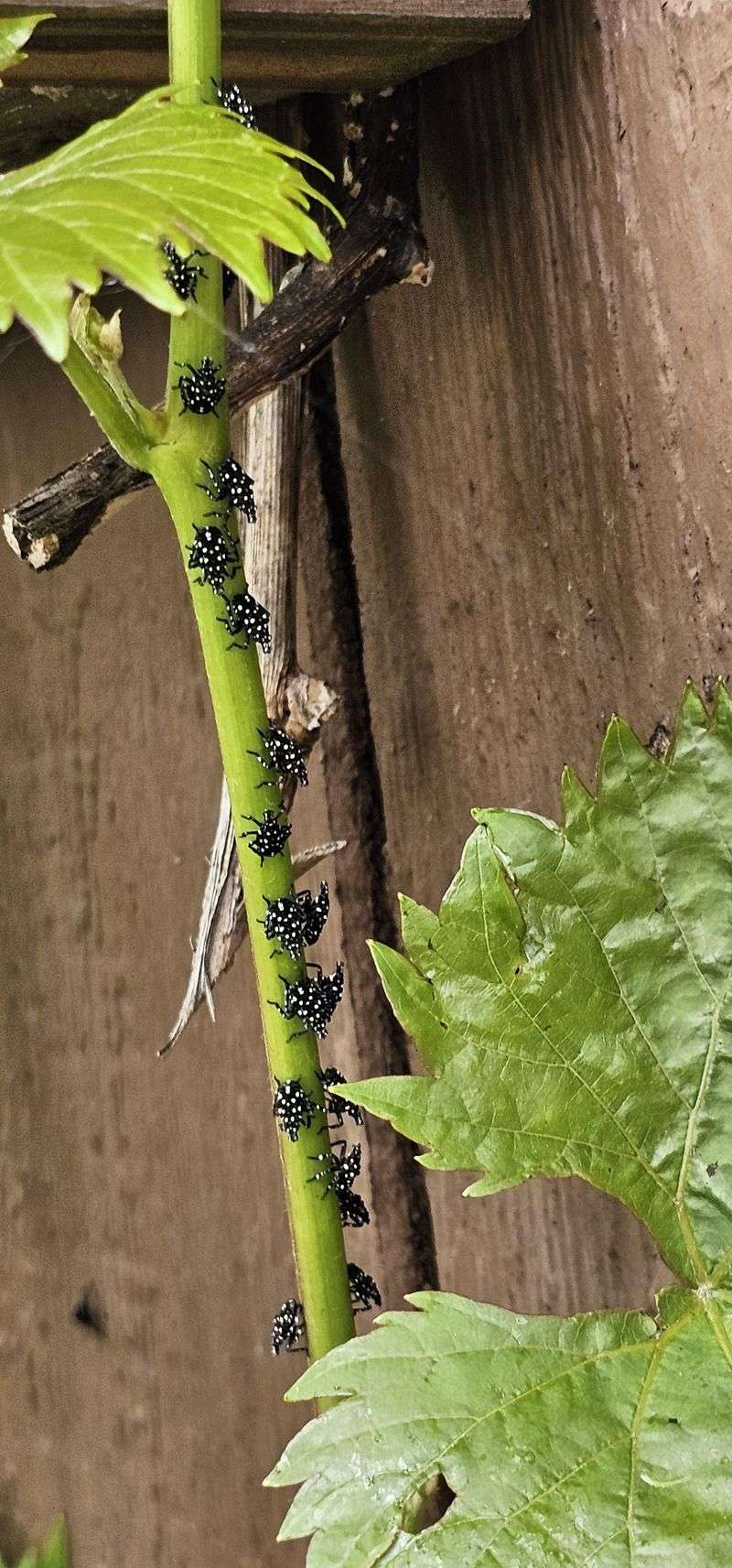
Drive along Lake Erie in the fall, and you pass rows of grapevines that stretch toward the water. Ohio grape growers are watching these bugs more nervously than anyone.
Lanternflies feed by poking a straw-like mouth into stems and sucking out sap. A big crowd can drain a grapevine so badly that it struggles through winter.
Weak vines produce fewer grapes the next year, and some fail to return in spring. In Pennsylvania, some vineyards lost large chunks of their crops after heavy infestations.
Backyard trees feel it too, though usually in a messier way. The bugs squirt out a sugary liquid called honeydew that rains down on everything below.
Your deck, car, and patio table can end up sticky within days. Soon a black, sooty mold grows on the goo and blocks sunlight from plants underneath.
Honeydew also attracts wasps, bees, and ants looking for a free sugar fix. That can turn a peaceful backyard picnic into a buzzing, swatting mess real fast.
A quick hose rinse clears honeydew from decks and cars before mold settles in. Pressure washing works for stubborn spots, but skip harsh chemicals near garden beds.
Maples, walnuts, and willows are common targets, but healthy mature trees usually bounce back. Young or stressed trees have a harder time recovering from months of feeding.
The bigger worry is money, since Ohio farms, nurseries, and wineries bring in millions each year. Every bug stopped in a backyard helps protect those local jobs and harvests.
Egg Mass Patrol Through Late Fall
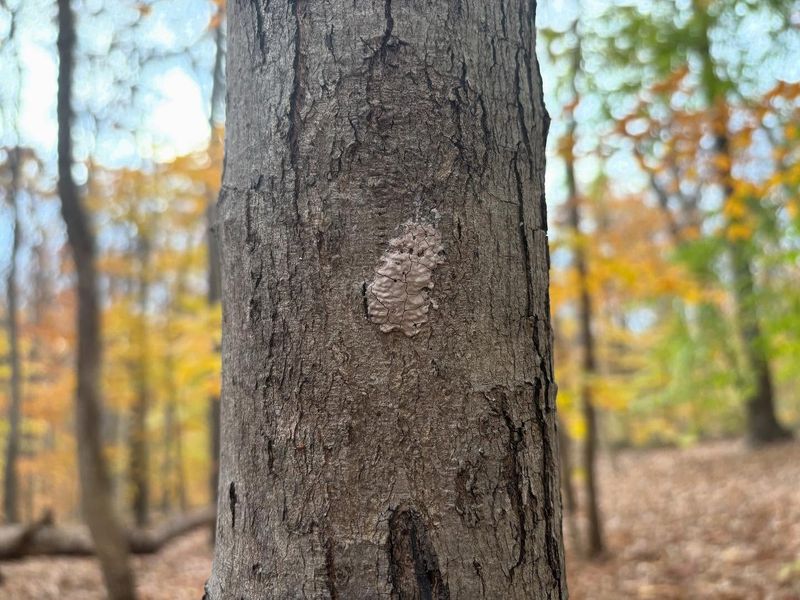
Think of it as a scavenger hunt with a real reward. Every egg mass you scrape off this fall means up to fifty fewer bugs next summer.
Fresh egg masses look shiny and gray, like someone dabbed putty on a surface. Older ones dry out, crack, and look more like a patch of old mud.
Check tree trunks, fences, rocks, outdoor furniture, grills, and the undersides of branches. Kids with sharp eyes are often better at spotting them than grownups, so make it a family job.
Grab a plastic card, like an old gift card, and a zip-top bag. Scrape the eggs straight into a bag filled with a disinfecting solution or hand sanitizer.
Seal the bag tightly and toss it in the trash. Simply knocking the eggs onto the ground is not enough, because many can still hatch in spring.
Patrol season runs from September through early spring, since the eggs sit tight all winter. Bare trees in December actually make the gray blobs easier to see.
Did you know the eggs can survive temperatures well below freezing? Ohio winters are simply not cold enough to stop most of them.
Before storing patio chairs or packing a camper, give everything a quick once-over. Leaving an infested item in the garage only delays the hatching for a few months.
Neighbors working together make the biggest difference, since bugs ignore property lines. Share what you learn, and maybe turn egg hunting into a friendly contest on your street.