The Meaning Behind Your Texas Bird Feeder Going Empty Three Times Faster During A Heat Wave
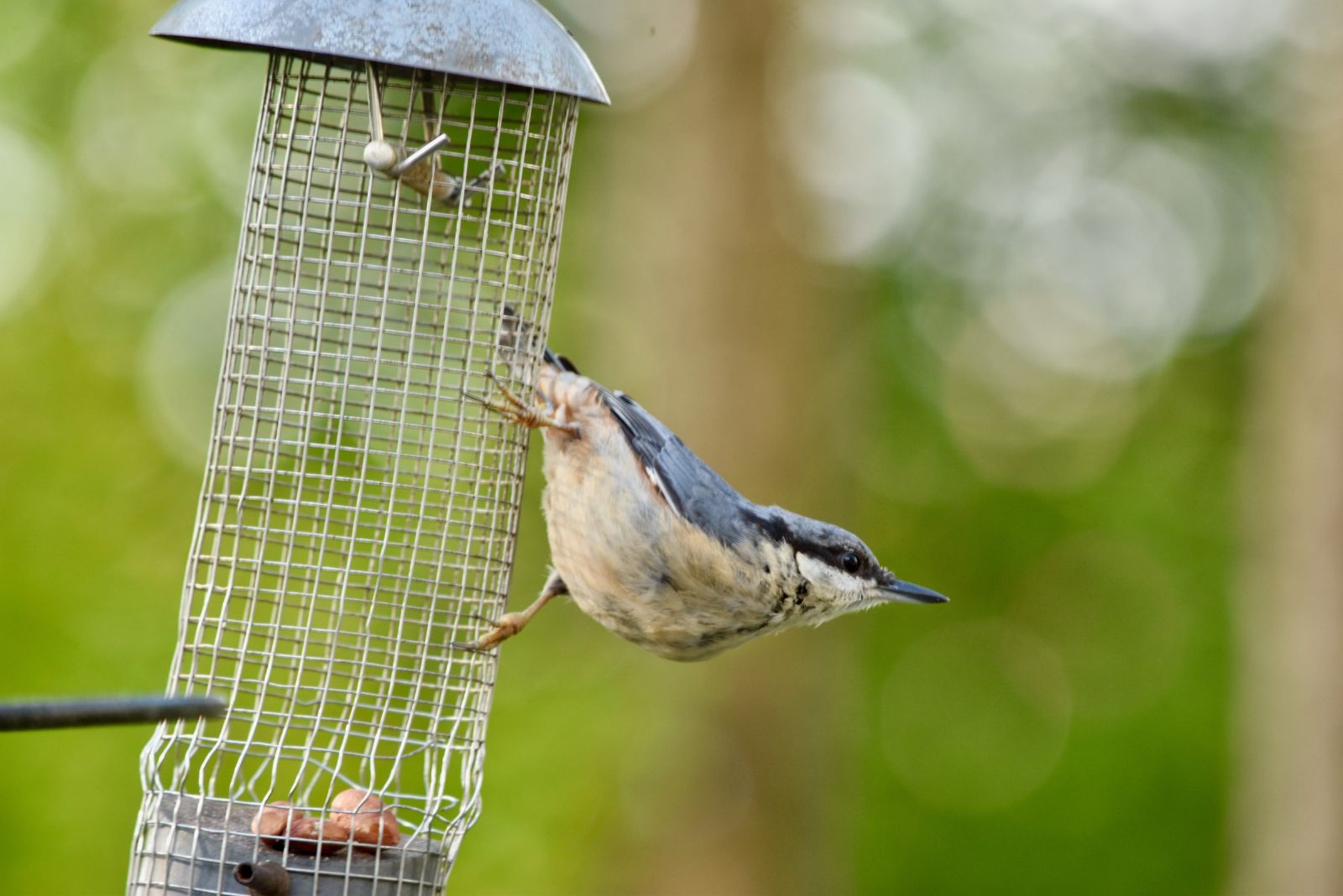
You fill your Texas bird feeder and then go about your day. But lately, during the heat wave, something is different.
The feeder that usually lasted several days is empty by the next morning. Then it’s empty again by the afternoon after that.
You’re refilling it constantly, and the activity around it seems almost frantic compared to what you’re used to seeing through the rest of the year.
There’s a reason for all of it, and it’s more interesting than most people assume. A bird feeder going empty at an unusual rate during a Texas heat wave is not random.
It reflects real and specific changes in how birds are behaving, what they’re eating, what they’re struggling to find in the broader environment, and how extreme heat is affecting the local food web in ways that most backyard bird watchers never think about.
Understanding what’s driving this behavior also tells you something meaningful about what birds need right now and how small adjustments to your setup can make a genuine difference for them.
1. It’s Peak Breeding Season, Not Just Peak Heat
Most people assume birds eat less in summer because food is more plentiful. But here’s the twist: heat waves in Texas almost always hit during peak breeding season, and that changes everything.
Around 96 percent of native North American bird species depend on caterpillars and insects to feed their nestlings. But adults? They still need energy-dense seeds to fuel themselves through the chaos of parenthood.
Think about what a parent bird is actually doing all day. One parent may be sitting on a nest keeping eggs warm in brutal heat, barely moving.
The other is flying back and forth, gathering food for both the incubating mate and the hungry chicks that hatch. That means one bird is doing the work of two, burning calories at a furious pace just to keep up.
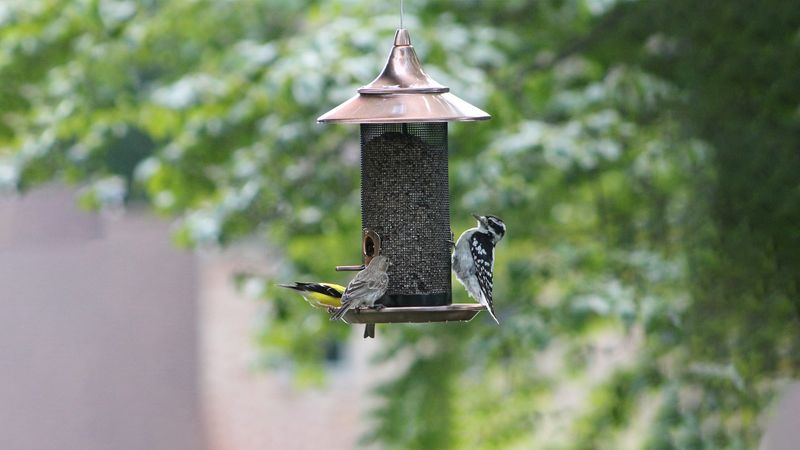
During cooler months, a pair of birds might visit your feeder a handful of times a day. During breeding season in a heat wave, those visits can multiply fast.
Each adult needs to refuel between nest runs, and your feeder becomes a quick pit stop they rely on heavily. The energy cost of raising young in extreme heat is genuinely intense.
Birds regulate their body temperature by panting, which uses even more energy. So the feeder isn’t just a snack bar anymore.
For breeding birds in a Texas summer, it’s closer to an emergency fuel station that keeps the whole family going.
2. Adults Are Eating More To Fuel Constant Feeding Trips
Here’s something that surprises a lot of backyard birders: the baby birds aren’t eating your seed. Nestlings need soft, high-protein food like caterpillars and grubs to build feathers, muscle, and bone quickly.
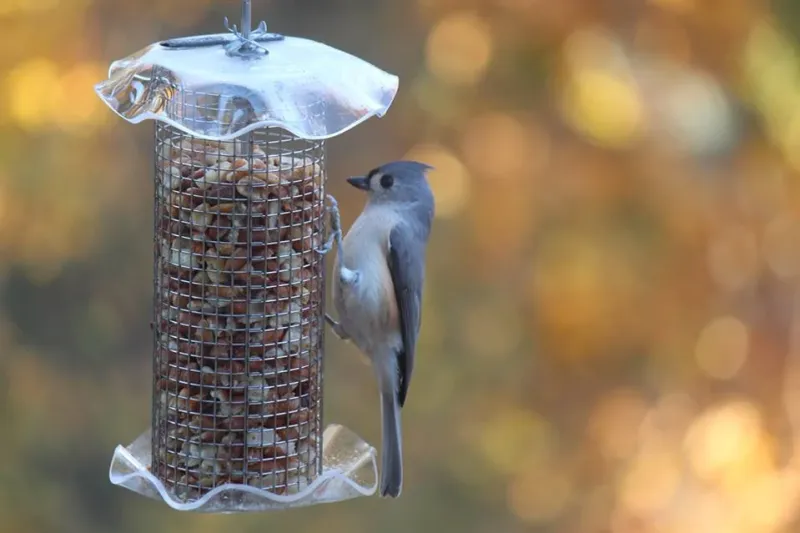
Seeds are too hard and dry for tiny chicks. So if the chicks aren’t eating your seed, why is it disappearing so fast? The answer is the adults. Every round trip to the nest burns serious calories.
Your Texas Garden Changes Every Week. Your Plan Should Too.
Gardening in Texas changes quickly throughout the season. Every Friday you’ll receive a simple weekly plan showing exactly what to plant, prune, fertilize, harvest, and protect so you never miss the right timing.
A small songbird like a Carolina Wren might make over 500 feeding trips to the nest in a single day. That’s 500 flights in Texas summer heat, carrying food, dodging predators, and managing nest hygiene too.
By the time a parent bird gets back to your feeder, it’s running on empty and needs to refuel quickly before heading out again.
Heat makes this even worse. Birds can’t sweat the way humans do. Instead, they pant and hold their wings slightly away from their bodies to release heat. Both of those actions burn extra calories on top of everything else.
So the calorie demand on adult birds during a summer heat wave is genuinely higher than at almost any other time of year. Your feeder seed is essentially powering dozens of nest-feeding flights every single day.
When you do the math, it makes complete sense that the feeder empties faster. The birds aren’t being greedy.
They’re working harder than ever, and your feeder is one of the few reliable calorie sources they can count on between those exhausting trips back and forth to the nest.
3. More Birds Are Concentrating Around Water, And Your Feeder Is Nearby
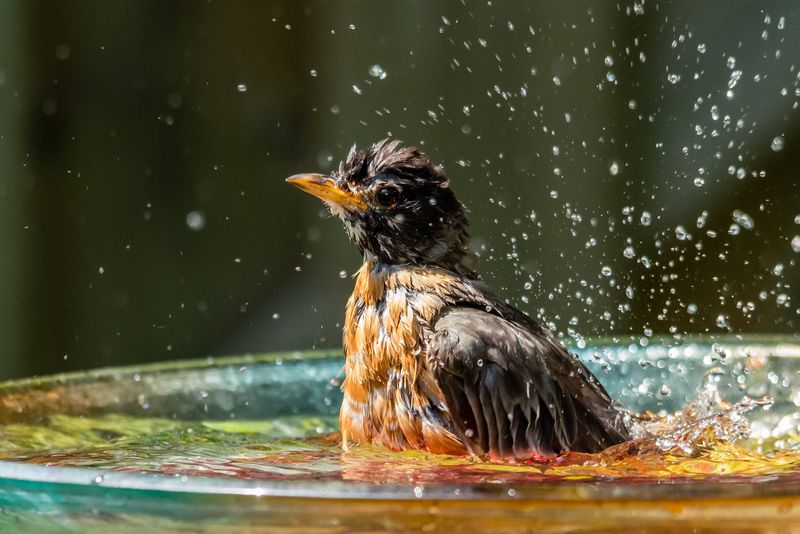
Water is everything to a bird in a Texas heat wave. When temperatures push past 100 degrees, birds prioritize hydration just like we do.
If you’ve added a birdbath, a dripper, or a small fountain to your yard this season, you may have accidentally created a neighborhood hot spot for local birds. And once they’re already in your yard for water, stopping by the feeder is a natural next step.
Birds that might not normally visit your feeder start showing up when water is nearby. Species that prefer insects or fruit will still swing by to drink, and while they’re there, they’ll check out the seed too.
Even birds that live several blocks away will travel to a reliable water source during extreme heat. Your yard essentially becomes a destination, not just a pass-through spot. More birds in your yard means more eyes on your feeder, and more beaks emptying it.
There’s also a clustering effect. When one bird finds a safe, shaded spot with water and food, others follow.
Birds watch each other for safety signals. A group of birds calmly eating and drinking tells other birds that the area is predator-free and worth visiting.
Before long, your feeder can go from serving a handful of regulars to hosting a rotating crowd of visitors all day long.
If you haven’t added a water feature yet, placing even a shallow dish of fresh water near your feeder could actually help you track how much of the seed drain is linked to increased bird traffic versus other causes.
4. Some Of What’s Missing Isn’t Being Eaten – It’s Spoiling
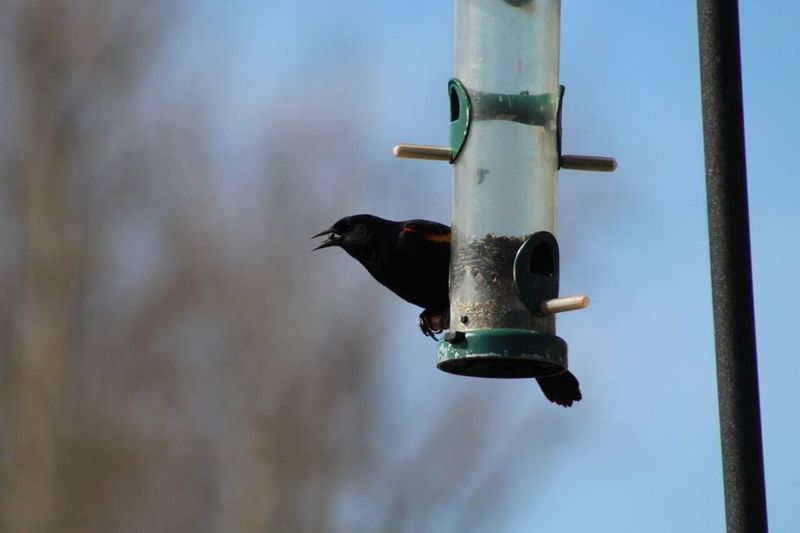
Not all the seed that disappears from your feeder is going into a bird’s beak. During a Texas heat wave, seed can spoil surprisingly fast, and spoiled seed often gets scattered, ignored, or tossed out by birds rather than eaten.
When temperatures climb above 70 degrees Fahrenheit combined with humidity, the natural oils in birdseed can turn rancid in as little as five to seven days. In Texas summer conditions, that timeline can be even shorter.
Rancid or moldy seed smells different to birds, and many species will toss it aside while searching for fresher kernels underneath. That tossed seed lands on the ground, where it might get picked up by ground-feeding birds or simply go to waste.
Meanwhile, the feeder looks like it’s emptying fast, but a good portion of what’s gone hasn’t actually been consumed. Mold is another problem.
Clumped, wet seed is a breeding ground for bacteria and fungal growth that can actually make birds sick.
A quick way to check if spoilage is part of your problem is to smell your seed before refilling. Fresh seed smells slightly nutty or neutral.
Rancid seed has a sharp, sour, or oily smell that’s easy to notice once you know what to look for. You can also look for clumping or discoloration inside the feeder tube.
Switching to smaller refills every few days instead of filling the feeder all the way up is one of the easiest fixes. Less seed sitting in the heat means less waste and healthier feeding for your backyard birds.
5. Other Wildlife Is More Active At The Feeder Too
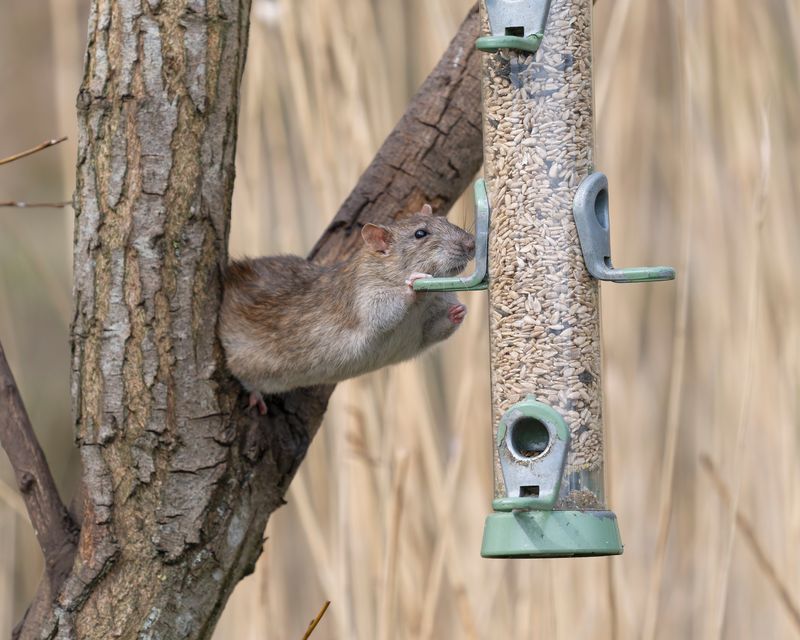
Birds aren’t the only ones who get hungry in a heat wave. Texas summers bring out a full cast of wildlife that would love nothing more than a free meal from your bird feeder.
Squirrels are the most obvious daytime culprits, and they can empty a feeder surprisingly fast on their own. But the nighttime visitors are often the bigger issue, because most people never see them.
Raccoons are remarkably clever and strong. A determined raccoon can tip, shake, or physically open many standard bird feeders to get to the seed inside.
They tend to visit after dark, so you might wake up to a half-empty or knocked-over feeder without any idea what happened. Rodents like rats and mice are also drawn to spilled sunflower seeds and cracked corn beneath the feeder.
In Texas heat, when natural food sources dry up or become harder to find, these animals actively search out easy calories, and your bird feeder is a very easy target.
One simple way to figure out if wildlife is part of your problem is to note how full the feeder is at sunset versus how full it is at sunrise. If there’s a big difference with no bird activity overnight, something else is helping itself.
Switching to a weight-sensitive feeder that closes under heavier animals can help a lot. You can also try moving the feeder onto a smooth metal pole with a baffle, which makes it much harder for squirrels and raccoons to climb.
Addressing the wildlife factor alone can make a noticeable difference in how long your seed actually lasts.
6. What To Actually Do About It
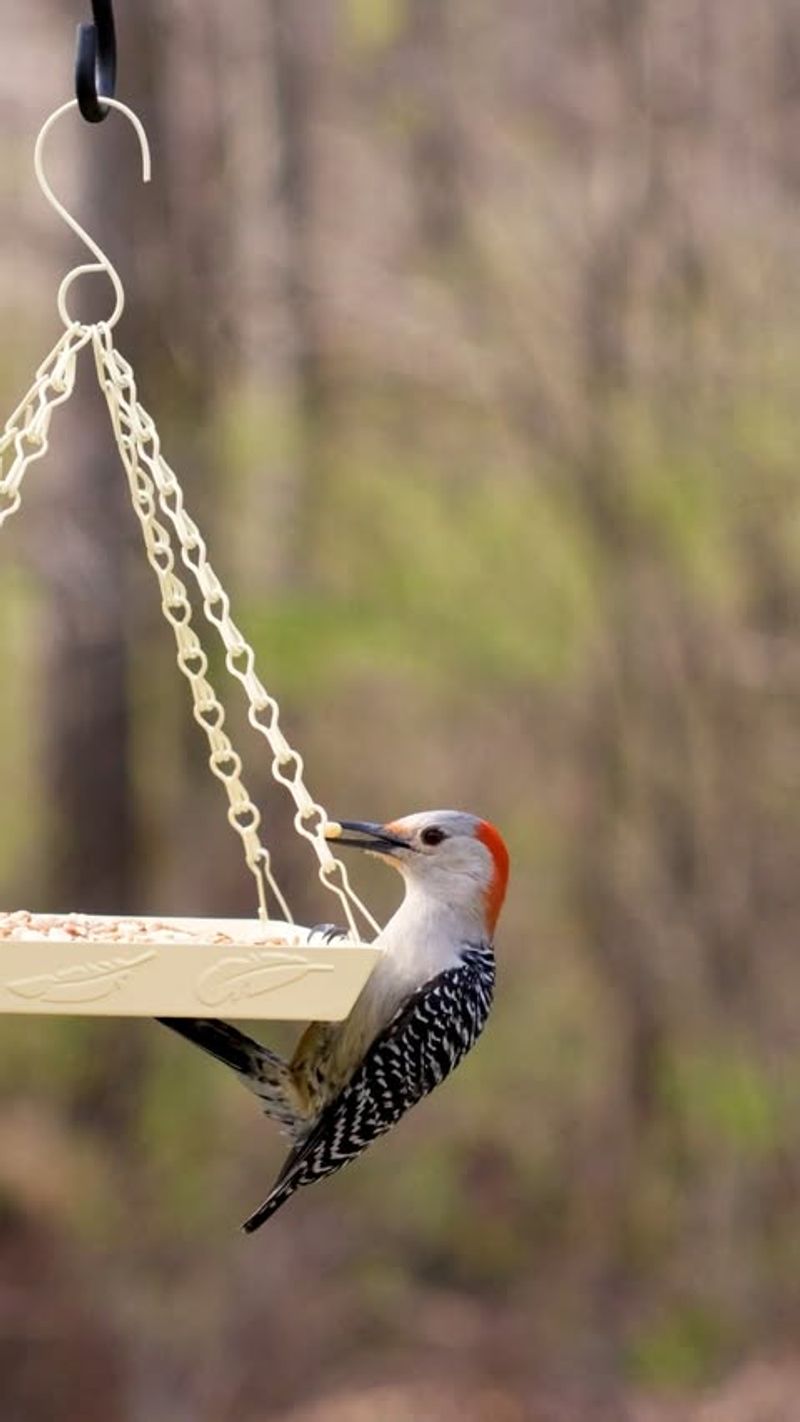
Knowing why your feeder empties so fast is useful, but knowing what to do about it is even better. The old advice about reducing feeder offerings in summer doesn’t always apply during a Texas heat wave.
When natural food sources dry up from extreme heat and drought, birds actually need more support from feeders, not less. The key is feeding smarter, not just filling the feeder and walking away.
Start by putting out smaller amounts of seed more frequently. Instead of filling the feeder all the way and letting it sit for a week, add just enough seed to last two or three days.
This cuts down on spoilage, reduces waste, and keeps the food fresh and appealing to birds. Move your feeder into a shaded spot if it’s currently in direct sun.
Shade slows down the rate at which seed turns rancid, and it also makes the feeder a more comfortable place for birds to linger and eat without overheating.
Clean your feeder at least once a week during summer. A quick rinse with a diluted vinegar solution removes bacteria and mold before they become a problem.
Let the feeder dry fully before refilling it. Adding a fresh water source nearby is one of the highest-impact things you can do to support birds during a heat wave.
A shallow dish changed daily works great. If squirrels or raccoons are part of the problem, a baffle on the feeder pole can stop a lot of the overnight raiding. Small, consistent changes make a big difference when Texas summer heat is at its worst.