10 Michigan Trees and Shrubs That Need Water Before the Ground Freezes
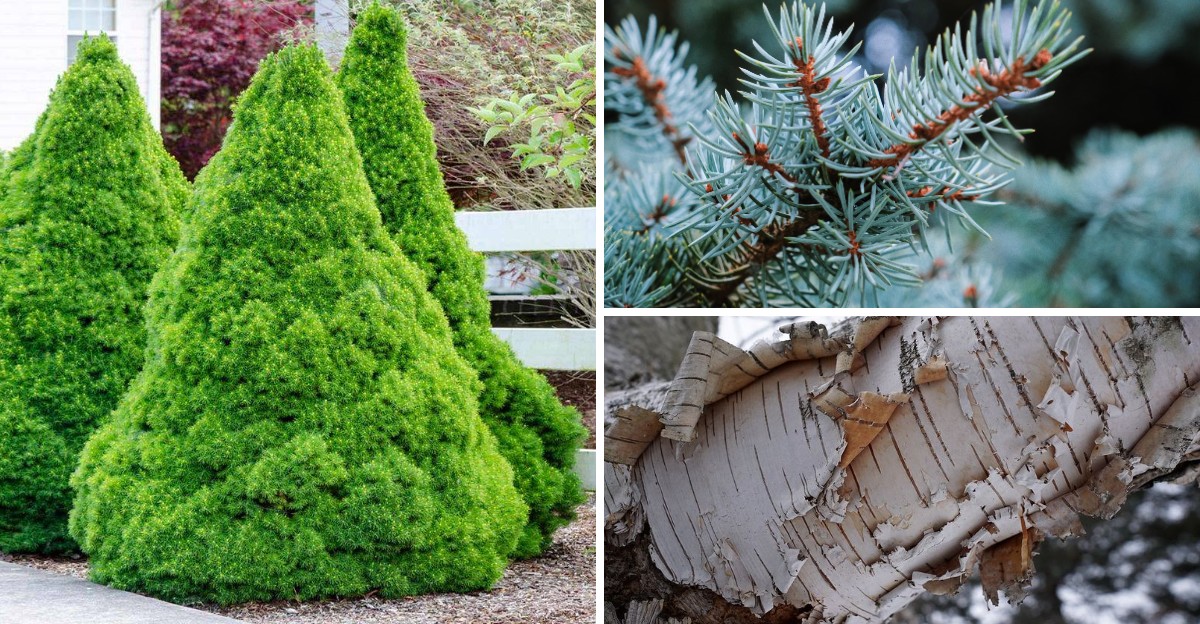
Most of us coil up the garden hose in October, and I believe that habit costs our yards dearly. Brown needles in March often trace back to one quiet fall chore that many Michigan gardeners skip.
Winter wind is thirsty, and it pulls moisture from leaves and needles all season long without stopping. Frozen soil locks water away, so roots cannot refill what the cold air steals each day.
Some of the most common yard favorites suffer the worst, and a few of them may surprise you. I’m sure at least one of them is growing right outside your kitchen window this very moment.
Early October in Michigan gives us a short window to fix this problem before the soil turns hard. A few deep soakings now can mean greener, fuller plants when the snow finally melts next year.
1. Colorado Blue Spruce
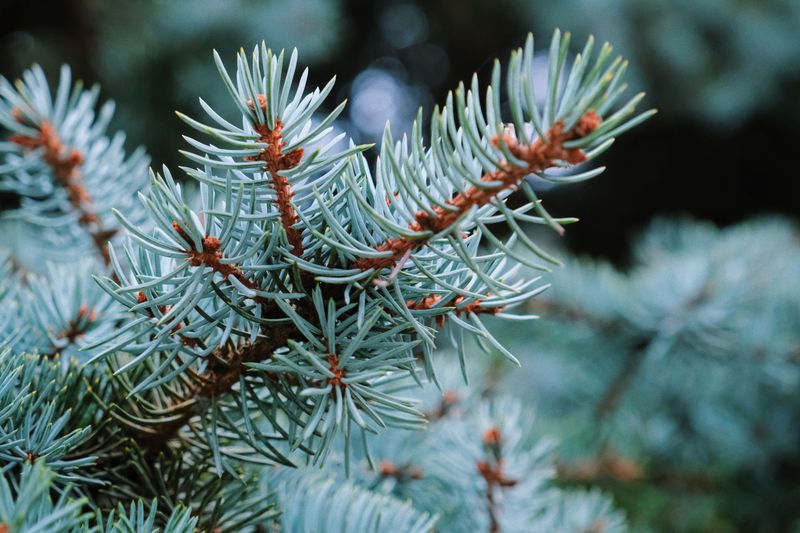
Those silvery blue needles look tough as nails, yet this western mountain tree gets surprisingly cranky in our wet climate. You may know it as the state tree of Colorado, far from our snowy Great Lakes winters.
Evergreens keep losing water through their needles all winter, even when the ground is frozen solid far below them. When roots cannot replace that lost moisture, needles turn brown, a problem gardeners call winter burn or desiccation.
I believe young spruces planted in the last few years need this extra help the most before winter arrives. Their root systems are still small, so they have less stored moisture to carry them through the long cold months.
Give each tree a slow, deep soak around the dripline whenever October rain falls short of one inch weekly. Aim the water at the soil instead of the needles, since wet foliage can invite troublesome fungal needle diseases.
Spruces already stressed by needle cast or canker often struggle more after a dry fall and a harsh winter. Keep watering every week or two until the soil freezes, then spread two inches of mulch over the roots.
2. Eastern White Pine
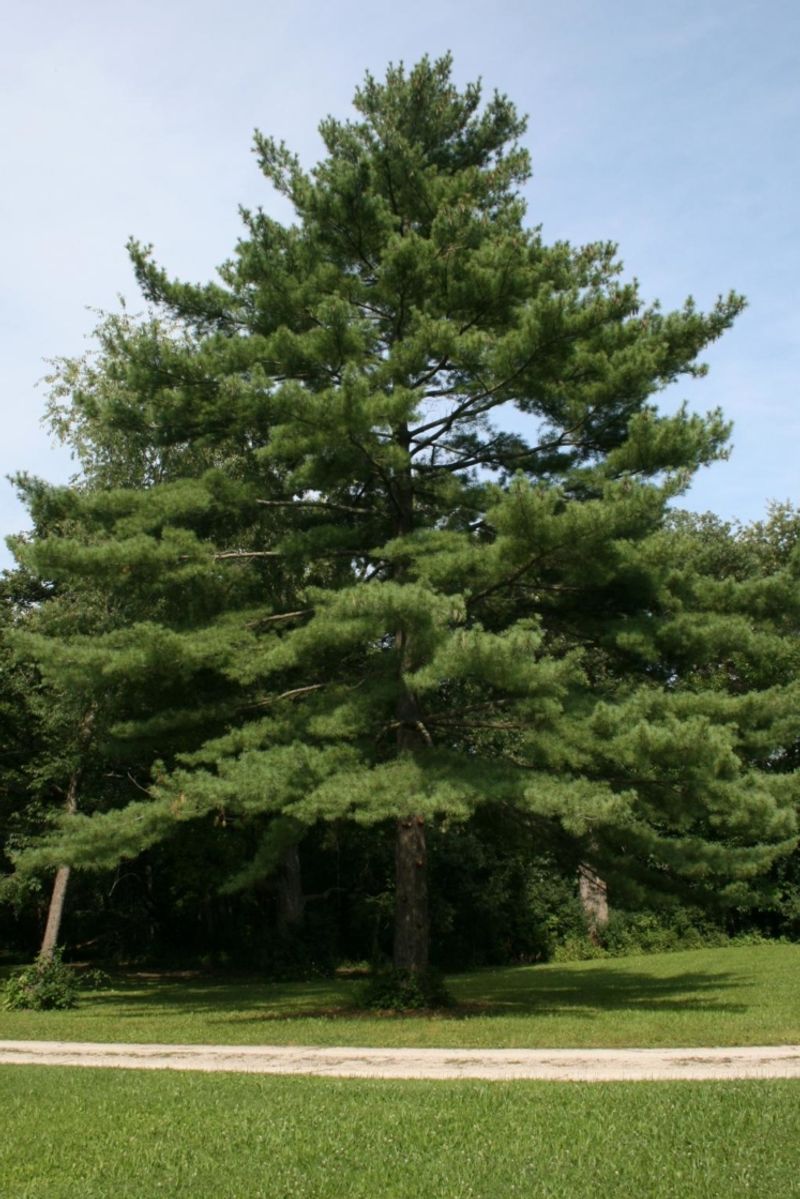
Michigan picked this soft-needled giant as its official state tree in 1955, and it is easy to see why. Each bundle holds five long needles, and I love remembering that number through the five letters in the word white.
Old pines once towered over the northern forests, but backyard trees face very different conditions than their wild cousins. Sandy soil drains fast, and dry fall weeks can leave their roots thirsty right before winter settles in.
You definitely need to watch newly planted white pines, since their roots have not spread far into the ground yet. A long, slow trickle from a hose at the base helps water sink deep instead of running away.
White pines also dislike road salt spray, so trees near busy streets often show browning needles by late winter. Healthy moisture levels heading into the cold season can help them handle that extra roadside stress a little better.
Please do not panic if inner needles turn yellow and drop this month, because that is normal seasonal shedding. Keep the outer tips green by watering every week or so until hard frost finally seals the soil shut.
Your Michigan Garden Changes Every Week. Your Plan Should Too.
Gardening in Michigan changes quickly throughout the season. Every Friday you’ll receive a simple weekly plan showing exactly what to plant, prune, fertilize, harvest, and protect so you never miss the right timing.
3. American Arborvitae
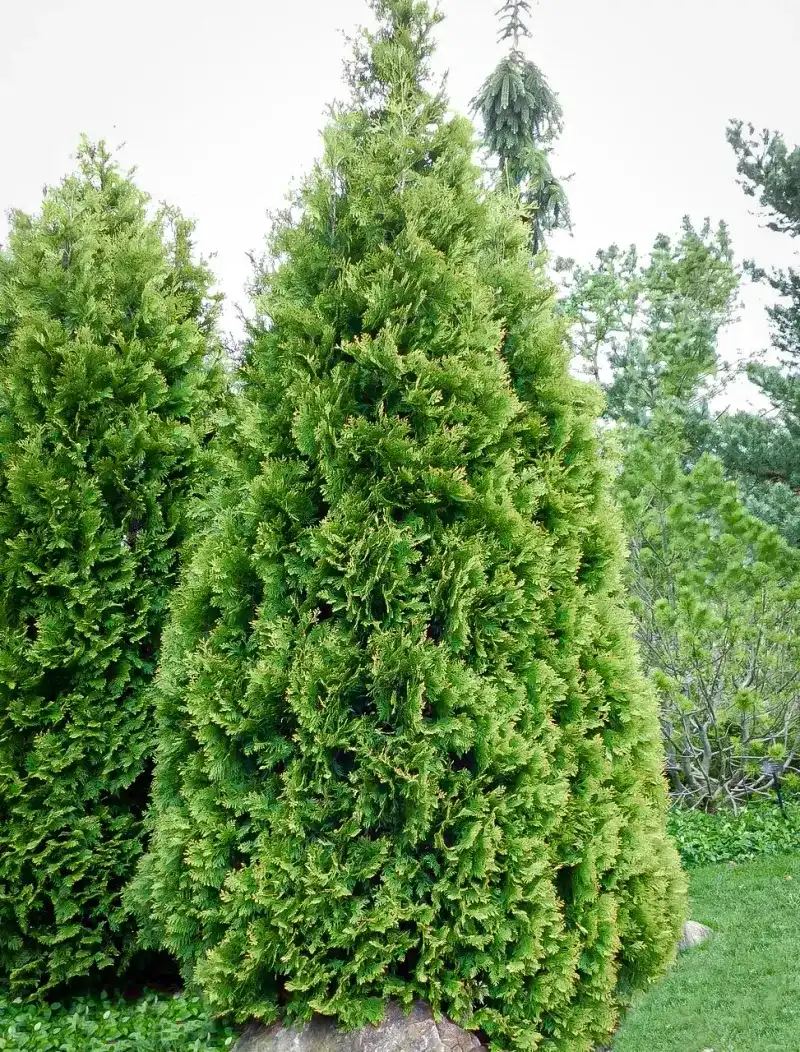
Deer treat a row of arborvitae like a salad bar in winter, but thirst can hurt these hedges too. Those flat, scaly sprays of foliage keep releasing moisture whenever dry wind and bright sun hit them hard all season.
Native to swamps and cool shorelines across the region, this tree loves moist soil more than most people realize. Plant it in a dry, sunny yard, and it depends on you to make up the missing difference.
I’m sure you have noticed hedges with ugly brown patches each spring, especially on the side facing southwest winds. Much of that damage can start with dry roots in fall, long before the first big snowstorm rolls through.
Fall plantings need about ten gallons of water each week, soaked slowly into the root zone with a hose. Established hedges need less, but a deep drink during dry October spells helps keep their dense foliage nicely green.
Shallow roots dry out fast, so a three inch layer of shredded bark mulch makes a surprisingly big difference. Wrapping upright plants loosely with twine also helps keep heavy snow from splaying their branches open like a book.
4. Dwarf Alberta Spruce
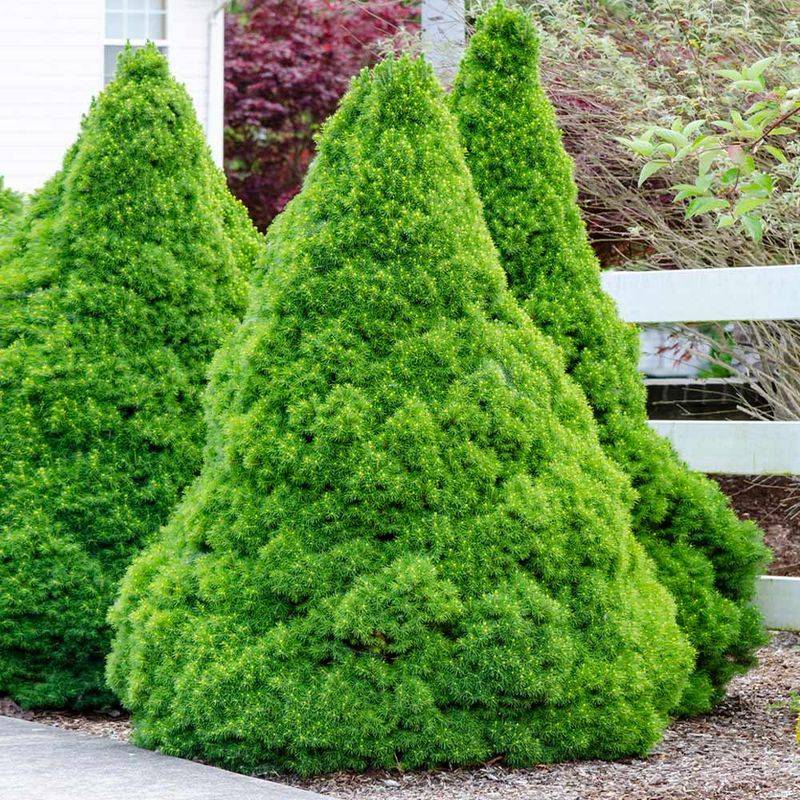
Back in 1904, someone spotted a tiny mutant white spruce near Lake Laggan in Alberta, Canada, and history was made. Every cone-shaped Dwarf Alberta Spruce on porches and patios today traces its roots back to that single lucky find.
That dense little cone hides a big weakness, because its needles burn easily in sunny, windy winter planting spots. Brown patches often show up on the south or west side, where the sun bounces brightly off the snow.
Potted specimens flanking front doors are at even higher risk, since containers dry out faster than regular garden beds. Their roots also sit above ground, so cold air reaches them from every side of the exposed pot.
I believe newly planted ones need deep watering once or twice weekly through their first full growing year in the ground. Check the soil with your finger, and water again when the top two inches feel dry and crumbly.
Drought-stressed plants also tend to attract spider mites, tiny eight-legged pests that leave needles looking dusty and faded. A burlap screen on the sunny side, plus steady fall watering, keeps that miniature tree shape looking crisp and sharp.
5. Rhododendron
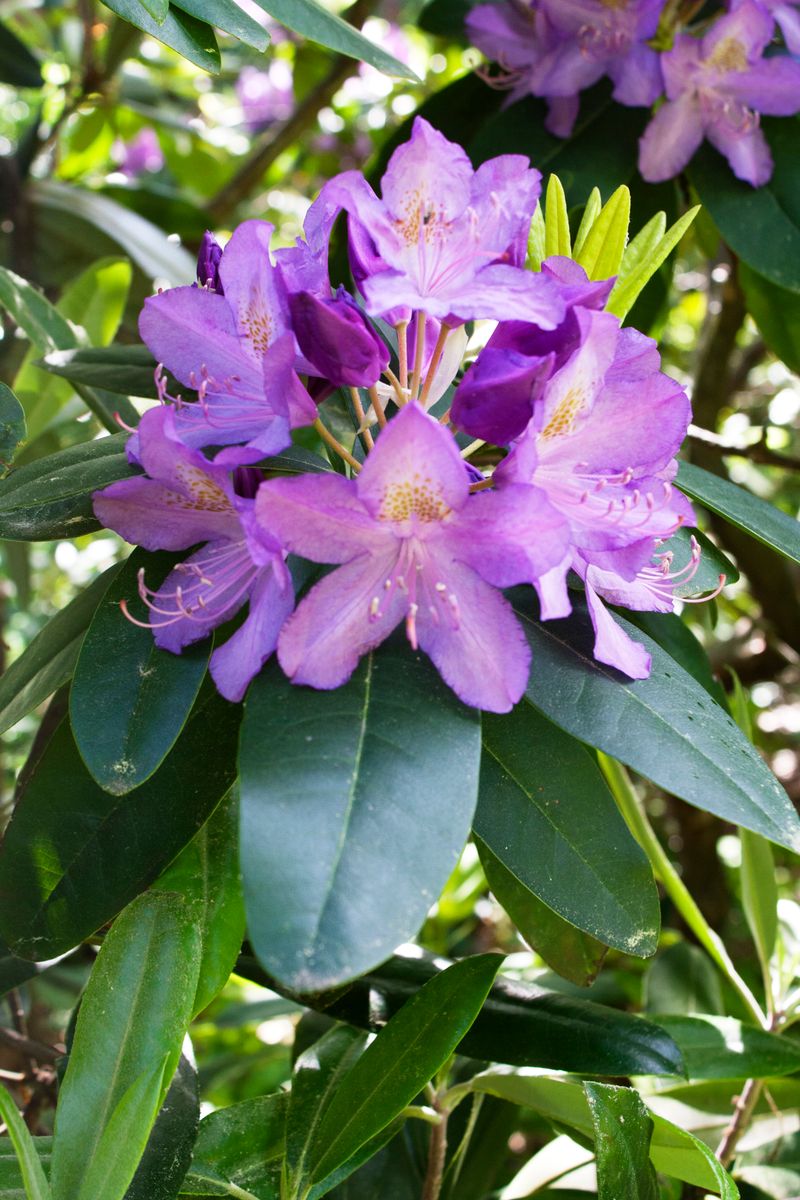
On frosty mornings, rhododendron leaves curl tight like rolled cigars, which is the shrub’s clever way of saving water. Those big leathery leaves lose plenty of moisture in winter wind, so the plant needs a full tank beforehand.
Flower buds for next spring are already formed and sitting at the branch tips right now in early October. A dry fall can stress those buds, and stressed buds sometimes open poorly or fail to bloom at all.
Roots sit shallow and spread wide, so they dry out quickly when autumn rain takes a long, lazy break. You definitely need to give them one to one and a half inches of water weekly during dry stretches.
Soggy soil is just as harmful, since rhododendrons hate wet feet and can develop root rot quickly in heavy clay. Water slowly, then let the top inch of soil dry slightly before you reach for the hose again.
Pine needles or shredded oak leaves make wonderful winter mulch here, because these shrubs love naturally acidic soil conditions. A burlap windbreak on exposed sides can also reduce leaf scorch and help protect next spring’s colorful blooms.
6. Boxwood
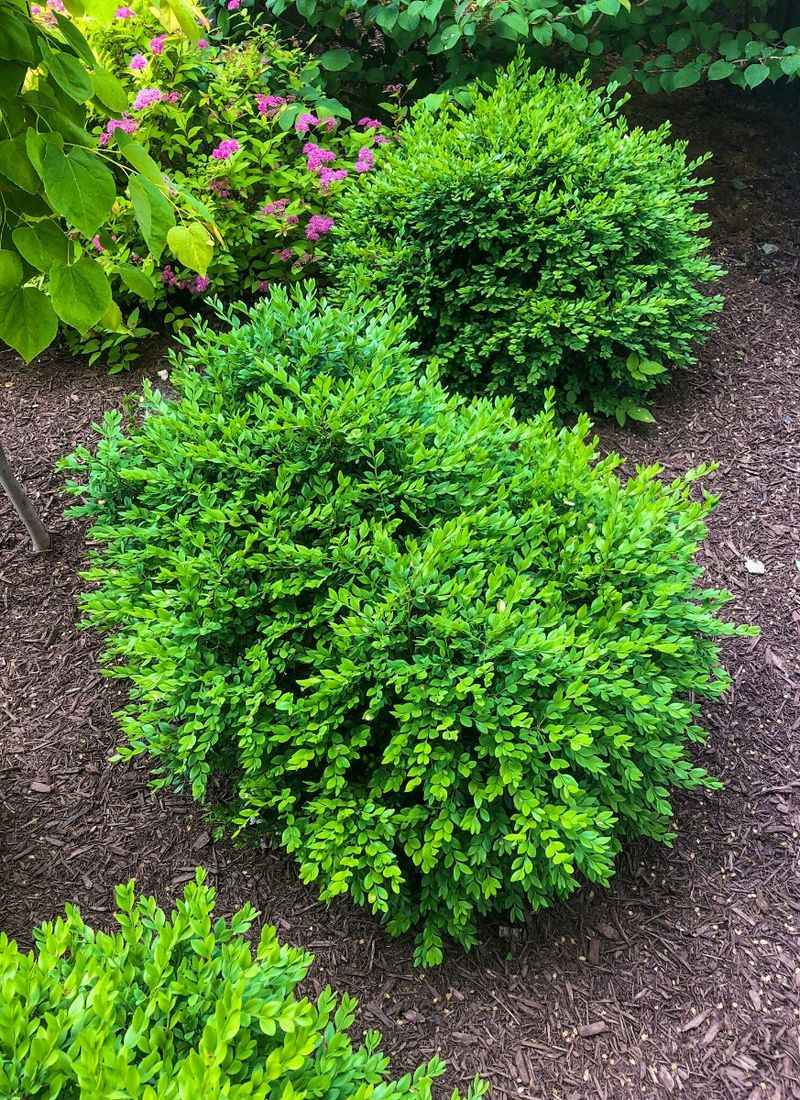
Boxwood has a sneaky habit of turning orange or bronze in winter, and many homeowners blame the cold weather. Dry roots and harsh sun often share the blame, which means part of the fix happens right now in fall.
Gardeners have shaped these tidy shrubs into hedges and fancy knot gardens for hundreds of years in Europe and beyond. Their tiny, tightly packed leaves keep breathing out moisture on sunny winter days, even with frozen roots below.
I can’t imagine a more frustrating sight than a perfectly sheared hedge with crispy brown tips in early March. Newly planted boxwoods face the biggest risk, because their compact root balls have not reached deeper moisture yet.
Water them deeply whenever a week passes without decent rain, and keep going until the soil freezes solid underfoot. A soaker hose snaked along the hedge line saves time and puts water exactly where thirsty roots need it.
Skip heavy pruning this late in the season, because fresh cuts can push tender growth that frost will damage. A light burlap wrap on the windy side adds another helpful layer of protection through the coldest weeks ahead.
7. Juniper
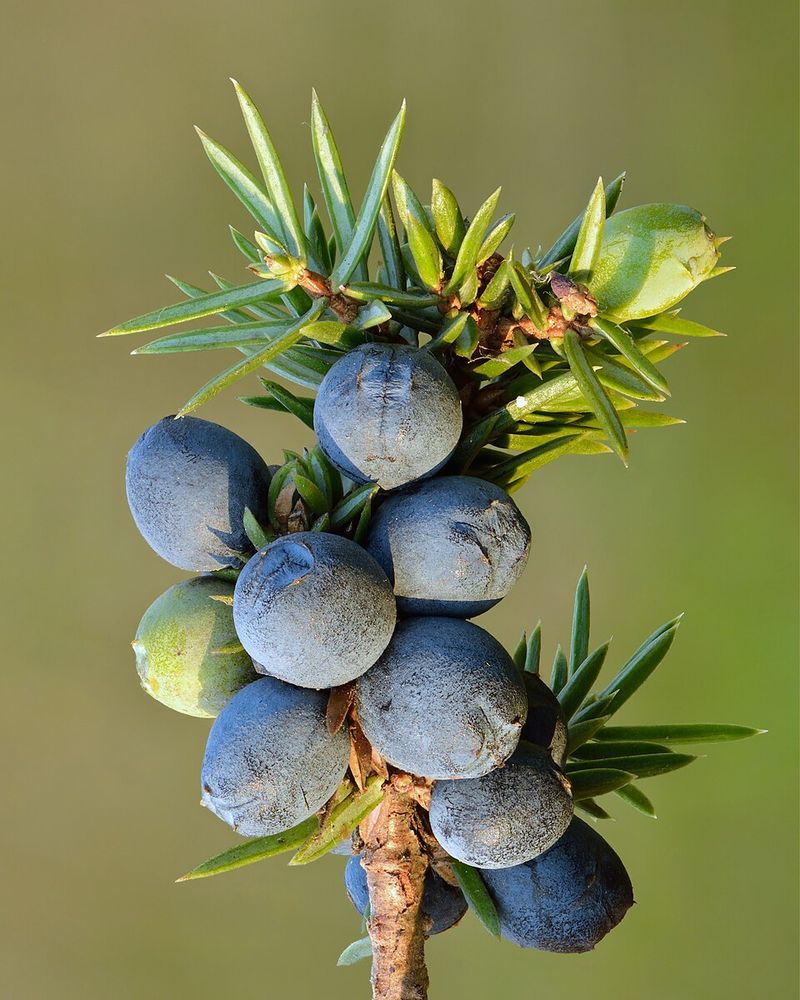
Junipers have a tough reputation, and many people plant them precisely because they seem to thrive on plain neglect. That toughness takes time to build, and young plants need far more water at first than their rugged image suggests.
Fun fact for your next garden chat: those blue juniper berries are actually tiny cones with fleshy, fused scales. Birds like cedar waxwings and robins gobble them up eagerly during cold months when other food runs scarce outside.
Our native common juniper grows wild on sandy dunes and rocky ground, so it handles dry spells well once settled. Garden varieties planted within the past year or two still lack the deep roots that make that possible.
I believe a deep soak once a week works well for young junipers when fall rainfall comes up short. Let the soil dry a bit between waterings, because these plants dislike staying wet for long, chilly periods.
Groundcover types spreading near driveways and sidewalks often catch salty slush, which adds dryness on top of harsh winter wind. Well-watered plants handle that double challenge better and usually keep their rich color much longer until spring finally returns.
8. Paper Birch
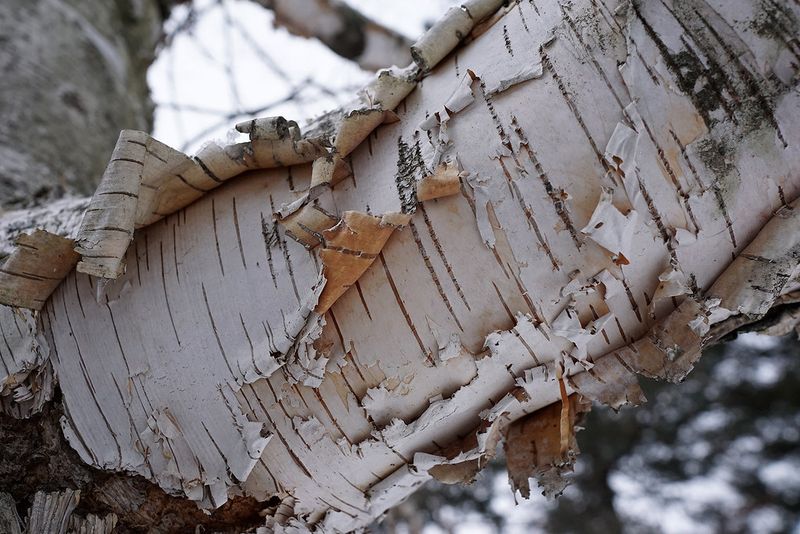
Native peoples once crafted canoes from paper birch bark, and that white skin still steals the show in snowy yards. Behind that beauty hides a tree that strongly prefers cool, moist soil and sulks when things dry out.
Its roots stay fairly shallow, so a dry autumn hits birches harder than many deeper-rooted shade trees in the neighborhood. Lawns warmed by full sun can heat that root zone up, adding even more stress through early fall.
Drought stress matters because it opens the door to bronze birch borer, a beetle whose larvae tunnel under bark. Stressed trees often show thinning crowns first, with upper branches losing leaves earlier than they normally should in fall.
You definitely need to soak the ground slowly and deeply, reaching at least twelve inches down into the soil. Young trees appreciate a weekly drink this month, and you can stop once temperatures stay below freezing for good.
A wide ring of wood chip mulch keeps the soil cooler and holds moisture where those thirsty roots feed. Keep the mulch a few inches from the trunk, so bark stays dry and healthy all winter long.
9. Sugar Maple
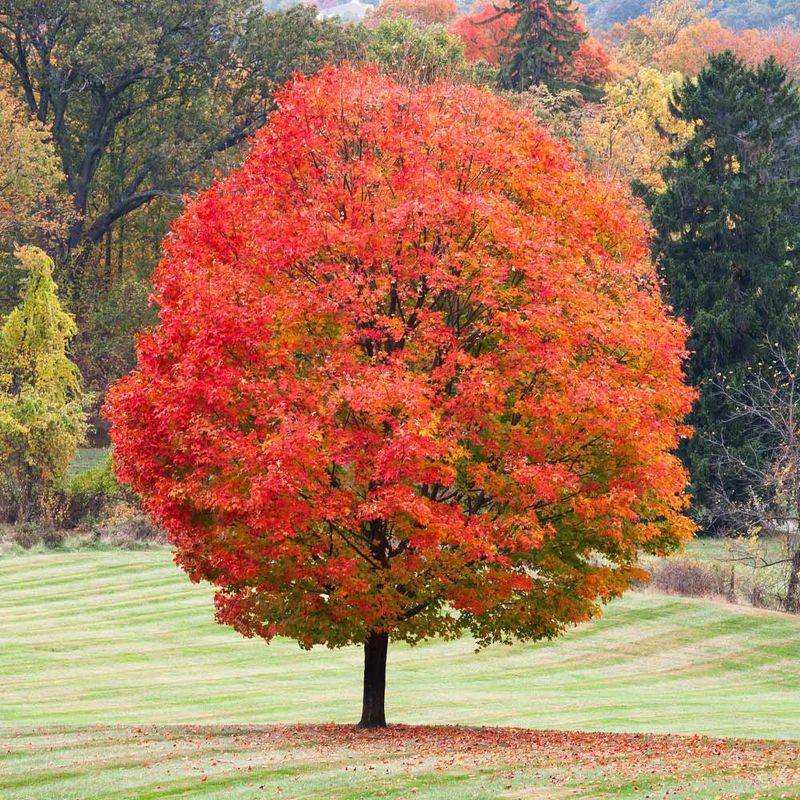
Every gallon of maple syrup on your pancakes started as roughly forty gallons of sugar maple sap boiled down slowly. That sweet sap depends on healthy roots, and healthy roots depend heavily on steady moisture going into winter.
Sugar maples paint Michigan hillsides orange and gold right now, so October is a perfect time to check them. Even as leaves drop, their roots keep quietly growing in fall soil until the ground gets too cold.
These trees struggle in compacted, dry city soil, and they are quite sensitive to road salt near busy streets. Leaf scorch with crispy brown edges during summer is often a clue that roots have been running short on water.
I’m sure a big mature maple seems too large to need help, but long dry spells affect giants too. Run a soaker hose in rings beneath the outer branches, since many feeder roots live out near the dripline.
Newly planted maples need the most attention, so check the soil several inches down before every single watering session. When it feels dusty and loose, give the tree a long soak and enjoy those blazing colors next fall.
10. Hydrangea
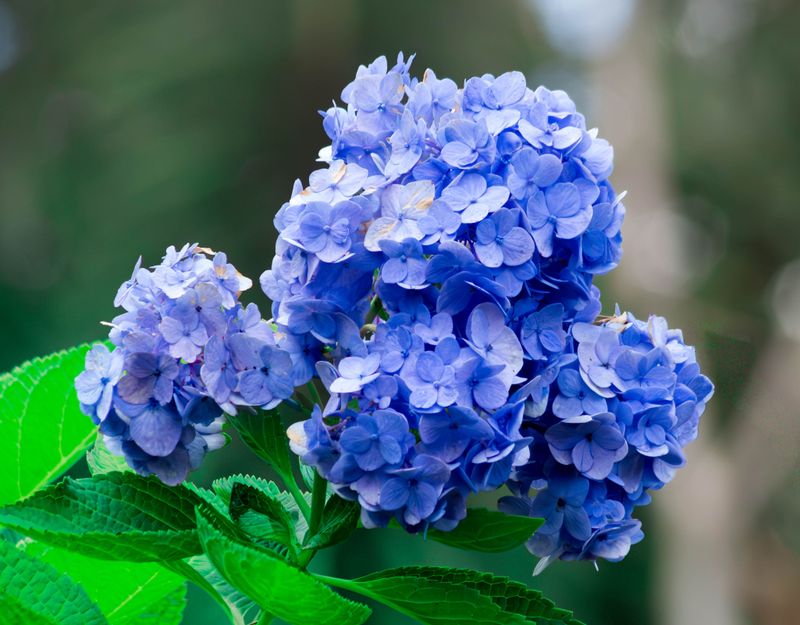
Those giant mophead blooms get all the attention, but the real drama for next year happens underground this month. Hydrangeas carry shallow roots, so they wilt fast and dry out quicker than most shrubs in your garden beds.
Its very name comes from old Greek words meaning water vessel, which fits this famously thirsty shrub perfectly. I wonder how many gardeners treat that name like a friendly little reminder hiding right in plain sight.
Bigleaf hydrangeas set next summer’s flower buds on old stems, so those stems need to survive the long winter. Dry roots plus bitter wind can damage the buds, leaving you with lush green leaves but very few flowers.
Water deeply whenever the top inch or two of soil feels dry, continuing until the ground starts freezing hard. Skip the fertilizer now, because late feeding can push soft, tender new growth that early cold weather easily damages.
Leave the pruning shears in the shed, since cutting bigleaf types this fall removes many of next year’s blooms. Pile shredded leaves around the base after watering, and those blue or pink flowers stand a better chance next summer.