The Michigan Patio Border Plant Combo That Keeps Mosquito-Prone Corners Drier
Most homeowners use sprays and candles to fight mosquitoes in damp, shaded patio corners instead of fixing the damp conditions that attract them.
A specific combination of border plants changes the moisture dynamic in these spots by improving drainage, increasing air circulation, and creating a microenvironment that mosquitoes find actively unappealing.
The combination works because each plant in the pairing contributes something different to the overall effect.
No single plant achieves what this pairing does together, which is why gardeners who have tried individual deterrent plants in these corners without success often see dramatically different results when the right combination goes in.
1. Tussock Sedge, Blue Flag Iris, And Swamp Milkweed
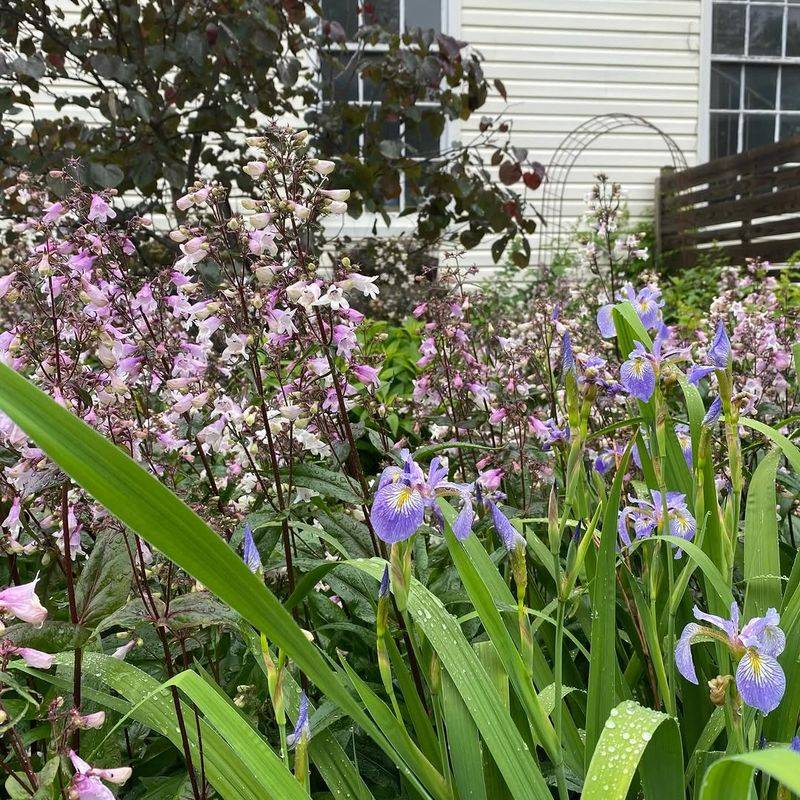
Picture a patio corner that used to puddle after every rain, now looking lush, colorful, and completely transformed. That is exactly what a well-planned native plant border can do for a soggy Michigan yard.
The combination of tussock sedge, blue flag iris, and swamp milkweed is one of the most practical and beautiful solutions for wet patio edges in the Great Lakes region.
What makes this trio special is the goal behind it. The point is not to repel mosquitoes with scent or spray.
Instead, these plants work together to help a damp patio edge absorb rainwater faster, so water does not sit long enough to become a breeding spot.
Mosquitoes need standing water to complete their life cycle, and removing that opportunity is far more effective than any spray or candle.
Each plant in this combo has a specific job. Tussock sedge anchors the edge and soaks up moisture consistently.
Blue flag iris handles the wettest pocket with style and structure. Swamp milkweed fills in the middle zone with bright summer color and attracts pollinators all season.
Together, they create a layered planting that looks intentional and works hard behind the scenes.
Michigan gardeners who deal with clay soil, low spots, or runoff from driveways and patios will find this combo especially useful.
All three plants are Michigan natives, which means they are already adapted to local rainfall patterns, seasonal temperature swings, and regional soil types.
Starting with plants that belong here makes the whole system more reliable from the very first season.
2. Tussock Sedge Is The Moisture Sponge
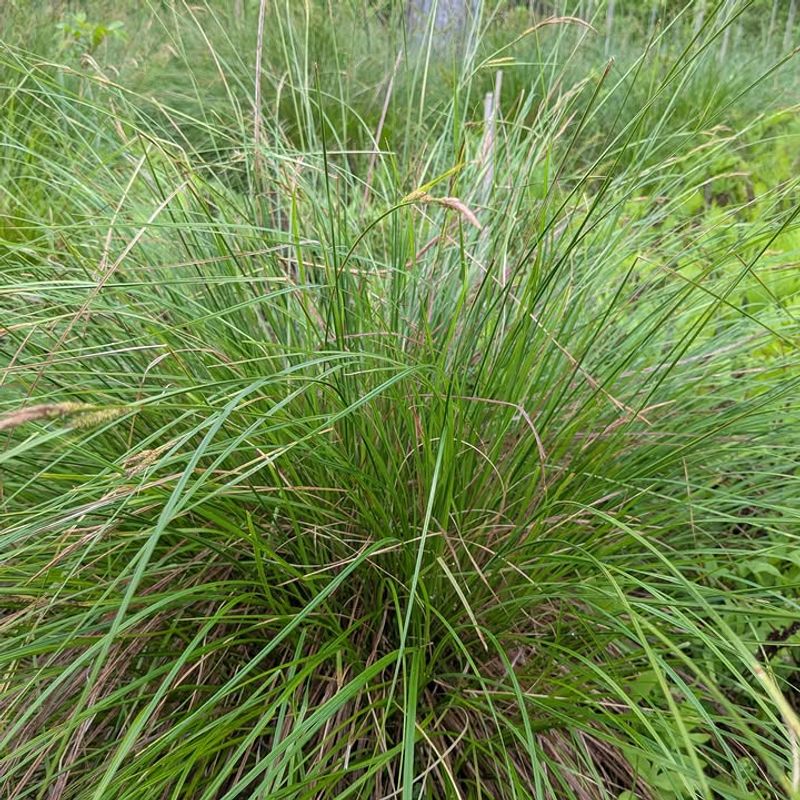
Some plants just have a quiet kind of power. Tussock sedge does not put on a flashy show, but it does something incredibly useful: it soaks up water like a sponge and holds the edge of a garden bed together even after a heavy downpour.
For Michigan gardeners dealing with a damp corner near the patio, this plant is the backbone of the entire border combo.
Tussock sedge, known botanically as Carex stricta, is a Michigan native sedge that thrives in full sun or partial shade.
It grows well in drained to moist soils, which makes it flexible enough to handle the shifting moisture levels that come with Michigan weather.
Michigan State University lists it as a solid choice for rain garden plantings, and that recommendation carries real weight for anyone trying to manage stormwater close to their home.
Your Michigan Garden Changes Every Week. Your Plan Should Too.
Gardening in Michigan changes quickly throughout the season. Every Friday you’ll receive a simple weekly plan showing exactly what to plant, prune, fertilize, harvest, and protect so you never miss the right timing.
One of the most practical things about tussock sedge is its clumping habit. It grows in tight, upright bunches that help hold the soil in place after storms.
That means less erosion, less muddy runoff, and a border that actually stays put when heavy rain comes through. It will not spread aggressively or take over the bed, which makes it easy to manage over time.
Plant tussock sedge along the outer edge of the border where it will intercept the first wave of runoff from the patio surface.
Repeat it every two to three feet to create a consistent, reliable moisture-absorbing line that anchors the whole planting with quiet, steady efficiency.
3. Blue Flag Iris Handles The Wetter Pocket

Not every part of a patio border gets the same amount of moisture. There is usually one low spot, one corner that collects more runoff than everywhere else.
That is exactly where blue flag iris belongs, and it fills that role beautifully. This Michigan native wet-site plant is built for the kind of saturated conditions that would stress most garden plants.
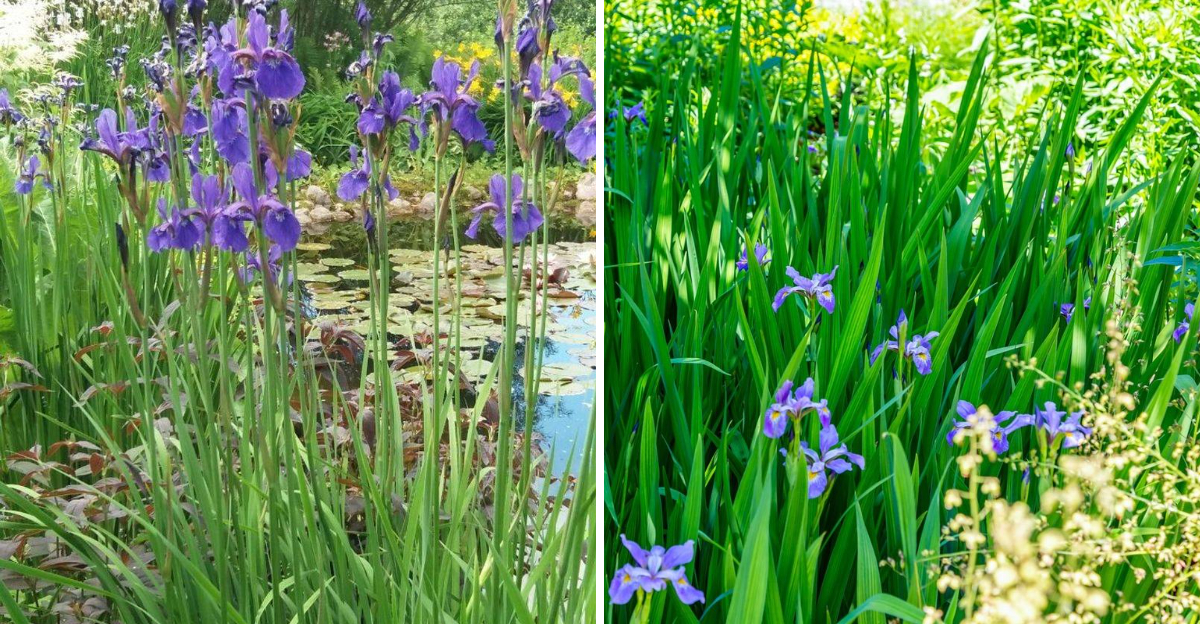
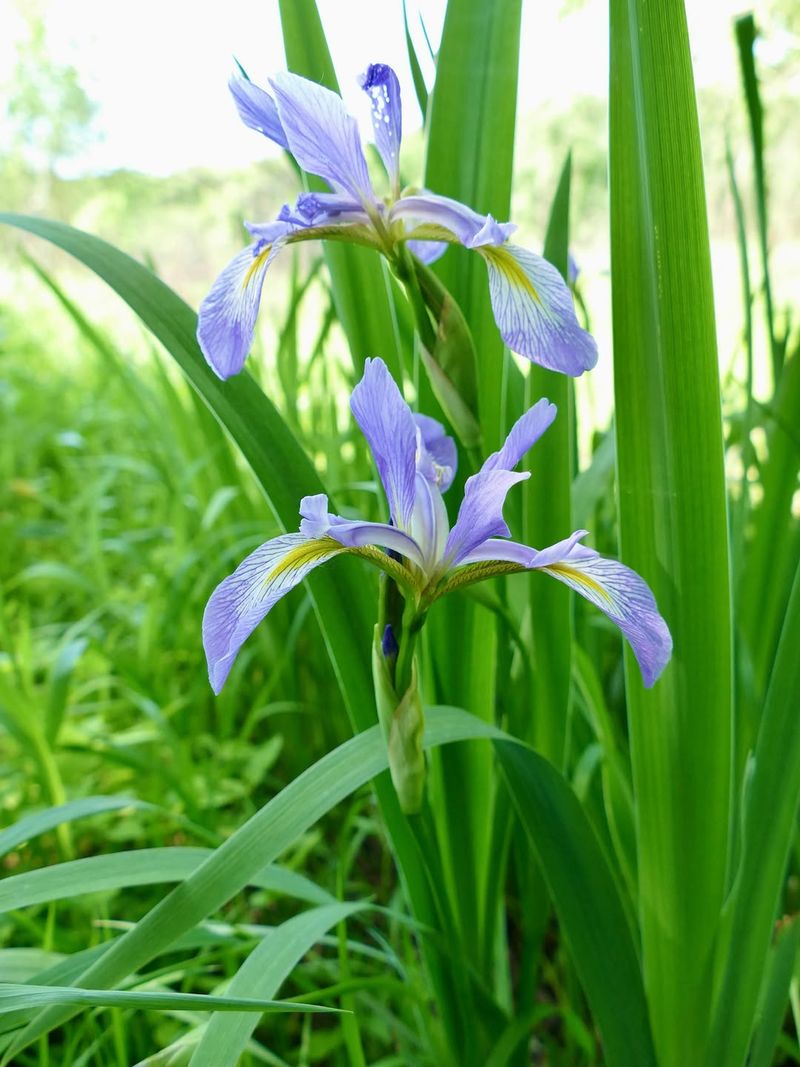
Blue flag iris, or Iris versicolor, produces stunning purple-blue flowers in late spring and early summer.
The blooms are large, showy, and unmistakably elegant, which gives the border a polished, intentional look even in a spot that was once just a muddy mess.
The sword-shaped foliage stays upright and attractive well beyond bloom time, adding structure to the planting through summer and into fall.
What really sets blue flag iris apart in this combo is its tolerance for consistently wet conditions.
While tussock sedge handles moisture well across a range of soil types, blue flag iris is specifically suited to areas where water lingers a bit longer after rain.
It can handle short periods of flooding without missing a beat, making it the right plant for the lowest point in the border.
Place blue flag iris in the deepest or most consistently damp section of the patio edge. It works best when it has room to spread slightly, so give each plant about 18 to 24 inches of space.
The result is a planting that looks like a thoughtful garden design while quietly doing the hard work of managing excess moisture in the most challenging corner of your yard.
4. Swamp Milkweed Adds Color And Pollinator Value
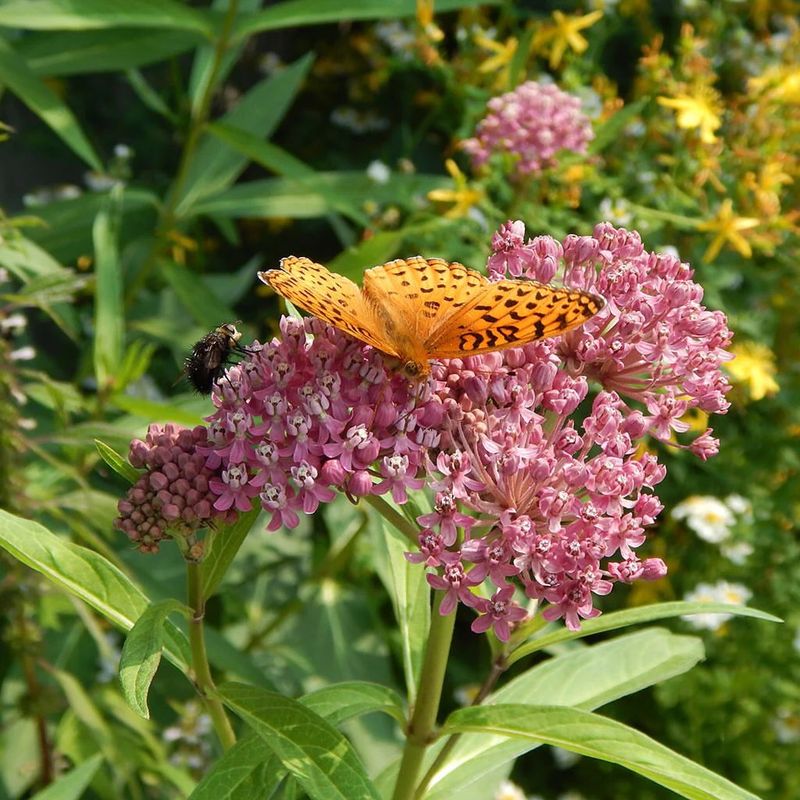
Few plants earn their spot in a garden as thoroughly as swamp milkweed. It brings summer color, height, and a steady stream of pollinators all at once.
In this Michigan patio border combo, swamp milkweed is the flowering partner that ties everything together visually while still pulling its weight in terms of moisture management.
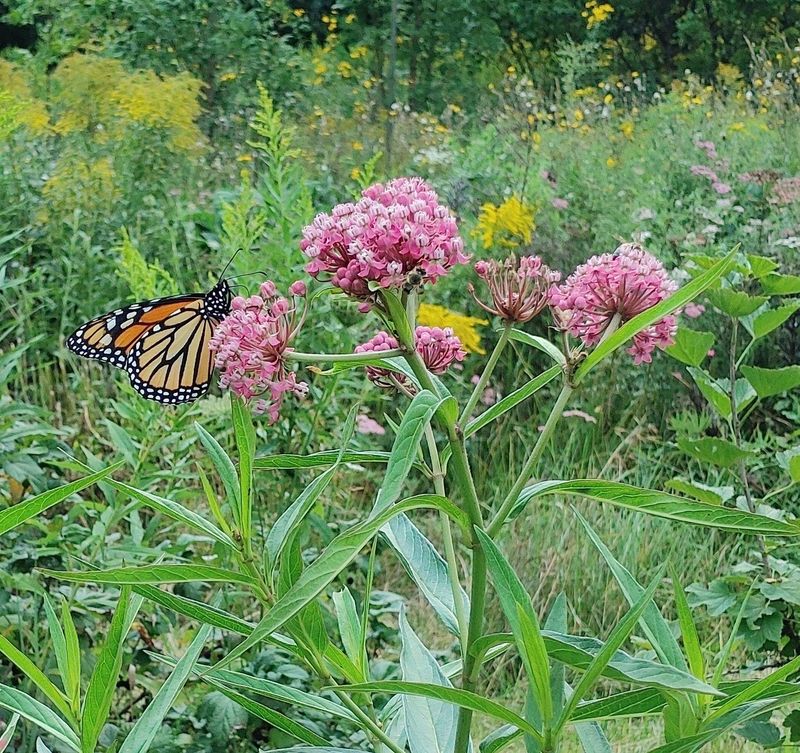
Swamp milkweed, or Asclepias incarnata, produces clusters of rosy-pink flowers from midsummer through early fall. Monarch butterflies, native bees, and a wide variety of beneficial insects flock to it consistently throughout the blooming season.
Beyond the pollinator appeal, the plant grows upright and tall, usually reaching three to four feet, which gives the border a strong vertical element that balances the lower, spreading growth of sedge and iris.
In terms of placement, swamp milkweed belongs in the transition zone of the border, where the soil stays consistently moist but does not hold standing water for extended periods.
It can handle wet conditions, but it performs best when the soil drains within a day or two after rain. Planting it slightly higher in the border than the blue flag iris naturally puts it in that ideal moisture range.
One more reason to love swamp milkweed in a Michigan garden: it is a host plant for monarch butterfly caterpillars.
Adding it to your patio border means you are not just managing water, you are actively supporting one of North America’s most recognized and beloved pollinators.
That is a pretty remarkable bonus for a plant that also happens to look spectacular all season long.
5. The Combo Works Best As A Shallow Rain Garden Edge
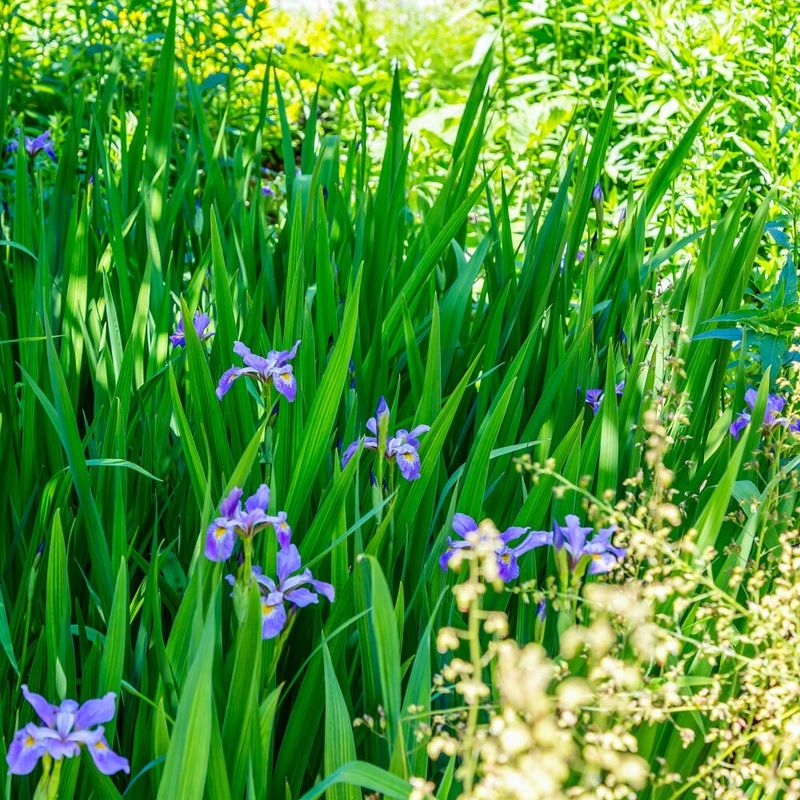
Knowing which plants to use is only half the story. Where and how you place them makes all the difference between a border that actually works and one that just looks nice.
Michigan gardeners should think of this three-plant combo as a shallow rain garden edge, not just a decorative strip along the patio.
The idea is simple: position the border so it catches runoff from hard surfaces like concrete, brick, or pavers, and then lets that water slowly soak into the ground.
The bed should be slightly lower than the patio edge so water naturally flows toward the plants rather than pooling on the surface or running off into the yard.
A gentle slope of just a few inches is usually enough to direct water where you want it to go.
One of the most important things to understand about rain garden design is drainage timing. A properly functioning rain garden, even a small border version like this one, should drain completely within 24 to 48 hours after a rain event.
If water is still sitting in the bed after two days, the spot may have drainage issues that need to be addressed before planting. Compacted clay soil sometimes needs to be loosened or amended before the plants can do their job effectively.
Keep the border at a manageable width, somewhere between two and four feet works well for most patio edges. That gives the plants enough room to establish strong root systems without turning the project into a major landscaping overhaul.
A simple, well-placed border does more than an elaborate planting in the wrong location.
6. It Reduces Mosquito Habitat By Reducing Standing Water
Standing water is the real problem when it comes to mosquitoes near a patio. A single inch of water sitting in a low spot for more than a few days is enough to support a new generation of mosquitoes.
The most effective plant-based strategy is not about scent or repellent properties. It is about removing the conditions that allow mosquitoes to breed in the first place.
That is where this combo delivers its biggest benefit. By helping stormwater soak into the ground faster, tussock sedge, blue flag iris, and swamp milkweed reduce the amount of time water sits on the surface near your patio.
Less standing water means fewer breeding opportunities, and fewer breeding opportunities means noticeably fewer mosquitoes buzzing around your outdoor space.
That said, the plants alone cannot do everything. Even the best-designed border will not protect you if other water sources are ignored around the yard.
Saucers under flower pots, buckets left out after rain, tarps that collect water, clogged gutters, and low spots in the lawn are all common mosquito breeding spots that need to be emptied or fixed regularly.
The border handles the patio runoff, but the rest of the yard still needs attention.
A useful habit is to walk around your yard within 24 hours after any significant rain and look for spots where water is still sitting. Anything that holds water for more than two days is a potential breeding site.
Combine that routine with a well-planted native border, and your patio area will be significantly less welcoming to mosquitoes all summer long.
7. Placement Matters More Than The Plant Names
You could have the best native plants in Michigan and still end up with a soggy mess if the border goes in the wrong spot.
Placement is honestly the most critical factor in making this combo work, and it is the step that most gardeners skip over in their excitement to start planting. Getting the location right from the start saves a lot of frustration later.
The border should be positioned to catch runoff from the patio surface, but it needs to stay at least 10 feet away from the house foundation.
Water that soaks into the ground near a foundation can cause serious structural problems over time, so keeping the planting at a safe distance is not optional.
The same rule applies near wells, septic systems, and any area where water moving underground could cause damage or contamination.
Shape the bed so water slows down and spreads out as it enters the planting area. A slight curve or a gentle swale shape works much better than a straight-edged strip.
When water spreads across a wider area, it soaks in more evenly and does not concentrate in one spot that might stay wet for too long. The goal is gentle infiltration across the whole bed, not a single wet zone in the middle.
Also pay attention to sun exposure when choosing your exact location. Tussock sedge handles partial shade, but swamp milkweed and blue flag iris both prefer at least four to six hours of direct sun.
A spot that gets good morning sun and stays consistently moist is close to ideal for all three plants in this combo.
8. The Best Layout Is Sedge, Iris, Milkweed

Once you know the plants and the placement, the actual layout comes together quickly. There is a natural order to how these three plants should be arranged, and following it makes the border both more attractive and more functional.
Think of it as planting in zones based on moisture level, from wettest at the bottom to slightly drier toward the back.
Tussock sedge should be repeated along the outer edge of the border, closest to the patio surface where runoff first arrives. Space clumps every two to three feet for consistent coverage.
This creates the first line of absorption and gives the border a tidy, structured edge that holds up well through the whole growing season.
Blue flag iris goes into the lowest or most consistently damp pocket within the bed. If there is a natural low point where water tends to collect after rain, that is the spot for iris.
Its tolerance for wet conditions makes it the right plant for that zone, and its tall, showy foliage adds a strong visual anchor to the center of the planting.
Swamp milkweed sits slightly higher in the border, toward the back or the edge that gets the most sun. It benefits from steady moisture but performs best where the soil does not stay waterlogged for more than a day or two.
Positioned here, it catches full sun and blooms reliably from midsummer onward.
Together, this layout manages water effectively, supports butterflies and native bees, and turns a once-problematic mosquito-prone corner into one of the most productive and beautiful spots in your entire yard.