The Michigan Patio Plant That Attracts Hornets And Yellow Jackets And Where Never To Put It
Most patio plant advice focuses on what looks good in a container and what handles Michigan’s summer heat without constant attention.
Very little of it addresses which plants actively draw stinging insects into the spaces where people spend the most time outdoors.
One popular patio plant has a flower structure and scent that consistently attracts hornets and yellow jackets during peak summer. Placing it near seating, dining, or high-traffic areas turns a beautiful container planting into a genuine safety hazard.
Knowing which plant this is and understanding where it should and absolutely should not go on a Michigan patio is practical information that makes outdoor summer living noticeably more comfortable and less stressful.
1. Take A Look At Patio Grapevine
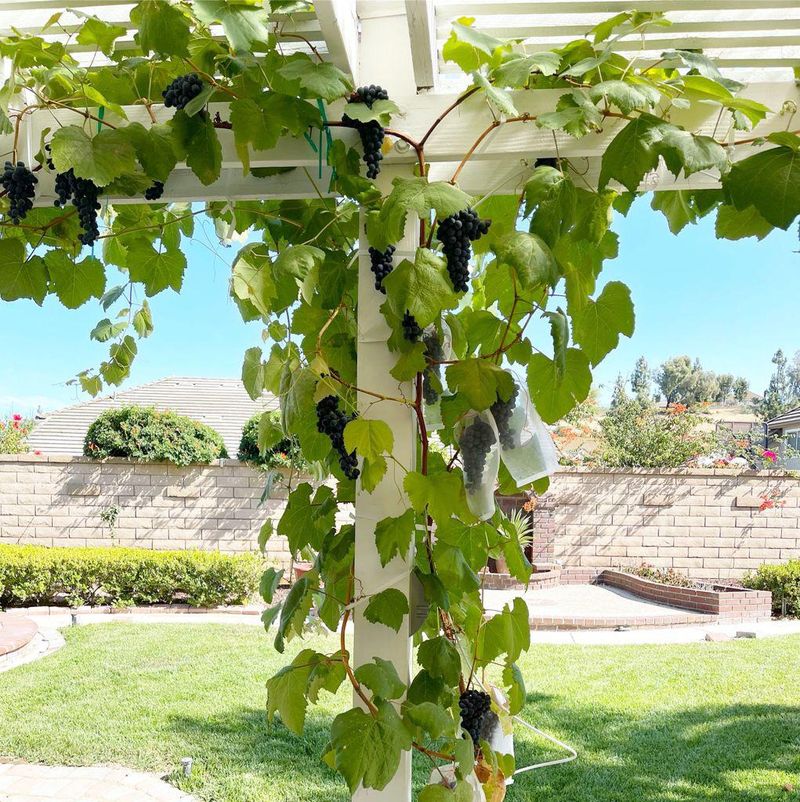
Picture a backyard pergola draped in thick green leaves and heavy clusters of grapes swaying in a warm Michigan breeze. That image is exactly why so many homeowners choose to grow a fruiting grapevine on their patio.
Table grape varieties trained over an arbor, fence, or trellis look stunning and produce fruit you can actually eat, which makes them feel like a two-for-one win in any backyard garden plan.
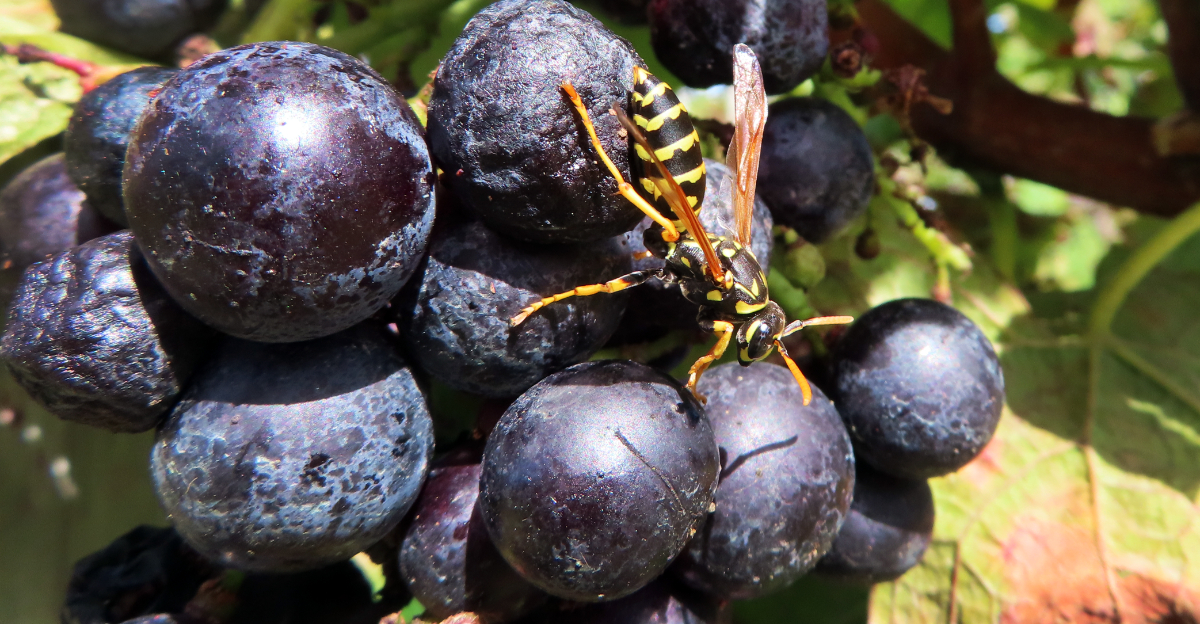
The grapevine earns its spot as the Michigan patio plant most likely to attract hornets and yellow jackets because of one simple reason: sugar.
As grapes ripen in late summer, they release sweet aromas that traveling insects can detect from a surprising distance.
Yellow jackets, hornets, and wasps are especially tuned in to sugary food sources during August and September when their colonies are large and hungry. None of this means the grapevine is a bad plant. Far from it.
Grapevines are productive, shade-providing, and genuinely rewarding to grow in Michigan’s climate. The real issue comes down to placement.
A grapevine growing over a quiet corner fence is a very different situation from one hanging directly above your outdoor dining table. Where you put it changes everything about how enjoyable your summer patio season turns out to be.
2. Why Grapevines Attract Hornets And Yellow Jackets
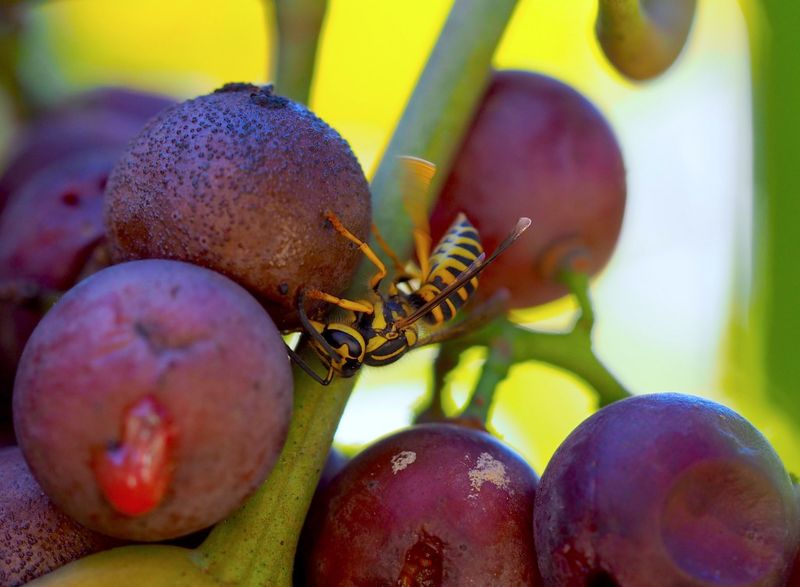
Not every flowering patio plant causes the same level of wasp activity, and that distinction matters when you are trying to understand why grapevines stand out.
Flowering plants attract pollinators mostly in spring and early summer, but grapevines create a completely different kind of attraction later in the season when yellow jacket colonies reach their peak population.
Ripe, sugary fruit is exactly what those colonies are searching for. Yellow jackets and hornets shift their diet preferences as the season progresses. Early in summer, they hunt protein sources like insects and grubs to feed their larvae.
By late summer, the colony’s need for sugar spikes sharply, and that is when ripening grapes become an almost irresistible target.
A damaged or overripe cluster hanging in the open is like a flashing neon sign for every foraging wasp in the neighborhood.
Other common patio plants like lavender, marigolds, or tomatoes simply do not create the same concentrated sugar event that a loaded grapevine does in August.
Your Michigan Garden Changes Every Week. Your Plan Should Too.
Gardening in Michigan changes quickly throughout the season. Every Friday you’ll receive a simple weekly plan showing exactly what to plant, prune, fertilize, harvest, and protect so you never miss the right timing.
Grapes ferment slightly as they overripen, and that fermenting sugar smell travels even farther on warm air.
That combination of sweetness, volume, and timing makes the grapevine uniquely powerful as a wasp attractor compared to almost any other plant a Michigan homeowner might grow right beside their outdoor seating area.
3. Where Never To Put A Fruiting Grapevine
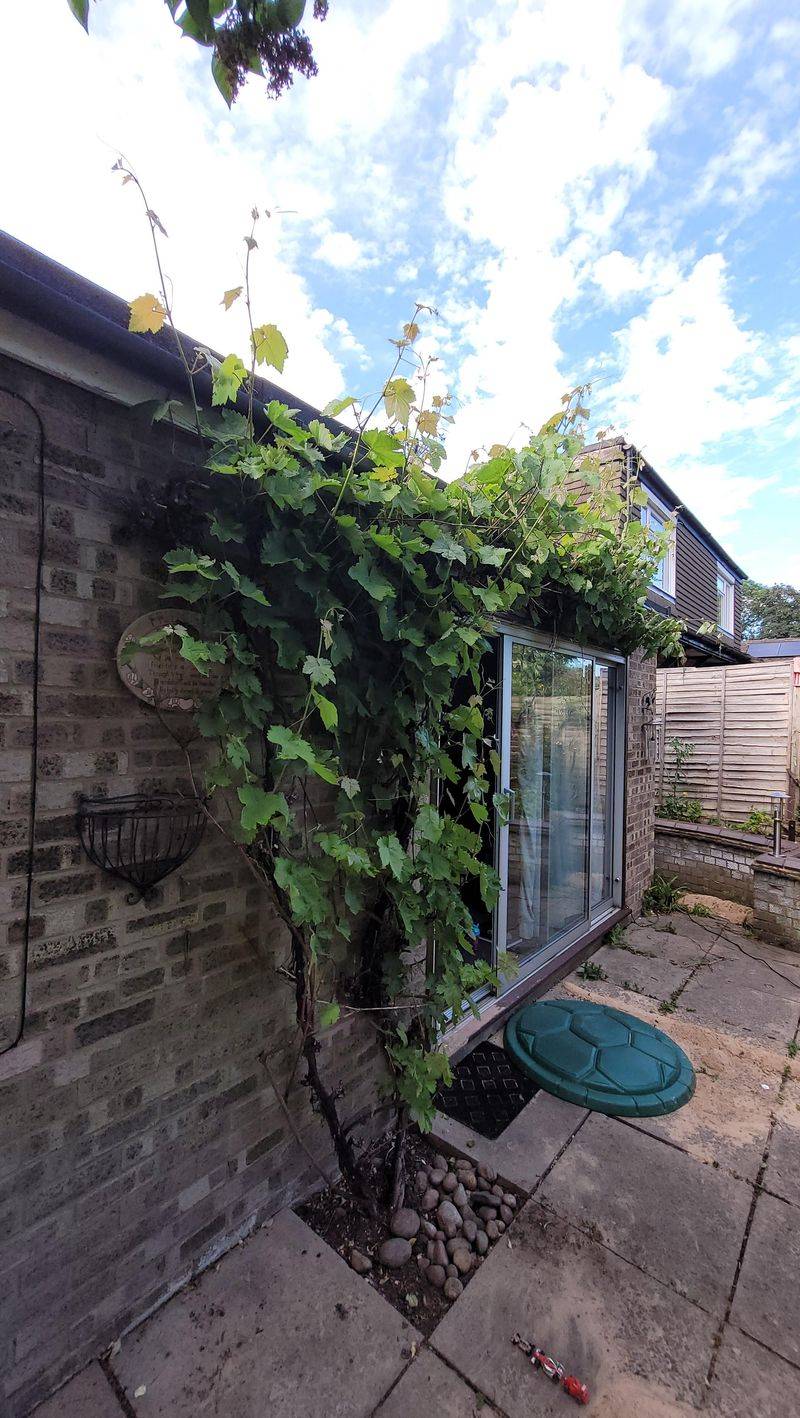
Some spots in a backyard are simply off-limits for a fruiting grapevine, and Michigan gardeners who learn this early save themselves a lot of frustration.
Planting a grapevine directly over an outdoor dining table is one of the most common mistakes homeowners make.
It looks incredible in spring, but by late August, ripe fruit hanging inches above your food and drinks turns every meal into a tense standoff with circling yellow jackets.
The back door is another placement to avoid completely. Yellow jackets foraging on grapes near an entry point will follow movement and scent right into the house.
The same logic applies to areas beside a grill, where food smells and fruit sugar combine into a double attraction that is very hard for wasps to ignore.
Beside trash cans or compost bins is equally problematic, since those spots already draw insects on their own.
Children’s play seating areas and tight walkways are two more locations where a fruiting grapevine creates real problems. Kids move quickly and unpredictably, which can startle foraging wasps.
A narrow path lined with ripening fruit gives anyone walking through very little room to avoid buzzing insects at close range.
The rule of thumb is straightforward: anywhere people regularly sit, eat, walk, or enter the home is the wrong place for a grapevine that will produce ripe fruit in late summer.
4. Why A Grape Arbor Over The Patio Can Backfire
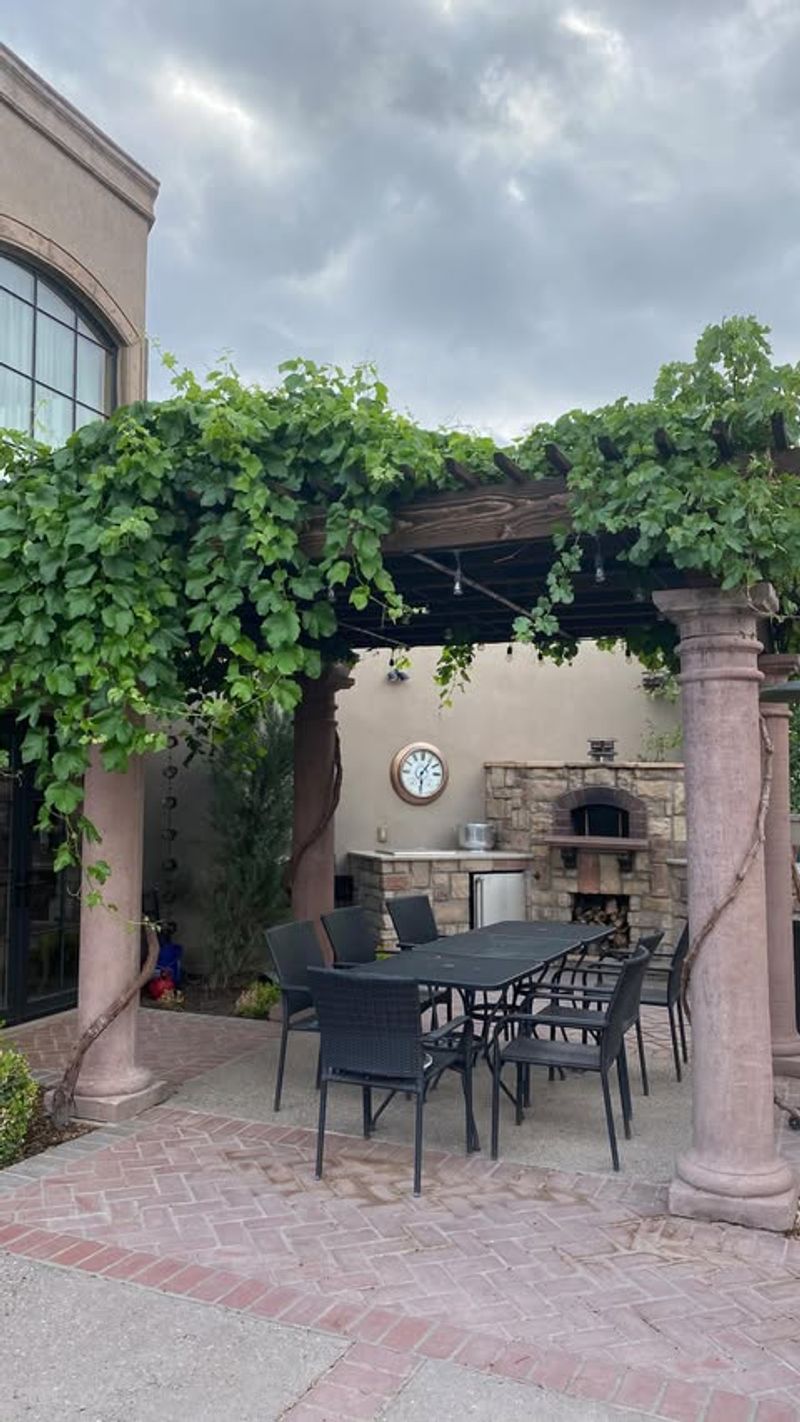
A grape arbor over a patio is one of those backyard features that looks absolutely breathtaking in a garden magazine. The dappled shade, the lush green canopy, the dangling clusters of fruit overhead, it all sounds like a dream.
For most of spring and early summer, it actually is. The problem arrives quietly in mid-August and grows louder every week until the fruit is gone.
When grapes ripen directly above where people sit and eat, there is no comfortable buffer zone between you and the insects they attract.
Ripe clusters hang at head level or just above, and any fruit that splits, falls, or gets pecked open by birds lands right in your seating area.
Fallen and damaged grapes on the ground or on table surfaces are even more attractive to yellow jackets than fruit still on the vine because the juice is fully exposed and the sugar smell intensifies quickly.
The romantic vision of dining under a grape arbor runs into a very practical reality by late summer in Michigan. The vine itself is not doing anything wrong.
It is simply doing what fruiting plants do, producing ripe fruit right where you planned to sit.
Moving the seating area is one option, but the smarter long-term solution is training the vine over a structure that sits beside or behind the patio rather than directly above the chairs, table, and food.
5. Where To Put Grapes Instead
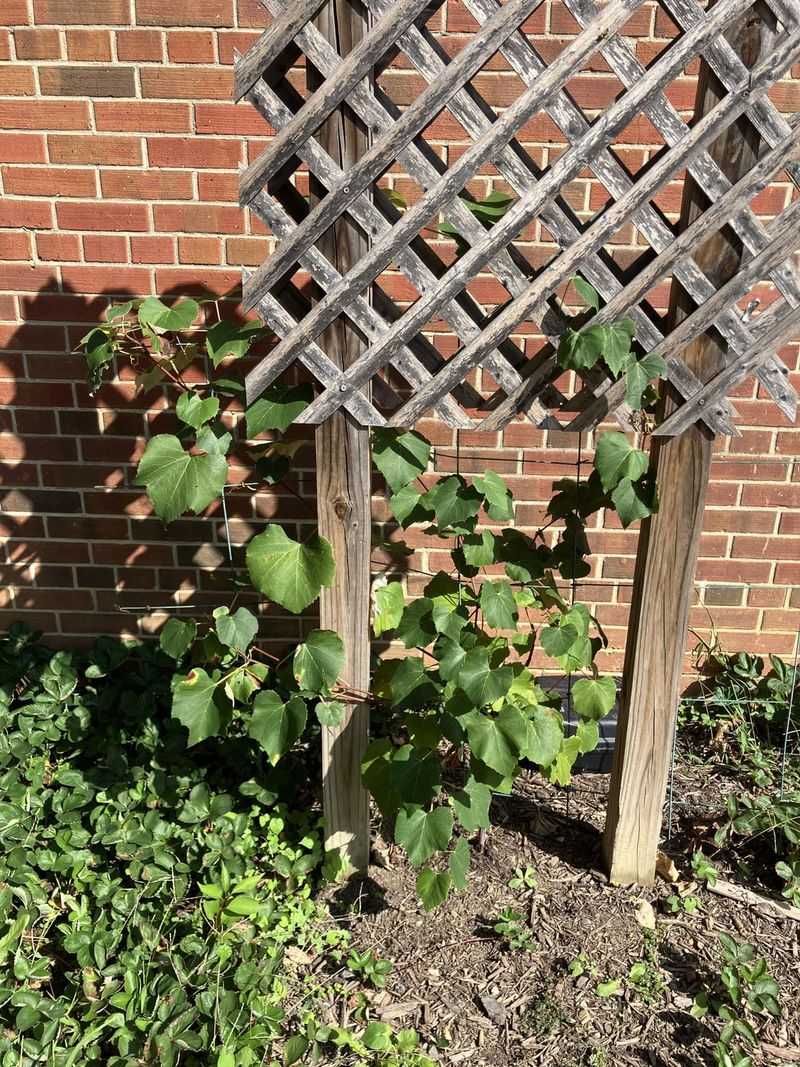
Moving a grapevine away from the main patio does not mean giving up on the beauty or the harvest.
There are plenty of excellent spots in a Michigan yard where grapes thrive and stay far enough from daily activity to avoid turning into a yellow jacket gathering point.
A sunny side-yard trellis is one of the best options because it keeps the vine productive while creating clear separation from the outdoor living area.
A back fence line works beautifully for grapevines too. Training a vine along a property boundary gives it the long run of support it needs while keeping ripe fruit in a zone people only visit intentionally, like when harvesting.
A dedicated fruit garden edge or a standalone arbor set back from the main seating area gives you the best of both worlds: a productive plant you can admire and harvest without sharing your lunch with uninvited guests.
Grapes still need the same growing conditions no matter where you plant them. Full sun is non-negotiable, ideally six to eight hours per day.
Well-drained soil prevents root problems, and sturdy support keeps heavy fruit clusters from dragging the vine down. Good airflow between canes also reduces the risk of fungal issues, which Michigan’s humid summers can encourage.
Choosing the right spot is not about limiting the vine, it is about letting it shine in a location that works for everyone in the yard.
6. Keep Ripe Fruit Picked Clean
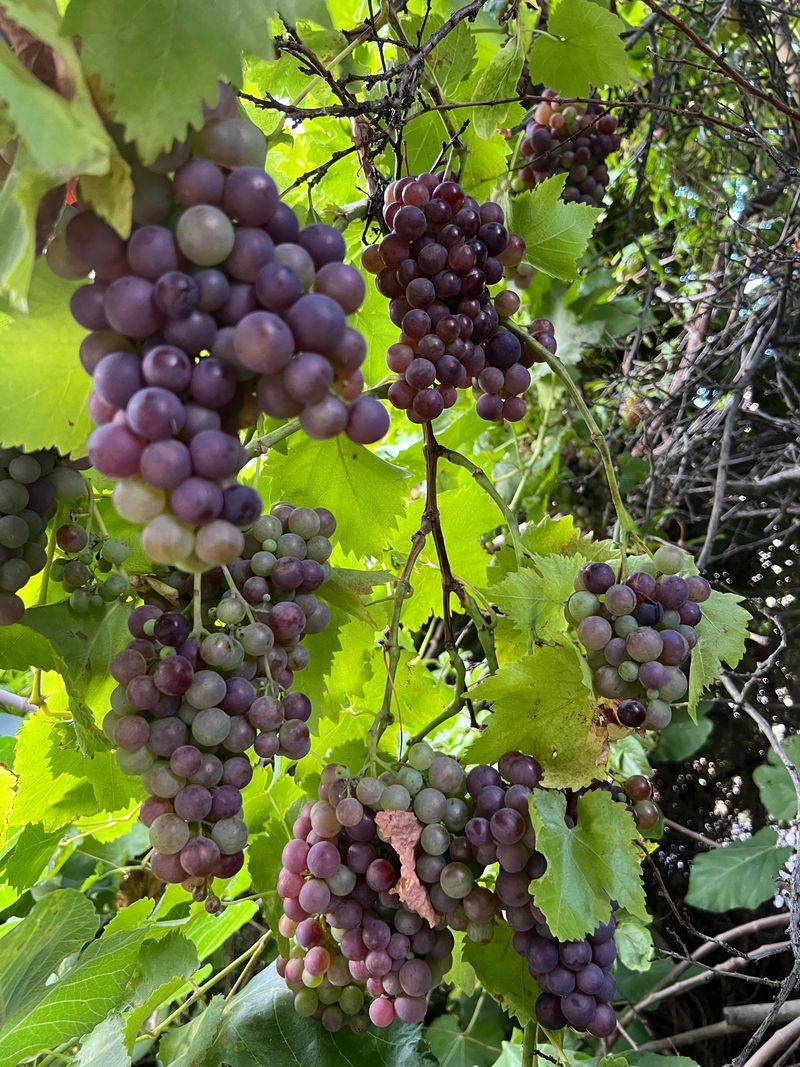
Placement is only half the solution when it comes to keeping yellow jackets and hornets from taking over your backyard. What you do with the fruit once it ripens matters just as much as where the vine is growing.
Grapes that hang past their peak become softer, sweeter, and more fragrant, which makes them significantly more attractive to foraging wasps searching for easy sugar sources in late summer.
Harvesting promptly is the single most effective habit a grapevine grower can develop. Check the vine every two to three days once the fruit starts coloring up.
Remove any clusters that look split, cracked, or damaged right away, because exposed juice is a fast-acting attractant.
Fallen fruit on the ground beneath the vine needs to be cleaned up just as quickly, since ground-level grapes are even easier for yellow jackets to access than hanging clusters.
Think of fruit sanitation as active management rather than extra work. A clean vine with no overripe or damaged fruit hanging around is a much less exciting destination for wasps than a neglected one.
Some Michigan gardeners put a light mesh bag or bird netting over clusters as they near ripeness, which slows both bird damage and insect access.
Staying ahead of the harvest schedule means you get the fruit first, and the yellow jackets are left with far less reason to stick around your yard through the rest of the season.
7. Do Not Mix Grapes With Outdoor Food Zones
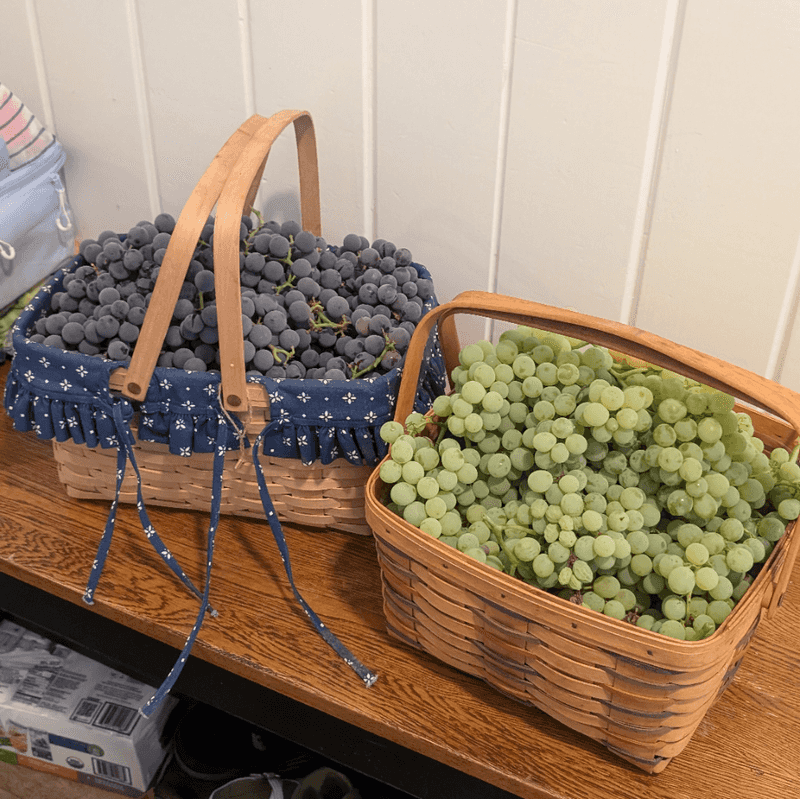
Ripe grapes on their own are already a strong attractant for yellow jackets, but when you add the smells of outdoor cooking, open beverages, and food scraps to the same small space, the activity level jumps dramatically.
Sugar from grapes combined with the sweet smell of soda, fruit salad, or barbecue sauce creates a layered scent signal that foraging wasps find almost impossible to pass up during late summer.
Open soda cans are one of the sneakiest hazards on any patio. Yellow jackets crawl inside looking for sugar and are not always visible before someone takes a sip. Beer, lemonade, and juice drinks carry the same risk.
When these beverages sit near a ripening grapevine, the combined attraction turns a relaxing afternoon into a constant swatting session that nobody enjoys. Trash cans and compost bins near the vine add another layer of trouble.
Rotting food scraps, fruit peels, and meat residue in an uncovered bin draw yellow jackets independently, and a nearby grapevine simply multiplies the appeal of that whole corner of the yard.
Keeping outdoor food covered, trash bins lidded, and compost away from the vine’s location makes a real difference.
The goal is to avoid stacking multiple attractants in one area, because the more reasons a wasp has to visit a specific spot, the harder it becomes to reclaim that space for comfortable outdoor living.
8. Remember That Wasps Also Have A Garden Role
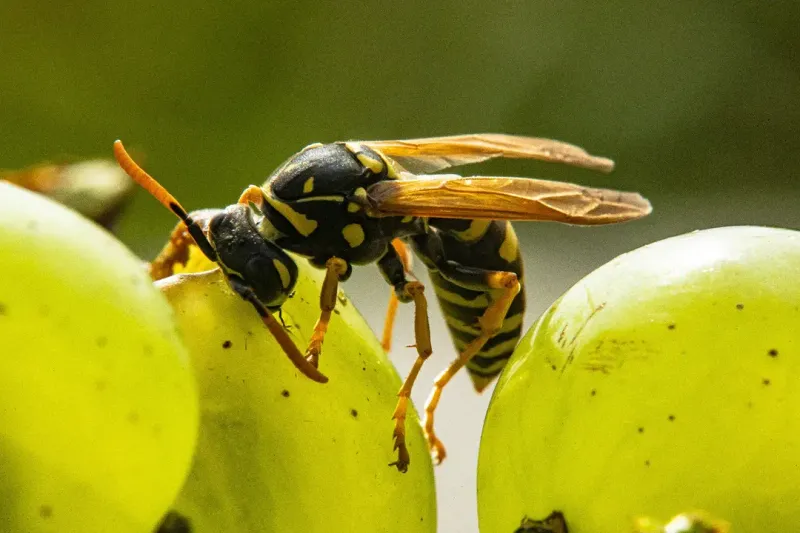
Before writing off every wasp in the yard as a nuisance to get rid of, it helps to know what these insects actually do for a garden. Yellow jackets, hornets, and paper wasps are active predators.
They hunt caterpillars, flies, beetles, aphids, and other soft-bodied insects that can cause real damage to garden plants. A yard with some wasp activity is often a yard with fewer pest problems on vegetables and ornamentals.
Social wasps also play a minor role in pollination. They are not as efficient as bees, but they do visit flowers and transfer pollen while foraging for nectar.
In a diverse Michigan garden, having wasps present in reasonable numbers contributes to the overall health of the ecosystem rather than working against it. The issue is not their presence in the yard but their concentration near people.
The smart approach is not about eliminating wasps from the property entirely. It is about managing where they gather.
Keeping high-attraction plants like fruiting grapevines away from seating areas, covering food and drinks outdoors, and harvesting ripe fruit promptly all reduce the chance of a tense encounter without disturbing the natural balance of the garden.
Wasps that stay out near the fence line or in the fruit garden are doing useful work. Wasps that swarm the patio table because ripe grapes are hanging two feet above the potato salad are a placement problem, not a nature problem.
9. The Smart Michigan Placement Plan
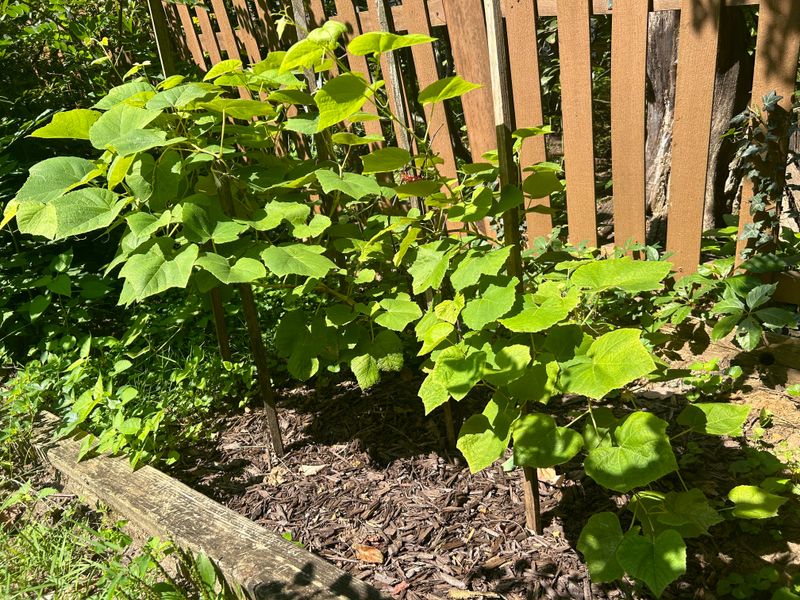
Growing a grapevine in Michigan is absolutely worth doing, and with a thoughtful plan in place, you can enjoy every bit of the harvest without turning your patio into a yellow jacket traffic zone. Starting with the right variety makes a big difference.
Cold-hardy options like Marquette, Frontenac, or Concord handle Michigan winters well and produce reliable fruit crops without needing a lot of extra coddling through the cold months.
Plant in a spot that gets full sun and has well-drained soil, then train the vine on a sturdy trellis or fence that sits away from your main seating and dining area.
A side yard, back fence line, or a standalone arbor set back from the patio gives you the visual reward of a beautiful vine without positioning ripe fruit directly above where people relax and eat.
Good airflow between canes also keeps the plant healthier through Michigan’s sometimes humid summers.
Once the season shifts into late summer, stay on top of the harvest. Pick clusters as they ripen, remove any split or damaged fruit right away, and clean up anything that falls to the ground.
Keep outdoor food covered, trash cans lidded, and compost bins well away from the vine. A grapevine is one of the most rewarding plants a Michigan gardener can grow, beautiful, productive, and full of character.
It just belongs near the patio view, not directly over the patio meal.