The Watering Change Pennsylvania Gardeners Should Make Right Now During The Current Drought
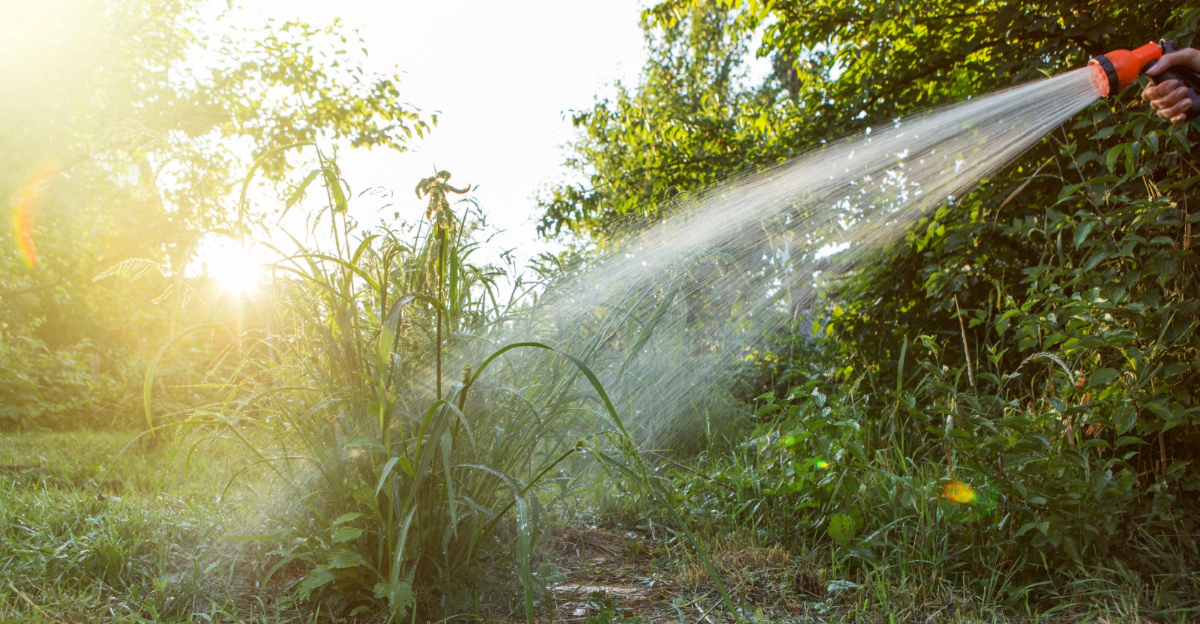
Pennsylvania gardens are feeling it right now, and honestly so are the gardeners tending them.
Dry spells have been rolling through counties across the state, and a lot of people are out there watering faithfully without realizing the way they are doing it is part of the problem.
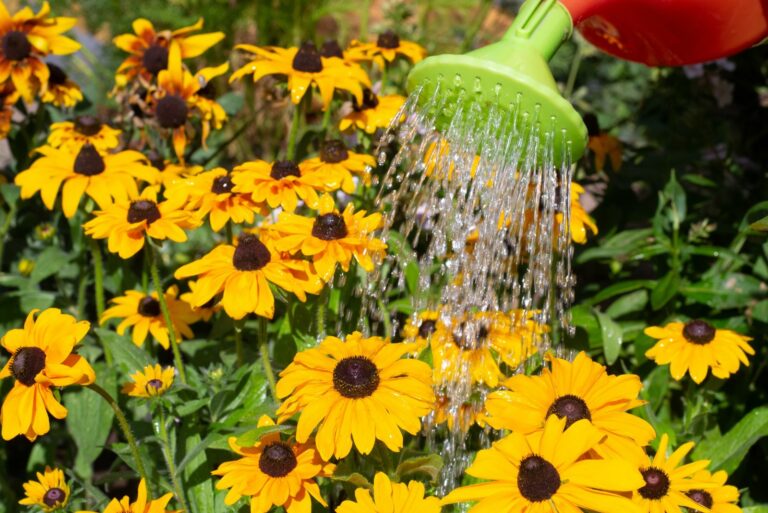
Quick surface sprinkles feel productive. They look like watering.
The soil gets dark for a few minutes and then dries right back out, leaving roots thirsty at the very depth where it actually counts. Summer heat speeds that whole cycle up considerably.
Slow, deep morning watering aimed at the root zone is one of those practical shifts that sounds simple but makes a genuinely noticeable difference during tough dry stretches.
Before changing up your routine though, it is worth checking local water rules in your municipality, since restrictions can vary across Pennsylvania during drier periods.
1. Morning Watering Saves More Moisture
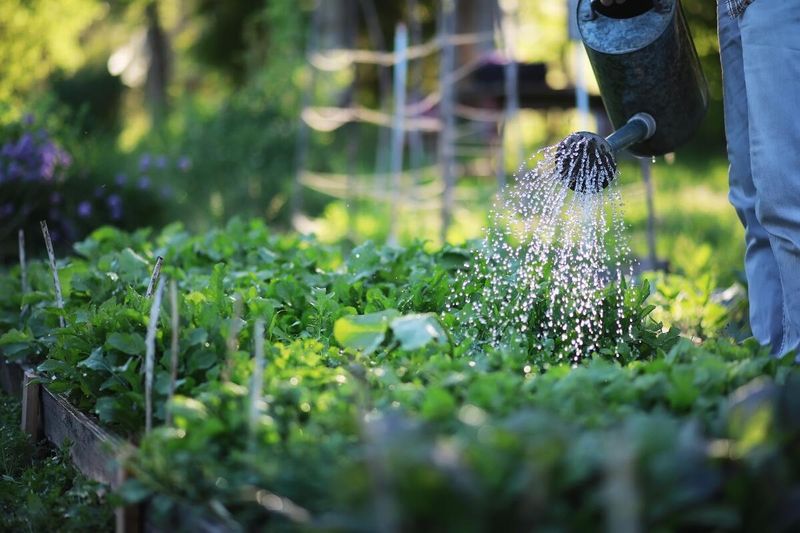
Early morning is one of the better times to water your Pennsylvania garden during a drought, and the reason comes down to temperature.
When the sun has not yet climbed high, the air and soil are cooler, which means water soaks in rather than evaporating quickly off the surface.
Watering at this time gives moisture a chance to move down toward the root zone before the afternoon heat sets in.
Many gardeners in Pennsylvania check their beds first thing in the morning and notice the soil looks fine on top, but pressing a finger an inch or two down tells a different story. That dry layer underneath is where roots are working hard to find moisture.
Morning watering gives you time to deliver a slow, steady soak that actually reaches that depth.
Afternoon watering during drought conditions often results in a lot of water evaporating before plants can use it. Evening watering can leave foliage damp overnight, which some plants do not handle well.
Morning hits a practical middle ground, giving your garden the best window to absorb water efficiently.
For Pennsylvania gardeners managing vegetable beds, perennial borders, or young foundation plantings, building a consistent morning watering routine during dry periods is a sensible habit.
Even a modest shift in timing can help your garden use available water more effectively when rain is scarce and the ground is struggling to stay moist.
2. Deep Soaks Reach The Root Zone
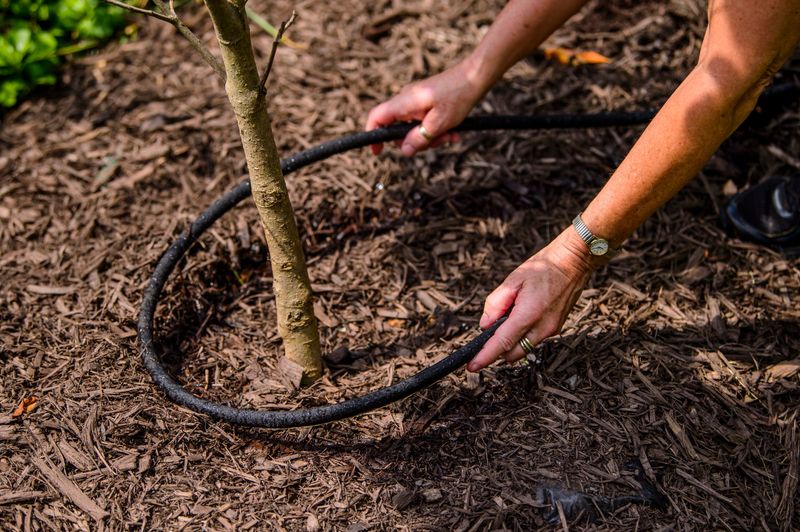
Dry mulch sitting on top of thirsty soil is one of the most misleading sights in a drought garden. The surface can look fine while the soil several inches below is completely dry and roots are struggling to pull moisture.
A quick sprinkle barely changes that situation, but a deep soak can.
Deep watering means applying water slowly enough that it has time to move down through the soil profile rather than running off or evaporating.
For most Pennsylvania residential gardens, this means watering at a low flow rate for an extended period, long enough that moisture reaches the depth where the majority of feeder roots are actively growing.
Shallow roots that develop from frequent surface watering tend to be more vulnerable during dry stretches.
Your Pennsylvania Garden Changes Every Week. Your Plan Should Too.
Gardening in Pennsylvania changes quickly throughout the season. Every Friday you’ll receive a simple weekly plan showing exactly what to plant, prune, fertilize, harvest, and protect so you never miss the right timing.
Clay-heavy soil, which is common in many parts of Pennsylvania, can make deep watering tricky. Water moves slowly through clay, so applying too much too fast can cause pooling or runoff before the moisture reaches deeper layers.
Short cycles with pauses in between can help water absorb gradually rather than washing away.
Checking soil moisture a few hours after watering by pressing a finger or small tool several inches into the bed is a practical way to know whether your soak is actually reaching the root zone.
If the soil is still dry at three or four inches down, your plants are likely still thirsty even after watering.
Adjusting your method based on what the soil tells you is one of the most useful drought habits a Pennsylvania gardener can build.
3. Quick Sprinkles Waste Precious Water
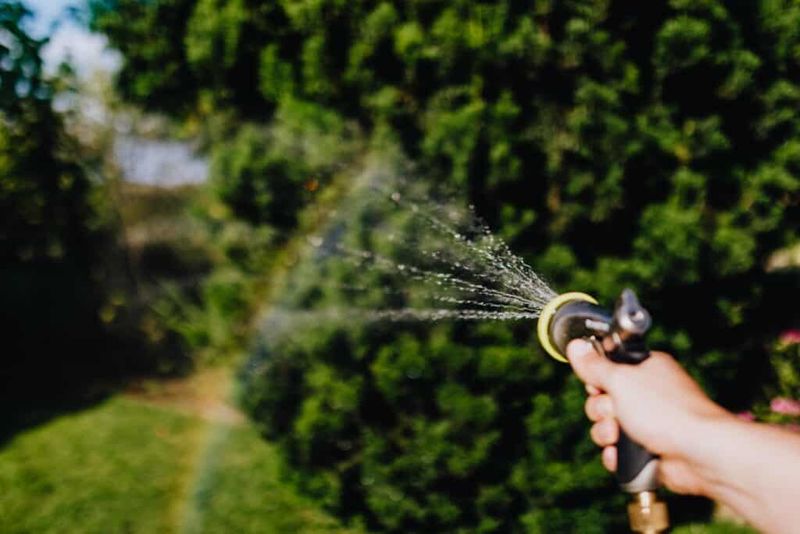
A short blast from the hose might feel like you are helping your garden, but during a drought in Pennsylvania, quick surface sprinkles often do more for the gardener’s peace of mind than for the plants.
Water that only wets the top half inch of soil evaporates quickly in summer heat, leaving roots in the dry zone below untouched and still searching for moisture.
Frequent light watering can also encourage shallow root development over time.
When roots follow moisture to the surface rather than growing deeper into the soil, plants become more dependent on regular watering and less resilient during dry stretches.
That pattern works against you when drought conditions extend across weeks rather than days.
From a practical standpoint, quick sprinkles also tend to waste more water overall. Water applied faster than the soil can absorb it runs off the surface, travels down slopes, and collects in low spots rather than soaking into the root zone where it is needed.
On sloped Pennsylvania garden beds, this problem is especially noticeable during dry periods when soil has hardened and its ability to absorb water quickly has dropped.
Replacing a few short watering sessions with one or two longer, slower soaks each week is a straightforward shift that can reduce water waste and improve how well your garden holds up through dry conditions.
Your water bill may reflect the change too, which is a welcome side benefit when drought stretches into late summer across Pennsylvania.
4. Soil-Level Watering Helps Plants More
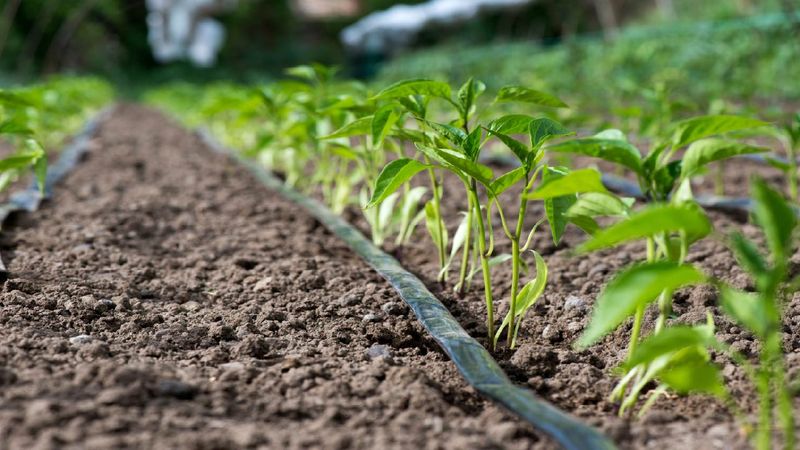
Getting water directly to the soil rather than spraying it over leaves and stems is one of the most practical adjustments Pennsylvania gardeners can make during a drought.
When water lands at the base of a plant and soaks into the ground near the root zone, plants have a much better opportunity to absorb it before it evaporates or runs off.
Overhead sprinklers and spray nozzles can distribute water unevenly, especially on windy days, and much of it lands on foliage, pathways, or bare soil between plants rather than where roots are actually located.
During drought conditions, every drop of water matters, and directing it to the soil level reduces waste significantly.
Soaker hoses and drip emitters are two of the more accessible tools for soil-level watering in home gardens.
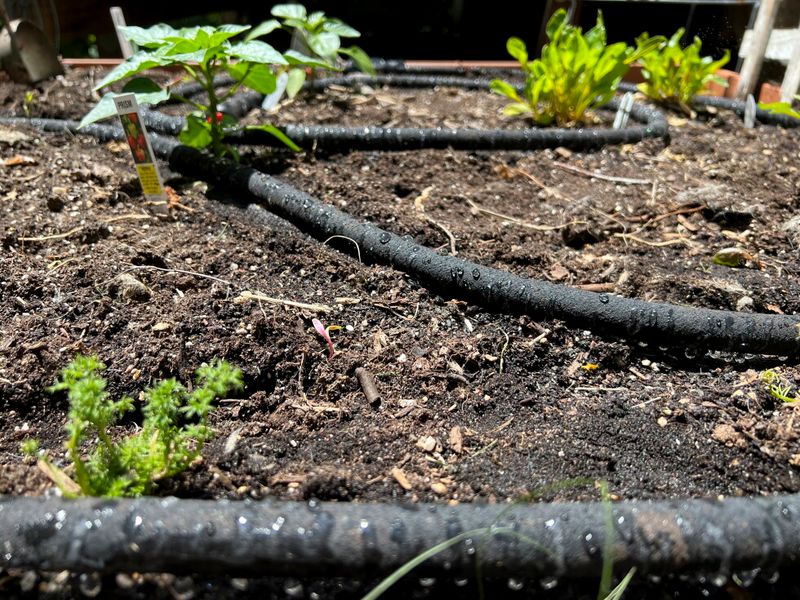
Soaker hoses can be laid along vegetable rows or around the base of shrubs and left to run at low pressure, allowing water to seep slowly into the soil without runoff or overspray.
Drip emitters work similarly and can be positioned right at the root zone of individual plants.
Pennsylvania gardeners with raised beds, foundation plantings, or established perennial borders can benefit from switching to soil-level delivery methods during dry periods.
Even repositioning a standard hose nozzle to water at the base of plants rather than from above is a simple change that can meaningfully improve how much water actually reaches the roots during a drought stretch.
5. New Plantings Need First Priority
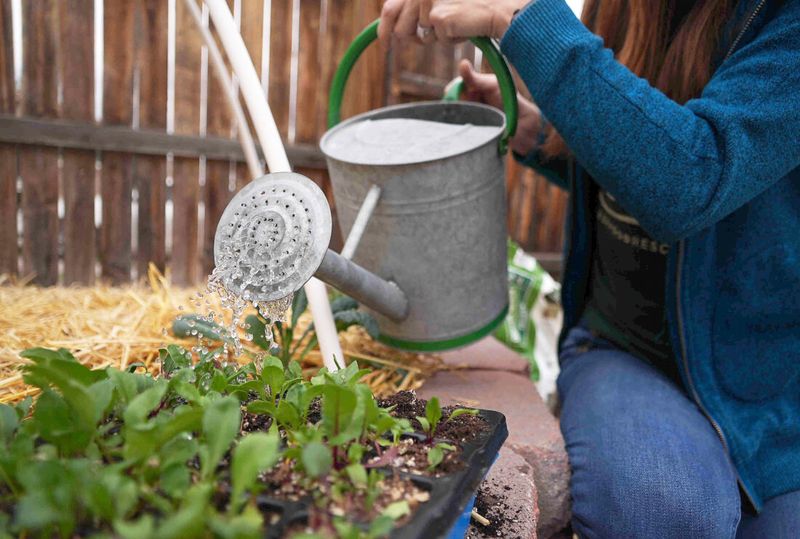
A new shrub planted near a Pennsylvania foundation this spring has not had time to build the deep, wide root system that helps established plants find moisture during dry periods.
Young trees, freshly installed perennials, and recently transplanted vegetables are among the most vulnerable plants in any garden when a drought sets in, and they deserve extra attention during dry stretches.
Established plants that have been in the ground for several years have root systems that extend well beyond what you can see at the surface, giving them more options for finding water in the soil.
New plantings have not reached that stage yet.
Their roots are still concentrated in a small zone close to where they were installed, which means they depend heavily on what gardeners provide.
During a drought in Pennsylvania, prioritizing new plantings over older, established ones is a sensible way to make the most of limited water.
If you are managing how much you water due to local restrictions or a desire to conserve, focusing your efforts on plants with the least drought resilience makes practical sense.
Applying a layer of mulch around new plantings can help slow moisture loss from the soil between watering sessions.
A few inches of organic mulch around the base of a newly planted tree or shrub creates a buffer that helps the soil stay cooler and retain moisture longer.
That small step, combined with deep, targeted watering, gives new plants a better chance of settling in through a dry Pennsylvania summer.
6. Containers Dry Out Faster In Drought
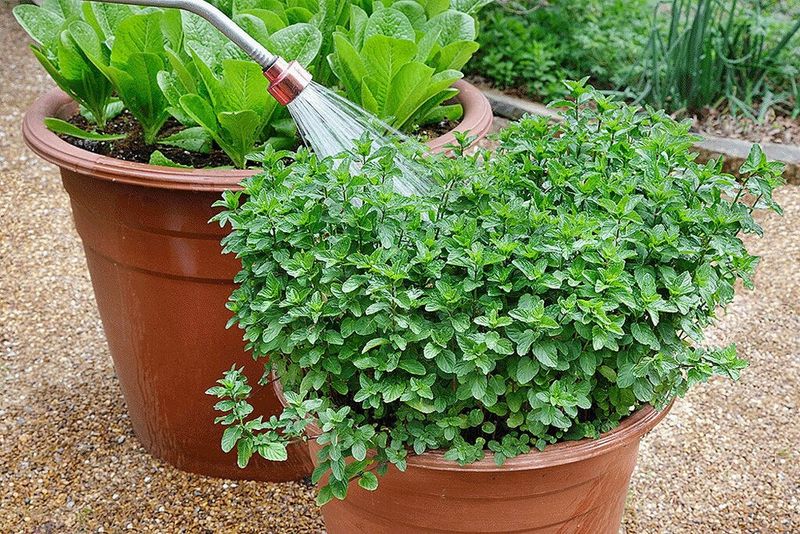
Patio pots and container gardens have a tough time during a drought because they hold a limited amount of soil and dry out far more quickly than in-ground beds.
A container sitting on a sunny Pennsylvania deck in July can go from moist to bone dry within a day or two, especially during a heat stretch.
That cycle of stress is hard on plants and can set them back even when you are watering regularly.
The size of the container matters a lot. Smaller pots lose moisture faster than larger ones simply because there is less soil volume to hold water between waterings.
Terracotta pots, while attractive, are porous and release moisture through their walls as well as from the soil surface, which speeds up drying even more during hot, dry conditions.
Grouping containers together on the deck or moving them to a spot with afternoon shade can help reduce how quickly they dry out during drought conditions.
Shade from a fence, overhang, or nearby shrub during the hottest part of the day can noticeably slow moisture loss from smaller pots.
Pennsylvania gardeners with container herbs, vegetables, or flowering annuals should plan to check soil moisture in their pots more frequently during dry spells than they would during a normal summer.
Pressing a finger about an inch into the soil is a quick way to gauge whether a container needs water.
Watering slowly until water drains from the bottom helps ensure the entire root zone gets moisture rather than just the top layer.
7. Slow Watering Reduces Runoff
Water running off clay beds and pooling at the bottom of a sloped yard is a frustrating sight during a drought, especially when the plants uphill are still thirsty.
Pennsylvania has a lot of clay-heavy and compacted residential soil, and during extended dry periods that soil can harden in a way that makes it slow to absorb water even when you are applying plenty of it.
The solution is not to apply more water faster, but to apply it more slowly. When water is delivered at a rate the soil can actually absorb, runoff decreases and more moisture moves into the root zone rather than washing away.
Soaker hoses, drip lines, and low-flow watering wands are practical tools for slowing delivery in home garden settings.
On sloped beds, runoff is a particularly common problem because gravity pulls surface water downhill before it has a chance to soak in.
Breaking up a watering session into shorter intervals with pauses in between gives water time to absorb before the next round is applied.
This approach works especially well in Pennsylvania gardens where clay soil layers slow the natural movement of water through the ground.
Organic mulch also plays a supporting role here. A layer of mulch over the soil surface slows the movement of water across the top, giving it more time to seep in rather than run off.
Combining slow watering methods with mulched beds is a practical and low-cost way to reduce runoff and improve moisture retention during dry Pennsylvania summers.
8. Local Water Rules Still Matter
Even when your garden is struggling through a dry stretch, local water restrictions in Pennsylvania can affect when and how much you are permitted to water.
Some municipalities and water authorities put voluntary or mandatory conservation guidelines in place during drought conditions, and those guidelines vary by region and by how severe the drought has become in your area.
Checking with your local water authority or township before adjusting your watering routine is a straightforward step that many gardeners skip.
Restrictions may limit outdoor watering to specific days, hours, or methods, and staying informed helps you plan your garden care around those guidelines rather than discovering a conflict after the fact.
Pennsylvania drought status is tracked at the state level and updated regularly, and conditions can shift across regions within a single season.
An area in one part of the state may be under a drought watch while another is under a drought warning with stricter guidance.
Knowing where your county stands helps you make informed decisions about how aggressively to water and which plants to prioritize.
Working within local water rules does not mean letting your garden suffer without options.
Collecting rainwater in barrels when rain does arrive, reusing clean household water where appropriate, and focusing available water on the highest-priority plants are all ways to garden responsibly within restrictions.
Pennsylvania gardeners who stay informed about local drought status and water rules are better positioned to make smart, practical decisions through the dry season.