The Mistake That Leaves Georgia Fig Trees With Smaller Fruit
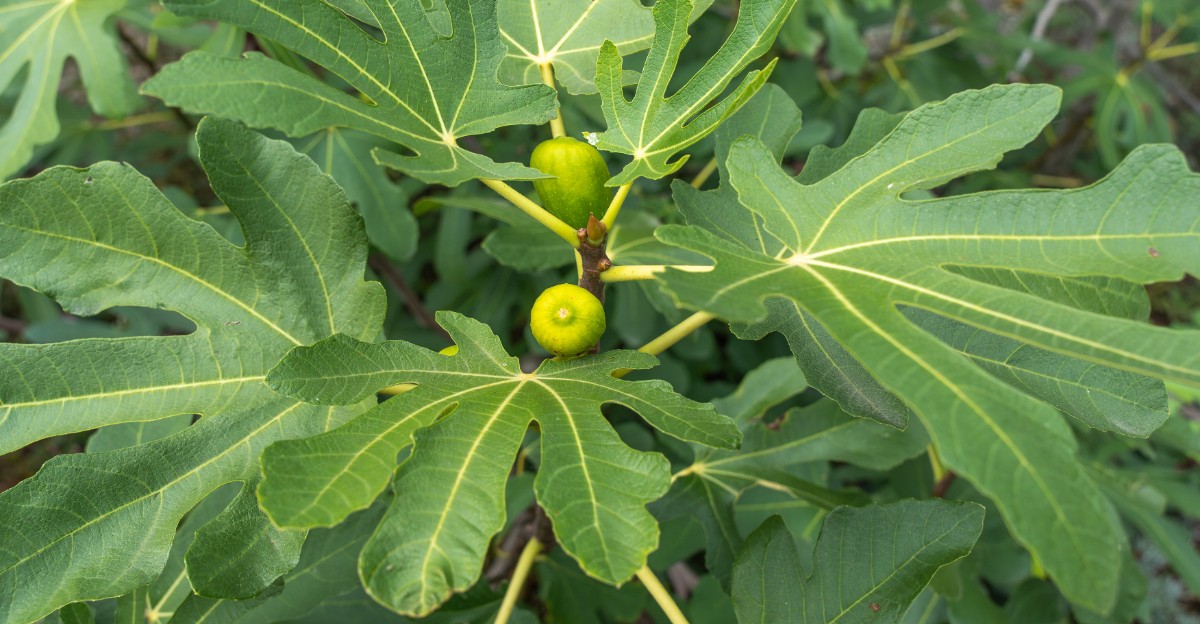
Getting a fig tree to grow feels like the hard part, so it can be frustrating when the harvest still falls short of expectations.
Small fruit often catches gardeners by surprise because the tree looks healthy, the branches are full, and everything seems to be on track.
One simple care mistake is enough to change the size of the crop without giving you much warning. You might not notice the problem until picking season arrives and the figs never become as plump as you hoped.
A few small adjustments at the right time can make a real difference. In Georgia, long stretches of summer heat can make that mistake even more noticeable if the tree is already under stress.
Once you know what to avoid, your fig tree has a much better chance of producing larger, more satisfying fruit throughout the season.
1. Don’t Let The Soil Dry Out During Fruit Development
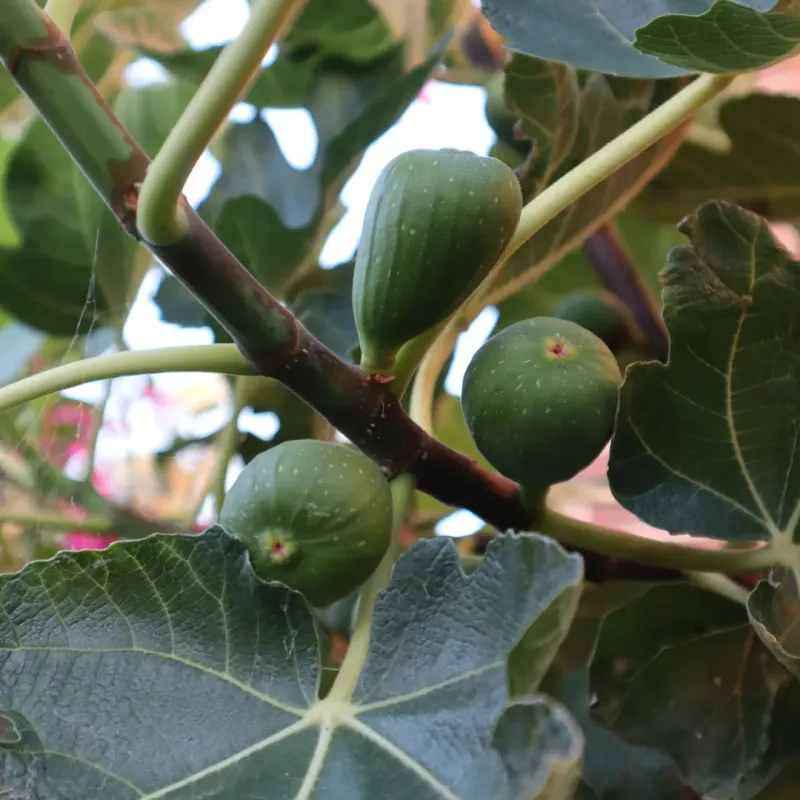
Dry soil during fruit development is one of the fastest ways to shrink your fig harvest. Figs swell with water as they ripen, so when the soil dries out, the fruit simply stops growing.
In Georgia summers, heat pulls moisture from the ground faster than most gardeners expect. A fig tree can look perfectly healthy on top while its roots are struggling below the surface.
Fruit development typically runs from late spring through late summer. Consistent soil moisture during this window matters more than at almost any other time of year.
Check the soil a few inches down every couple of days. If it feels dry at that depth, water right away.
Sandy soils drain faster and need more frequent attention than clay-heavy ground.
Letting the soil dry out repeatedly causes figs to drop early or stay small and tough. Even one or two dry spells during peak ripening can noticeably reduce fruit size.
Staying on top of soil moisture during this period is one of the most practical things you can do for a better harvest.
Trees carrying a heavy crop often need more consistent moisture than lightly loaded trees.
Paying closer attention as more fruit begins to ripen can make a noticeable difference in the final harvest.
2. Water Deeply Instead Of Shallow Sprinkling
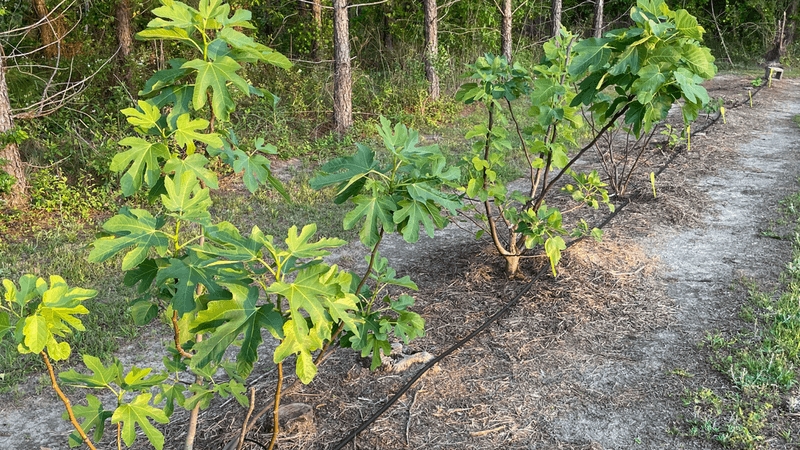
Shallow watering is a trap a lot of gardeners fall into without realizing it. Sprinkling the surface might look like enough, but roots follow the moisture, and surface water evaporates fast in the summer heat.
When roots stay near the top of the soil chasing light moisture, they become vulnerable. Drought stress hits harder, and the tree struggles to pull up enough water to fill developing fruit.
Deep watering encourages roots to grow further down where the soil stays cooler and retains moisture longer. A slow, steady soak at the base works far better than a quick spray across the surface.
Aim to water slowly for 20 to 30 minutes, letting moisture work its way down at least 12 inches. Doing this two or three times a week during dry stretches is usually more effective than light daily watering.
Your Georgia Garden Changes Every Week. Your Plan Should Too.
Gardening in Georgia changes quickly throughout the season. Every Friday you’ll receive a simple weekly plan showing exactly what to plant, prune, fertilize, harvest, and protect so you never miss the right timing.
Drip irrigation or a soaker hose placed near the base works well for fig trees. It delivers water exactly where roots need it without wetting the foliage, which can sometimes invite fungal issues in humid Southern climates.
If you’re not sure how deeply the water is soaking in, check the soil with a trowel after watering.
Adjust the watering time if the moisture isn’t reaching the deeper root zone yet.
3. Spread Mulch To Hold Moisture Longer
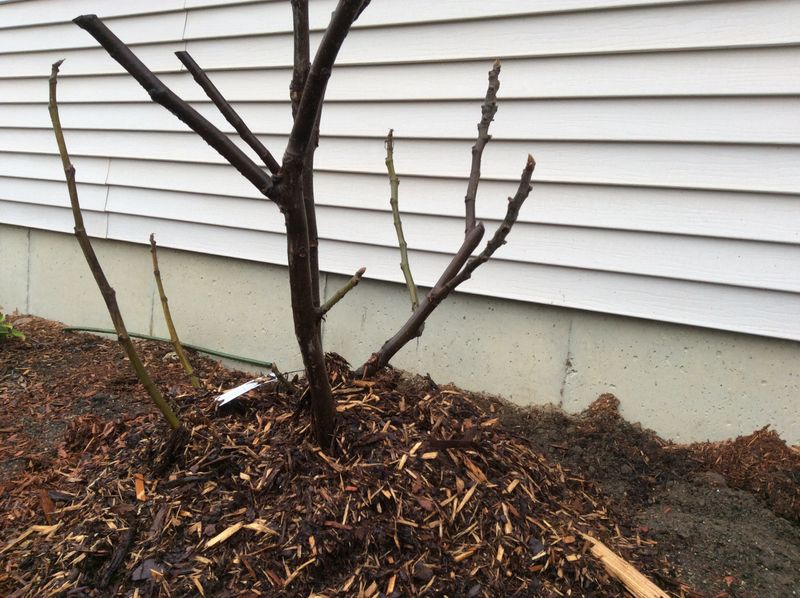
Bare soil bakes fast under a Georgia summer sun. Without any cover, moisture escapes the ground quickly, leaving roots dry between waterings even when you think you are keeping up.
Mulch acts like a blanket over the soil. It slows evaporation, moderates soil temperature, and gives roots a more stable environment to work in during the hottest months.
Wood chips, straw, or shredded leaves all work well around fig trees. Spread a layer about three to four inches thick, starting a few inches away from the trunk to avoid trapping moisture directly against the bark.
A well-mulched fig tree can hold soil moisture noticeably longer between waterings. That extra buffer matters most during dry spells in July and August when fruit is still sizing up.
Mulch also breaks down over time, adding organic matter back into the soil. Refreshing it once or twice a season keeps the layer thick enough to do its job.
It is a low-effort step that pays off in fruit size and overall tree health without requiring much ongoing maintenance beyond the initial application.
Mulch gradually settles and decomposes, so check the depth every few months and top it up when needed.
4. Avoid Too Much Nitrogen During Summer
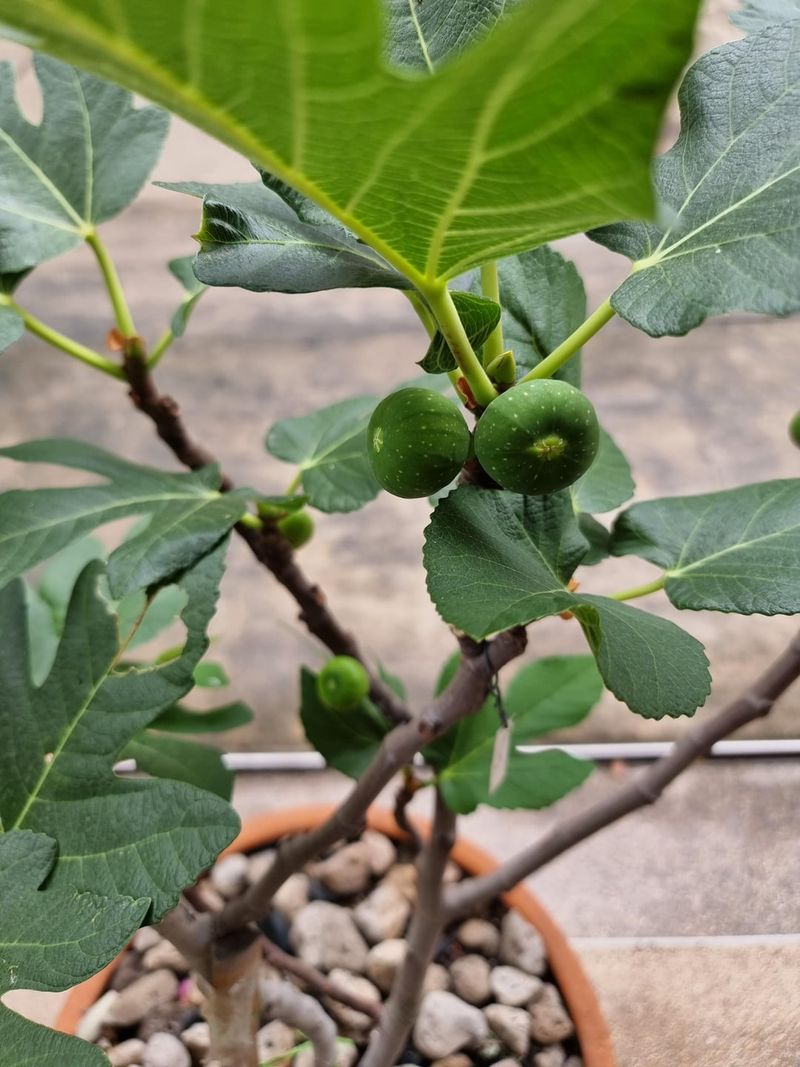
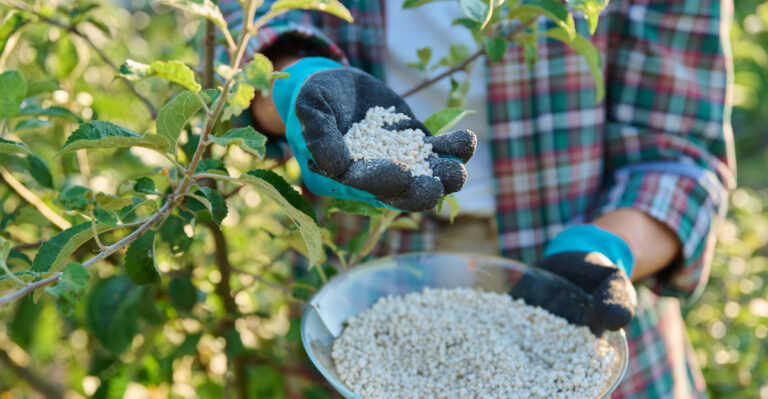
Nitrogen pushes green growth, and fig trees love it in early spring. But keep feeding it heavily into summer and the tree puts energy into leaves instead of fruit.
Excess nitrogen during the growing season can cause figs to stay small, split, or even drop before they fully ripen. The tree looks lush and full, but the fruit tells a different story.
A light balanced fertilizer in early spring is usually enough to support healthy development.
After that, most fig trees in well-maintained soil do not need much additional feeding until the following year.
If you are noticing lots of leafy growth but small fruit, nitrogen overload is worth considering. Pull back on feeding and give the tree time to redirect energy toward what is actually ripening on the branches.
Soil tests can take the guesswork out of fertilizing. Knowing what your soil already has helps you avoid adding nutrients that are not needed.
Over-fertilizing is a surprisingly common mistake, and the fruit size consequences show up quickly once summer heat sets in and ripening begins in earnest.
5. Pull Weeds That Compete For Water
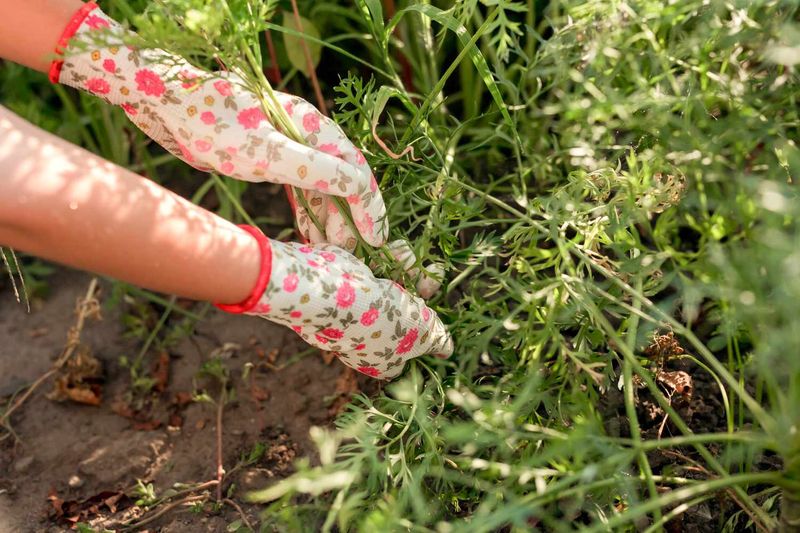
Weeds are quiet competition. They pull water and nutrients from the same root zone your fig tree depends on, especially during dry summer stretches when resources are already stretched thin.
A thick patch of weeds around the base of a fig tree can absorb a surprising amount of moisture before it ever reaches the deeper roots. Fruit development suffers when that competition goes unchecked.
Hand-pulling works well for most weed situations near the tree base. Avoid deep cultivation tools close to the trunk since fig roots tend to sit fairly shallow and can be disturbed by aggressive digging.
Staying on top of weeds early in the season is easier than dealing with a dense patch later.
A quick pass every week or two keeps them from establishing strong root systems that are harder to remove without disturbing the soil.
Combining regular weeding with a good mulch layer cuts down on how often you need to pull. Mulch blocks light and makes it harder for weed seeds to germinate in the first place.
Together, these two habits keep the root zone cleaner and leave more available water for the tree during fruit development.
6. Give Roots Enough Room To Expand
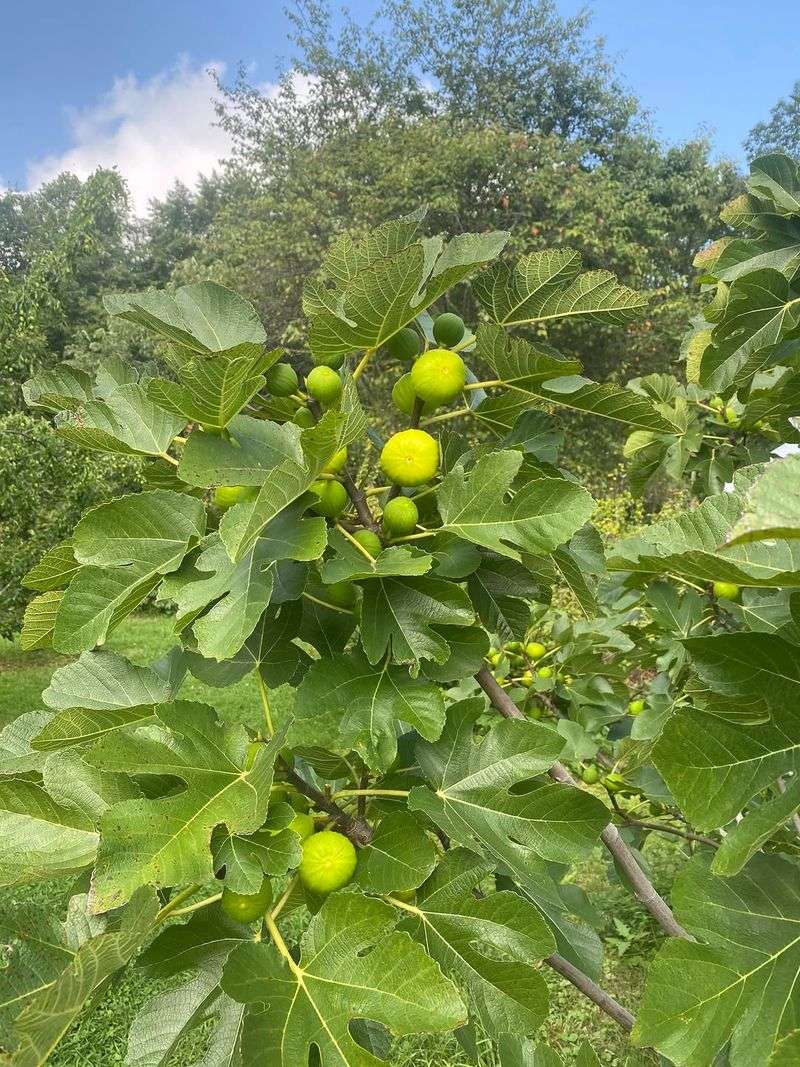
Crowded roots produce stressed trees. When a fig is planted too close to structures, pavement, or other plants, the root system cannot spread the way it needs to support heavy fruit production.
Roots that run into barriers tend to circle back or grow shallow.
Shallow root systems are more exposed to heat and drought, which directly affects how well the tree can sustain developing fruit through a hot summer.
Fig trees generally need at least 10 to 15 feet of open space around them to develop a healthy root zone. Planting too close to fences, foundations, or dense shrubs limits that expansion over time.
If your tree is already established in a tight spot, improving the soil quality around it can help compensate. Loosening compacted areas and adding organic matter gives roots better conditions to work within the space they have.
Container-grown figs face similar limitations.
Roots in a pot run out of space faster, which can restrict fruit size noticeably.
Repotting into a larger container every couple of years, or moving an established tree into the ground, gives the root system room to support the kind of fruit production most gardeners are looking for.
7. Prune During Winter To Support Healthy Growth
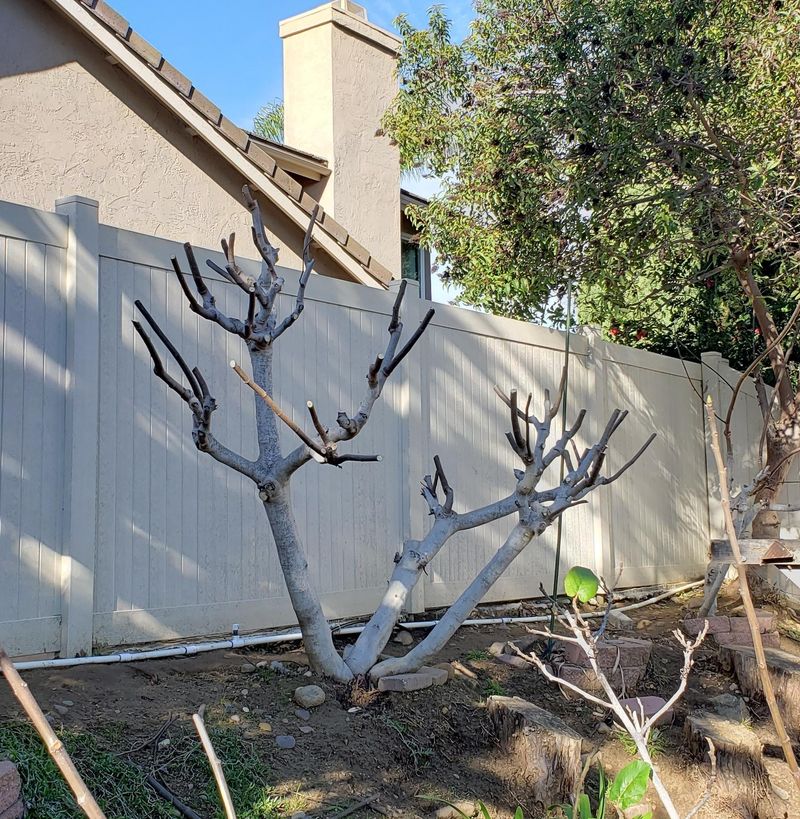
Pruning at the wrong time is a mistake that shows up months later at harvest.
Cutting branches during active growth can stress the tree and reduce the energy available for fruit development later in the season.
Winter is the right window for pruning fig trees.
When the tree is dormant and has dropped its leaves, you can see the branch structure clearly and remove problem wood without disrupting growth cycles.
Removing damaged, crossing, or overcrowded branches during winter opens up the canopy.
Better light penetration and airflow during the growing season translate directly into healthier fruit development across the whole tree.
Focus on removing branches that are rubbing against each other or growing inward toward the center. Keeping the canopy open helps the tree put energy into fewer, better-developed figs rather than spreading it thin across too many crowded branches.
Avoid heavy pruning every single year. Light to moderate shaping is usually enough to maintain good structure.
Over-pruning can trigger excessive regrowth that pulls energy away from fruit.
A balanced approach, removing only what genuinely needs to go, tends to produce the most consistent results from one season to the next in Southern growing conditions.