When To Take Down Hummingbird Feeders In Ohio (The Migration Myth Most People Believe)
Most Ohio hummingbird enthusiasts have heard the advice. Take the feeder down in late summer or the hummingbirds will not migrate and will freeze when cold weather arrives.
It gets repeated with confidence at garden centers, in birding groups, and between neighbors who both heard it from someone else who heard it from someone else. It is not true.
And keeping feeders up longer than most Ohioans do could actually help birds that need it most. Hummingbird migration is triggered by daylight length, not food availability.
A feeder left up in September and October does not confuse a ruby-throated hummingbird into staying. It feeds one that is already on its way through and needs the fuel.
The timing question around Ohio hummingbird feeders has a real answer, and it is different from what most people have been told. The myth has outlasted the evidence long enough.
1. Leave Feeders Up After The First Birds Disappear
A quiet feeder on a cool September morning does not automatically mean the season is over. Many backyard birders make the mistake of pulling feeders down after just a day or two without a visit.
That timing can shortchange passing migrants who are still moving through.
Local ruby-throated hummingbirds that bred nearby may leave first, while others from farther north could be arriving right behind them.
Cornell Lab of Ornithology notes that hummingbird migration is staggered, meaning birds pass through at different times depending on where they started.
A feeder that looks abandoned on Tuesday might get a quick visit on Thursday from a bird you have never seen before.
Watching the feeder during morning hours and late afternoon gives you the best chance of catching those brief stops. Keep a simple calendar note of the last time you saw activity.
That date becomes your personal countdown clock for the two-week guideline. Timing varies across local yards and from one season to the next, so do not rely on a neighbor’s experience as your exact guide.
Keep nectar fresh and the ports clean, and let your own sightings tell you when the season is truly winding down.
2. Stop Believing Sugar Water Delays Migration
One of the most persistent myths in backyard birding is the idea that a full feeder will convince hummingbirds to skip their migration. Neighbors warn each other to take feeders down before September, worried they are somehow holding birds back.
That concern, while well-meaning, is not supported by how migration actually works.
Audubon explains that hummingbird migration is triggered by changes in day length, internal biological clocks, instinct, and environmental cues. Those cues include temperature and food availability.
No single backyard feeder has the power to override millions of years of evolutionary programming. When a hummingbird’s body says it is time to go, it goes, full feeder or not.
OSU Extension guidance and bird-conservation sources consistently reassure backyard birders that maintaining a feeder through fall does not harm birds. It also does not interfere with their journey south.
Your Ohio Garden Changes Every Week. Your Plan Should Too.
Gardening in Ohio changes quickly throughout the season. Every Friday you’ll receive a simple weekly plan showing exactly what to plant, prune, fertilize, harvest, and protect so you never miss the right timing.
Sharing this information with neighbors can help stop unnecessary early takedowns across a whole street or neighborhood. The focus should shift away from panic removal dates and toward responsible feeder habits.
A clean, well-maintained feeder is a helpful resource, not a trap. Letting go of this myth means more late migrants get a meal when they need it most.
3. Wait Two Weeks After Your Last Hummingbird Sighting
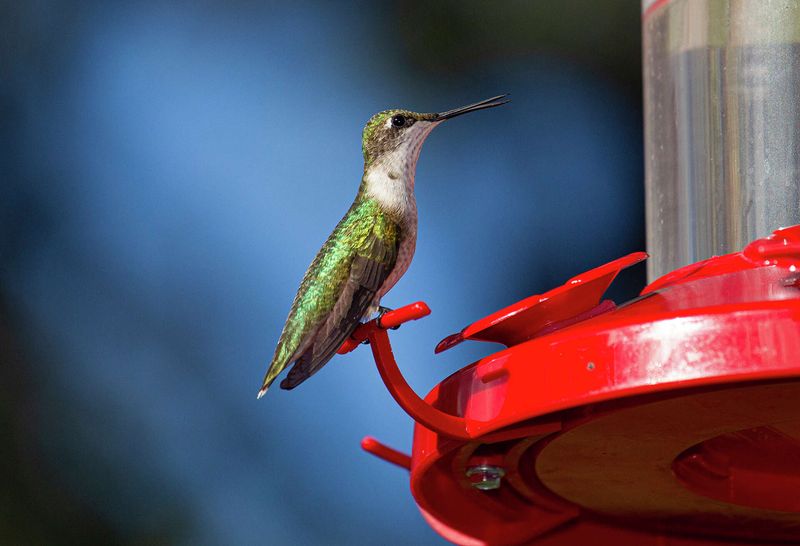
Marking a calendar sounds simple, but it is genuinely one of the most useful habits a hummingbird host can develop. The two-week rule is a widely shared guideline from bird-feeding and conservation sources.
After the last confirmed sighting, leave the feeder up for roughly two more weeks before taking it down.
The reasoning is practical. Late migrants traveling south may pass through on their own unpredictable schedule.
A feeder that gets pulled down on the day your regular summer visitor disappears could be gone exactly when a tired bird from farther north needs a quick stop.
Bird-conservation sources note that ruby-throated hummingbirds can still be moving through Ohio into early October in many years.
That is especially true in southern regions where fall lingers a little longer.
The two-week window is not a rigid statewide timeframe. It is a flexible buffer based on your own last sighting and local conditions.
If you see another bird during that window, your clock resets. If two full weeks pass with zero activity, it is a reasonable sign that traffic has slowed enough to bring the feeder in.
Keep nectar fresh during that window so any visitor that does arrive gets clean fuel, not spoiled sugar water sitting in a warm bottle.
4. Keep Nectar Fresh While Late Migrants Refuel
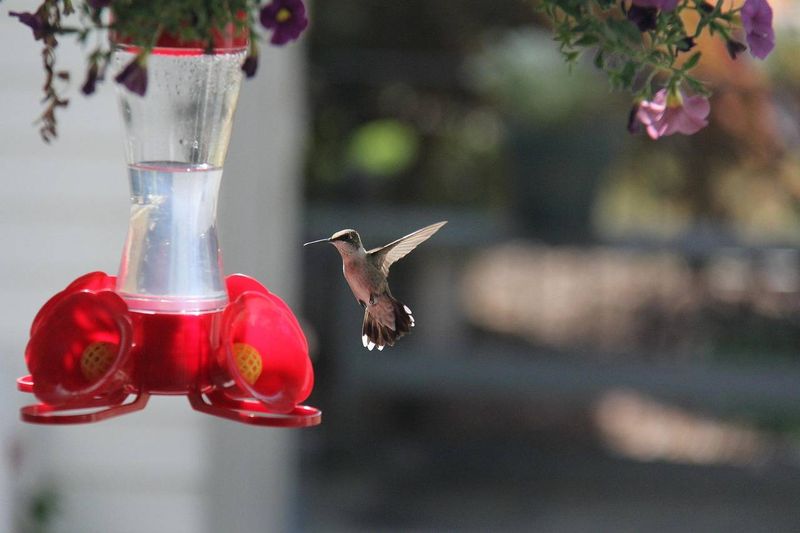
A late-season feeder that holds cloudy or fermented nectar is worse than no feeder at all. Spoiled sugar water can make birds sick, so keeping nectar fresh is just as important in September as it is in June.
The standard recipe recommended by Audubon and Cornell Lab is simple: one part white granulated sugar dissolved in four parts water.
That ratio closely mimics the natural sugar concentration in flower nectar, making it safe and appropriate for hummingbirds. Do not substitute honey, brown sugar, artificial sweeteners, or fruit juice.
These alternatives can cause digestive problems or encourage dangerous mold and bacterial growth. Red food dye is also unnecessary and should be left out entirely, as bird-conservation sources consistently advise against it.
In fall, nectar can still ferment quickly on warm afternoons. Change the nectar every two to three days during warmer stretches, and inspect the feeder each time you refill it.
If the liquid looks cloudy or you notice any film inside the ports, clean the feeder before refilling. Natural flowers in your yard still matter too.
Native plants like cardinal flower and trumpet vine provide real nectar that complements what the feeder offers. They give late migrants more than one reason to pause in your garden.
5. Clean Feeders More Often During Warm Fall Days
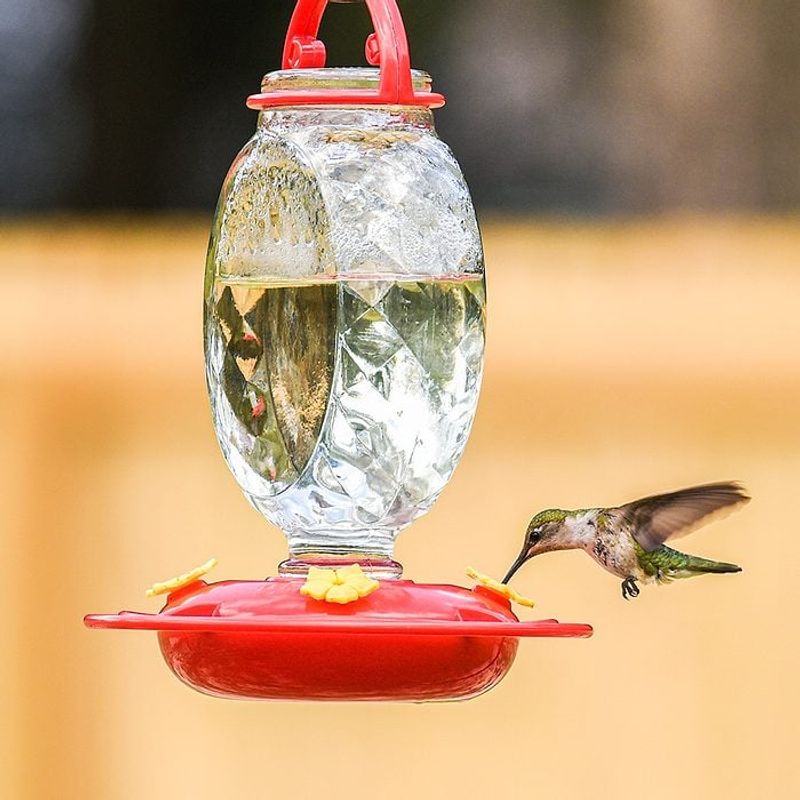
Warm October days can fool backyard birders into thinking fall cleaning routines can slow down. But heat speeds up fermentation and mold growth inside feeders, even when the calendar says autumn.
A feeder that looks fine from the outside may already have spoiled nectar or early mold building up inside the ports or base.
Bird-conservation sources recommend cleaning feeders at least every two to three days during warm weather and once a week during cooler stretches.
Use hot water and a dedicated feeder brush to scrub all surfaces, including the ports where hummingbirds insert their bills.
Cornell Lab guidance notes that a diluted vinegar rinse can help remove residue, as long as the feeder is rinsed thoroughly with clean water afterward before refilling.
Watch for specific warning signs: cloudy nectar, visible mold spots, an off smell, insect activity around the ports, or sticky residue. Any buildup near the feeding holes means the feeder needs cleaning.
Any of those signs means the feeder needs immediate cleaning before the next refill. Keeping up with cleaning during warm fall days is one of the most direct ways to protect visiting birds.
A sparkling clean feeder with fresh nectar is a genuinely helpful rest stop. A neglected one can do more harm than good.
6. Watch For Stragglers Passing Through Your Yard
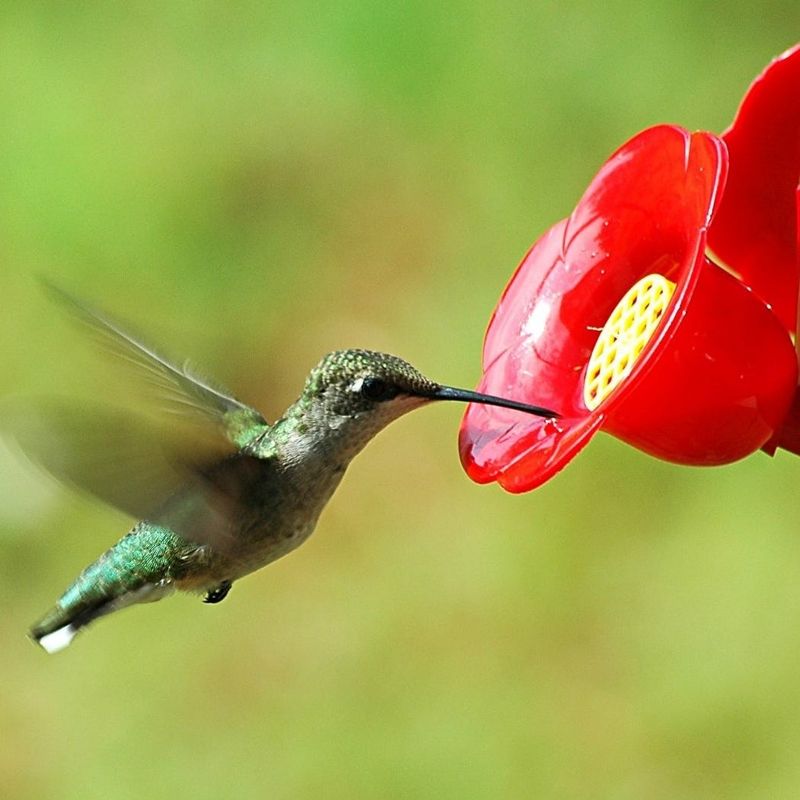
A week of silence at the feeder does not mean the show is over. Some of the most rewarding hummingbird sightings of the year happen in October.
That is when a single bird may drift through during a quiet morning, stop for a few seconds, and disappear again. These brief visits from late migrants are easy to miss if you are not paying attention.
Most hummingbirds seen in Ohio backyards are ruby-throated hummingbirds. According to Cornell Lab of Ornithology, they are the only species that regularly breeds in the eastern United States.
Occasionally, a rare western species like a rufous hummingbird turns up in fall, and Ohio birding records do include such sightings. If you notice an unusual bird, it is worth taking a photo and reporting it to a local birding group or eBird.
The best times to watch are early morning and late afternoon, when hummingbirds tend to be most active. Keeping late-blooming flowers in the yard alongside the feeder increases the chances of attracting a straggler.
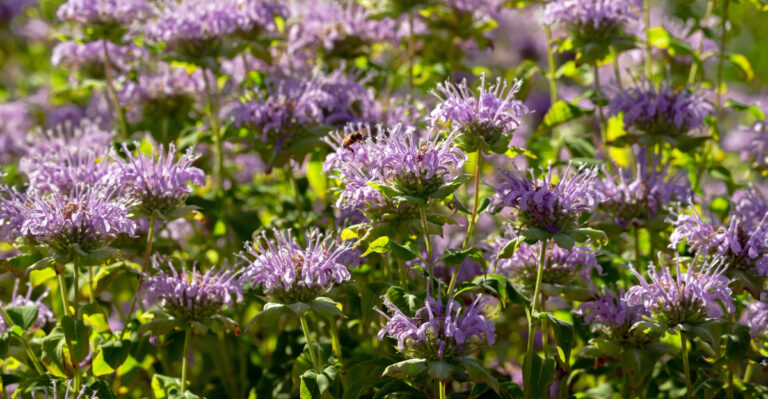
Salvia, native trumpet vine, and cardinal flower can all extend the visual and food appeal of your yard into fall. Do not assume one quiet week means every bird has passed through.
Stay patient and keep that feeder clean and full.
7. Take Feeders Down When Freezing Nights Become Routine
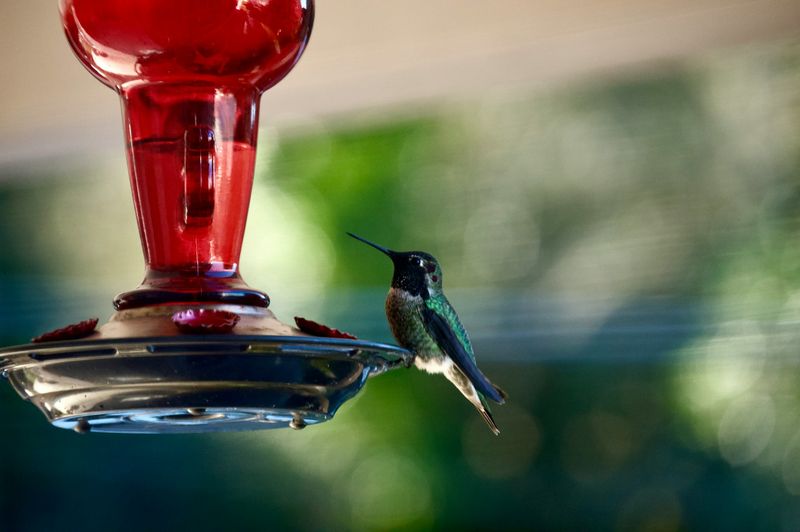
Frozen nectar is not just useless to a visiting bird. It can crack plastic feeders, damage glass tubes, and leave a mess that is harder to clean.
Once nighttime temperatures regularly drop to freezing or below, check your two-week window since the last sighting. If that window has already passed, it is a good time to bring the feeder inside.
Bird-conservation sources are clear that one early frost does not mean every hummingbird has left. A single cold night followed by warmer days can still bring a late traveler through.
The practical signal to act is the combination of two things. Look for roughly two weeks with no sightings and freezing nights that are becoming the norm rather than the exception.
Both conditions together suggest the season has genuinely ended in your yard.
When you bring the feeder in, clean it thoroughly before storage. Rinse every part, let it dry completely, and store it in a place where mold cannot develop over the winter.
A clean, dry feeder stored properly will be ready to use again in spring without extra scrubbing. Storing a feeder with residue inside is a common mistake that creates more work in March.
Ending the season responsibly makes starting the next one much easier and better for the birds that return.
8. Put Feeders Back Before Spring Birds Return
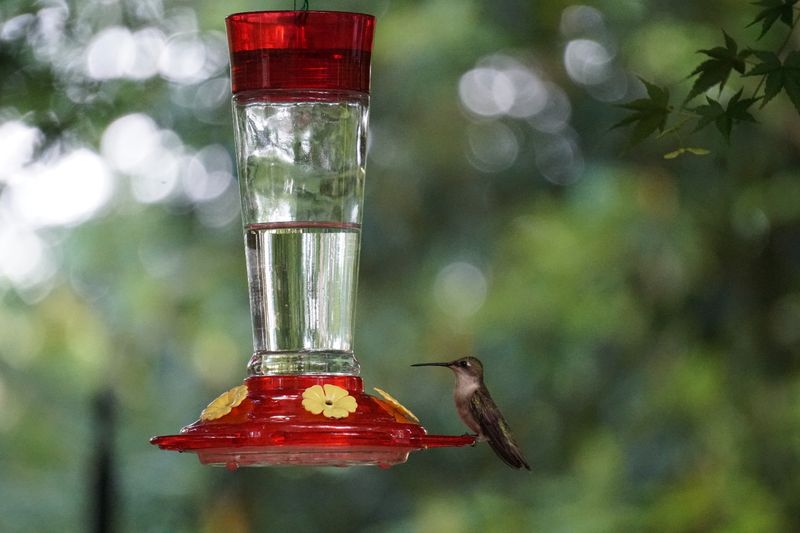
Fall takedown is only half of the feeder calendar. Putting feeders back out before the first spring arrivals is just as important as knowing when to bring them in.
Ruby-throated hummingbirds typically begin returning to Ohio in late April and early May. Timing can shift slightly depending on the year and location, according to Journey North migration tracking data.
Having a clean feeder ready a week or two before the expected arrival window gives early birds a welcome stop. That matters most in early spring when natural nectar sources are still limited and flowers have not yet fully bloomed.
A feeder that goes up late might miss the first scouts entirely. Clean the feeder thoroughly before filling it for the first time each season, even if it was stored clean from the fall.
Planting native nectar-rich flowers alongside the feeder creates a fuller habitat that attracts and supports hummingbirds beyond just the sugar-water bottle.
Trumpet honeysuckle, native columbine, and bee balm are all good early-season options for the Buckeye State.
The whole point of good feeder habits, fall and spring alike, is simple: hummingbirds know when to migrate and when to return. A clean, well-timed feeder just makes both journeys a little easier for them.