Shrubs That Give California Front Yards Privacy Without Looking Overgrown
Privacy can be tricky in a California front yard. You want a little screening, but you do not want the entrance to feel boxed in.
The right shrubs can create a softer view from the street while still looking clean and cared for. They can frame windows, calm a busy sidewalk, or make a porch feel more tucked away.
Size matters most here. A shrub that grows too fast can turn into a pruning chore before you know it.
A better choice gives steady coverage without swallowing the yard. Think structure, not a wall of green.
With the right plant and a little shaping, your front yard can feel more private while still looking open, bright, and welcoming.
1. Westringia
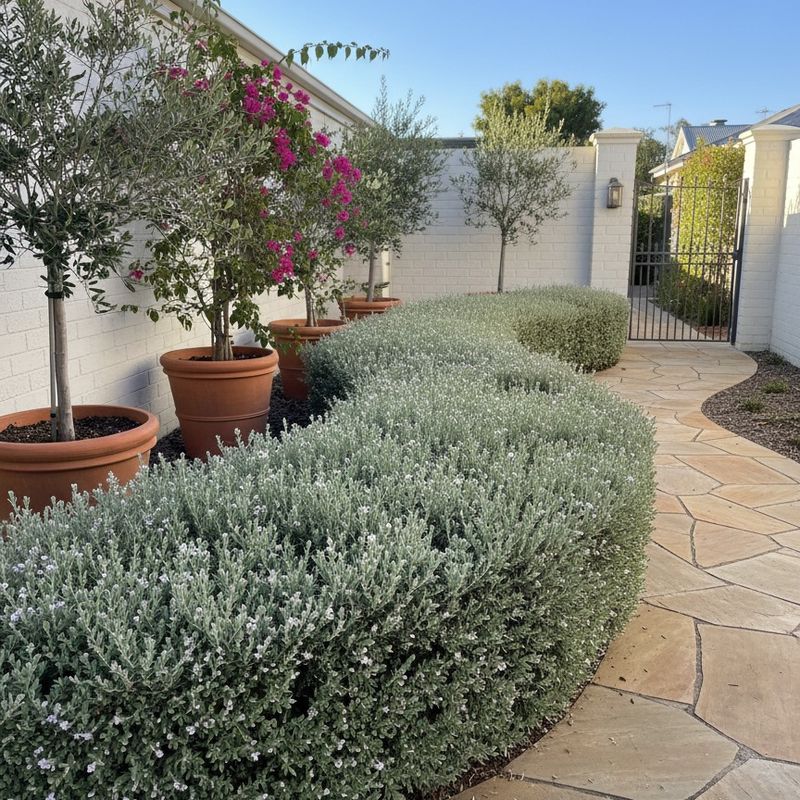
Not every privacy shrub has to be dark and dense to do its job well. Westringia, sometimes called Australian Rosemary, brings a soft, airy look to the front yard while still growing thick enough to block sightlines from the street.
Its silver-green leaves shimmer in the sunlight, giving your yard a fresh, modern feel.
One of the best things about this plant is how easy it is to shape. You can trim it into a clean, formal hedge or let it grow with a slightly rounded, natural form.
Either way, it stays neat without much effort. Most varieties top out at around four to six feet tall, which is just right for front yard privacy.
It handles drought well once it gets established, which makes it a popular pick across this state. It also does well near the coast, where salty air can stress out other plants.
Westringia produces small white or lavender flowers throughout the year, adding a gentle pop of color without looking overdone.
Planting it in full sun gives you the best results. Good drainage is important, so avoid spots where water tends to pool.
Space plants about three to four feet apart if you want a solid hedge line. With just occasional watering and a light trim now and then, Westringia stays tidy, healthy, and attractive for years.
2. Dwarf Pittosporum
Few shrubs pull off the combination of elegance and toughness quite like Dwarf Pittosporum.
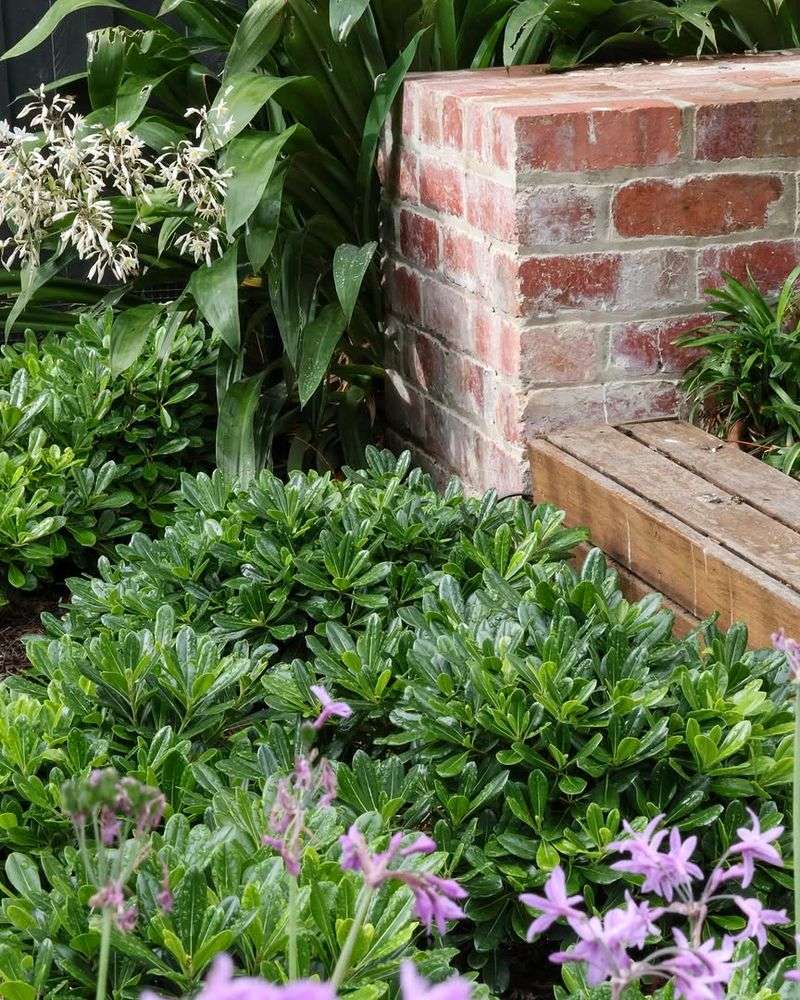
Its dense, glossy leaves grow so close together that it forms a near-solid wall of green, making it one of the best choices for front yard privacy. Yet somehow, it never looks messy or overgrown.
The dwarf varieties stay compact, usually reaching three to five feet in height. That makes them ideal for low fences, border hedges, or even planting under windows where you want privacy without blocking light.
The deep green color pairs beautifully with modern, Mediterranean, and cottage-style homes alike.
Homeowners across this state love it because it handles heat, drought, and coastal winds without skipping a beat. Once established, it needs very little water.
A slow-release fertilizer in spring helps keep the foliage looking rich and vibrant throughout the year.
Pruning is simple and only needed a couple of times per year to keep the shape tidy. It responds well to shearing, so you can keep it as a formal hedge or let it soften slightly for a more relaxed look.
Your California Garden Changes Every Week. Your Plan Should Too.
Gardening in California changes quickly throughout the season. Every Friday you’ll receive a simple weekly plan showing exactly what to plant, prune, fertilize, harvest, and protect so you never miss the right timing.
Small, fragrant flowers appear in spring, and while they are not showy, they add a sweet scent to the yard.
Plant in full sun to partial shade for best results. This shrub earns its place in any well-designed front yard.
3. Compact Texas Ranger
© spellboundherbs
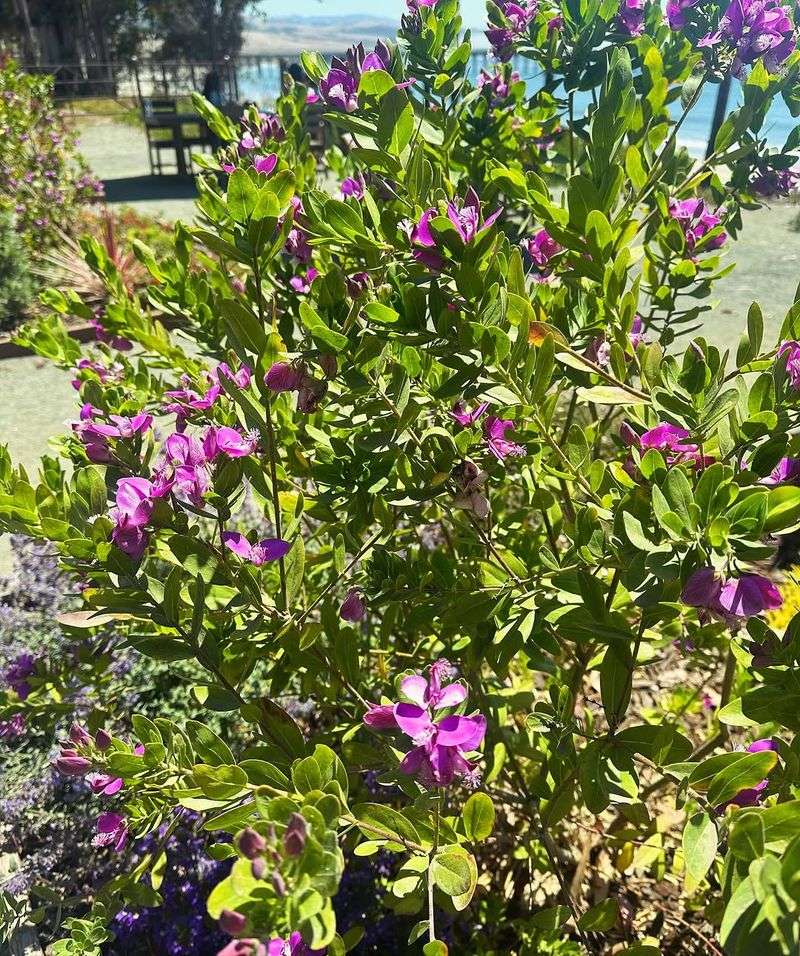
There is something almost magical about a shrub that bursts into purple blooms right after a rainstorm. Compact Texas Ranger, also known as Leucophyllum, does exactly that.
Its silvery-gray leaves look stunning even when it is not in bloom, giving your front yard a soft, desert-inspired look that feels intentional and well-designed.
The compact variety grows slowly and stays in the three-to-five-foot range, making it easy to manage along a fence line or property border. It rarely needs pruning, which is a huge plus for busy homeowners.
When those violet-purple flowers do appear, they attract butterflies and bees, adding life and movement to the yard.
Hot, dry conditions are where this shrub truly thrives. It was built for heat and low water, so it fits right in with the warm, sun-baked landscapes found across many parts of this state.
Avoid overwatering, as too much moisture can cause root problems. Plant it in well-drained soil and full sun for the best performance.
One fun fact worth knowing: the blooms are triggered by humidity changes, which means you might see a burst of flowers after the first rains of the season. That surprise element makes this shrub feel exciting rather than predictable.
For a front yard that looks polished year-round with almost zero fuss, Compact Texas Ranger is hard to beat.
4. Escallonia
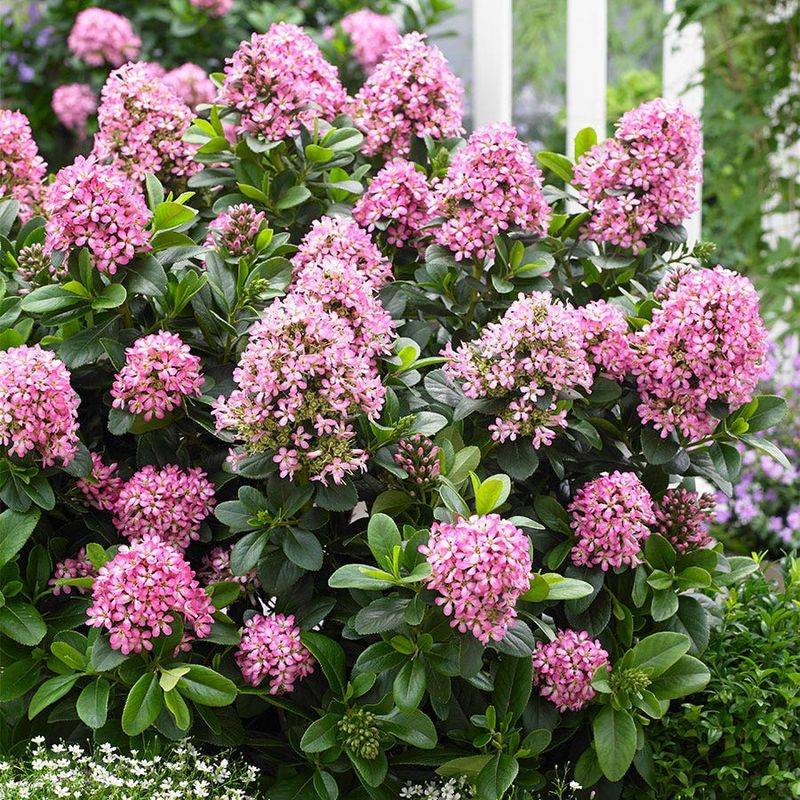
Along coastal streets and sunny suburban avenues, Escallonia stands out as one of the most cheerful privacy shrubs you can plant. Its clusters of small pink, red, or white flowers bloom heavily in spring and summer, and the glossy green leaves stay attractive all year long.
It creates a lush, full look without ever seeming wild.
This shrub grows quickly enough to establish a solid hedge in just a season or two, which is great news if you want privacy sooner rather than later. Most varieties reach five to six feet tall, giving you a reliable screen from the street.
You can trim it into a formal shape or let it grow with a softer, slightly arching form.
Coastal conditions suit Escallonia very well. It handles salt spray, fog, and wind far better than many other shrubs, which makes it a top choice for front yards near the ocean.
Inland areas work fine too, as long as the plant gets enough water during the hottest months.
Regular watering during the first year helps it establish strong roots. After that, it becomes fairly drought-tolerant.
Light pruning after the main bloom period keeps it tidy and encourages fresh growth. Hummingbirds are drawn to the flowers, so expect some lively visitors.
For a front yard hedge that looks vibrant and welcoming through most of the year, Escallonia delivers without disappointment.
5. Indian Hawthorn
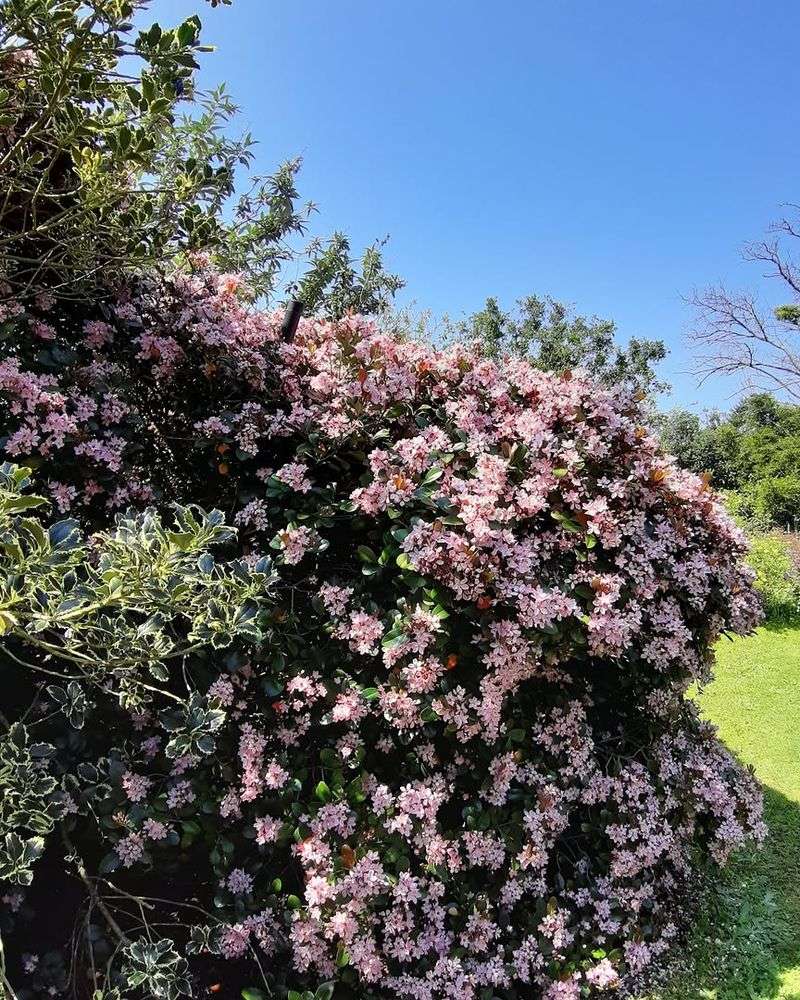
Reliable, low-fuss, and quietly beautiful, Indian Hawthorn has been a front yard favorite for decades. Its rounded shape and dense, leathery leaves create a tidy, structured look that works well along walkways, fences, and property lines.
When spring arrives, it covers itself in clusters of pink or white flowers that draw admiring glances from neighbors and passersby.
Most varieties stay in the two-to-five-foot range, making this a great choice for shorter privacy borders or for planting beneath windows. It holds its shape naturally, so heavy pruning is rarely needed.
A light trim once or twice a year keeps it looking polished without much effort.
Summer heat and mild drought are no problem for Indian Hawthorn once it settles in. It performs well across a wide range of soil types, from sandy coastal soils to heavier clay.
Full sun brings out the best flowering, though it tolerates partial shade without complaint.
After the flowers fade, small blue-black berries appear and attract songbirds to the yard, adding a bonus layer of nature to your outdoor space. The dark berries against the green leaves create a striking visual in fall and winter.
Water regularly during the first growing season, then taper off as the plant matures. For homeowners who want a neat, attractive border that handles itself gracefully through every season, Indian Hawthorn is a smart and satisfying choice.
6. Dwarf Bottlebrush
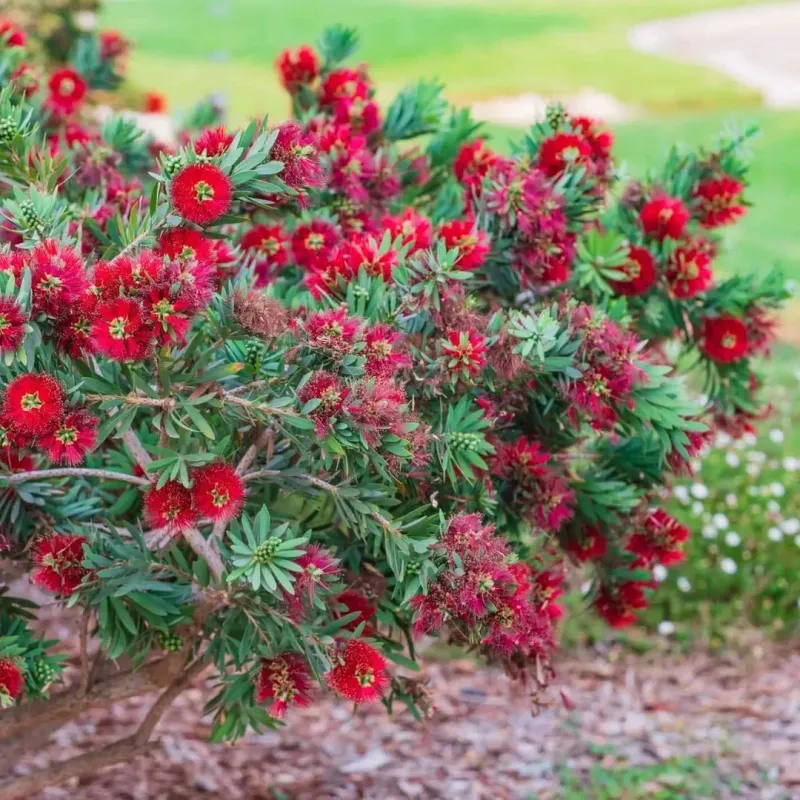
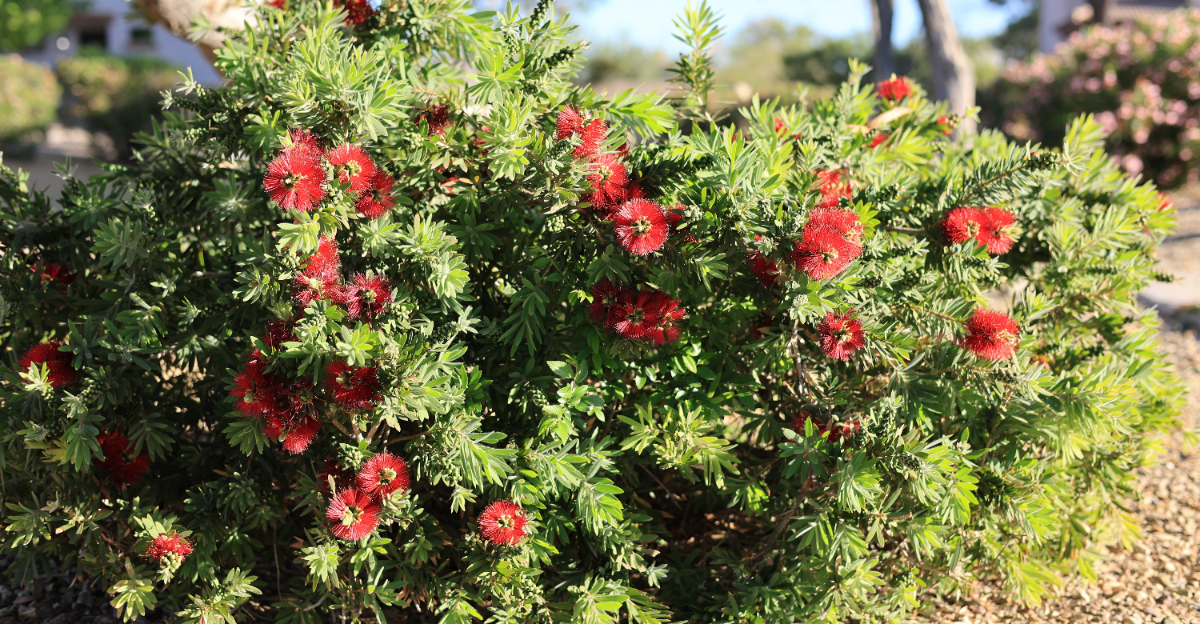
Bold, bright, and absolutely loved by hummingbirds, Dwarf Bottlebrush brings a burst of energy to any front yard. Those iconic red, brush-like flowers are hard to miss, and they bloom multiple times throughout the year in many parts of this state.
Despite the eye-catching blooms, the overall shape stays compact and manageable.
The dwarf varieties typically grow three to five feet tall and wide, making them a practical choice for privacy borders that do not need to be towering. The narrow, aromatic leaves stay green year-round, and the plant never looks sparse or patchy even between bloom cycles.
It fills in nicely when planted in a row.
Full sun is where this shrub does its best work. It handles heat and dry spells well once established, though a deep watering every couple of weeks during summer keeps it looking its freshest.
Well-draining soil is a must, as soggy roots can cause problems over time.
Pruning right after a bloom cycle encourages the next round of flowers and helps maintain a tidy silhouette. You do not need to prune heavily, just a light shaping is enough.
Planting a row of Dwarf Bottlebrush along a front fence creates a lively, colorful privacy screen that feels far more personal than a plain wooden fence. It is one of those plants that makes your yard feel alive and welcoming every single day.
7. Coffeeberry
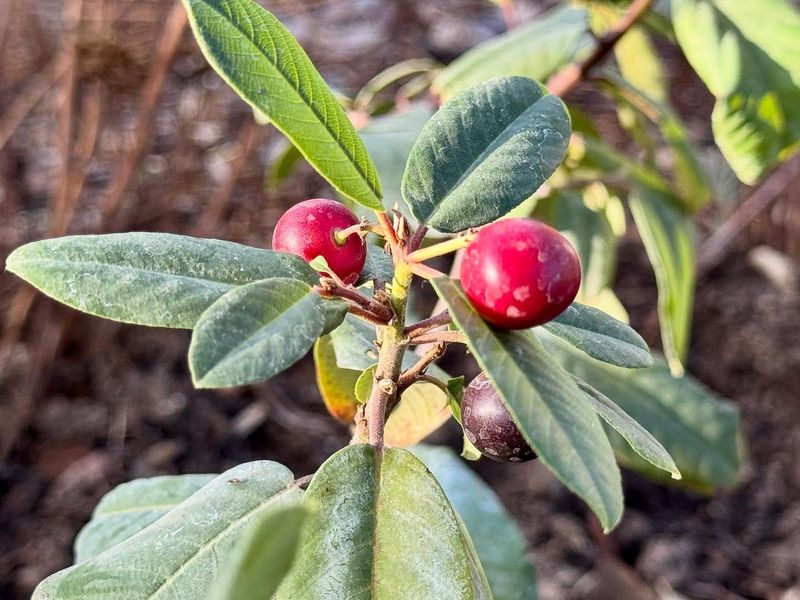
Going native has never looked better. Coffeeberry is one of this state’s most underrated native shrubs, and it deserves far more attention in front yard designs.
Its deep green, glossy leaves create a rich, lush backdrop, and the clusters of berries that shift from red to deep purple-black add real visual interest through fall and winter.
What makes Coffeeberry especially appealing is its adaptability. It grows in full sun, partial shade, and even fairly shaded spots, which is rare for a privacy shrub.
Most varieties reach four to eight feet, giving you a solid screen without the need for constant trimming. There are also compact selections that stay in the three-to-four-foot range if you prefer something shorter.
Birds absolutely love the berries, so planting Coffeeberry near a front window gives you a built-in bird-watching spot. It supports native wildlife in a way that non-native plants simply cannot match.
That makes it a meaningful choice for homeowners who care about the local ecosystem.
Once established, this shrub is extremely drought-tolerant and thrives with minimal supplemental water. It prefers well-drained soil and does not need fertilizing.
Pruning is optional but helps maintain a clean shape. For a front yard that feels rooted in the natural landscape of this state while still looking intentional and attractive, Coffeeberry is one of the best choices available to homeowners today.
8. Toyon
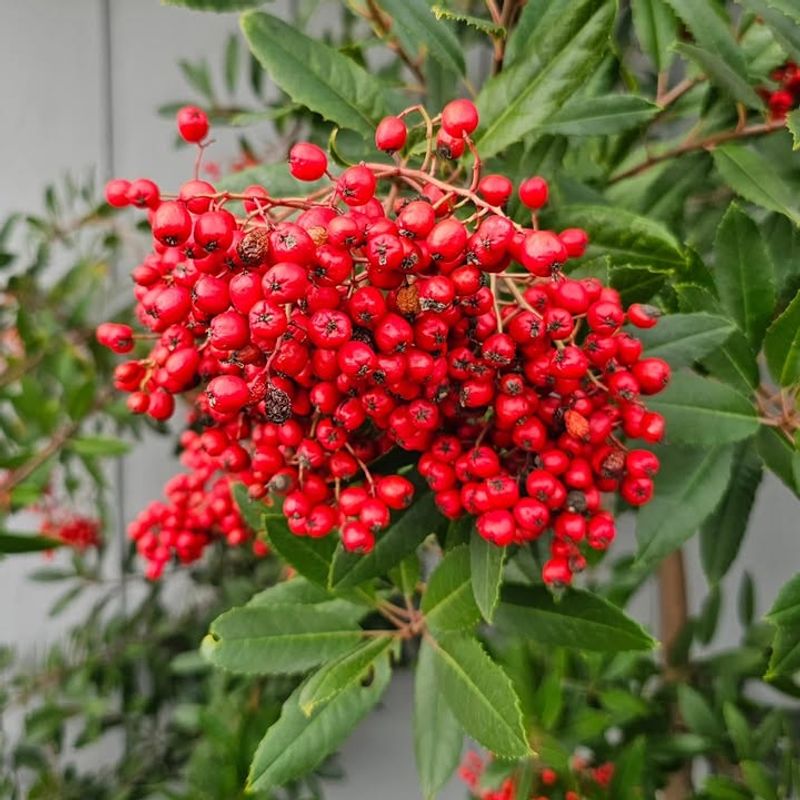
Hollywood actually owes its name to this plant. Toyon, sometimes called California Holly, once covered the hills of the Los Angeles area so heavily that early settlers named the region after it.
Today, it brings that same wild beauty to front yards in a much more controlled and tidy way.
Growing anywhere from six to ten feet tall, Toyon creates a substantial privacy screen with its dense, dark green foliage. The serrated leaf edges give it a slightly rugged look that pairs well with natural stone, wood fencing, and drought-tolerant landscape designs.
In winter, clusters of bright red berries appear, turning the shrub into a stunning focal point.
As a native plant, it is perfectly adapted to the climate here. It handles dry summers and wet winters with ease, and it does not need much help once it gets going.
Deep, infrequent watering during summer is enough to keep it healthy and growing well.
Birds flock to the berries during the colder months, and the dense branches provide shelter for nesting in spring. Minimal pruning is needed, just occasional shaping to keep it from spreading too wide for your space.
For a front yard hedge that connects your home to the natural history of this state while providing real, functional privacy, Toyon is a deeply satisfying choice that rewards patience with stunning seasonal beauty.
9. Compact Manzanita
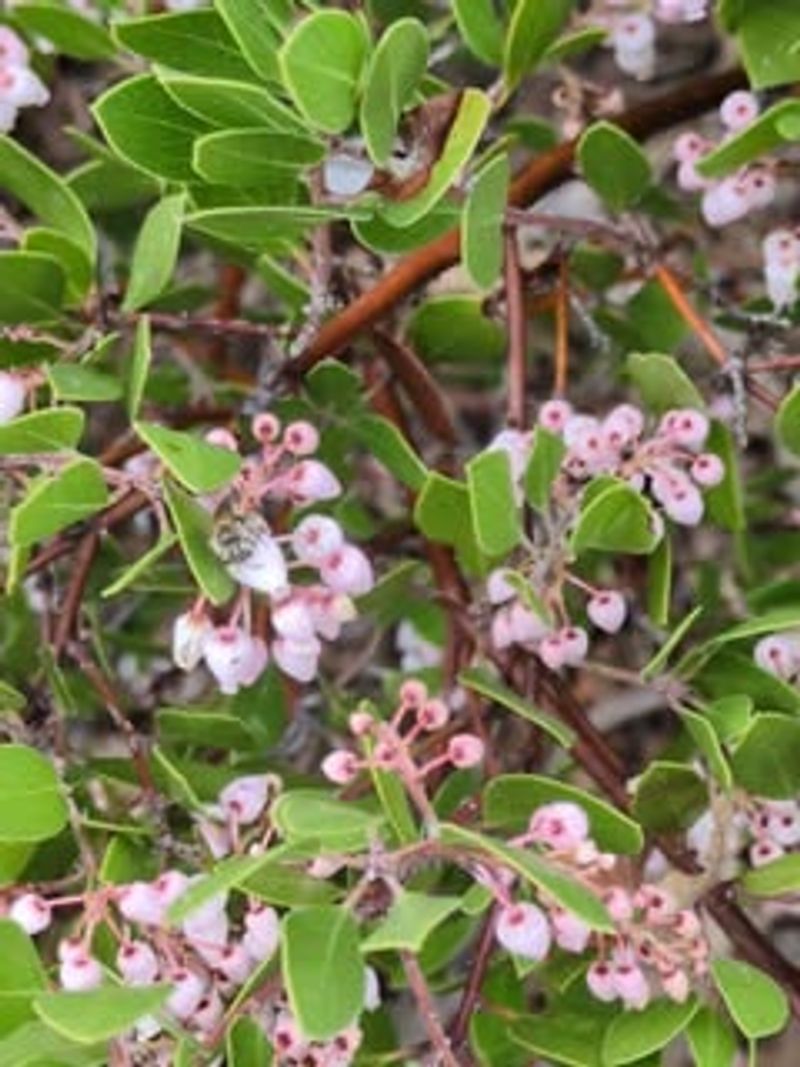
Few plants carry as much character as Manzanita. The smooth, reddish-brown bark practically glows in the afternoon sun, and no two plants look exactly alike.
Compact varieties bring all that natural charm to the front yard without growing into an unmanageable thicket.
Most compact selections stay in the two-to-five-foot range, making them ideal for low borders, foundation plantings, and shorter privacy screens. The small, round leaves stay evergreen year-round, and tiny pink bell-shaped flowers appear in winter and early spring, often when little else is blooming.
That off-season color is a genuine treat.
Being a native plant, Compact Manzanita is built for the conditions found across this state. It thrives in poor, rocky, or sandy soil where other shrubs might struggle.
Overwatering is the main thing to avoid, as Manzanita strongly prefers dry conditions once established. Plant it in full sun with excellent drainage and then mostly leave it alone.
The flowers attract early-season pollinators, including native bees and hummingbirds, which adds ecological value to your front yard. The berries that follow are also food sources for local wildlife.
Pruning is generally not recommended beyond removing dead wood, as heavy trimming can stress the plant. For a front yard that looks artful, native, and completely at home in its environment, Compact Manzanita brings a quiet, enduring elegance that few other shrubs can match.
10. Sugar Bush
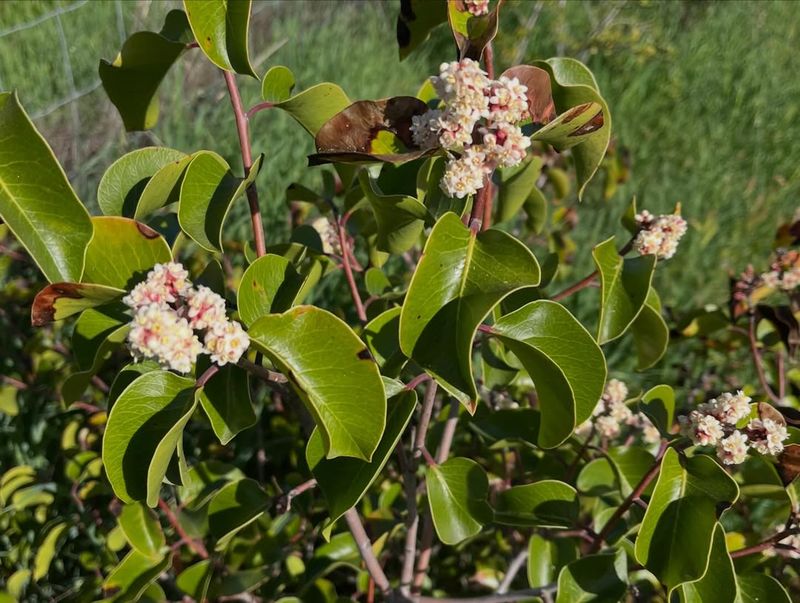
There is a reason Sugar Bush has been growing on the slopes and hillsides of this state for thousands of years. It is tough, beautiful, and perfectly suited to the dry, sunny conditions that many front yards deal with every summer.
As a privacy shrub, it brings a rugged elegance that feels both natural and refined.
The thick, waxy leaves do an excellent job of holding moisture, which is how this plant survives long dry spells without complaint. Clusters of small pinkish-white flowers appear in spring, followed by sticky, reddish berries that were once used by native peoples to make a sweet drink.
That bit of history adds a layer of meaning to every plant.
Growing six to ten feet tall in ideal conditions, Sugar Bush creates a tall, dense privacy screen that is hard to see through. Smaller garden forms are available if you want something more compact.
Either way, the plant stays full and leafy throughout the year, giving you consistent coverage in every season.
Planting in full sun and well-drained soil sets this shrub up for long-term success. Once established, it needs very little supplemental water, making it one of the most drought-adapted choices on this list.
Light pruning in late winter helps keep the shape tidy. For a front yard that feels connected to the landscape of this state while still looking sharp and intentional, Sugar Bush is a standout selection worth considering seriously.