The Mistakes California Gardeners Make With Lantana That Stop It From Blooming
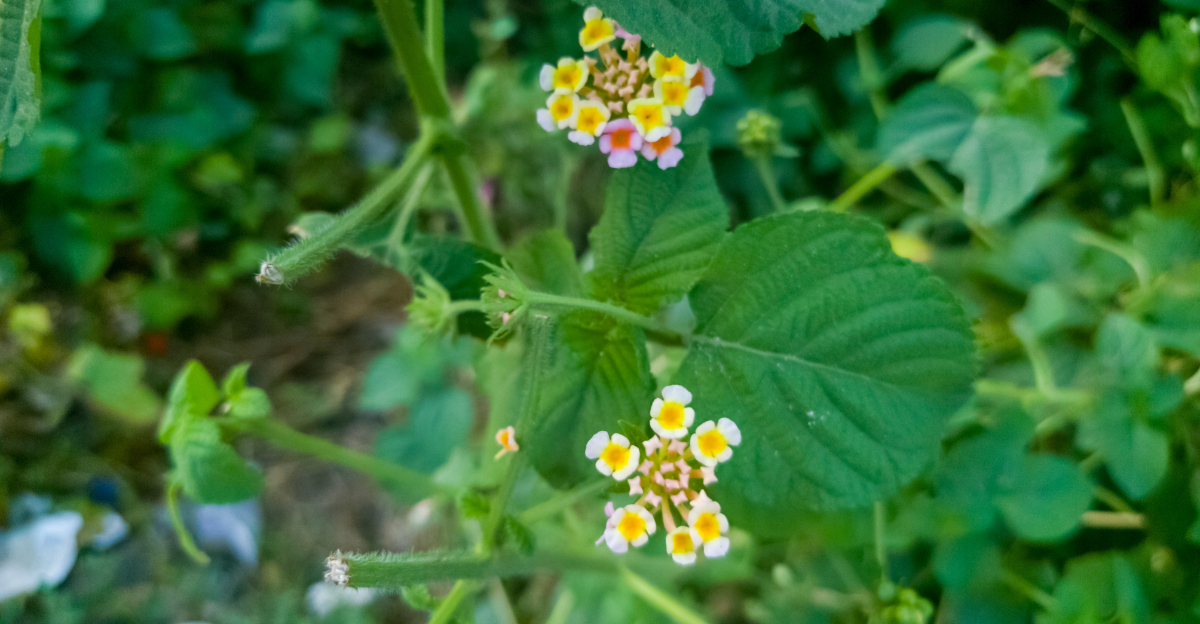
Lantana is usually one of the easiest plants to love, which makes it extra frustrating when the flowers slow down. The leaves look healthy.
The plant keeps growing. Still, the bright clusters you expected never really show up.
That is often a sign that something in its care is slightly off. Too much shade, rich soil, heavy watering, or the wrong kind of trimming can all push lantana away from blooms and into leafy growth.
California gardens give this plant plenty of heat to work with, but heat alone is not enough. Lantana needs the right balance of sun, space, and restraint to stay colorful.
Once you spot the habits that hold it back, this tough summer favorite can get back to doing what it does best.
1. Planting Lantana Where It Doesn’t Get Enough Sun
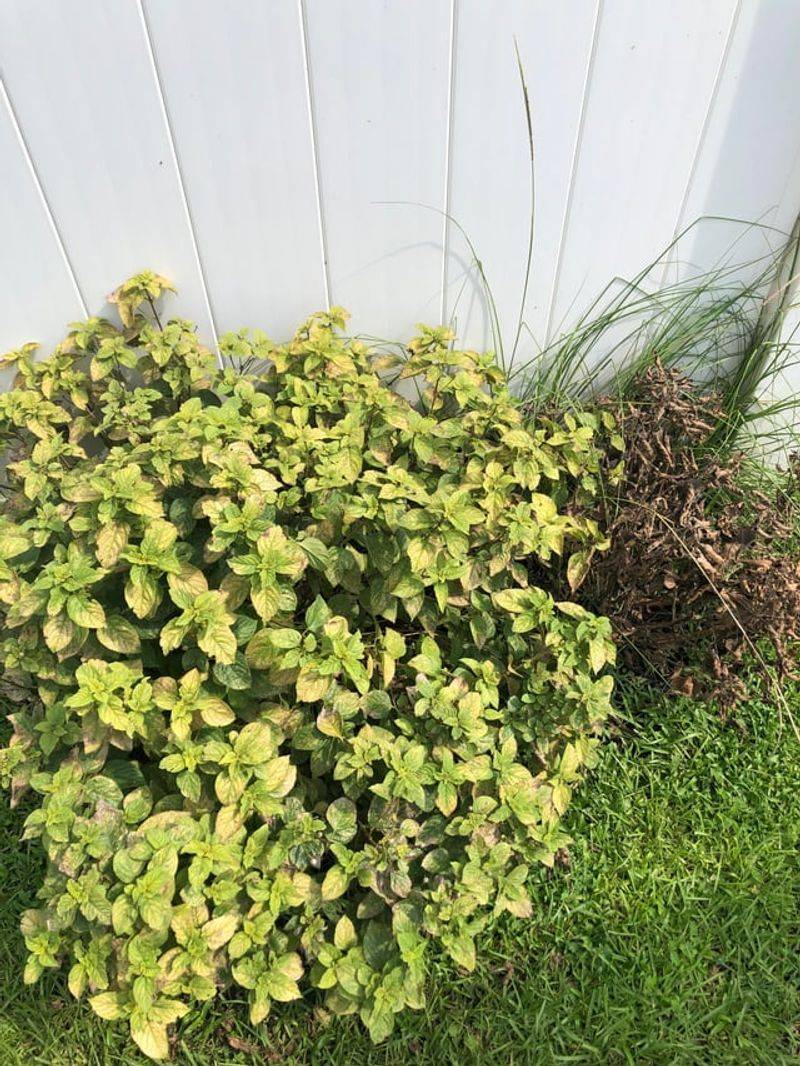
Full sun is not a preference for lantana. It is a requirement.
Most gardeners do not realize just how serious this plant is about needing sunlight every single day.
Lantana needs at least six to eight hours of direct sun to produce its signature clusters of bright blooms.
When it gets planted under a tree, near a fence, or beside a taller shrub that blocks the afternoon light, the plant shifts its energy away from flowers.
It starts pushing out more leaves instead, trying to reach whatever light it can find.
In our state, this is a surprisingly common problem. Many gardeners pick a spot based on how it looks on a garden map or how convenient it is to water.
They do not always check how many hours of actual sunlight that spot gets throughout the day.
Shade from nearby structures, fences, or fast-growing trees can creep in over time and slowly reduce blooms without the gardener noticing right away.
The fix is simple but sometimes requires moving the plant. Choose a south-facing or west-facing spot where the sun hits hard and stays strong.
If transplanting is not an option, trim back whatever is casting the shadow. Once lantana gets the light it craves, flowers usually return within a few weeks.
Sunlight is the single biggest factor in keeping this plant blooming all season long.
2. Watering So Often The Roots Stay Too Wet
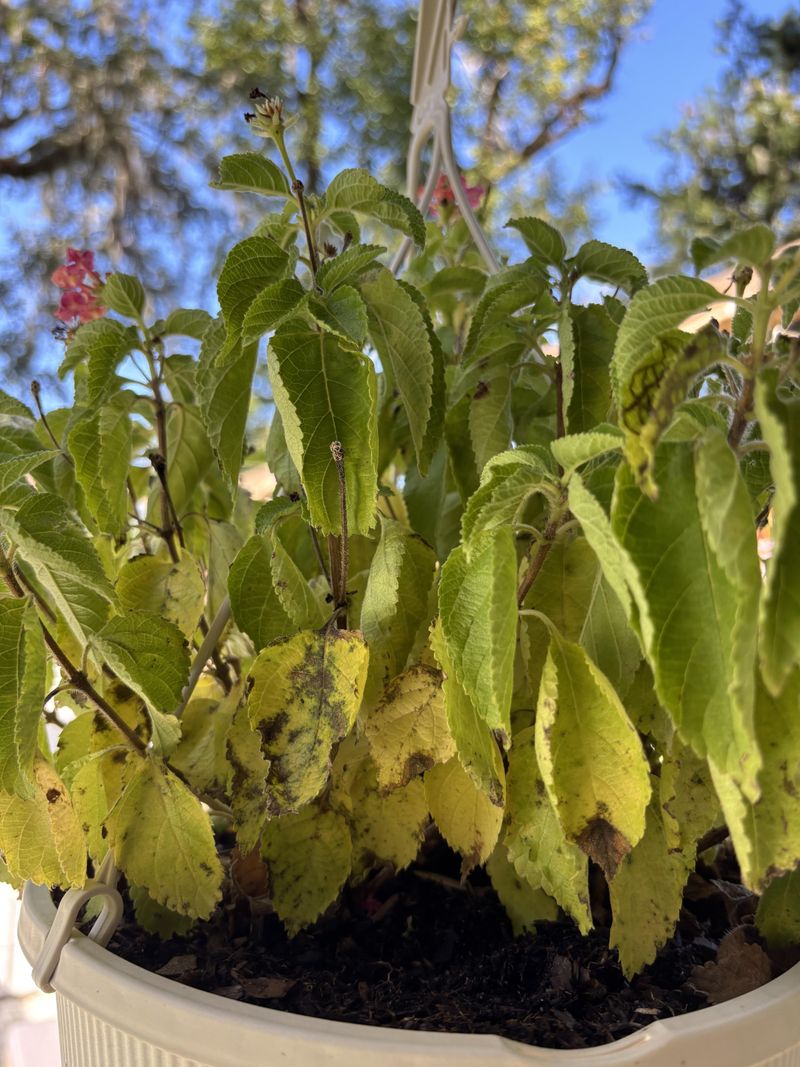
Here is something that surprises a lot of new gardeners: lantana actually blooms better when it is a little stressed by dry conditions.
Giving it too much water is one of the fastest ways to shut down its flower production completely.
When the soil stays consistently wet, the roots sit in moisture for too long. This weakens the root system, encourages rot, and signals the plant to focus on survival rather than blooming.
Wet roots also invite fungal problems that can spread through the base of the plant over time.
Our state has a warm, often dry climate that lantana was practically made for. In many parts of this region, established lantana plants only need watering once every seven to ten days during summer.
In cooler months, even less frequent watering is usually fine. Young plants need a bit more attention, but once they settle in, they prefer to dry out between waterings.
Your California Garden Changes Every Week. Your Plan Should Too.
Gardening in California changes quickly throughout the season. Every Friday you’ll receive a simple weekly plan showing exactly what to plant, prune, fertilize, harvest, and protect so you never miss the right timing.
A simple way to check is to push your finger two inches into the soil. If it still feels damp, wait another day or two before watering again.
Switching to deep but infrequent watering helps roots grow downward and makes the plant more drought-tolerant overall.
Cutting back on water is often the fastest fix when a lantana suddenly stops producing blooms despite looking otherwise healthy.
3. Using Rich Fertilizer That Pushes Leaves Over Flowers
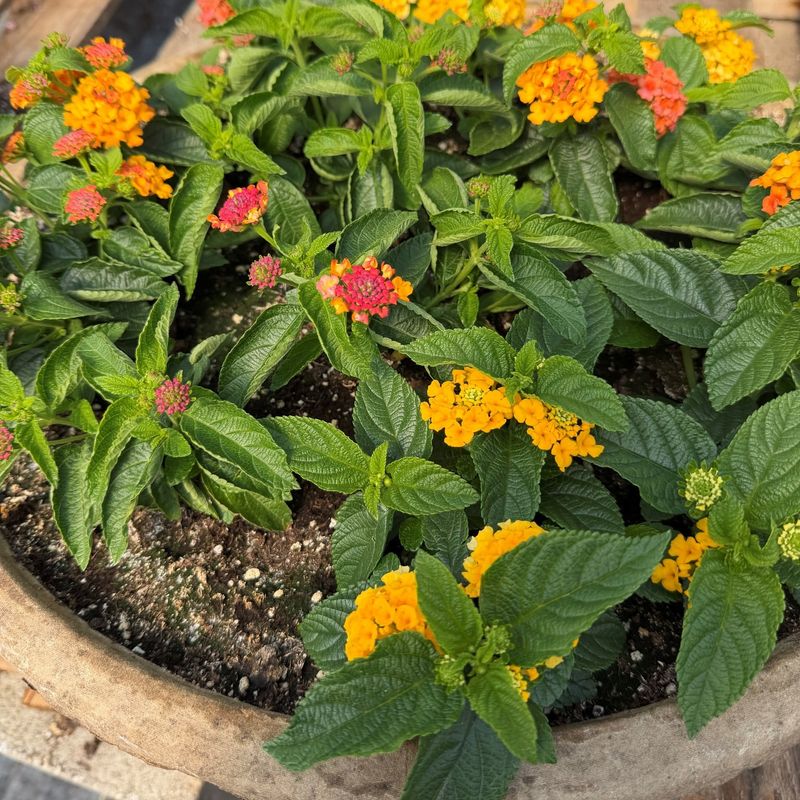
More fertilizer does not always mean more flowers. With lantana, it often means the exact opposite.
Many gardeners grab a general-purpose fertilizer and apply it generously, thinking they are giving the plant a boost. What they are actually doing is pushing it to grow more leaves and stems instead of blooms.
High-nitrogen fertilizers are the main culprit here. Nitrogen is great for green, leafy growth, but lantana is not a plant you grow for its leaves.
When nitrogen levels in the soil are too high, the plant puts all its energy into producing foliage. The flowers take a back seat, and sometimes they stop appearing almost entirely.
Lantana actually performs at its best in lean, less-fertile soil. In our state, where natural soil tends to be sandy or clay-heavy in many areas, this plant does not need much help at all.
If you feel you must fertilize, use a low-nitrogen, bloom-boosting formula with higher phosphorus content.
Apply it sparingly, no more than once or twice during the growing season. Even better, skip the fertilizer altogether once your plant is established.
Many experienced gardeners in this region report that lantana left alone in average soil blooms far more than one that gets regularly fed. Less truly is more when it comes to feeding this particular plant.
4. Letting Old Spent Blooms Turn Into Seed
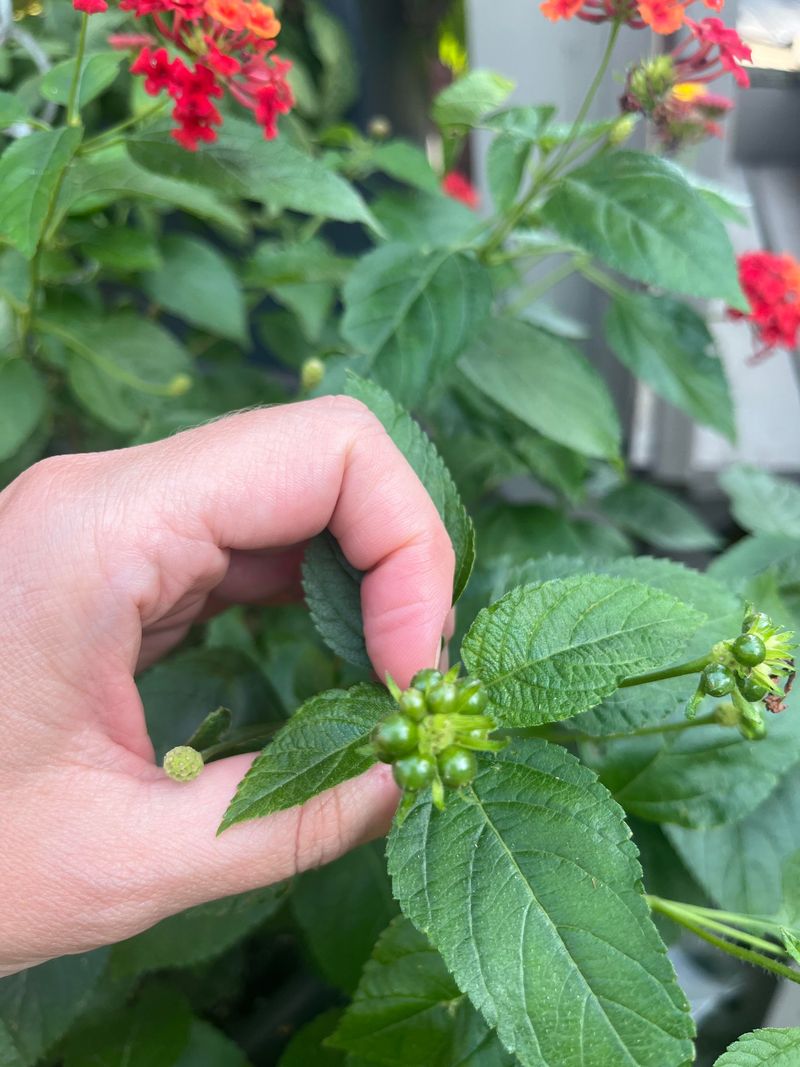
Few gardening habits quietly rob a plant of its blooms as effectively as leaving old flower heads on the stems.
When lantana finishes a bloom cycle and the flowers fade, small dark berries begin to form in their place.
Those berries are seeds, and once the plant starts putting energy into making seeds, it often slows or stops producing new flowers.
This is called going to seed, and it is a natural part of the plant’s life cycle. From the plant’s perspective, its job is done once it has made seeds to reproduce.
The problem is that gardeners who want continuous color all season long need to interrupt that cycle regularly.
Deadheading, which means removing the old blooms before they fully develop into berries, sends a message to the plant to keep producing flowers. It is a simple task that takes only a few minutes per plant.
You can pinch off spent blooms with your fingers or use a small pair of garden scissors.
In our warm climate, lantana can bloom from late spring all the way through fall. Regular deadheading keeps that long bloom season going strong.
It also keeps the plant looking neat and tidy rather than scraggly and overgrown. Check your plants every week or two during peak season and remove any fading blooms you spot.
This one habit alone can dramatically increase the number of flowers your plant produces.
5. Skipping A Light Trim When Stems Get Leggy
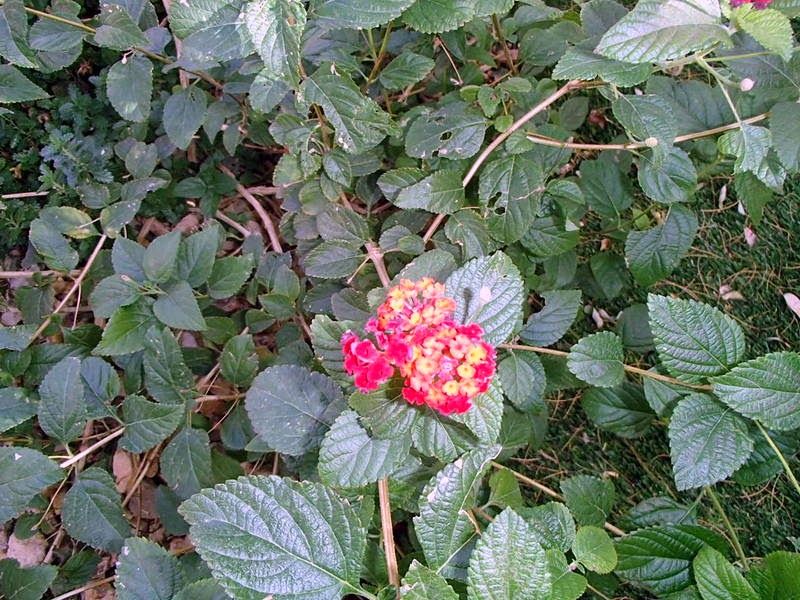
Lantana can get away from you fast. One season it looks full and bushy, and the next it has stretched into a tangle of long, bare stems with just a few flowers clinging to the tips.
This legginess is a sign that the plant needs a trim, and skipping that step is a mistake that keeps many plants from blooming well.
When stems grow long and woody without being cut back, the plant concentrates its energy at the tips rather than spreading blooms evenly across the whole plant. The base becomes bare and unproductive.
New growth and flowers tend to appear only at the ends of those long stems, making the plant look sparse and uneven.
A light trim, cutting stems back by about one-third, encourages the plant to branch out and produce new growth from lower on the stem. That new growth is where fresh blooms will appear.
Many gardeners in this state do this type of light pruning two or three times during the growing season to keep plants compact and flowering well.
The best time to trim is in early spring before new growth starts, and then again mid-season if the plant starts to look stretched. Use clean, sharp pruners to make smooth cuts just above a leaf node.
Avoid cutting too far into old woody growth, as lantana prefers trimming on younger, greener stems for the best regrowth results.
6. Planting It In Soil That Drains Too Slowly
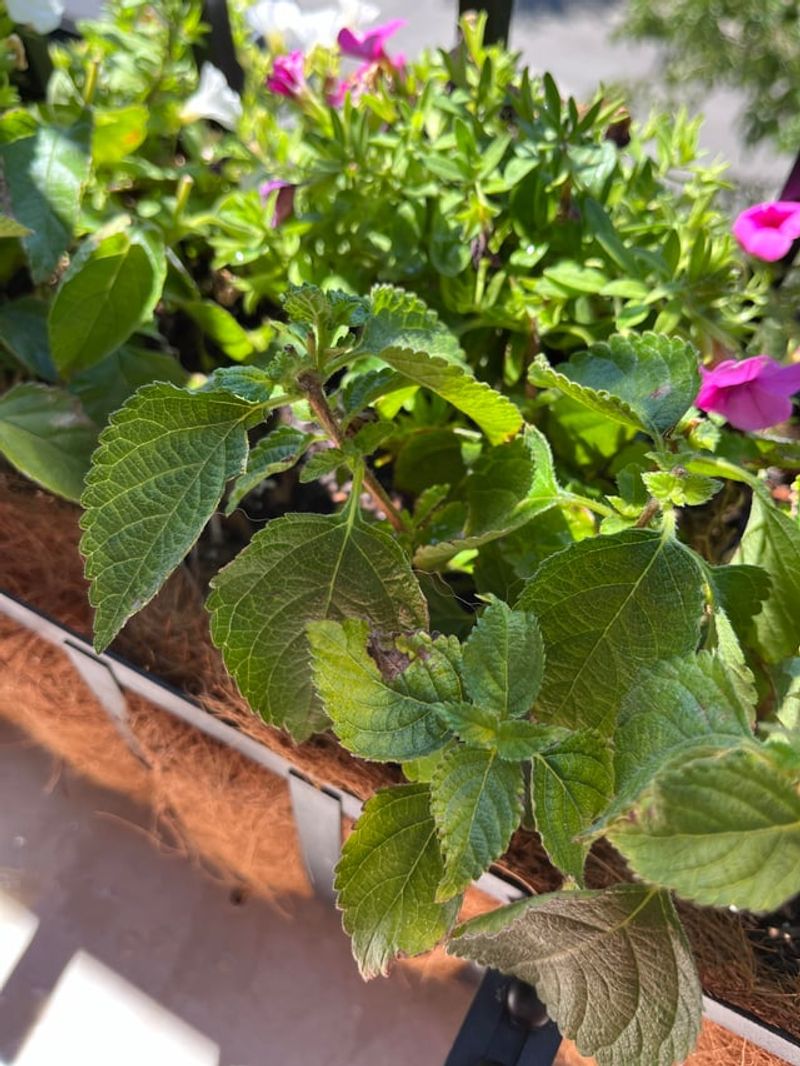
Soil type matters more than most people think, and lantana is very particular about having good drainage. Plant it in heavy clay soil that holds water, and you are setting it up for a rough time.
Poor drainage keeps roots wet for too long, limits oxygen in the soil, and creates conditions where the plant cannot thrive or bloom properly.
Clay-heavy soils are common in many parts of our state, especially in the Central Valley and certain coastal areas.
When water pools around the base of a plant after rain or irrigation and takes a long time to soak in, that is a warning sign that drainage is a problem.
Lantana planted in those conditions often develops yellowing leaves, stunted growth, and very few flowers.
The best soil for lantana is light, fast-draining, and slightly sandy or loamy. If your existing soil is heavy, you have a couple of good options.
You can amend the bed with coarse sand and compost before planting to improve drainage. Or you can plant lantana in a raised bed where you have full control over the soil mix.
Another simple trick is to plant lantana on a slight slope or raised mound so water naturally moves away from the root zone.
Good drainage keeps roots healthy, encourages deeper root growth, and creates the slightly dry conditions this plant loves.
Fix the soil, and you fix a major barrier to consistent blooming all season long.
7. Crowding Lantana Where Air Can’t Move
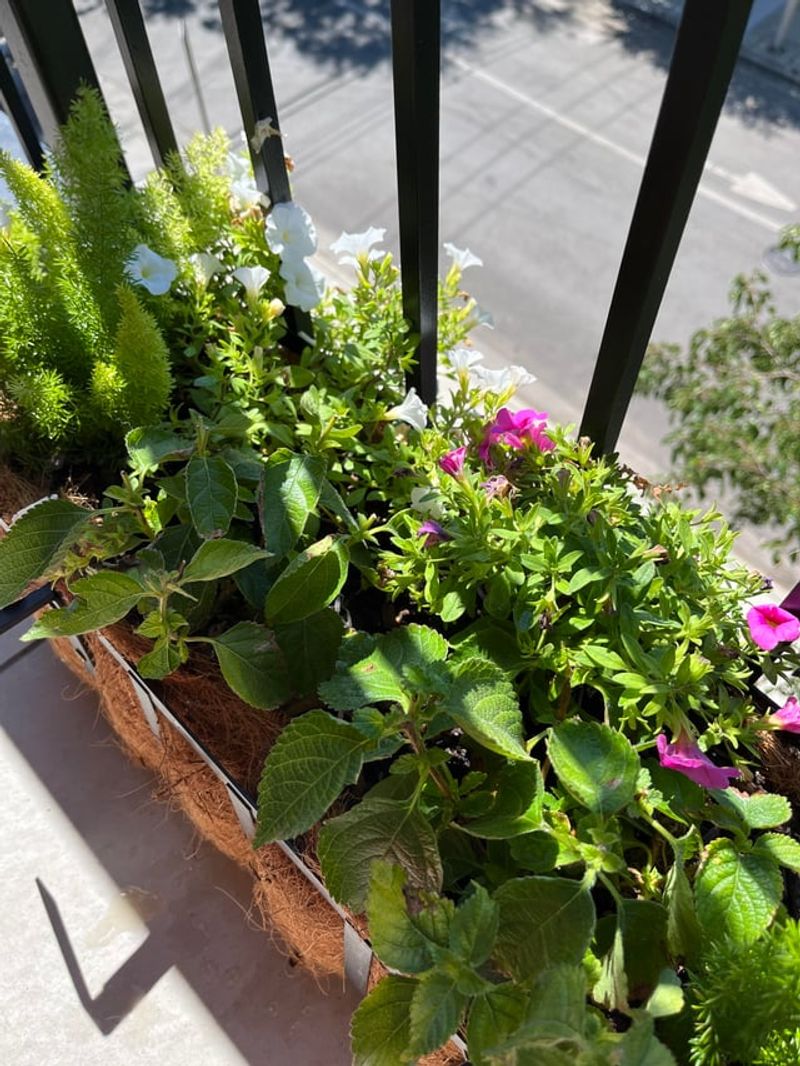
Planting things too close together is one of the most common mistakes in any garden, and lantana is no exception. When plants are crowded, air circulation drops dramatically.
That lack of airflow creates a humid microclimate around the leaves and stems, which is the perfect setup for fungal problems and pest pressure that can seriously hurt blooming.
Beyond disease risk, crowded lantana plants compete with each other for the same sunlight, water, and nutrients.
When resources are stretched thin, the plants focus on staying alive rather than producing flowers.
You end up with a dense mass of green growth and very little color to show for it.
Lantana needs room to spread. Depending on the variety, mature plants can reach three to six feet wide.
Planting them too close to each other or too close to walls, fences, or other shrubs limits their natural spread and cuts off the airflow they need.
Many gardeners underestimate how wide lantana will eventually grow and pack too many plants into a small area.
When planting, give each lantana at least three feet of space on all sides, more if you are growing a larger variety. If existing plants are already too close, selectively thin them out by removing the weakest ones.
Better airflow means healthier plants, fewer pest and disease problems, and a much better chance of getting steady, colorful blooms throughout the season.
8. Ignoring Whiteflies And Spider Mites
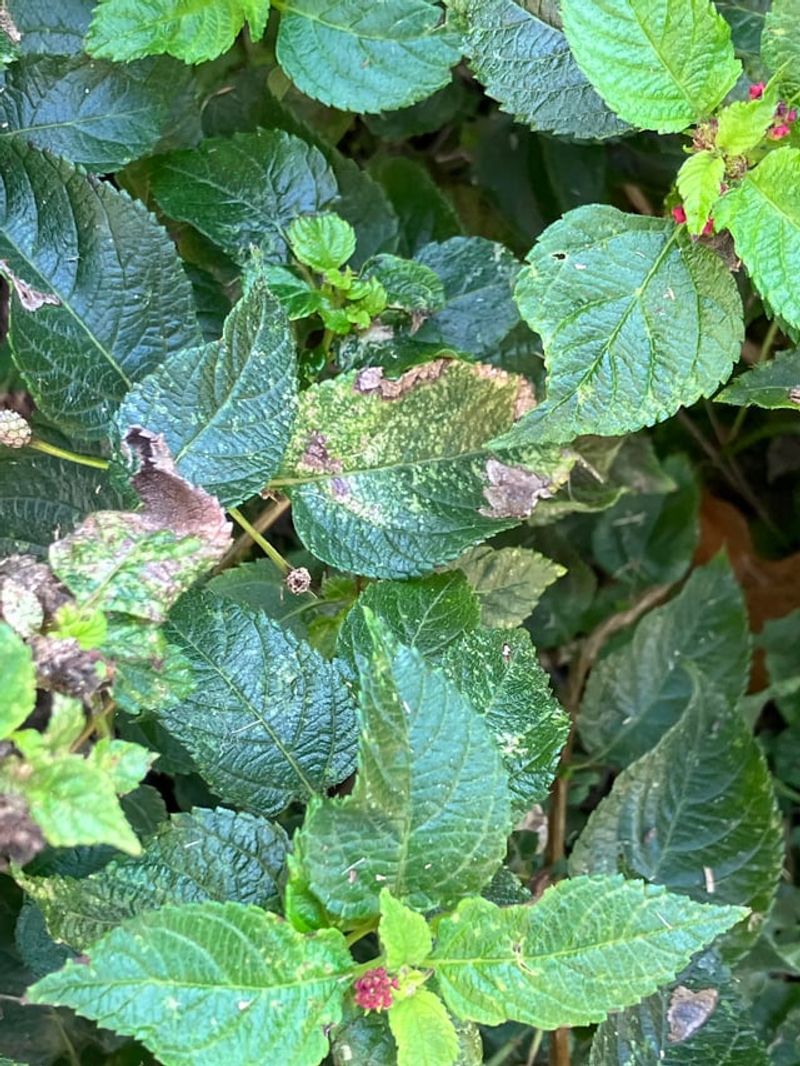
Small pests can cause big problems for lantana. Whiteflies and spider mites are two of the most common insects that target this plant.
Both of them can quietly drain the plant’s energy to the point where blooming slows down or stops entirely.
Whiteflies are tiny white insects that gather on the undersides of leaves. When disturbed, they fly up in a small cloud.
They feed by sucking sap from the plant, which weakens stems and causes leaves to yellow and curl. Spider mites are even smaller and harder to spot.
They leave behind fine webbing on leaves and stems and cause a dusty, stippled look on the leaf surface. Both pests reproduce fast in hot, dry weather.
Our warm summers create ideal conditions for both of these pests to build up large populations quickly.
Gardeners who do not check the undersides of leaves regularly often miss early infestations until the damage is already significant.
By that point, the plant is spending most of its energy dealing with pest stress rather than producing flowers.
Catching these pests early makes control much easier. A strong spray of water from a hose can knock whiteflies and mites off the plant.
Insecticidal soap or neem oil are effective and safe options for treating heavier infestations.
Inspect your plants every week or two during the warmest months and act quickly at the first sign of trouble.