The 9 Most Beautiful Florida Spring Flowers That Thrive In Full Sun
Florida gardeners don’t have to wait long for spring color. Give the right flowers a sunny spot, a little care, and they can turn a plain bed or patio pot into the prettiest part of the yard.
The trick is choosing blooms that actually enjoy Florida’s bright, warm days instead of fading the second the afternoon sun hits. Some flowers look lovely at the nursery, then struggle once they meet real heat.
Others settle right in and keep the color coming with far less fuss. So, which ones are worth the space in your garden?
These spring flowers bring beauty without needing constant rescue, making them smart picks for sunny borders, walkways, containers, and front-yard beds across Florida. With the right choices, full sun becomes less of a problem and more of a chance to show off.
1. Coreopsis Brings Golden Color With Native Power
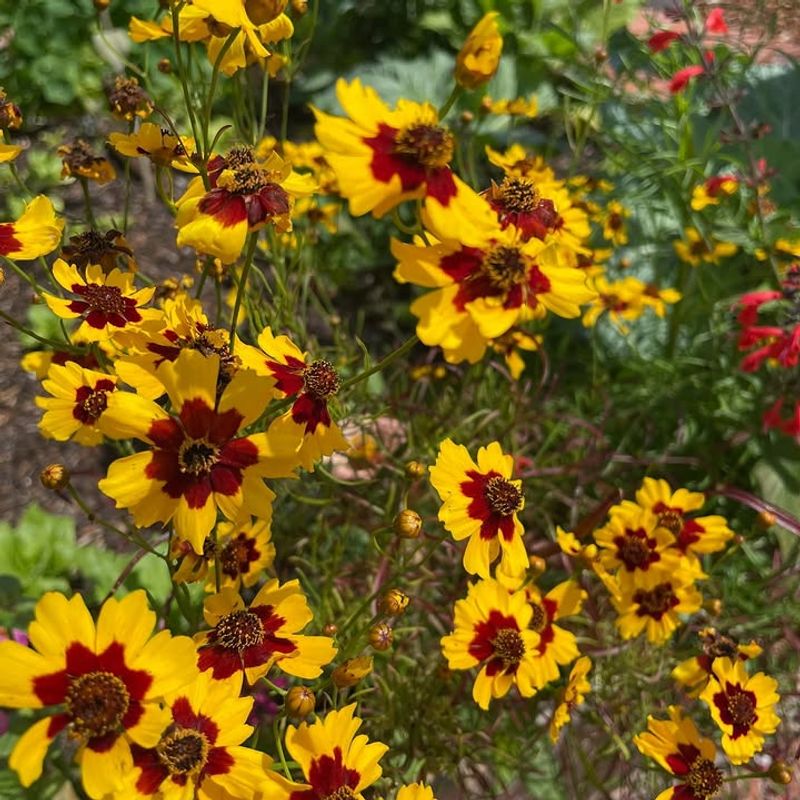
Golden, cheerful, and surprisingly tough, coreopsis is one of the most celebrated native wildflowers you can grow in a sunny yard. It earned its place as the state wildflower for good reason.
The blooms are a rich, warm yellow that practically glow in morning light, and they keep coming back season after season with very little help from you.
Several species of coreopsis are native to the state, so it pays to research which one suits your specific area. Leavenworth’s coreopsis thrives in moist, open flatwoods, while lance-leaf coreopsis handles drier conditions well.
Picking the right species for your soil and moisture level will give you the best results. A mismatched choice may still bloom, but it won’t perform the way it should.
Pollinators absolutely love coreopsis. Bees, butterflies, and small native insects visit the blooms regularly, making it a smart pick for anyone trying to support local wildlife.
Plant it in full sun with well-drained soil, and avoid overwatering once it is established. It works beautifully in wildflower-style beds, along sunny borders, or mixed with other native bloomers for a layered, natural look that feels effortless.
2. Black Eyed Susan Turns Heat Into Cheerful Blooms
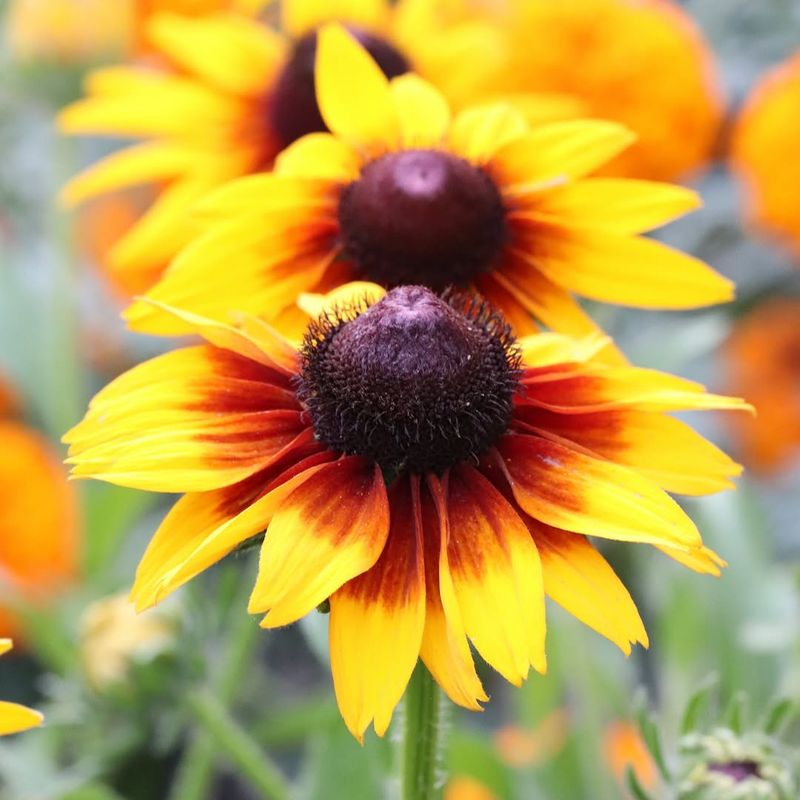
Few flowers bring the kind of bold, sunny energy that black-eyed Susan delivers on a warm spring morning. Those bright yellow petals surrounding a dark chocolate center are instantly recognizable and genuinely hard not to love.
The plant thrives in full sun and handles heat with ease, making it a natural fit for spots that bake most of the day.
The native species, Rudbeckia hirta, is found throughout much of the state and is supported by UF/IFAS and the Florida Wildflower Foundation as a solid native choice.
It works especially well in North and Central yards where summers are hot but winters dip low enough to give the plant a seasonal rest.
In South gardens, performance can vary, so checking with your local Extension office is a smart move before planting.
Black-eyed Susan is a magnet for pollinators. Bees and butterflies flock to it throughout the bloom season, and goldfinches enjoy the seed heads once flowering slows.
Your Florida Garden Changes Every Week. Your Plan Should Too.
Gardening in Florida changes quickly throughout the season. Every Friday you’ll receive a simple weekly plan showing exactly what to plant, prune, fertilize, harvest, and protect so you never miss the right timing.
It grows best in well-drained soil and does not need heavy fertilizing. Overwatering is one of the most common mistakes gardeners make with this plant, so water sparingly once it gets going and let it do its thing.
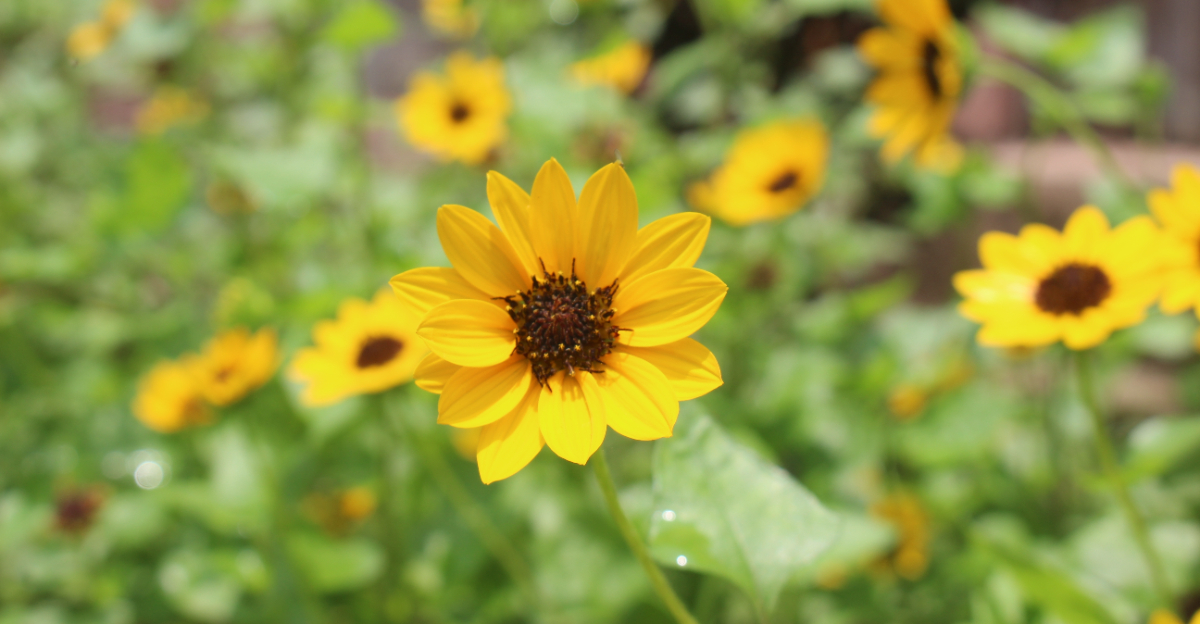
3. Dune Sunflower Spreads Sunshine In Tough Sandy Spots
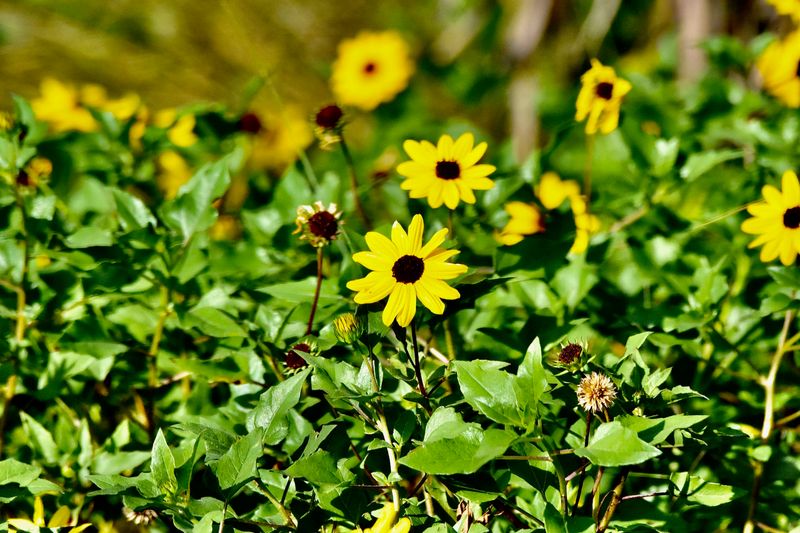
Sandy, dry, almost impossible to grow anything in? Dune sunflower, known scientifically as Helianthus debilis, practically laughs at those conditions.
This native coastal plant produces a cheerful parade of small yellow blooms nearly year-round in warm regions. Its strong spring show can brighten even the toughest spots in your yard.
It is a spreading groundcover by nature, and that is exactly what makes it so useful along slopes, sandy banks, and open sunny areas where erosion is a concern. However, honest gardeners will tell you that dune sunflower can take over a space if you are not watching.
It is best used where spreading is welcome, not in a tidy formal bed where it might crowd out neighbors. Give it room and let it do what it does naturally.
Coastal and South Central gardens are where dune sunflower really shines. It handles salt spray, poor sandy soil, and reflected heat from pavers or walls without complaint.
Butterflies and bees visit the blooms regularly. Once established, it needs very little water and almost no fertilizer.
Just trim it back occasionally to keep it looking neat and to encourage fresh, new growth throughout the season.
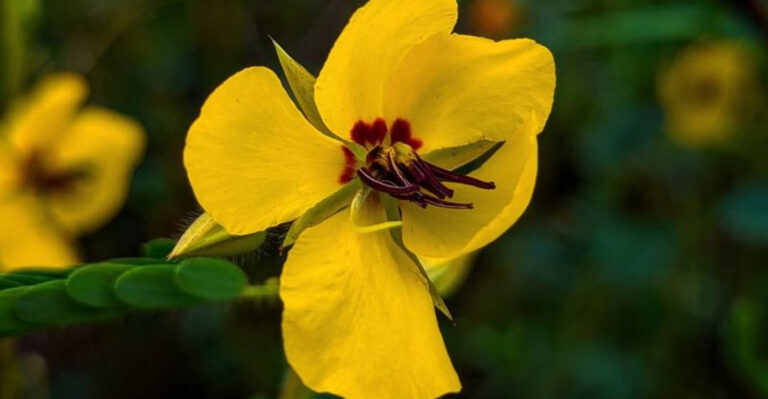
4. Sunshine Mimosa Softens The Lawn With Pink Puffballs
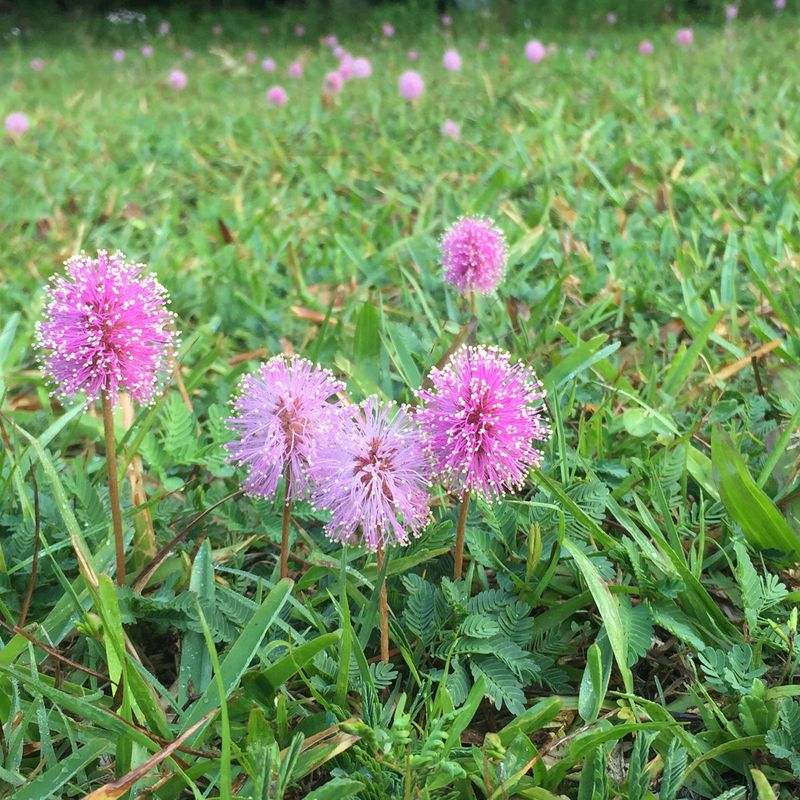
Tiny pink puffballs dotting a sunny lawn might sound like a dream, but sunshine mimosa, or Mimosa strigillosa, makes it a real possibility. This low-growing native groundcover produces fluffy pink blooms that look almost whimsical against its delicate, fern-like leaves.
It spreads along the ground and stays low, making it a creative alternative to traditional turfgrass in the right setting.
Sunshine mimosa performs best in full sun with well-drained soil. It is native to the state and is recommended by UF/IFAS as a Florida-Friendly groundcover option.
It handles heat well and, once established, is quite drought-tolerant. It tends to do especially well in North and Central areas, though it can perform in other regions too.
Always match it to your specific soil and moisture conditions before committing to a large planting.
Pollinators are big fans of this plant. Bees and butterflies visit the blooms with enthusiasm, which adds another layer of value beyond its visual appeal.
One thing worth knowing is that the leaves fold up when touched, which kids find absolutely fascinating.
It tolerates light foot traffic, making it a fun and functional choice for low-use lawn areas or sunny garden edges where a living carpet effect is genuinely welcome.
5. Native Blue Porterweed Keeps Pollinators Coming Back
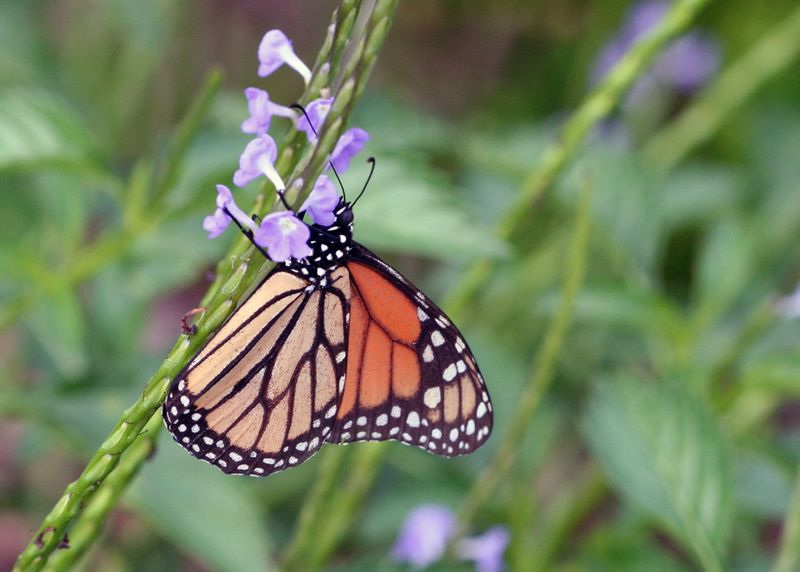
Walk past a patch of native blue porterweed on a warm spring day and you will almost certainly see butterflies. This native plant, Stachytarpheta jamaicensis, produces slender spikes of small blue-purple flowers.
Swallowtails, skippers, and other pollinators find them irresistible. It is one of the most pollinator-friendly plants you can add to a sunny garden space.
It is very important to choose the right species here. Native blue porterweed is native and is encouraged by the Florida Native Plant Society and UF/IFAS.
The nonnative porterweed species, however, is considered problematic in some areas. Do not substitute the nonnative version.
Check your plant label carefully and buy from a reputable native plant nursery to make sure you are getting the right one.
Native blue porterweed grows best in South and Central gardens where winters stay mild. It prefers full sun and well-drained soil.
It can handle dry conditions once established and does not need heavy watering or fertilizing. The plant tends to have an open, airy look that works well in informal or naturalistic garden designs.
Trim it back periodically to encourage bushy, fresh growth and more blooms throughout the warm season.
6. Tropical Sage Adds Red Blooms That Handle The Heat
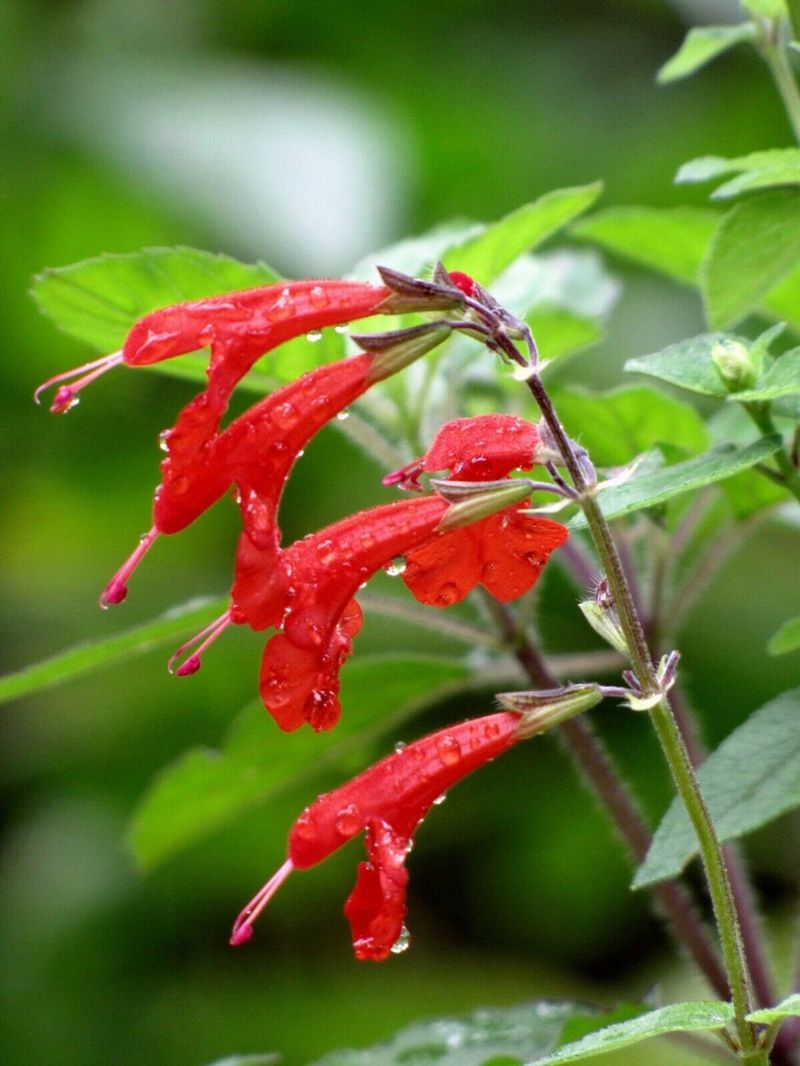
Red blooms that practically shimmer in full afternoon sun are one of the best reasons to grow tropical sage. Salvia coccinea is a native plant with tall spikes of vivid scarlet flowers from spring through fall.
It keeps blooming in heat that sends less-hardy plants into retreat. Hummingbirds, butterflies, and bees are all regular visitors.
It fits beautifully into informal garden designs and cottage-style beds. The upright habit gives it presence without taking up a lot of space.
Tropical sage works across much of the state, from North gardens to South, though performance and cold tolerance can vary by location. In warmer areas it may behave more like a perennial, returning each year.
In cooler North gardens it often acts as an annual, reseeding itself generously if conditions are right.
That reseeding habit is worth thinking about before you plant. Tropical sage can spread through self-sown seeds, so place it where a bit of natural spreading is fine.
It is not invasive, but it does like to move around a little. Full sun and well-drained soil are the keys to strong performance.
It tolerates dry spells once established and rarely needs supplemental fertilizer to produce its stunning red flower display.
7. Frogfruit Creates A Tiny Flower Carpet For Sunny Spaces
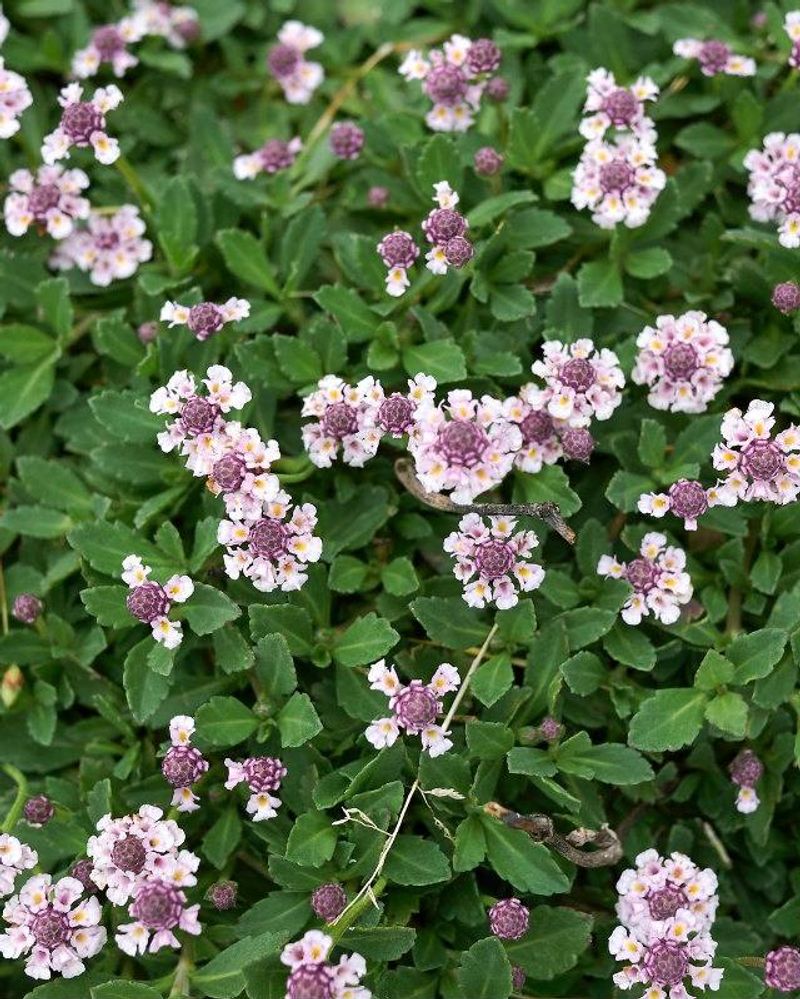
Small does not mean unimportant, and frogfruit proves that every single spring. Phyla nodiflora is a native groundcover that creeps along the ground and produces tiny white and pinkish blooms that might seem modest at first glance.
Look closer, though, and you will see those little flowers absolutely buzzing with small native bees, butterflies, and other beneficial insects.
Frogfruit grows in full sun and handles a range of soil types, from sandy to slightly moist. It is one of the few native groundcovers that can tolerate occasional light foot traffic.
That makes it useful along garden edges, pathways, and sunny lawn transition zones. It spreads steadily, so it works best where a living carpet effect is the goal rather than a contained planting.
Buckeye butterfly caterpillars use frogfruit as a host plant, which gives it extra ecological value beyond its blooms. It is native to the state and is recognized by UF/IFAS and the Florida Native Plant Society as a valuable, low-maintenance option.
Once established, it needs very little water and no fertilizer. It is a smart, hardworking plant that earns its place in any sunny garden where low-growing, wildlife-friendly coverage is the priority.
8. Blanketflower Delivers Florida-Friendly Color In Coastal Gardens
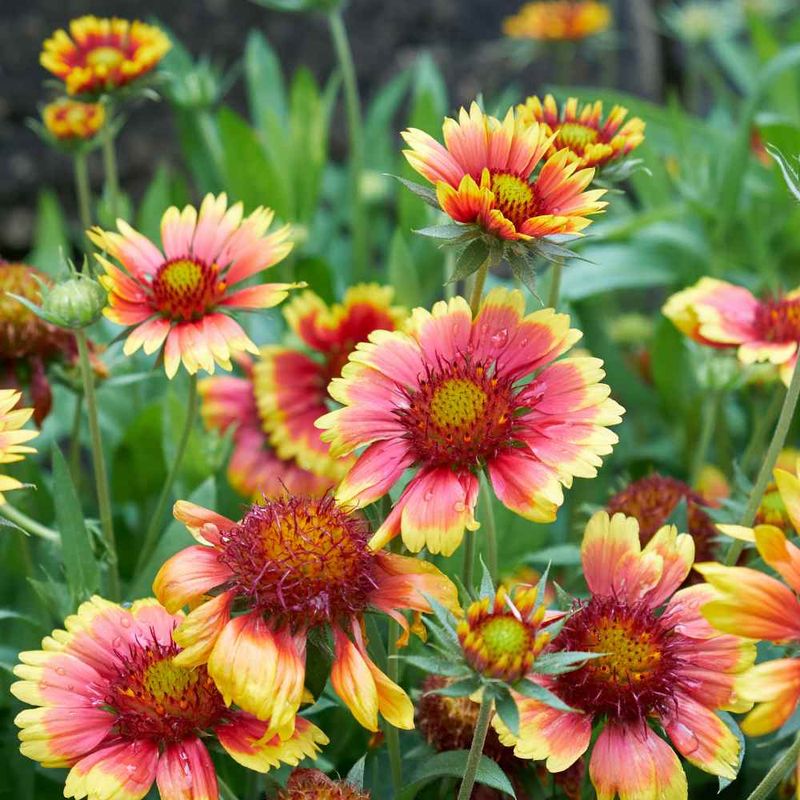
Sandy soil, blazing sun, and salt air are conditions that challenge most flowering plants. Blanketflower, known as Gaillardia pulchella, handles all three without missing a beat.
The blooms are bold and fiery, mixing red and yellow in a pattern that looks like a tiny sunset sitting at the end of each stem. It is one of the most eye-catching additions you can make to a coastal or sandy sunny garden.
Blanketflower is listed as a Florida-Friendly plant, but it is important to be clear that it is not a true native to the state in all regions. It is naturalized in some areas and behaves well.
Still, check with your local Extension office or UF/IFAS before planting, especially near a natural area or preserve. Responsible planting always starts with local guidance.
For gardens that qualify, blanketflower is a reliable performer. It blooms heavily in spring and continues through summer with trimming faded blooms.
Full sun and excellent drainage are non-negotiable. It does not like wet feet, so raised beds or sandy coastal soils suit it perfectly.
Pollinators, particularly bees and butterflies, visit the blooms regularly. It is a short-lived perennial in many areas, so plan to replant or allow it to reseed for continued coverage.
9. Pentas Packs Full Sun Beds With Long Lasting Color
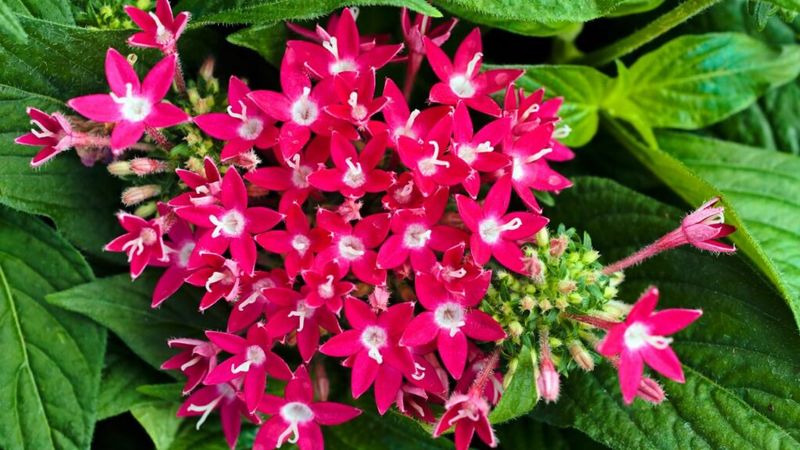
Color from spring straight through fall is a tall order for any plant, but pentas delivers it reliably in sunny beds and containers. The clusters of star-shaped flowers come in red, pink, white, and lavender, giving gardeners plenty of options to mix and match.
Butterflies are especially drawn to pentas, and hummingbirds visit regularly too, which makes it a lively and rewarding plant to grow near a porch or patio.
Pentas is not a native plant. It is a Florida-Friendly annual or tender perennial, depending on where you live in the state.
In South gardens with mild winters, it may survive year-round and grow into a sizable shrub. In Central and North gardens, cold snaps will cut it back, and most gardeners treat it as a warm-season annual that gets replanted each spring.
Either way, the performance during the warm months is hard to beat.
Full sun is where pentas truly thrives. It tolerates heat well but appreciates consistent moisture, especially during dry spells.
Well-drained soil is important because soggy roots cause problems quickly. Avoid over-fertilizing, which can push leafy growth at the expense of blooms.
Trimming keeps the plant looking tidy and encourages fresh flower clusters to form throughout the long growing season.