The Most Common Hummingbird Feeder Mistakes You’re Probably Making In North Carolina
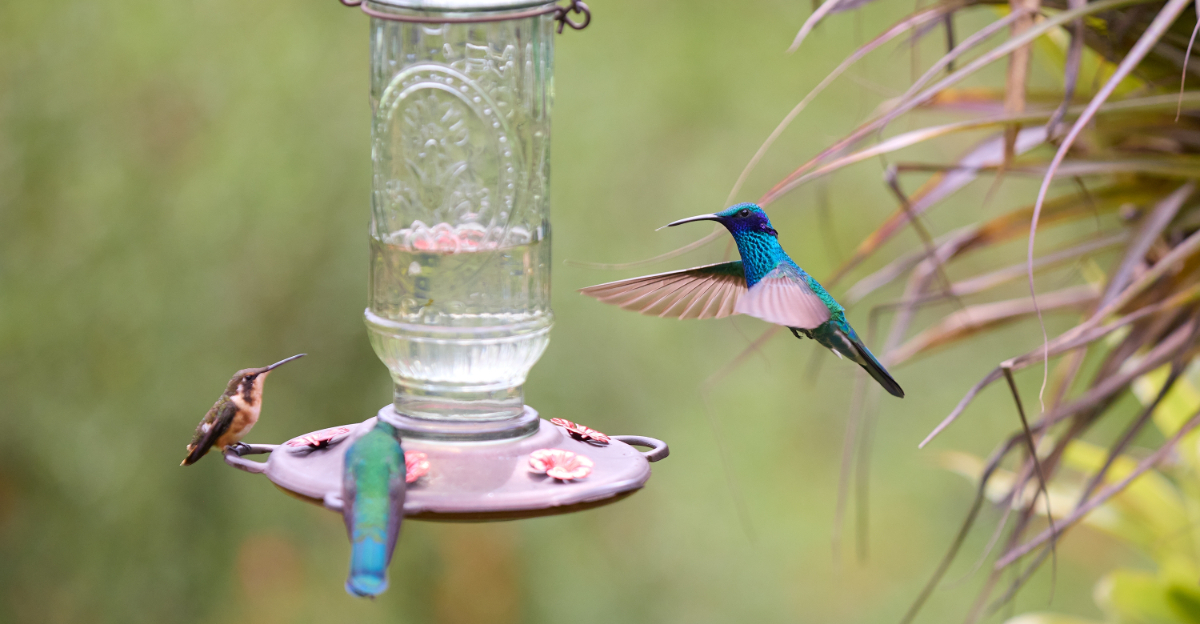
Hummingbird feeders are among the most popular ways to attract wildlife to North Carolina yards, yet many are maintained in ways that make them less effective, or even discourage hummingbirds from visiting.
These problems are rarely caused by careless gardeners. In most cases, they come from people who genuinely want to help the birds but are following advice that sounds sensible without considering North Carolina’s intense summer heat and humidity.
Those conditions can quickly affect nectar freshness, damage feeder materials, and influence the feeding habits of hummingbirds moving through the region.
The good news is that a few thoughtful changes to feeder placement, cleaning routines, and nectar care can make a dramatic difference. With the right approach, feeders can stay safer, attract more birds, and remain active throughout the season.
1. Using Red Dye In The Nectar
Many backyard gardeners in North Carolina assume that red-colored nectar is more attractive to hummingbirds, but that popular idea is actually a myth worth busting.
Hummingbirds are naturally drawn to the color red, but the color needs to come from the feeder itself, not from the sugar water inside it.
Adding red food dye to your nectar is completely unnecessary and may not be good for the birds at all. NC State recommends skipping red dye solutions entirely and sticking with plain white sugar and water.
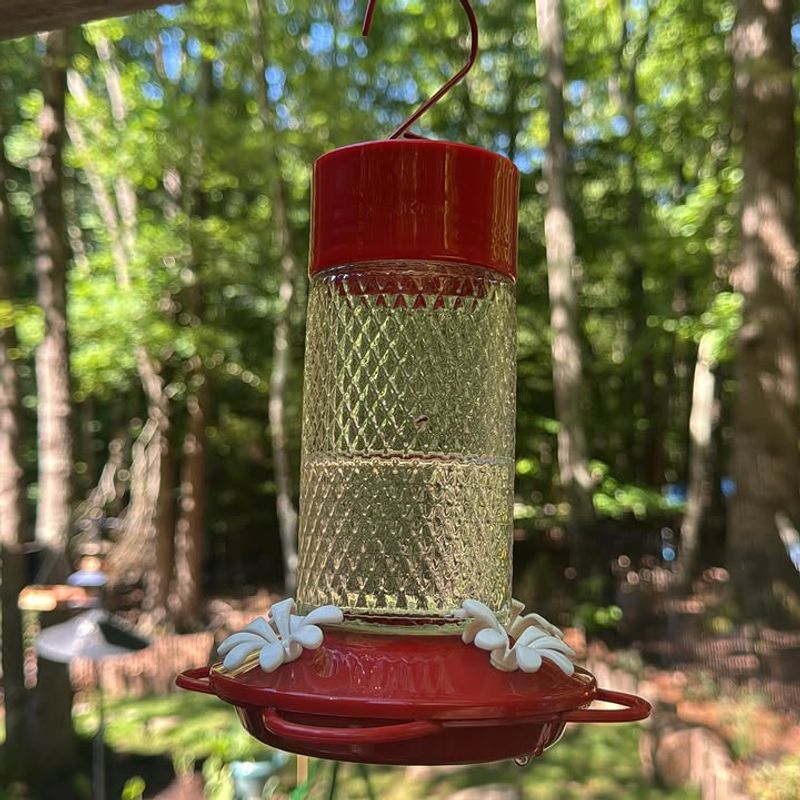
If your feeder already has red parts, like a red base, red feeding ports, or a red cap, that is more than enough to catch a hummingbird’s attention from across the yard.
You can also wrap a small piece of red tape near the feeding openings if your feeder is mostly clear or another color.
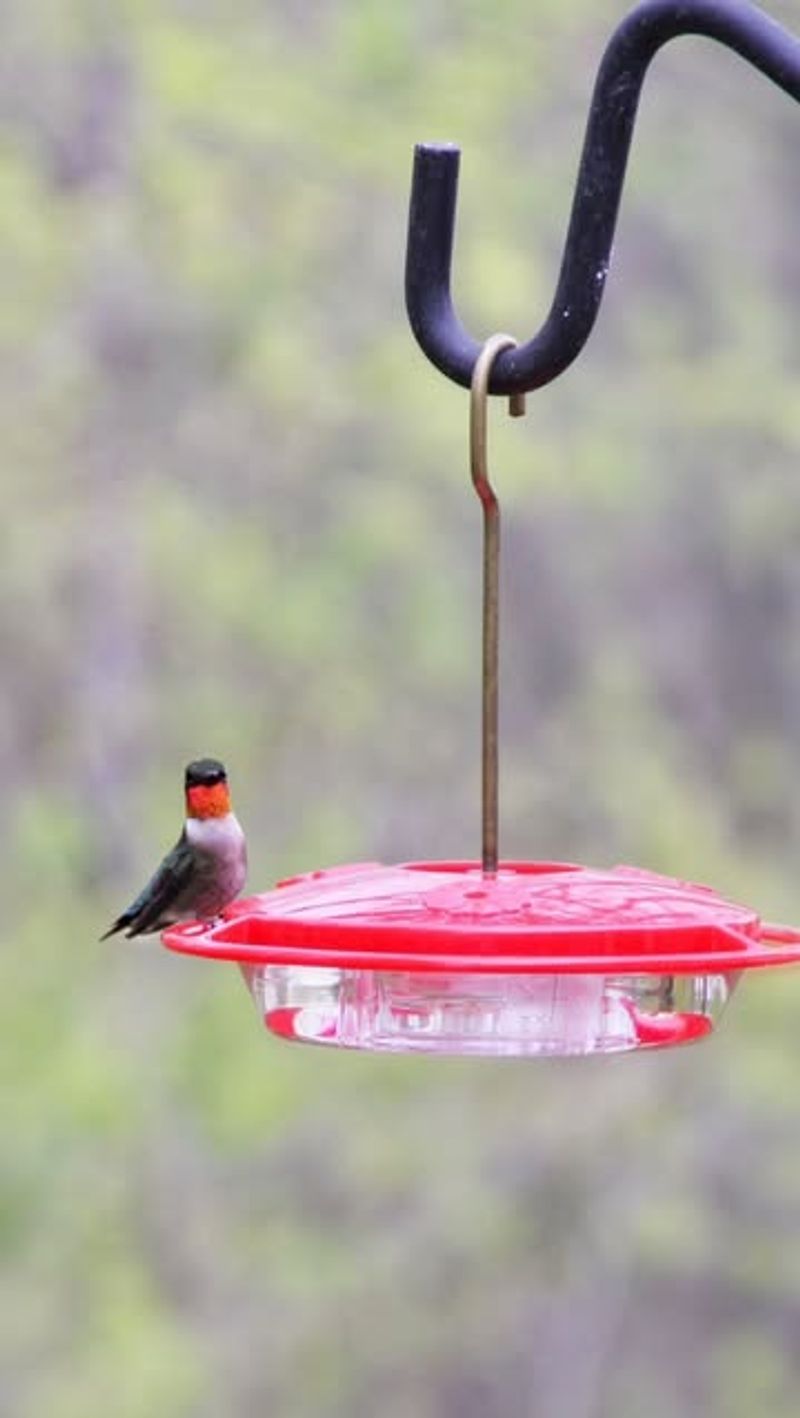
The birds are sharp-eyed and quick learners. Once a Ruby-Throated Hummingbird discovers your feeder, it will return regularly without needing any color tricks in the nectar.
Keeping the solution clean and clear is far more important than making it look fancy. Plain nectar that stays fresh will always outperform a brightly colored solution that sits too long.
Save yourself the extra step, skip the dye, and let the feeder do the attracting on its own.
2. Mixing The Nectar Too Strong Or Too Weak
Getting the nectar recipe right is one of the simplest and most important things you can do for the hummingbirds visiting your North Carolina yard.
The correct mixture is four parts water to one part white granulated sugar, and that ratio matters more than most people realize.
A solution that is too sweet can stress a hummingbird’s system, while one that is too diluted does not give the birds enough energy to fuel their incredibly fast metabolism.
To make a fresh batch, stir the sugar into warm water until it fully dissolves, then let the solution cool completely before pouring it into the feeder.
Filling the feeder with warm nectar can speed up spoiling, especially during North Carolina’s hot and humid summers.
If you make more than your feeder holds at one time, store the extra solution in the refrigerator for up to two weeks.
Your North Carolina Garden Changes Every Week. Your Plan Should Too.
Gardening in North Carolina changes quickly throughout the season. Every Friday you’ll receive a simple weekly plan showing exactly what to plant, prune, fertilize, harvest, and protect so you never miss the right timing.
Avoid the temptation to eyeball the measurements or adjust the recipe based on how many birds are visiting. The four-to-one ratio closely matches the natural sucrose concentration found in the flowers hummingbirds prefer, which is exactly why it works so well.
Consistency in your recipe keeps the birds healthy and coming back. A little measuring goes a long way toward building a reliable backyard hummingbird spot that stays active all season.
3. Using Honey, Brown Sugar, Or Fruit Juice
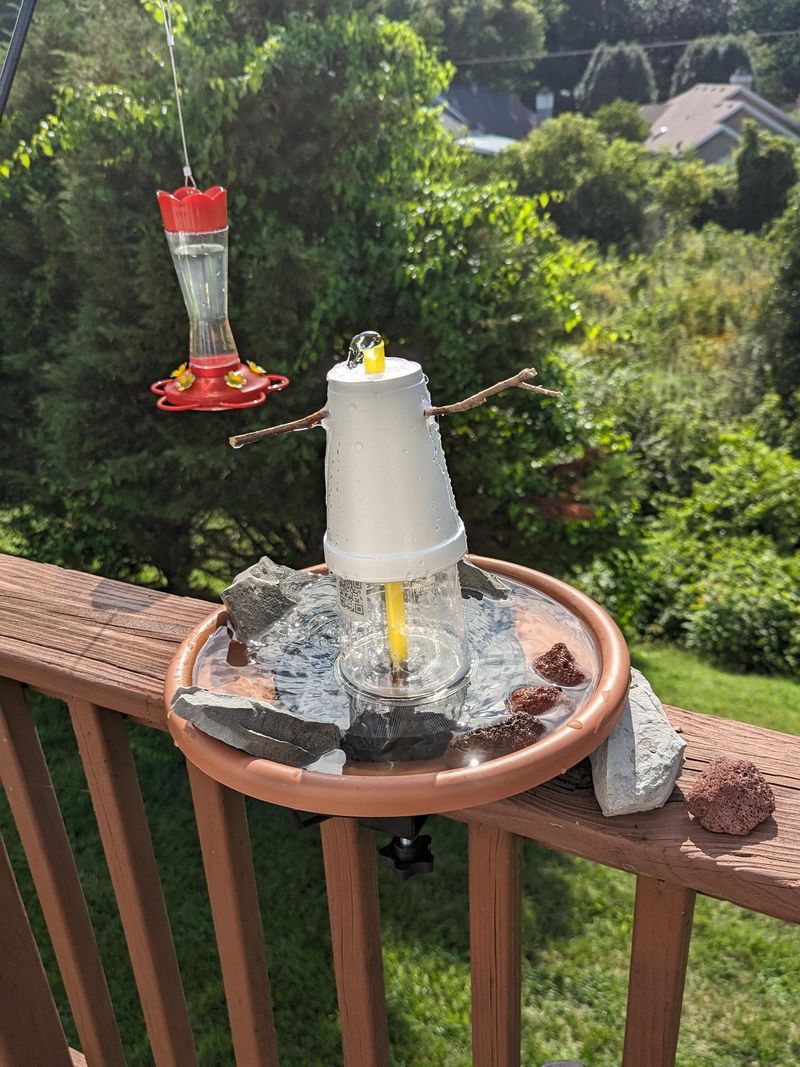
Stocking your pantry with natural sweeteners feels like the healthy choice for everything, but hummingbird feeders are one place where natural does not mean better.
Honey, brown sugar, fruit juice, maple syrup, and similar substitutes might seem like wholesome options, but they can actually cause serious problems when used in a hummingbird feeder.
These alternatives ferment and spoil much faster than plain white sugar, especially in North Carolina’s warm outdoor temperatures.
NC State specifically recommends white granulated sugar and water as the only ingredients for hummingbird nectar.
Brown sugar contains molasses, which adds minerals and compounds that the birds do not need and that can encourage faster bacterial growth.
Honey is particularly risky because it ferments quickly and can promote harmful mold and fungal growth inside the feeder, even when the weather is only mildly warm.
Fruit juice brings its own set of issues, including natural acids, pulp residue, and sugars that break down rapidly and attract unwanted insects.
The reason plain white sugar works so well is that its chemical structure closely mirrors the sucrose found in flower nectar, making it the most appropriate and safest choice available.
It is also affordable, easy to find at any grocery store, and completely reliable. Stick with the simple recipe and skip the substitutes for a feeder that stays cleaner and safer throughout the season.
4. Letting Nectar Sit Too Long In Summer Heat
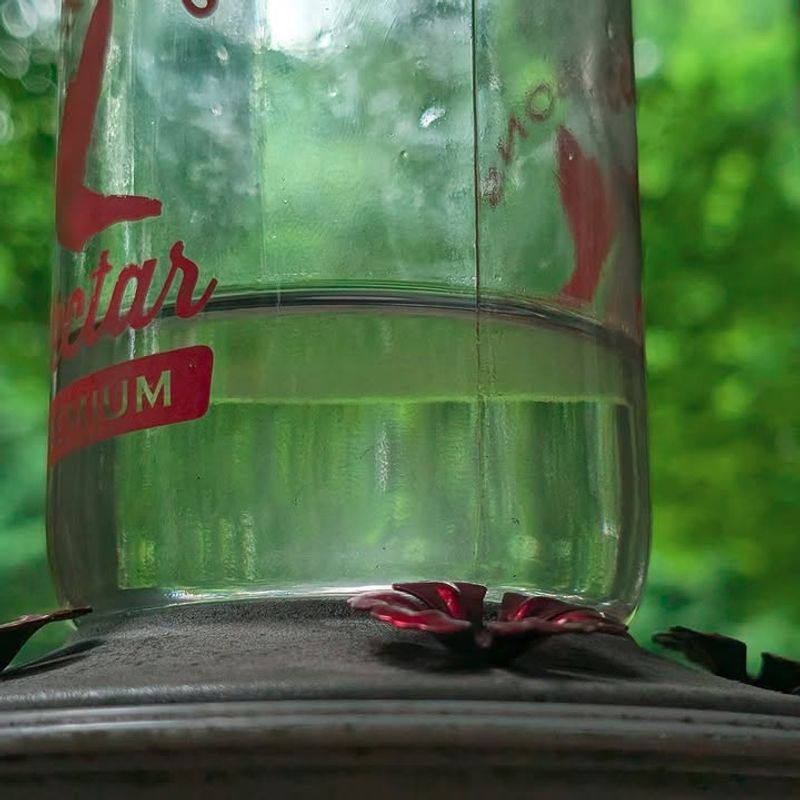
North Carolina summers are no joke. With temperatures regularly climbing into the upper 80s and 90s, the heat can turn a fresh batch of sugar water into a spoiled, cloudy mess faster than you might expect.
Warm conditions accelerate fermentation and bacterial growth in nectar, which means a feeder that looks fine in the morning might already be going bad by afternoon on the hottest days of the year.
During peak summer heat, plan to empty and clean your feeder every single day or every other day at minimum. This might sound like a lot of upkeep, but it makes a real difference in the health and happiness of the birds visiting your yard.
In milder stretches of spring or early fall, changing the nectar every two to three days is usually sufficient to keep things fresh and safe.
One helpful trick is to make smaller batches of nectar more frequently rather than filling the feeder all the way to the top. That way you are not throwing away as much unused solution when it is time to clean and refill.
Watch for signs that nectar has gone bad, including cloudiness, floating particles, a sour smell, or visible mold near the feeding ports.
Fresh nectar is one of the easiest ways to keep Ruby-Throated Hummingbirds returning to your North Carolina yard all summer long.
5. Refilling Without Cleaning The Feeder
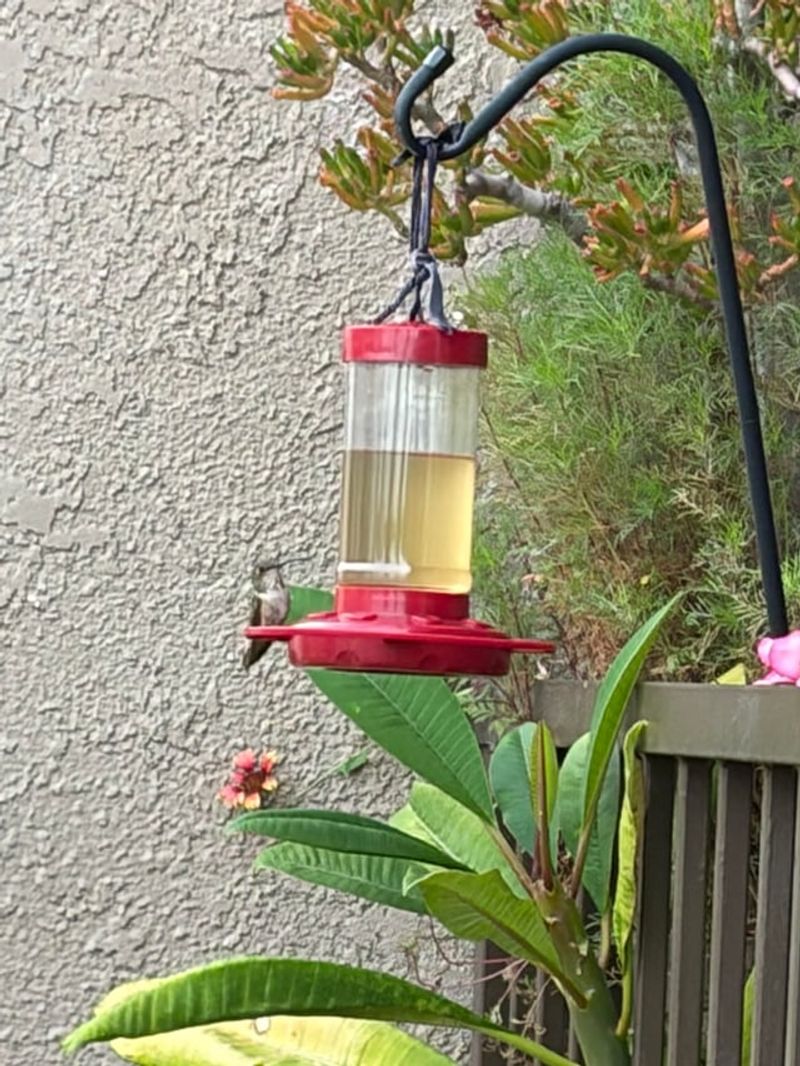
Topping off a feeder that still has old nectar in it feels like a time-saving shortcut, but it is one of the most common mistakes backyard birders make.
Every time you add fresh sugar water on top of a batch that has already been sitting out, you are mixing clean nectar with a solution that may already be fermenting or carrying bacteria.
The new nectar gets contaminated almost immediately, which means the birds are still drinking something that is not fresh no matter how recently you refilled it.
Feeders should be thoroughly cleaned every single time you change the nectar. Take the feeder apart completely and scrub all the pieces, paying special attention to the feeding ports, which are small openings where mold and residue tend to build up quickly.
A bottle brush and a thin pipe cleaner work well for reaching tight spots. Hot water with a small amount of dish soap does the job for routine cleaning, and a diluted white vinegar rinse can help tackle stubborn buildup.
Here is something worth remembering: a smaller feeder that gets cleaned regularly will serve the birds far better than a large feeder that gets topped off without washing. Cleanliness is the single most important factor in running a successful hummingbird feeder.
Birds are smart and will avoid a feeder that tastes or smells off, so consistent cleaning keeps them coming back reliably.
6. Hanging The Feeder In All-Day Direct Sun
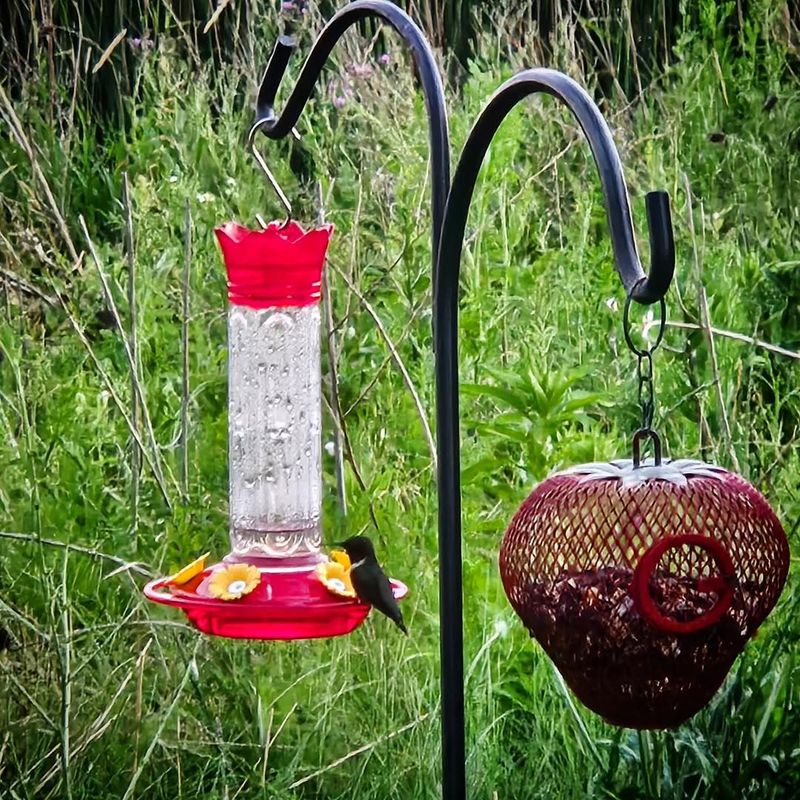
Placement might seem like a minor detail, but where you hang your hummingbird feeder in North Carolina can make a surprisingly big difference. Hanging a feeder in a spot that gets blasted by full sun all day long is a setup for fast-spoiling nectar.
The heat from direct sunlight warms the sugar water quickly, shortening its freshness window and forcing you to change it even more often than you already should during summer.
A better approach is to find a spot that gets morning sun and afternoon shade. Morning light makes the feeder easy for birds to spot from a distance, while afternoon shade keeps the nectar cooler during the hottest part of the day.
This balance is especially helpful in the Piedmont and coastal regions of North Carolina, where summer afternoons can feel relentlessly hot and sticky for weeks at a time.
At the same time, avoid tucking the feeder away in a spot that is too dark or completely hidden.
Hummingbirds need to be able to see the feeder from a distance as they fly through the yard, and you need to be able to spot it easily from a window so you remember to check it regularly.
Good placement means the feeder is visible, accessible for cleaning, and protected enough from the sun to keep the nectar fresher for longer. Small adjustments in location can lead to noticeably better results.
7. Placing Feeders Far From Flowers And Shelter
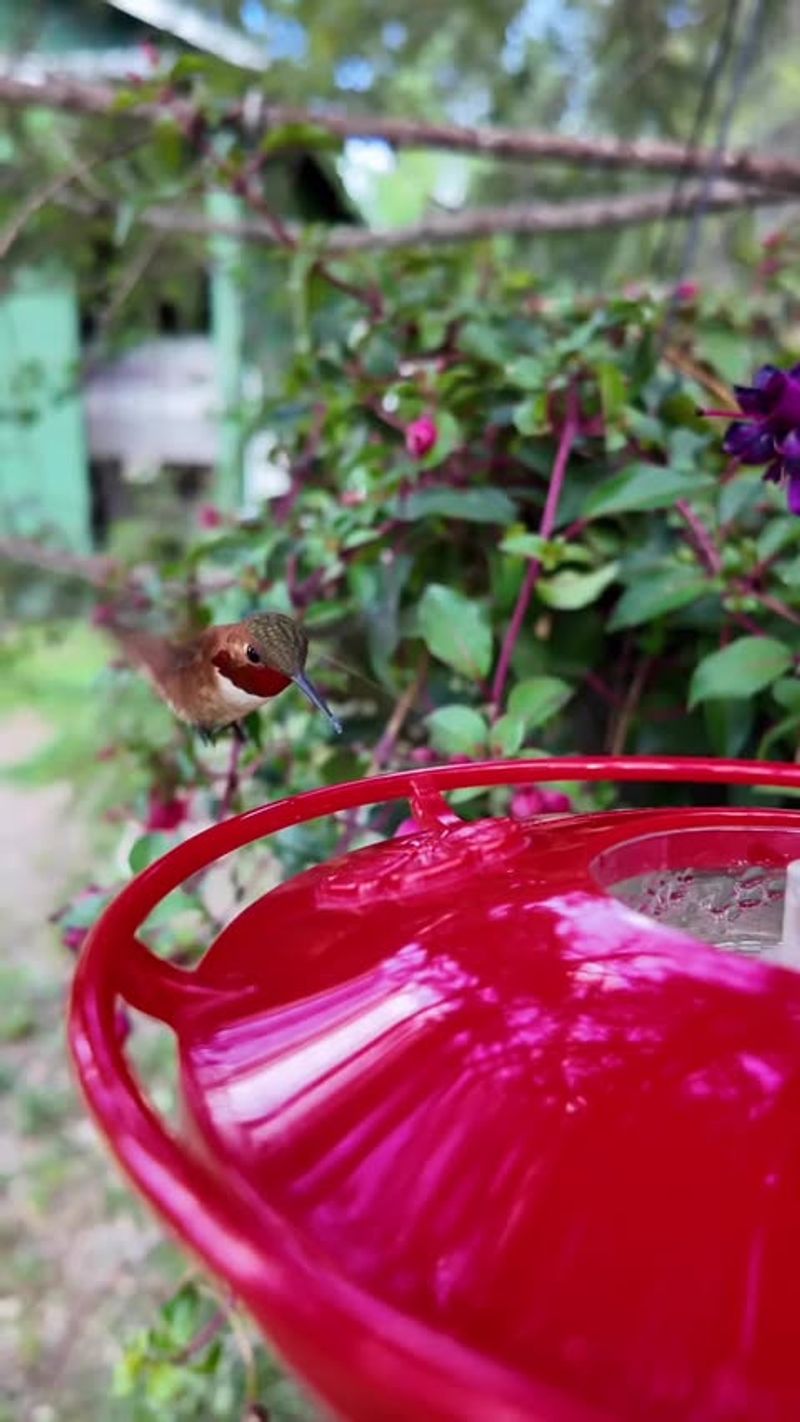
Picture a hummingbird flying over your yard for the first time. It is scanning the landscape for familiar signals: bright flowers, leafy shrubs, sturdy perches, and signs of food and safety.
When a feeder hangs out in the open with nothing around it, the bird has very little reason to trust that spot or linger there for long.
Location is about more than just sun and shade; it is about creating an environment the birds feel comfortable returning to.
NC State recommends placing feeders near blossoms where hummingbirds already feed naturally.
Native plants like trumpet vine, coral honeysuckle, bee balm, and cardinal flower are all excellent choices for North Carolina yards and work beautifully alongside a feeder.
The flowers serve as a natural advertisement, drawing hummingbirds in close enough to discover the feeder on their own.
Nearby trees and shrubs matter just as much as the flowers. Ruby-Throated Hummingbirds like to perch and rest between feeding sessions, and they often sit quietly in a shrub or on a thin branch to watch over their territory.
Giving them a safe perch close to the feeder makes the whole setup feel more natural and inviting.
Think of the feeder as one part of a larger habitat rather than a standalone attraction, and you will see a noticeable difference in how often and how comfortably the birds visit your yard.
8. Spraying Insects Around The Feeder
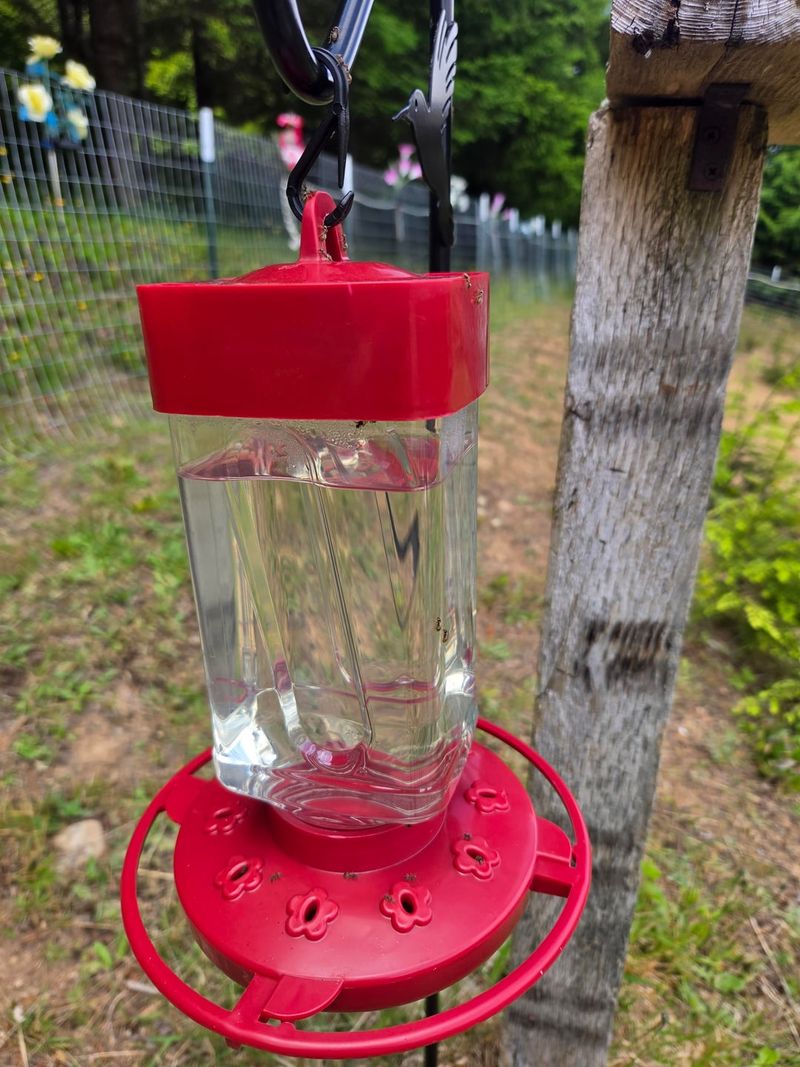
Ants crawling into the nectar and bees buzzing around the feeding ports are genuinely frustrating, and the instinct to grab a can of insect spray is completely understandable.
However, spraying pesticides, insect repellents, or any chemical product on or near a hummingbird feeder is one of the most harmful things you can do for the birds you are trying to attract.
Hummingbirds feed directly from the ports, and any chemical residue left on the feeder or in the nectar can harm them.
NC State advises against using these products around feeders and points to smarter, safer alternatives instead.
An ant guard, which is a small moat filled with water that hangs between the hook and the feeder, is one of the most effective and inexpensive solutions available.
Ants cannot cross the water barrier, which keeps them out of the nectar without any chemicals involved. Many feeders now come with built-in ant moats, making this solution even easier to use.
For bees and wasps, feeder design can help a lot. Look for feeders with recessed ports that keep the nectar surface farther from the opening, since bees have shorter tongues and cannot reach nectar set back from the edge.
Keeping the feeder clean and free of drips also reduces the sweet smell that draws insects in the first place. Simple, chemical-free strategies work just as well and keep the birds completely safe.
9. Filling A Large Feeder When Visits Are Light
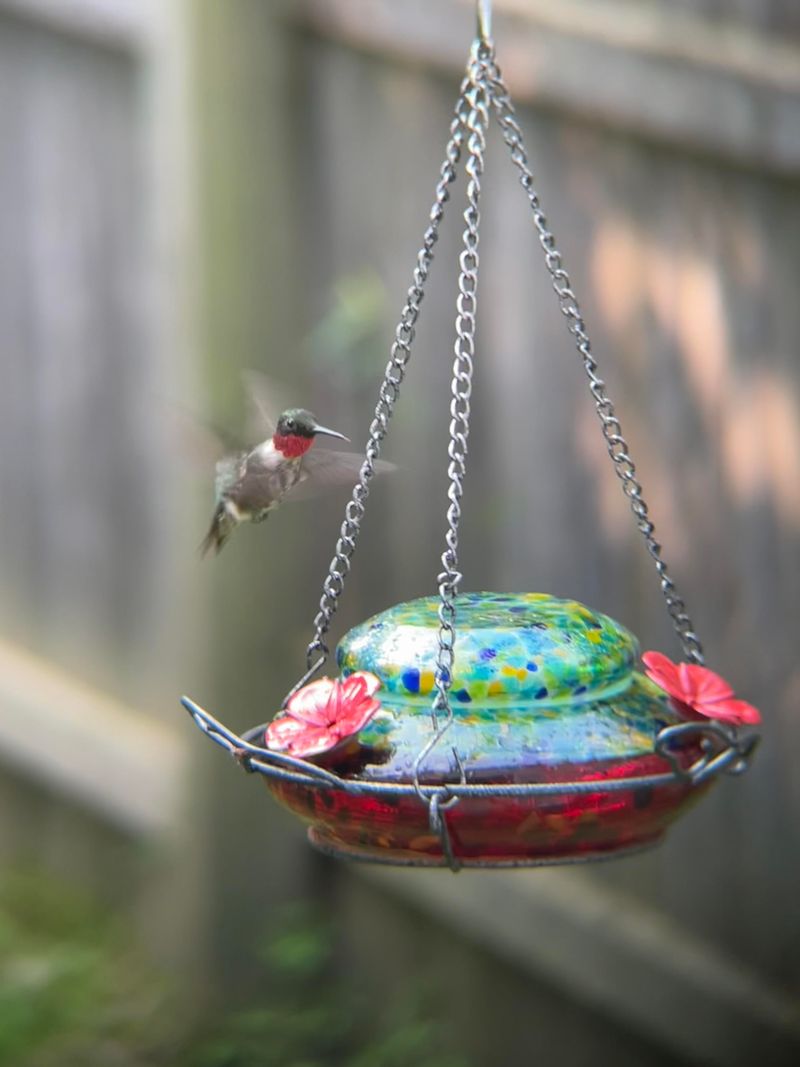
Bigger is not always better when it comes to hummingbird feeders, and this is a lesson many North Carolina gardeners learn the hard way.
A large feeder filled to the top looks generous and welcoming, but if only a few birds are visiting, that nectar will sit in the heat long past the point when it should have been changed.
Nectar that clouds up, smells sour, or shows floating particles is no longer appealing or safe for the birds, no matter how recently you filled it.
During slower periods, like early in the season when hummingbirds are just arriving or late in fall when numbers start to drop, filling a smaller feeder with a modest amount of nectar is a much smarter approach.
You change it more frequently, waste less solution, and the birds always get something fresh.
That freshness is what keeps them coming back rather than moving on to a neighbor’s yard with a cleaner setup.
Watch the feeder activity in your yard and let the number of visiting birds guide how much nectar you put out at one time. During peak summer months when multiple birds are visiting daily, a fuller feeder makes more sense.
But during quieter stretches, a small feeder with fresh nectar changed every couple of days is far more effective than a large one that sits stagnant. Match your feeder size to your actual bird traffic for the best results all season long.
10. Taking Feeders Down Too Early In Fall
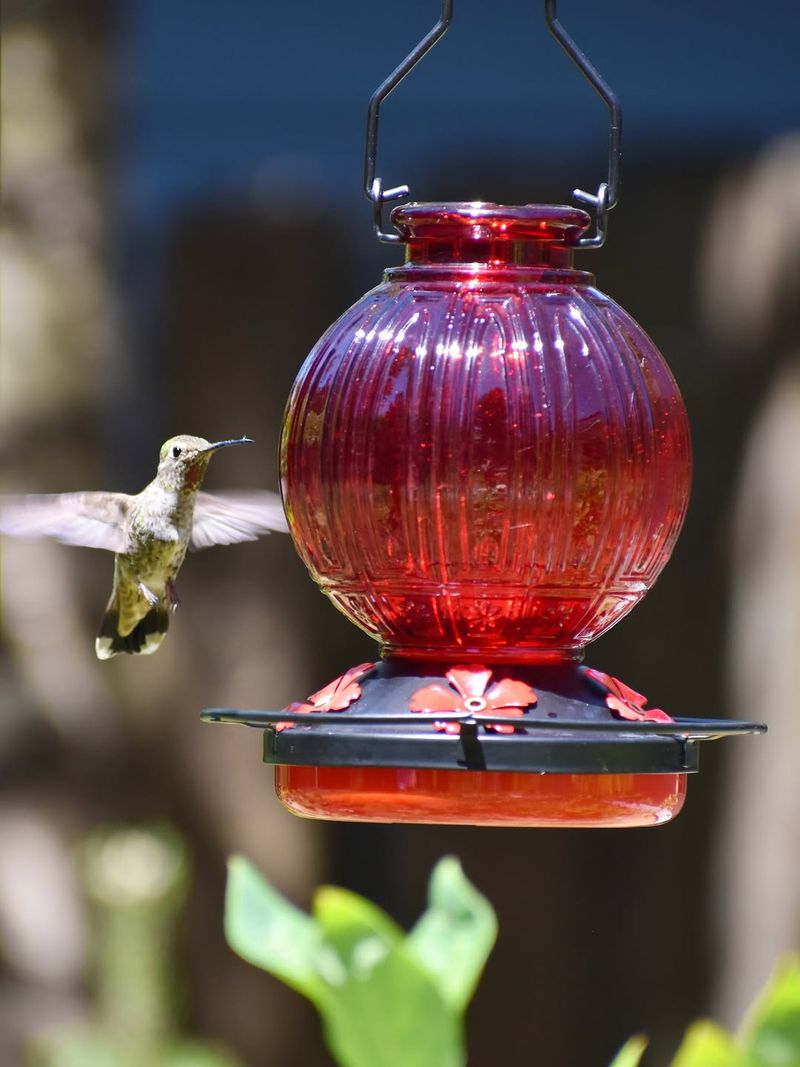
Fall arrives in North Carolina and many gardeners start wrapping things up in the yard, packing away summer gear and pulling down hummingbird feeders before the season has fully wound down.
It is an easy assumption to make: once summer ends, the hummingbirds must be gone too. However, pulling feeders down in September or early October can actually leave late-migrating birds without a fuel stop when they need one most.
Most Ruby-Throated Hummingbirds leave North Carolina by mid-October, with peak migration generally wrapping up around that time.
However, stragglers and late migrants often pass through well into October, and keeping a clean feeder available gives those birds a reliable energy source during a long and demanding journey.
Leaving the feeder up does not stop migration, which is a common worry that turns out to be completely unfounded. Birds migrate based on daylight changes and instinct, not because a feeder is or is not available.
North Carolina also occasionally hosts rare western hummingbird species during winter months, and a feeder left up past the typical Ruby-Throated season sometimes rewards patient observers with a surprising and exciting sighting.
Plan to keep your feeder clean and stocked through the end of October at minimum. After that, if you have not seen any activity for a couple of weeks, you can safely bring it in for the winter knowing you gave every passing bird a fair chance to stop and refuel.