Plant These Texas Native Shrubs In July And Never Replace Them Again
Most plants you put in the ground during July in Texas are working against the odds. The heat is brutal, the sun is relentless, and establishing anything new during the hardest stretch of summer requires extra effort and close attention.
But there’s a category of plants that actually handles a July planting remarkably well, and once they’re in the ground, you may genuinely never have to replace them. Texas native shrubs are built different.
These are plants that evolved over thousands of years in this exact climate. The heat, the drought, the unpredictable swings between dry spells and heavy rain.
Native shrubs don’t just tolerate these conditions, they’re calibrated for them. Get one established and it tends to dig in, spread its roots deep, and come back stronger year after year without asking much of anything in return.
The right ones planted this July could still be thriving in your yard decades from now. Here’s which Texas native shrubs are worth planting right now and why they’re worth every bit of the effort.
1. Texas Sage / Cenizo
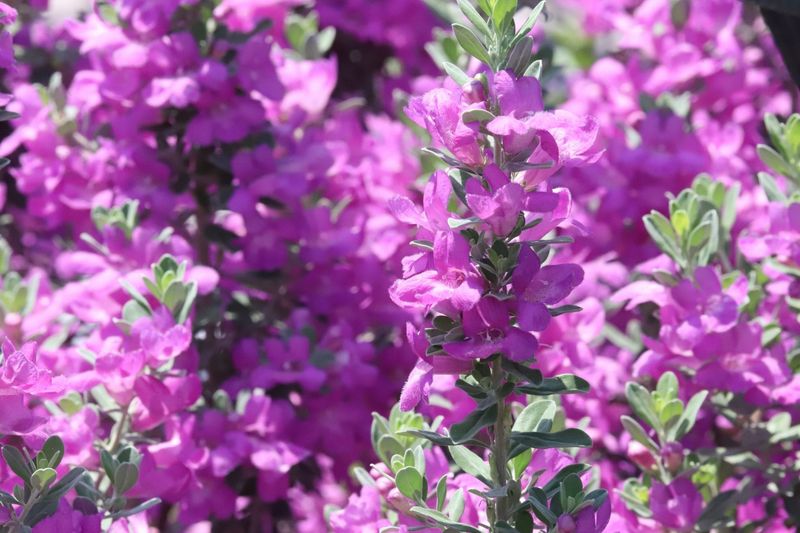
Walk through almost any Hill Country neighborhood and you will likely spot this silvery beauty glowing in the afternoon sun. Texas Sage, also called Cenizo, is one of the most recognizable native shrubs in the state.
Its soft, silver-gray leaves catch the light beautifully, and when summer humidity rolls in or rain is on the way, the plant bursts into clusters of lavender-purple flowers. Many Texans call it the “barometer bush” because it seems to bloom just before a storm.
Planting Texas Sage in July is actually a smart move. The heat encourages its roots to spread quickly into the surrounding soil.
It needs full sun and excellent drainage above everything else. Soggy soil is its biggest enemy, so avoid low spots in the yard or areas near irrigation heads. A raised bed or a slope with rocky, lean soil is where this shrub truly shines.
Once established, Texas Sage is remarkably hands-off. It does not need fertilizer, frequent watering, or much pruning at all.
Let it grow into its natural rounded shape rather than shearing it into a tight ball, which can actually reduce blooming. It typically reaches four to six feet tall and wide, making it a perfect anchor plant for a sunny border or dry front yard.
Birds visit the blooms, and butterflies find it irresistible. For a plant that rewards neglect with beauty, Cenizo might just be the most satisfying shrub you ever put in the ground in Texas.
2. Agarita
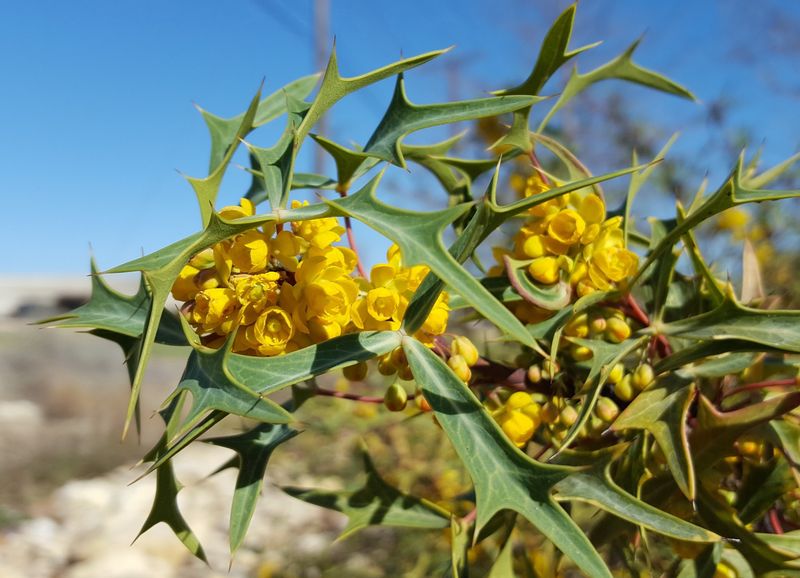
Tough, thorny, and wildly useful, Agarita is the kind of shrub that earns its place in the landscape without asking for a single favor.
It is an evergreen native found naturally across the Texas Hill Country and Trans-Pecos regions, growing happily in rocky, thin soil where most other plants would struggle.
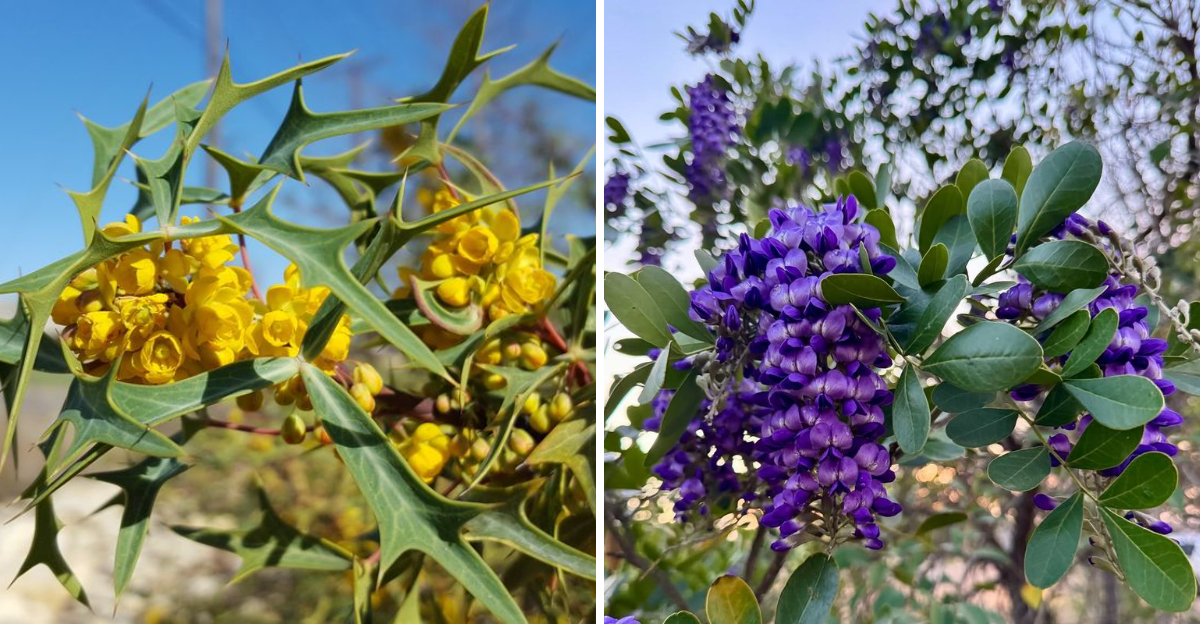
The leaves are stiff and spiny, similar in look to holly, and they stay green year-round. In early spring, tiny bright yellow flowers appear and fill the air with a sweet, honey-like fragrance that is genuinely surprising for such a rugged plant.
Your Texas Garden Changes Every Week. Your Plan Should Too.
Gardening in Texas changes quickly throughout the season. Every Friday you’ll receive a simple weekly plan showing exactly what to plant, prune, fertilize, harvest, and protect so you never miss the right timing.
After the flowers fade, small red berries develop by late spring or early summer. These berries are edible and have been used for generations to make jelly and juice.
Wildlife absolutely love them, and mockingbirds, cedar waxwings, and other birds will flock to a mature Agarita shrub. The spiny foliage also makes it an outstanding natural barrier along property lines or around areas where you want to discourage foot traffic.
Planting Agarita in July works well because the plant is already adapted to summer stress. Give it a spot in full sun or light shade, and make sure the drainage is good.
Skip the fertilizer and the extra water once it gets going. It is a slow to moderate grower, eventually reaching four to eight feet in height.
Agarita is not always easy to find at nurseries, but specialty native plant nurseries usually carry it. Once you get one established, it will outlast almost everything else in your yard with almost zero effort on your part.
3. Yaupon Holly
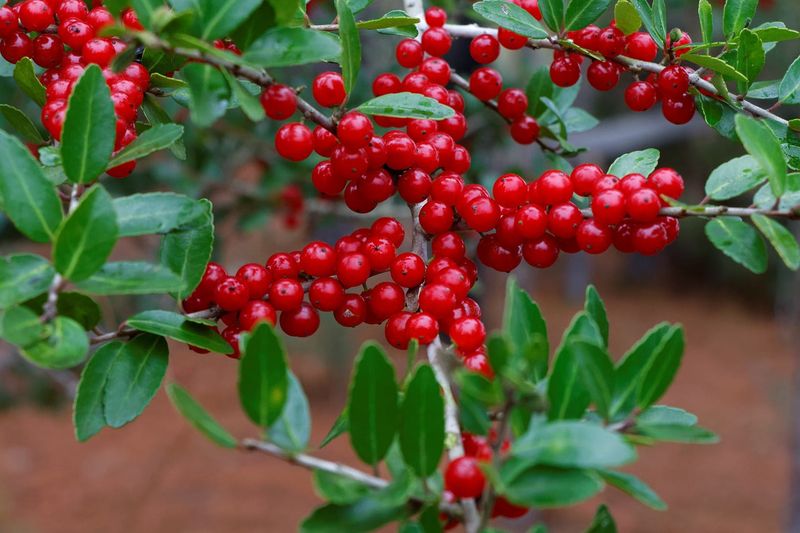
Few native shrubs in Texas are as versatile or as tough as Yaupon Holly. It grows naturally in East Texas, the Hill Country, and along the Gulf Coast, thriving in conditions that range from full sun to deep shade and from wet bottomlands to dry upland slopes.
That kind of flexibility is rare, and it makes Yaupon Holly one of the most useful plants a Texas homeowner can choose. Female plants produce small, glossy red berries in fall and winter that birds go absolutely wild for, especially cedar waxwings and American robins.
You can use Yaupon Holly in so many ways in the landscape. Plant it as a tall privacy screen, clip it into a formal hedge, or let it grow naturally as a multi-stemmed accent shrub.
Smaller cultivars are available for tighter spaces, and the full-size species can reach fifteen feet or more if left unpruned. It holds its deep green foliage all year, which makes it especially valuable during winter when most of the yard looks bare and colorless.
July planting suits Yaupon Holly just fine as long as you water it in well during the first few weeks. After that, it settles in and becomes almost completely self-sufficient.
It tolerates poor soil, clay, sand, drought, and occasional flooding better than nearly any other native shrub.
There is even a fun historical note worth knowing: Yaupon Holly is the only naturally caffeinated plant native to North America, and Indigenous peoples brewed it as a ceremonial tea for centuries.
It is a shrub with deep roots in Texas history and an even deeper capacity to survive.
4. Turk’s Cap
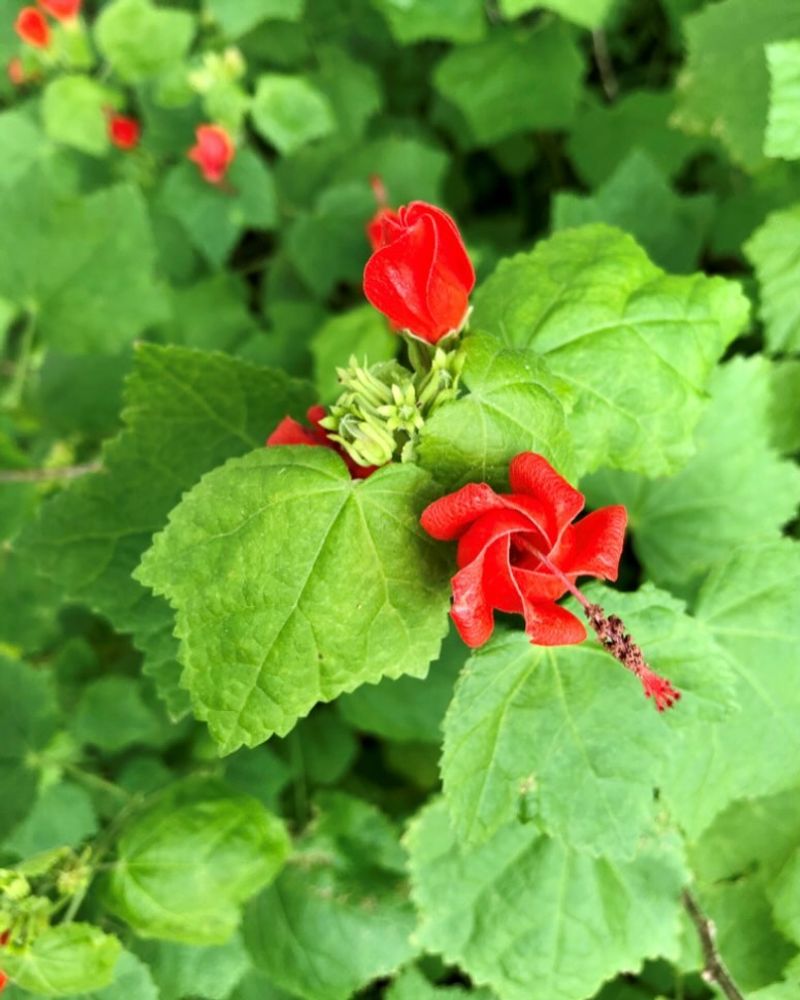
If your yard has a shady spot where nothing seems to want to grow, Turk’s Cap might be exactly what you have been looking for.
This cheerful Texas native produces twisted, bright red blooms that look like tiny turbans or rolled-up hibiscus flowers, which makes sense since it belongs to the hibiscus family.
Hummingbirds are absolutely obsessed with it. Plant one near a window or patio and you will have a front-row seat to nonstop hummingbird activity from late spring all the way through fall.
What makes Turk’s Cap especially valuable is its ability to handle afternoon shade and heat at the same time. Most flowering plants that prefer shade will still wilt or stop blooming when temperatures climb into the nineties.
Turk’s Cap keeps right on going. It is native to South and Central Texas and grows naturally along creek banks and under tree canopies, so part shade is its preferred condition rather than a limitation.
Planting in July is completely fine for Turk’s Cap, especially if you can give it some protection from the harshest afternoon sun. Water it regularly for the first few weeks, then ease back as it establishes.
It can grow anywhere from two to nine feet tall depending on how much shade and moisture it receives. In winter, the stems die back to the ground in most parts of Texas, but new growth returns reliably each spring.
The small red fruits that follow the flowers are edible and attract birds throughout the season. For shady spots that need color and wildlife activity, nothing beats this one.
5. American Beautyberry
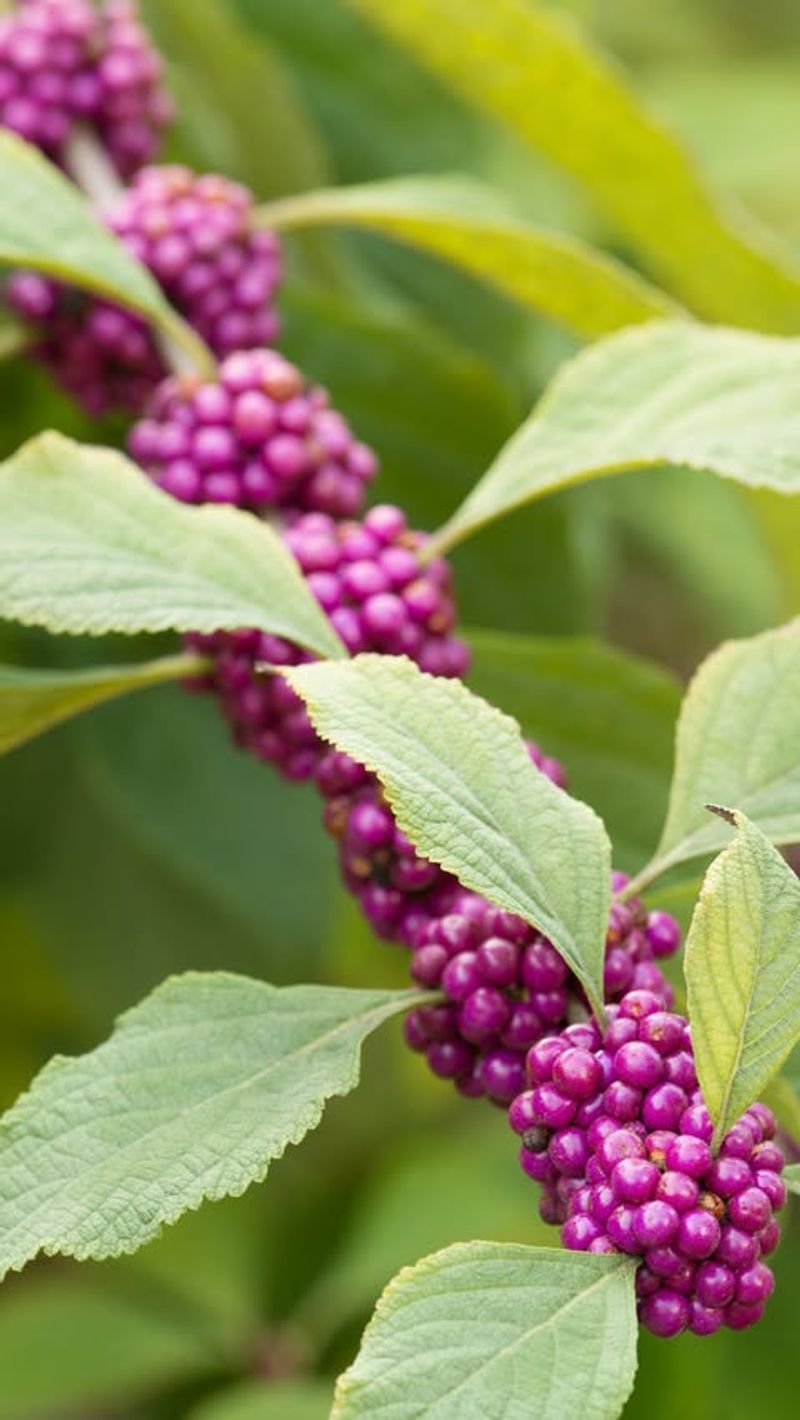
There is a moment in late summer when American Beautyberry stops traffic. The clusters of electric purple berries that line every arching branch are so vivid and unexpected that people often stop to stare, wondering if the color is even real.
It absolutely is. American Beautyberry is a loose, graceful native shrub that earns its name every single year when those berry clusters appear in August and September, just when the rest of the landscape is looking tired and sun-baked.
This shrub grows naturally in woodland edges and shaded areas throughout East and Central Texas. It prefers part shade but can handle more sun if given consistent moisture.
The arching branches give it a relaxed, informal look that fits perfectly in naturalistic garden settings, wildlife gardens, or along fence lines where you want something beautiful without a lot of fuss.
Birds and other wildlife rely heavily on the berries as a food source heading into fall and winter.
Planting American Beautyberry in July requires a bit more attention to watering than some of the other plants on this list. It appreciates consistent moisture while getting established, especially during a hot summer.
Mulch generously around the base to hold in soil moisture and keep roots cool. The plant typically grows four to six feet tall and wide.
In late winter, cut it back hard, almost to the ground, and it will come back full and vigorous each spring.
One more interesting detail: the crushed leaves of American Beautyberry have long been used as a natural insect repellent, which is a handy bonus for a plant this beautiful.
6. Evergreen Sumac
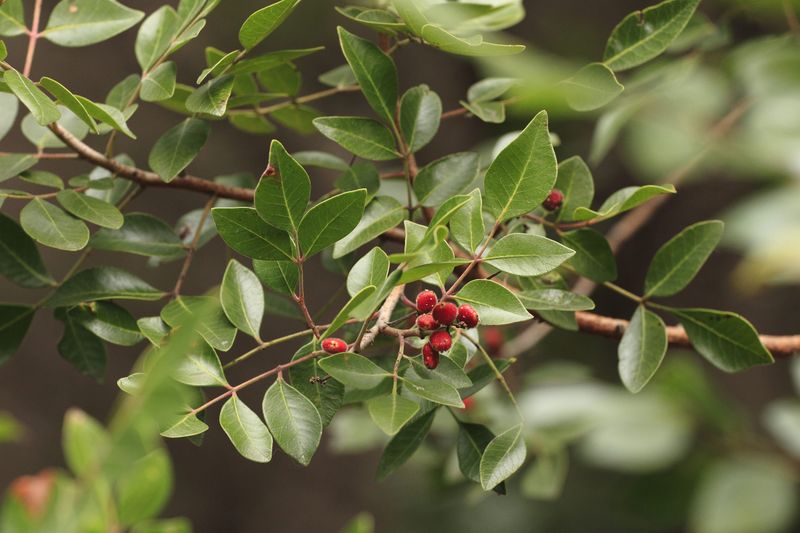
Rocky slopes, dry hillsides, and sun-baked limestone ridges are not places where most shrubs want to be. But Evergreen Sumac looks at those conditions and thrives.
This handsome Texas native is built for the exact kind of challenging terrain that gives other plants trouble.
Its glossy, dark green leaves stay on the plant almost year-round in most parts of Texas, giving it a polished, put-together appearance even in the middle of summer when everything else looks stressed.
In late summer, small clusters of white flowers appear and attract pollinators. Those flowers give way to small, dark red fruits that birds and other wildlife find highly attractive.
The foliage sometimes takes on beautiful red and burgundy tones in winter, especially during cooler years, which adds another layer of seasonal interest.
For a shrub that gets almost no supplemental water and very little care, the year-round visual payoff is genuinely impressive.
Evergreen Sumac works especially well on slopes where erosion is a concern. Its root system is strong and wide-spreading, which helps hold soil in place on hillsides and embankments.
It also works beautifully as a tall screen or informal hedge along property boundaries. Mature plants can reach six to twelve feet in height, so give it room to grow.
Plant it in full sun with excellent drainage, and avoid overwatering once it is in the ground. July planting works well because the heat encourages deep root development fast.
Once established, this shrub practically takes care of itself, making it one of the smartest long-term investments you can make in a Texas landscape.
7. Texas Mountain Laurel
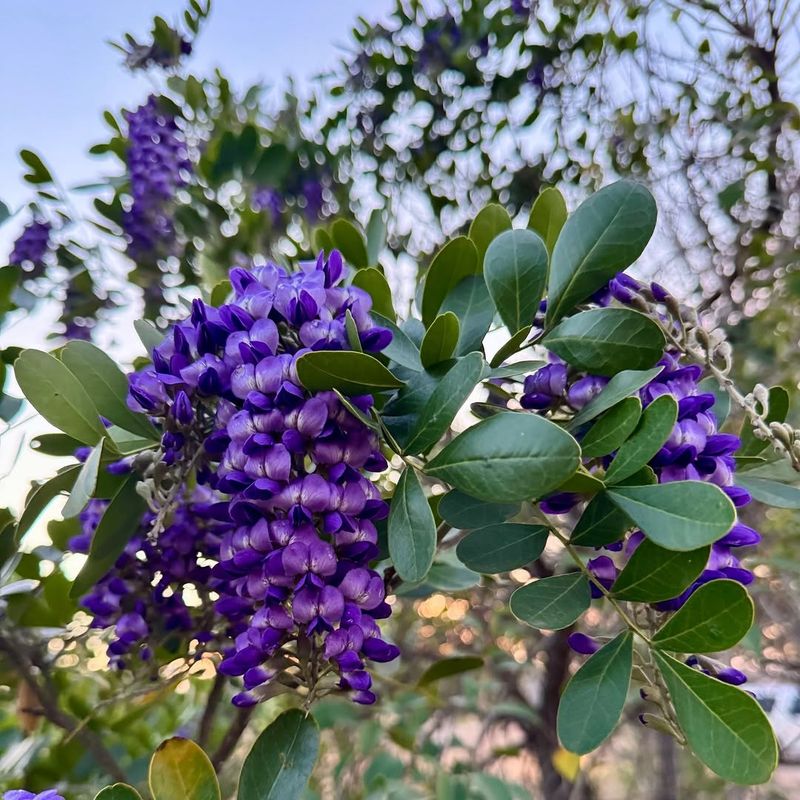
Every March, something magical happens in Texas neighborhoods where Mountain Laurel grows. The entire shrub erupts in hanging clusters of deep purple flowers that smell exactly like grape bubblegum.
It is one of the most distinctive and beloved fragrances in the Texas spring landscape, and once you smell it, you never forget it.
Texas Mountain Laurel is a slow-growing evergreen shrub or small tree that can eventually reach fifteen to twenty-five feet, but it takes its time getting there, which is actually part of what makes it so long-lasting.
Because it grows slowly, Texas Mountain Laurel is one of those plants that rewards patience. Plant it in the right spot, give it full sun and well-drained soil, and then mostly leave it alone.
It is extremely drought tolerant once established and has very low fertilizer needs. In fact, too much water or rich soil can cause more problems than neglect ever would. It thrives in the rocky, alkaline soils that are common across Central and West Texas.
Planting in July is possible and even beneficial for Mountain Laurel because the warm soil encourages root growth. Water it consistently for the first growing season, then taper off as the roots take hold.
The glossy, dark green foliage looks attractive all year, and the bright red seed pods that follow the flowers are visually striking, though they are toxic and should be kept away from children and pets.
Plant Texas Mountain Laurel where it has space to mature, and it will reward every generation that comes after you with beauty, fragrance, and zero complaints.