The Most Deer-Resistant Native Shrub You Can Plant In Pennsylvania
Scratch a twig from this native shrub, and you’ll catch a warm, peppery scent that smells almost like a kitchen spice rack. Deer, however, usually want nothing to do with it.
That alone makes it a standout in Pennsylvania, where hungry herds can strip a yard bare by spring.
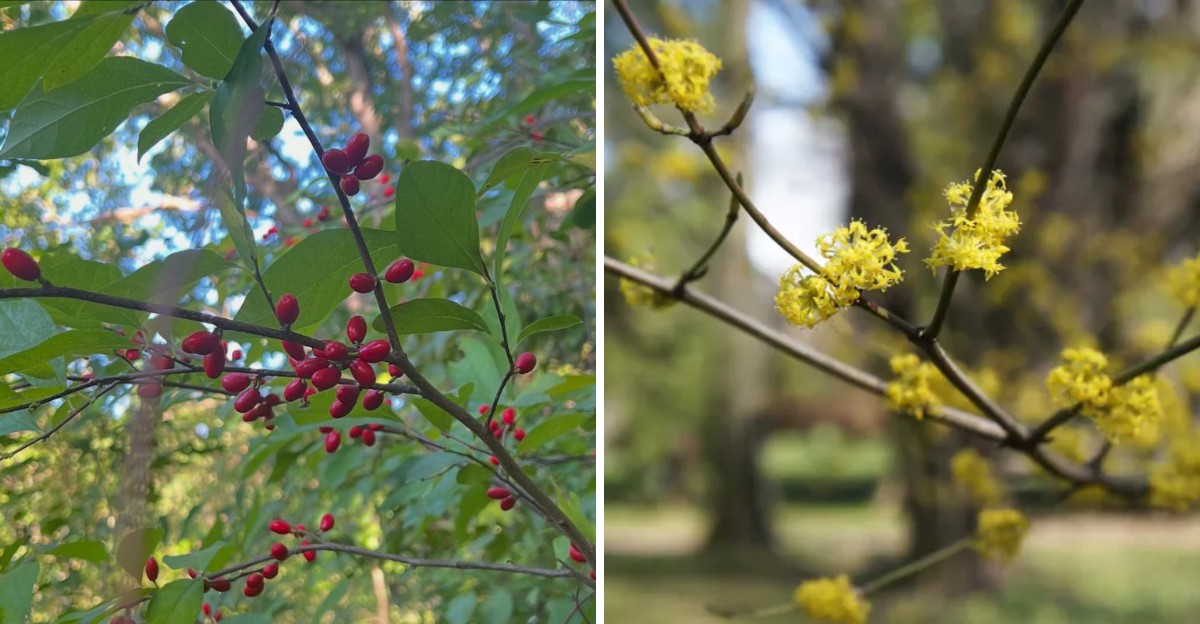
But this hardworking shrub offers much more than deer resistance. In early spring, before most plants wake up, it’s covered in tiny clusters of soft yellow flowers.
In fall, its leaves turn bright gold, and female plants sparkle with glossy red berries that fuel migrating songbirds.
It’s also home to a remarkable caterpillar that wears fake eyespots to look like a small snake and scare off predators. It grows happily in shade, handles damp soil, and needs very little care.
For a beautiful, wildlife-friendly shrub that deer tend to leave alone, this native is tough to top.
The Native Shrub Deer Usually Skip
Walk through almost any damp forest in Pennsylvania, and you might brush past spicebush without knowing it. It loves moist woods, creek banks, and shady valleys. People have relied on it for a very long time.
Spicebush, known to scientists as Lindera benzoin, is a deciduous shrub. That means it drops its leaves every fall and grows fresh ones in spring.
It is native to much of the eastern United States, and Pennsylvania is right in the heart of its home range.
Here is the exciting part for gardeners. In yards where deer show up every night, spicebush often stays full and green.
Meanwhile, nearby hostas, azaleas, and arborvitae get chewed to bits. Many homeowners say it is one of the few shrubs they never have to cage or spray.
Of course, no plant is truly deer-proof. A very hungry deer in a hard winter might nibble almost anything. Still, spicebush ranks near the top of most deer-resistant plant lists made by universities and native plant groups.
Fun fact: early American settlers dried and ground spicebush berries as a stand-in for allspice.
During the Revolutionary War, some families even brewed the twigs into a tea when imported tea was hard to find.
Because it is native, spicebush is already used to Pennsylvania weather. It handles cold winters, humid summers, and heavy rain without trouble. You will not need special soil mixes or tons of fertilizer to keep it happy.
So if you are tired of replacing plants every spring, spicebush deserves a spot on your list. It is a quiet, hardworking shrub that blends into natural settings and simply refuses to become deer food.
Why Deer Avoid It
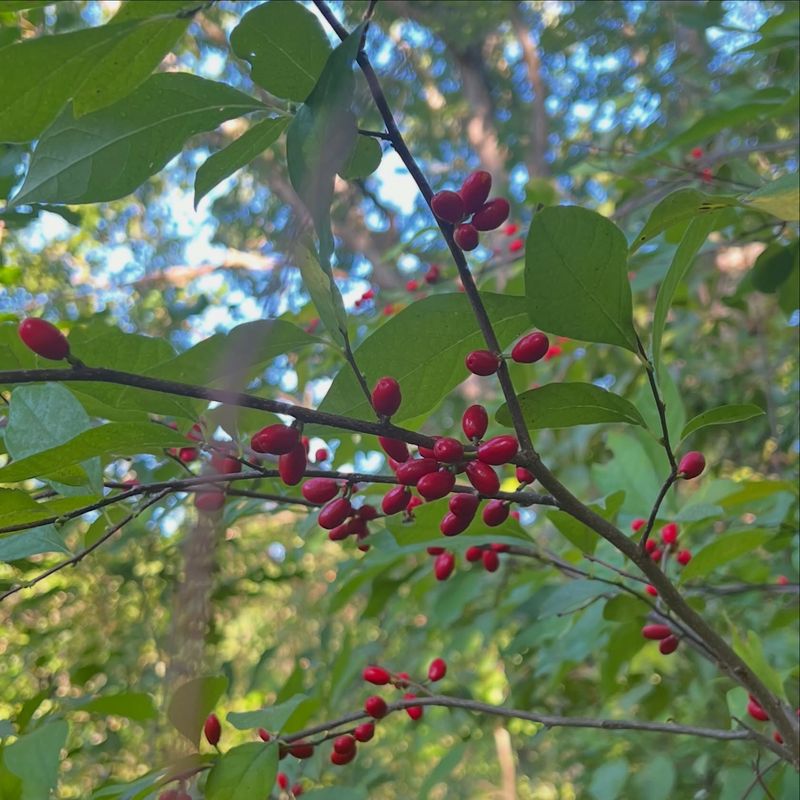
Try this little test next time you find a spicebush. Pick one leaf, crush it between your fingers, and take a sniff. You will catch a sharp, spicy smell with a hint of lemon or orange.
That scent is the plant’s secret weapon. The leaves, twigs, and berries are packed with aromatic oils. When anything brushes or bites the plant, those oils are released into the air.
Your Pennsylvania Garden Changes Every Week. Your Plan Should Too.
Gardening in Pennsylvania changes quickly throughout the season. Every Friday you’ll receive a simple weekly plan showing exactly what to plant, prune, fertilize, harvest, and protect so you never miss the right timing.
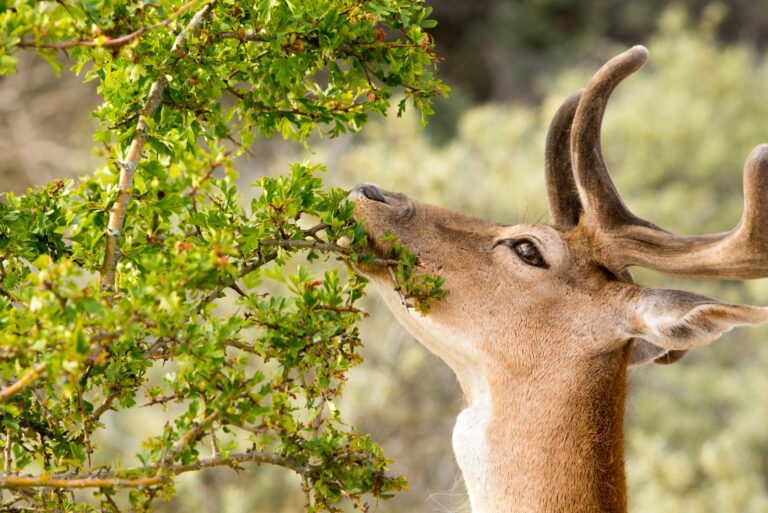
Deer have an amazing sense of smell, much stronger than ours. To them, that spicy aroma is a big warning sign. They generally prefer plants with mild, sweet, or bland flavors, like tulips, hostas, and young maple shoots.
Think of it like a kid at a buffet. If there is plain pasta on one table and a plate of super spicy peppers on another, most kids grab the pasta. Deer act the same way when they browse your yard.
The scent is also how spicebush got its name. Some folks call it wild allspice or Benjamin bush. Each name points back to that unique fragrance.
Here is a smart trick. You can plant spicebush near more tempting plants as a kind of scented shield. It will not guarantee full protection, but the strong smell around the area may make deer less eager to linger.
Another bonus is that the aroma is pleasant to people. Many gardeners love brushing past the branches on a summer walk. It is like having a natural air freshener growing in your yard.
So while deer wrinkle their noses, you get to enjoy a sweet, citrusy whiff every time you step outside.
Early Spring Flowers When Little Else Is Blooming
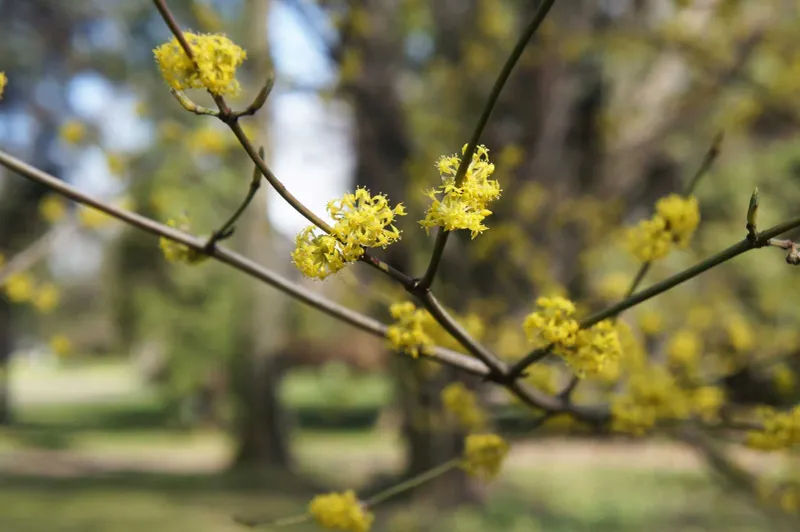
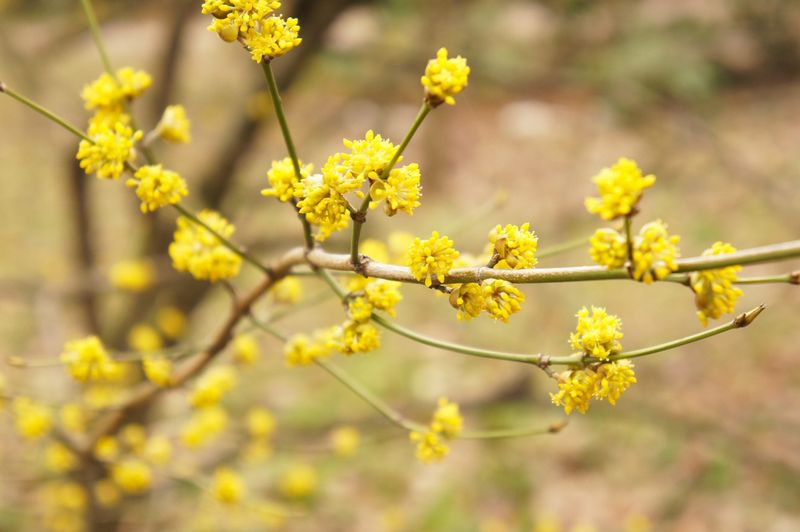
March in Pennsylvania can feel gray and gloomy. The trees are bare, the ground is brown, and winter seems to hang on forever. Then, almost overnight, spicebush lights up the woods with soft yellow sparks.
Before a single leaf pops out, the shrub covers its bare branches with tiny clusters of yellow flowers.
Each bloom is small, but together they create a gentle golden haze. From a distance, it looks like a cloud of sunshine floating in the forest.
Timing is what makes these flowers so valuable. Very few plants bloom this early in the year. Bees that wake up on the first warm days are hungry, and they need food fast.
Spicebush offers some of the season’s first nectar and pollen. Native bees, like small mining bees and sweat bees, depend on early sources like this. Without them, many pollinators would struggle to get their year started.
For you as a gardener, the early blooms are a great mood booster. Seeing yellow flowers outside your window while snow still sits in shady spots is a happy sign. It tells you spring is truly on the way.
Want the best view? Plant spicebush where you can see it from a kitchen or living room window. You can enjoy the show even on chilly days when you would rather stay inside.
You can also pair it with other early bloomers like Virginia bluebells or spring beauties. Together, they make a cheerful native spring garden.
Bees will thank you, and your neighbors might start asking what that glowing yellow shrub is.
A Wildlife Magnet
Ever seen a caterpillar that looks like a tiny snake with giant cartoon eyes? Meet the spicebush swallowtail caterpillar. It is one of the coolest critters you can find in a Pennsylvania backyard.
Those big eyes are fake. They are just colorful spots meant to scare away hungry birds. The caterpillar also folds a leaf around itself like a sleeping bag to hide during the day.
Spicebush is a host plant for this butterfly. That means the adult female lays her eggs on the leaves, and the caterpillars eat them as they grow.
Without plants like spicebush, the spicebush swallowtail would have a much harder time surviving.
Do not worry about the leaf munching. The caterpillars rarely cause serious harm to the shrub. You might notice a few holes, but that is a sign your garden is working as a real habitat.
Once grown, the butterfly is stunning. It has black wings with blue and orange markings. Watching one flutter around your yard is a fun reward for planting native.
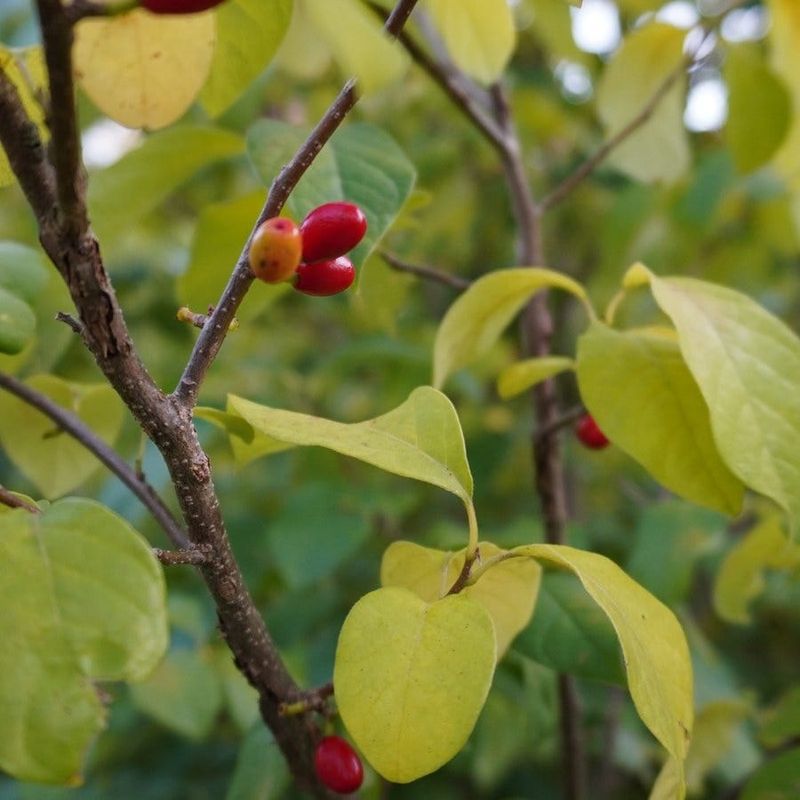
Fall brings another treat. Female spicebush plants produce shiny red berries that look like little jewels. They are packed with fat, which is exactly what migrating songbirds need.
Birds like thrushes, catbirds, and vireos gobble them up as they travel south. A high-fat snack gives them the energy to fly hundreds of miles. Your shrub becomes a roadside fuel station for travelers.
Here is a kid-friendly tip. Check the leaves in summer for folded shelters. Gently peek inside, and you might spot one of those goofy-eyed caterpillars staring back.
Easy To Grow In Shady Spots
Shade can be a real headache for gardeners. Lots of popular shrubs sulk without full sun, getting thin, leggy, and sad. Spicebush, on the other hand, actually feels right at home in the shadows.
Naturally, it grows under tall forest trees. So it handles part shade to full shade with no complaints. It can also grow in sun if the soil stays moist, but it tends to look happiest with some afternoon relief.
Moist soil is its favorite. Low spots in the yard, areas near downspouts, or ground close to a stream are perfect. If you have a soggy corner where other plants struggle, spicebush might be the fix.
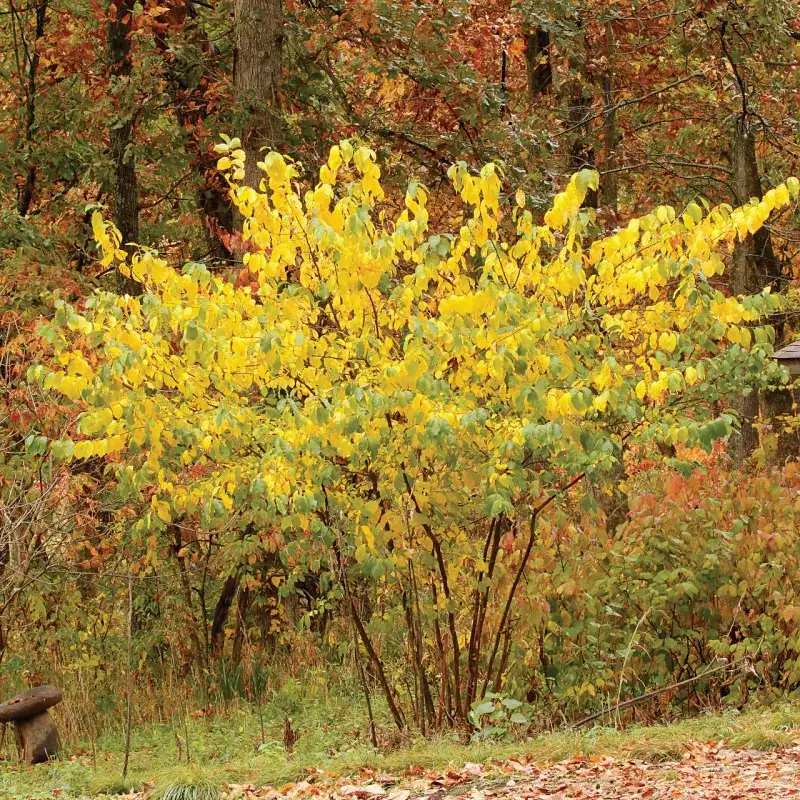
Size is easy to manage too. Most plants reach about 6 to 12 feet tall and just as wide. They grow into a natural rounded shape that looks tidy without much work.
Pruning is rarely needed. You might snip off a broken branch now and then, but that is about it. If you do prune, do it right after flowering in spring so you do not cut off next year’s buds.
Pest and disease problems are rare as well. Since it evolved here, it has natural defenses against many local bugs and fungi. You will not need to spray chemicals to keep it looking good.
A smart way to use it is as a shady hedge or screen. Plant several in a row along a property line.
Within a few years, you will have a soft, green privacy wall that deer pass right by. For busy families, it is close to a set-it-and-forget-it shrub.
Tips For Planting It Successfully
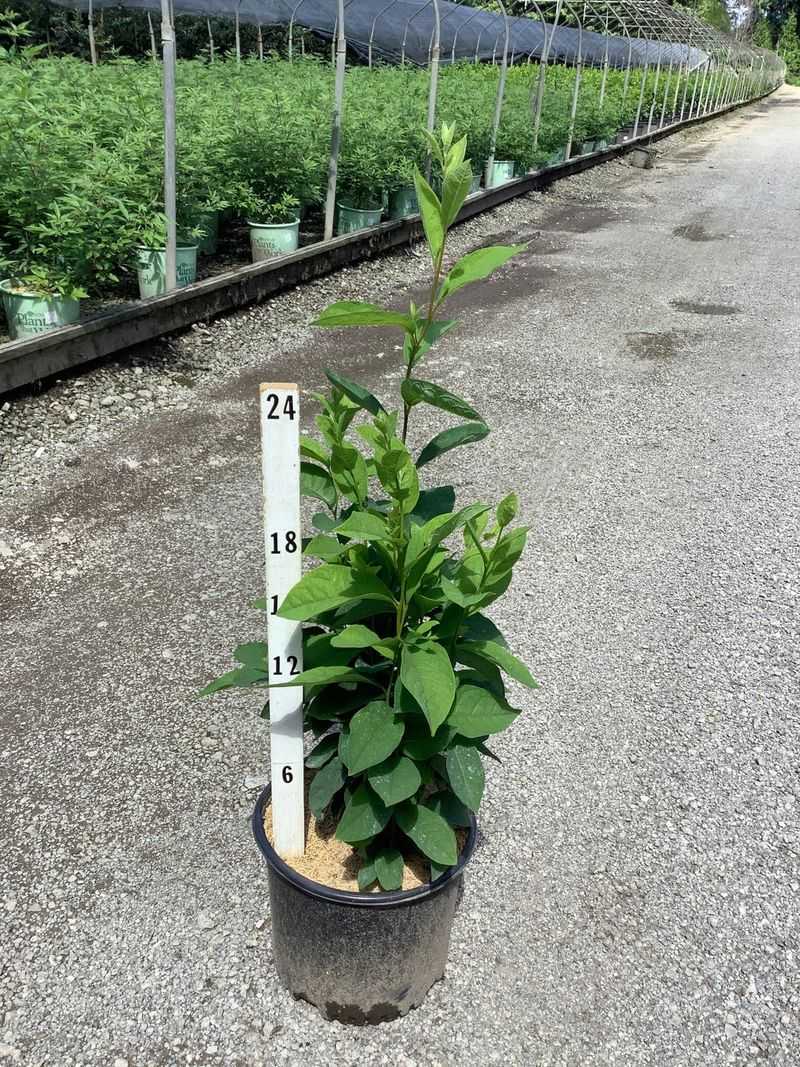
Getting started with spicebush is simple, but a few smart choices make a big difference. A little planning now means more flowers, berries, and color for years to come.
First, know the boy and girl rule. Spicebush plants are either male or female. Only females grow those bright red berries, and they need a male nearby to make fruit.
So if berries matter to you, plant at least one male and one female. Many nurseries sell young plants that are not labeled, so buying three or more raises your chances. Planting them within about 50 feet of each other works well.
Fall is a great planting season in Pennsylvania. The air is cool, rain is more regular, and roots have time to settle before summer heat. Early spring is a good second choice.
Dig a hole twice as wide as the root ball but no deeper. Set the plant in, fill with the original soil, and water deeply. Spread two to three inches of mulch around the base, keeping it off the stems.
Water every week during the first year, especially in dry spells. After that, spicebush can mostly handle itself. Young plants grow slowly at first, so be patient.
Here is a sweet reward for waiting. In autumn, the leaves turn a clear, glowing golden yellow before they drop. A shady corner that once looked dull suddenly shines like it caught the sunset.
Look for plants at native plant sales, local nurseries, or conservation district events across the state. Buying local helps you get plants that are well suited to Pennsylvania conditions and supports nearby growers.