7 Strong Scents That Draw Skunks To Your Pennsylvania Yard
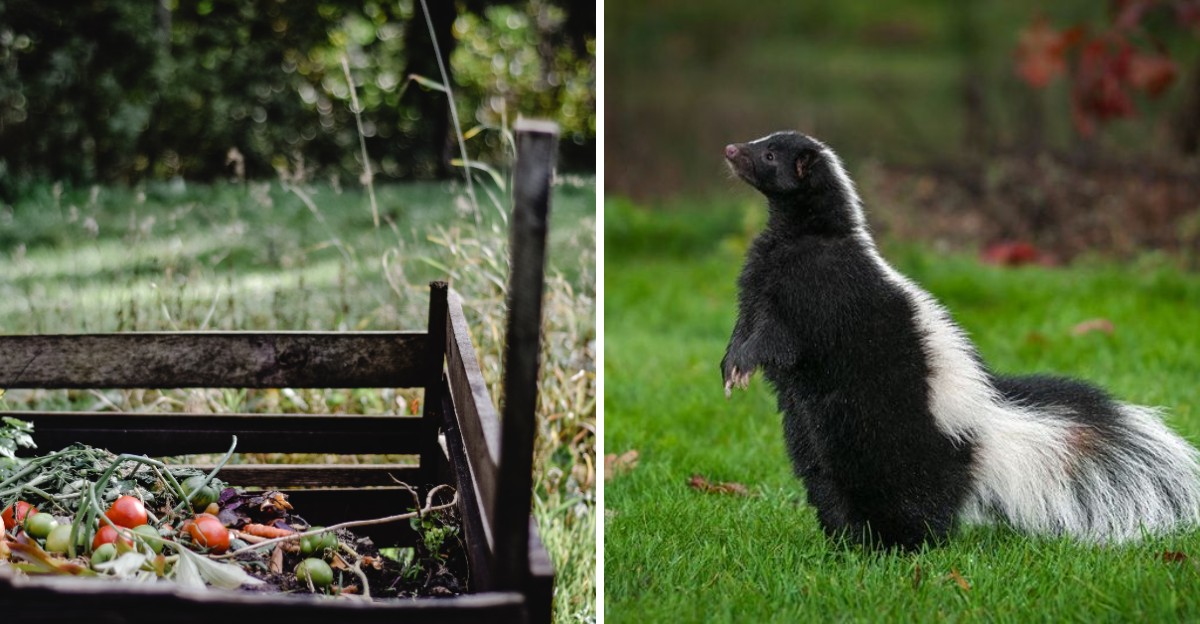
A striped skunk can sniff out beetle grubs hiding several inches under your lawn without seeing them at all. Its eyesight is surprisingly weak, so that busy nose does nearly all the work after sunset.
Pennsylvania hosts plenty of these striped visitors, with some areas supporting dozens per square mile. They stay active most of the year, resting underground for a few weeks during the coldest stretch of winter.
I have to admit, my first clue was a scatter of small cone-shaped holes across my tidy grass one morning. You might notice the same pattern, along with tipped trash cans and a faint musky smell lingering nearby.
What surprises me most is how ordinary the culprits usually are around a typical Pennsylvania home and garden. Some of them are probably sitting near your back door tonight, quietly sending an invitation into the dark.
1. Smelly Meat Scraps In Unsecured Garbage Cans
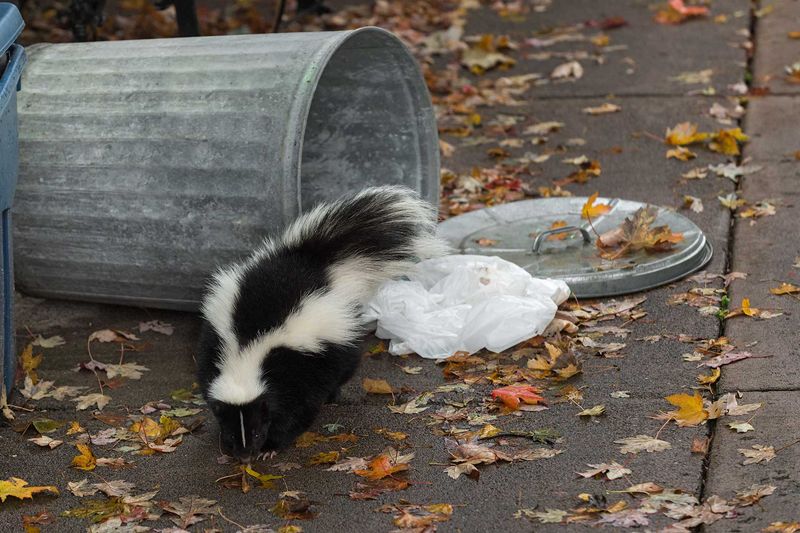
Last week’s chicken bones can send out a signal that a hungry skunk notices from surprisingly far away. Skunks are scavengers at heart, and strong-smelling protein ranks near the top of their favorite menu items.
Meat scraps that sit in a warm can for a few days develop a powerful odor that drifts across yards. A skunk following that trail will happily nose around, and sometimes tip over, a loosely closed bin.
Personally, I learned this lesson after a summer cookout when I tossed leftover ribs into the outdoor can.
By morning the lid was off, wrappers were scattered, and that unmistakable musky smell hung over the driveway.
Carrion matters too, since skunks eat the remains of other animals more often during fall and winter months.
Fewer insects are available then, so any rotting scrap becomes a more tempting target for these nighttime wanderers.
You can reduce the attraction with a few simple habits that cost very little time or money. Choose sturdy cans with tight, locking lids, and keep them inside a garage or shed until collection day arrives.
Rinsing out the bottom of your bins every few weeks helps remove the greasy film that keeps smells lingering. I also wrap meat scraps in a sealed bag and freeze them until trash day, which works wonders.
Never toss bones or meat into an open compost pile, because that sends the same invitation in a new spot. Small changes like these usually make your yard far less interesting to a curious skunk passing through.
2. Fishy Pet Food Bowls Left On The Back Porch
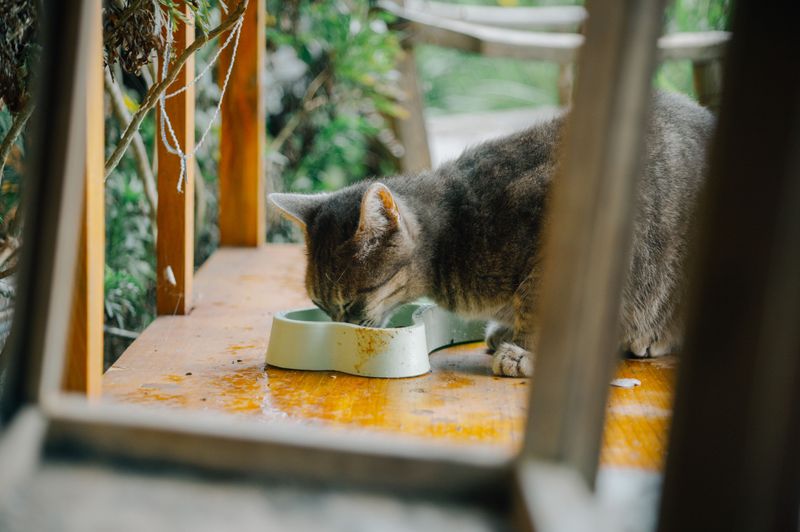
Your cat may turn up her nose at that fishy dinner, but a skunk will treat it like a feast. The oily scent of fish-flavored food travels well on a still night and pulls skunks right onto porches.
Wet pet food is especially tempting because it smells stronger than dry kibble and offers plenty of easy protein. Even an empty bowl can keep a lingering odor that brings a skunk back to check again later.
I used to feed our barn cat outside after dark, thinking nothing of the half-eaten bowl left behind. One evening I opened the door and found a skunk calmly finishing the meal, completely unbothered by me.
Skunks are creatures of habit, so a reliable food source often leads to repeat visits night after night. That routine can bring them closer to your pets, which raises the risk of a smelly spraying incident.
Bringing bowls indoors after each feeding is the simplest fix, and it rarely takes more than a minute. Feed outdoor pets during daylight hours when possible, since skunks mostly roam from dusk until dawn.
Livestock and chicken feed deserve the same attention, especially in rural areas with barns and open sheds. Store grain in metal bins with snug lids, and sweep up spills before evening settles over your property.
Washing bowls regularly also helps remove the faint smells that keep a skunk coming back to investigate. Your pets will appreciate clean dishes, and your nighttime visitors will soon look for dinner somewhere else.
3. Juicy Beetle Grubs Hiding Under Your Lawn
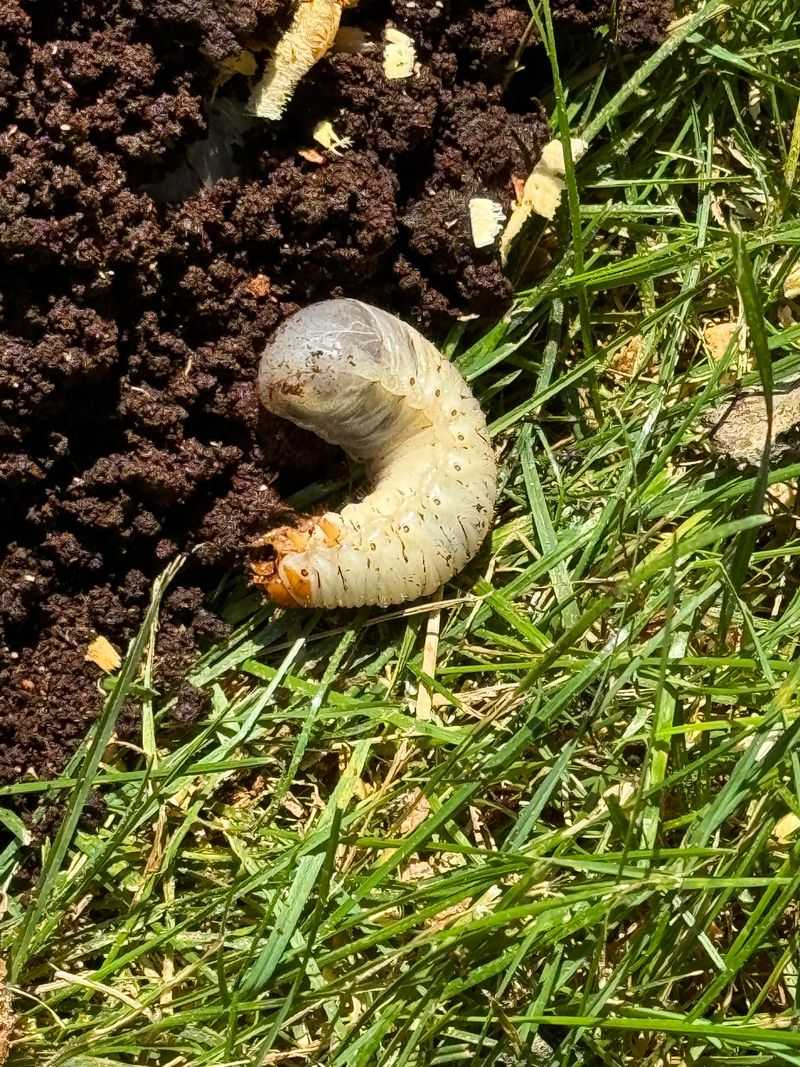
Those tiny cone-shaped holes in your grass are basically a skunk’s dinner receipt left behind for you to find. Each pit is often three or four inches across, dug by a nose that detected grubs below.
White C-shaped larvae of Japanese beetles and June beetles live in the soil, feeding on grass roots.
To a skunk, that earthy underground smell signals a buffet of soft, protein-packed snacks waiting just beneath the surface.
Insects make up a big share of a skunk’s diet during spring and summer, according to wildlife experts.
Crickets, grasshoppers, and even ground-nesting wasps also get eaten, which shows how adaptable these animals can be.
I love how a skunk can actually help with pest control, even while it leaves my lawn looking messy. Still, I would rather manage the grubs myself than wake up to dozens of fresh holes every morning.
Start by checking for grubs, peeling back a square foot of turf and counting the larvae you find. Penn State Extension suggests treatment only when numbers run high, since a few grubs rarely cause real lawn trouble.
Damp, thick mulch beds hold plenty of insects, so rake them lightly and avoid piling mulch too deep. Healthy turf with good drainage and proper mowing height also tends to recover faster from grub feeding.
Clear away old boards, brush piles, and woodpiles near the house, because they shelter bugs that skunks love. Fewer insects mean fewer reasons for a curious nose to keep digging up your yard.
4. Overripe Apples And Berries Dropped Beneath Fruit Trees
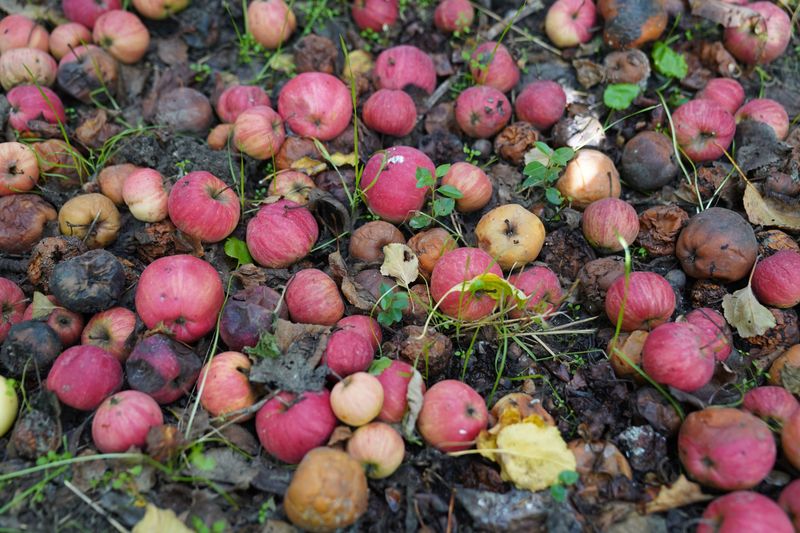
Sweet, mushy apples lying in the grass give off a fermenting perfume that skunks find hard to ignore. That sugary smell grows stronger as fruit softens, especially on warm afternoons in late summer and fall.
Skunks happily eat fruits and berries, and these foods become more important as insect numbers decline later in the year. Wild grapes, cherries, apples, and strawberries all land on the list of tasty treats they seek out.
Personally, I adore my backyard apple tree, but it drops more fruit than my family can possibly eat.
A few autumns ago, I noticed nose prints and nibbled apples every single morning beneath the lowest branches.
Vegetable gardens draw attention as well, since ripe tomatoes, melons, and sweet corn can catch a skunk’s interest. Low-growing crops are easiest for them to reach, so they usually suffer the most damage overnight.
Picking up fallen fruit every day or two removes much of the temptation before the smell gets strong. I keep a bucket near the tree, which makes the chore quick and turns it into an easy habit.
Harvest ripe produce promptly rather than letting it linger on the vine or bush longer than needed. A sturdy fence with the bottom buried several inches deep can protect garden beds from persistent diggers.
Collected fruit can go into a closed compost bin or to local wildlife-safe disposal options in your area. Your harvest stays yours, and the skunks will likely wander off toward easier pickings elsewhere.
5. Open Compost Piles Packed With Kitchen Scraps
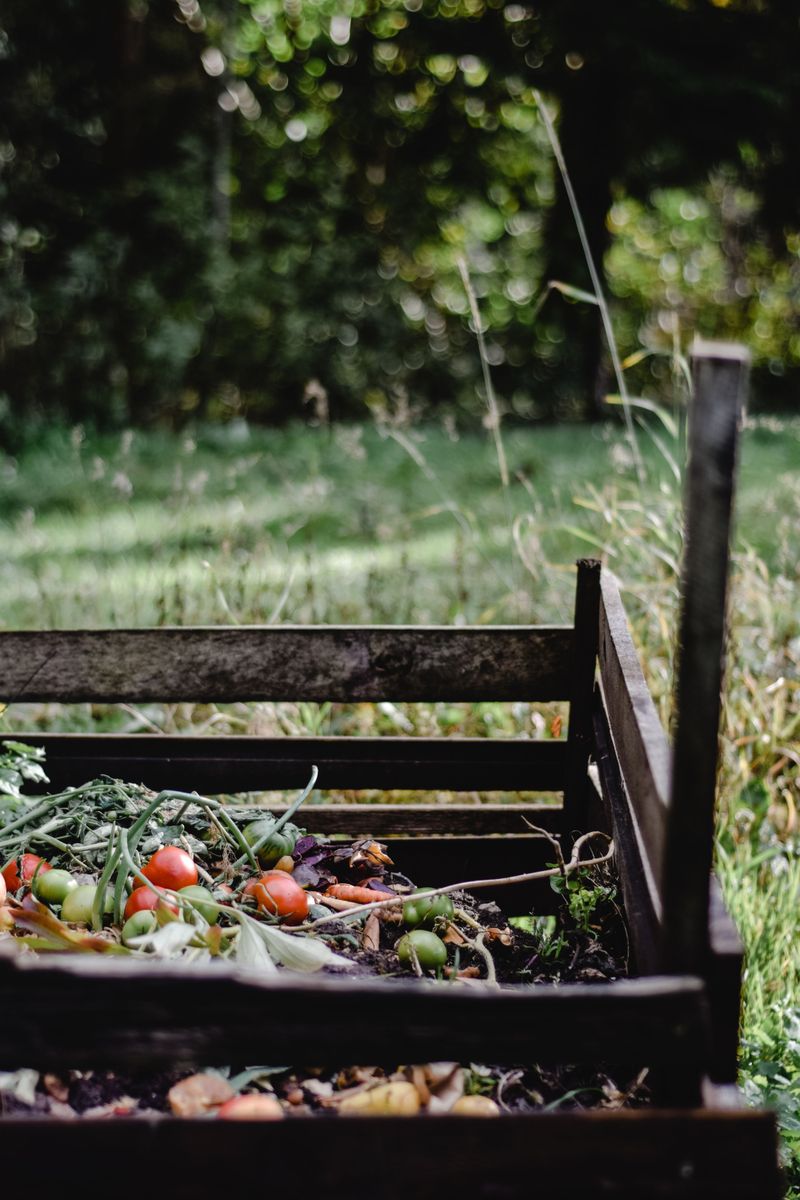
A steaming compost heap smells like progress to a gardener and like an open restaurant to a skunk. Decomposing kitchen scraps release layered odors that drift across the yard, especially after a warm rain.
Fruit peels, melon rinds, and eggshells often carry enough scent to draw a skunk over for a closer look. Meat, fish, and dairy create even stronger smells, which is why many experts advise keeping them out entirely.
I have to admit, my old compost setup was just a loose pile behind the shed with no cover. Little paw marks and scattered peels showed me that I had been feeding the neighborhood wildlife for months.
Switching to an enclosed bin with a secure lid made a noticeable difference within a few weeks. Bins with solid sides and a wire mesh bottom also stop curious animals from tunneling up from underneath.
Layering is another helpful trick that keeps smells under control while improving the finished compost quality.
Bury fresh food scraps under a thick layer of dry leaves, straw, or grass clippings every time you add them.
Turning the pile regularly speeds decomposition and helps prevent the sour odors that come from soggy, airless material.
A balanced mix of greens and browns usually smells earthy rather than rotten, which attracts far less attention.
Place your compost bin away from the house and any spots where pets or kids play outdoors. With a few adjustments, you can keep making rich soil without hosting nightly skunk visits.
6. Spilled Birdseed Piled Under Backyard Feeders
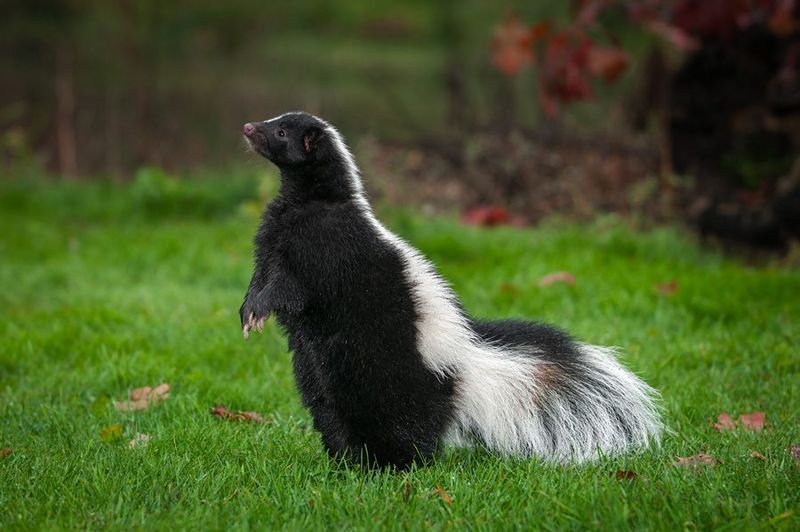
Cardinals and chickadees are messy eaters, flicking seeds everywhere as they search for the best bites. That scattered seed beneath your feeder becomes a nighttime snack bar for skunks long after the birds roost.
Sunflower seeds, millet, and suet crumbs carry a rich, nutty smell that skunks can follow without much effort.
They are opportunistic eaters, so any easy, calorie-rich food on the ground quickly earns a spot on their route.
I love watching birds at my kitchen window, so giving up feeders was never an option for me. Instead, I adjusted my setup after spotting a skunk shuffling through the seed hulls under the feeder one evening.
Tray attachments that catch falling seed reduce the mess dramatically and keep more food off the ground. Hulled seed, sometimes sold as no-mess blends, leaves fewer shells behind and tends to produce less waste overall.
Mounting feeders on poles with baffles helps keep climbing visitors away from the main seed supply. Sweep or rake up spilled seed every evening, since skunks mostly forage after dark when birds have settled.
Some Pennsylvania backyard birders simply fill feeders in the morning with smaller amounts the birds can finish by dusk.
That way, little food remains overnight, and both skunks and other nocturnal visitors find slim pickings.
Suet cakes and peanuts deserve extra care, because their fatty scent is especially tempting to hungry wildlife. With smart feeder habits, your yard can stay a bird haven without becoming a skunk stopover.
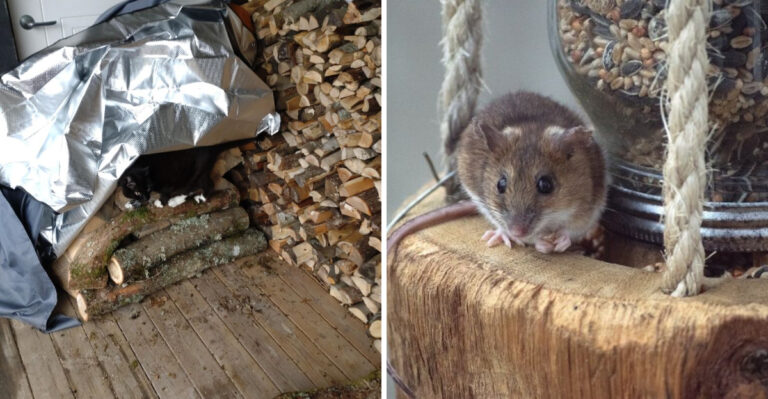
7. Mice And Voles Nesting Near Sheds And Woodpiles
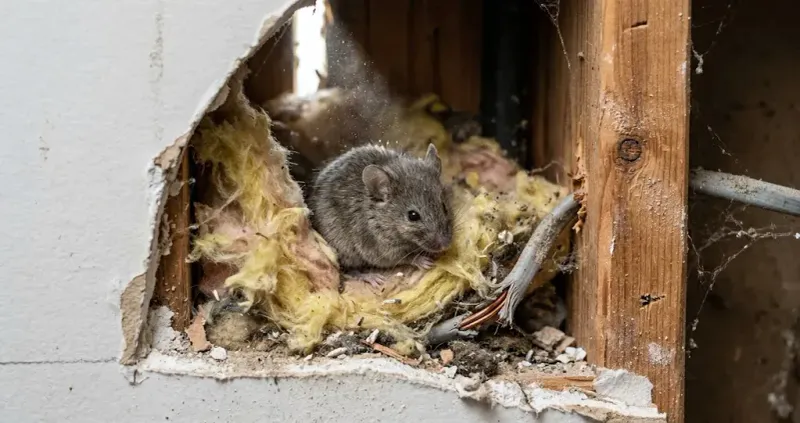
Mice might be quiet houseguests, but their scent trails tell a skunk exactly where an easy meal is hiding. Skunks are skilled hunters of small rodents, and they rely on that sharp nose to track them down.
Mice, rats, voles, and young moles all appear on the skunk menu, especially during colder fall and winter months.
When insects become scarce, rodents provide a steady supply of protein that helps skunks stay healthy through the season.
You might notice skunks hanging around barns, sheds, garages, and crawl spaces where rodents commonly nest. I once found a skunk den under my garden shed, right beside a busy mouse highway along the foundation.
Skunks can actually be helpful by reducing rodent numbers, which is one reason I appreciate them from a distance.
Still, nobody wants a skunk family settling under the porch, so managing rodents makes good sense for most homeowners.
Start by cleaning up clutter, since old boards, tarps, and stacked boxes give mice plenty of cozy hiding spots. Store firewood off the ground and away from the house to reduce shelter for both rodents and insects.
Seal gaps around foundations, sheds, and decks with hardware cloth so neither mice nor skunks can slip underneath.
In Pennsylvania, trapped skunks cannot be relocated by homeowners, so licensed wildlife professionals should handle any removal.
Keeping grain, seed, and pet food in sealed containers also cuts off the rodent buffet at its source. Fewer mice around your property usually means fewer skunks following their trail into your yard.