How Arizona Gardeners Grow Lavender Trees In Pots That Last For Years
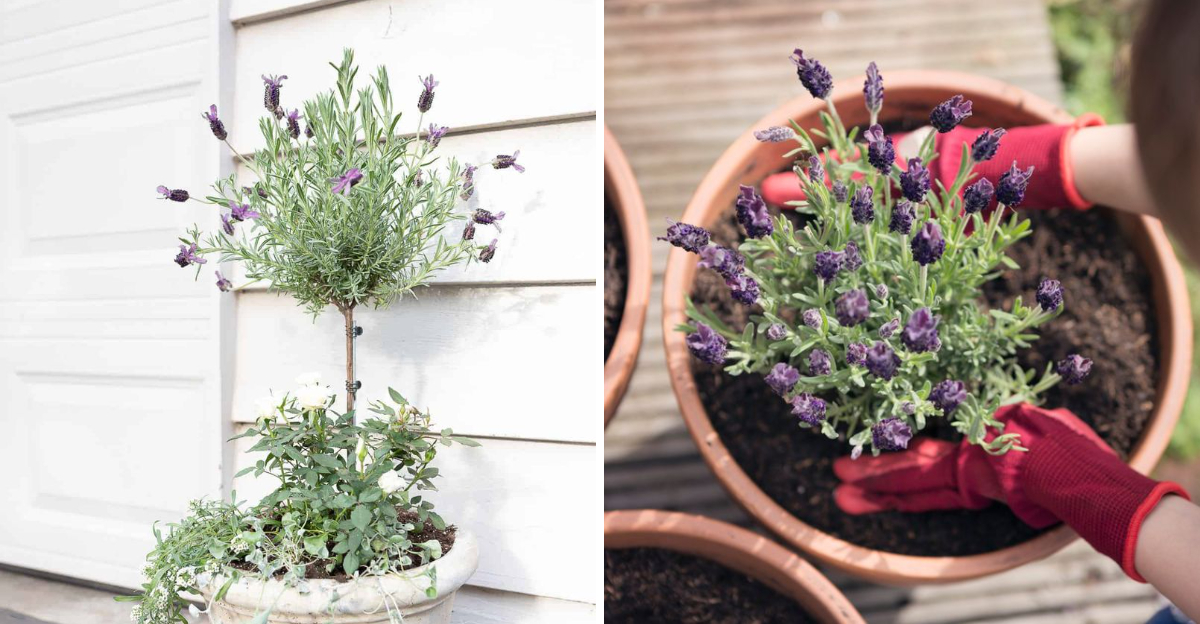
Lavender trees keep showing up in Arizona patios, entryways, and container gardens every spring, especially once the purple blooms start appearing everywhere at garden centers.
Some stay full, colorful, and neatly shaped for years in pots, while others start looking rough much faster once desert heat builds. Arizona weather can be tough on potted lavender during dry heat and intense afternoon sun.
Small differences in care often become obvious quickly in containers, which is why certain lavender trees keep looking healthy season after season while others struggle to keep the same shape and color.
1. Large Pots Help Lavender Trees Stay Stable In Wind
Anyone who has spent time outdoors in Arizona knows how fierce the wind can get, especially during monsoon season.
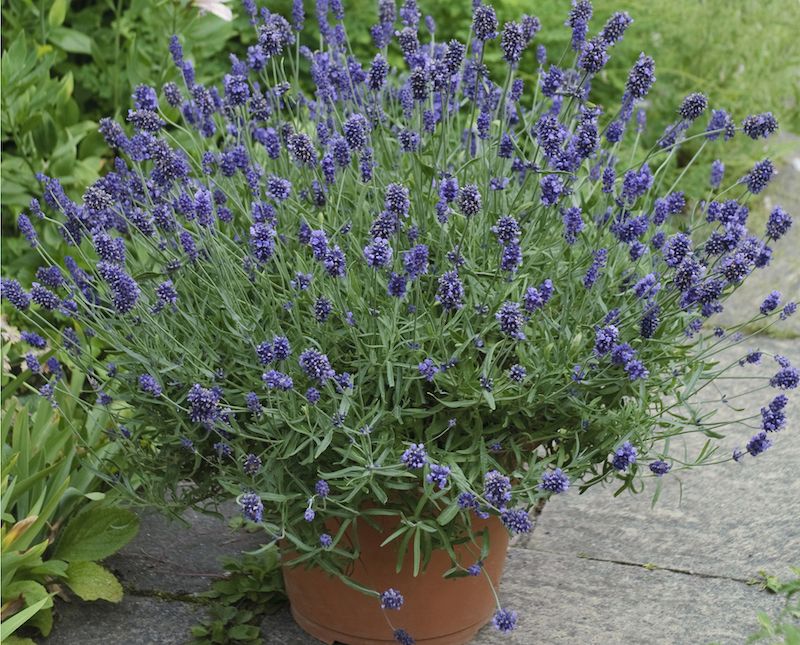
Strong gusts can topple smaller pots and damage fragile root systems, which is why choosing a large container from the very beginning makes such a big difference for your lavender tree.
Bigger pots bring more weight and a lower center of gravity, which keeps the plant anchored even when the wind picks up.
For Arizona gardeners, a pot that holds at least 15 to 20 gallons gives the lavender enough room to develop a strong, deep root system while also providing the physical stability needed to stay upright during rough weather.
Beyond just stability, larger containers hold more soil, which means more nutrients and slightly more moisture retention between waterings.
In a dry climate like Tucson or Phoenix, that extra buffer can help your lavender push through particularly hot or windy stretches without stress.
Wide-bottomed pots are especially useful because they spread the weight of the plant outward rather than upward, making tipping almost impossible. Look for containers with a base that is at least as wide as the canopy of your lavender tree.
2. Fast Draining Soil Prevents Root Problems In Heat
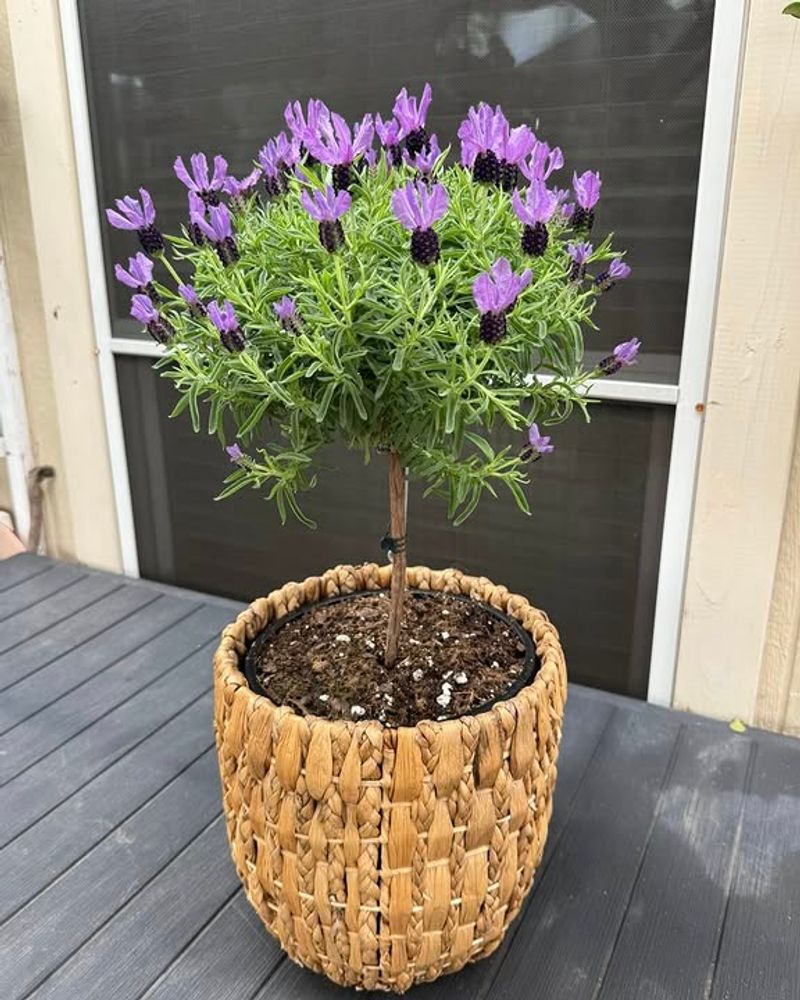
Lavender roots absolutely cannot sit in soggy soil, and in Arizona, where summer temperatures regularly push past 110 degrees Fahrenheit, wet roots become a serious problem very quickly.
Most standard potting mixes hold too much moisture for lavender, so blending your own fast-draining mix is one of the smartest moves an Arizona gardener can make.
A reliable mix for potted lavender trees combines regular potting soil with coarse sand and perlite at roughly equal parts. Some experienced desert gardeners also add a small amount of gravel or decomposed granite to improve drainage even further.
This kind of gritty, loose mix allows water to pass through quickly while still giving roots something to grip onto.
Fast drainage matters even more in containers because pots do not have the same natural drainage capacity as in-ground beds.
Water can pool at the bottom of a pot and create a soggy zone that suffocates roots from below, especially during monsoon season when Arizona gets sudden, heavy rain.
Always choose pots with multiple drainage holes at the bottom, and never use a saucer underneath that collects standing water. Elevating your pot slightly on pot feet or bricks can also help water escape freely after heavy rains in Scottsdale or Tucson.
Your Arizona Garden Changes Every Week. Your Plan Should Too.
Gardening in Arizona changes quickly throughout the season. Every Friday you’ll receive a simple weekly plan showing exactly what to plant, prune, fertilize, harvest, and protect so you never miss the right timing.
3. Full Sun Keeps Lavender Trees Dense And Healthy
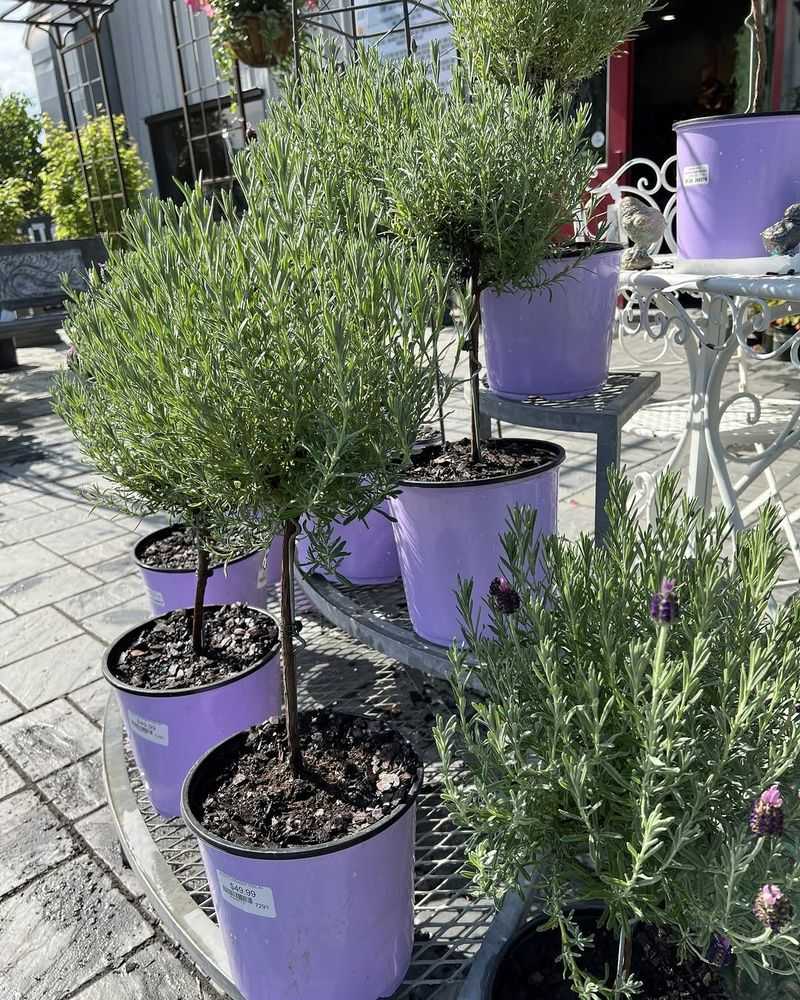
Lavender is one of those plants that genuinely loves the sun, and Arizona just happens to have an abundance of it.
Placing your potted lavender tree in a spot that receives at least six to eight hours of direct sunlight every day is one of the most important decisions you will make for its long-term health.
Without enough sun, lavender stems grow long and weak as the plant reaches toward light it cannot find. That stretched-out, leggy growth makes it nearly impossible to maintain a clean tree shape, and the plant ends up producing far fewer blooms than it should.
Full sun exposure keeps growth compact, dense, and loaded with fragrant purple flowers.
In Arizona cities like Phoenix and Mesa, finding a full-sun spot is rarely a challenge. South-facing patios, open backyard areas, and sunny rooftop terraces all work beautifully for potted lavender trees.
Just make sure nothing is blocking the light for significant portions of the day.
One thing worth knowing is that afternoon shade during peak summer heat, roughly from 2 PM to 5 PM, can actually help lavender in the most intense desert conditions.
Morning sun is still essential, but a brief afternoon break from extreme heat can reduce stress on the plant without sacrificing its overall light intake.
Rotating your pot every few weeks ensures all sides of the canopy receive even light exposure, which promotes balanced, symmetrical growth.
Arizona gardeners who pay close attention to sun placement end up with lavender trees that look full, vibrant, and professionally shaped year after year.
4. Light Pruning Helps Maintain A Tree Shape
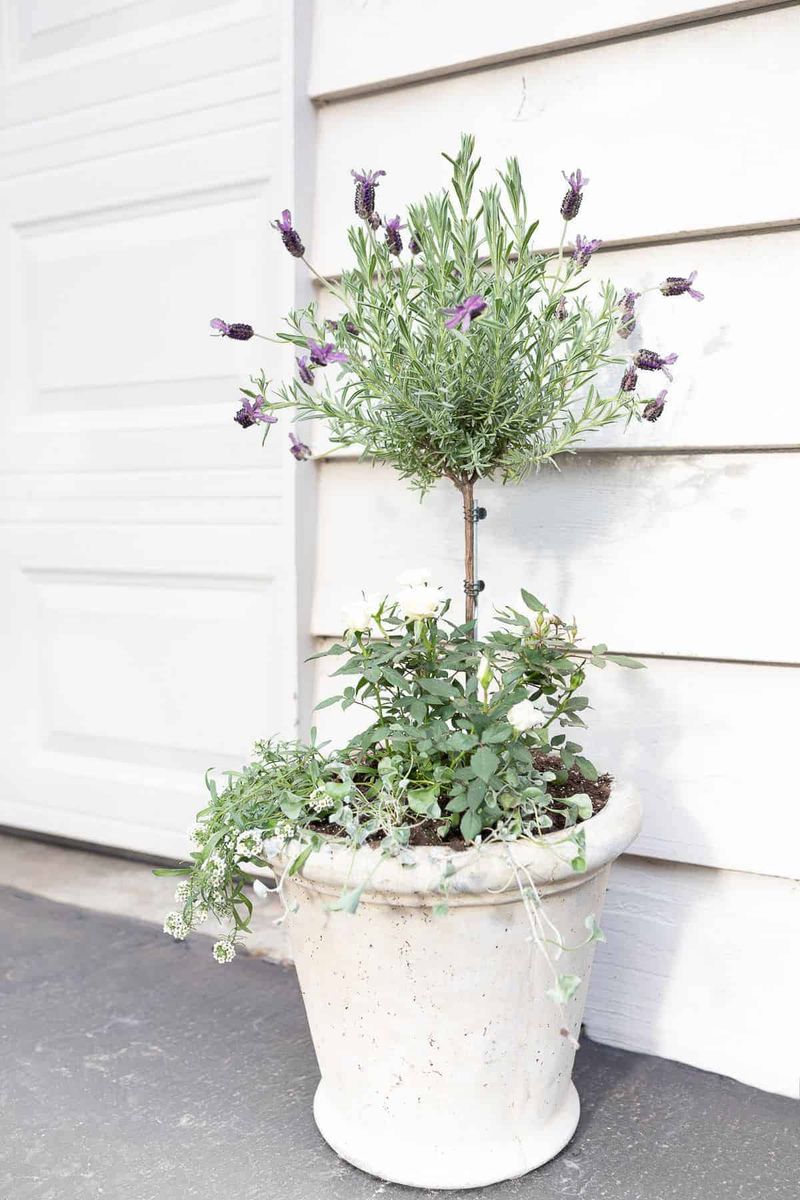
One of the things that makes potted lavender trees so visually striking is the clean, rounded canopy sitting on top of a single clear stem.
Keeping that shape looking sharp requires regular, light pruning, and the good news is that lavender responds incredibly well to careful trimming.
Pruning is best done right after the main flush of blooms fades, which in Arizona typically happens in late spring or early fall depending on your elevation and microclimate.
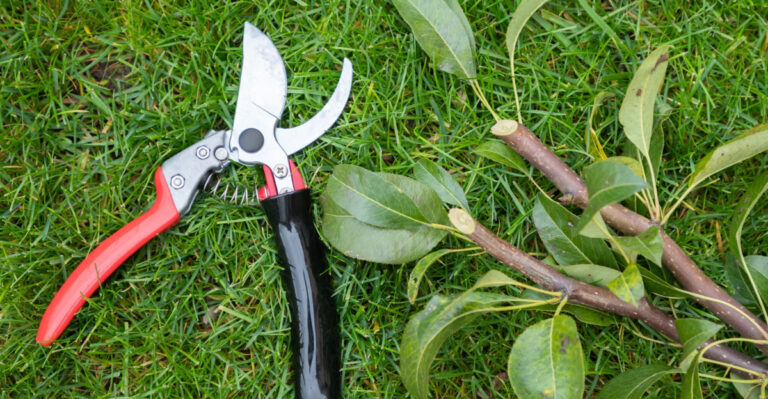
Using clean, sharp pruning shears, trim back about one-third of the soft, green growth while avoiding cutting into the older, woody stems lower down on the plant.
Cutting into the woody base too aggressively can cause the plant to struggle with recovery, especially during Arizona summers. Keeping your cuts focused on the newer growth at the top and outer edges of the canopy protects the core structure of the tree while still encouraging fresh, bushy regrowth.
Removing spent flower stalks as they fade is another small but important habit. Deadheading keeps the plant looking tidy and often encourages a second round of blooms, which is a welcome bonus for Arizona gardeners who want their patios looking beautiful as long as possible.
5. Deep Watering Encourages Stronger Root Growth
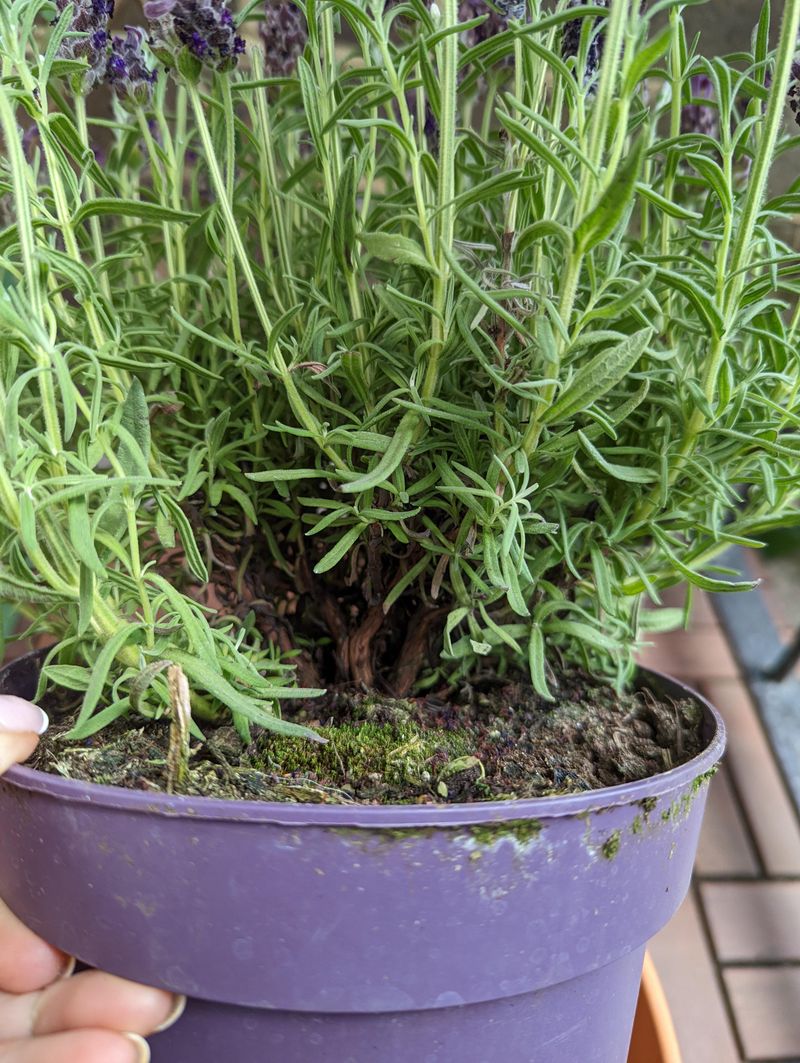
Watering lavender correctly might be the single most misunderstood part of growing it in Arizona.
Many gardeners assume that because lavender is drought-tolerant, it barely needs any water at all, but that thinking leads to weak, shallow root systems that cannot support a healthy tree over time.
Deep, infrequent watering is the method that works best for potted lavender trees in the desert. Rather than giving the plant a small amount of water every day, water thoroughly and slowly until moisture flows freely from the drainage holes at the bottom of the pot.
Then wait until the top two inches of soil feel completely dry before watering again.
When water penetrates deeply into the soil, roots chase it downward and grow longer and stronger. Shallow, frequent watering does the opposite, encouraging roots to stay near the surface where they are more vulnerable to heat and dryness.
In Arizona, where summer soil temperatures can get extremely high, deep roots are a genuine lifesaver for potted plants.
During the hottest months in cities like Phoenix or Yuma, your lavender tree may need watering every three to four days. In cooler months or at higher elevations like Flagstaff, once a week or even less may be sufficient.
Always let the soil guide your schedule rather than following a rigid calendar.
6. Terracotta Pots Help Excess Moisture Evaporate Faster
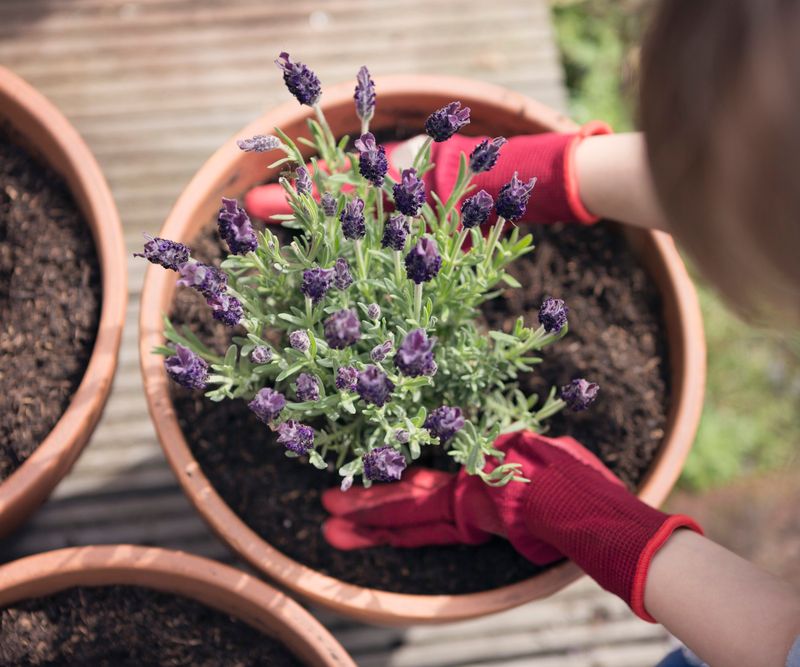
Pot material matters far more than most people realize, especially in a climate as demanding as Arizona.
Terracotta has been used by gardeners for centuries, and there are very good reasons why experienced desert gardeners still reach for clay pots when growing lavender trees in containers.
Unlike plastic or glazed ceramic, terracotta is porous, meaning water and air move through the walls of the pot itself.
Excess moisture evaporates through the sides of the container, which helps keep the root zone drier and prevents the soggy conditions that lavender absolutely cannot tolerate.
In humid monsoon periods across Arizona, this breathability is genuinely valuable.
Terracotta also pulls heat away from the soil more effectively than dark plastic pots, which can absorb and trap heat to dangerously high levels during Arizona summers.
Keeping root temperatures slightly cooler helps lavender stay comfortable even when air temperatures soar past 105 degrees in places like Phoenix or Tempe.
One consideration with terracotta is weight. These pots are heavier than plastic, which actually works in your favor for wind stability, as mentioned earlier.
Just be prepared to plan your placement carefully before filling them with soil, since moving a large terracotta pot once it is planted is no easy task.
Sealing the inside of a terracotta pot with a light coat of diluted white glue or a commercial sealant can slow moisture loss slightly if you find the soil drying out too fast in extreme heat.
7. Good Airflow Helps Reduce Humidity Around Foliage
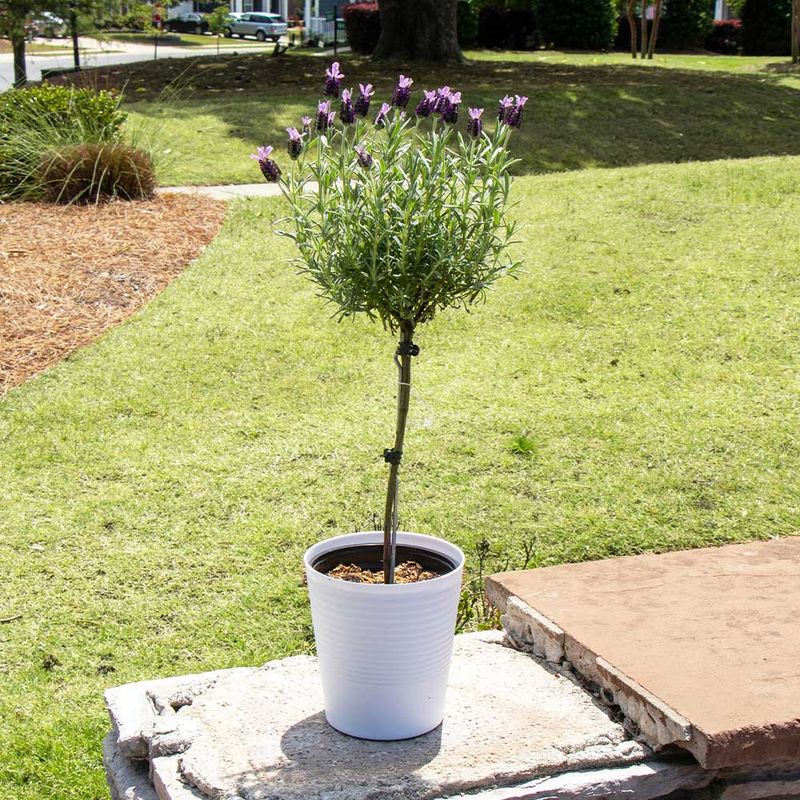
Lavender originally comes from the Mediterranean, where warm breezes and open landscapes keep foliage dry and well-ventilated.
Recreating those conditions in an Arizona pot garden is easier than you might think, and airflow is one of the most overlooked factors in keeping lavender trees healthy for the long term.
Poor airflow around lavender foliage creates pockets of trapped humidity, which encourages fungal issues and other problems that can weaken the plant over time.
Even in dry Arizona, monsoon season brings sudden bursts of humidity that can linger around densely packed foliage if the plant is placed in a corner with no air movement.
Spacing your lavender tree away from walls, fences, and other plants by at least 18 to 24 inches on all sides allows air to circulate freely around the entire canopy.
Open patios and elevated garden areas in Arizona cities like Scottsdale or Chandler tend to offer naturally good airflow, which is one reason lavender trees do so well on raised decks and rooftop spaces.
Keeping the interior of the canopy open through regular light pruning also plays a big role in airflow. When branches are too dense and tangled, air cannot move through the foliage, and moisture gets trapped close to the stems.
Thinning out a few crossing branches each season keeps the inside of the canopy open and breezy.