The Most Underrated Fall Vegetable North Carolina Gardeners Are Starting Indoors This Week
Few vegetables split gardeners into two camps as sharply as this one, loved by some and skipped by most. You already know the shape, but North Carolina’s fall weather is what makes this the season to finally plant it.
Timing changes everything for you when you start seeds indoors weeks before the first frost arrives. Autumn tends to swing wildly in North Carolina, and starting indoors shields your seedlings from that unpredictability.
Beginners assume brassicas belong to spring, though fall brings cooler soil and fewer pests. Your harvest window opens sooner when you skip outdoor guesswork.
Get the timing right this week, and you’ll be harvesting something worth showing off before winter settles in.
A Fast Maturing Brassica Sits Overlooked On The Same Planting Calendar
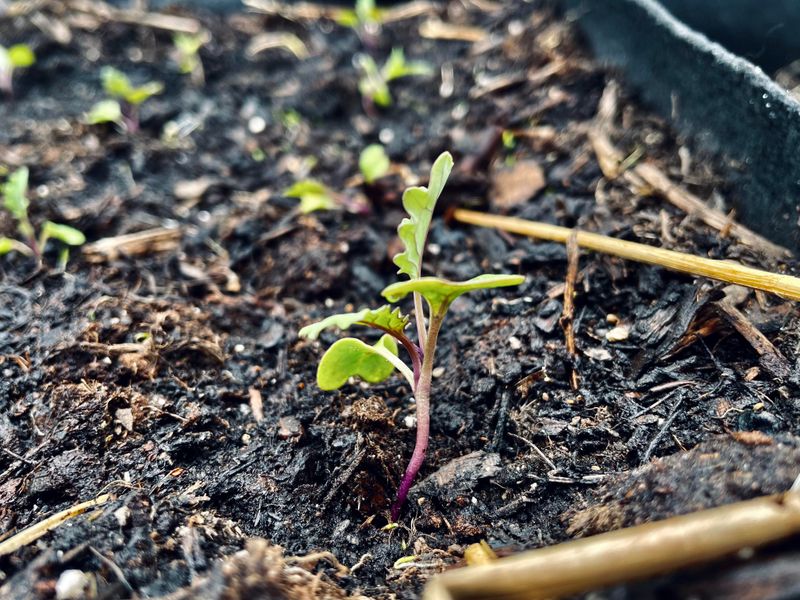
Kohlrabi does not get the spotlight it deserves. While kale and broccoli hog the fall garden conversation, kohlrabi quietly outpaces them both in speed and simplicity.
Most varieties hit harvest-ready size in just 45 to 60 days. That timeline is a gift for North Carolina gardeners working around unpredictable autumn weather.
Kohlrabi is a brassica, which puts it in the same family as cabbage and Brussels sprouts. That family connection means it loves cool soil and crisp air, making fall one of its strongest seasons.
Unlike broccoli, kohlrabi does not form a head that can bolt or turn bitter overnight. The edible part is a swollen stem that stays tender for weeks if you catch it at the right size.
North Carolina gardeners often overlook this crop because it looks unfamiliar at the nursery. Once you grow it yourself, that alien-globe shape starts to feel like a badge of honor in your raised bed.
Starting kohlrabi indoors puts you ahead of the curve on the fall planting calendar. Most underrated fall vegetable lists skip it entirely, but experienced growers know better.
The plant takes up very little space, making it ideal for smaller garden plots or container setups. One tray of seedlings can produce enough kohlrabi to keep a family snacking through October and into November.
Indoor Starting Beats Direct Seeding While Soil Stays Warm
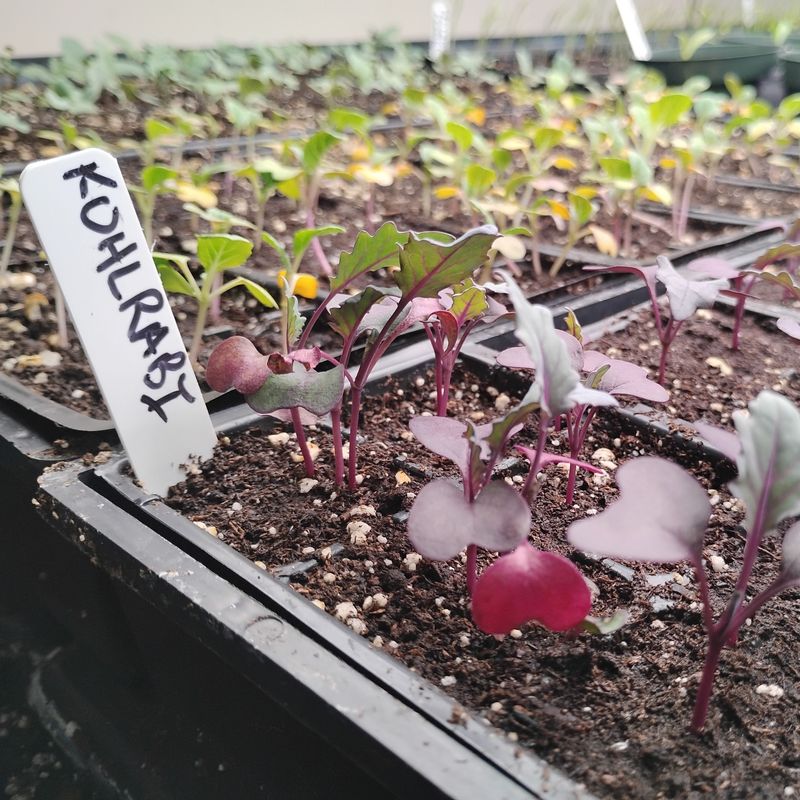
Warm soil is kohlrabi’s biggest obstacle in late summer. Direct-seeded kohlrabi struggles to germinate once soil temperatures climb past 90 degrees Fahrenheit, well above the range this crop prefers.
Starting seeds indoors lets you sidestep that problem entirely. Your seeds sprout in a controlled, cooler environment while the outdoor soil is still baking from summer heat.
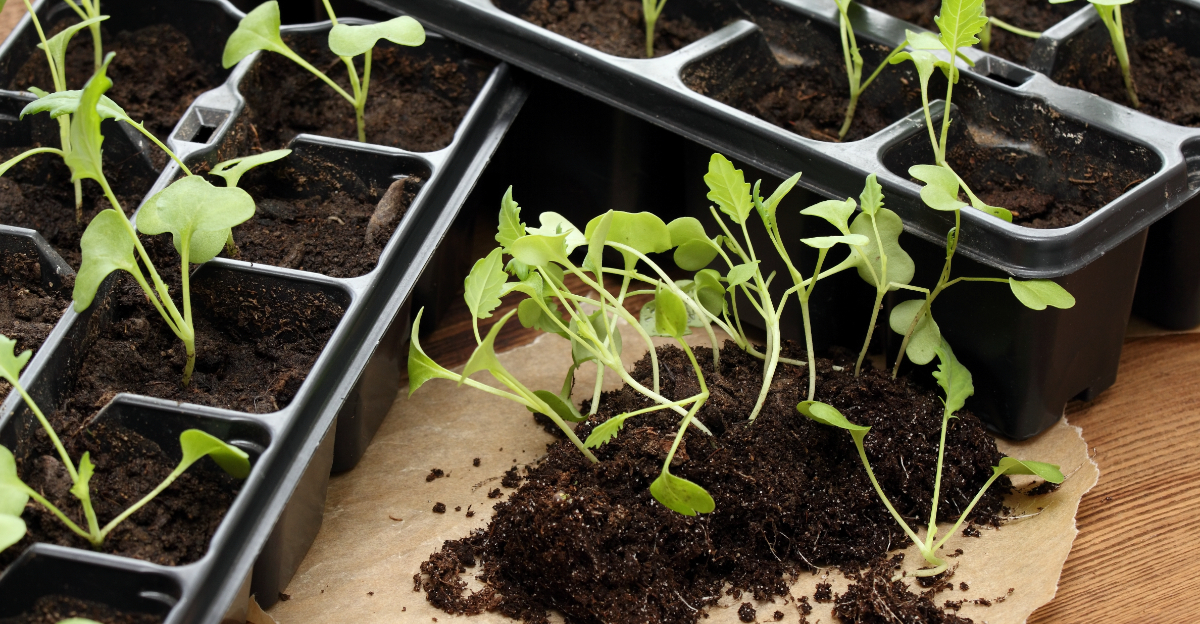
A basic seed-starting mix works perfectly for kohlrabi. Fill small cells or a shallow tray, press one seed about a quarter inch deep, and water gently so the mix stays moist but not soggy.
Most kohlrabi seeds germinate within five to seven days under normal indoor conditions. A sunny south-facing window or a simple grow light set on a timer gives seedlings exactly what they need.
Leggy seedlings are a common early mistake, and they happen fast when light is too dim. Keep your grow light just two to three inches above the tray to encourage stocky, strong stems from day one.
Your North Carolina Garden Changes Every Week. Your Plan Should Too.
Gardening in North Carolina changes quickly throughout the season. Every Friday you’ll receive a simple weekly plan showing exactly what to plant, prune, fertilize, harvest, and protect so you never miss the right timing.
Thin each cell to a single seedling once the first true leaves appear. Crowded starts compete for nutrients and end up weaker when transplant time arrives.
Indoor starting is not complicated, but timing matters more than technique. Get your seeds in trays this week and you will have transplant-ready starts in about four to five weeks, right when outdoor conditions finally cool down enough to welcome them.
Days To Maturity Counted Back From North Carolina’s First Frost
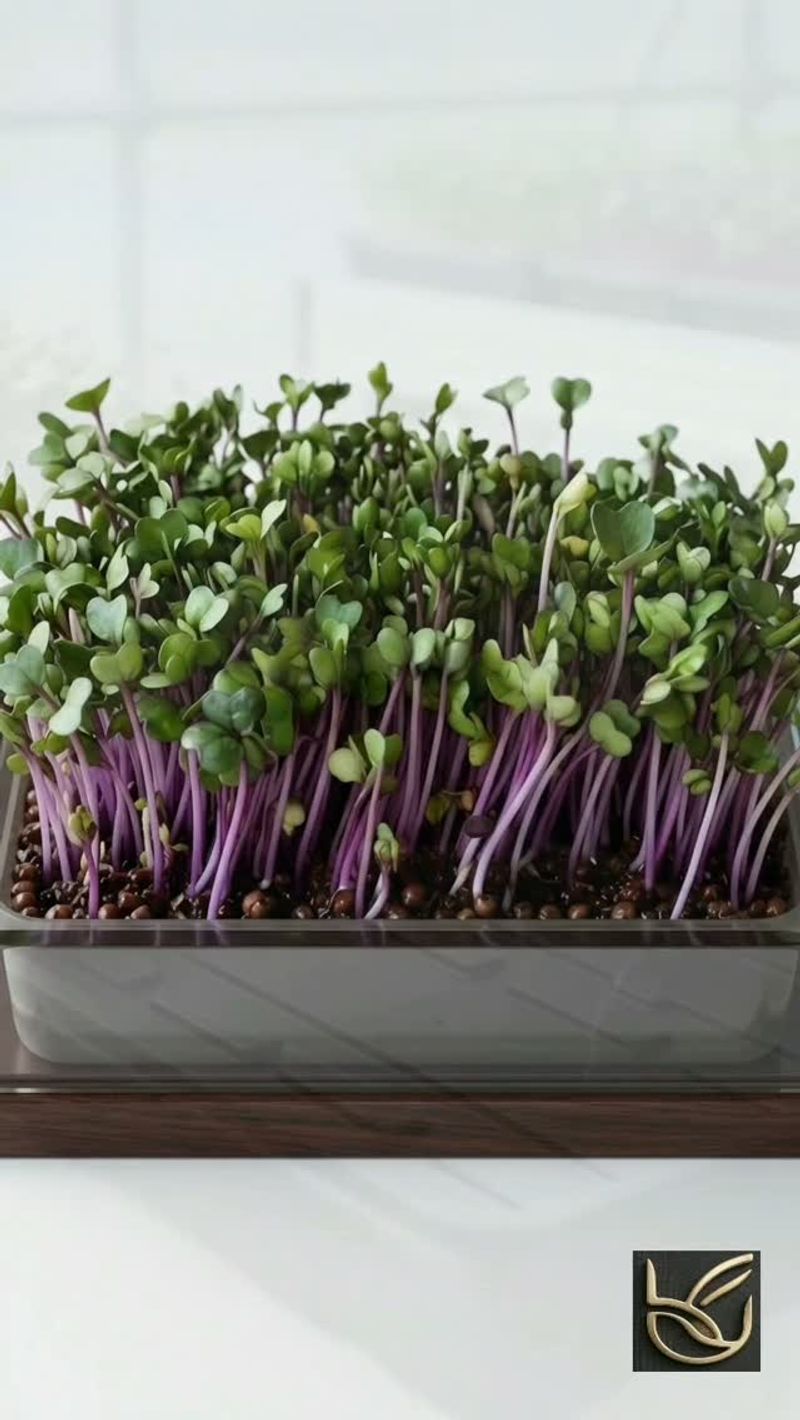
Counting back from your first frost date is the smartest move any fall gardener can make. In the Piedmont region, that average date lands in the last ten days of October.
Mountain areas see frost much earlier, sometimes by mid-October. Coastal gardeners often push all the way into mid-November before a hard freeze arrives.
Kohlrabi varieties that mature in 45 days need to be transplanted outdoors by mid-September at the latest. Add a week of hardening-off time and your indoor start date lands squarely in the first half of August.
That math is why so many gardeners are sowing seeds right now. Missing this window by even ten days can mean harvesting underdeveloped bulbs or rushing the crop before flavor fully develops.
Flavor is actually one of kohlrabi’s best surprises. Cool nights trigger the plant to convert starches into sugars, so a bulb that matures in October tastes noticeably sweeter than one grown in summer heat.
Check the seed packet for the specific days-to-maturity number on your chosen variety. Grand Duke, Winner, and Kolibri are three popular picks that all fall within that 45-to-60-day sweet spot.
Planning your frost countdown gives you confidence and removes the guesswork. The most underrated fall vegetable in the state rewards gardeners who treat timing like a science, not an afterthought.
Kohlrabi Transplants Move Outdoors In Early To Mid September
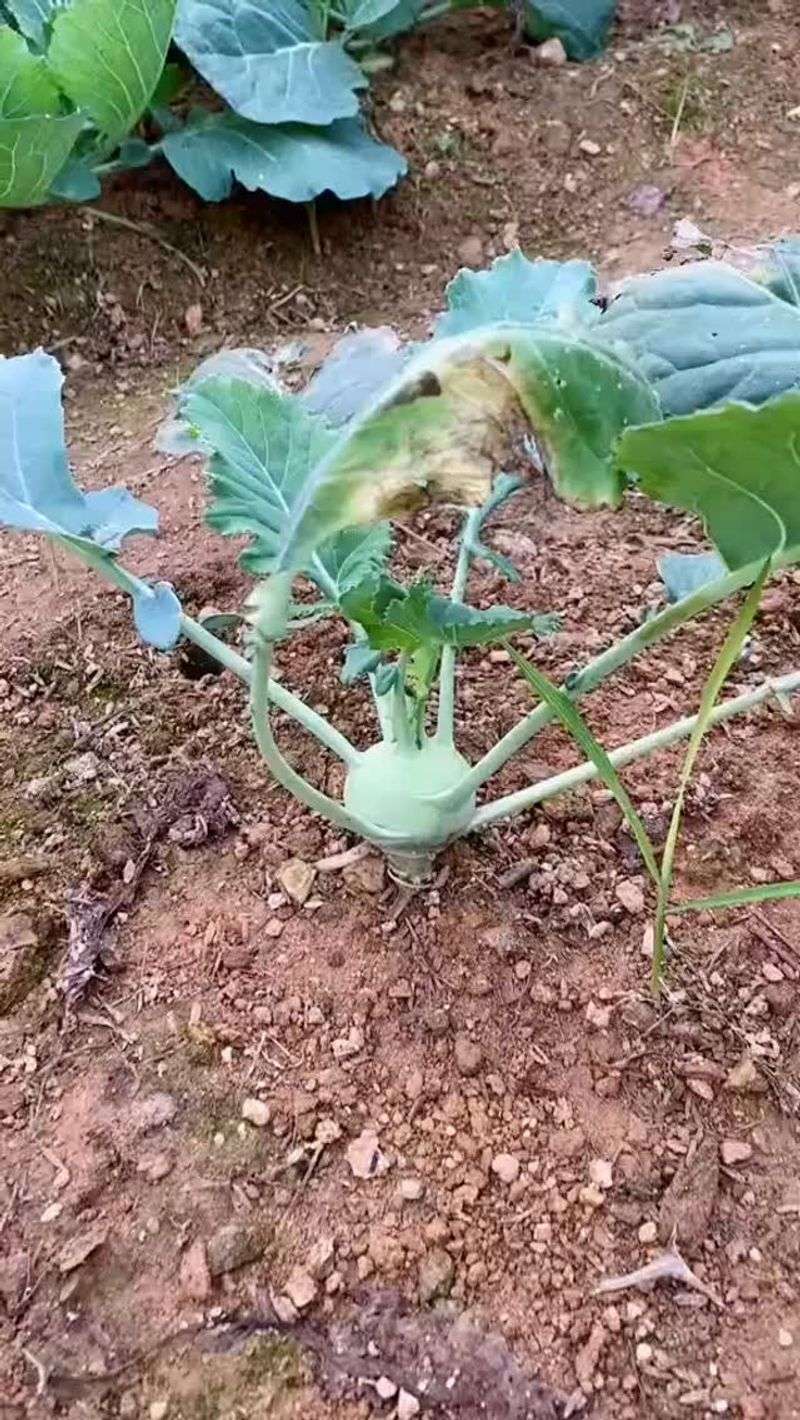
September mornings in NC carry that first hint of cool air, and kohlrabi transplants feel it immediately. That subtle temperature drop signals the plant to shift into active growth mode.
Before moving starts outside, spend about a week hardening them off. Set trays in a shaded outdoor spot for a few hours each day, gradually increasing sun exposure.
Skipping the hardening-off step can shock tender seedlings and noticeably stall their growth. That lost time is painful when your frost countdown is already ticking.
Choose a planting spot that gets at least six hours of direct sun daily. Kohlrabi can handle partial shade, but full sun produces faster growth and better-tasting bulbs.
Space transplants about six to eight inches apart in rows or a grid pattern. Crowding slows bulb development and increases humidity around leaves, which invites fungal problems later in the season.
Water transplants thoroughly right after placing them in the ground. A light layer of straw mulch helps hold soil moisture and keeps roots cool during any late-summer heat spikes.
Avoid planting where cabbage, broccoli, or other brassicas grew in the last two seasons. Rotating crops breaks pest and disease cycles that can weaken young transplants before they establish.
Once settled in, kohlrabi grows fast and needs very little fuss. A weekly inch of water and one light feeding of balanced fertilizer is all it takes to keep momentum going.
Cabbage Worms And Flea Beetles Hit Young Starts Hardest
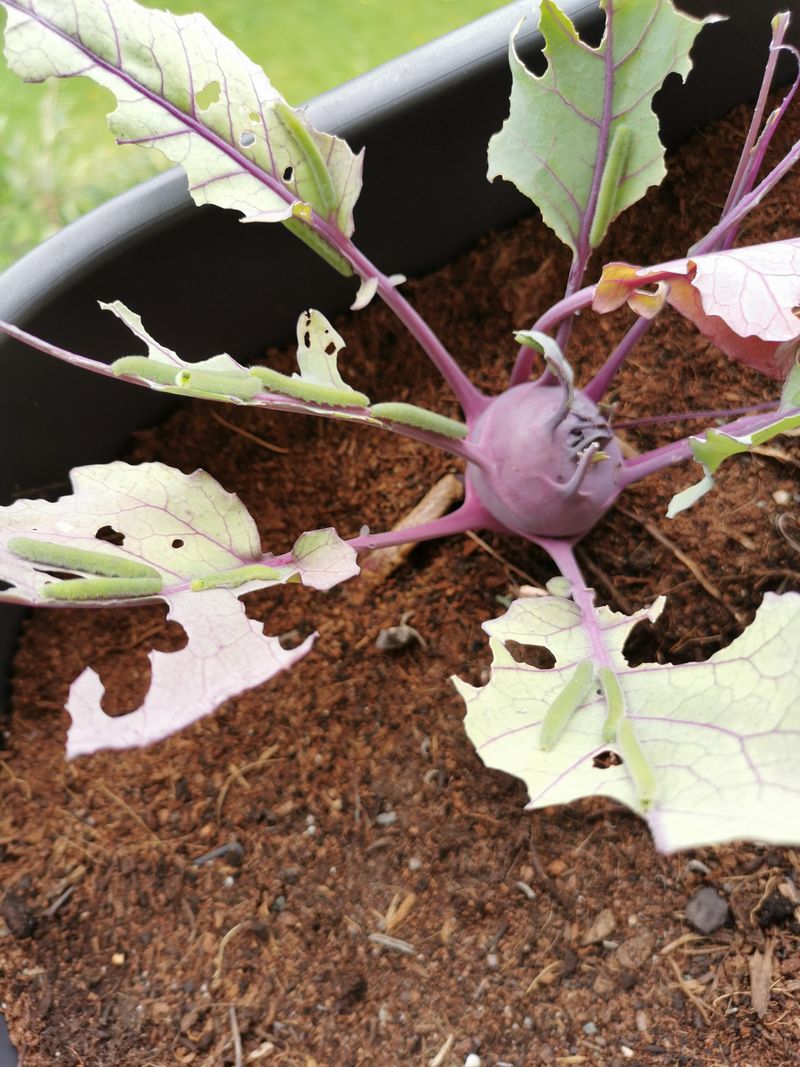
Young kohlrabi starts are basically an open invitation for two specific pests. Cabbage worms and flea beetles zero in on tender brassica leaves the moment transplants hit the ground.
Cabbage worms are the velvety green larvae of the white cabbage butterfly. They blend into leaves almost perfectly, which makes spotting them a daily chore rather than a weekly glance.
Flea beetles are tiny, shiny, and fast. They chew dozens of small holes through leaves, leaving healthy plants riddled with tiny punctures.
The best defense against both pests is row cover fabric. A lightweight floating row cover draped over transplants right after planting blocks adults from reaching leaves without reducing light or airflow significantly.
Secure the edges with soil, rocks, or garden staples so pests cannot crawl underneath. Even a small gap defeats the entire purpose of covering the bed.
If you prefer a spray option, Bacillus thuringiensis, commonly called Bt, is highly effective against cabbage worms. It is a naturally occurring soil bacteria that is safe for people, pets, and beneficial insects.
Spinosad spray works well against flea beetles and can be applied in the early morning when beetles are less active. Follow label directions closely and avoid spraying when pollinators are present.
Staying consistent with monitoring is what separates a thriving fall crop from a ragged one. Check plants every two to three days, especially after transplanting.
Harvest Size And Storage Habits That Keep Bulbs Tender
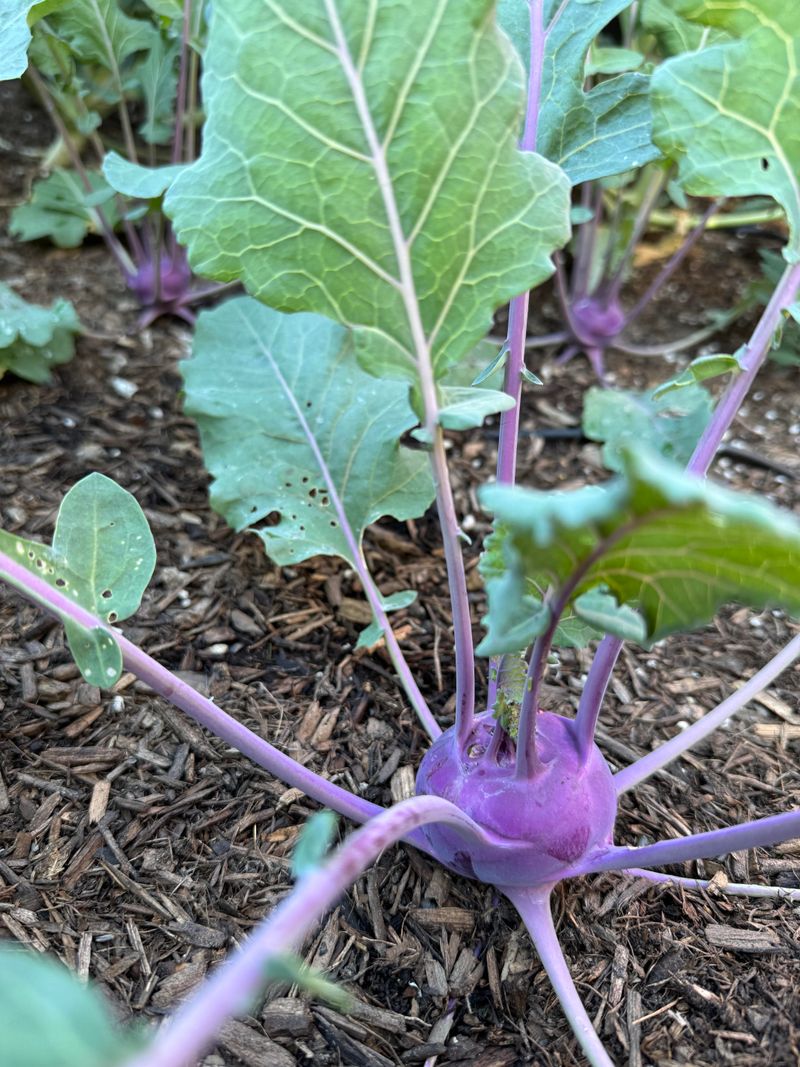
Size is everything when it comes to harvesting kohlrabi at peak quality. Bulbs between two and three inches across are sweet, crisp, and tender all the way through.
Let them grow past four inches and the texture shifts fast. Woody, fibrous flesh replaces that satisfying crunch, and no amount of cooking fully fixes an overgrown kohlrabi.
Check your plants every couple of days once bulbs start swelling noticeably. Growth accelerates in cool weather, and a bulb can jump from perfect to oversized within just a few days.
Harvest by cutting the stem just below the bulb with a sharp knife or garden scissors. Trim off the leaf stalks and store the bulbs separately from the greens.
Kohlrabi stores beautifully in the refrigerator for up to three weeks when kept in a sealed bag or container. Remove the leaves before storing because they draw moisture away from the bulb and speed up softening.
The greens are edible too and taste similar to mild collard greens when sauteed. Use them within two or three days of harvest since they wilt faster than the bulb.
For longer storage, kohlrabi can be blanched and frozen for up to eight months. Cube or slice the raw bulb first, blanch for two minutes, cool in ice water, then freeze flat on a baking sheet before bagging.
Growing the most underrated fall vegetable is only half the reward. Knowing exactly when and how to harvest keeps every bulb tasting like it came straight from a farmers market.