8 Tips To Turn One Oregon Lawn Edge Into A Fall-Planted Pollinator Strip
That strip of lawn along your edge is doing the bare minimum right now, and it could be doing so much more.
Turning even a narrow border into a pollinator-friendly planting is one of those garden projects that feels small in the moment and turns out to be genuinely impactful over time.
Fall is actually a surprisingly good time to get this going in the Pacific Northwest because cool, wet weather helps roots settle in quietly before spring arrives and everything takes off.
Oregon native plants are also remarkably low maintenance once established, no constant watering, no heavy fertilizing, and they come back on their own year after year.
Bees, butterflies, and other pollinators depend on exactly these kinds of plantings for food and shelter, and even one small sunny strip makes a real difference to local ecosystems.
1. Cutting Back One Strip Of Lawn To Make Room

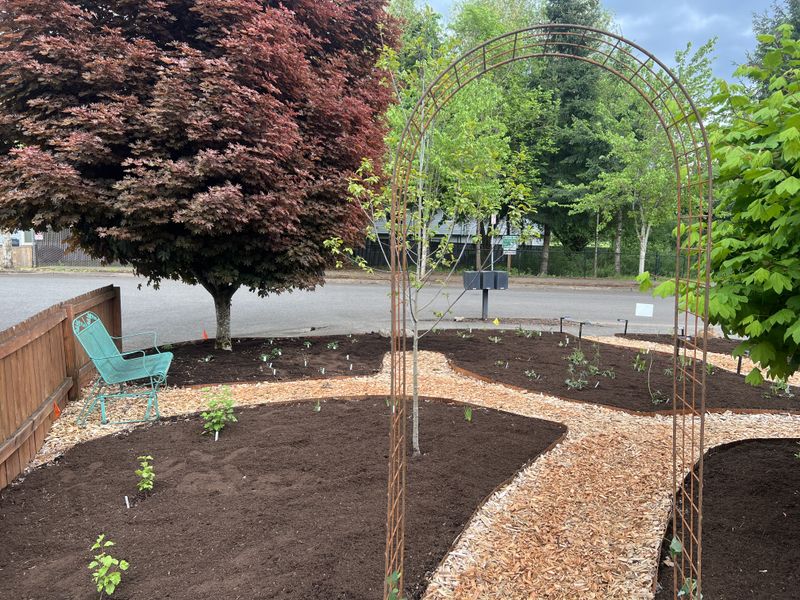
Before any plants go in the ground, you have to clear the space. Removing even a narrow strip of lawn, about two to three feet wide, gives native plants the room they need to root and grow without competing with turf grass.
Start by marking your strip with a garden hose or spray paint. Use a flat spade to cut along the edges cleanly.
Then slice under the grass in sections and roll it back like a carpet. Shake off as much soil as you can before tossing the sod.
Do not worry about getting every root out. Once you remove the bulk of the grass and loosen the soil underneath, Oregon native plants will outcompete any stragglers remarkably well.
You do not need perfect soil to do this well.
Loosen the exposed soil about six inches deep with a garden fork. Break up any hard clumps so roots can push through easily.
Avoid adding a lot of compost or fertilizer at this stage. Oregon natives actually prefer leaner soil with less nitrogen, and overly rich soil can encourage leafy growth at the expense of flowers.
A strip along a fence, driveway, or sidewalk works great. It is already defined and easy to maintain.
Once cleared, your strip is ready to become something much more useful than plain old turf. This one simple act opens the door to everything else.
2. Choosing A Sunny Edge Bees Will Actually Find
Location matters more than most people think when planting for pollinators. Bees are drawn to warm, open, sunny spots.
A strip that gets at least six hours of direct sunlight each day is going to attract far more activity than a shaded corner ever could.
Walk around your yard on a sunny afternoon and watch where the light lands longest. South-facing and west-facing edges tend to stay warm well into the afternoon.
That warmth signals to bees that food is nearby and worth visiting. In Oregon’s cooler coastal and valley regions, maximizing sun exposure is especially important for keeping pollinators active through the season.
Avoid spots right under large trees or next to tall hedges. Shade from overhead plants can limit blooming and reduce the number of pollinators that find your strip.
Your Oregon Garden Changes Every Week. Your Plan Should Too.
Gardening in Oregon changes quickly throughout the season. Every Friday you’ll receive a simple weekly plan showing exactly what to plant, prune, fertilize, harvest, and protect so you never miss the right timing.
Open sky above the planting area is your best friend here.
Wind protection is also helpful. A fence or low hedge on the north side of your strip can shield plants from cold gusts without blocking sunlight.
Bees prefer calm, warm spaces where they can hover without fighting the breeze.
Once you find the right spot, you will notice pollinators showing up faster than you expected. Oregon’s native bees are always searching for new food sources, and a sunny, well-positioned strip gets discovered and revisited surprisingly quickly.
Choosing the right location is one of the most important decisions you will make in this whole project. Get the sun right and everything else falls into place more naturally.
3. Planting Yarrow For Easy Late-Season Color
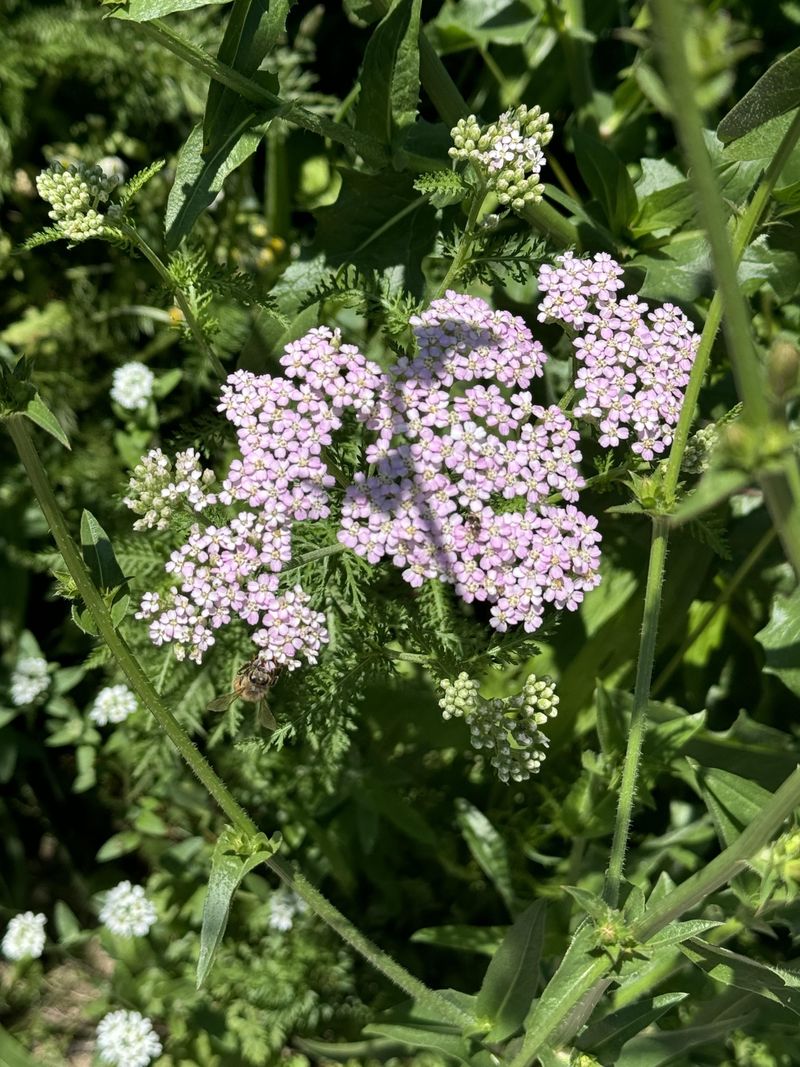
Few plants are as reliable or as pollinator-friendly as yarrow. Its flat-topped flower clusters act like a landing pad for bees, beetles, and small butterflies.
Planting it in fall gives the roots time to establish before the first blooms appear in late spring.
Yarrow is incredibly tough. It handles dry summers, poor soil, and even light foot traffic near the edges of a planting strip.
Once established, it spreads slowly and fills in gaps beautifully without becoming invasive or aggressive.
Oregon’s dry summers are actually well-suited to yarrow once it gets its roots down, making it one of the more dependable choices for a low-maintenance pollinator strip.
White yarrow is the most common native variety in the Pacific Northwest and it blooms from early summer all the way into fall. That long bloom window makes it one of the most valuable plants you can add to a pollinator strip.
Bees visit it constantly throughout the season.
Plant yarrow transplants about twelve to eighteen inches apart. They will spread on their own over time, so you do not need to pack them in tightly right away.
Water them in well at planting time and then let the fall rains take over from there.
Cut the flower stalks back in late fall after blooming ends. New growth will return from the base in early spring.
Oregon gardeners who add yarrow to a pollinator strip consistently find it one of the easiest and most rewarding plants in the whole planting. It asks for very little and gives back a lot in color, wildlife value, and easy-care beauty all season long.
4. Adding Oregon Sunshine For A Native Pop
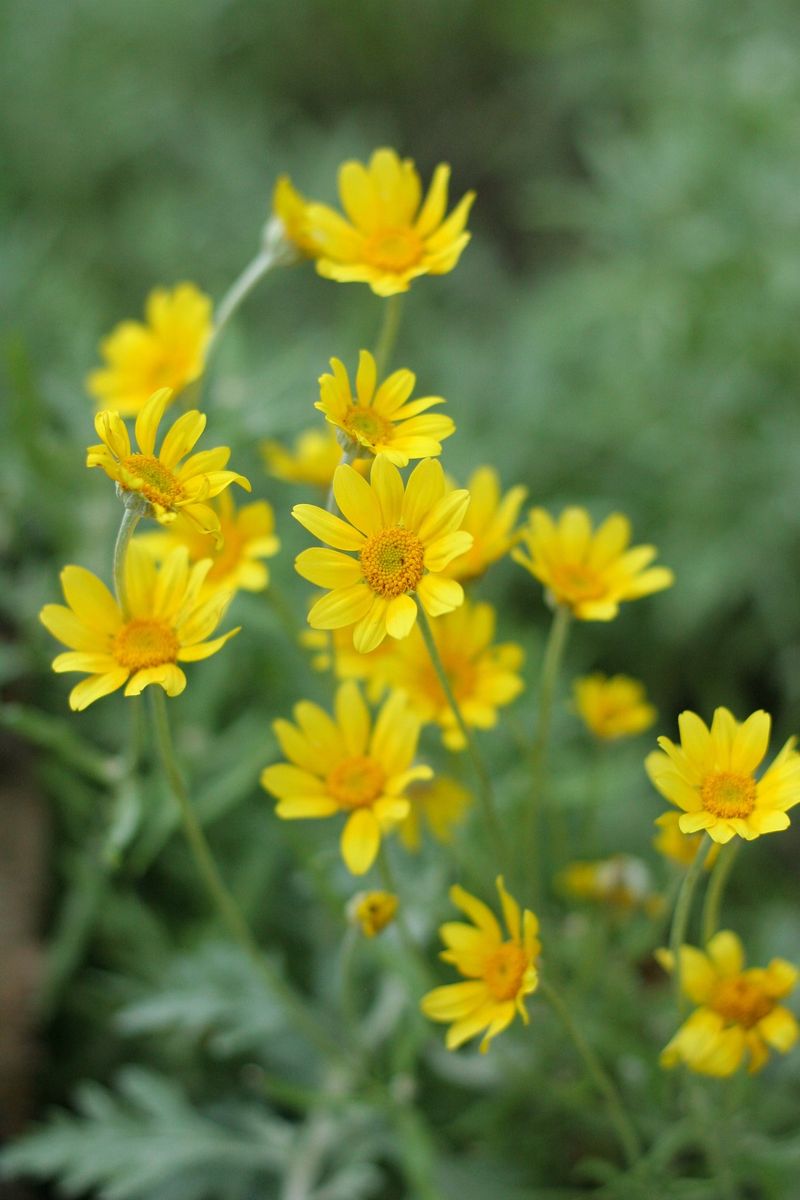
If you want a plant that looks like it belongs in a wildflower painting, Oregon sunshine is it. This native perennial produces cheerful, bright yellow daisy-like flowers that bloom from late spring through midsummer.
It brings a warm pop of color to any pollinator strip.
Bees absolutely love it. The open, flat flower face makes nectar and pollen easy to access, especially for smaller native bee species that struggle with more complex flower shapes.
Planting it in fall means it will be ready to bloom right on schedule the following year.
Oregon sunshine thrives in dry, rocky, or sandy soil. It does not like sitting in wet conditions for too long, so make sure your strip has decent drainage.
It is one of those plants that actually does better when you leave it alone and resist the urge to fuss over it.
Space plants about twelve inches apart. They stay fairly compact, usually reaching about one foot tall, which makes them perfect for the front of a planting strip where shorter plants look best.
Their silvery-green foliage looks attractive even when the plant is not in bloom.
Pairing Oregon sunshine with yarrow and self-heal creates a layered, naturalistic look that pollinators find irresistible. The contrast between the silver leaves and yellow flowers is visually striking.
It is a plant that earns its place every single season without asking for much in return.
5. Tucking In Self-Heal Along The Front Edge
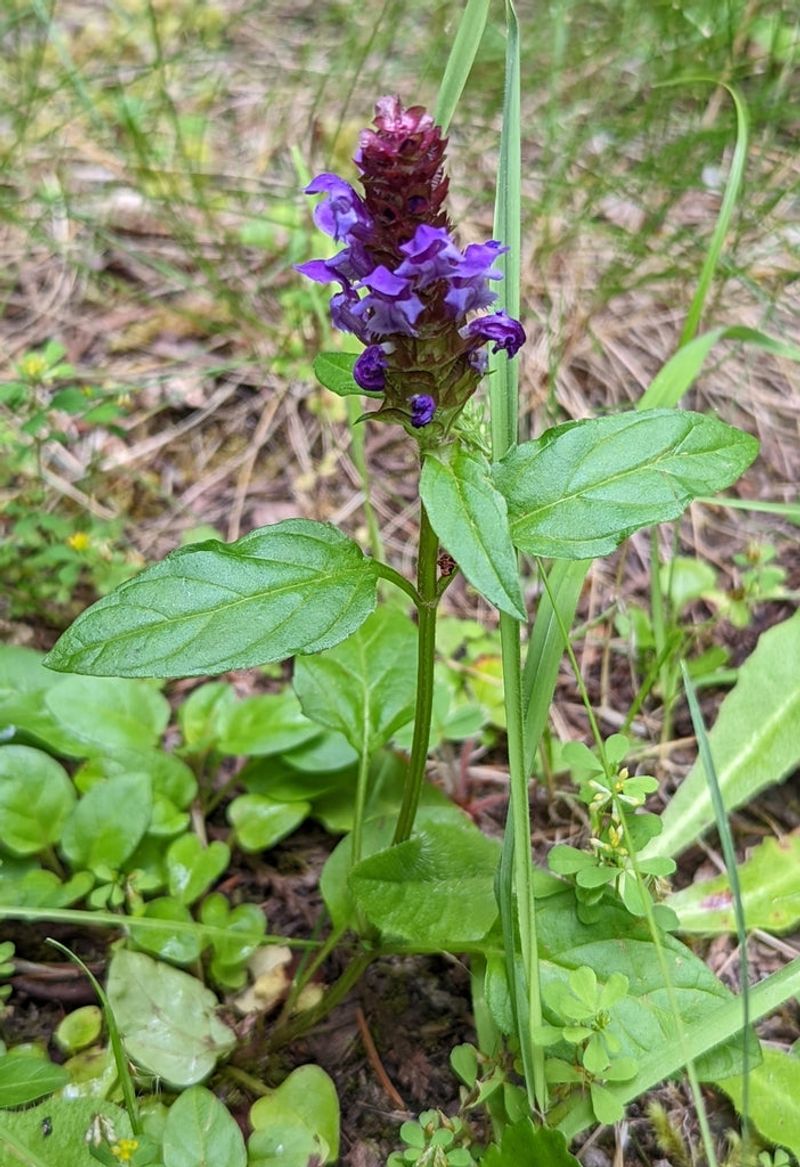
Self-heal is one of those plants that quietly does a lot of work without drawing much attention to itself. Its small purple flower spikes might not look flashy at first glance, but bumblebees and native bees absolutely flock to them.
It is a front-edge favorite for good reason.
This low-growing plant stays under six inches tall, which makes it ideal for tucking along the very front of your strip where taller plants would block the view.
It also tolerates a bit of foot traffic and some light shade, giving you more flexibility in placement than most native plants.
Oregon’s variable spring weather does not slow it down either, and it tends to establish reliably even in cooler, wetter conditions.
Self-heal blooms from late spring all the way into fall, making it one of the longest-blooming natives you can add to a pollinator strip. That extended bloom time fills in gaps between other plants and keeps bees coming back throughout the entire growing season.
Plant transplants about eight to twelve inches apart along the front edge of your strip. Water them in well and let the fall rains carry them through the season.
They will spread gently on their own and fill in over time without becoming weedy or aggressive.
One fun fact: self-heal has been used in herbal traditions for centuries across many cultures. Knowing that history makes this little plant feel even more interesting.
Oregon native plant nurseries often carry it in fall alongside other pollinator-friendly species, so it should not be hard to track down. It is tough, beautiful, bee-friendly, and full of character.
A perfect front-row performer for any pollinator strip.
6. Using Douglas Aster For A Big Fall Pollinator Draw
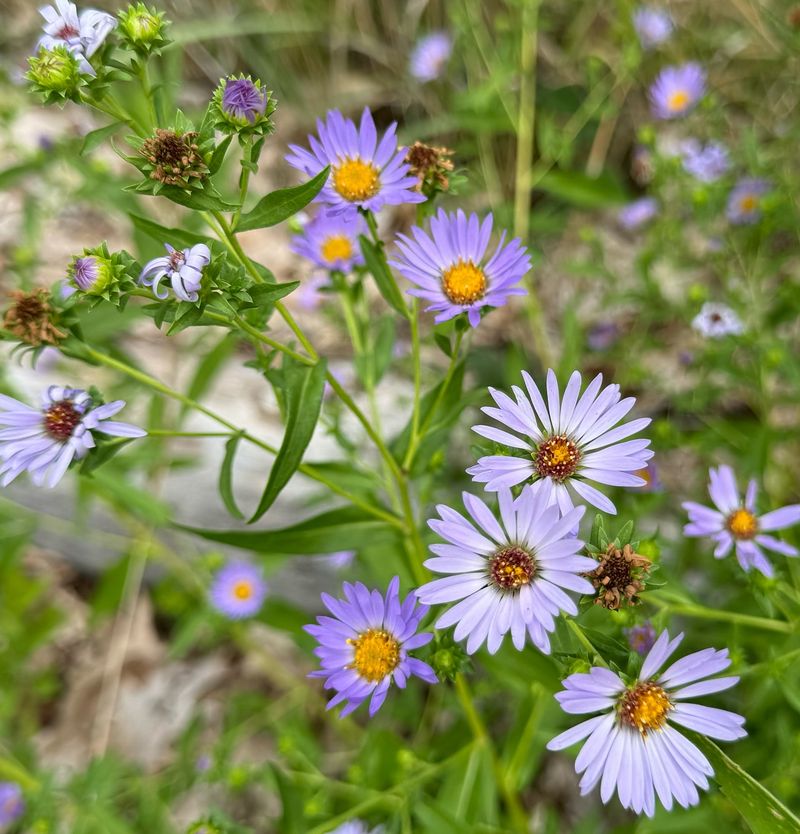
When most flowers are winding down for the year, Douglas aster is just hitting its stride.
This stunning native perennial blooms from late summer through October, making it one of the most important fall food sources for pollinators in the Pacific Northwest.
It is a true season-extender.
The lavender-purple flowers look like small daisies and they attract an impressive variety of visitors. Bumblebees, honeybees, native sweat bees, and even monarch butterflies passing through on migration have all been spotted feeding on Douglas aster.
Oregon’s mild fall temperatures in many parts of the state extend the bloom period further than gardeners in colder regions might expect, making this plant an especially valuable addition to a western Oregon pollinator strip.
Douglas aster grows two to four feet tall, so it works best in the middle or back of your planting strip. Give it room to spread because it will slowly expand its clump over the years, filling in space and creating a lush, naturalistic look that feels wild and welcoming.
Plant transplants about eighteen inches apart. Water them in at planting time and then let the fall rains do the rest of the work.
Cut the stalks back in late fall after blooming ends. Fresh new growth will return from the base in spring without any extra effort on your part.
Few plants deliver as much late-season value as this one. When the days get shorter and temperatures drop, pollinators need every food source they can find.
Douglas aster answers that need in a big, beautiful way that makes your whole strip shine right through the end of the season.
7. Mixing In Checkermallow For More Summer Blooms
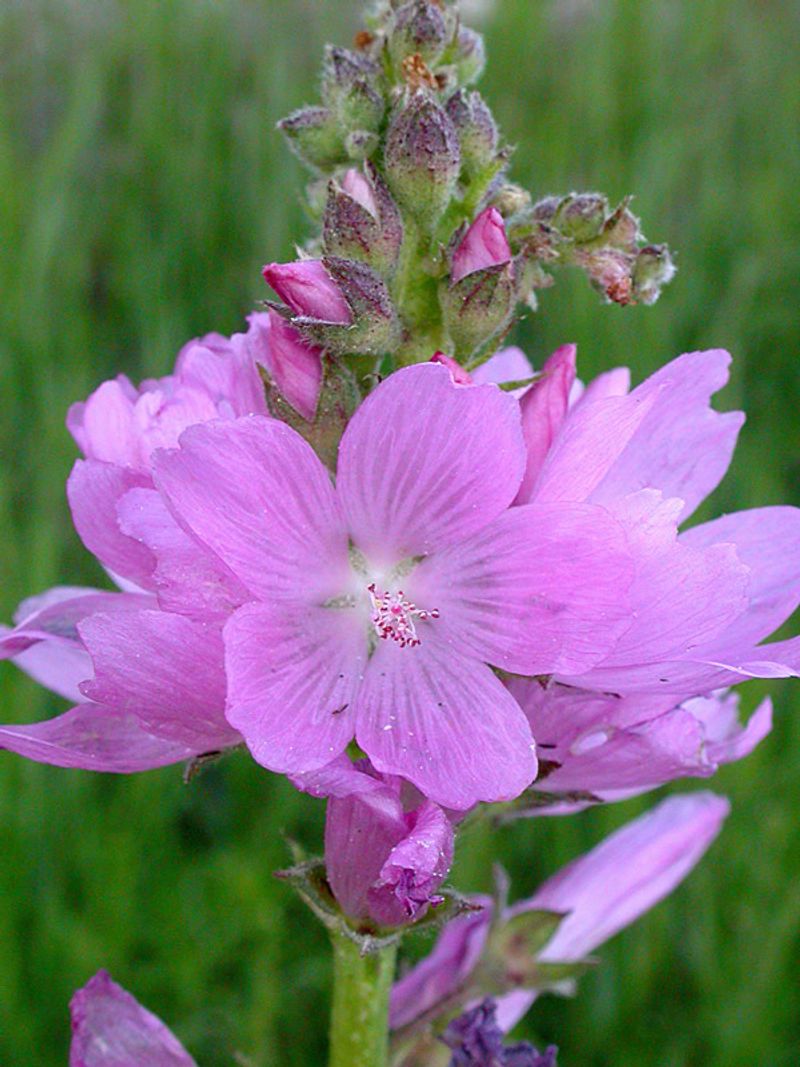
Checkermallow brings a cottage-garden charm to native plant strips that is hard to match.
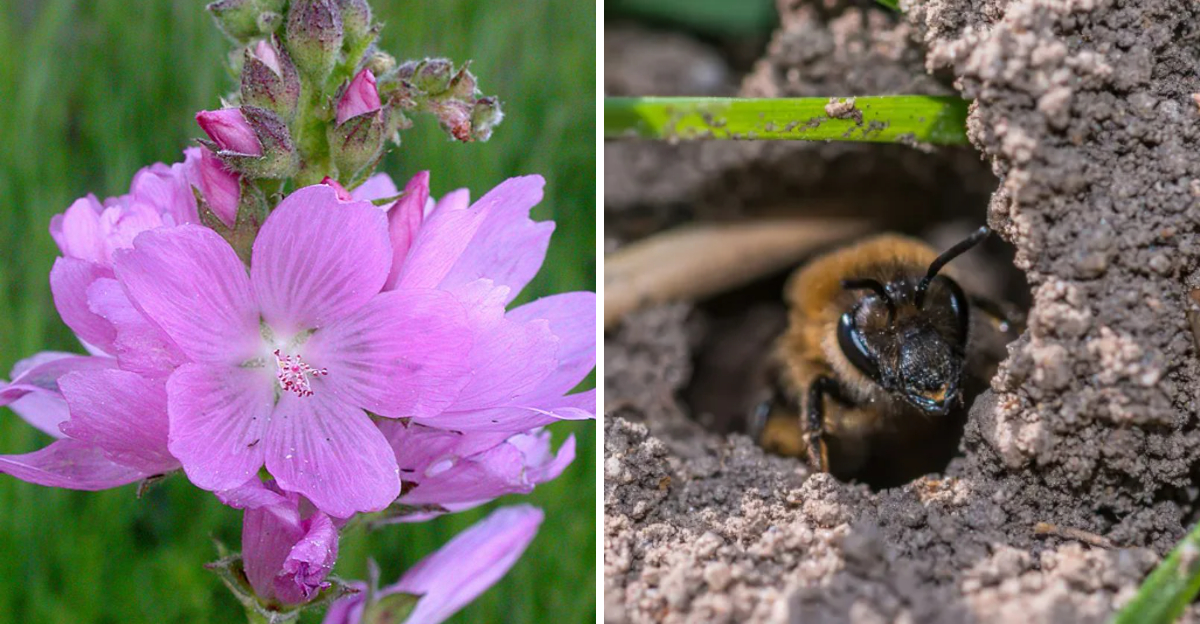
Its tall spikes of soft pink flowers rise up in early to midsummer and attract a surprisingly wide range of pollinators, including several specialist bee species that rely on plants in the mallow family.
Sidalcea oregana is the most common native species used in Oregon garden settings, and its name alone hints at how well-suited it is to local growing conditions.
It grows two to four feet tall and produces flowers from June through August, bridging the gap between spring bloomers and the fall stars like Douglas aster.
That mid-season bloom window is incredibly valuable for pollinators.
Plant checkermallow in a spot that gets full sun and has reasonably well-drained soil. It handles dry conditions once established but appreciates some moisture during its first summer.
Planting in fall gives the roots a long, cool settling-in period before summer heat arrives.
Space transplants about eighteen inches apart and resist the urge to crowd them. Checkermallow spreads slowly but surely over the years, and giving it room to grow means less dividing and rearranging later on.
It is a low-maintenance plant that rewards patience.
The visual effect of checkermallow mixed with yarrow and Douglas aster is genuinely beautiful. The soft pink tones contrast nicely with yellow and purple flowers, creating a layered look that draws the eye and the bees at the same time.
Adding it to your Oregon pollinator strip means you will have something blooming almost every month from spring through fall.
8. Leaving Bare Soil Between Plants Instead Of Mulching Everything
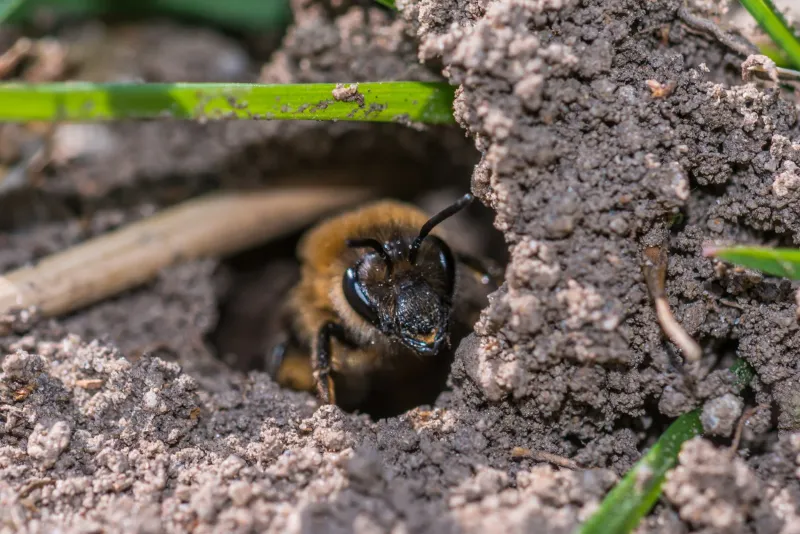
Most gardening advice tells you to mulch everything. But for a pollinator strip, leaving some bare soil between plants is actually one of the most helpful things you can do.
Around seventy percent of native bee species nest in the ground, and they need open, undisturbed soil to do it.
Ground-nesting bees like sweat bees and mining bees look for small, sunny patches of bare earth to lay their eggs. When every inch of a garden is covered with bark or wood chips, these bees have nowhere to go.
Oregon has a remarkable diversity of native ground-nesting bee species, and a pollinator strip with open soil patches is far more welcoming to them than a fully mulched one.
Leave spaces about six to twelve inches wide between your plants. These gaps should be in sunny spots where the soil can warm up quickly on spring mornings.
Compact or clay-heavy soil can be lightly scratched up to make it easier for bees to tunnel into.
You do not have to go mulch-free everywhere. A thin layer of coarse gravel or small pebbles around taller plants can help retain some moisture while still leaving enough open ground nearby.
The key is balance, not total coverage.
Watching ground-nesting bees come and go from your strip is one of the most rewarding parts of this whole project. These small, often overlooked bees are incredibly important pollinators across Oregon landscapes.
Giving them a place to nest right next to their food source creates a complete habitat, not just a pretty garden. That is what a real pollinator strip is all about.