The Most Underrated Florida Native Edible That Helps Fix Garden Soil
Florida soil has a reputation for taking more than it gives. Sandy, nutrient-poor, and stubbornly resistant to improvement no matter what gets added to it season after season.
Most edible plants make that problem worse. They draw from the soil and leave it with less than they found.
One Florida native edible works the opposite way. It fixes nitrogen directly into the soil while producing food above ground.
The bed it grows in ends the season in better shape than it started. That combination, edible and soil-improving, is rare enough that plant scientists have been studying this species for years.
Indigenous communities across the Southeast understood its value long before any research program confirmed it. It is not in mainstream garden culture yet.
It is not on the standard edible plant list. It grows in Florida, it belongs here, and it is doing something no imported vegetable in the garden can replicate.
1. American Groundnut Is The Native Edible People Overlook
Wander through any moist woodland edge in Florida, and you might walk right past one of the most historically useful native edibles growing in the region.
American groundnut, known scientifically as Apios americana, goes by several common names including potato bean and hopniss.
Each name hints at something real: it produces potato-like tubers underground, and it belongs to the legume family.
Many gardeners have never heard of it, which makes it one of the most underrated edible plants available to local growers. It is not a tropical fruit or a flashy herb.
It is a native vine with a quiet, practical purpose that fits naturally into edible landscapes and food gardens.
Credible sources including university horticulture programs confirm its long history of human food use by Indigenous peoples across North America.
That history is worth knowing, but the more immediate value for home gardeners is how it fits into a modern edible bed.
Sourcing correctly identified plants or tubers from reputable native edible plant nurseries is the safest and most responsible way to get started. Wild collection is not recommended, especially in sprayed or contaminated areas.
2. Its Roots Grow Food While The Plant Supports Soil
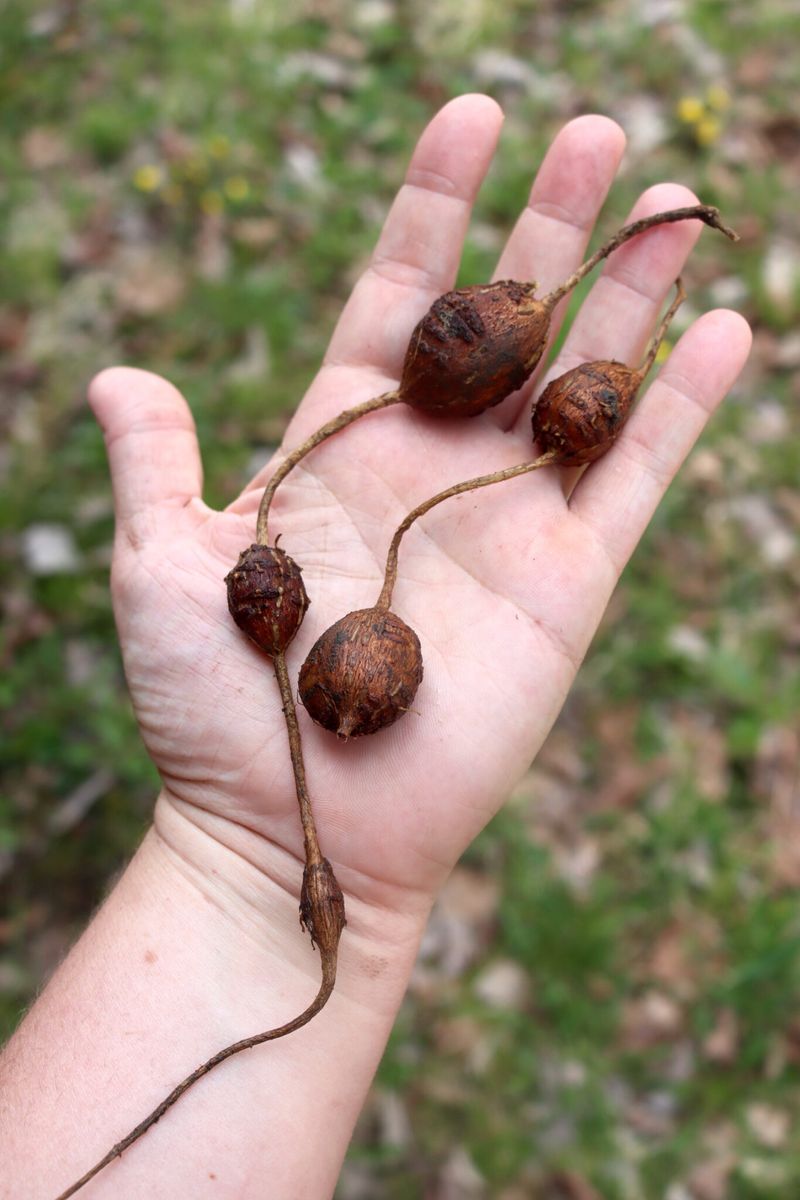
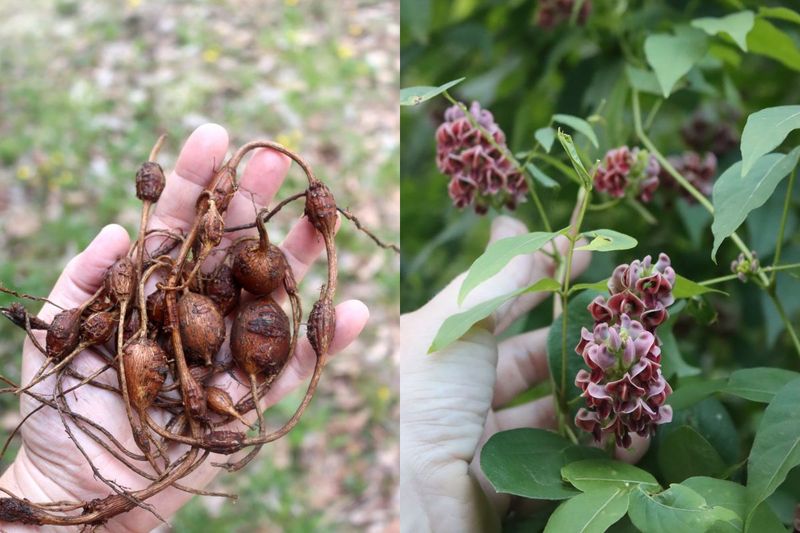
Underground, American groundnut produces tubers that grow in a chain-like string along its roots. Above ground, the vine spreads leafy cover across a trellis or support structure, adding living plant material to the garden system.
Both parts contribute something useful, which makes this plant a two-layer investment for edible beds.
The tubers store energy and can be harvested after the plant has had enough time to establish. The vine itself adds organic matter to the bed as leaves and stems break down over time.
Neither of these effects happens overnight, and neither replaces the work that compost, mulch, and good drainage do for garden soil.
Edible plants are often treated as consumers of soil resources. American groundnut can shift that dynamic slightly by contributing to the bed while also producing food.
Pairing it with compost, wood chip mulch, and thoughtful bed design gives the plant the best chance to thrive and give back. Think of it as one working part of a larger soil-building system, not a standalone solution.
Your Florida Garden Changes Every Week. Your Plan Should Too.
Gardening in Florida changes quickly throughout the season. Every Friday you’ll receive a simple weekly plan showing exactly what to plant, prune, fertilize, harvest, and protect so you never miss the right timing.
That balanced approach keeps expectations realistic and Florida garden beds productive over time.
3. Nitrogen Fixation Gives Garden Beds A Quiet Boost
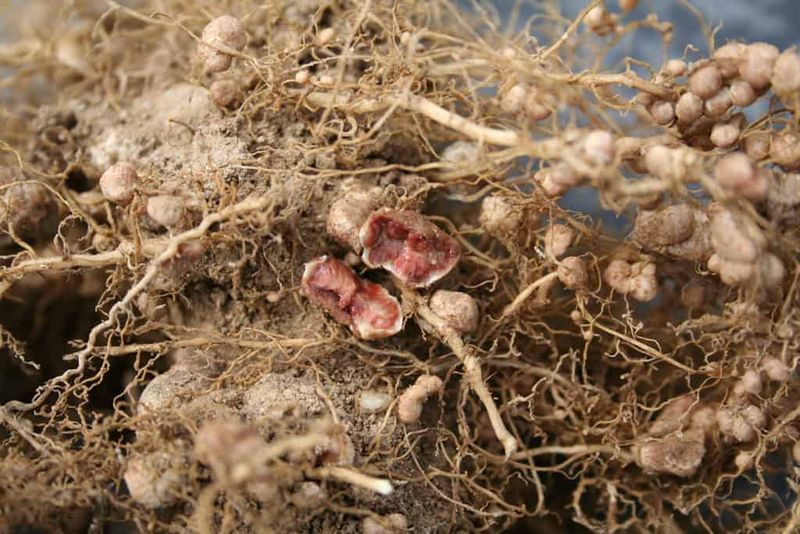
Legumes have a quiet partnership with certain soil bacteria, and American groundnut is part of that group. Rhizobium bacteria can colonize the roots of leguminous plants and convert atmospheric nitrogen into a form that plants can use.
Over time, this process can add a slow, natural fertility boost to garden beds when conditions support it.
The key phrase is “when conditions support it.” Nitrogen fixation is not automatic in every soil or every garden bed. It depends on the right bacteria being present, healthy root development, adequate moisture, and good overall soil conditions.
Compacted, waterlogged, or heavily disturbed soils may not support this process as well as a well-prepared garden bed would.
Soil testing still matters. American groundnut does not eliminate the need to understand what your soil already has and what it lacks.
It can contribute to fertility over a growing season, but it works alongside other good practices like composting, mulching, and crop rotation rather than replacing them. Think of nitrogen fixation as a helpful background process, not a fertilizer shortcut.
It builds slowly, quietly, and only when the garden conditions are right for it to work.
4. Vines Need A Trellis Before They Take Over
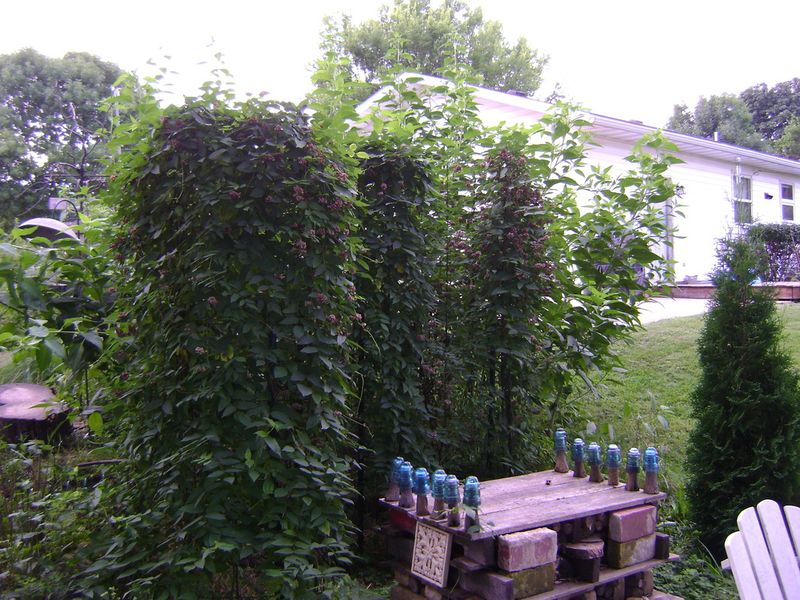
Give a vine an inch, and it will take several feet. American groundnut grows enthusiastically once it settles in, so planning for its upward movement before planting is one of the most practical steps a gardener can take.
A sturdy trellis, a fence line, a wooden arbor, or a set of strong poles all give the vine somewhere to go without tangling into nearby vegetables or shrubs.
Placing it along a garden edge, a back fence, or beside a structure works well in most Florida home gardens. What does not work well is letting it run loose through a bed of delicate herbs or low-growing edibles.
The vine will climb over and around anything in its path if left without direction.
Checking the vine regularly during the growing season helps keep it manageable. Redirecting new growth toward the trellis rather than letting it sprawl sideways takes only a few minutes but makes a big difference in bed organization.
Gardeners who want a tidy edible bed rather than a wild thicket will find that a little weekly guidance keeps American groundnut productive and contained. Good support from the start saves a lot of untangling later in the season.
5. Moist Soil Helps This Tuber Crop Settle In
Consistent moisture is one of the most important factors for American groundnut to grow well and produce usable tubers.
In warm-weather gardens, dry spells can slow root development significantly, especially during the first growing season when the plant is still getting established.
Mulching around the base of the plant helps retain soil moisture between rain events and watering sessions.
Organic mulches like wood chips or shredded leaves work well for this purpose. They hold moisture, moderate soil temperature, and break down slowly to add organic matter to the bed.
A two-to-three-inch layer around the planting area is a reasonable starting point for most garden beds in this region.
Good drainage matters just as much as moisture. Soggy, waterlogged soil is not the goal.
American groundnut prefers consistently moist conditions with enough drainage to prevent standing water around the roots. Low garden borders, moist woodland edges, and raised beds with water-retentive organic soil all tend to suit it well.
Southern regions and coastal areas with sandy, fast-draining soil may need extra mulch and more frequent watering. Adjusting based on local rain patterns and seasonal heat keeps the plant growing steadily rather than struggling through dry stretches.
6. Harvesting Tubers Takes Patience And Planning
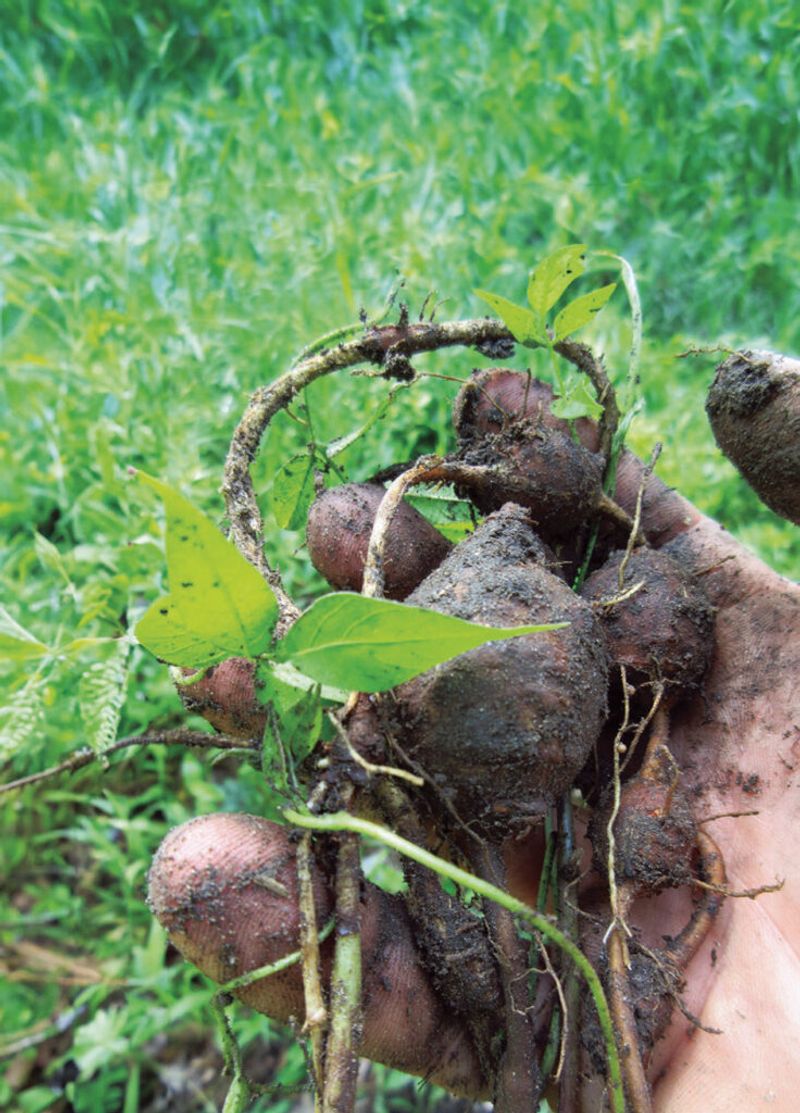
Patience is the most undervalued tool in a tuber gardener’s kit. American groundnut does not produce a ready harvest in its first few weeks, and expecting a large yield in year one sets up disappointment.
Most sources suggest allowing the plant at least one full growing season to establish its root system before attempting any serious harvest.
Marking the planting area clearly helps at harvest time. Tubers grow underground in a chain along the roots, so knowing exactly where the plant started prevents accidental damage with a shovel or trowel.
Dig carefully around the outer edges of the root zone rather than straight down through the center. This protects the tubers and the plant’s ability to regrow next season.
Leaving a portion of the tubers and root system in the ground gives the plant material to regenerate. Harvesting everything at once can prevent the plant from returning the next year.
Only harvest tubers from correctly identified plants grown in uncontaminated soil. Avoid areas sprayed with pesticides or other chemicals.
Never harvest from roadsides, drainage ditches, or unknown properties. Safe sourcing and responsible harvesting go hand in hand with this native edible crop.
7. Native Flowers Add Pollinator Value Above Ground
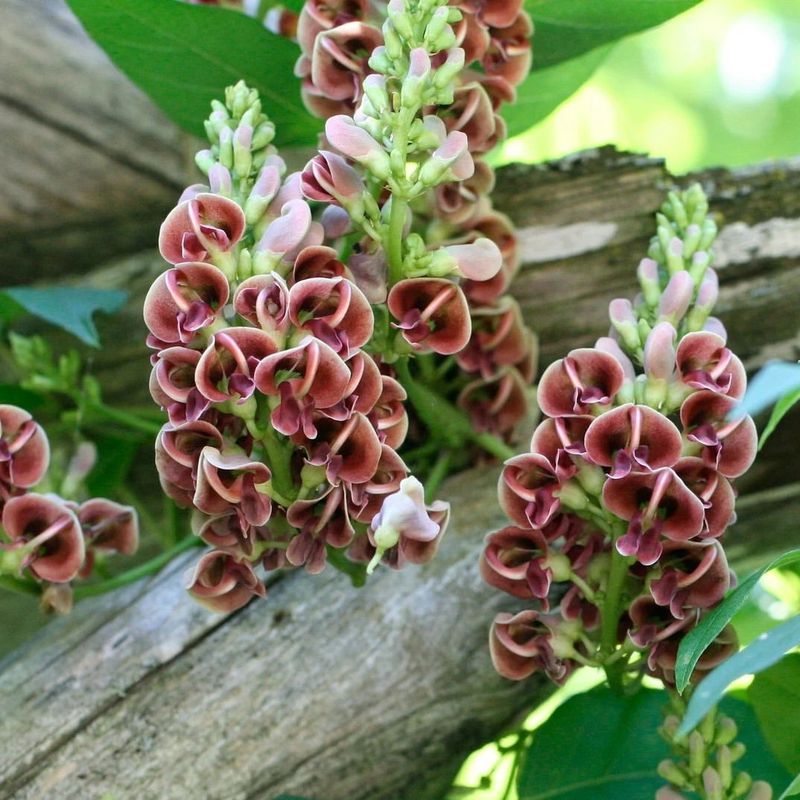
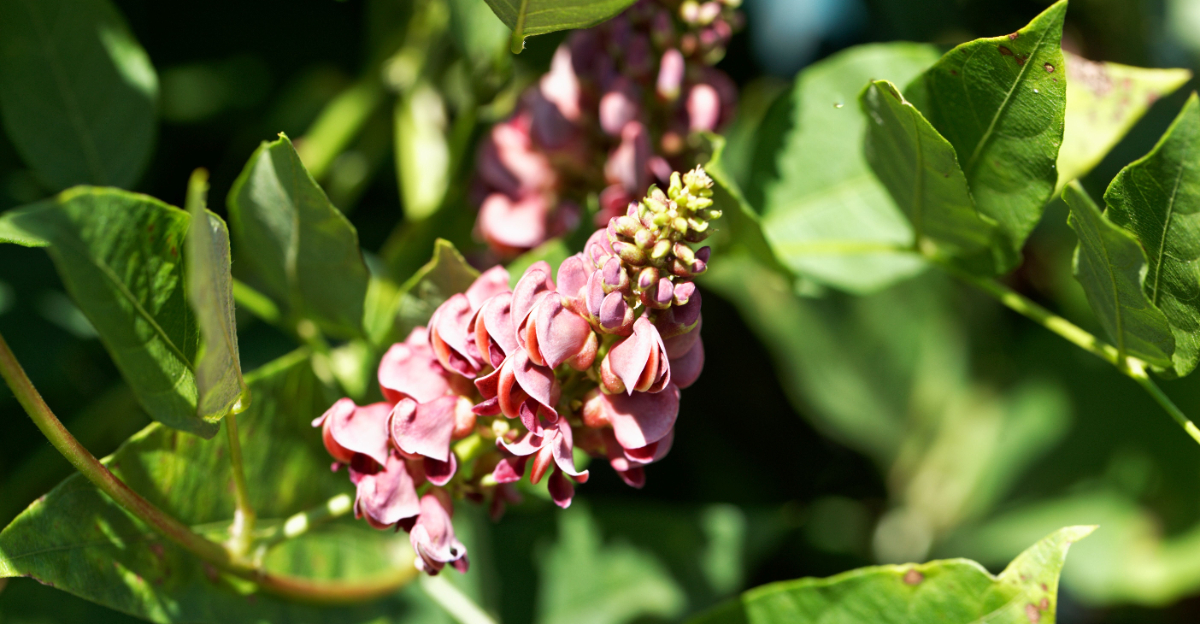
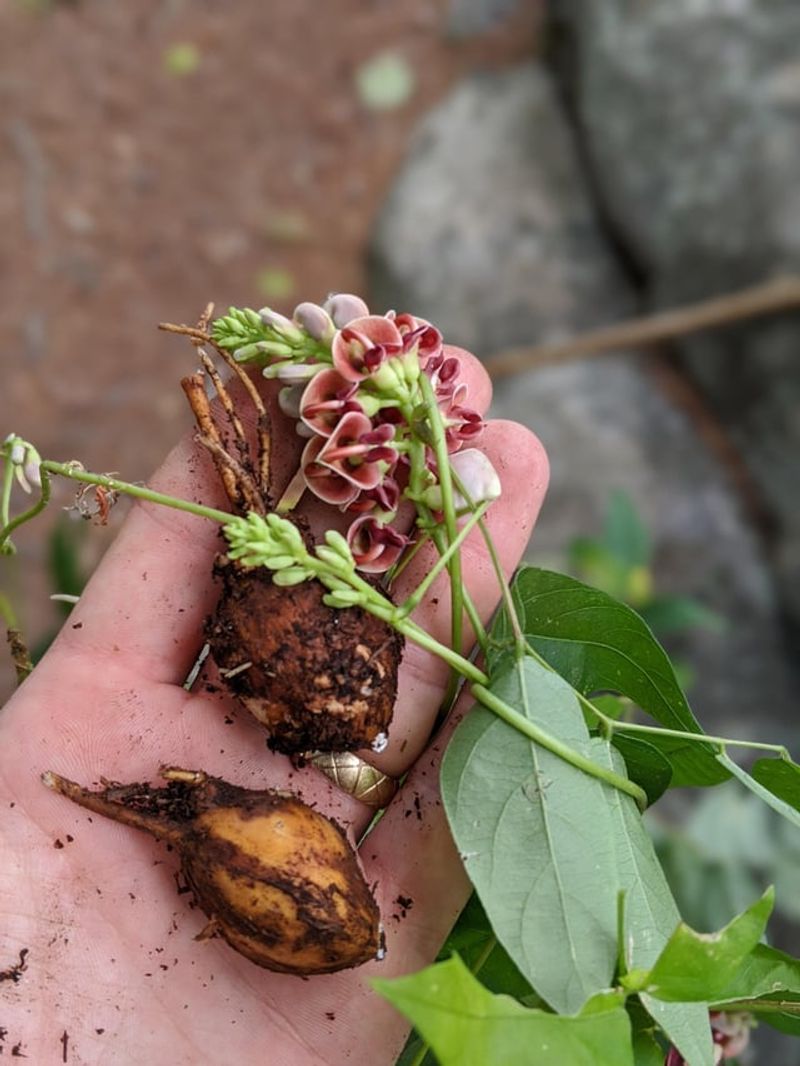
Look up from the soil for a moment, and the vine itself becomes the attraction. American groundnut produces small, fragrant flower clusters in shades of reddish-purple to mauve during summer.
They are modest compared to a showy tropical bloom, but they carry real value for Florida native bees and other pollinators that visit the garden.
An edible bed that also supports pollinators becomes more than a food source. It becomes a working part of the local garden ecosystem, drawing in beneficial insects that help other nearby edibles produce better.
Flowers on a vine climbing a trellis also add visual texture that makes an edible foodscape look more intentional and alive.
The ornamental quality of American groundnut is easy to overlook when the focus is all on tubers and soil. But the combination of edible roots, nitrogen-supporting growth, and pollinator-friendly flowers makes this plant genuinely multi-functional.
Gardeners who want edible beds to look interesting and do useful work above and below ground should consider American groundnut. It earns its trellis space in more ways than one.
Planning the planting location to show off the flowers while keeping the vine contained gives the best of both results.
8. Soil Improvement Works Best With Compost And Care
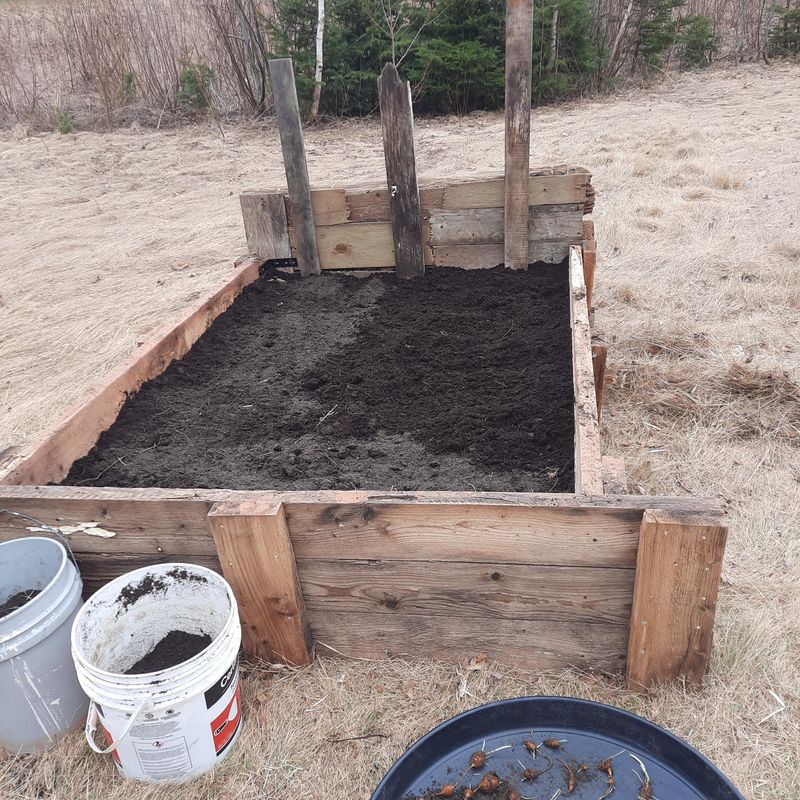
No single plant fixes a struggling Florida garden bed on its own. American groundnut can play a supporting role in a healthier soil system, but it works best when paired with compost, mulch, soil testing, and thoughtful bed management.
That is the honest version of what the headline promises, and it is still a genuinely useful thing for a native edible plant to offer.
Compost feeds the soil biology that supports nitrogen fixation and root health. Mulch keeps moisture stable and reduces soil temperature swings.
Soil testing tells you what nutrients are already present and what might be missing before adding anything new. Crop rotation and smart bed planning prevent nutrient depletion and disease buildup over multiple seasons.
American groundnut fits into this system as a native edible vine that can contribute living root mass, organic matter, and modest nitrogen support over time. It is not a miracle crop, and it is not right for every yard or every bed.
It needs the right site, consistent moisture, a solid trellis, safe sourcing, and patient harvest planning to give back what it is capable of giving.
Grown with care and realistic expectations, it is one of the most quietly useful native edibles a local food gardener can add to the mix.