Things You Should Never Do To Florida Lawns During A Heatwave No Matter What You Read Online
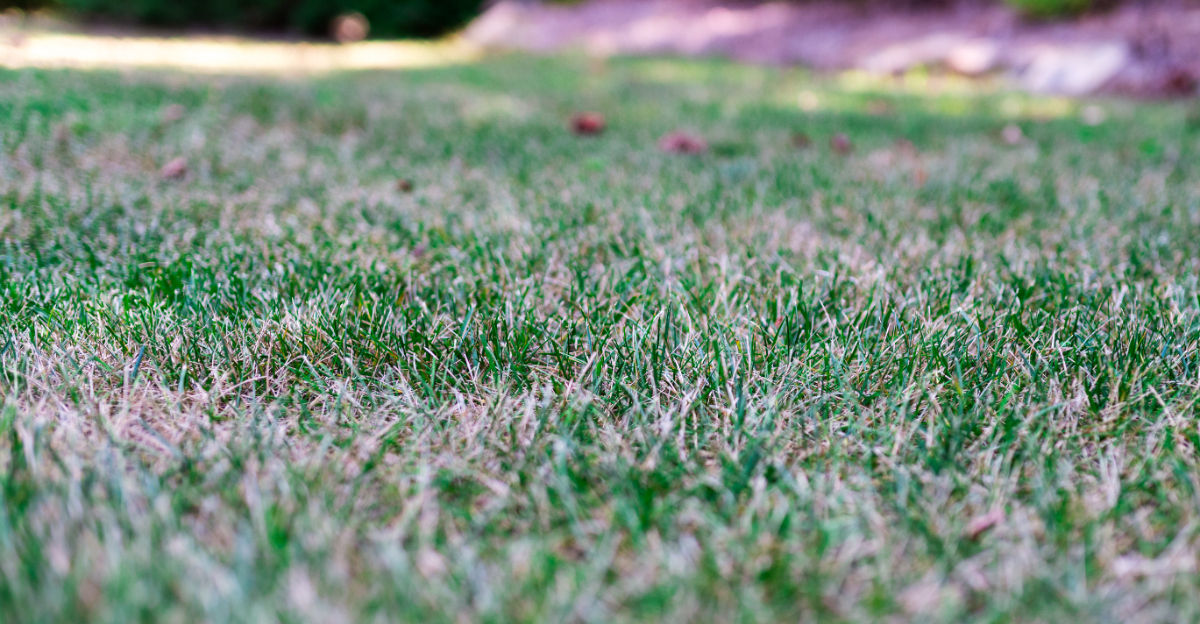
Florida lawn advice online does not always account for a heatwave. General tips written for average conditions become genuinely harmful when temperatures push past what turf can reasonably handle.
The lawn that follows standard guidance through a heat spike often pays for it in ways that take weeks to reverse. A heatwave changes the rules.
What works in May works against a lawn in August when the heat index is serious and the grass is already operating at its limit. Several common lawn care moves that seem responsible under normal conditions cross a line during a heatwave.
They stress root systems, trigger disease, and accelerate decline in turf that needed something completely different from what it got. The internet is full of confident lawn advice.
Not all of it carries a disclaimer for extreme heat. This does.
Some things should simply not happen to a Florida lawn when a heatwave is running.
1. Never Scalp Grass To Make It Grow Back Stronger
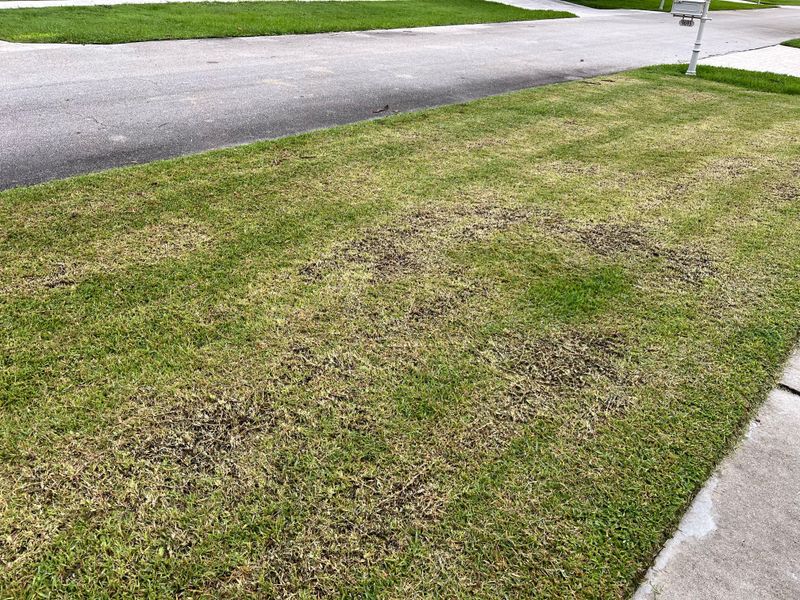
A mower set too low feels like a shortcut, but during a heatwave it can set your lawn back weeks. Cutting warm-season grass extremely short removes most of the leaf blade, which is where the plant captures sunlight and stores energy.
Less leaf area means less ability to recover, and that is the last thing stressed turf needs when temperatures are already punishing.
Exposed soil heats up fast when shade from grass blades disappears. Roots sitting in superheated sandy soil have a much harder time pulling moisture and nutrients, which slows recovery even more.
Some online posts claim scalping forces a fresh flush of growth. That idea applies to very specific situations and timing, not to heat-stressed turf in the middle of a brutal summer stretch.
Mowing high is generally a better approach during extreme heat. Taller blades shade the soil, help hold some moisture, and give the plant more surface area to keep working.
Keep mower blades sharp too, because dull blades tear grass instead of cutting it cleanly, leaving ragged edges that stress turf further.
Check UF/IFAS guidance for recommended mowing heights by grass type, since St. Augustinegrass, bahiagrass, and bermudagrass each have different needs.
When in doubt, raise the mowing deck and skip aggressive cutting until cooler conditions return.
2. Never Fertilize Just To Force Green Color
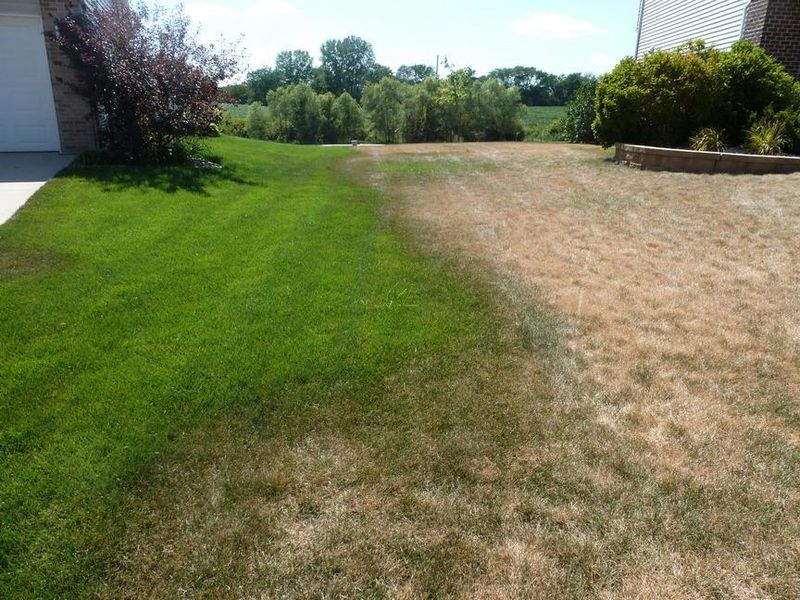
Reaching for a bag of fertilizer when the lawn looks pale or thin during a heatwave is one of the most common panic moves homeowners make.
Fertilizer is not a rescue product.Pushing nutrients into turf that is already under heat stress can force tender, fast growth.
The plant simply cannot support that growth when soil moisture is low and temperatures are extreme.
That new growth tends to be weak and more vulnerable to further stress, pests, and disease. Heavy nitrogen applications before a summer storm can also leach into groundwater or run off into storm drains.
That is a real concern in this state where water quality rules matter. Many Florida counties have fertilizer blackout periods during the rainy season.
Your Florida Garden Changes Every Week. Your Plan Should Too.
Gardening in Florida changes quickly throughout the season. Every Friday you’ll receive a simple weekly plan showing exactly what to plant, prune, fertilize, harvest, and protect so you never miss the right timing.
Applying fertilizer at the wrong time may also put you in violation of local ordinances.
Waiting is usually the smarter choice. Once the lawn is actively growing again, conditions have cooled slightly.
Once the turf shows signs of healthy recovery, feeding at the right rate with the right product makes far more sense. Always read the label and check local rules before applying anything.
If your grass looks off-color during a heatwave, the cause may be drought stress, irrigation gaps, or soil issues rather than a nutrient deficiency. Diagnosing first saves time, money, and turf health.
3. Never Water Lightly Several Times A Day
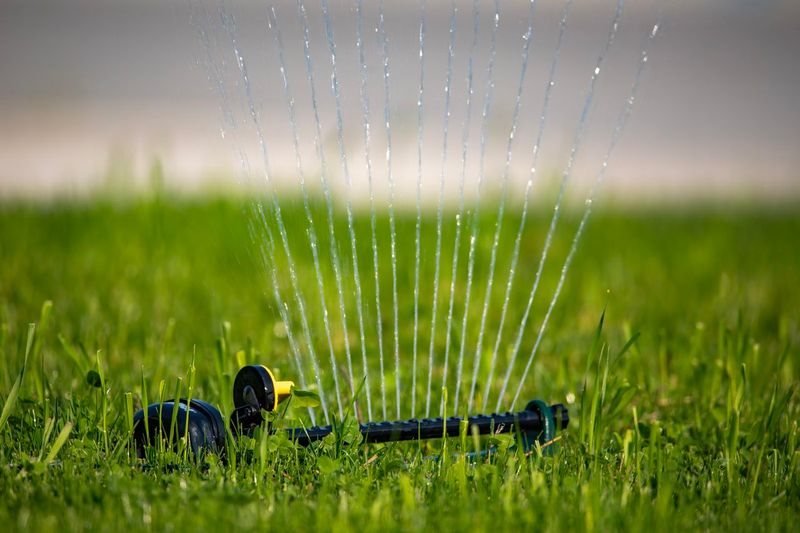
Misting the lawn with a few minutes of water several times a day might feel like you are keeping it cool, but this approach often does more harm than good.
Light, frequent watering wets only the very top layer of soil, which encourages grass roots to stay shallow near the surface.
Shallow roots are far less able to handle drought stress when the heat keeps building.
Wet leaf blades in hot, humid conditions also create the perfect environment for fungal disease. Brown patch, gray leaf spot, and other common turf diseases thrive when grass stays damp for long periods, especially overnight.
Running sprinklers at the wrong time or too often during Florida summers can turn a heat problem into a disease problem quickly.
Deeper, less frequent watering is generally more effective for warm-season grasses. When irrigation is needed and local rules allow it, watering deeply encourages roots to grow downward in search of moisture.
This builds better long-term drought tolerance. Check your yard for signs of actual stress before running the sprinklers, such as folded blades, a bluish-gray tint, or footprints that stay visible.
Also check recent rainfall before irrigating. Running timers on a fixed daily schedule without accounting for rain wastes water and may violate local watering restrictions.
Let the lawn and the weather guide your schedule.
4. Never Mow When The Lawn Is Wilting
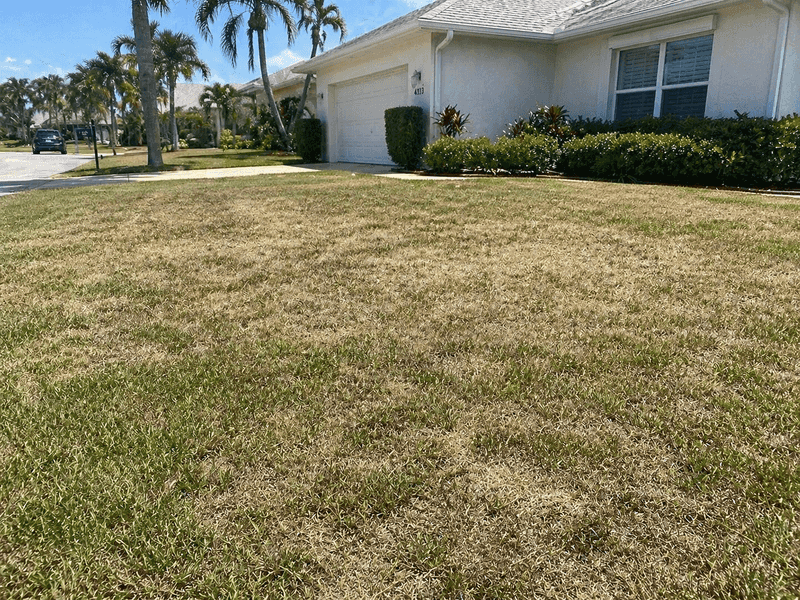
Footprints that stay pressed into the grass long after you walk away are one of the clearest signs that your lawn is under serious moisture stress.
Folded or rolled blades, a dull gray-green color, and dry, firm soil are other signals that the turf is conserving what little moisture it has left.
Running a mower over grass in that condition adds physical stress on top of heat stress, and recovery takes much longer as a result.
Mowing wilted turf compresses already-stressed blades and can tear weakened tissue rather than cutting it cleanly.
The vibration and weight of the mower also compact dry sandy soil, which makes it harder for water to penetrate when irrigation or rain finally arrives.
Some online sources suggest mowing shorter during heat to reduce the plant’s water needs. That advice is not supported by turfgrass science for lawns already showing wilt symptoms.
Wait until the lawn has recovered some moisture and the blades are standing upright again before mowing. When you do mow, try to schedule it during the cooler parts of the day, such as early morning, rather than midday when heat is most intense.
Avoid mowing right after a heavy storm too, since cutting wet grass can spread disease and create an uneven cut. Patience during a heatwave is genuinely one of the best tools available.
5. Never Spray Random Products On Heat Stressed Turf
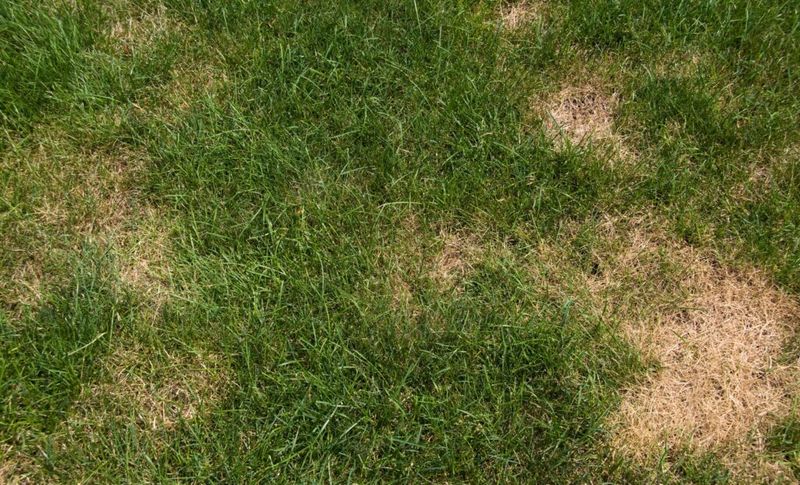
A brown patch or thinning area during a heatwave has a way of sending people straight to the garage for anything in a spray bottle.
Dish soap solutions, vinegar mixtures, essential oil blends, homemade tonics, and unverified online concoctions are common suggestions that circulate every summer.
Most of them have no scientific support for use on warm-season turf, and some can cause real damage to already-fragile grass.
Herbicides and pesticides also carry specific label restrictions about temperature, irrigation timing, and turf type. Applying a herbicide during extreme heat can cause injury to the very grass you are trying to protect.
Using a pesticide without confirming the pest is present is wasteful and potentially harmful to beneficial insects, soil organisms, and nearby water. Stacking multiple products on stressed turf compounds the risk significantly.
Before spraying anything, take time to actually look at the lawn. Check whether the problem is localized or widespread.
Look for insects, unusual discoloration patterns, or signs of fungal activity. Consider whether the issue might be irrigation coverage, compacted soil, or shade rather than a pest or disease.
If you cannot identify the cause clearly, contact your local UF/IFAS Extension office. County extension agents can help diagnose lawn problems without charge in many areas.
Treating the right problem with the right product at the right time is always safer than guessing.
6. Never Dethatch Or Aerate During Peak Stress
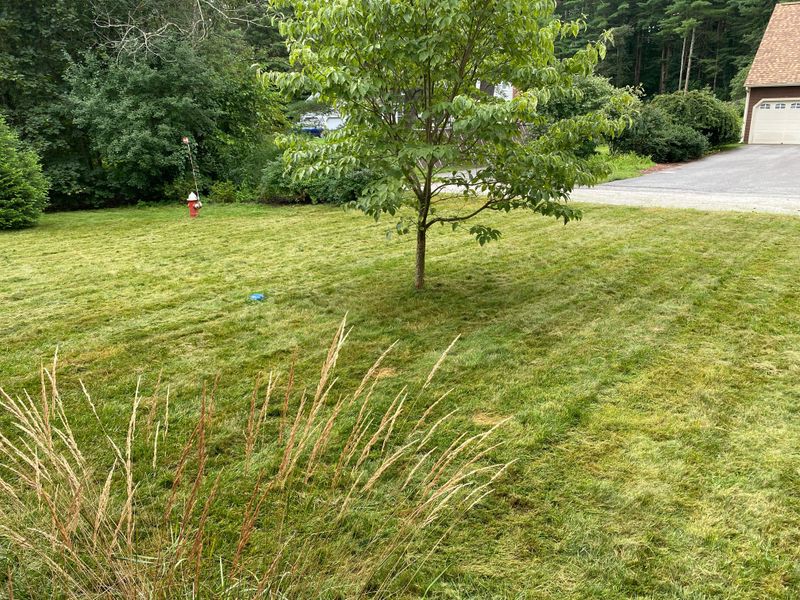
Pulling out a dethatching rake or renting an aerator during a stretch of extreme heat might seem productive. Physical lawn renovation during peak stress is usually the wrong call.
Dethatching tears into the turf layer aggressively, and aerating punches holes through soil and roots. Both are useful practices at the right time, but that time is not when your lawn is already struggling to hold moisture and maintain basic function.
Warm-season grasses recover from physical disturbance through active growth. When heat stress slows that growth down, recovery from renovation takes much longer than it would during milder conditions.
Tearing at turf with limited recovery ability can open the lawn up to weed pressure, disease entry points, and further moisture loss from disturbed soil. Heavy raking, sod cutting, and major overhaul projects carry similar risks during a heatwave.
Timing matters enormously for renovation work. Bermudagrass and zoysiagrass, for example, are generally best aerated during their peak active growth periods, not during heat-induced dormancy or stress.
St. Augustinegrass and centipedegrass have their own timing windows that differ from other warm-season types. UF/IFAS turfgrass publications offer grass-specific guidance worth reading before planning any renovation.
The safest approach during a heatwave is to postpone heavy physical work and reduce additional stress where possible. Plan the bigger projects for when conditions genuinely support recovery.
7. Never Ignore Rainfall Before Running Sprinklers
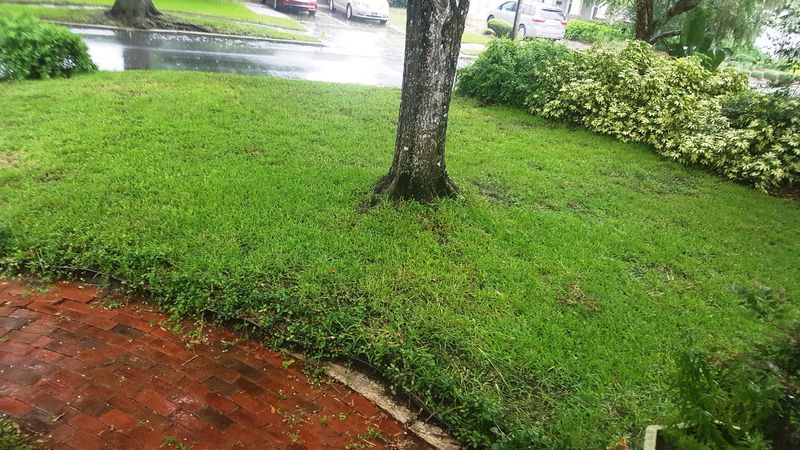
Summer afternoons in the Sunshine State bring some of the most reliable thunderstorm activity in the entire country. After a solid afternoon storm drops half an inch or more of rain, running the irrigation system on its regular timer adds unnecessary water.
That water goes onto soil that may already be saturated. Overwatering during hot, humid conditions can look surprisingly similar to drought stress.
It shows up as yellowing, soft spots, and thinning turf that confuses a lot of homeowners.
Rain sensors are required on irrigation systems in Florida and exist for exactly this reason. If your rain sensor is broken, bypassed, or set too high, your system may run after every storm regardless of how much water actually fell.
Checking and maintaining that sensor is a simple step that saves water and protects turf health. Many water management districts also have specific irrigation schedules tied to the time of year, and running outside those windows can result in fines in some areas.
Before turning on the sprinklers, check the soil moisture a few inches down. If the soil feels damp, the lawn probably does not need more water yet.
Watch the grass for actual stress signals rather than running irrigation on a fixed clock schedule. Turf type matters here too, since bahiagrass is notably more drought-tolerant than St. Augustinegrass and may need far less supplemental irrigation during summer.
Matching your watering habits to the lawn’s actual needs protects both the turf and local water resources.
8. Never Trust A Hack Before Checking The Lawn
Every summer, viral lawn posts promise miracle results with minimal effort. Every summer, some homeowners try those tricks on stressed turf.
They end up with bigger problems than they started with. Before acting on anything you read online, spend a few minutes actually looking at your lawn up close.
Pull back some blades near a problem area and check the soil, the thatch layer, and the base of the grass stems for anything unusual.
Look for signs of insects such as spittlebug foam, chinch bug damage patterns near hot pavement edges, or sod webworm feeding.
Check whether brown areas follow the sprinkler coverage pattern, which might point to irrigation gaps rather than heat stress.
Notice whether the damage is in shaded spots, sunny spots, or both. Each of those clues points toward a different cause and a different response.
Treating the wrong problem with the wrong product wastes time and can genuinely make stressed turf worse.
When the cause is not clear, reach out to your county extension office or visit the UF/IFAS Extension website for verified, Florida-specific guidance.
Extension agents understand local soil types, grass varieties, pest cycles, and watering rules in ways that generic online sources simply do not.
A heatwave is not the time to experiment. Reduce stress, hold off on aggressive fixes, follow local rules, and give the lawn a real chance to recover when conditions improve.