The Florida Guide To Feeding Soil Naturally During The Summer Fertilizer Ban
Florida sun does not slow down in August, and neither does the rain that follows it. Every drop that hits fertilized soil carries the risk of washing straight into a canal, a lake, or the Gulf itself.
That is exactly why so many counties freeze nitrogen and phosphorus applications for four straight months. Roots keep hungry, and gardeners are left staring at bare fertilizer bags they cannot legally open.
Plants, though, do not read county ordinances. They pull what they need from soil, from shade, from timing, and from a few overlooked habits most homeowners never try.
Florida’s growing season has quietly built its own workaround, one that keeps yards green without breaking a single rule.
Compost Tea Delivers Nutrients Without Breaking Local Rules
Your soil is hungry, and compost tea is the legal answer. This liquid gold feeds your lawn and beds without violating the Florida summer fertilizer ban.
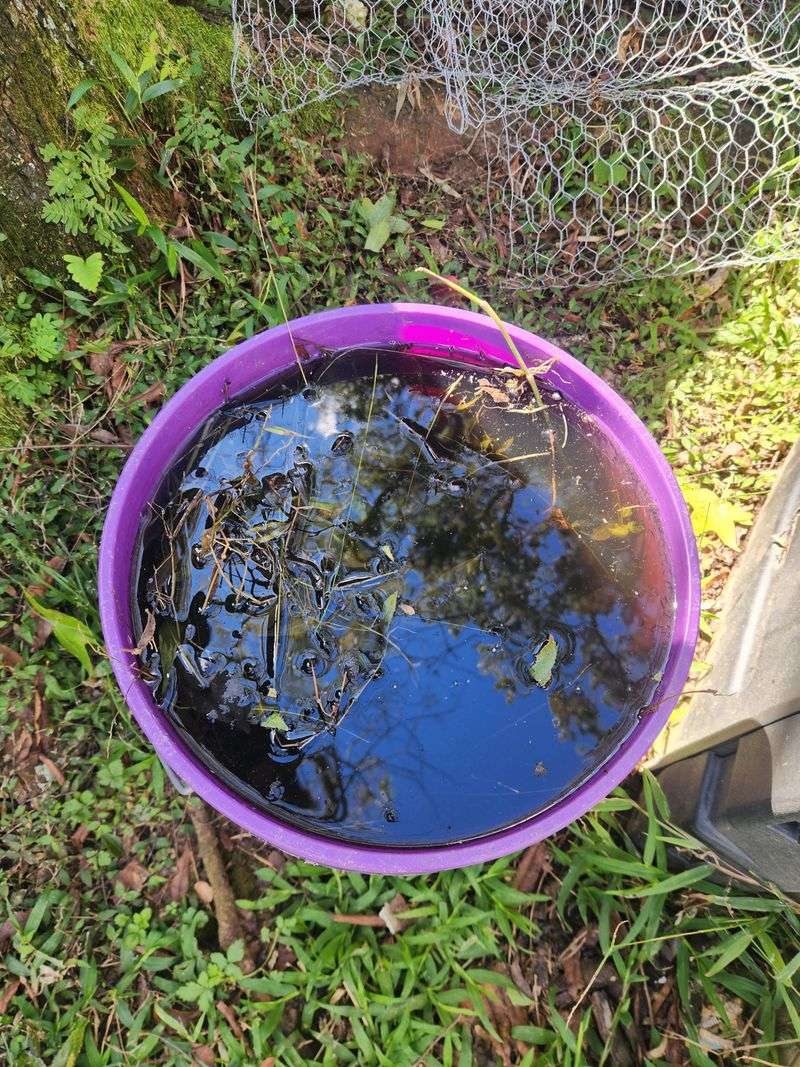
Compost tea is made by steeping finished compost in water for 24 to 48 hours. An air pump keeps the brew oxygenated, which helps beneficial microbes multiply fast.
Those microbes are the real heroes here. They break down organic matter already in your soil, releasing nutrients plants can absorb right away.
Making a batch is easier than you might think. Fill a five-gallon bucket with water, add a cup of finished compost, and let an aerator run overnight.
Strain the liquid before applying it with a watering can or sprayer. Your plants get a gentle, broad-spectrum feeding without any synthetic additives touching your yard.
Compost tea also improves soil structure over time. Regular applications encourage earthworm activity and build a healthier microbial community beneath the surface.
One important note: use it fresh. Compost tea loses potency within hours, so apply it the same day you brew it.
Early morning is the best time to apply. Cooler temperatures help the liquid soak in before the Florida sun bakes your soil dry.
Gardeners who use compost tea consistently often notice greener, more resilient plants by midsummer. Healthy soil biology is the foundation of a thriving yard, ban or no ban.
Grass Clippings Left On Lawns Return Nitrogen Naturally
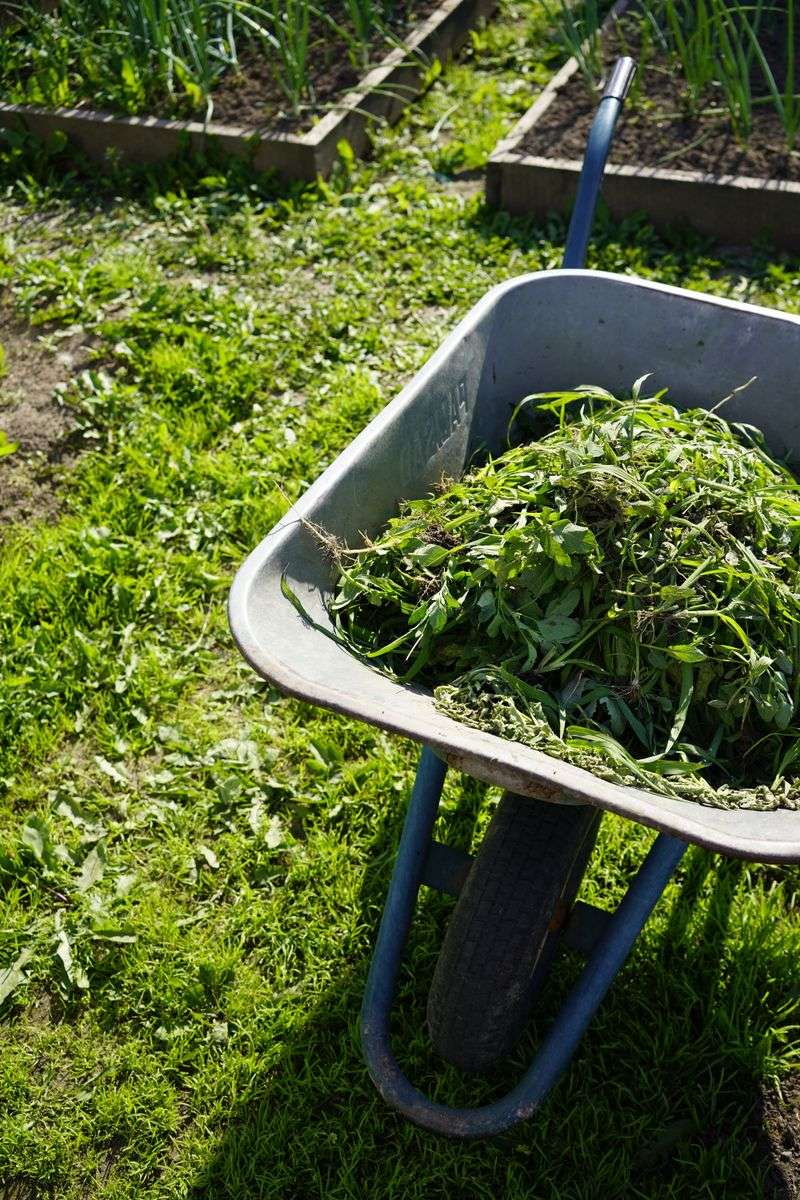
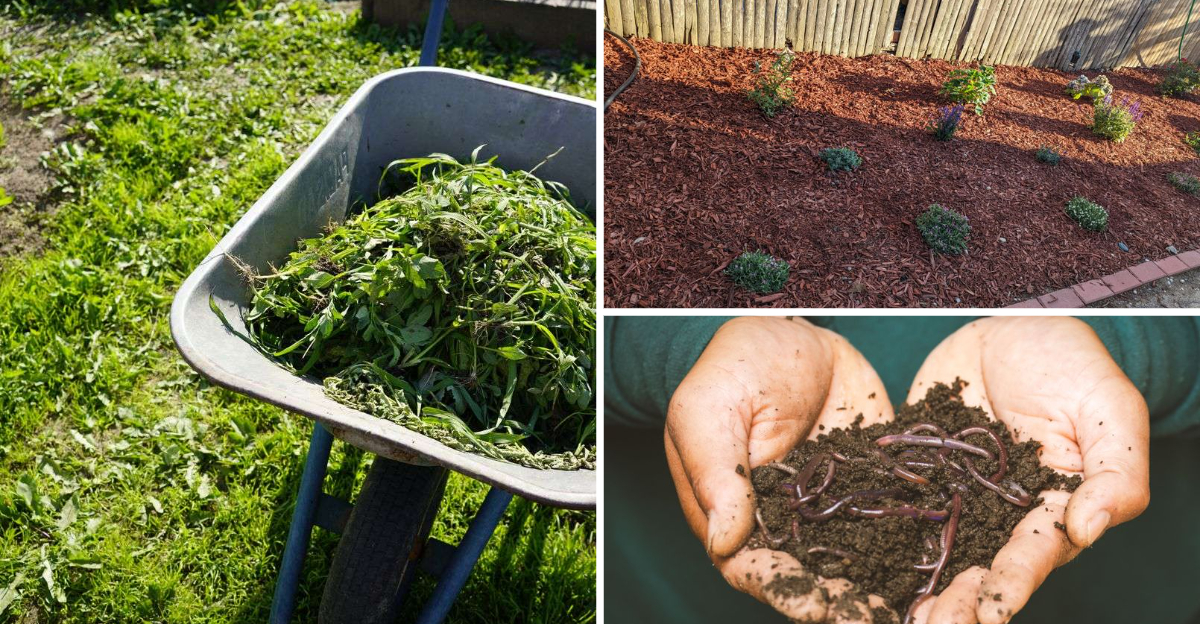
Bagging your clippings is basically throwing free fertilizer in the trash. Leaving them on the lawn is one of the simplest natural soil strategies available to Florida homeowners.
Grass clippings are roughly four percent nitrogen by weight. As they break down, that nitrogen feeds back into the root zone without any synthetic product touching your turf.
This process is called grasscycling, and it works surprisingly well. Grasscycling can supply a meaningful share of your lawn’s annual nitrogen needs.
The clippings decompose quickly in Florida’s warm, humid conditions. Most break down within a week, leaving no visible thatch buildup when done correctly.
The key is mowing frequently enough that clippings stay short. Long clumps can mat together and block sunlight, which is the opposite of what you want.
A sharp mower blade makes a big difference. Clean cuts leave smaller pieces that decompose faster and look tidier on the surface.
Your Florida Garden Changes Every Week. Your Plan Should Too.
Gardening in Florida changes quickly throughout the season. Every Friday you’ll receive a simple weekly plan showing exactly what to plant, prune, fertilize, harvest, and protect so you never miss the right timing.
Grasscycling also reduces yard waste significantly. Fewer bags mean fewer trips to the curb and less strain on local waste management systems.
Moisture retention improves too. A thin layer of clippings acts like a mini-mulch, slowing evaporation during the hottest part of summer.
Homeowners who embrace grasscycling often report that their grass looks just as healthy as neighbors who apply synthetic products. Feeding soil naturally during the summer fertilizer ban has rarely been this effortless or this free.
Mulching Around Plants Locks In Moisture And Nutrients
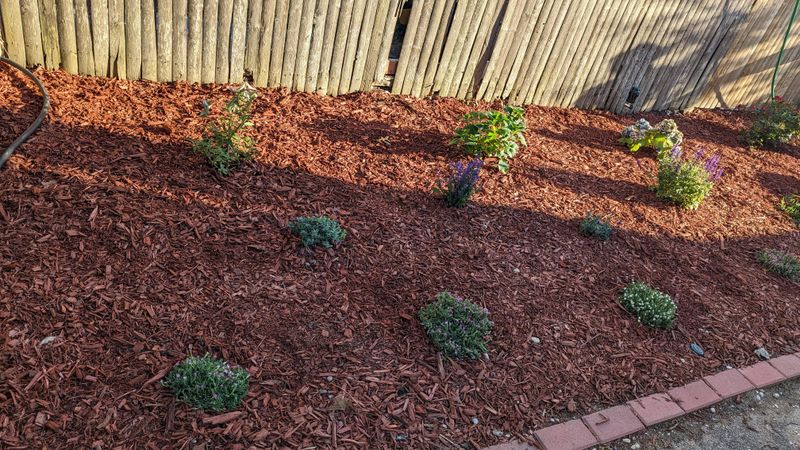
Picture your garden beds cracking under the July sun without any protection. Mulch acts as a barrier between your plants and that intense Florida heat.
A two-to-four-inch layer of organic mulch around your plants does more than look tidy. It slows evaporation, moderates soil temperature, and feeds the ground as it breaks down.
Wood chips, pine bark, and shredded leaves are all excellent choices. Each one slowly releases organic matter into the soil as microbes get to work.
That slow decomposition is essentially a timed-release feeding system. No synthetic fertilizer needed, no ban violations, just biology doing what it does best.
Mulch also suppresses weeds that compete with your plants for water and nutrients. Fewer weeds mean your plants get more of what the soil offers.
Application is straightforward and takes just a few minutes per bed. Spread it evenly but keep it pulled a few inches back from plant stems to prevent rot.
Pine bark nuggets are a popular pick in sandy Florida soils. They break down slowly and help improve the soil’s ability to hold water over time.
Shredded leaves from your own yard cost nothing and work beautifully. Run them through a mower once to speed up decomposition and apply immediately.
Mulching consistently through the summer fertilizer ban period builds long-term soil health. Each season, your ground gets richer, and your plants get more resilient without a single synthetic input.
Worm Castings Provide Slow Release Soil Enrichment
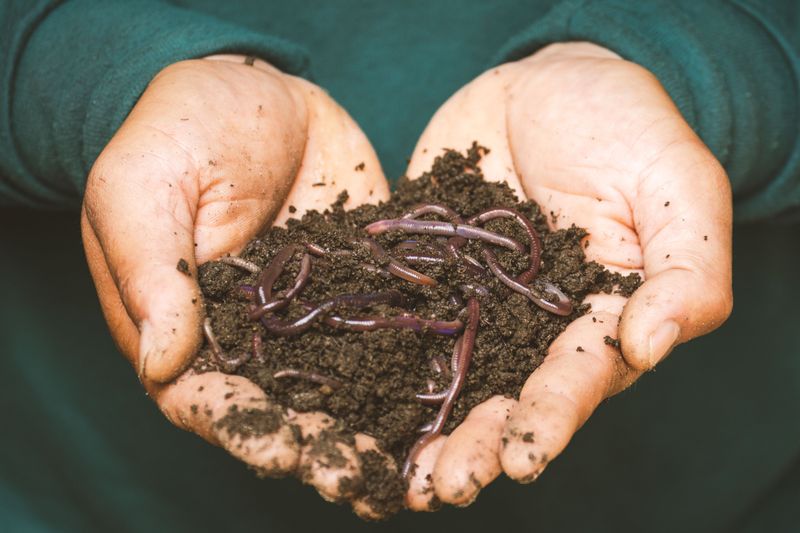
Worm castings sound humble, but they rank among the most effective natural soil amendments you can buy. Gardeners who discover them rarely go back to anything else.
Castings are essentially worm waste, and that waste is packed with beneficial microbes and plant-available nutrients. The nutrient release happens slowly, feeding plants for weeks at a time.
Unlike synthetic fertilizers, castings are far less likely to burn roots, even when applied generously. That makes them ideal for sensitive plants and young seedlings struggling through the summer heat.
A handful worked into the soil around each plant is often enough. For containers and raised beds, mix castings into the top inch or two of your growing medium.
Worm castings also improve soil structure in a meaningful way. They help sandy Florida soils hold water longer, which reduces how often you need to irrigate.
The microbial activity in castings continues working long after application. Those beneficial organisms support plant immunity and help break down other organic matter nearby.
You can also brew castings into a tea for a liquid feeding option. Steep a cup in a gallon of water overnight and apply it directly to the root zone.
Bags of worm castings are available at most garden centers and online retailers. Look for brands that list vermicompost as the primary ingredient for the best results.
Using castings during the summer fertilizer ban keeps your soil fed and your conscience clear. Strong, living soil grows strong, living plants all season long.
Cover Crops Restore Soil Health Between Growing Seasons
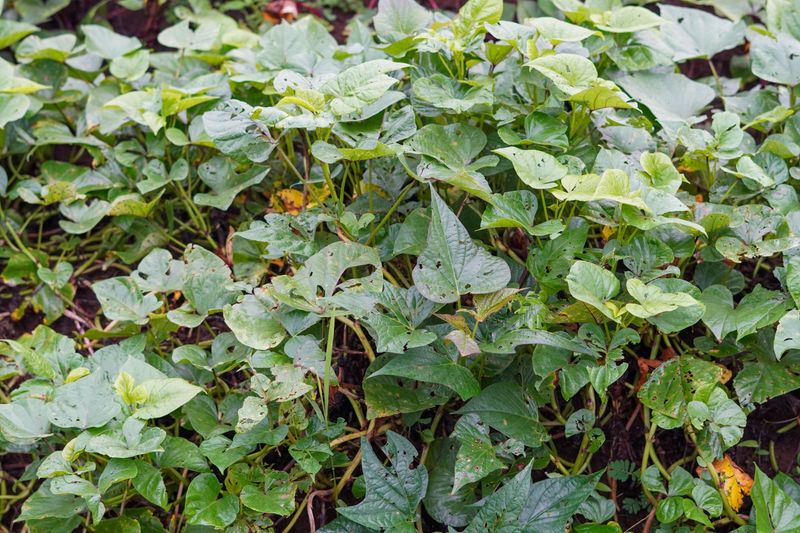
Most gardeners see an empty bed as wasted space. Cover crops flip that idea on its head, turning bare ground into a soil-building machine during the off-season.
Legumes like cowpeas and sunn hemp are excellent summer cover crops for the Florida climate. They fix atmospheric nitrogen directly into the soil through their root systems.
That nitrogen stays in the ground even after you till the plants back in. Your next round of vegetables or flowers benefits from that stored fertility without any synthetic input.
Velvet bean is another strong option, growing fast and suppressing weeds efficiently. Its flowers also attract pollinators, which adds extra value to your garden ecosystem.
Cover crops protect bare soil from erosion during heavy summer rains. Florida’s rainy season can wash away topsoil quickly, and a living root system holds everything in place.
Planting is simple: broadcast seeds over prepared soil and water them in. Most cover crop seeds germinate within a week in summer warmth.
When the plants reach knee height, cut them down and let them decompose on the surface. This green mulch feeds soil organisms and adds organic matter simultaneously.
Timing matters here. Start your cover crop early in the summer fertilizer ban period so you get maximum biomass before fall planting season arrives.
Gardeners who use cover crops consistently build noticeably richer soil over just a few seasons. Healthy soil feeds plants better than any bag from the garden store ever could.
Seaweed Extract Adds Trace Minerals Without Synthetic Additives
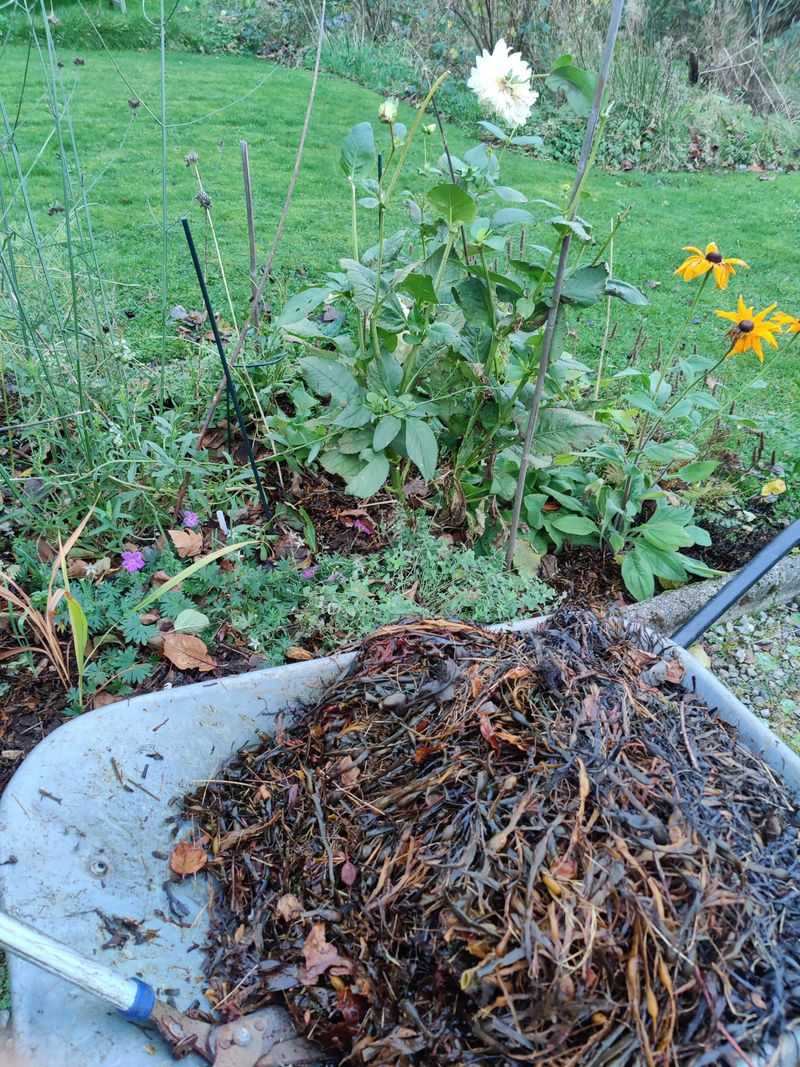
Seaweed has been feeding crops for centuries, long before anyone invented a fertilizer factory. Coastal farmers knew something that modern gardeners are rediscovering today.
Liquid seaweed extract is packed with trace minerals, growth hormones, and beneficial compounds that synthetic fertilizers simply don’t contain. Plants absorb these elements quickly through both leaves and roots.
Applying seaweed extract is easy and low-risk. Dilute it according to package directions and spray it directly onto plant foliage or drench the root zone.
Foliar feeding is especially effective in summer because nutrients bypass soil entirely. Your plants get what they need even when heat stress slows root function.
Seaweed also contains natural compounds called cytokinins and auxins. These plant hormones support cell division, root growth, and stress tolerance during harsh conditions.
Florida summers are notoriously tough on plants. High humidity, intense UV exposure, and sudden downpours create a stressful environment that seaweed extract helps plants manage better.
Most seaweed products on the market are derived from kelp or other ocean plants. Look for cold-processed versions, which preserve more of the beneficial biological compounds.
The product is allowed during the summer fertilizer ban because it contains no synthetic nitrogen or phosphorus. Check local regulations to confirm compliance before applying anything new.
Regular seaweed applications through the ban period build plant resilience from the inside out. Feeding soil naturally this way keeps your garden thriving when the rules restrict conventional options.
Leaf Mold Builds Rich Organic Matter Over Time
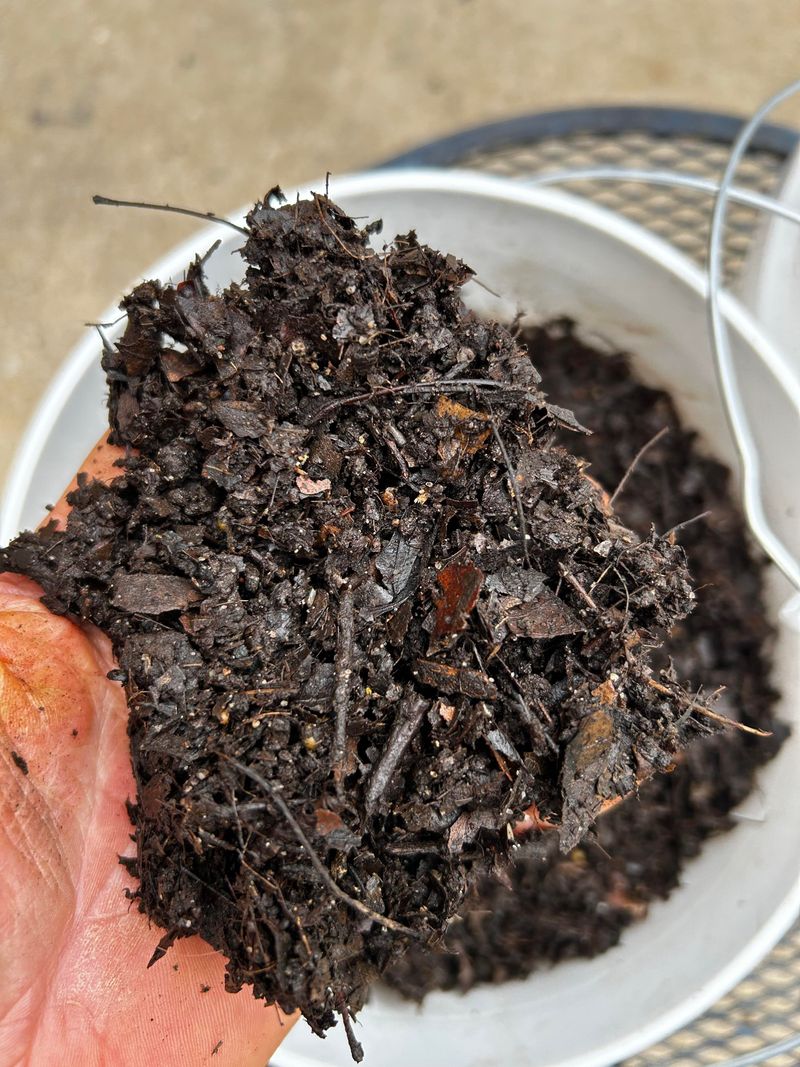
Fallen leaves seem like a nuisance, but patient gardeners know they’re actually a slow-motion treasure. Leaf mold is one of the richest soil conditioners you can make for free.
Leaf mold forms when leaves decompose over several months through fungal activity. The result is a dark, crumbly material that improves soil texture and water retention dramatically.
Sandy Florida soils struggle to hold moisture and nutrients. Mixing leaf mold into those sandy beds changes the game by giving roots something to grip and water somewhere to stay.
Making it requires very little effort. Pile leaves in a corner of your yard, keep them slightly moist, and wait six to twelve months.
Turning the pile occasionally speeds things up. A few minutes of work every few weeks can cut your wait time nearly in half.
Oak leaves are particularly abundant in Florida neighborhoods. They break down beautifully and produce a rich, dark mold that plants seem to love.
Avoid using leaves from diseased trees or plants treated with herbicides. Healthy leaves from healthy trees make the best raw material for your pile.
Once finished, leaf mold can be used as a mulch, a soil amendment, or a seed-starting medium. Its versatility makes it one of the most useful materials in any natural gardening toolkit.
Starting a leaf mold pile now means having rich organic matter ready when the summer fertilizer ban lifts. Feed your soil consistently, and your garden will reward you season after season.
Timing Natural Amendments Around The Ban Period Matters
Even the best natural amendment won’t help much if you apply it at the wrong time. Strategy matters just as much as the product itself.
The summer fertilizer ban in Florida typically runs from June 1 through September 30. Knowing those dates lets you plan a feeding schedule that maximizes soil health year-round.
Apply heavier organic amendments like compost and worm castings in late May, just before the ban begins. That timing gives nutrients time to move into the root zone as rains arrive.
During the ban itself, focus on low-impact options like seaweed extract, compost tea, and mulch. These support soil biology without triggering any regulatory concerns.
Keep a simple garden journal to track what you apply and when. Patterns emerge over time, and you’ll start to see which amendments make the biggest difference for your specific soil.
Soil testing before the ban begins gives you a clear picture of what’s missing. Your local cooperative extension office can run an affordable test and interpret the results.
When September ends and the ban lifts, you’ll be ready to apply any remaining organic materials with intention. Informed gardeners typically get better results than those who guess.
Layering your approach across the full year builds cumulative soil health. Each amendment you add stacks on the last, creating richer ground with every passing season.
The Florida summer fertilizer ban isn’t a setback for smart gardeners. Feeding soil naturally through the ban builds something synthetic products rarely achieve: a living, thriving ecosystem beneath your feet.