Why Your Wisconsin Tomatoes Are Drooping, And What They’re Trying To Tell You
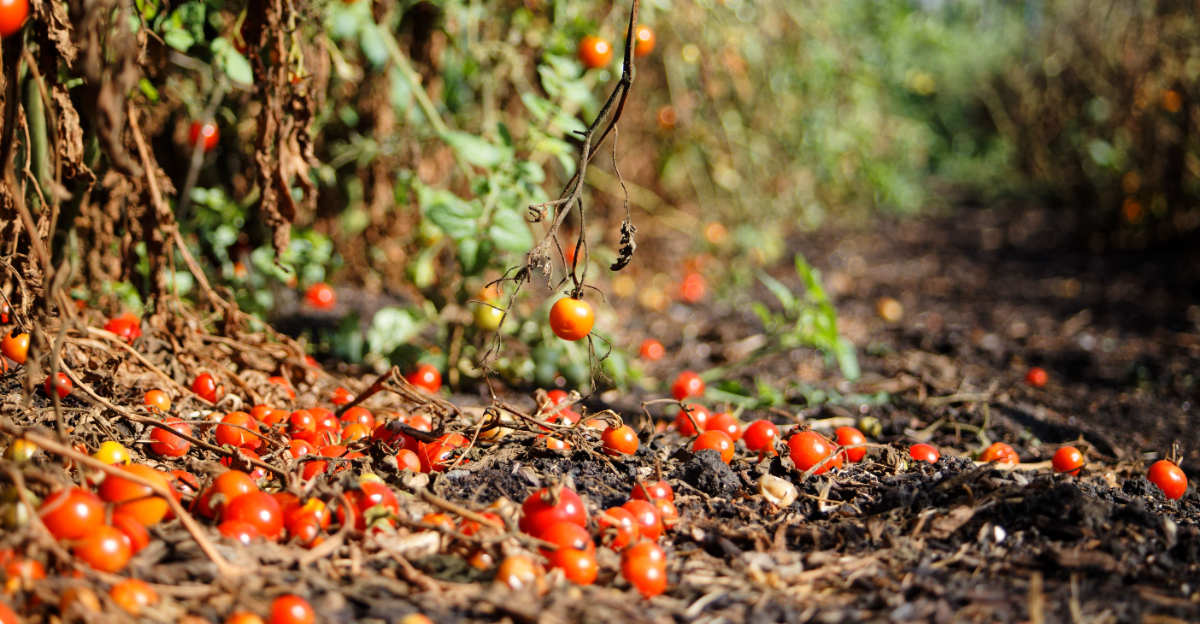
Curling leaves stop you mid-step every single time. Your tomatoes suddenly look fragile, and questions flood your mind. Wisconsin weather flips fast, swinging from cool rain to blazing heat.
Stems sag without warning, and stress spreads through your entire plant. Nobody warned you that wilting rarely means what you think. Timing matters because damage compounds within a single passing day.
Tomatoes react instantly to shifts most gardeners never notice. Underground, your roots may struggle long before leaves show it. Heat, moisture, soil, and pests all leave distinct clues on your plant.
Gardeners across Wisconsin face a narrower window than most realize. Patience helps, but guessing at causes costs precious time. Every droopy leaf on your plant is actually data, not disaster.
Reading those signals correctly changes everything about your response. Guessing simply costs time your plants cannot spare. Once you understand what your tomatoes are telling you, stopping becomes impossible.
Heat Causes Temporary Midday Wilting
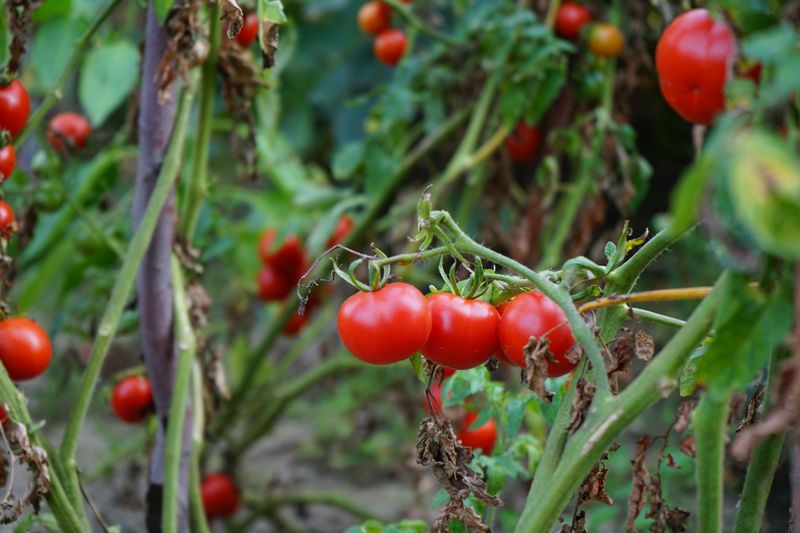
Your plants are not broken. On a hot Wisconsin afternoon, tomatoes often droop noticeably, and it can look alarming.
This is actually a built-in survival trick. When temperatures rise into the high 80s and above, tomato leaves often curl and sag, especially when combined with low soil moisture or high light intensity.
Less leaf surface means less water lost through evaporation. The plant is protecting itself, not signaling disaster.
Watch your garden in the early morning and again in the evening. If the leaves perk back up once the sun dips, midday wilt is your answer.
No extra watering is needed in this case. Adding more water during the hottest part of the day can actually stress the roots further by creating uneven soil moisture.
The real test is simple. Check your plants around 7 a.m. and again at 7 p.m. Healthy plants will look firm and upright at both times.
If they stay droopy even in the cool of the morning, something else is going on. Midday wilt is common across the Midwest, especially during July heat waves.
Wisconsin gardeners often see this every summer without realizing it is normal. Knowing the difference between temporary heat stress and a real problem saves you from overreacting and making things worse.
Trust the morning check as your most reliable diagnostic tool. A plant that bounces back overnight is a plant that is doing just fine on its own.
Soil Dries Out Faster Than Expected
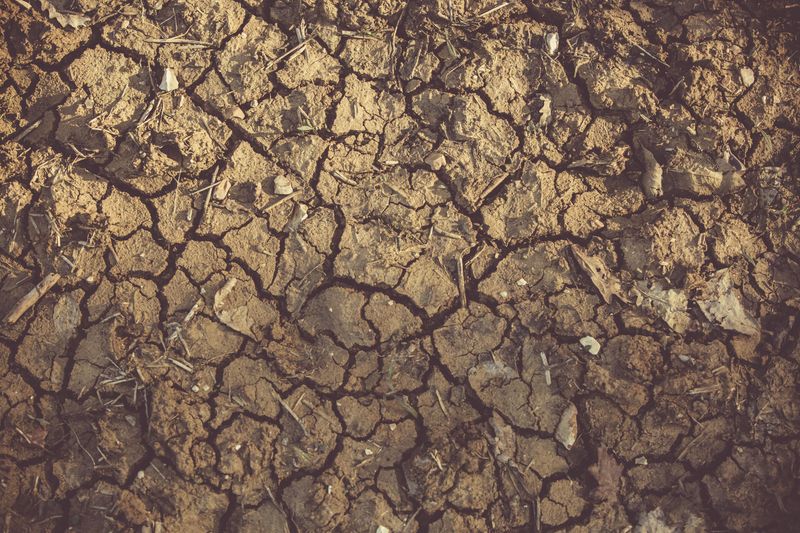
Sandy soil in a Wisconsin raised bed can dry out in less than 24 hours during a hot stretch, while loamy soil typically retains moisture longer. Most gardeners do not realize how quickly the ground loses moisture between waterings.
When roots cannot find water, the plant pulls moisture from its own leaves. That is when the drooping starts, and it happens fast.
You might have watered just yesterday and think the soil is fine. But surface soil can look moist while the deeper layers are bone dry.
Push your finger about two inches into the ground near the base of your tomato plant. If it feels dry at that depth, your plant is thirsty.
Your Wisconsin Garden Changes Every Week. Your Plan Should Too.
Gardening in Wisconsin changes quickly throughout the season. Every Friday you’ll receive a simple weekly plan showing exactly what to plant, prune, fertilize, harvest, and protect so you never miss the right timing.
Mulching is one of the best tools you have here. A two to three inch layer of straw or shredded leaves over the soil slows evaporation dramatically.
It also keeps soil temperature more stable, which roots love. Less temperature swing means less stress on the whole plant.
Watering deeply and less often is far better than watering lightly every day. Deep watering pushes moisture down into the root zone where it actually counts.
Aim for about one to two inches of water per week in Wisconsin summers. Drip irrigation or soaker hoses deliver water right to the roots without waste.
Catching a dry soil problem early makes a huge difference. Once you fix the moisture level, most droopy tomatoes bounce back within a day or two.
Roots Struggle In Compacted Ground
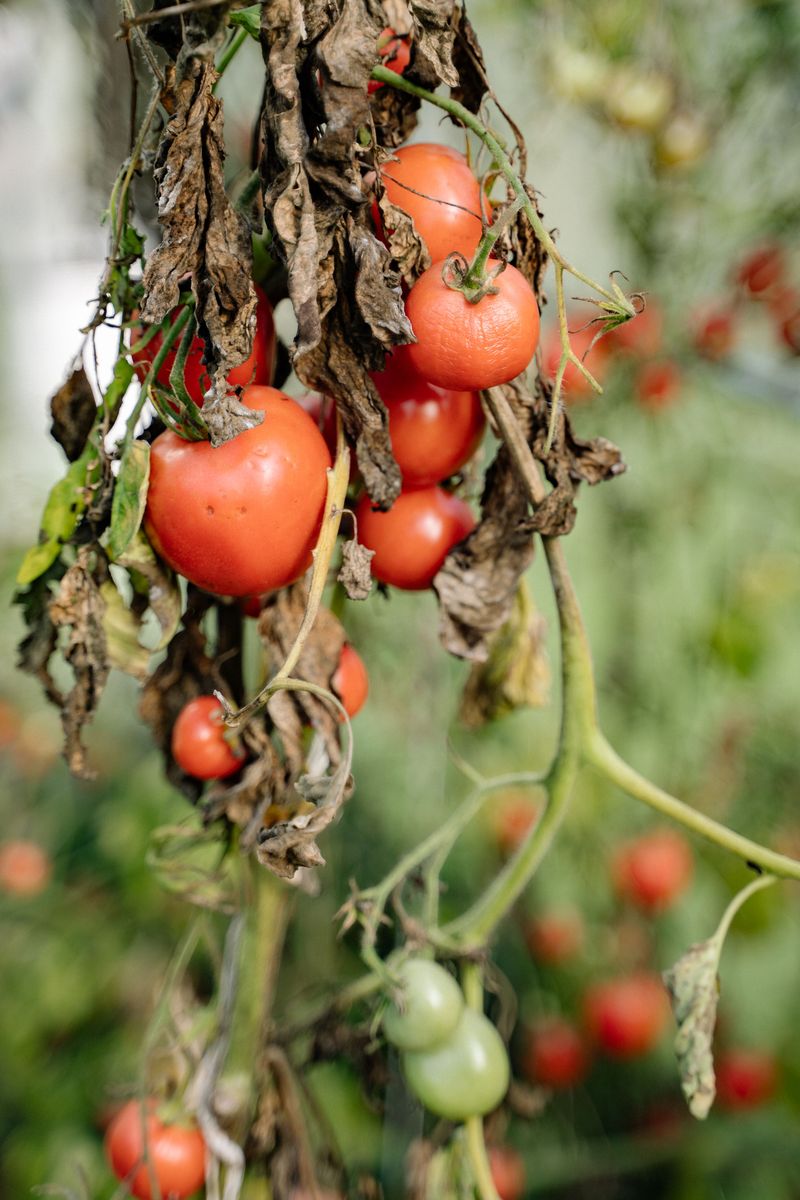
Compacted soil is one of those invisible problems that sneaks up on gardeners. On the surface, everything looks fine, but underground the roots are fighting just to move.
When soil particles get packed too tightly together, air pockets disappear. Roots need oxygen just as much as they need water, and without it, they struggle.
Heavy clay soils common in parts of Wisconsin are especially prone to compaction. Foot traffic around garden beds and repeated tilling without adding organic matter makes it worse over time.
A simple test tells you a lot. Push a screwdriver straight into the soil near your tomato plant. If it takes real effort to push it six inches deep, your soil is too compact.
Compacted ground also holds water poorly in some spots and pools it in others. That uneven moisture creates stressed roots and, eventually, those sad drooping leaves you are staring at.
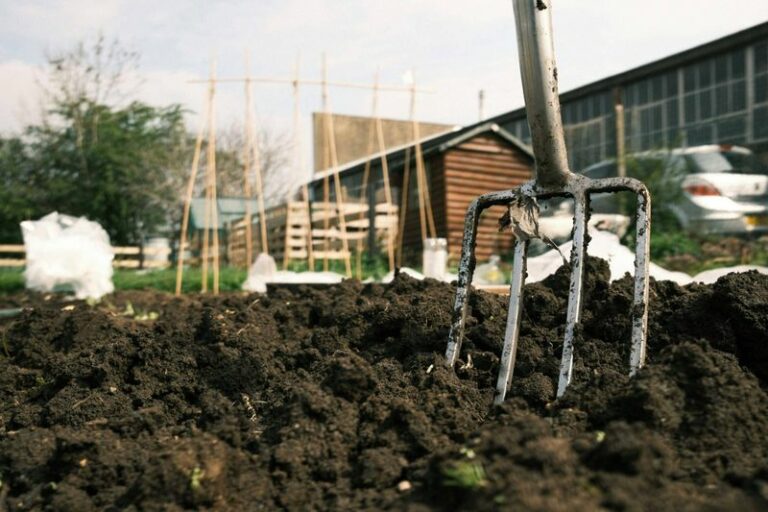
Breaking up compaction starts with a garden fork. Gently work it into the soil around the plant without slicing through the roots.
Adding compost on a regular basis is the long-term fix. Organic matter loosens the soil structure and invites earthworms, which do the aerating work for you.
Raised beds filled with a quality mix avoid compaction almost entirely. If your in-ground garden keeps struggling, a raised bed might be your best investment.
Healthy, loose soil is the foundation of a strong tomato plant. Fix the ground, and the plant will fix itself from the roots up.
Overwatering Weakens The Root System
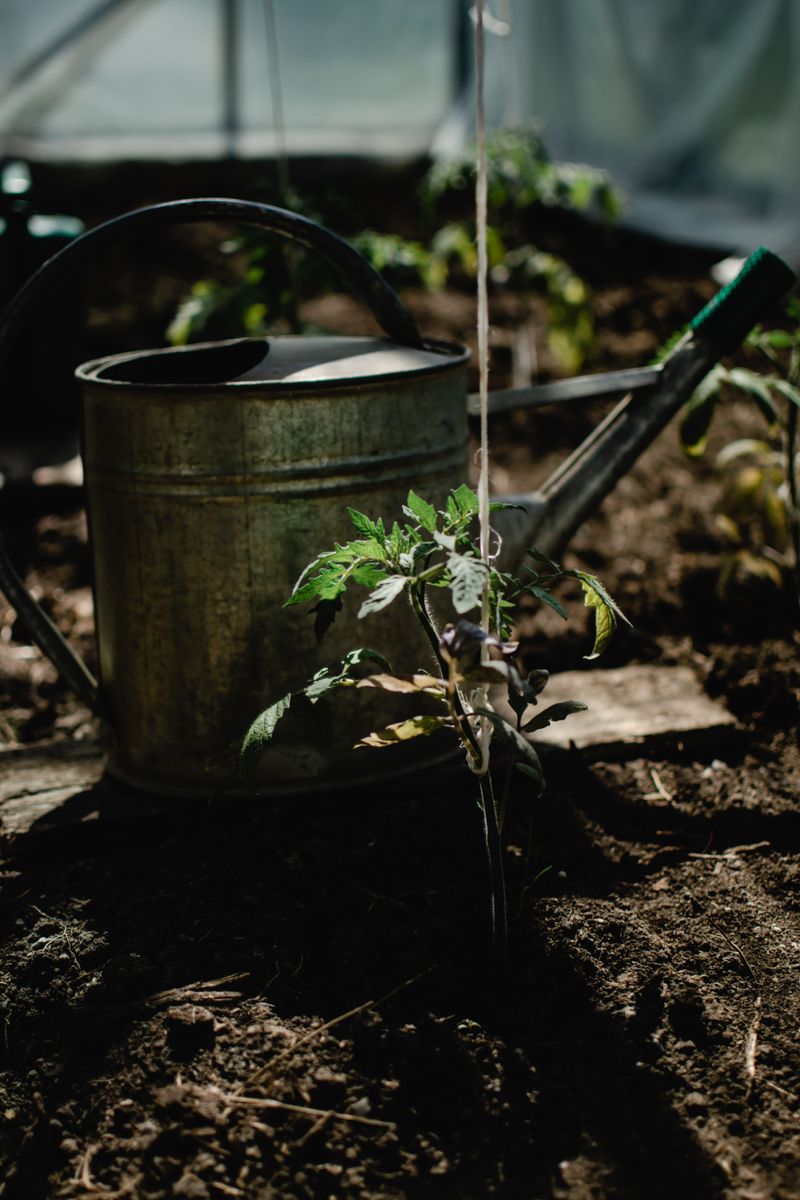
More water is not always better, and tomatoes will tell you that loud and clear. Overwatering is one of the most common mistakes home gardeners make, especially after a hot day.
When you water too much, the soil stays saturated for too long. Roots sitting in soggy ground cannot breathe, and an oxygen-deprived root system struggles to deliver nutrients upward.
The leaves droop as a result, looking almost identical to drought stress. That is what makes overwatering so tricky to diagnose without checking the soil first.
Stick your finger two inches into the soil before every watering session. If it still feels moist, put the hose away and come back tomorrow.
Yellowing leaves combined with drooping is a strong clue that overwatering is the culprit. Drought stress typically causes drooping with leaves that stay green longer.
Poor drainage makes overwatering even more damaging. If your garden sits in a low spot or your soil has a clay layer beneath, water has nowhere to go.
Raised beds solve this problem quickly. Good drainage is built right in, and you have full control over what goes into the soil mix.
If you suspect overwatering, skip watering for two or three days and monitor the plant closely. Most tomatoes recover surprisingly well once the soil dries out a bit.
Learning to water by feel rather than by schedule is a skill that pays off all season. Your soil is the best guide you have.
Check Soil Moisture Before Watering Again
The finger test is the most underrated tool in any gardener’s toolkit. Before you water your Wisconsin tomatoes again, press two fingers about two inches into the soil near the base of the plant.
If the soil feels cool and slightly damp, your plant does not need water yet. If it feels dry and crumbly, go ahead and water deeply.
This one habit prevents both overwatering and underwatering at the same time. It takes about five seconds and can save your entire crop.
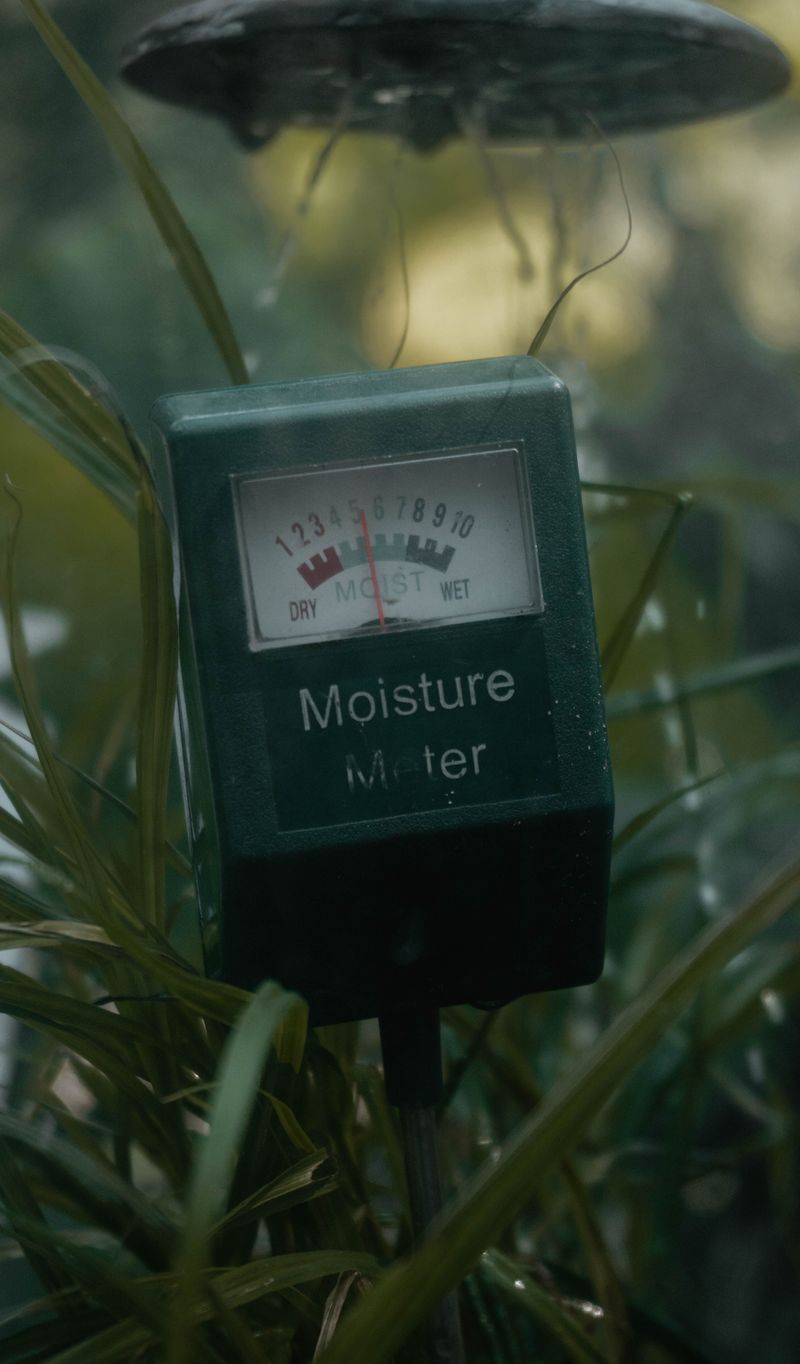
Soil moisture meters are another option if you want something more precise. These inexpensive gadgets give you a reading in seconds and remove all the guesswork.
They are especially useful in raised beds where soil can dry unevenly from one end to the other. A meter helps you catch dry pockets before the plant starts to show stress.
Consistent moisture is what tomatoes crave most. They do not like feast-and-famine watering cycles, and their drooping leaves are often a protest against inconsistency.
Try to water at the same time each day, preferably in the morning. Morning watering gives the soil time to absorb moisture before the heat of the afternoon arrives.
Evening watering leaves the foliage damp overnight, which can invite fungal issues. Keeping the leaves dry is a simple way to avoid extra problems down the road.
Making moisture checks part of your daily garden walk keeps you ahead of problems. Healthy tomatoes start with informed, consistent care from the ground up.
Provide Afternoon Shade During Heat Waves
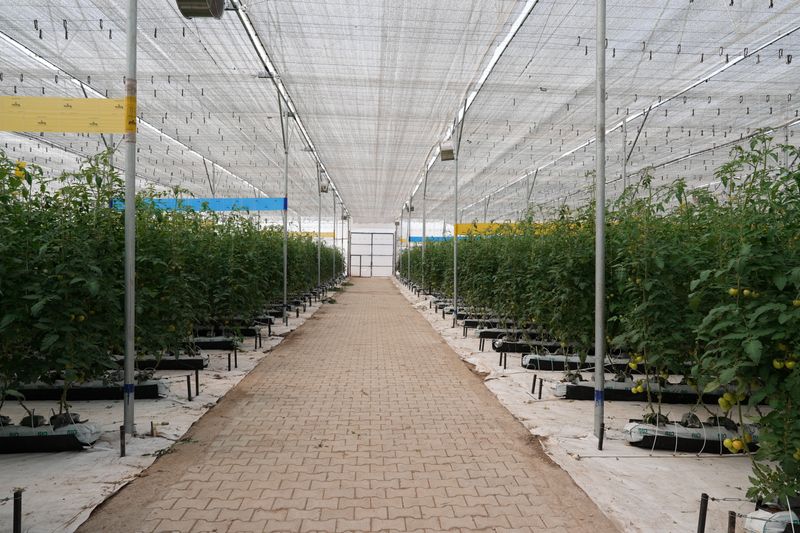
Nobody warned you that Wisconsin summers could feel like the deep South, but here we are. When temperatures stay in the 90s for several days in a row, even the toughest tomato varieties start to struggle.
Afternoon shade is one of the most effective and least-used tools available to home gardeners.
A simple shade cloth draped over your tomato plants from noon to 4 p.m. can noticeably lower leaf temperature, though the exact drop depends on cloth density and airflow.
You do not need anything fancy. A piece of lightweight row cover fabric or even an old bed sheet propped up with garden stakes does the job well.
Look for shade cloth rated at 30 to 40 percent light reduction. That amount blocks the harshest rays without cutting off the sunlight tomatoes need to produce fruit.
Positioning matters a lot here. The afternoon sun in Wisconsin hits from the southwest, so place your shade structure to block that angle specifically.
Shade also slows soil moisture loss, which means less frequent watering during the hottest stretches. Two benefits from one simple fix are always a good deal.
Remove the shade cloth in the morning so your plants get full sun during the cooler, more productive hours of the day. Tomatoes still need plenty of light to set and ripen fruit.
Some gardeners plant tall crops like sunflowers or corn on the west side of their tomato bed as a natural windbreak and shade source. Companion planting can offer additional shade benefits.
A little shade at the right time keeps your plants productive even through the worst heat waves summer throws at them.
Loosen Soil To Improve Drainage
Tight, dense soil is like a traffic jam for water and roots. When drainage is poor, moisture sits at the root level too long and creates conditions that stress the entire plant.
Loosening the soil around your tomato plants is one of the most satisfying fixes you can make. You will see results within days.
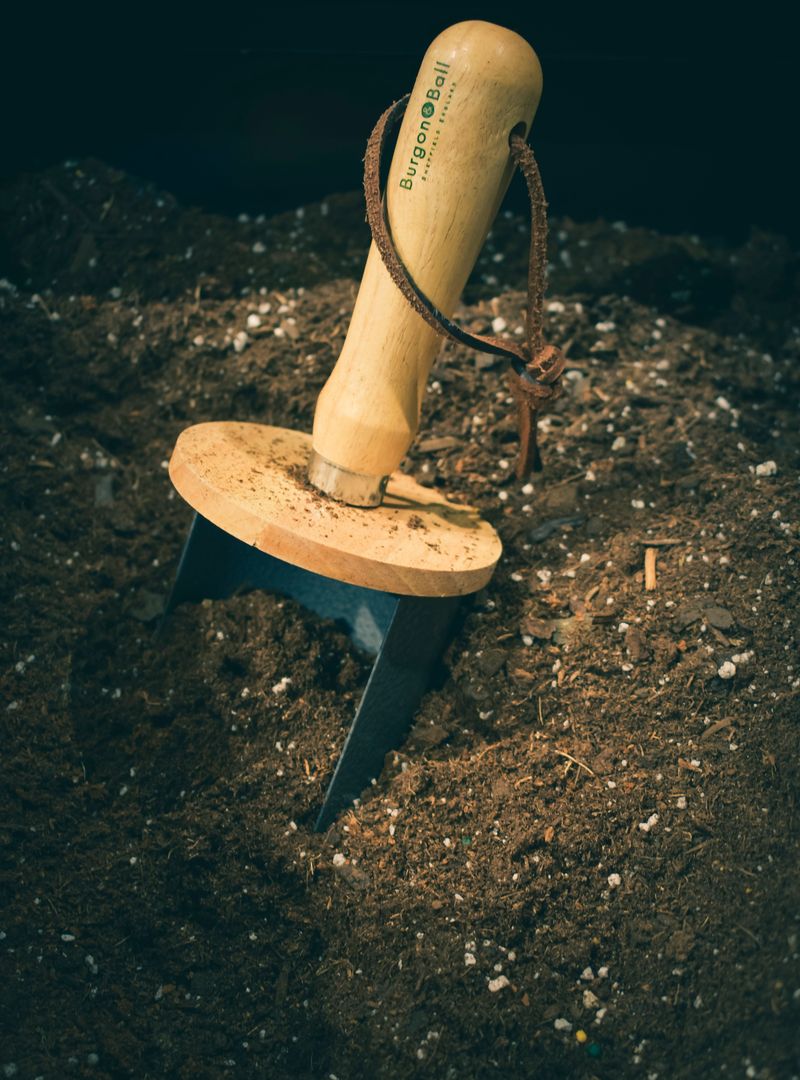
Use a hand cultivator or a garden fork to gently work the top three to four inches of soil around each plant. Be careful not to go too deep or too close to the stem.
Tomato roots spread wide before they go deep, so working in a circle about a foot out from the base is usually safe. You will feel the difference immediately when the soil starts to crumble freely.
Adding perlite or coarse sand to heavy clay soil helps open up the structure for better airflow and drainage. Mix it into the top six inches during your loosening session.
Compost is the gold standard amendment for almost any soil type. It adds nutrients, improves texture, and feeds the beneficial microbes that keep roots healthy.
Work a few inches of compost into the soil around each plant and then water it in gently. The improvement in drainage often shows up within one or two watering cycles.
Avoid walking near your tomato beds once the season is underway. Foot traffic compacts the soil again quickly, undoing all your hard work.
Loose, well-draining soil is where strong tomato roots thrive. Give your plants the breathing room they need, and they will reward you generously.
Watch For Signs Of Root Rot
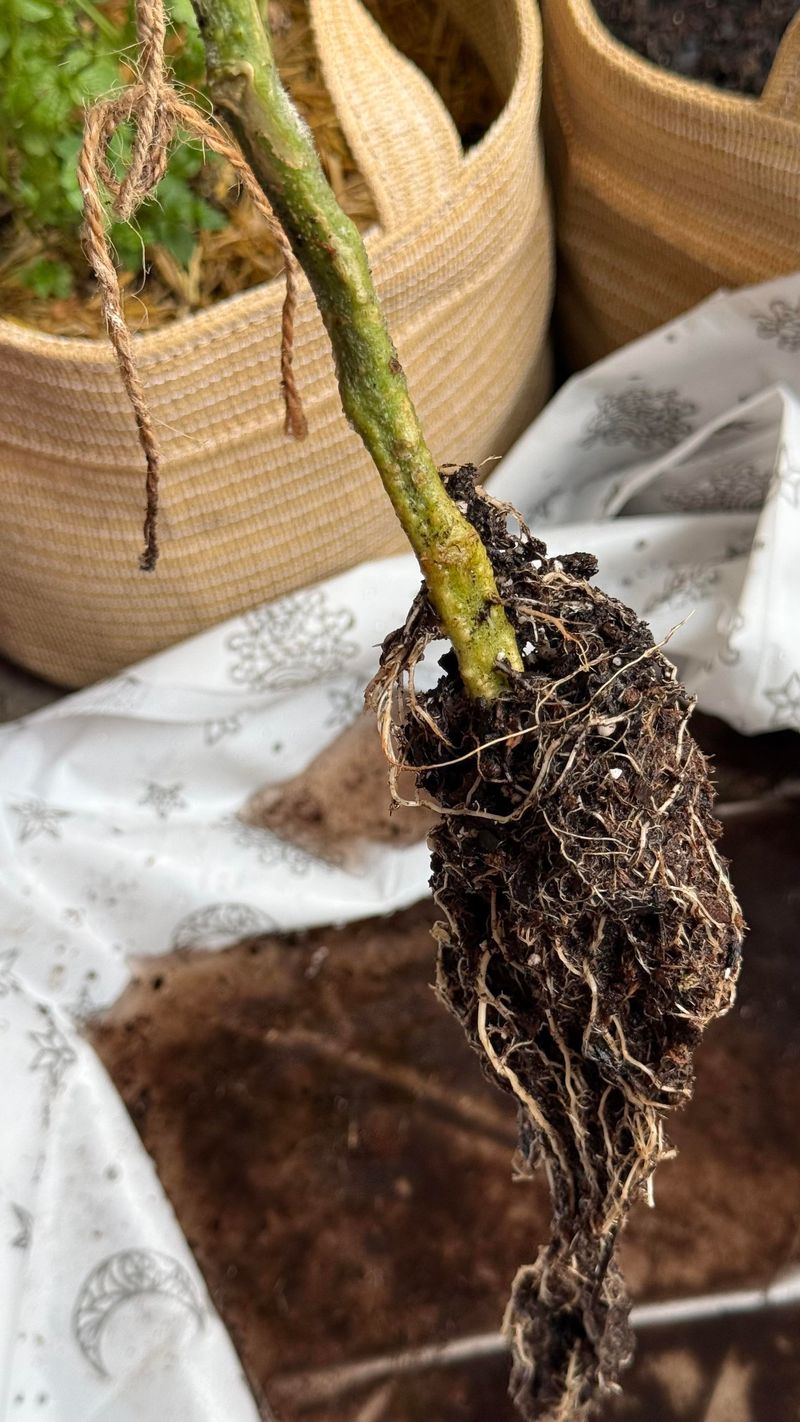
Root rot can be difficult to detect early. By the time the leaves start drooping badly, the underlying damage may have developed over several weeks.
This condition is caused by a group of soil-borne pathogens that thrive in overly wet conditions. When roots stay wet too long, these organisms move in fast.
Affected roots turn brown or black and feel mushy when you touch them. Healthy tomato roots should be white or light tan and firm to the touch.
Gently brush away some soil near the base of a drooping plant and take a close look. If the roots look dark and slimy, root rot is likely the culprit.
The stem near the soil line may also show signs. Darkening, soft spots, or a sunken appearance at the base of the stem are all warning signs worth taking seriously.
Removing affected plants quickly helps protect the rest of your garden. The pathogens that cause root rot can spread through shared soil and water.
Do not compost infected plants. Bag them and dispose of them in the trash to prevent the pathogens from cycling back into your garden beds.
Going forward, improving drainage and adjusting your watering habits are the best prevention strategies available. Soil that dries out slightly between waterings is not friendly territory for root rot organisms.
Catching root rot early gives you a real chance to save neighboring plants. Your drooping Wisconsin tomatoes deserve a gardener who knows what to look for and responds promptly.