The Most Underrated Michigan Native That Helps Deter Ticks And Tastes Better Than Store-Bought
Some plants earn a spot in the garden purely by looking attractive through the season. Others earn it by being useful in ways that actually matter day to day.
This particular Michigan native manages to do both at the same time, and the majority of home gardeners have never once considered growing it.
It carries natural properties that help deter ticks in outdoor spaces, which is a meaningful bonus in a state where wooded backyards and brushy edges are so common.
Beyond that, what this plant produces tastes noticeably fresher and far more flavorful than anything sitting on a grocery store shelf.
Once established, it returns reliably every year and practically manages itself through the entire growing season with very minimal effort required from you.
1. Black Chokeberry
Most gardeners walk right past Black Chokeberry without a second glance, and that’s a real missed opportunity.
Aronia melanocarpa is a dense, upright native shrub that thrives naturally across Michigan, and it brings far more to the table than its modest appearance suggests.
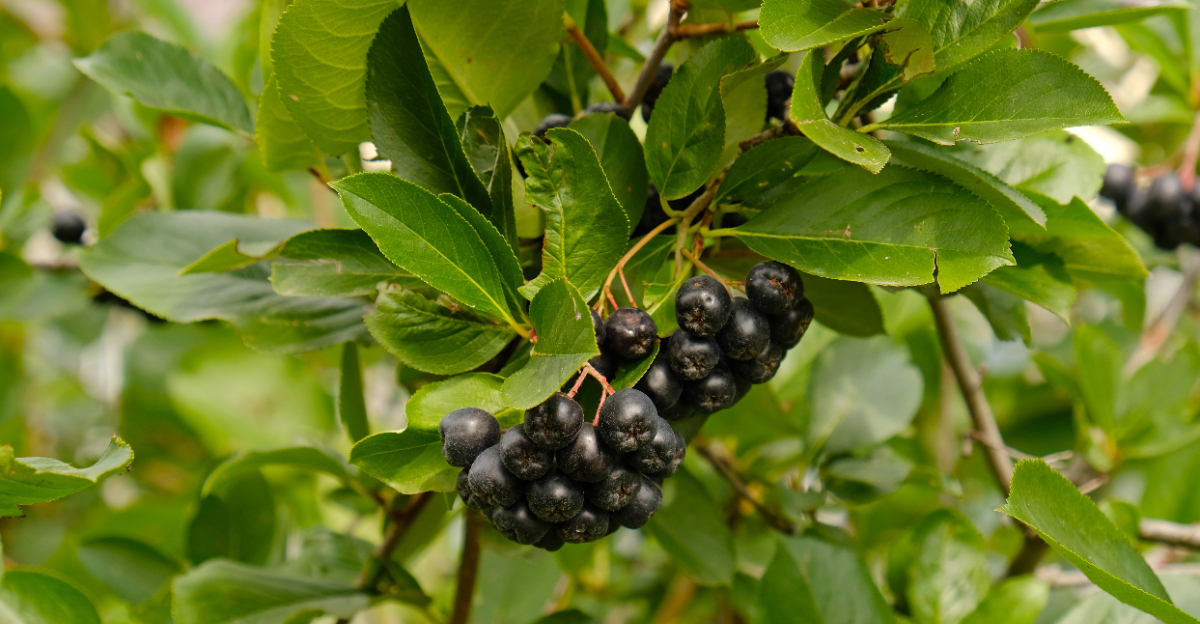
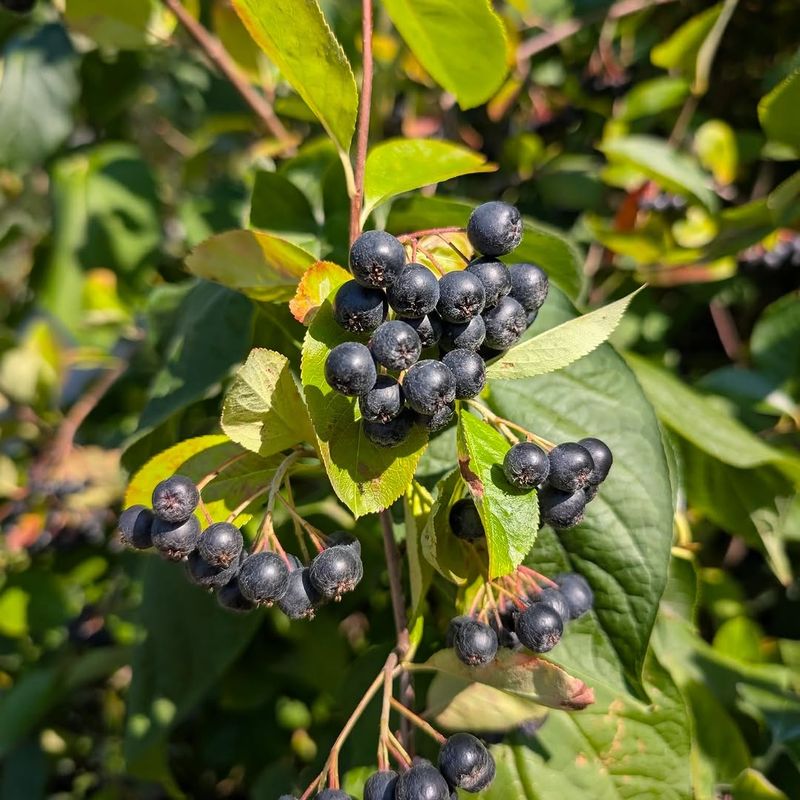
It produces clusters of small, dark, glossy berries in late summer that are loaded with antioxidants, vitamins, and minerals.
Fresh off the shrub, these berries have a bold, tart flavor that’s surprisingly complex. Many people compare them to a mix between a blueberry and a wild cherry with a dry finish.
Once you taste a homegrown berry versus a store-bought version, there’s simply no comparison.
Beyond flavor, this shrub is cold-hardy, deer-resistant, and genuinely low-maintenance. It grows well in Michigan’s variable climate without much fuss. Gardeners who plant it once tend to wonder why they waited so long.
It forms a natural, full-bodied border that looks beautiful through every season while quietly working to make your outdoor space healthier and more vibrant year-round.
2. Dense, Layered Foliage That Naturally Discourages Ticks
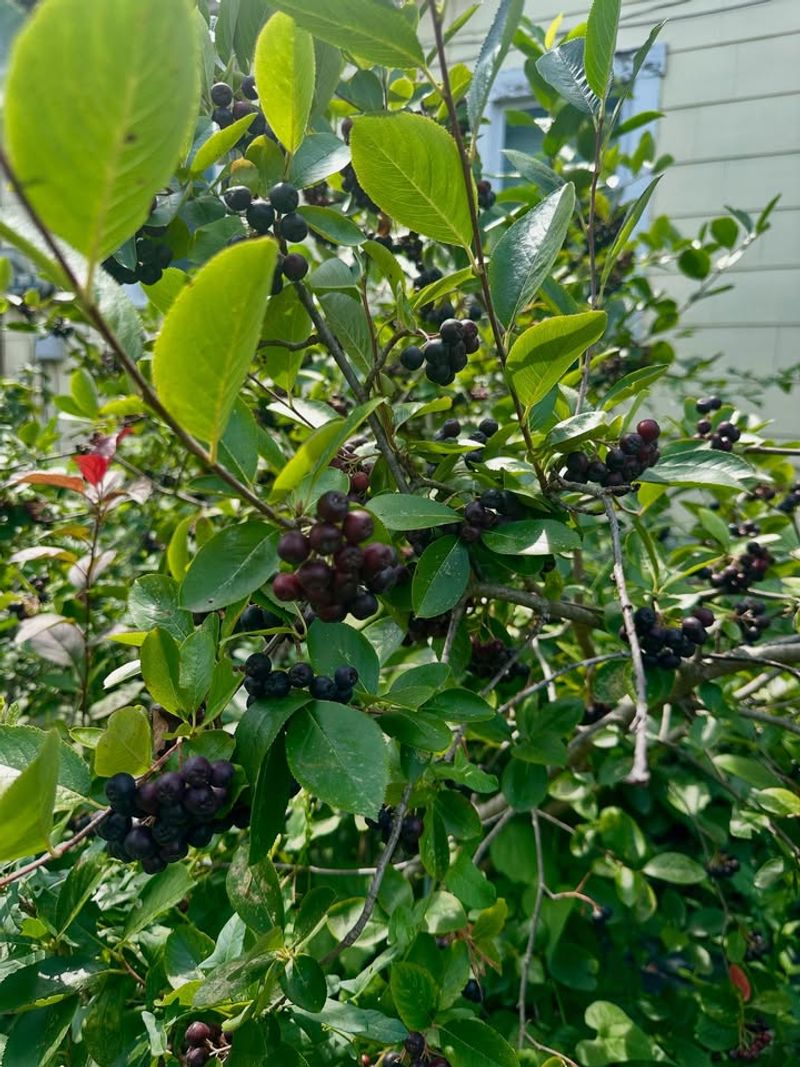
Ticks love warm, humid, shaded spots at ground level where they can wait for a passing host. Black Chokeberry fights back in a clever, completely natural way.
Its thick branching and dense canopy create a shaded ground zone that stays cooler and less hospitable to tick activity along yard edges and garden borders.
Unlike sparse ornamental shrubs that leave gaps, Aronia melanocarpa fills in beautifully along vegetable beds, pathways, and property lines.
That solid wall of foliage acts as a physical barrier, making it harder for ticks to migrate from wooded or grassy areas into your main outdoor living space. It’s not a chemical solution, but it’s a smart, sustainable one.
Pairing this shrub strategically along fence lines and garden perimeters gives you layered protection that builds over time. The more established the planting, the denser the coverage becomes.
For Michigan homeowners who spend time outdoors during tick season, this plant is genuinely practical. It’s the kind of quiet, hardworking solution that rewards you season after season without demanding much in return.
Smart landscaping and natural pest deterrence wrapped up in one beautiful native plant.
3. Four Seasons Of Beauty You’ll Actually Enjoy
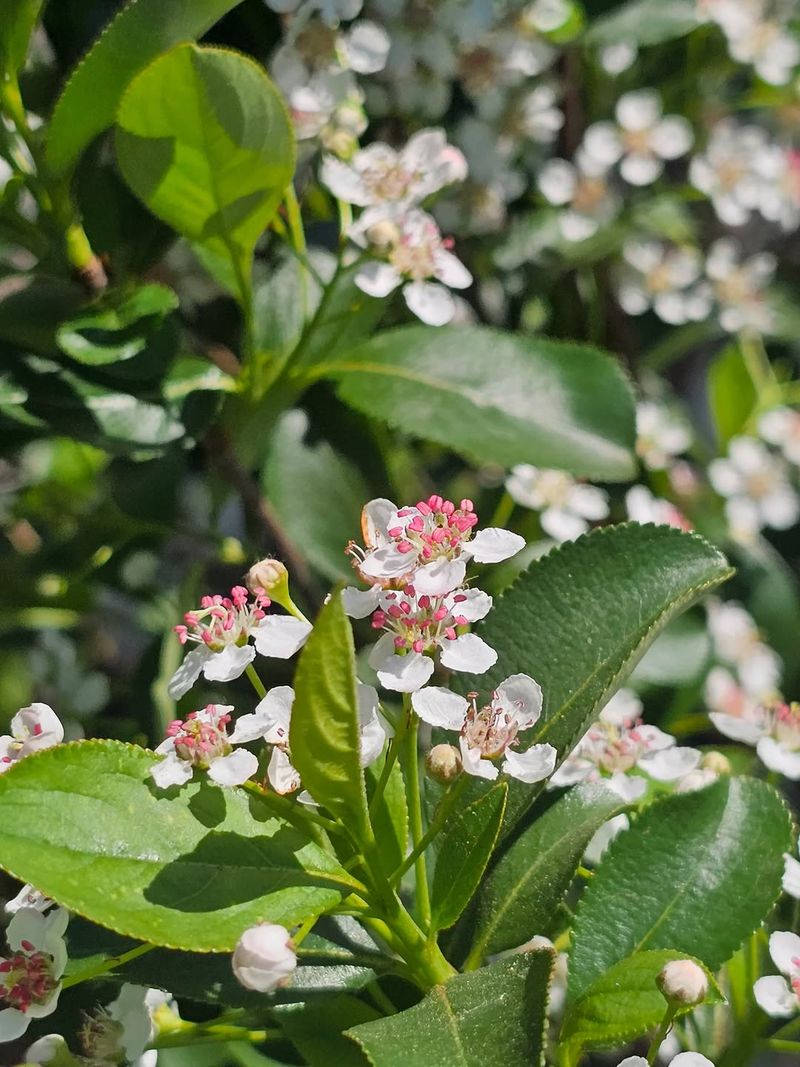
Some plants look great for two weeks and then fade into the background. Black Chokeberry refuses to be that plant.
Your Michigan Garden Changes Every Week. Your Plan Should Too.
Gardening in Michigan changes quickly throughout the season. Every Friday you’ll receive a simple weekly plan showing exactly what to plant, prune, fertilize, harvest, and protect so you never miss the right timing.
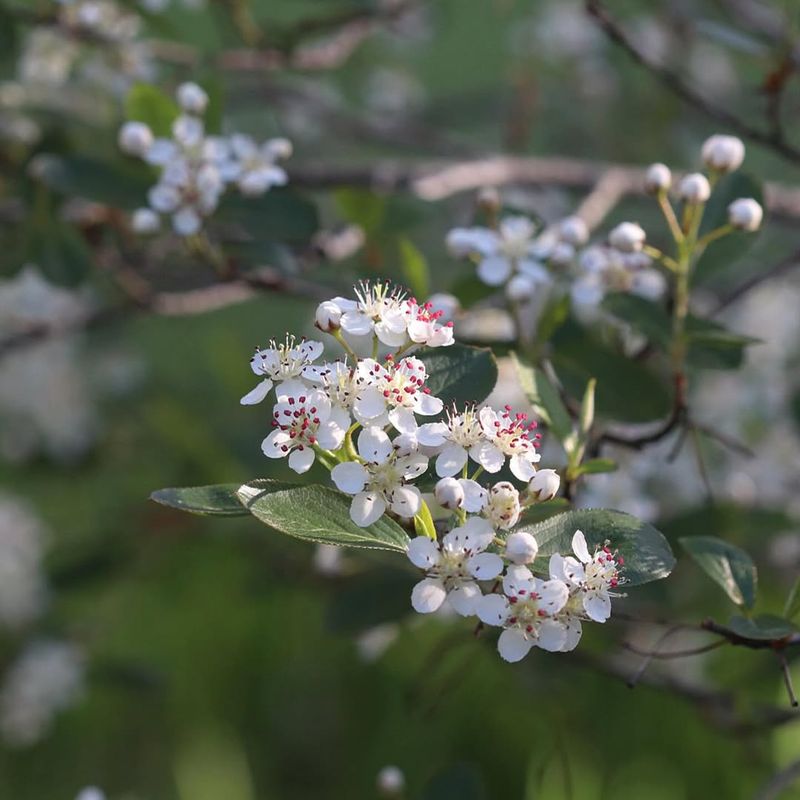
Starting in spring, it bursts into clusters of small white flowers that draw in pollinators and give your garden a fresh, lively look right when you need it most after a long Michigan winter.
Summer brings the berries, those deep, glossy clusters that ripen to almost black by late August. Birds love them, people love them, and they look absolutely stunning against the green foliage.
Harvesting a fresh batch from your own yard feels incredibly satisfying, especially knowing they’re more nutrient-dense and flavorful than anything packaged on a shelf.
Fall is where Aronia melanocarpa truly shows off. The foliage shifts into rich shades of red and deep purple, creating a dramatic display that rivals any ornamental shrub on the market.
Even in winter, the plant’s structured branching adds architectural interest to the landscape. Four seasons of genuine visual appeal, one native shrub.
For gardeners who want beauty without constant effort, this plant checks every single box from the first warm day of spring straight through to the last cold snap of winter.
4. A Powerhouse For Pollinators And Local Wildlife
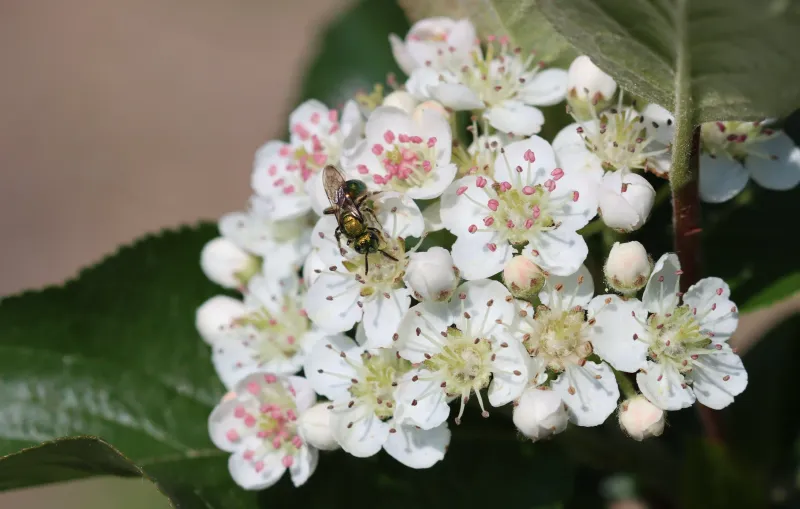
A yard without pollinators is a yard that’s quietly struggling. Black Chokeberry changes that dynamic fast.
When those white spring flowers open up, native bees, butterflies, and beneficial insects show up in numbers. They’re drawn to the nectar-rich blooms, and in return they help pollinate your vegetables, fruits, and surrounding garden plants.
Once the flowers give way to berries, a whole new crowd arrives. Birds including robins, cedar waxwings, and thrushes rely on Aronia berries as a high-energy food source, especially during fall migration.
Small mammals also benefit, and the steady activity of wildlife around the shrub creates a healthy, balanced ecosystem right in your backyard.
What makes this especially exciting is that you’re not just planting a shrub. You’re building habitat.
Native plants like Aronia melanocarpa support local food webs in ways that ornamental, non-native plants simply cannot replicate.
Michigan’s native bee populations have faced real pressure in recent years, and every native plant added to a yard makes a meaningful difference.
Watching a monarch butterfly land on your chokeberry blooms on a warm May morning is the kind of moment that reminds you why native gardening matters so much.
5. Berries That Beat The Store Every Single Time
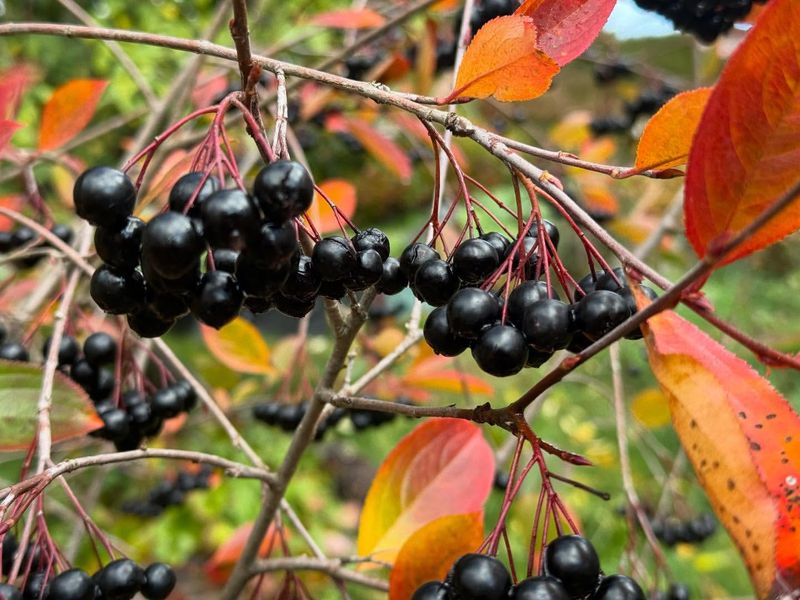
Here’s something most people don’t realize: store-bought Aronia products, whether juices, dried berries, or supplements, are often processed weeks or months after harvest.
That time gap strips away freshness and dulls the natural complexity of the flavor.
Growing your own changes everything. Fresh-picked Black Chokeberries have a bold, tart, slightly astringent taste that’s genuinely unique and far more vibrant than anything in a package.
The culinary possibilities are wide open once you have a productive shrub in your yard. Aronia berries make outstanding jams and jellies, rich dark syrups perfect for pancakes or cocktails, flavorful juices, baked goods, and even dried snacks.
Some people blend them into smoothies for a serious antioxidant boost. The deep color they add to any recipe is a natural bonus.
Nutritionally, these berries are impressive. They rank among the highest in antioxidant content of any commonly grown fruit, and they’re also a solid source of vitamins C and K, plus fiber and beneficial plant compounds.
Eating something you grew yourself, knowing exactly where it came from and how it was raised, adds a satisfaction that no grocery store product can match. Homegrown Aronia is simply on another level entirely.
6. Low Maintenance And Seriously Tough
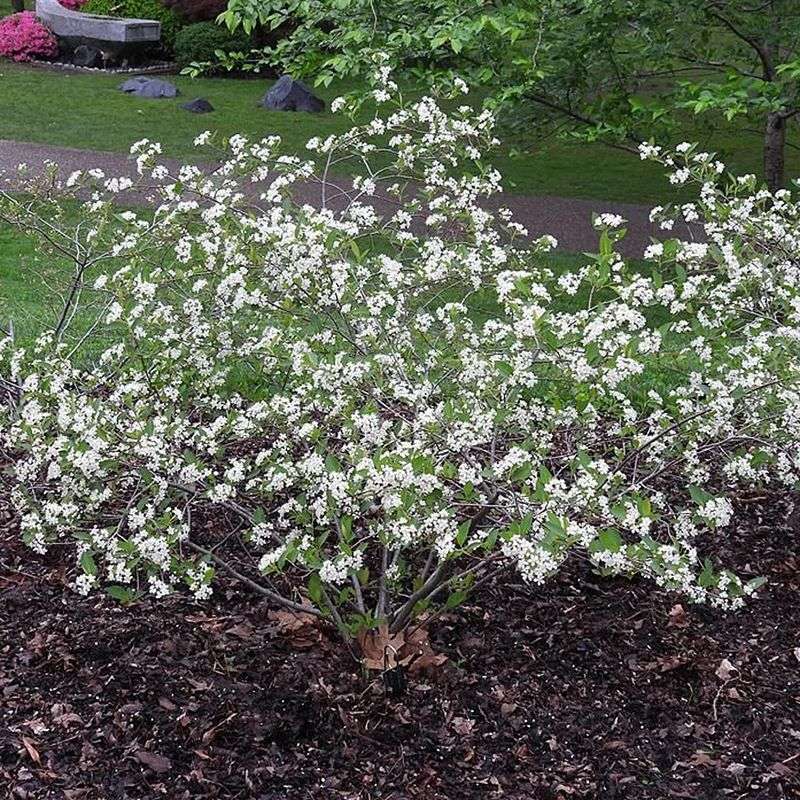
Not every gardener has hours to spend coddling a plant, and Black Chokeberry respects that completely. Once established, it’s one of the most self-sufficient shrubs you can grow in Michigan.
It tolerates clay, loam, and sandy soils without complaint, which is a huge advantage given how much Michigan soil varies from one neighborhood to the next.
Cold hardiness is another major strength. Aronia melanocarpa handles Michigan winters without needing special protection, mulching rituals, or worried check-ins every time the temperature drops.
It bounces back reliably each spring and picks up right where it left off. Drought tolerance, once roots are established after the first year, means you won’t be dragging a hose out every hot August afternoon either.
Pest pressure is minimal. Deer tend to leave it alone, which is a genuine blessing in Michigan where deer browse can ruin a garden overnight.
Pruning needs are light, usually just a quick cleanup in late winter or early spring to encourage fresh growth.
For beginner gardeners who want results without stress, or experienced growers who simply want a reliable workhorse in the landscape, Black Chokeberry is about as close to a no-fuss native shrub as you’re going to find anywhere in the region.
7. Natural Spreading Habit That Builds Your Border Over Time
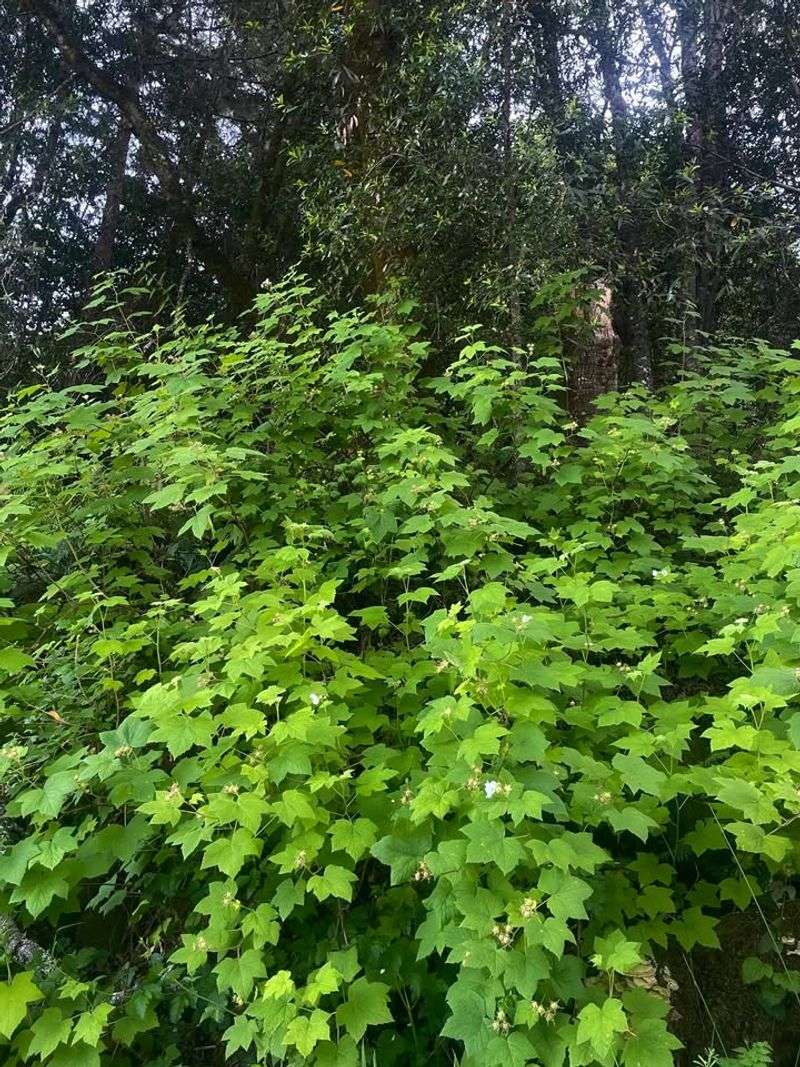
One of the most underappreciated qualities of Aronia melanocarpa is what happens a few years after planting. The shrub naturally produces suckers, new shoots that emerge from the root system and gradually expand the planting outward.
Over time, what started as a single shrub becomes a lush, continuous border that fills bare spots and closes gaps without you lifting a finger.
This natural spreading habit is incredibly useful for tick deterrence. A solid, unbroken wall of dense vegetation along your yard’s edge is far more effective at slowing tick migration than scattered individual plants.
As the colony fills in, it becomes a consistent physical barrier that ticks simply have a harder time crossing to reach your lawn and garden.
From a purely practical standpoint, this spreading behavior also means you get more plants over time from a single purchase. If the colony spreads more than you want, suckers are easy to remove or transplant to another area of the yard.
Some gardeners intentionally move divisions to extend the border further along a fence line or property edge.
It’s a plant that genuinely works with you, rewarding patience and smart placement with a stronger, more functional landscape every passing season.
8. Perfect Companions For A Pollinator-Friendly Yard
Plants don’t thrive in isolation, and neither does a great garden design. Black Chokeberry pairs beautifully with other Michigan natives to create layered, dynamic garden edges that look intentional and work hard at the same time.
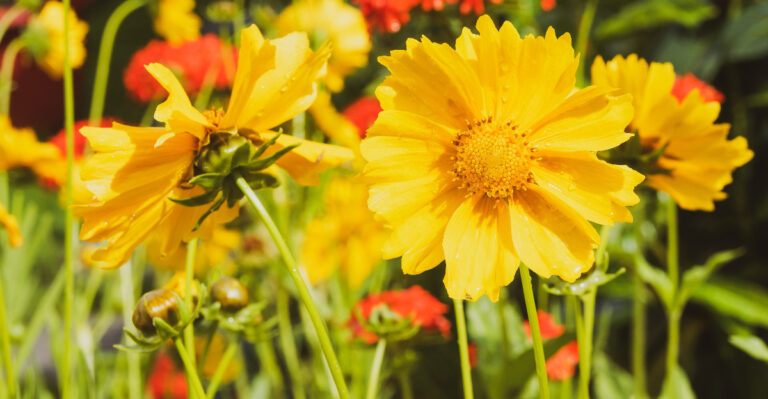
Wild Bergamot brings tall, lavender blooms that attract hummingbirds and bees. Black-Eyed Susan adds cheerful yellow color at mid-height.
Northern Bush Honeysuckle fills the lower layer with golden flowers and fine texture.
Together, these plants create a staggered canopy that covers multiple height zones, which is exactly what pollinators need. Different insects feed at different levels, and a layered planting makes sure every visitor finds something useful.
It also means the garden has visual interest from ground level all the way up through the shrub canopy.
From a tick-deterrence perspective, companion planting thickens the barrier even further. Denser planting means less open ground where ticks can easily move.
Some research also suggests that certain aromatic native plants like Wild Bergamot may have natural tick-repelling properties, making the combination even more practical.
Designing a native border around Aronia melanocarpa as the anchor shrub gives you a garden that’s genuinely beautiful, ecologically meaningful, and strategically smart all at the same time.
That’s the kind of planting decision you’ll feel good about for years.
9. How To Plant And Grow Aronia Melanocarpa The Right Way
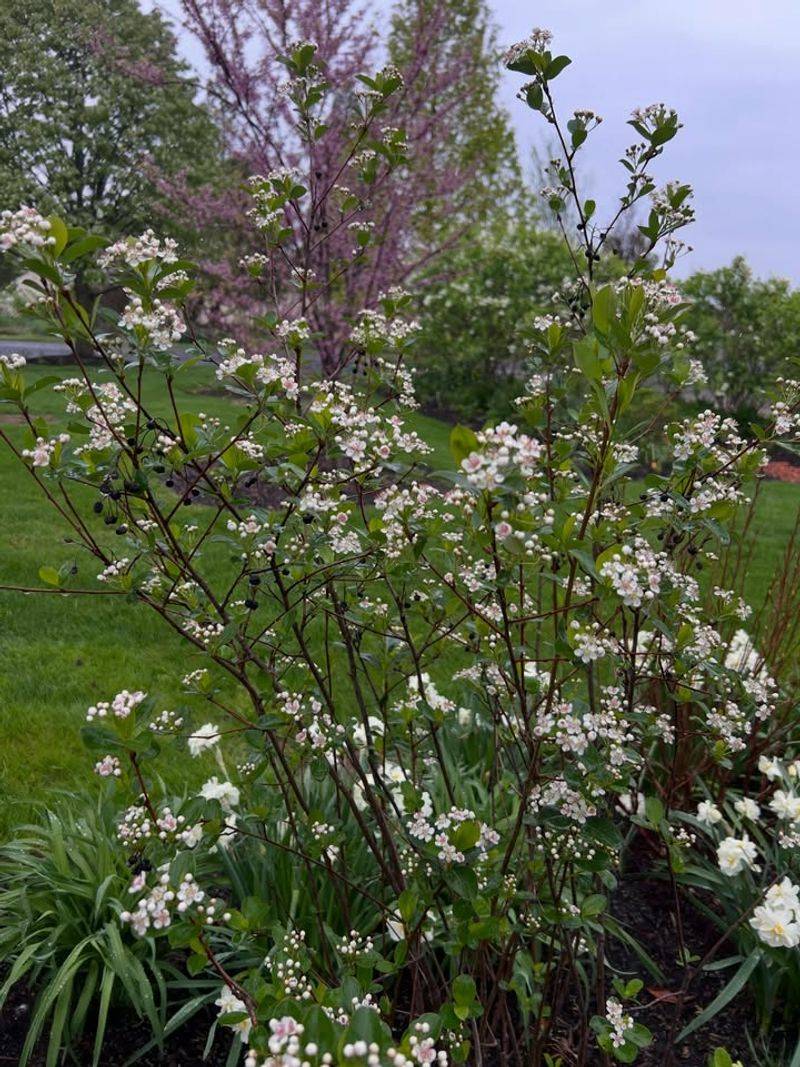
Getting Aronia melanocarpa off to a strong start isn’t complicated, but a few smart choices early on make a big difference. Spacing is one of the most important factors.
Plant shrubs three to six feet apart for dense coverage. Closer spacing fills in faster and creates a tighter tick-deterring border sooner.
Wider spacing gives each plant more room to mature and spread naturally over time.
Sun and soil flexibility make this an easy plant to place. Full sun produces the best berry crops, but Aronia melanocarpa handles part shade without much complaint.
It grows well in well-drained to moderately moist soils and tolerates clay, which is great news for Michigan gardeners dealing with heavy soil. Amending with compost at planting time gives roots an extra boost, but it’s not strictly necessary.
First-year care is simple. Water regularly during dry spells to help roots establish, and apply a layer of mulch in spring to hold moisture and suppress weeds.
After that first year, the shrub largely takes care of itself. Prune lightly in late winter or early spring to remove any crossing branches and encourage fresh, productive growth.
That’s genuinely all it takes. Plant it right, give it a decent first season, and Black Chokeberry will reward you with decades of beauty, berries, and function.
10. Year-Round Function That Makes Every Season Count
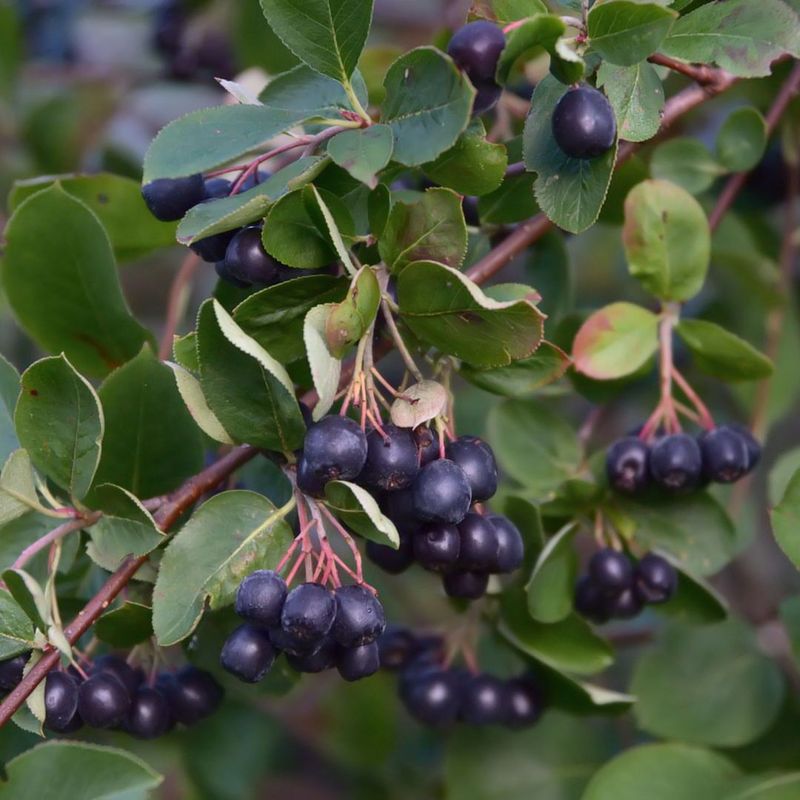
Few native plants pull their weight across all four seasons the way Black Chokeberry does. Spring opens with white flower clusters that buzz with pollinator activity.
Summer delivers those rich, dark berries ready for harvest and wildlife feeding. Fall transforms the shrub into a stunning display of red and purple foliage that makes the whole yard look intentional and well-designed.
Even in winter, the plant earns its keep. The upright, structured branching adds visual form to the garden when everything else has faded.
Birds continue visiting to pick at any remaining berries, keeping the yard lively even during the coldest months. That kind of year-round engagement is rare and genuinely valuable in a landscape plant.
The combination of tick deterrence, edible harvest, pollinator support, wildlife habitat, and four-season visual appeal makes Aronia melanocarpa one of the most functional native shrubs available to Michigan gardeners today.
You’re not making a compromise when you choose this plant. You’re choosing something that does more, asks for less, and improves your outdoor space in ways that compound over time.
For anyone serious about building a smarter, more beautiful, and more ecologically connected yard, Black Chokeberry belongs at the top of the planting list without question.