The Most Underrated North Carolina Native Tree That Feeds Pollinators All Season Long
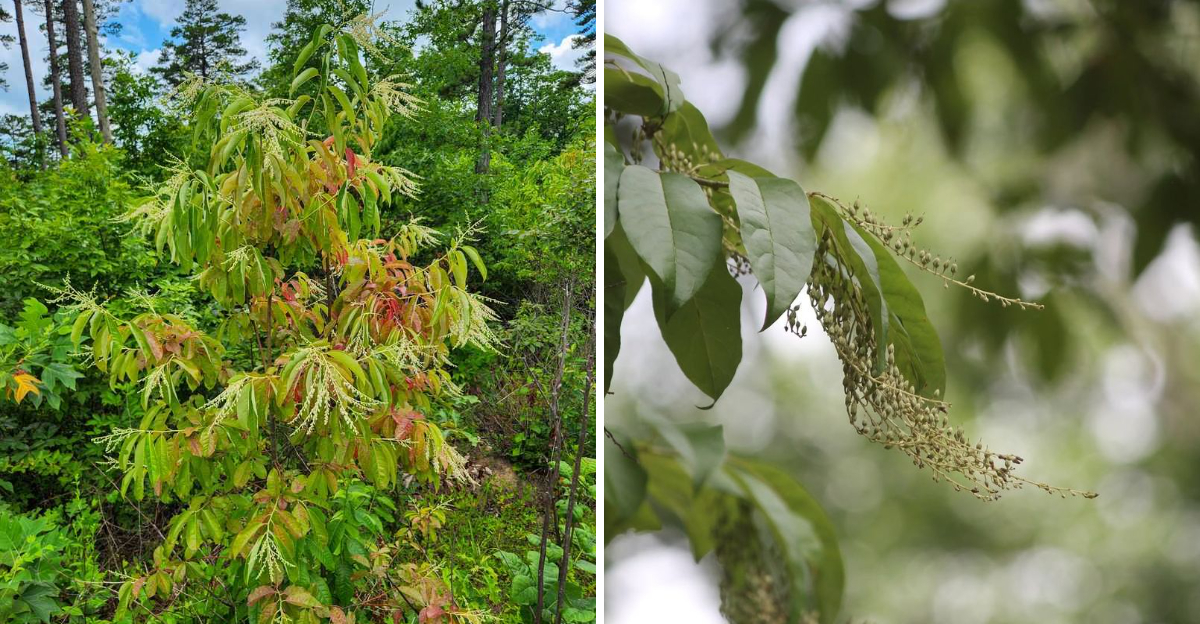
Sourwood is the tree people miss while looking for something louder.
It does not shout from the nursery row. It does not promise instant shade or oversized blooms. For a few quiet years, it may simply settle in, stretch upward, and look like a polite little woodland tree minding its own business.
Then midsummer arrives, the white flower chains open, bees find them, and the whole plant suddenly makes perfect sense.
That timing is the magic.
North Carolina pollinators need more than one dramatic spring display. They need a steady sequence of flowers from the first warm spells through fall.
Sourwood plugs one of the hardest gaps, blooming after many spring shrubs have finished but before goldenrod and asters fully take over.
So why do so many homeowners still walk past it?
Maybe because sourwood rewards patience instead of impulse. Plant it well, leave it alone, and it can become the quiet backbone of a pollinator-friendly yard.
Put Sourwood In The Pollinator Spotlight
Sourwood deserves far more attention than it gets.
Crape myrtles, ornamental cherries, and fast-growing imports often grab the spotlight at garden centers, while sourwood waits quietly with a less flashy nursery presence.
That is a shame, because this native tree offers beauty, pollinator value, fall color, and a manageable size without needing to act like a giant shade tree.
NC State Extension describes sourwood, Oxydendrum arboreum, as a deciduous small to medium tree in the blueberry family, native from Pennsylvania to northern Florida and west to Louisiana and Ohio.
It can be found throughout North Carolina, though it is less common in the low alluvial plain. In cultivated landscapes, NC State lists it at about 20 to 30 feet tall and 10 to 15 feet wide, which makes it a realistic fit for many home yards.
That size matters. Many homeowners want native trees, then realize the best-known options may eventually overwhelm a small lot, driveway edge, or patio view.
Sourwood stays more restrained, especially compared with large oaks, tulip poplars, or maples.
The tree also brings seasonal interest without much drama. Glossy green leaves hold a clean summer look. White bell-shaped flowers appear in midsummer.
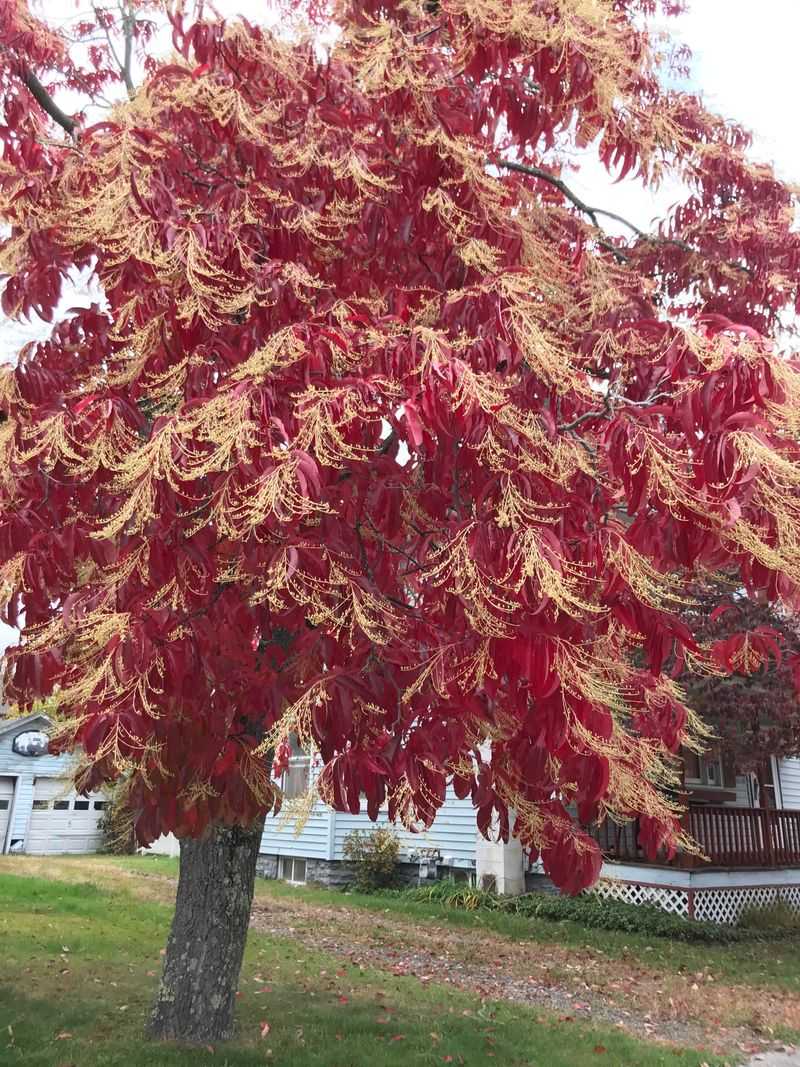
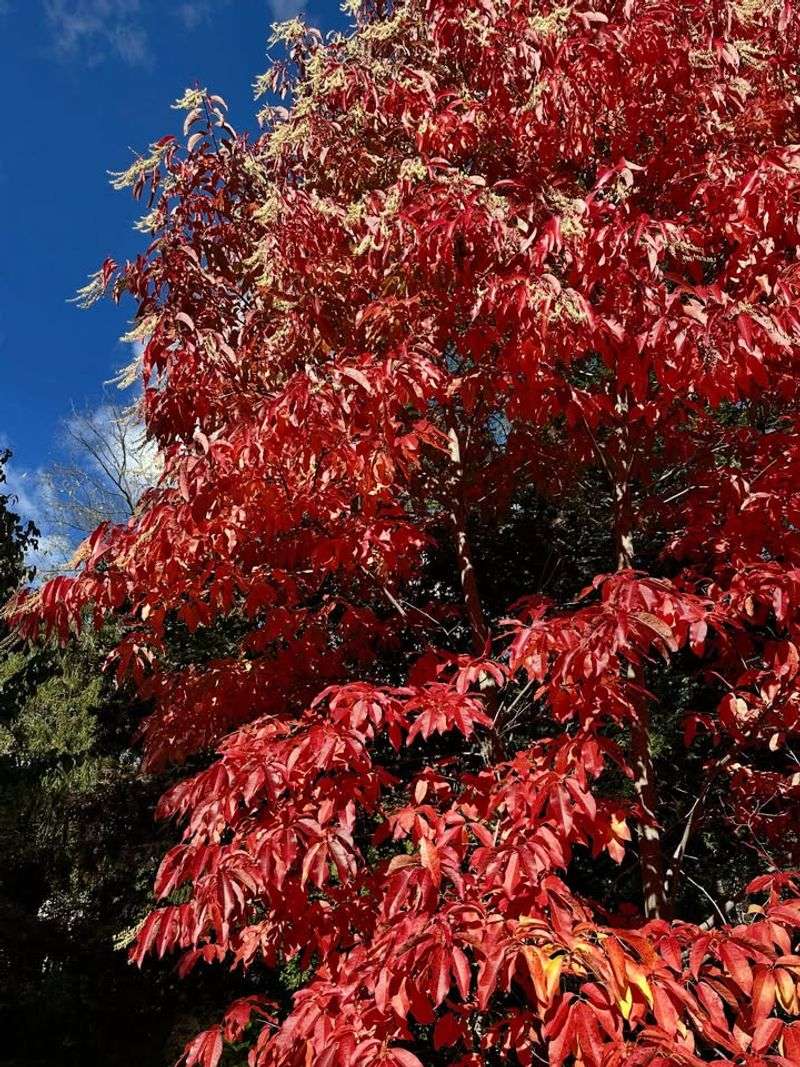
Fall foliage can turn red, burgundy, purple, or gold, often with impressive intensity. The seed capsules may persist after bloom, adding texture after flowers fade.
The ecological value is just as strong. NC State identifies sourwood as a pollinator plant that attracts bees, butterflies, and other insects, and notes that bees produce prized honey from its nectar.
That is the whole argument in one tree. Sourwood looks good, stays useful, and belongs in North Carolina landscapes.
Its flowers, leaves, bark, and seed capsules all show up at different moments, so the tree never feels like a one-week event. That matters in a front yard where every planting has to earn its footprint. Sourwood can serve pollinators in summer, color the yard in fall, and add quiet branch structure through winter without crowding the whole landscape.
Feed Bees During The Midsummer Gap
Midsummer can be awkward for pollinators.
Your North Carolina Garden Changes Every Week. Your Plan Should Too.
Gardening in North Carolina changes quickly throughout the season. Every Friday you’ll receive a simple weekly plan showing exactly what to plant, prune, fertilize, harvest, and protect so you never miss the right timing.
The spring bloom rush is over. Serviceberry, redbud, blueberries, and many woodland ephemerals have finished. Fall powerhouses like goldenrod and asters are not carrying the garden yet.
In that gap, bees still need nectar and pollen, especially during warm, active weeks when colonies and solitary bees continue to forage.
Sourwood steps into that exact window.
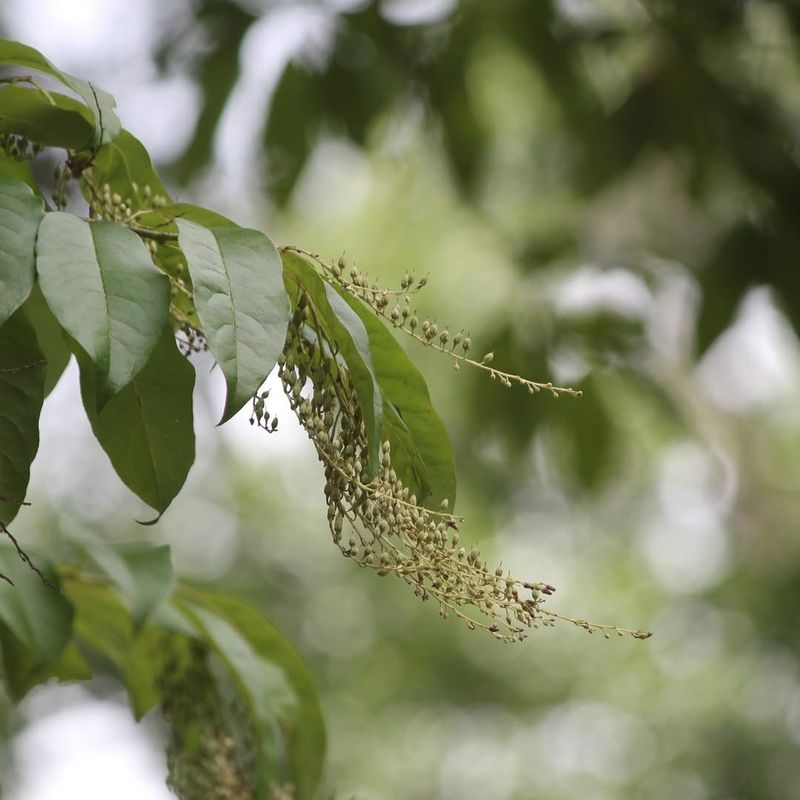
NC State describes sourwood flowers as fragrant, white, urn-shaped blooms that mature on panicles in midsummer, with flowers listed as a midsummer nectar source and a pollen source. The plant’s profile also marks it as bee friendly and butterfly friendly.
That bloom timing is why beekeepers pay attention. Sourwood honey has a reputation across the southern Appalachian region for its distinctive flavor and light color.
For home gardeners, the honey story matters less than the underlying fact: bees work those flowers heavily when they are available.
The flower clusters hang where insects can move from bloom to bloom efficiently. A single tree may not feed an entire neighborhood, but it can become one valuable stop in a larger pollinator route.
Sourwood does not bloom all season by itself. No responsible planting plan should pretend it does. Its strength is filling the midsummer slot in a longer sequence.
Pair it with early native bloomers such as serviceberry, red maple, blueberries, or wild plum where space allows. Follow it with late-season plants such as goldenrod, asters, mountain mint, ironweed, or blazing star.
That layered approach gives pollinators fewer empty weeks.
Sourwood is the bridge. It holds the garden open between spring abundance and fall urgency, and that makes it much more important than its quiet nursery tag suggests.
Let Fragrant Flower Panicles Hang Long
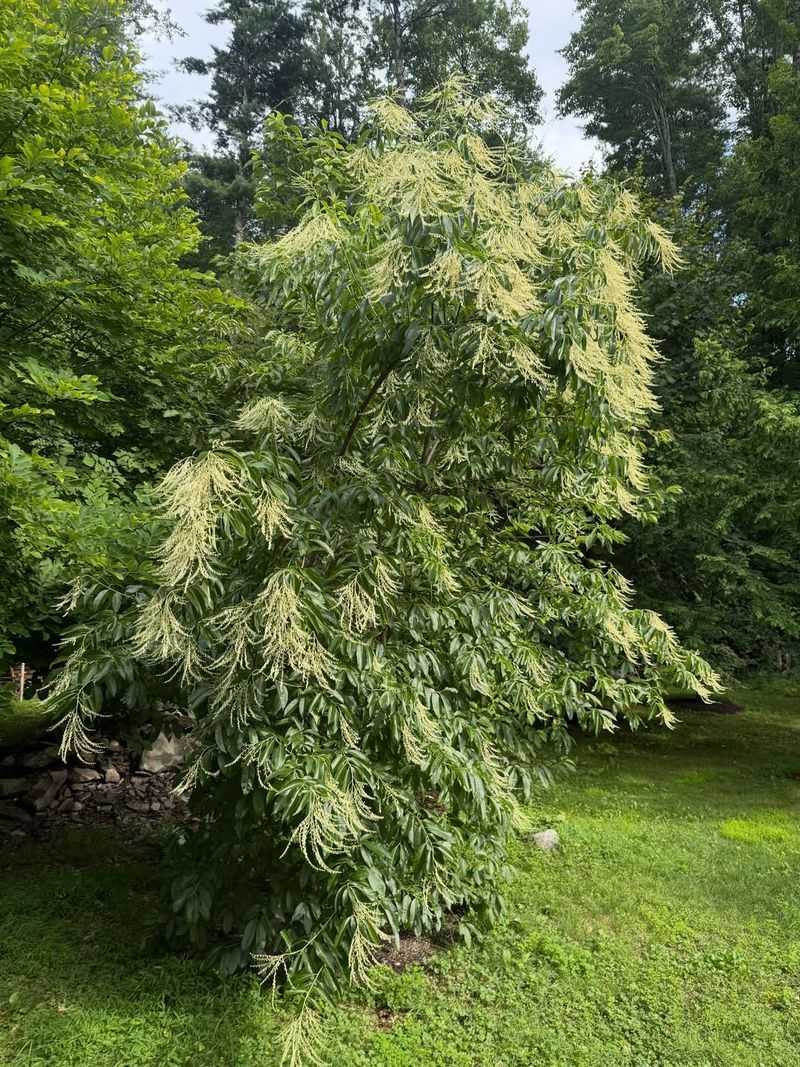
Sourwood flowers look delicate, but they do serious work.
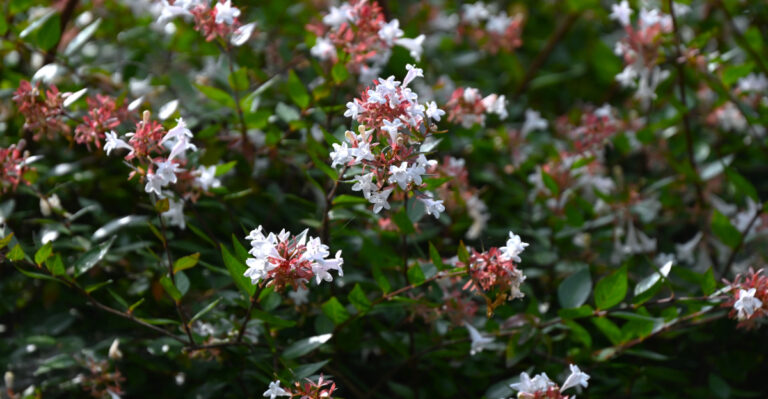
The blooms hang in graceful white chains at the tips of branches, giving the tree a soft, airy look in midsummer.
Each little flower resembles a tiny bell or urn, a shape that fits its place in the heath family. From a few steps back, the panicles look like pale tassels drifting from the new growth.
Up close, they carry a light fragrance and plenty of insect activity.
NC State describes the flowers as waxy, lily-of-the-valley-like, white, bell-shaped blooms on slender, drooping, one-sided terminal panicles that can reach 4 to 8 inches long. The flowers bloom from June to July and have a slight fragrance.
That structure is part of the tree’s charm. The flower clusters do not sit like a flat display. They hang and curve, giving motion to the canopy even on a still summer day.
Leave them alone while they bloom. Cutting panicles for tidiness removes nectar and pollen at the exact time bees are using them.
Heavy pruning before bloom can also reduce the display, since flowers develop on current season growth near branch tips.
Sourwood usually looks best with very little shaping. Its branches develop a naturally graceful, slightly irregular form that suits woodland edges, pollinator gardens, and mixed native plantings.
If pruning is truly needed, keep it light. Remove damaged, crossing, or awkward branches rather than trying to force the tree into a rigid shape. A sourwood trimmed too hard loses some of the elegance that made it worth planting.
After bloom, spent flower structures can mature into seed capsules that add subtle winter interest. They are not flashy like berries, but they keep the tree from looking blank after the leaves drop.
The best move is simple. Let the panicles hang, let the pollinators work, and let the tree keep its shape.
Use Its Narrow Crown In Smaller Yards
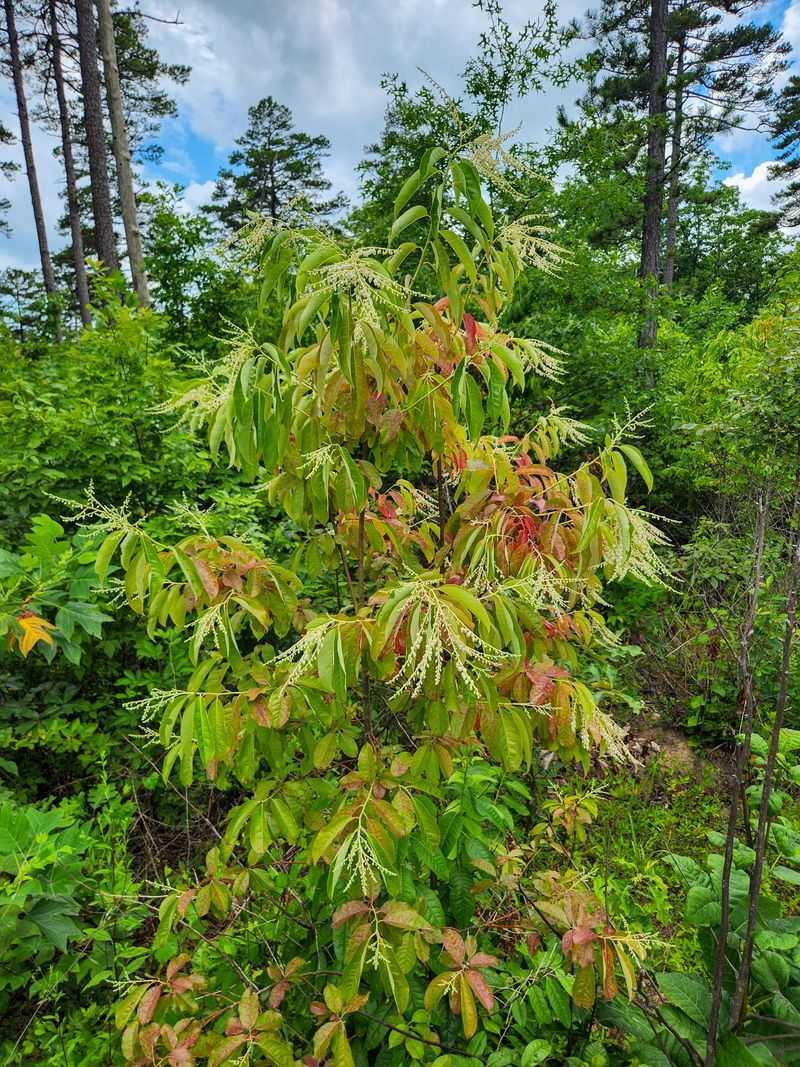
Small yards need trees that understand boundaries.
Sourwood is useful because it gives height, flowers, fall color, and wildlife value without becoming a massive canopy tree.
That makes it especially appealing for North Carolina homeowners with patios, side yards, sloped lots, small lawns, or mixed borders where a giant shade tree would be too much.
NC State lists sourwood’s usual landscape dimensions at 20 to 30 feet tall and 10 to 15 feet wide, with an oval, pyramidal, or rounded habit and a slow growth rate.
It is also recommended as an understory tree, specimen, small-group planting, and native or pollinator garden tree.
That slow pace can test impatient gardeners, but it is also a gift. The tree is less likely to outgrow its place suddenly or demand constant correction. It settles into the landscape gradually.
Use sourwood as a small specimen near a seating area, at the edge of a woodland bed, or in a layered pollinator border. It can also work in small groups where space allows, creating a light canopy rather than dense shade.
Give it enough room anyway. Narrow does not mean tiny. Plant it away from walls, rooflines, underground utilities, and tight foundation beds. Avoid placing it directly beneath power lines, since mature height can still create conflicts later.
The shade underneath is usually light enough for compatible native groundcovers and perennials. Foamflower, woodland phlox, sedges, or ferns may fit nearby if soil and moisture match.
Sourwood’s crown also helps with design. It brings vertical structure without casting the kind of deep shade that shuts down everything below.
That makes it ideal for homeowners who want a tree that feels substantial but not overwhelming.
In a smaller yard, sourwood does not need to dominate. It can quietly anchor the whole planting.
Match It With Acidic Draining Soil
Sourwood is not fussy about attention, but it is particular about soil.
Respect that, and the tree has a much better chance of becoming the pollinator anchor you wanted. Ignore it, and the same tree may sit there looking thin, stressed, and quietly resentful for years.
NC State says sourwood prefers acidic, peaty, moist, well-drained soils in full sun to partial shade. The Plant Toolbox lists acidic soil, good drainage, moist conditions, and occasionally dry soil under its cultural conditions.
It also notes that the tree is tolerant of shade and dry soils, but not well suited to pollution and urban conditions.
That gives homeowners a clear site checklist.
Acidic soil is important. Much of the North Carolina Piedmont, foothills, and mountains can suit sourwood naturally, especially where native woodland soils have not been heavily altered.
Yards with alkaline conditions, compacted fill, or constant runoff from concrete may be less friendly.
Drainage matters just as much. Sourwood does not want a root zone that stays soggy. Avoid low spots where water sits after storms, especially in heavy clay.
Before planting, get a soil test through your county Extension office if you are unsure. It can tell you pH, nutrient levels, and amendment needs before the tree is already struggling.
Mulch with pine bark, pine straw, or leaf mulch to moderate soil temperature and conserve moisture. Keep mulch a few inches away from the trunk so bark can breathe.
Do not add lime unless a soil test specifically calls for it for surrounding plants. Lime can push soil in the wrong direction for sourwood.
This tree rewards gardeners who plant for its preferences from day one. The right soil is not a small detail. It is the foundation for flowers, fall color, and long-term health.
Give Young Trees A Permanent Home
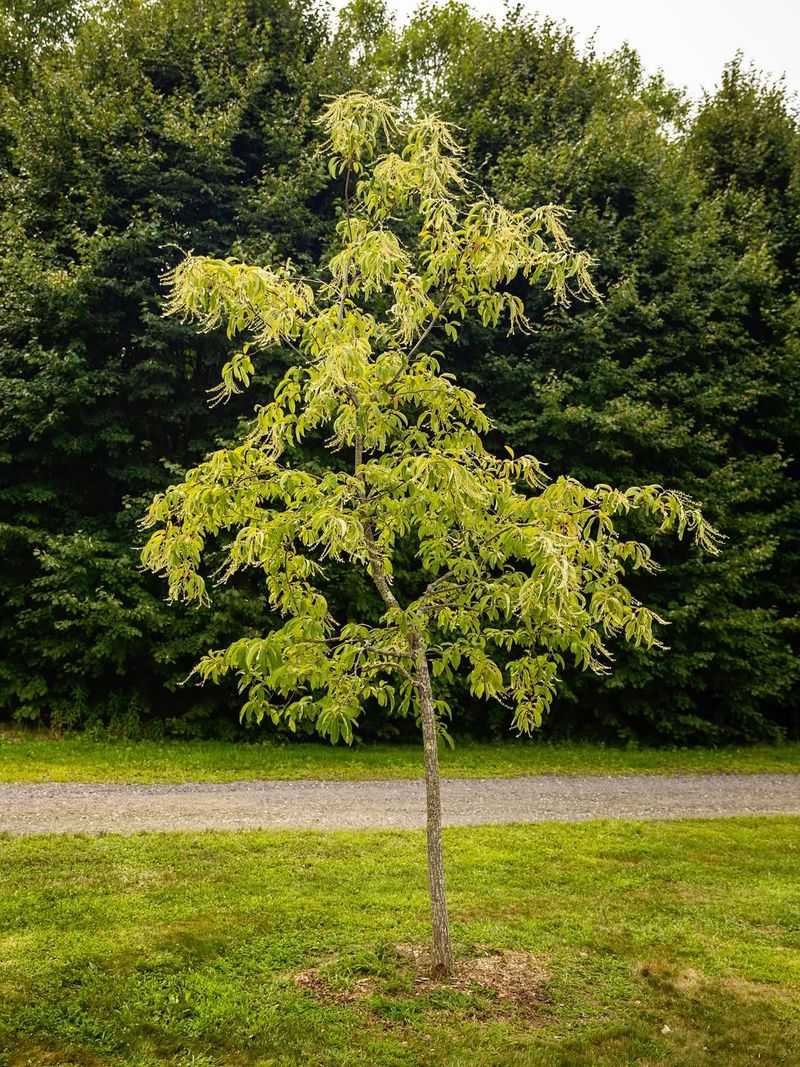
Sourwood is not the tree to plant casually and move later.
NC State is direct about this plant’s dislike of transplanting, noting that sourwood does not like to be transplanted and should only be moved when young.
That warning deserves attention because homeowners often underestimate how stressful relocation can be for trees with sensitive root systems.
Choose the site carefully before planting.
Look for acidic, well-drained soil, enough overhead room, and light that matches your climate. Full sun can produce stronger flowering and fall color, but partial shade may help young trees cope in hotter Piedmont yards, especially during the first few summers.
Do not plant sourwood in compacted soil beside a driveway and expect forest-edge grace. It may tolerate some dry soil once established, but young roots need a fair start.
Container-grown nursery trees are often easier for homeowners to handle than larger field-dug specimens. Smaller plants can also establish with less shock, even if they require more patience at first.
Plant at the right depth. The root flare should sit at or slightly above the surrounding soil line. Burying it too deeply can cause long-term decline that may not show up immediately.
Water deeply after planting, then keep the root zone consistently moist through the first two growing seasons. Moist does not mean waterlogged. Check the soil before watering instead of following a blind schedule.
Stake only if the tree truly needs support, and remove stakes once it can stand on its own. Too much rigid support can prevent the trunk from strengthening naturally.
Once sourwood settles in, it usually asks for far less. The early care is the investment.
Give it the right home once, and you may not have to fuss with it much again.