These Are The North Carolina Native Plants That Actually Improve Your Soil Every Year
Here is something most North Carolina gardeners do not think about nearly enough: what is actually happening under their feet.
All the real magic, the nitrogen fixing, the erosion holding, the slow steady soil rebuilding, is going on underground where nobody can see it.
And honestly, North Carolina soil can be a tough crowd. Piedmont clay that feels like concrete in July, sandy coastal plain that drains faster than you can water it, slopes that wash out every time it rains hard.
Sound familiar? Native plants are genuinely some of the best tools available for tackling those challenges naturally over time.
Some fix nitrogen straight into the soil, others grip slopes like they were born for it, which, to be fair, they absolutely were. Choosing the right one for the right spot makes all the difference.
1. False Indigo Works Quietly Below The Surface
Some of the most useful work in a native garden happens where you cannot see it.
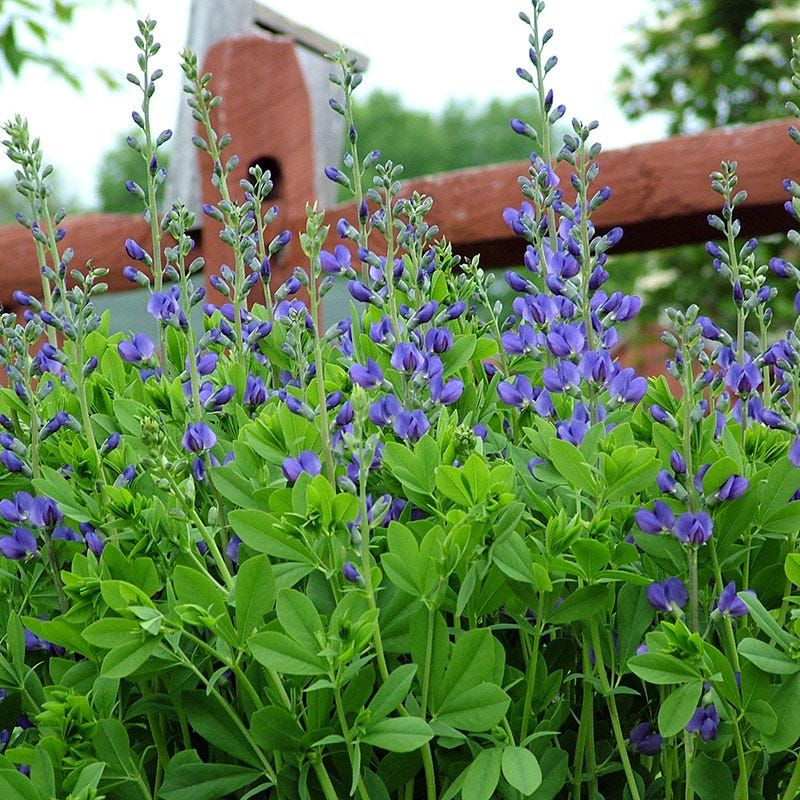
False indigo, known botanically as Baptisia australis, is a deep-rooted native perennial that belongs to the legume family, which means it has the ability to fix atmospheric nitrogen into the soil through a partnership with specialized root bacteria.
In North Carolina landscapes, that is a genuinely useful trait, especially on sites where the soil has been stripped, compacted, or left low in organic matter after construction or land disturbance.
False indigo grows slowly in its first couple of seasons, but once established, it develops an impressive root system that can reach several feet deep. Those roots help break up compacted soil layers while also contributing nitrogen over time.
The plant tends to perform well in full sun and tolerates dry, poor soils, which makes it a practical fit for challenging spots in North Carolina yards and native plantings.
Gardeners should keep in mind that nitrogen fixation depends on the right soil bacteria being present, and results can vary based on soil type, drainage, and site history. On very disturbed or sandy soils, the process may take longer to get going.
Still, false indigo is widely recognized as a soil-supporting native with long-term value. It also produces striking blue-purple flower spikes in spring and develops interesting seed pods that add structure to the garden well into fall.
For North Carolina gardeners working with poor or depleted ground, this plant earns its place in the landscape.
2. Virginia Bush-Clover Helps Poor Soil Improve
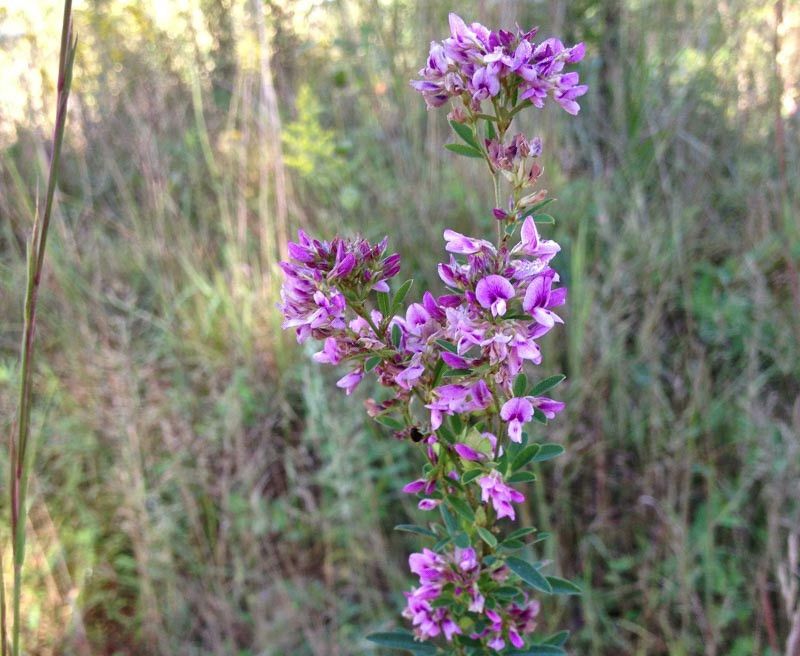
Dry, infertile soil can be genuinely discouraging for gardeners trying to establish something meaningful in a tough spot.
Virginia bush-clover, or Lespedeza virginica, is a native perennial that actually thrives in those conditions, and it does something genuinely useful while it grows.
As a member of the legume family, Virginia bush-clover forms root associations with nitrogen-fixing bacteria, which means it can gradually add nitrogen to soils that are low in fertility.
That makes it a practical choice for sites across North Carolina where improving the ground naturally is the goal.
This plant tends to grow in dry, open areas with full sun exposure, including roadsides, open woodlands, and sandy or rocky soils. It is not a showy showstopper, but it is tough and reliable in spots where other plants struggle to get started.
Your North Carolina Garden Changes Every Week. Your Plan Should Too.
Gardening in North Carolina changes quickly throughout the season. Every Friday you’ll receive a simple weekly plan showing exactly what to plant, prune, fertilize, harvest, and protect so you never miss the right timing.
The small pink-purple flowers appear in late summer and attract pollinators, which adds ecological value beyond the soil benefit. Over time, the plant also contributes organic matter to the soil as its stems and leaves break down.
One thing worth knowing is that Virginia bush-clover works best when planted in conditions that match its natural habitat. Planting it in heavy clay or poorly drained soil may limit its effectiveness and overall health.
In North Carolina, where sandy soils and dry slopes are common in certain regions, this native shrub-like perennial can be a genuinely helpful addition to a low-maintenance, soil-building planting plan.
Patience is key, since soil improvement through native plants is a gradual process.
3. Wild Lupine Supports Healthier Soil Naturally
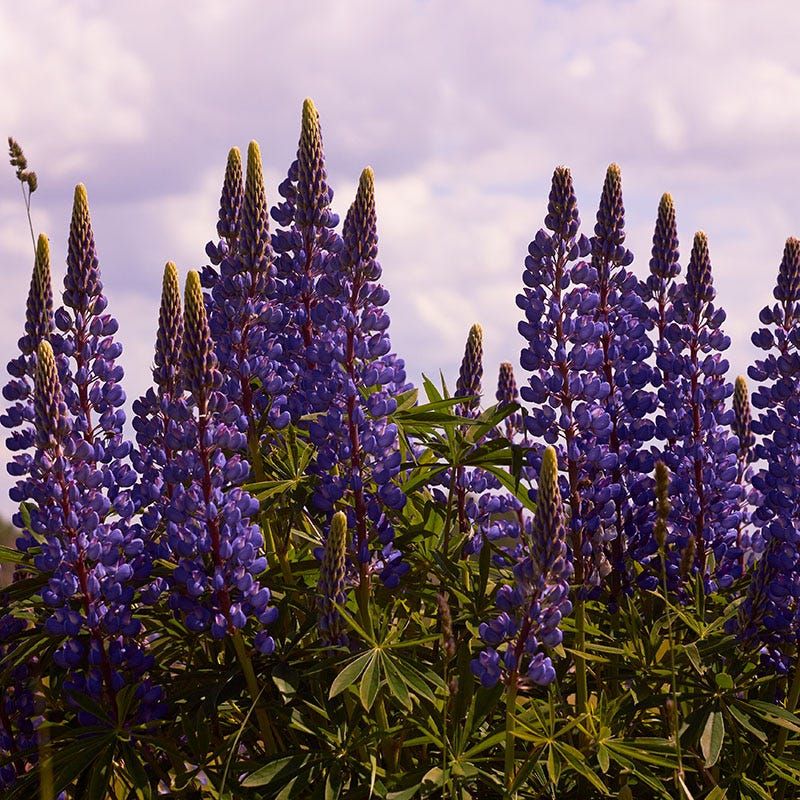
Sandy, acidic soil that drains too fast and holds few nutrients is a familiar frustration in parts of North Carolina, especially in the Sandhills and coastal plain regions.
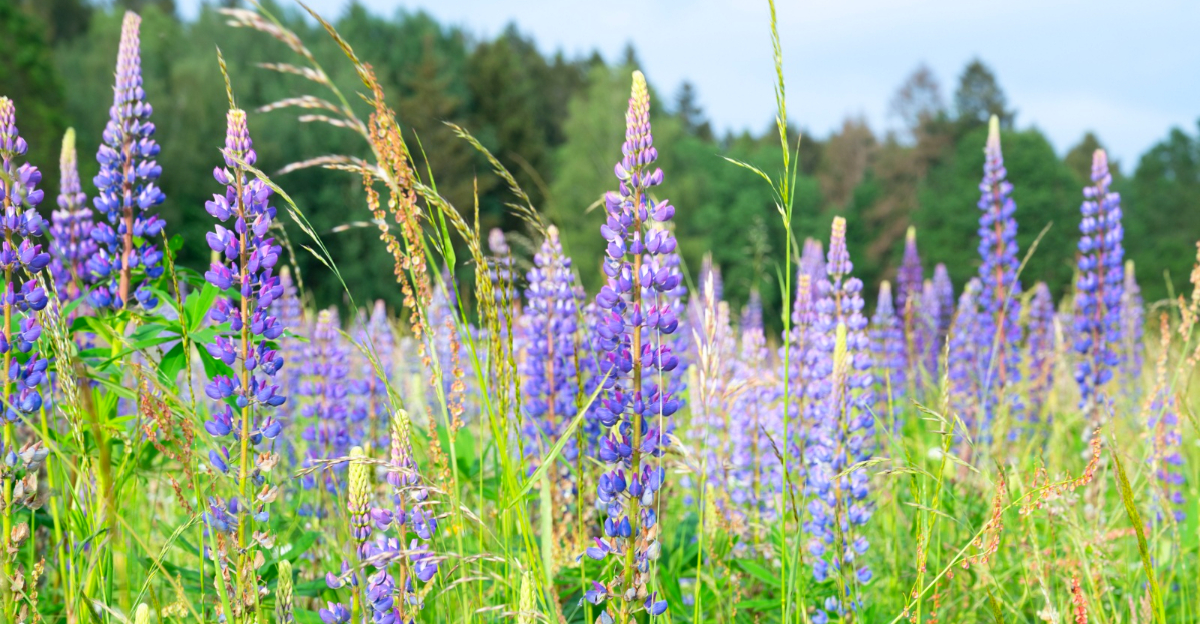
Wild lupine, Lupinus perennis, is a native perennial that has adapted to exactly those kinds of challenging conditions.
It belongs to the legume family and is capable of fixing atmospheric nitrogen through root nodule bacteria, helping to gradually build fertility in soils that would otherwise stay poor and unproductive for years.
What makes wild lupine particularly interesting is how specific it can be about its preferred growing conditions. It generally performs best in well-drained, sandy or loamy soil with full sun exposure.
It is not well suited to heavy clay or wet ground, and planting it in the wrong soil type may limit its soil-building potential.
When sited correctly in North Carolina landscapes, though, it can contribute meaningful nitrogen over time while also supporting specialist pollinators like the frosted elfin butterfly, which depends on wild lupine as a larval host plant.
The blue-purple flower spikes appear in spring and can be visually striking in a native meadow or open border planting.
Wild lupine tends to naturalize in suitable areas, gradually spreading and adding organic matter to the soil as it grows and breaks down seasonally.
For gardeners in the Sandhills or similar sandy-soil regions of North Carolina who want a native plant that works on multiple levels, wild lupine offers both ecological value and a slow but real contribution to soil health over time.
Results will vary depending on local conditions.
4. New Jersey Tea Protects Soil On Slopes
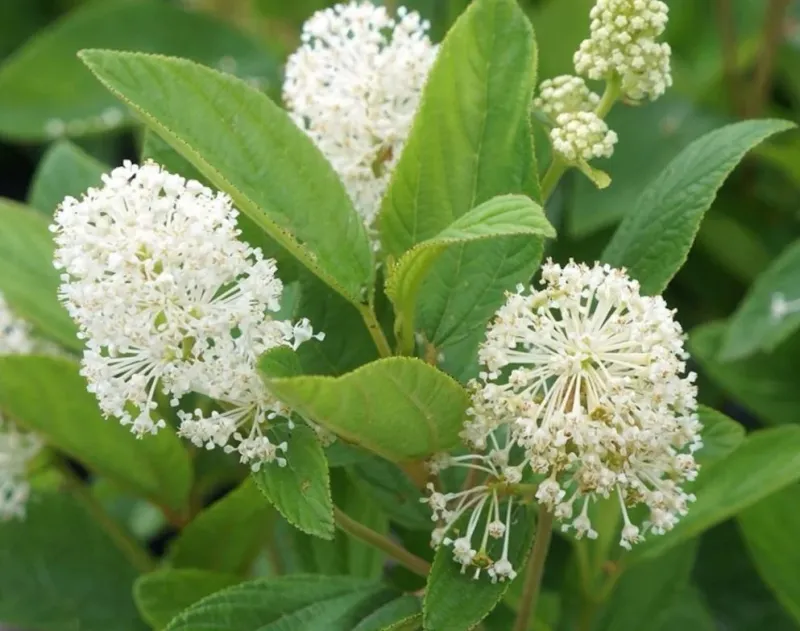
Erosion on slopes is one of the more stubborn problems that North Carolina gardeners and property owners face, particularly on sites with clay soil, thin topsoil, or disturbed ground.
New Jersey tea, Ceanothus americanus, is a low-growing native shrub that is well suited to those kinds of challenging spots.
Its deep, woody root system helps anchor soil on slopes and dry banks, reducing the movement of soil during heavy rainfall, which is a real concern across many parts of North Carolina.
Beyond its erosion-control value, New Jersey tea is also a member of the Rhamnaceae family and is known to form associations with nitrogen-fixing actinomycetes in the soil, which may contribute modest fertility benefits over time.
This is less direct than the nitrogen fixation seen in legumes, but it is still a meaningful soil-supporting trait in the context of long-term native planting.
The plant thrives in full sun to partial shade and handles dry, poor, rocky, or sandy soils with ease once established.
The clusters of small white flowers that appear in late spring and early summer attract a wide range of native bees and butterflies, making this shrub a multi-purpose choice for naturalized plantings and sunny borders in North Carolina.
It tends to stay relatively compact, reaching around two to four feet in height, which makes it manageable on slopes and edges without becoming invasive.
Gardeners dealing with erosion-prone ground who want a native option that also contributes to soil health over time may find New Jersey tea to be a practical and rewarding choice.
5. Sweet Fern Helps Tough Sites Settle In
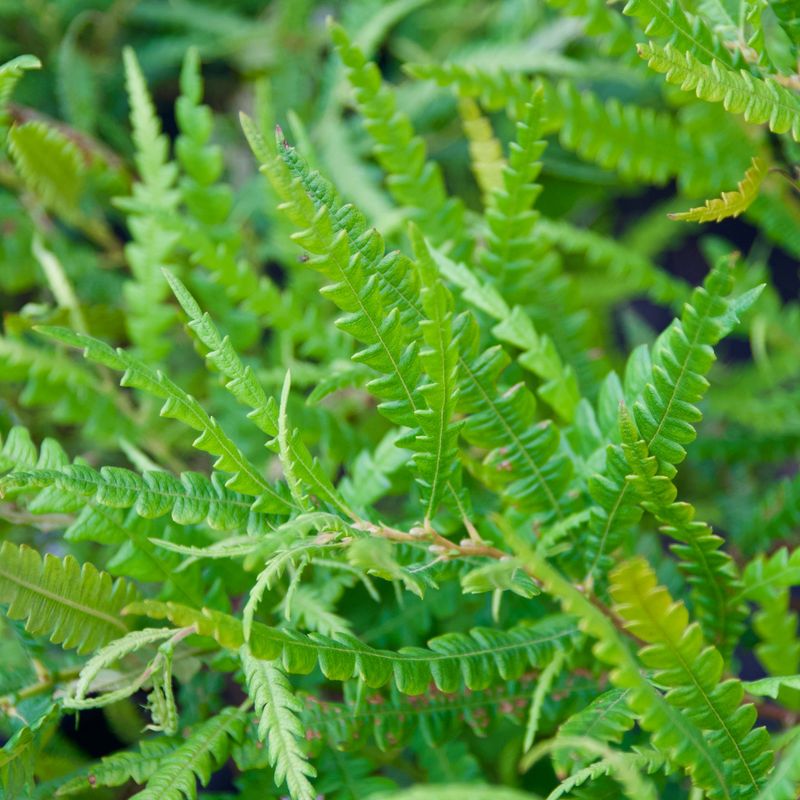
Trying to establish plants on a hot, dry, sandy slope with nearly no organic matter in the soil is a challenge that many North Carolina gardeners know well. Sweet fern, Comptonia peregrina, is a native shrub that was practically built for those kinds of difficult sites.
Despite its name, it is not a true fern at all, but rather a small woody shrub with aromatic, deeply lobed leaves that resemble fern fronds.
It spreads by underground stems and rhizomes, forming low colonies that gradually cover and stabilize bare or disturbed ground.
Sweet fern is notable among native shrubs for its ability to fix nitrogen through root associations with Frankia bacteria, a type of actinomycete.
This trait allows it to grow and persist in soils that are extremely low in nutrients, while slowly contributing nitrogen to the surrounding ground over time.
In North Carolina, it is most naturally suited to the Piedmont and mountain regions, where dry, sandy, or rocky soils and open sunny exposures are more common.
Because sweet fern spreads by rhizomes, it can eventually form a dense groundcover that helps hold soil in place on slopes and disturbed areas, reducing erosion and improving soil structure as organic matter accumulates beneath the colony.
It is not a fast fix, and results depend heavily on site conditions including drainage, sun exposure, and soil texture.
However, for North Carolina gardeners who want a native plant that contributes real long-term value to tough, low-fertility sites, sweet fern is a genuinely practical and underused option worth considering.