Why Chuckwallas Are Showing Up In More Arizona Yards This Summer
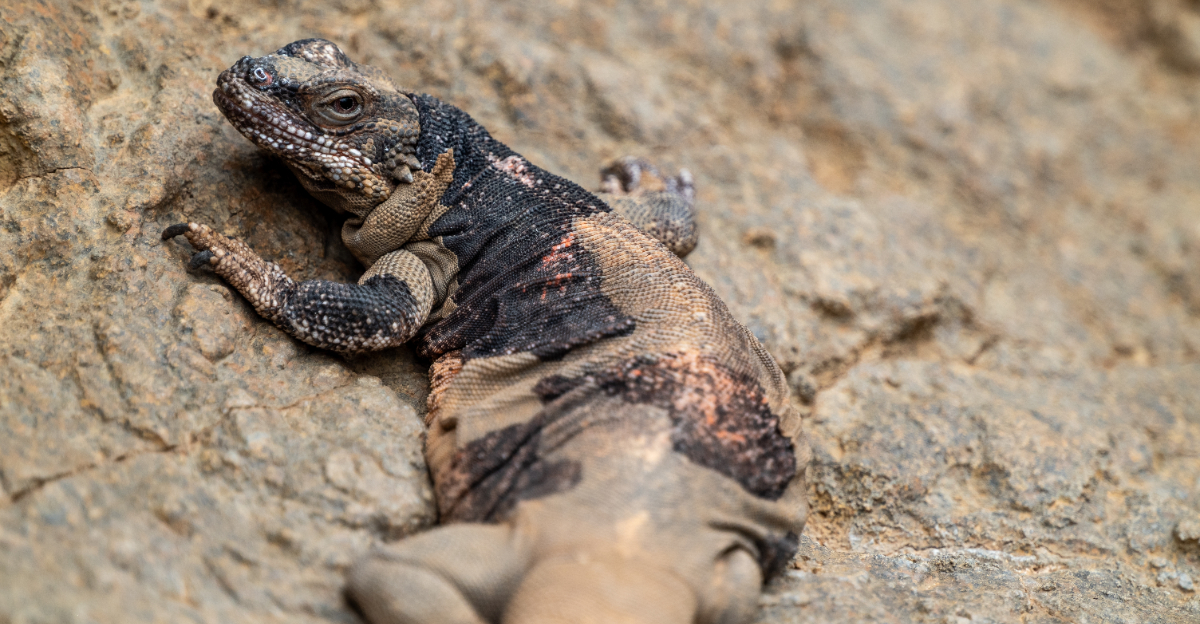
Chuckwallas spend much of their lives avoiding attention. That is why seeing one in your yard can feel so unexpected.
These large desert lizards do not wander without a reason. Something nearby has made your yard worth the trip, even if it is not obvious at first.
Summer changes the desert in ways that affect wildlife every single day. Food, shelter, and rising temperatures all influence where animals decide to spend their time.
More homeowners in Arizona are noticing chuckwallas closer to home than usual. Their appearance is often connected to changes happening all around them.
The next sighting may not be as mysterious as it seems.
Understanding what draws these remarkable lizards into residential areas can completely change the way you see those unexpected backyard visits.
1. Rocky Crevices Give Them A Safe Place To Hide
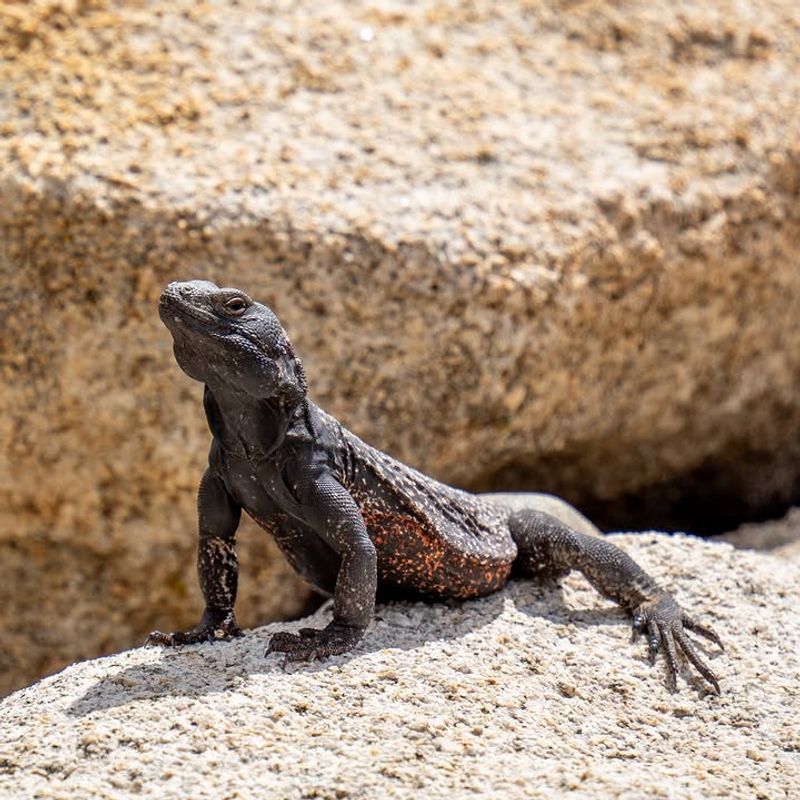
Chuckwallas are famous for one very clever trick: when threatened, they squeeze into a rock crack and puff up their bodies so nothing can pull them out.
Yards with natural stone features, decorative boulders, or rock piles accidentally create perfect hiding spots for these lizards.
Once a chuckwalla finds a gap it fits into comfortably, it tends to stick around.
Rock gardens have become popular in desert landscaping, and that trend has created a surprising side effect. More rocky hiding spots means more chuckwallas feeling safe enough to move in.
Without that sense of security, they would likely stay out in open desert areas far from homes.
Stacked flagstone, retaining walls with gaps, and loose boulders all work as natural shelters. Chuckwallas are not aggressive animals.
They prefer retreating into a crevice over any kind of confrontation. So if your yard has rocks with gaps, you may already be hosting one without realizing it.
Spotting one is actually a sign your yard has good natural structure. Enjoy the sighting, and resist the urge to block every gap in your stonework.
2. Native Wildflowers Provide A Seasonal Food Source
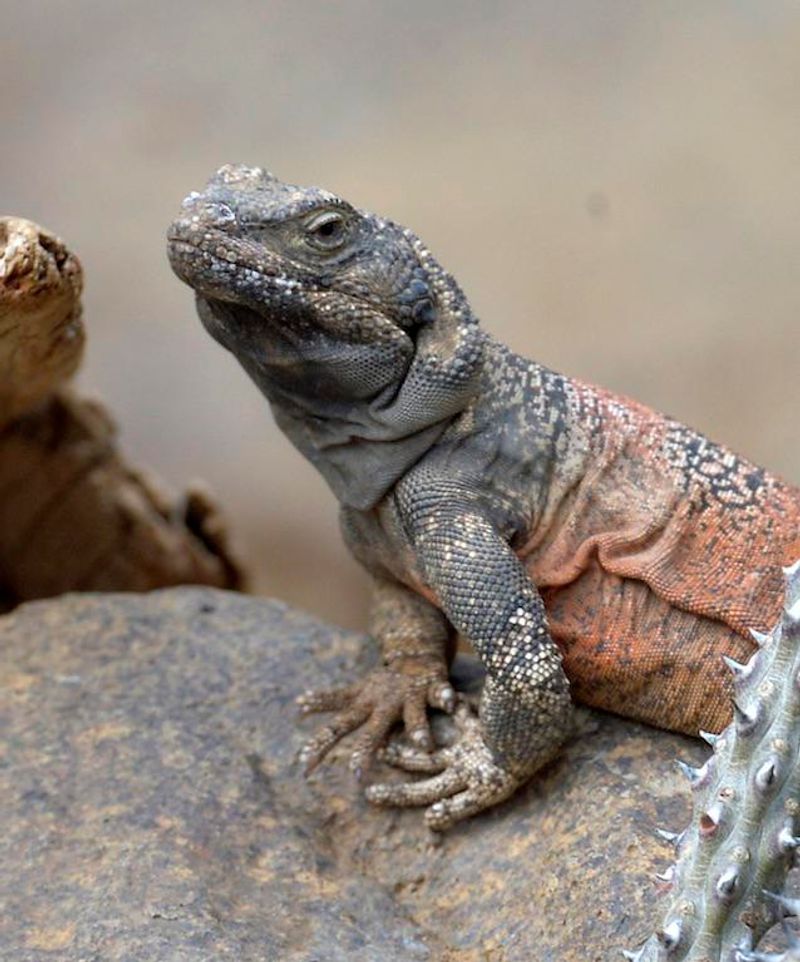
Chuckwallas are herbivores, which surprises a lot of people who assume all desert lizards eat insects. Flowers, leaves, and fruit from native plants make up most of their diet.
When yards are planted with native wildflowers, these lizards have a real reason to show up and stay awhile.
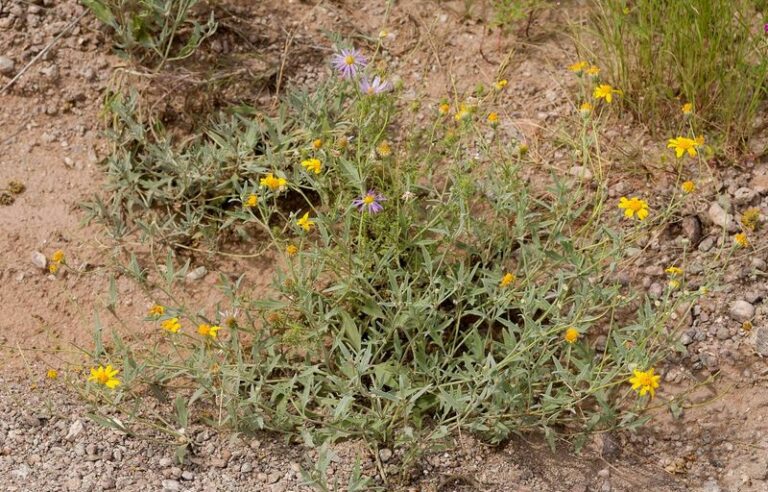
Spring and early summer bring blooms from plants like desert marigold, brittlebush, and globe mallow. All of these are common in native landscaping across the region.
Chuckwallas actively seek out flower blossoms, which are high in moisture and nutrients during the driest months of the year.
Yards that skip grass in favor of native plantings have become more common across the Southwest. That shift has quietly turned many residential spaces into usable foraging ground for chuckwallas.
You may notice them moving slowly through a flower bed, nibbling at petals or fresh growth near the base of plants.
If you want to attract these lizards naturally, native plants are the most practical route. Non-native ornamentals are usually not appealing to them.
Sticking with plants that belong in the local desert ecosystem tends to bring in more native wildlife overall, and chuckwallas are just one example of what may follow.
Your Arizona Garden Changes Every Week. Your Plan Should Too.
Gardening in Arizona changes quickly throughout the season. Every Friday you’ll receive a simple weekly plan showing exactly what to plant, prune, fertilize, harvest, and protect so you never miss the right timing.
3. Warm Temperatures Increase Daily Activity
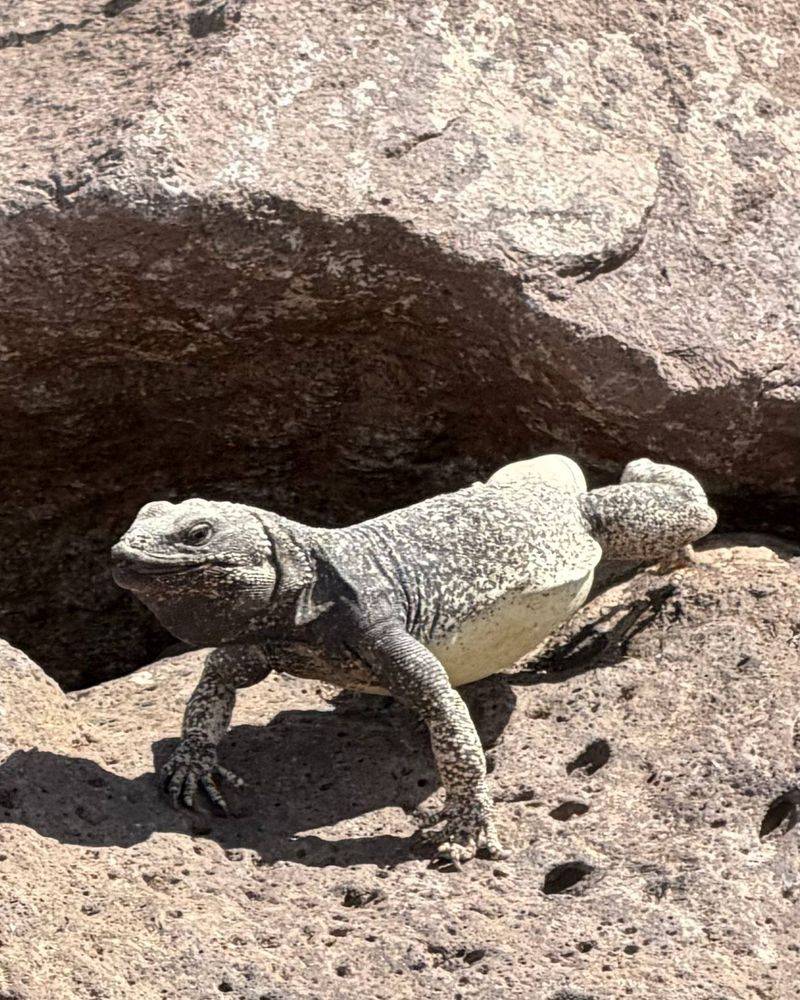
Heat wakes chuckwallas up. As temperatures climb through late spring and into summer, these lizards shift into their most active period of the year.
More activity means more movement, and that movement sometimes carries them right into residential neighborhoods.
On a warm morning, a chuckwalla may cover more ground than people expect. They are not slow, lazy animals when conditions suit them.
Warm pavement, sun-baked soil, and heated rock surfaces all help them stay at the body temperature they need to function well.
Summer in the desert Southwest pushes temperatures high enough to keep chuckwallas moving during the early hours of the day. They tend to be most active in the morning before midday heat becomes too intense even for them.
Spotting one in your yard between sunrise and mid-morning is pretty common during peak summer months.
Cooler seasons slow them down considerably, and they brumate during winter months. Summer is essentially their prime time.
Higher temperatures do not just make them more visible, they push chuckwallas to explore wider areas in search of food and mates.
Yards that sit near desert edges or open lots tend to see more of this seasonal activity than those deep inside dense suburban blocks.
4. Sunny Rocks Help Regulate Body Temperature
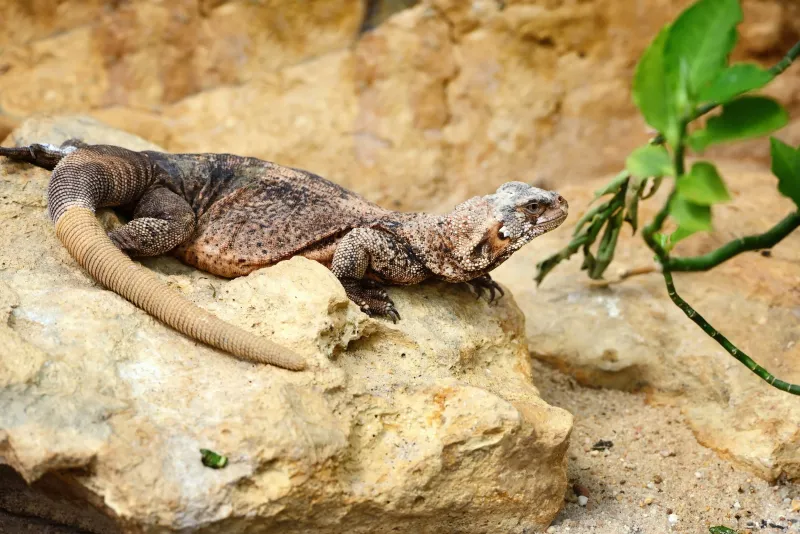
Chuckwallas cannot generate their own body heat internally. They depend entirely on the environment around them to warm up and cool down.
Flat, sun-exposed rocks are basically their version of a heating pad, and yards with stone features offer exactly that.
A chuckwalla will position itself on a rock surface at an angle that captures maximum sunlight. Once it reaches its preferred body temperature, it becomes noticeably more alert and quick.
Without that warmth, it moves sluggishly and tends to stay hidden in shaded crevices.
Decorative boulders, concrete block walls, flagstone patios, and even paved driveways all absorb and hold heat well. Chuckwallas have likely figured out that human-built structures can serve the same purpose as natural desert rock formations.
A south-facing wall in the morning sun is a prime basking spot from their perspective.
Watching one bask is genuinely interesting. They flatten their bodies wide to expose more surface area to the sun, which is a specific behavioral adaptation for warming up faster.
If you see a chuckwalla spread flat on a rock in your yard, it is not injured or unwell. It is just doing what it needs to do to get its day started.
Give it space and enjoy the show.
5. Stone Walls Make It Easier To Move Between Yards
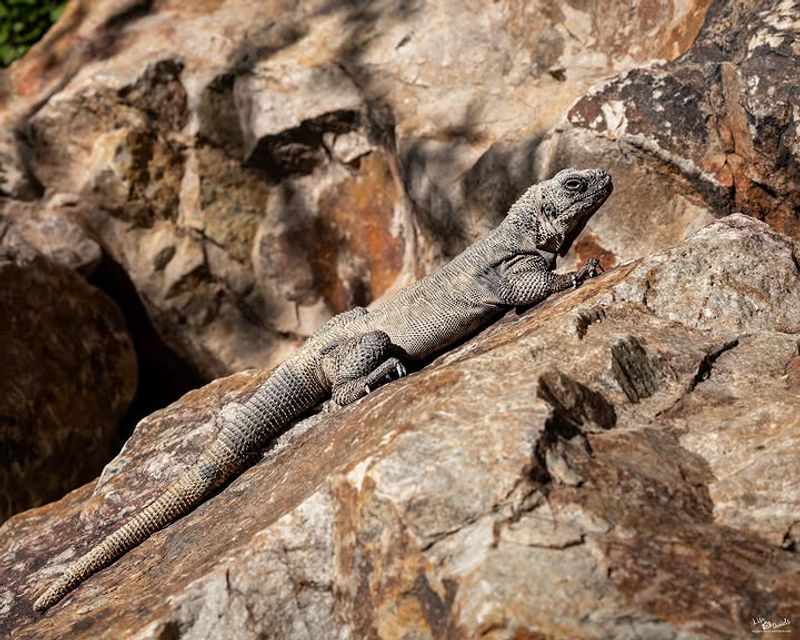
Backyard stone walls are everywhere in desert neighborhoods, and chuckwallas use them as travel corridors. A wall with gaps, rough texture, or stacked stones gives these lizards easy footholds and natural cover as they move from one yard to the next.
It is not random wandering. They follow the structures that make movement feel safe.
Smooth block walls are harder for them to navigate, but dry-stacked stone, river rock borders, and natural boulder arrangements offer ideal climbing surfaces.
Once a chuckwalla figures out a route through a neighborhood, it may use that same path repeatedly over a season.
Neighbors sometimes notice the same lizard showing up in multiple yards along a shared wall line.
That pattern makes sense given how these animals use physical structures for navigation and shelter. Walls reduce their exposure to open ground, where they feel more vulnerable.
Stone landscaping has become a common choice in water-conscious desert yards. That design trend has an unintended benefit for local wildlife.
Chuckwallas, along with other native lizard species, benefit from the connected stone features that now line many residential properties across the region.
If you share a stone wall with a neighbor and spot a chuckwalla nearby, there is a good chance it is traveling a regular route through your block.
6. Nearby Desert Habitat Brings Them Closer To Homes
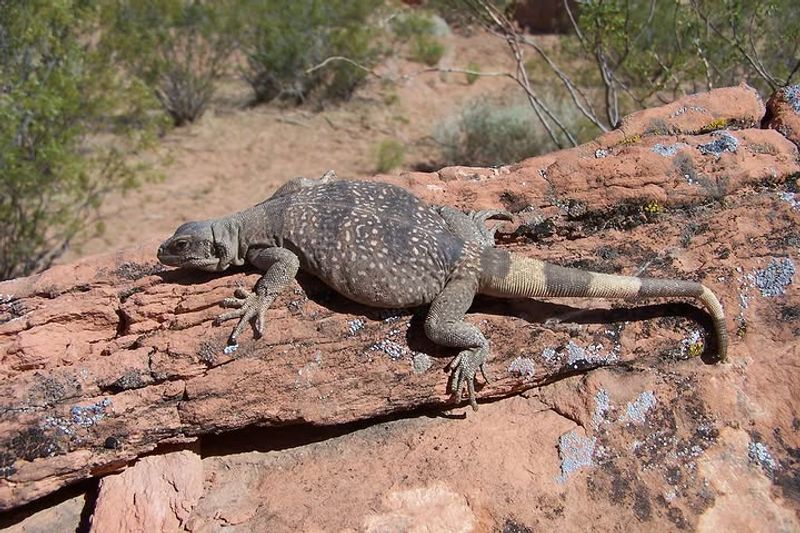
Neighborhoods built near open desert or natural washes sit right on the edge of chuckwalla habitat. When homes are close to undisturbed land, wildlife crossovers happen more often.
Chuckwallas do not need much encouragement to wander a short distance from their natural range into a yard that offers food and shelter.
Desert washes, rocky hillsides, and undeveloped lots all act as staging areas.
Chuckwallas live in these spaces year-round, and the boundary between wild land and residential property is not always obvious to them. A gap in a fence or a low wall is enough to let them cross over.
Yards backing up to natural desert tend to see chuckwallas most often in summer when food sources in the open desert may be less abundant or when competition for territory increases.
Moving into a well-planted yard with good rock cover simply makes sense from a survival standpoint.
Homeowners in these edge neighborhoods sometimes treat chuckwalla visits as rare events, but they can actually be fairly regular depending on proximity to open land.
Leaving native plants in place near the back fence and avoiding heavy foot traffic in that area can make transitions easier for the lizards. Coexisting with them rarely requires any real effort on your part.
7. Young Chuckwallas Often Search For New Territory
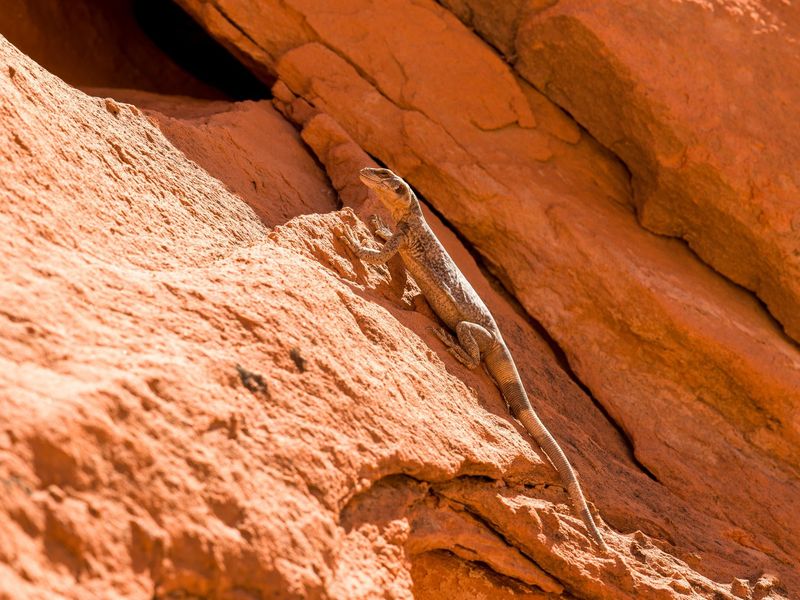
Every summer, a new batch of young chuckwallas starts exploring. Juveniles hatched in previous seasons reach a size where they can no longer share space comfortably with dominant adults.
That pressure pushes them outward, and sometimes that outward path leads straight into a backyard.
Young chuckwallas look noticeably different from adults. They often have banded patterns across their bodies that fade as they age.
Seeing a smaller, striped lizard near your rock garden in summer is a strong sign that a juvenile is scouting for a new home range.
Juveniles are bolder than you might expect. Without an established territory, they have less to lose by venturing into unfamiliar spaces.
A yard with rock cover, native plants, and warm sun exposure checks every box they are looking for in a new location.
Once a young chuckwalla settles somewhere with enough food and shelter, it tends to stay through the season. Over time, it may become a regular presence in your yard.
Residential areas near open desert in Arizona offer enough resources that some juveniles successfully establish themselves in neighborhoods and remain for multiple seasons.
Leaving rocky features undisturbed and planting native species gives them a real shot at finding what they need without wandering too far from suitable habitat.