The Most Underrated Spring Bulb Michigan Deer and Rabbits Refuse to Eat
A rabbit can mow a fresh tulip down to a stub in one night, and it often comes back for the leaves the next evening. I learned that the hard way after planting fifty bulbs one October.
Here’s something you might not expect.
One of the toughest critter-resistant spring flowers stands barely six inches tall. It comes from rocky mountain meadows in the Caucasus, and it shrugs off cold that would make a tulip sulk.
I know how frustrating it can be when your fall work turns into a spring snack bar. Michigan gardeners deal with hungry deer and bold cottontails in nearly every corner of the state. Fences help, sprays fade, and patience runs thin.
So what if the answer was a tiny bulb most garden centers tuck into the bottom bin? The flowers look like they were painted with a fine blue brush. Once you notice them, you may wonder why everyone else missed them.
1. That Tiny Striped Star Flower Deserves Your Attention
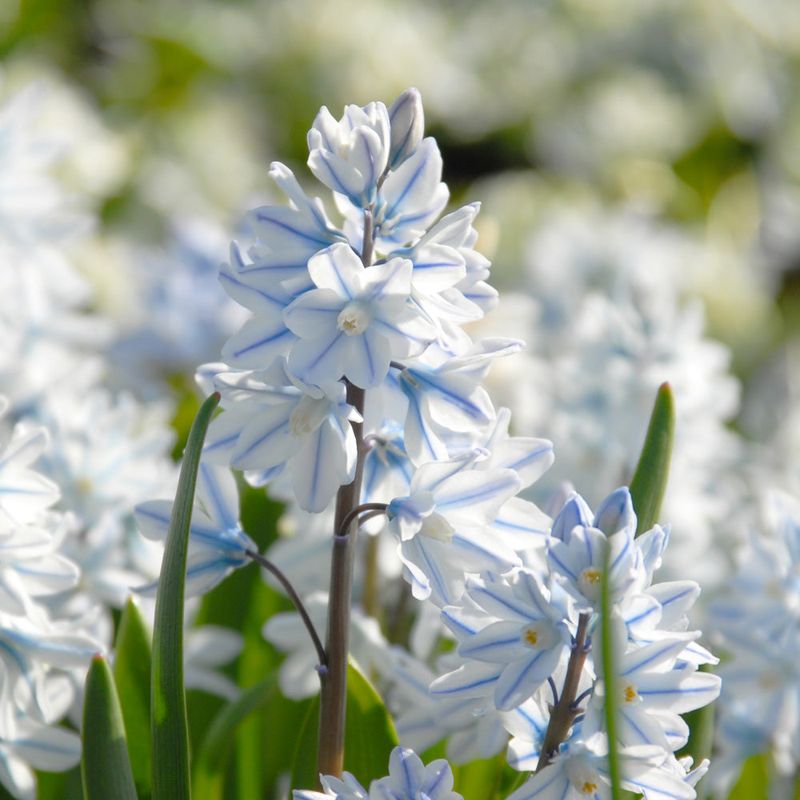
Meet the bulb I wish someone had handed me twenty years ago. Puschkinia scilloides, better known as striped squill, is a small spring bloomer that most shoppers walk right past. It deserves far more credit than it gets.
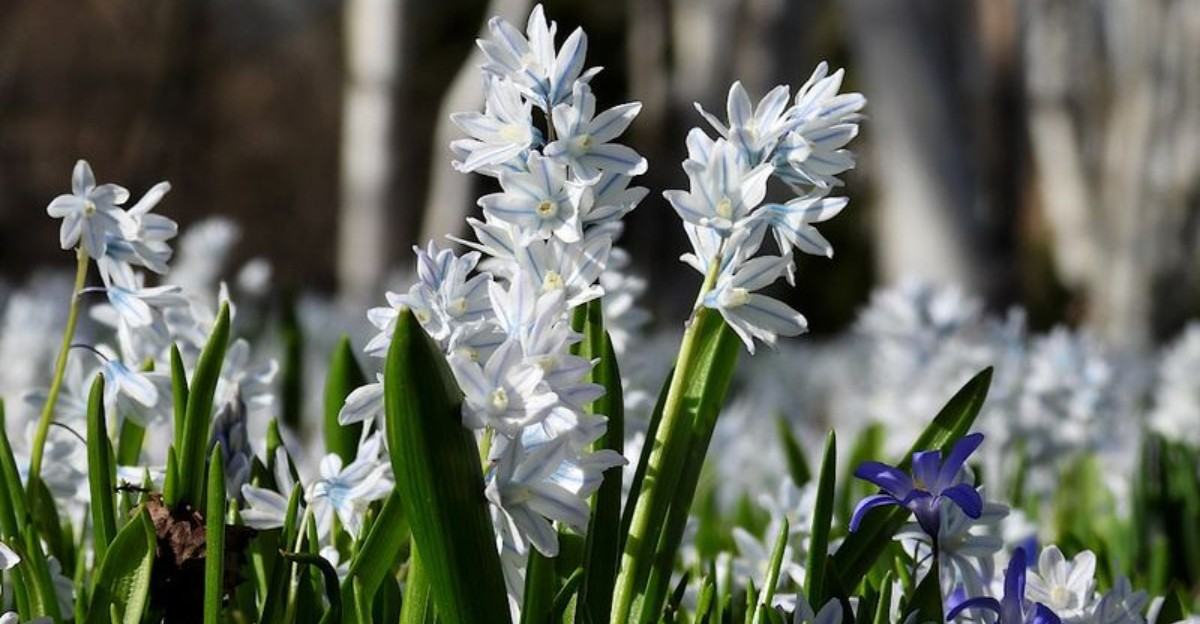
Each stem carries a little cluster of star-shaped flowers. The petals are pale icy blue, nearly white, and every one has a darker blue stripe running down the middle. Up close, they look hand-painted.
The plant comes from the Caucasus, Turkey, and nearby parts of the Middle East. Those regions have cold winters and quick springs, which explains why it handles our climate so well.
It is hardy in USDA Zones 3 to 8, and Michigan sits mostly in Zones 4 through 6. So why is it underrated? Part of the reason is size. It grows only 4 to 6 inches tall, so it gets ignored next to big tulips and daffodils.
Price is another factor. Striped squill is usually cheap, sold in bags of dozens, and that can make it seem ordinary.
In reality, it delivers early color, spreads politely, and stays off the menu for most deer and rabbits. That combination is rare in the bulb world.
2. Hungry Deer and Rabbits Usually Skip Striped Squill
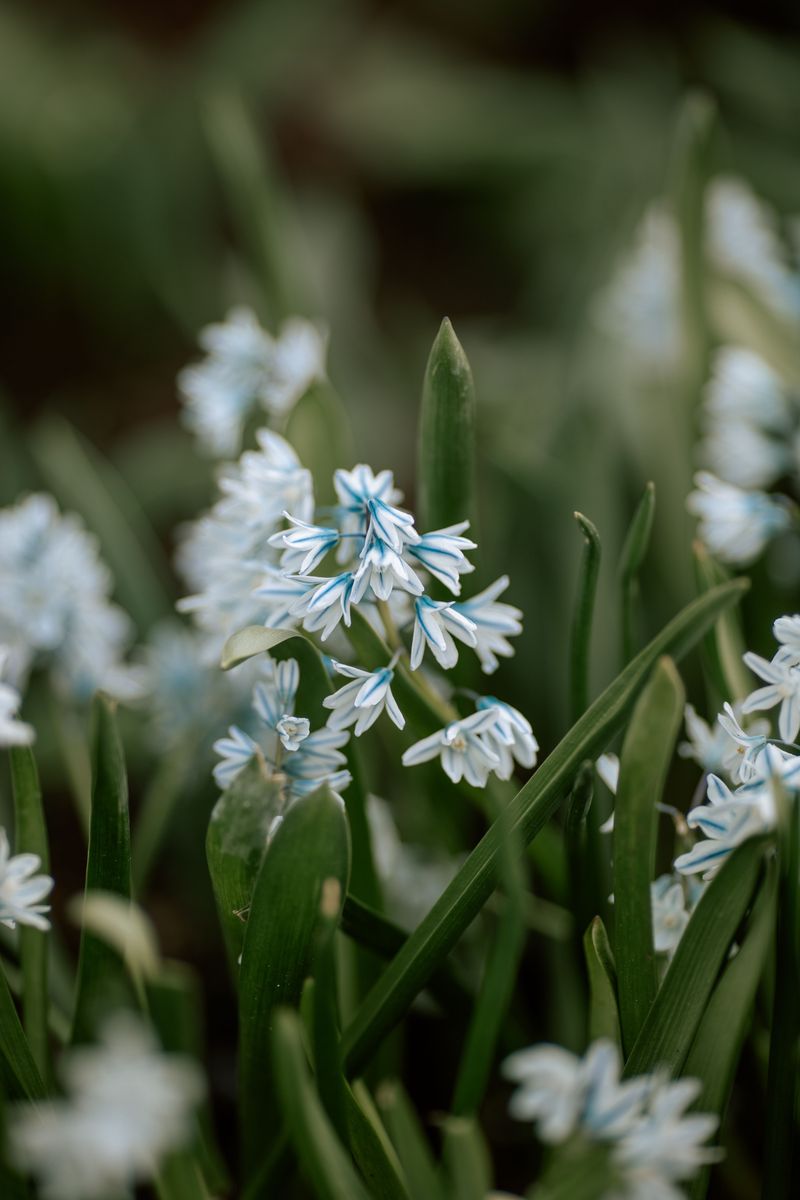
Tulips are basically candy to a white-tailed deer. Crocus bulbs vanish into squirrel cheeks, and rabbits nibble young leaves like salad. Striped squill tends to get a pass.
Bulb suppliers and extension resources consistently list Puschkinia as deer and rabbit resistant. Like its relatives in the asparagus family, it is thought to contain bitter compounds that make it unappealing.
Animals take a test bite, if any, and move on. I want to be honest about one thing. Resistant does not mean animal-proof. A starving deer in a harsh March may sample nearly anything, and young animals experiment.
Still, the difference is dramatic in real gardens. In my own beds, the tulips get chewed while the squill patches nearby stay neat. Many gardeners report the same pattern year after year.
Squirrels and voles also seem less interested in the bulbs underground. That matters in Michigan, where voles tunnel under snow all winter and help themselves to tasty roots. For the best results, pair this habit with smart placement.
Plant squill near paths or the house, where animals feel less relaxed. Combining a naturally unappetizing plant with a busy location gives you two layers of protection without spraying anything.
3. Plant Those Little Squill Bulbs Before the Ground Freezes
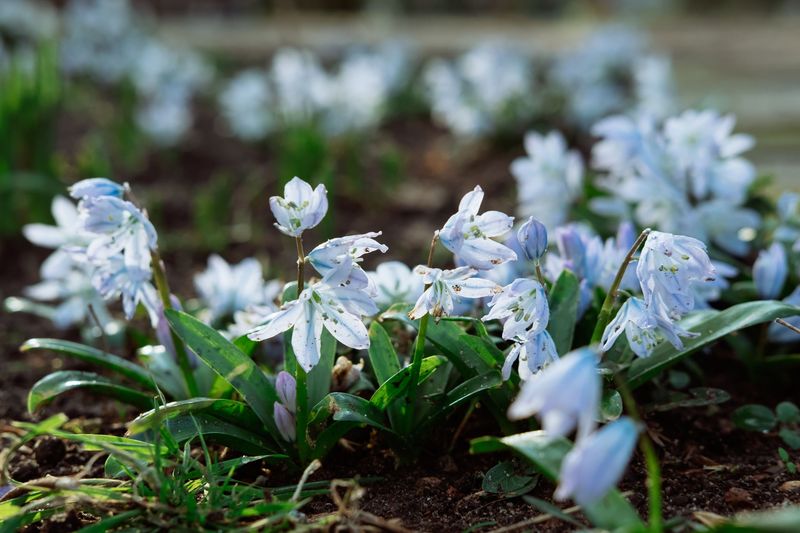
October is the sweet spot in most of Michigan. Plant striped squill bulbs in fall, ideally six to eight weeks before the soil freezes hard. That gives the roots time to settle in.
Gardeners in the Upper Peninsula and northern Lower Peninsula can start in September. Folks in the southern counties often have until early November.
Michigan State University Extension recommends planting spring bulbs once soil temperatures cool below about 60 degrees.
The bulbs are tiny, roughly the size of a marble. Set them about 3 to 4 inches deep and 2 to 4 inches apart, pointed end up. If you can’t tell the top, plant them sideways and they’ll sort it out.
Groups look far better than single rows. I like to dig a wide shallow hole and scatter 15 to 25 bulbs inside it. The result looks like a natural pool of blue in April.
Choose a spot with full sun or light shade and soil that drains well. Soggy ground can cause bulbs to rot over winter. If you have heavy clay, mix in compost to loosen it. Water once after planting, then let fall rain and snow handle the rest.
4. Watch Squill Drifts Spread Under Your Shade Trees
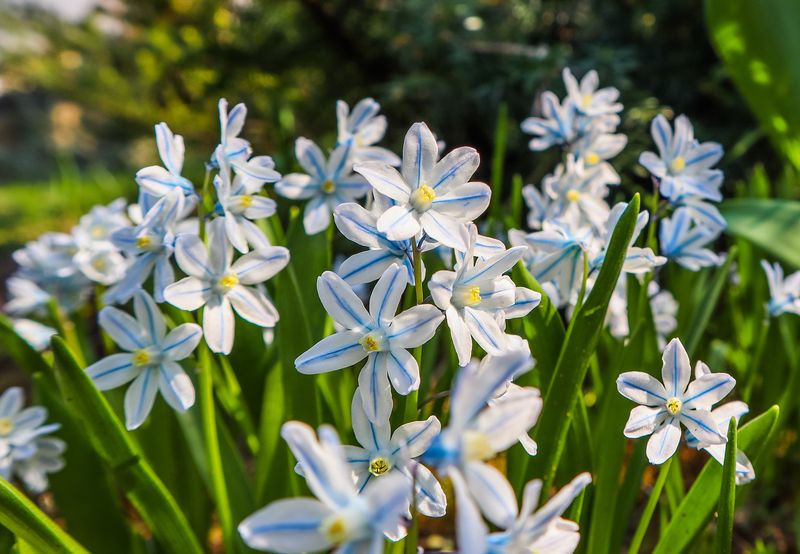
A few dozen bulbs can grow into a soft blue carpet in just a few seasons. That slow, steady spread is one of my favorite surprises with striped squill.
Puschkinia multiplies two ways. The bulbs form small offsets underground, and the flowers drop seeds that sprout nearby. Seedlings usually bloom after a few years.
The spread is gentle, not aggressive. Unlike Siberian squill, which shows up on some invasive watch lists in parts of the Midwest, striped squill stays fairly well-behaved in home gardens.
Deciduous trees make perfect partners. The bulbs bloom in early spring while branches are still bare and sunlight reaches the ground. By the time leaves fill in, the squill has finished its job.
Rock gardens, lawn edges, and the front of borders work well too. Some gardeners even tuck bulbs into the lawn. Just wait until the foliage yellows before mowing those spots.
For a woodsy look, toss a handful of bulbs and plant them where they land. Straight lines look stiff with such a small flower. Loose, uneven clusters copy the way plants grow in the wild, and the drifts will fill in gaps over time.
5. Early Bees Love Those Pale Blue Squill Blossoms
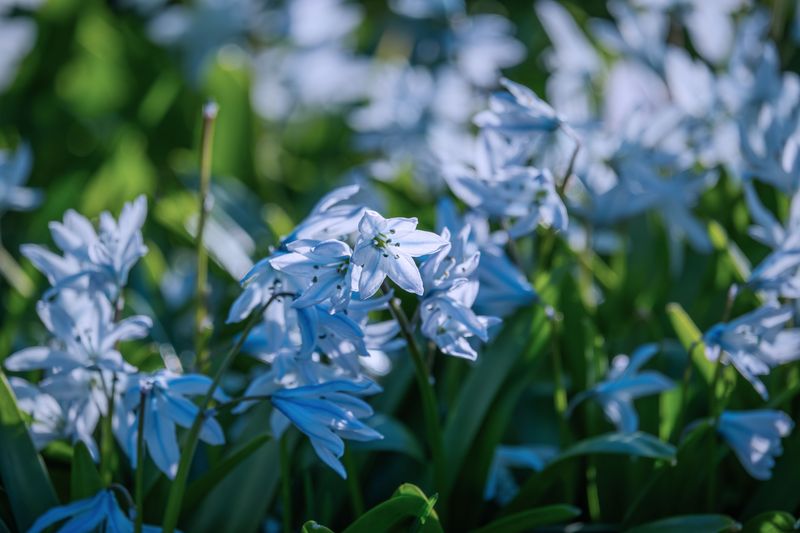
On the first warm afternoon in April, I like to crouch beside my squill patch and listen. More often than not, there’s a soft buzz coming from those little blue stars.
Early spring is a hungry time for pollinators. Queen bumblebees wake from winter and need fast food to start new colonies. Honeybees and small native bees are out searching too.
Striped squill offers pollen and nectar when very little else is open. Its blooms usually show up in late March or April in Michigan, depending on your region and the weather. Southern gardens often see flowers a couple of weeks before northern ones.
Planting it near other early bloomers makes the buffet even better. Native options like Virginia bluebells, spring beauty, and wild columbine help carry pollinators into late spring. Mixing natives with well-behaved bulbs supports more insects over a longer season.
A fun detail for curious gardeners: the plant’s name honors Count Apollos Apollosovich Mussin-Pushkin, a Russian chemist who collected plants in the Caucasus in the early 1800s. It’s quite a grand name for such a petite flower.
Avoid spraying insecticides near blooming bulbs. Those early visitors are doing important work.
6. Squill Foliage Fades Fast So Your Beds Stay Tidy
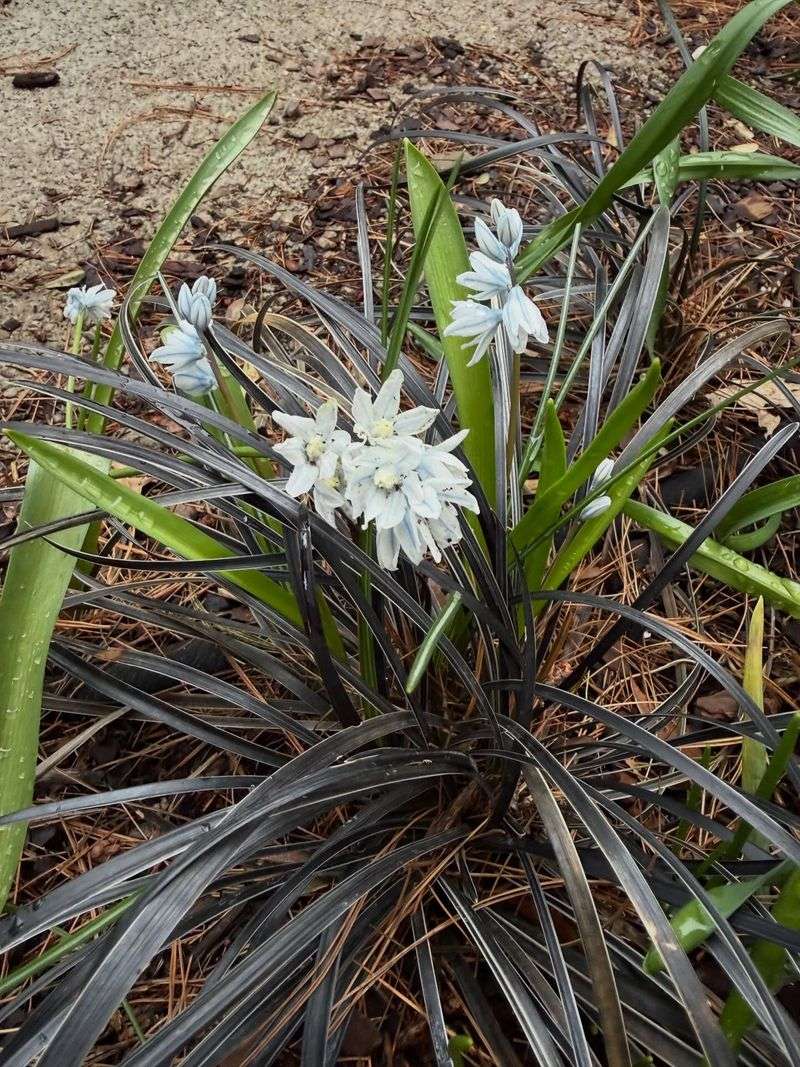
Daffodil leaves can hang around for weeks, flopping over like tired laundry. Striped squill handles its exit with much better manners.
The leaves are narrow and few, usually just two per bulb. After the flowers finish, the foliage yellows and disappears by late spring. Most gardeners barely notice it going.
Let those leaves fade on their own, though. They feed the bulb for next year’s flowers. Cutting them early can weaken your display over time.
Care is simple once the bulbs settle in. Striped squill tolerates dry summer soil because it rests underground during that season. Extra watering in July is unnecessary and can even invite rot.
Fertilizer needs are light. A sprinkle of balanced bulb food or a thin layer of compost in fall is plenty. Many of my patches thrive with no feeding at all.
Hostas, ferns, and hardy geraniums make great partners. Their leaves grow up just as the squill fades, filling the empty spot. You get two seasons of interest from the same patch of ground.
Dividing clumps is optional. If flowering slows, dig and separate them in early summer after foliage fades.
7. Pair Squill With Snowdrops and Glory-of-the-Snow
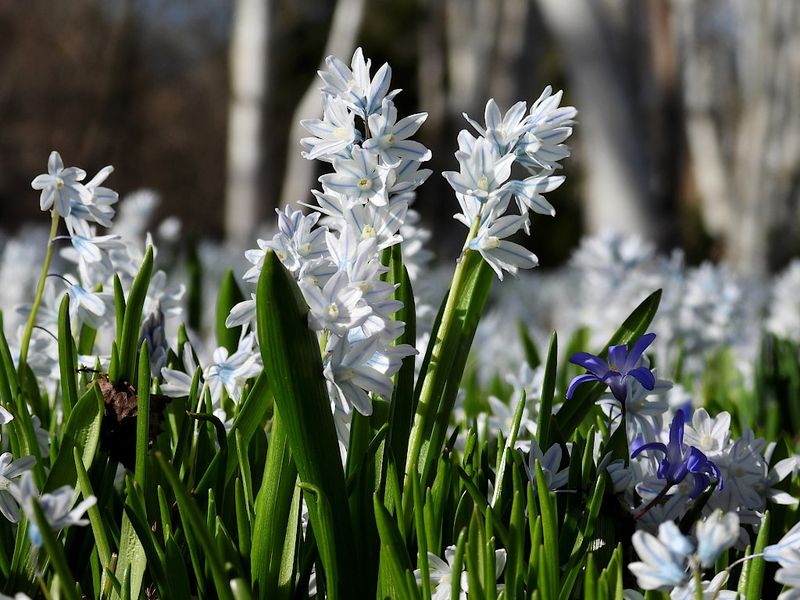
One small bulb is lovely. Three critter-resistant bulbs blooming in sequence feel like a little spring parade.
Snowdrops, or Galanthus, open first, often poking through late snow in March. Their nodding white bells contain compounds that deer and rabbits dislike. They thrive in light shade and moist, well-drained soil.
Glory-of-the-snow, or Chionodoxa, blooms around the same time as striped squill. Its upward-facing stars come in bright blue, pink, or white. Animals generally leave it alone, and it naturalizes nicely in lawns and beds.
Daffodils make a strong fourth choice. They are toxic to most wildlife, so deer and rabbits rarely touch them. Their taller yellow trumpets add height behind the smaller bulbs.
I’d skip Siberian squill, despite its beauty. Michigan and several neighboring states have seen it escape into woodlands, and some experts discourage new plantings.
Here’s my favorite next step for this fall. Buy one bag each of snowdrops, striped squill, and daffodils, then plant them in a sunny spot near your door. Next spring, you’ll get weeks of color, busy bees, and a garden the local wildlife mostly ignores.