9 Things Already in Your Arizona Garage That Protect Tender Plants on Frost Nights
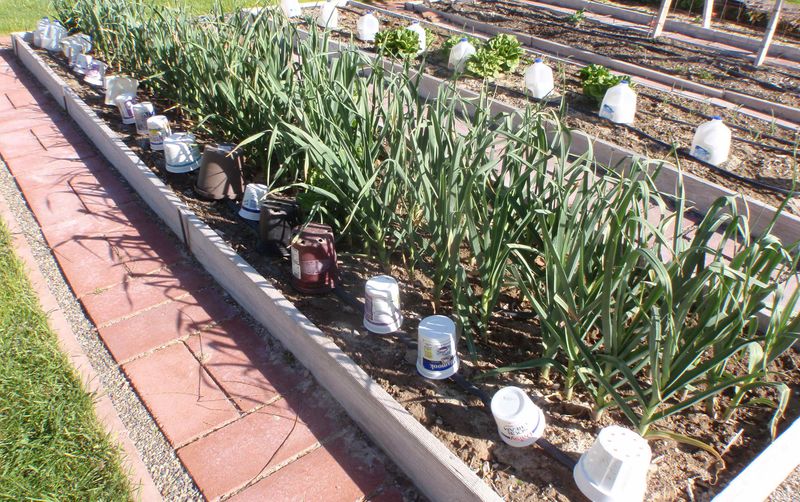
Phoenix can drop below freezing on clear desert nights, even after afternoons that feel like a light jacket is optional. Clear skies let ground warmth escape fast, so the coldest moment often arrives right before sunrise.
I have to admit my first frost scare sent me running to the garage in slippers and a headlamp. What surprises me most is that the rescue gear was already sitting there, collecting dust beside the holiday bins.
You might notice that frost damage rarely shows up overnight, because blackened leaves often appear a day or two later. October is the perfect month to gather supplies here in Arizona, well before the first cold front rolls through.
I love how a little planning now saves hours of pruning and regret later this winter. So which ordinary objects in your garage could save your bougainvillea and citrus when the temperature suddenly plunges tonight?
1. Old Bed Sheets And Blankets
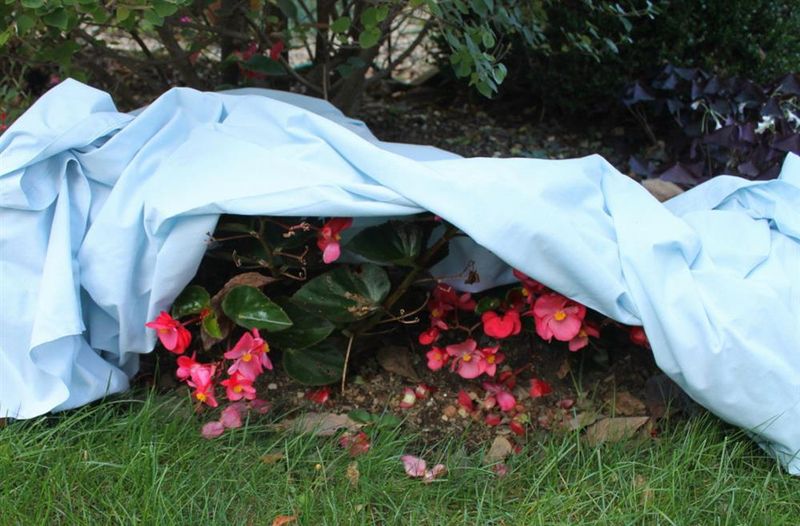
Those faded floral sheets from your college dorm days might be the best frost protection you own right now. Cotton traps the warmth that soil releases at night, building a cozy pocket of air around leaves.
University of Arizona Cooperative Extension recommends frost cloth or old sheets for tender landscape plants on cold nights. Personally, I keep a labeled bin of worn bedding near the garage door for quick grabbing when forecasts dip.
The real trick is letting the fabric reach the ground, because heat rises from the soil, not the plant itself. A sheet tied around the trunk like a skirt leaves the warm ground uncovered and loses most of its benefit.
Weigh the edges with bricks or garden rocks so desert breezes do not peel your cover away around midnight. Heavy blankets can crush soft growth, so prop them on stakes, chairs, or tomato cages before draping them over.
Remove the covers mid-morning once temperatures climb above freezing and sunlight starts warming the yard again. Leaving fabric on all day can trap moisture and block light, which tender plants rarely appreciate during short winter days.
2. Corrugated Cardboard Boxes
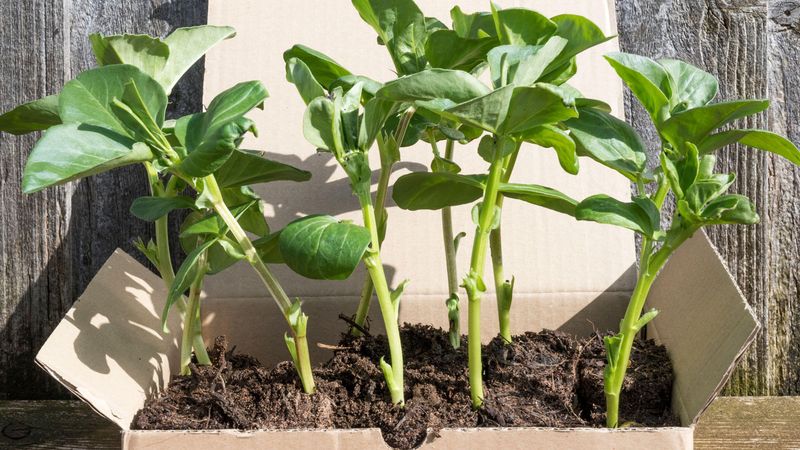
Every delivery box stacked in your garage holds a hidden layer of insulation inside its wavy middle sheet. That fluted center traps still air, and still air slows heat loss better than many people expect.
I like how a single upside-down box can shelter a young pepper plant or a potted succulent overnight. Just choose one big enough that the cardboard sits around the plant without bending branches or squashing new leaves.
Set the box over the plant late in the afternoon, ideally before sunset, while the soil still holds daytime warmth. Covering plants after dark means much of that stored heat has already drifted up into the clear desert sky.
Cardboard weakens quickly when it gets soggy, so it works best on dry, calm nights rather than rare winter rain. A rock on top keeps it steady, and a little soil pushed around the base seals out drafts.
Lift the box off the next morning so your plant can soak up sunlight and fresh air again. Afterward, flatten wet boxes and add them to your compost pile, where they break down nicely over time.
3. Empty Plastic Milk Jugs
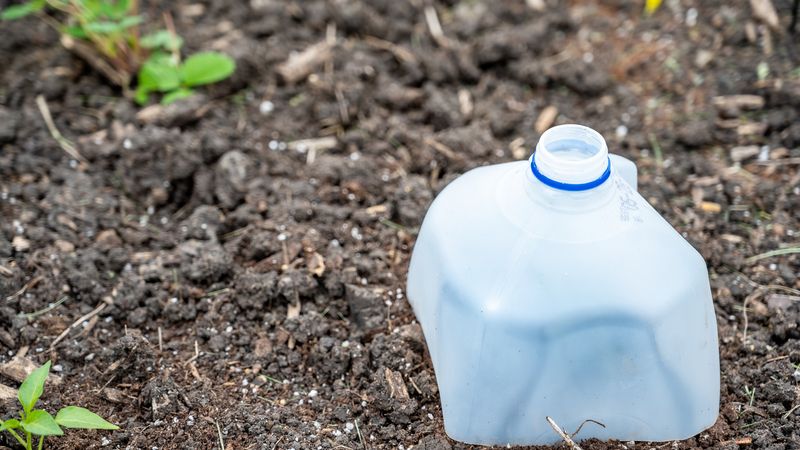
A rinsed gallon milk jug becomes a tiny greenhouse with just one snip of the kitchen scissors. Cut off the bottom, press it gently into the soil, and you have a personal frost shield for seedlings.
I have to admit these mini cloches look a little silly, yet they work wonderfully for lettuce and young herbs. Fall vegetable beds in the low desert are packed with tender starts, so a stash of jugs pays off quickly.
Keep the cap on overnight to hold in warmth, then twist it off in the morning for ventilation. Translucent plastic lets sunlight pour through, and a closed jug can overheat fast on a bright afternoon.
Push the cut edge an inch into the soil so wind cannot tip it over during a gusty evening. A small stake through the handle adds extra security if your garden sits in an open, breezy spot.
Start saving jugs now in October, because one gallon jug per seedling adds up faster than you expect. Store them nested in a bag on a garage shelf, ready for the first chilly forecast.
4. Bubble Wrap From Deliveries
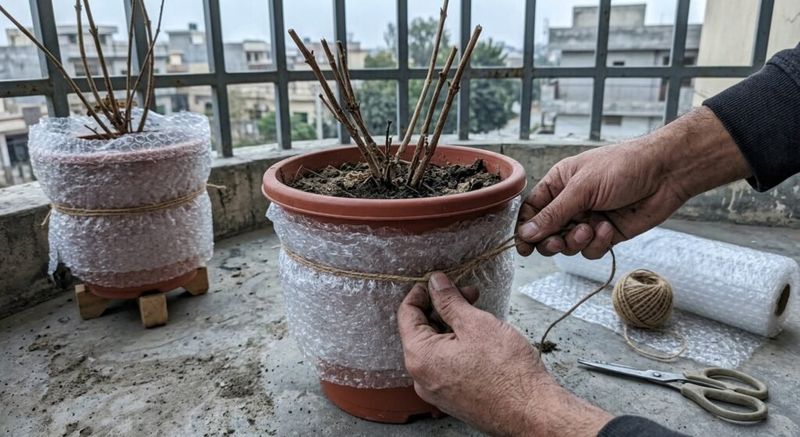
Those packing bubbles you popped while unboxing a new blender can protect the roots of your favorite potted plants. Each tiny pocket of air slows the cold from creeping through pot walls toward tender roots.
Container plants feel cold more sharply than garden plants, because their roots sit above ground with little soil buffering them. Terracotta pots cool down especially fast, which makes a wrap of bubbles a smart and simple upgrade.
Wrap the bubble wrap around the outside of the pot and secure it snugly with twine or packing tape. Leave the top of the soil open so water can still drain through and the plant can breathe.
Personally, I wrap my potted lime and a couple of jade plants before the first frost forecast each winter. Grouping wrapped pots together against a south-facing wall adds even more warmth from the house and stored daytime heat.
Skip wrapping leaves in plastic, because foliage touching cold plastic can freeze where the two surfaces meet. For branches, layer a breathable sheet over the top, and let the bubble wrap handle the important root zone.
5. Tomato Cages And Garden Stakes
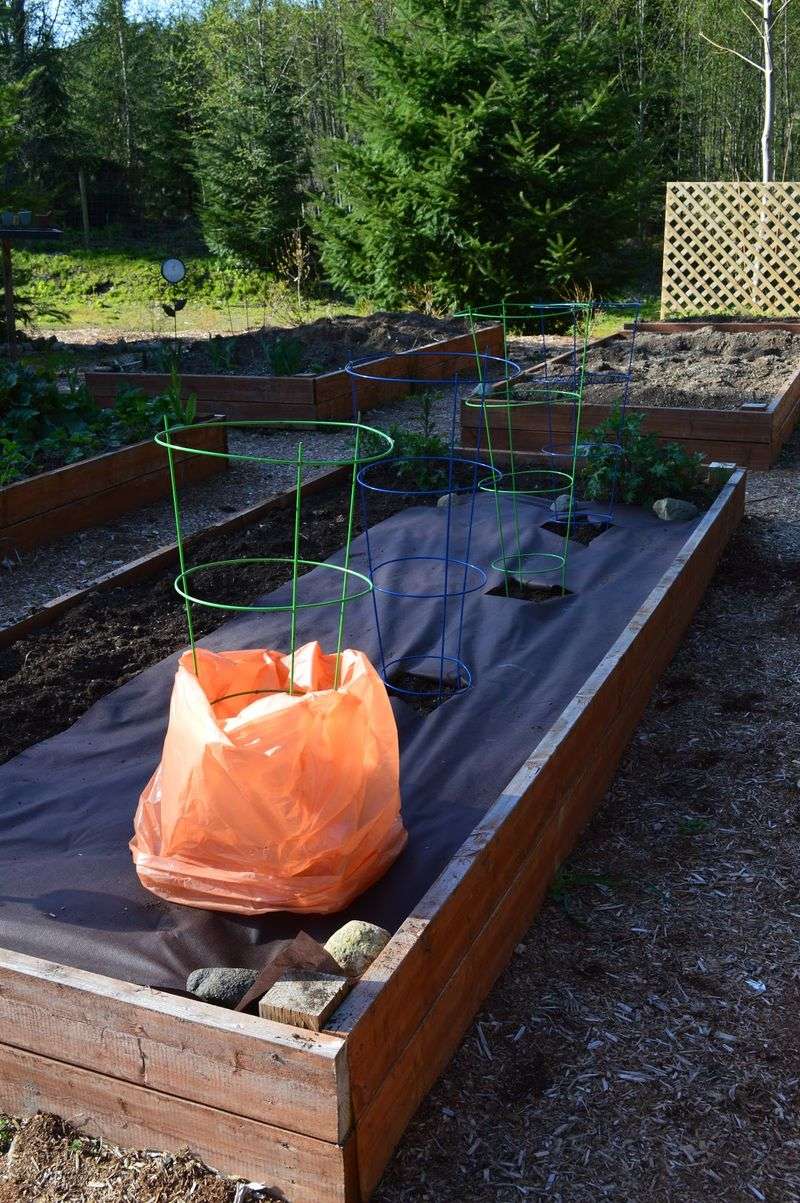
Summer tomato cages look lonely in the corner of the garage, but they earn their keep again during frost season. Their job now is holding covers up and away from fragile leaves on cold desert nights.
Arizona Extension experts point out that covers touching foliage can transfer cold directly into the leaves. A simple frame creates a gap of insulating air, and that small gap makes covers noticeably more effective overnight.
Place a cage or a few stakes around a lantana, hibiscus, or young citrus, then drape fabric across the top. The structure keeps damp sheets from sagging onto branches when dew settles in the early morning hours.
I love how a pair of cages tied together can tent a whole row of peppers with one large sheet. Bamboo poles and leftover PVC pipe work just as well if your tomato cages are already buried somewhere.
Check that metal tips are not poking holes in your covers, since torn fabric lets precious warmth escape. A tennis ball or plastic cup on top of each stake gives the fabric a smooth, friendly resting point.
6. Plastic Buckets And Empty Pots
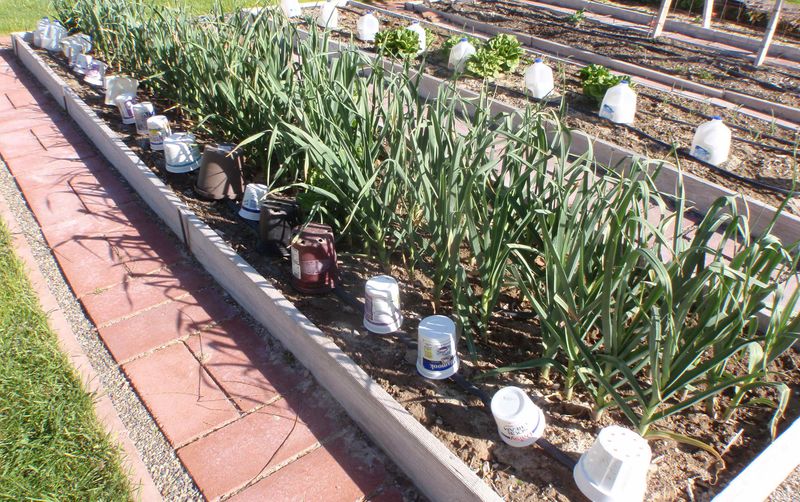
That tower of black nursery pots from spring planting is basically a stack of ready-made frost domes. Flip one upside down over a small plant, and it traps warm air rising from the soil.
Buckets work the same way for slightly larger plants, like young basil or a compact aloe in a garden bed. You might notice that dark plastic pots warm slightly in afternoon sun, which helps a little after dark.
Pick a container that clears the leaves comfortably, since squashed stems can bruise and invite rot later on. Cover the drainage holes with a flat stone or tape, because those openings let warm air slip away overnight.
Set a brick on top when wind is in the forecast, because empty plastic pots tumble across yards surprisingly fast. I learned that lesson chasing a five-gallon bucket down the driveway at six in the morning last winter.
Lift each container once the sun hits the bed and temperatures rise above freezing again. Stack them right back near the garage door so the next cold snap only takes minutes to handle.
7. Burlap Sacks And Landscape Fabric
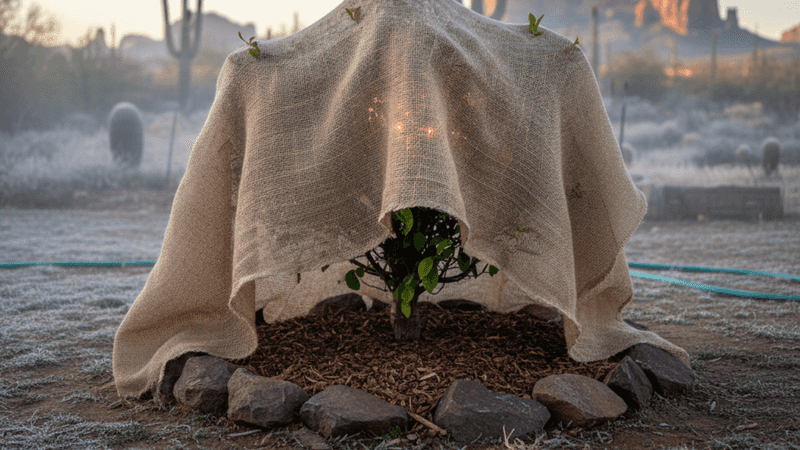
Burlap has a rugged, farmhouse charm, and it happens to be one of the most breathable covers in any garage. Its loose weave lets moisture escape while still blocking chilly wind from reaching tender bark and leaves.
I believe burlap shines brightest on taller plants, like young citrus trees or frost-sensitive shrubs along a property line. Wrap it around a ring of stakes to form a cozy fence, then cover the top with a sheet.
Young citrus trunks benefit from extra care, since Arizona Extension notes young trees are more sensitive to freezing than mature ones. A burlap layer around the trunk gives that thin bark a little shelter during the coldest hours.
Leftover landscape fabric or old frost cloth from the hardware store aisle can stand in for burlap quite nicely. Both materials let light and air through, so they can stay on a little longer than solid plastic covers.
Dry wet burlap in the sun before folding it away, because damp fabric can turn musty in storage. A dry, folded stack takes little space and lasts for many winters of quiet duty.
8. Incandescent Holiday Lights
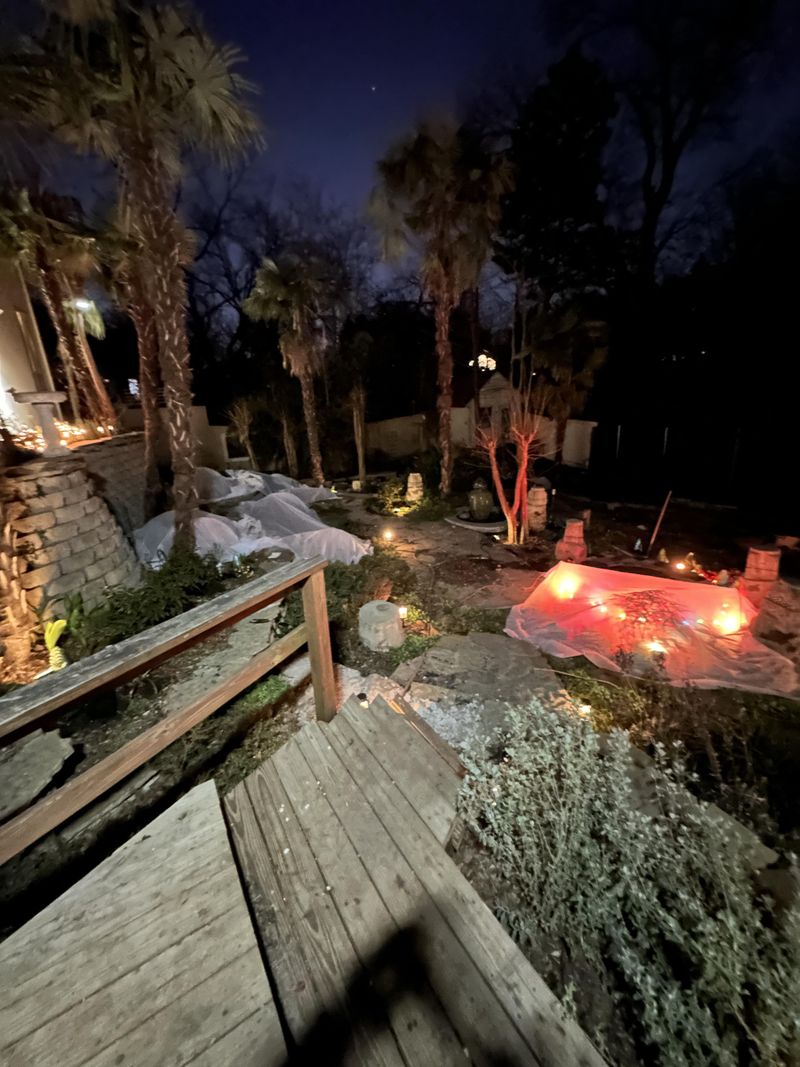
Grandma’s chunky holiday bulbs were warm to the touch, and that warmth makes them useful on freezing nights. Modern LED strands stay cool, so only older incandescent lights add meaningful heat beneath a cover.
Citrus growers have relied on this trick for years, and Arizona Extension mentions incandescent lights as a supplemental heat source. String them loosely through the inner branches, then drape a breathable frost cover over the whole tree.
The cover matters a lot, because without one the gentle warmth drifts away into the cold night air. Together, lights and fabric can lift temperatures under the canopy by a few precious degrees during a hard freeze.
Use outdoor-rated strands and a grounded outdoor extension cord plugged into a GFCI outlet for safety. Keep bulbs from touching fabric or leaves, since hot glass can scorch delicate foliage or cloth over several hours.
Personally, I find the soft orange glow under a frosted sheet rather charming, almost like a backyard lantern. Test your strands this month, because swapping burned-out bulbs is easier in October than at midnight in January.
9. Garden Hose For Evening Watering
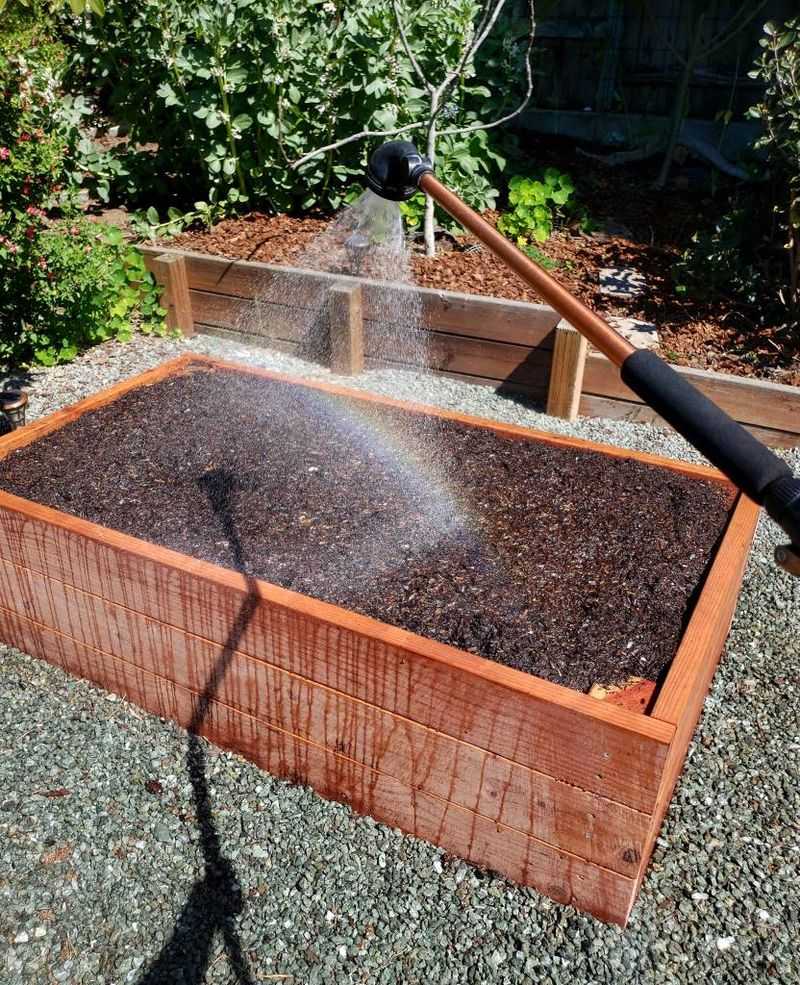
Your coiled garden hose might be the sneakiest frost fighter in the garage, and it costs nothing extra. Moist soil holds and releases heat better than dry soil, which helps warm the air near plants.
Desert soil dries out fast, even during cooler months, so a deep soak a day or two before frost helps. University of Arizona Extension suggests watering ahead of a freeze when soil is dry, rather than spraying leaves.
Aim the water at the root zone, not the foliage, since wet leaves can suffer more ice damage overnight. I like to water in late morning, giving the soil time to absorb warmth from the afternoon sun.
Remember to disconnect and drain the hose before temperatures drop, because water left inside can freeze and crack fittings. Exposed outdoor faucets also appreciate a foam cover, which you can find cheaply at most hardware stores.
Hydrated plants handle cold stress better than thirsty ones, so steady winter watering supports overall plant health. Pair the hose with any cover on this list, and your garden gets a smart double layer of protection.