The May Watering Mistakes That Quietly Weaken Florida Gardens
May can trick even careful Florida gardeners. One week the soil feels dry by lunchtime, the next a cloudy, humid stretch keeps beds damp longer than expected.
Add sandy soil, hotter afternoons, thirsty containers, and surprise rain, and a simple watering routine starts to feel less simple. That is where a lot of garden trouble begins.
Not from one huge mistake, but from small habits that no longer match the season. A sprinkler runs after a storm.
Pots get treated like in-ground shrubs. Native plants receive the same water as tender annuals.
By the time leaves yellow, wilt, or slow down, the damage has already been building quietly. May is the month to stop watering by habit and start watering by what the garden is actually telling you.
The right adjustments now can help plants head into Florida summer stronger, steadier, and far less stressed.
1. Watering Too Often As Temperatures Rise
A lot of gardeners assume that because May temperatures are climbing, their plants must need more water more often. That logic feels reasonable, but it can actually cause more harm than help.
UF/IFAS consistently advises watering only when plants show signs of need, not based on a fixed daily schedule.
Overwatering in warm, humid conditions suffocates roots by pushing oxygen out of the soil. Florida’s sandy soils drain fast, but if you are running irrigation every single day, moisture can still build up around the root zone and create problems.
Roots need air just as much as they need water to stay strong and healthy.
The best approach is to check your soil before you water. Stick your finger about two inches into the ground.
If the soil still feels moist, skip the watering session and check again the next day. Plants that are watered only when truly needed tend to develop stronger, deeper root systems over time.
Cutting back watering frequency in May, rather than increasing it, is often the smarter move. Healthy roots that are not constantly saturated are far better prepared for the intense heat and storms that arrive in June and July.
Letting the soil dry slightly between waterings encourages roots to grow downward in search of moisture, building resilience that will serve your garden all summer long.
2. Letting Soil Stay Soggy In Humid Conditions
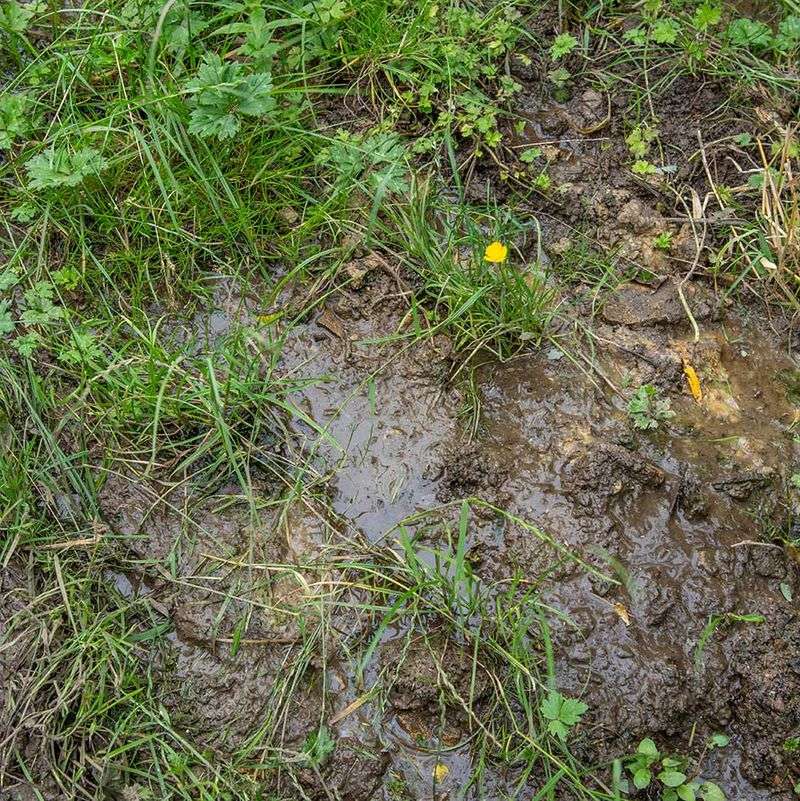
Florida’s humidity does not just make people uncomfortable. It also slows down how quickly soil dries between waterings.
During May, relative humidity levels are already rising, and that extra moisture in the air means the top layer of soil can stay wet far longer than it would in a drier climate.
Soggy soil is one of the leading triggers for fungal root diseases in Florida landscapes. When roots sit in wet conditions for extended periods, beneficial soil organisms struggle while harmful fungal pathogens thrive.
Plants may start to look wilted or yellowed even when the soil is soaking wet, which confuses many gardeners into watering even more.
Good drainage is essential to avoiding this problem. If you have areas in your yard where water tends to pool after irrigation or rain, consider amending the soil with organic matter or redirecting irrigation heads away from those low spots.
Your Florida Garden Changes Every Week. Your Plan Should Too.
Gardening in Florida changes quickly throughout the season. Every Friday you’ll receive a simple weekly plan showing exactly what to plant, prune, fertilize, harvest, and protect so you never miss the right timing.
Raised planting beds can also help in areas with notoriously poor drainage.
Pay attention to how long it takes for your soil to dry after watering. In May, you may find that areas that needed water every two days in March now only need attention every three or four days.
Adjusting to your soil’s actual drying rate rather than sticking to a rigid calendar schedule is one of the most practical things you can do for plant health this month.
3. Relying On Shallow Watering Instead Of Deep Soaks
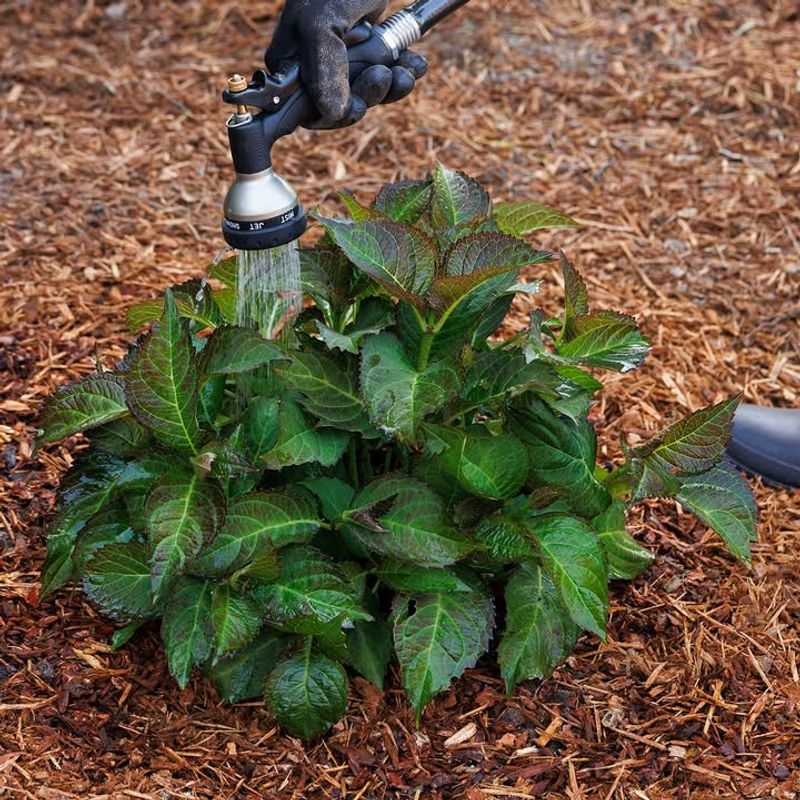
Quick, light sprinkles of water might seem like enough to keep plants going, especially when you are busy and just want to check off the watering task. But shallow watering is one of the most common reasons Florida plants struggle when summer heat arrives.
If water only reaches the top inch or two of soil, roots have no reason to grow deeper.
UF/IFAS recommends deep, infrequent watering as the gold standard for Florida landscapes. The goal is to wet the soil to a depth of at least six to eight inches during each session.
That encourages roots to follow the moisture downward, creating a stronger, more established root system that can handle dry spells between rain events.
Sandy soil makes this both easier and trickier. Water moves through sandy soil quickly, so you do need to water long enough to push moisture down to that deeper zone.
A simple way to check is to use a screwdriver or wooden dowel after watering. If it slides in easily to six inches, you have watered deeply enough.
Plants with deep roots are far more capable of tapping into soil moisture reserves during the brief dry stretches that still happen in May before the rainy season fully kicks in.
Switching from daily light sprinkles to longer, less frequent soaks is a straightforward adjustment that pays off significantly as the summer season builds.
4. Ignoring Rainfall And Overwatering Anyway
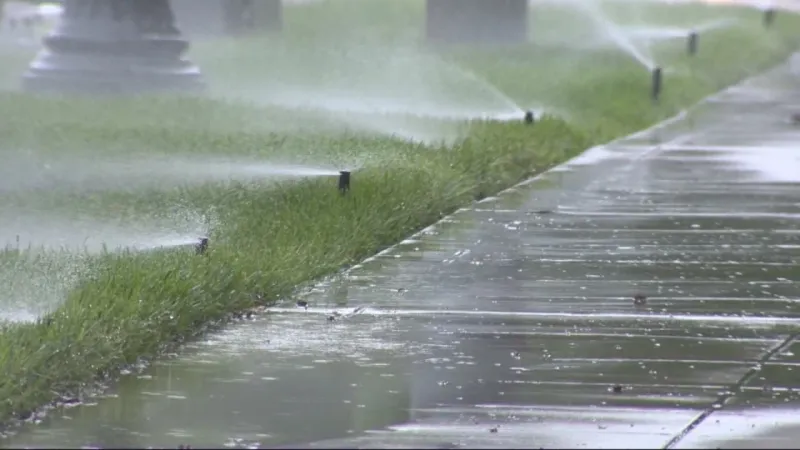
Florida’s May rainfall can be unpredictable. One week might bring a series of afternoon thunderstorms, and the next week stays completely dry.
Many homeowners set their irrigation systems to run on a fixed schedule and never adjust it, even after a solid inch of rain falls the day before.
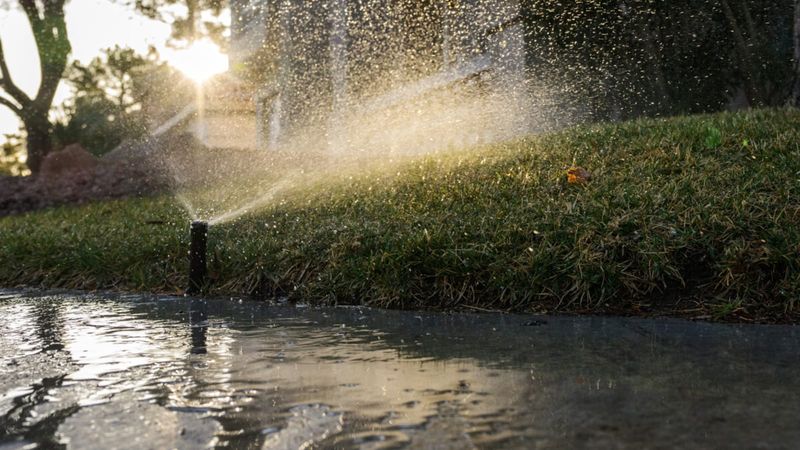
Running irrigation right after a significant rain event wastes water and can push already saturated soil past the point of what roots can handle.
Over time, this pattern weakens plants by keeping them in a constant state of overhydration, which can reduce nutrient uptake and increase the likelihood of fungal issues taking hold.
A rain sensor or smart irrigation controller is one of the most practical investments a Florida homeowner can make. These devices automatically pause scheduled irrigation when enough rainfall has occurred.
UF/IFAS and Florida-Friendly Landscaping both recommend them as standard equipment for any irrigation system in the state.
If you do not have a sensor yet, make a habit of checking a reliable local weather source before your irrigation is scheduled to run. If more than half an inch of rain fell in the past 24 hours, skip the scheduled cycle.
Keeping a simple rain gauge in your yard makes this even easier. Paying attention to what nature is already providing helps you water smarter rather than just watering more, which benefits both your plants and your water bill.
5. Watering At The Wrong Time Of Day
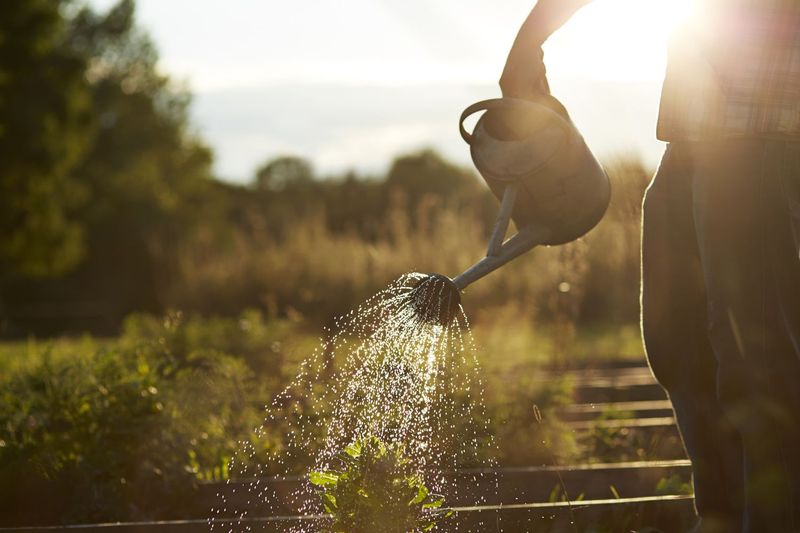
Midday or late afternoon watering is a habit that seems harmless but quietly chips away at plant health over time. When you water during the hottest part of the day, a significant portion of that moisture evaporates before it ever reaches the root zone.
You end up using more water for less benefit, and your plants are still left thirsty.
Evening watering carries its own set of problems. Wet foliage that stays damp through the night creates ideal conditions for fungal diseases like powdery mildew, leaf spot, and root rot, all of which are already common in Florida’s humid climate.
May’s warm nights make this risk especially relevant because temperatures rarely drop low enough to slow fungal activity overnight.
UF/IFAS recommends watering early in the morning, ideally between 4 a.m. and 8 a.m. During this window, temperatures are cooler, wind speeds tend to be lower, and leaves have the entire day to dry off before nightfall.
Irrigation efficiency is at its highest during early morning hours because evaporation loss is minimal.
If you rely on a manual hose rather than an automatic system, setting a simple reminder to water first thing in the morning can make a noticeable difference in how your garden performs.
Even shifting from afternoon to morning watering by just a few hours can reduce disease pressure and improve how effectively your plants absorb moisture throughout the day.
6. Treating All Plants The Same Regardless Of Needs
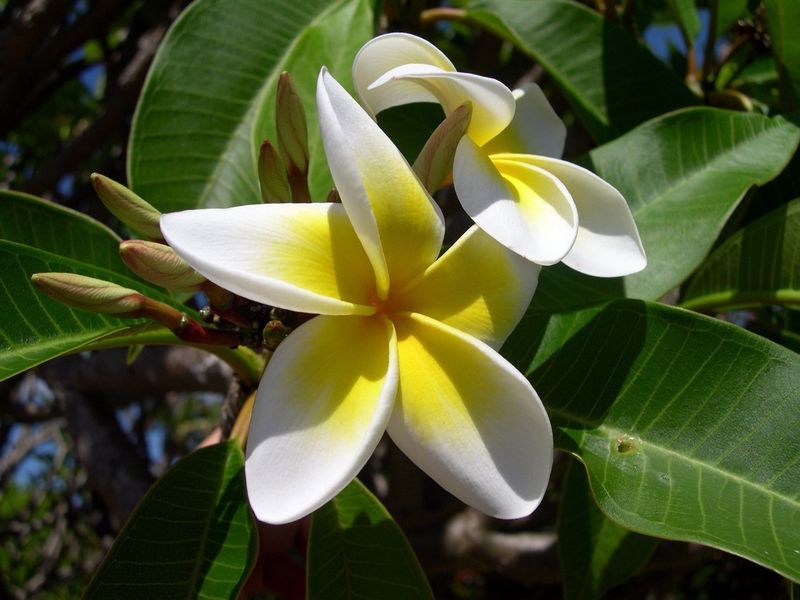
Imagine running the same irrigation zone over a stand of native muhly grass and a row of impatiens at the same rate and frequency. One of those plants will be perfectly happy.
The other will likely struggle. Florida landscapes are incredibly diverse, and treating every plant as if it needs the same amount of water is a recipe for uneven results.
Native Florida plants like saw palmetto, beautyberry, and coontie are naturally adapted to the state’s dry and wet cycles. Once established, they need very little supplemental irrigation in May, especially as seasonal rains approach.
Watering them as frequently as a thirsty tropical ornamental can actually stress them and make them more vulnerable to root issues.
Tropical ornamentals and flowering annuals, on the other hand, often have higher water demands and shallower root systems that dry out faster. Vegetables in raised beds or containers may need attention more frequently than shrubs planted directly in the ground.
The key is learning what each plant in your landscape actually requires rather than applying a one-size-fits-all schedule.
Grouping plants with similar water needs together, a practice known as hydrozoning, is one of the most effective strategies recommended by Florida-Friendly Landscaping.
Even simple adjustments, like watering your native section less often than your flower beds, can stretch your water use further while keeping every plant in your garden genuinely healthy and thriving.
7. Forgetting Containers Dry Out Faster In Heat
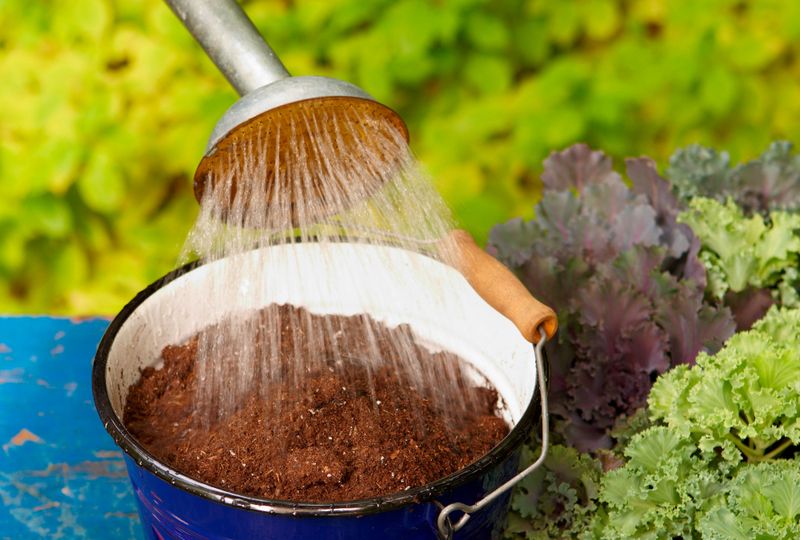
Container gardening is popular across Florida, from patio pots to hanging baskets to raised planters. But come May, those containers can go from moist to bone dry in a surprisingly short amount of time.
The combination of direct sun, rising temperatures, and limited soil volume means potted plants need a completely different watering routine than in-ground plants.
Unlike garden beds, containers cannot draw moisture from surrounding soil. The roots are restricted to whatever is inside the pot, and smaller pots heat up faster, which speeds up evaporation from both the soil surface and through the pot walls themselves.
Dark-colored pots sitting in direct afternoon sun can become especially hot, accelerating moisture loss even further.
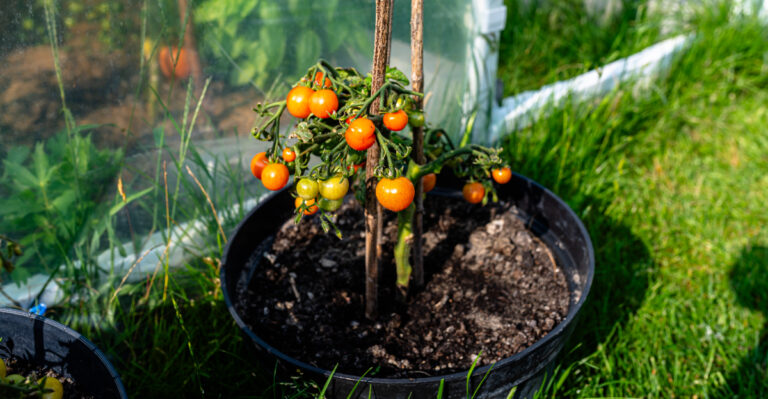
During May, most container plants in Florida will need watering every one to two days, and some smaller pots may need attention daily when temperatures climb above 90 degrees. A good test is to lift the pot slightly.
If it feels noticeably light compared to just after watering, the soil is likely getting dry. You can also check by pressing your finger into the top inch of soil.
Self-watering containers and moisture-retaining potting mixes can help reduce how often you need to check, but they are not a substitute for regular monitoring.
Grouping containers together in a partially shaded spot during the hottest part of the day also helps slow moisture loss without sacrificing the beauty of your patio garden display.
8. Skipping Mulch That Helps Hold Moisture
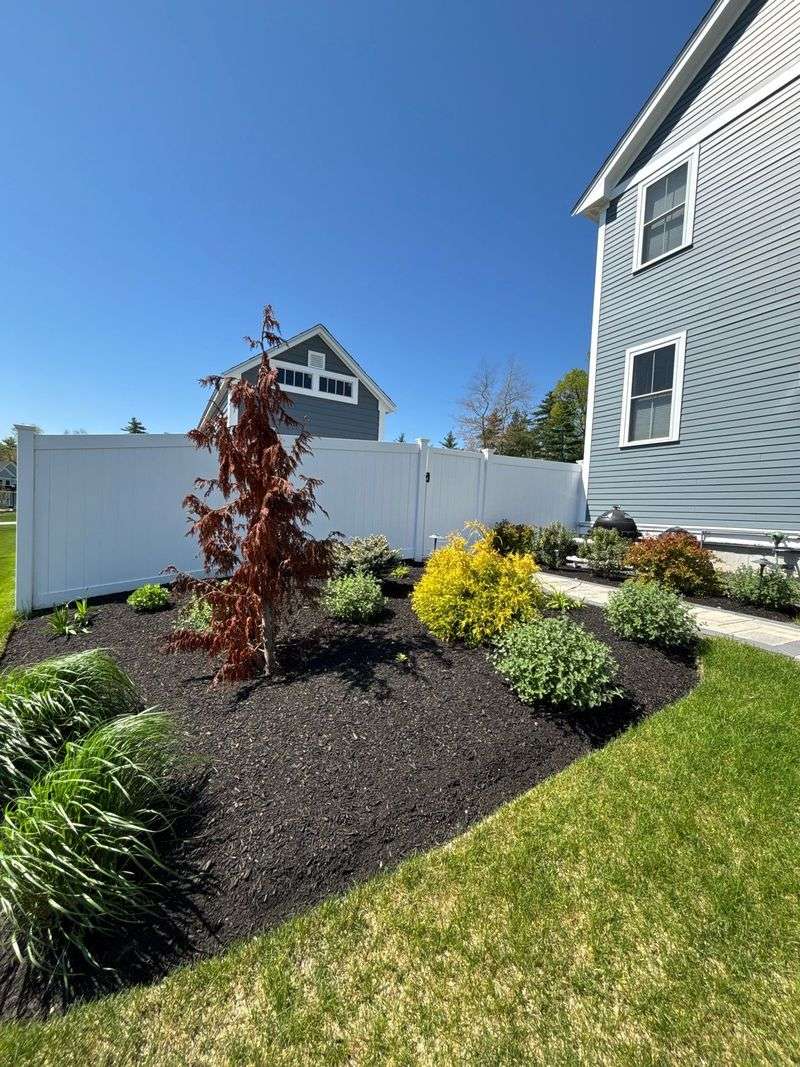
Bare soil in a Florida garden during May is working against you in more ways than one.
Without a protective layer of mulch, the sun bakes the soil surface, moisture evaporates quickly, and soil temperatures can climb high enough to stress shallow roots.
Adding mulch is one of the simplest and most effective steps you can take to improve water efficiency in your landscape.
UF/IFAS recommends applying two to three inches of organic mulch around trees, shrubs, and garden beds. Pine bark, pine straw, and eucalyptus mulch are all popular options in Florida and break down gradually to add organic matter back into the soil.
Mulch acts like a blanket, keeping soil cooler and slowing the rate at which moisture escapes between waterings.
Beyond water retention, mulch also suppresses weeds that compete with your plants for moisture and nutrients.
In sandy Florida soils, which naturally hold very little water, mulch can make a meaningful difference in how long the soil stays adequately moist after a watering session or a rain event.
Keep mulch a few inches away from the base of plant stems and tree trunks to allow for air circulation and prevent moisture buildup against the bark.
Refreshing your mulch layer in May, before the peak of summer arrives, sets your garden up to handle heat more efficiently.
It also reduces how often you need to run irrigation, which saves water and supports healthier, more resilient plants all season long.