The Mowing Mistake Many Oklahoma Bermuda Grass Owners Make
Oklahoma summers reward Bermuda grass owners who get the basics right, and most homeowners assume mowing is the easy part. Cut it, bag it, repeat. That assumption is exactly where the trouble starts.
The mistake isn’t rare or careless. It’s a habit passed down from lawn to lawn, embedded in muscle memory, quietly reshaping root systems long before the blades show any sign of stress.
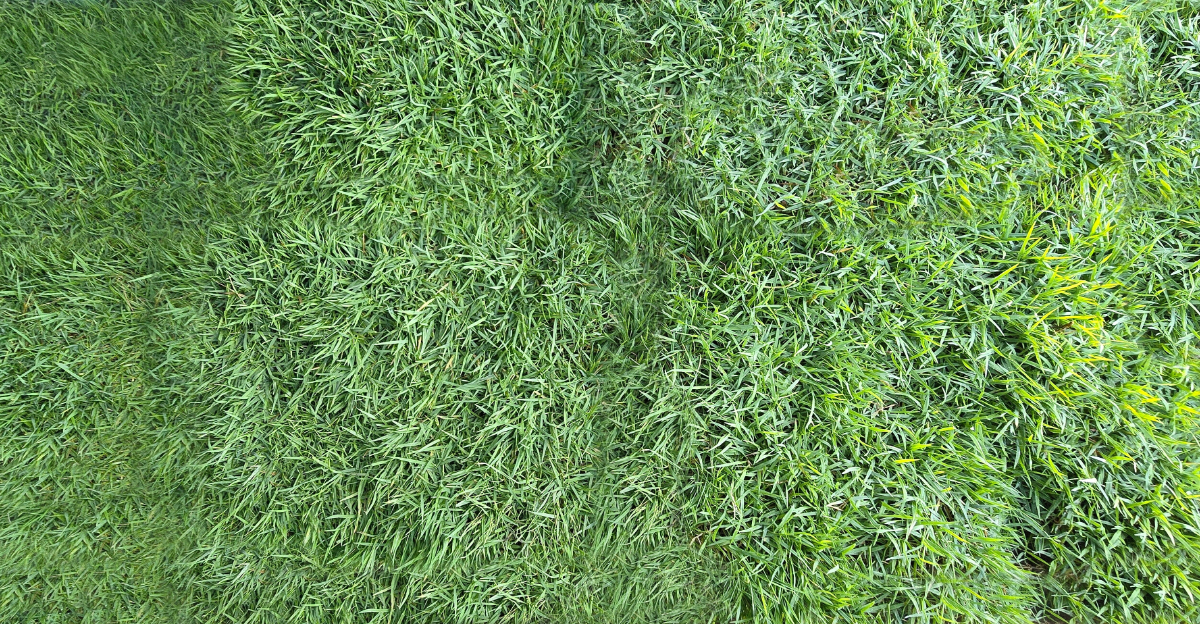
By midsummer, patches thin out and color fades unevenly across the yard. Homeowners reach for fertilizer or extra water, missing the real culprit standing right behind the mower.
Bermuda grass responds fast to pressure, for better or worse. One overlooked adjustment in your routine can mean the difference between a lawn that thickens through August heat and one that spends the season trying to recover.
One Small Mowing Habit Weakens Bermuda Grass Roots
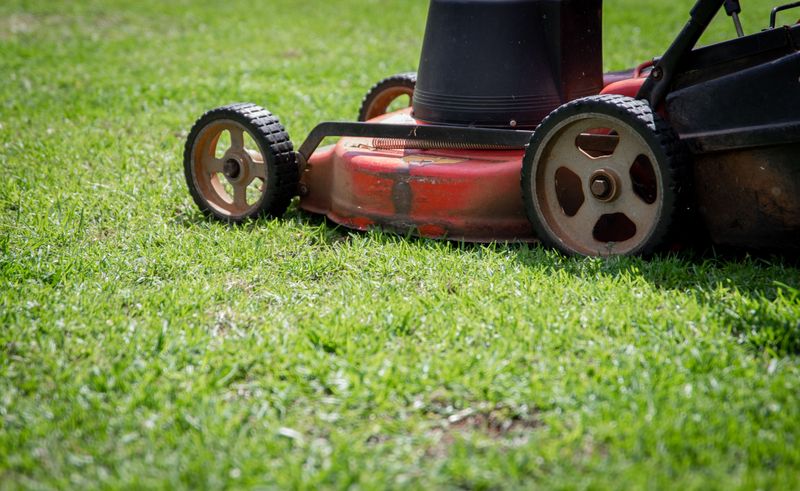
Your mower deck is set too low, and your grass pays the price. The mowing mistake many Oklahoma Bermuda grass owners make is cutting the lawn too short, thinking it looks cleaner.
Bermuda grass has a deep but aggressive root system. When you cut too deep, you remove the leaf blade that feeds those roots through photosynthesis.
Without enough leaf surface, the plant cannot produce the energy it needs to stay strong. Roots begin to shrink and weaken over just a few weeks.
A weakened root system cannot pull water from deeper soil layers during dry spells. That is when you start seeing brown patches appear seemingly out of nowhere.
Many homeowners mow short because they want to mow less often. The logic feels sound, but Bermuda grass does not work that way.
Cutting too low also opens the soil surface to direct sunlight. That bakes the ground, dries out moisture faster, and makes recovery even harder.
Weeds love bare, stressed soil. Once Bermuda grass thins out, crabgrass and other weeds move in quickly.
This problem is fixable, often within just a couple of weeks. Raising your mower deck just one notch can make a noticeable difference within two weeks.
Think of each grass blade as a tiny solar panel. The more surface area you leave, the more energy your lawn generates all season long.
Signs Your Lawn Is Already Stressed From Mowing
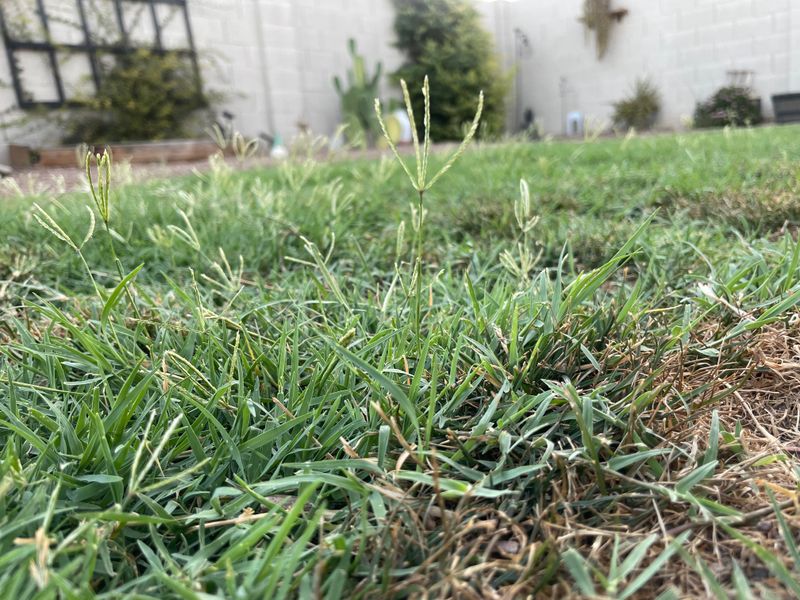
Brown edges on grass blades are your lawn waving a red flag. Stressed Bermuda grass does not suffer quietly, and it leaves clues everywhere once you know what to spot.
One of the earliest signs is a grayish-blue tint across the turf. That color shift means the grass is wilting and losing moisture faster than it can absorb it.
Footprints that stay visible for more than a few minutes are another warning sign. Healthy Bermuda grass springs back quickly, but stressed turf stays flat and compressed.
Thin patches spreading outward from one spot often signal root damage from repeated short cuts. The grass cannot regenerate fast enough to fill in the gaps it leaves behind.
Thatch buildup is also a symptom worth watching. When mowing is too aggressive, dry material accumulates at the soil surface and blocks water from reaching roots.
Your Oklahoma Garden Changes Every Week. Your Plan Should Too.
Gardening in Oklahoma changes quickly throughout the season. Every Friday you’ll receive a simple weekly plan showing exactly what to plant, prune, fertilize, harvest, and protect so you never miss the right timing.
A lawn that looks fine in the morning but fades by noon is running on empty. That midday wilt tells you the root system is not drawing enough water to keep up with heat demand.
Weeds appearing in clusters, especially in previously solid turf areas, confirm the grass is losing its competitive edge. Bermuda grass crowds out weeds naturally when it is healthy and thriving.
Run your hand across the lawn surface. If it feels rough, brittle, or scratchy instead of dense and soft, the grass blades have been cut too short too often.
Catching these signals early gives you a real chance to correct course before fall recovery becomes necessary.
The Right Mowing Height For Oklahoma Summers
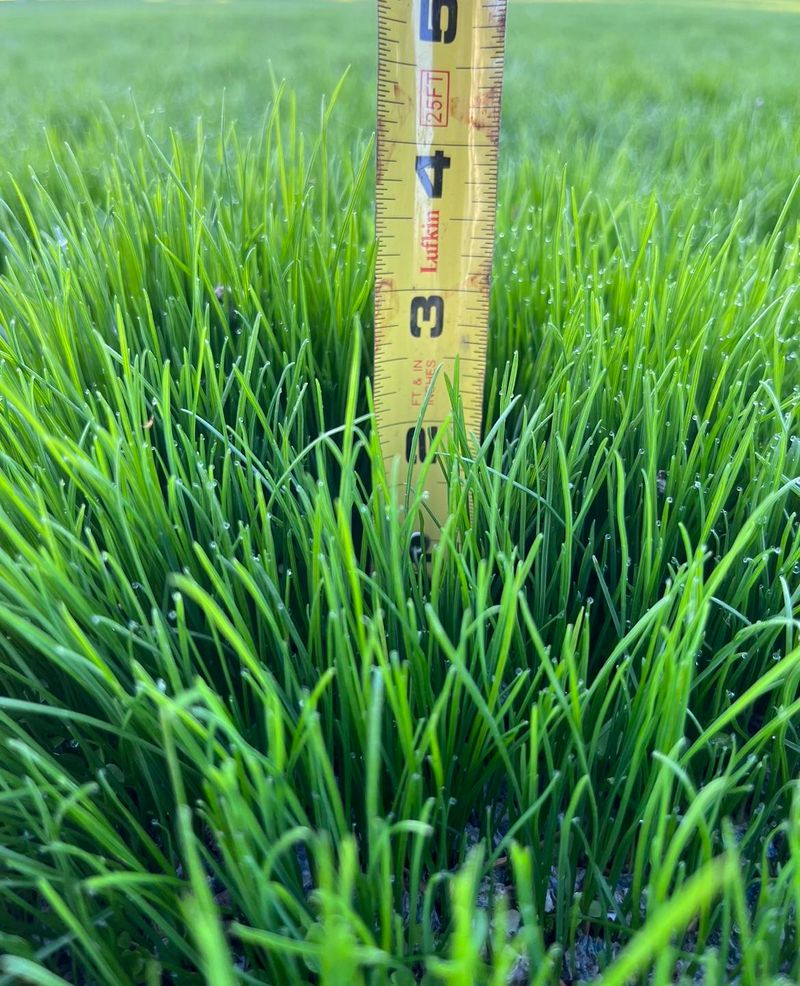
Bermuda grass has a sweet spot, and in Oklahoma summers, that spot sits between one and two inches tall. Most extension agronomists recommend staying closer to one and a half inches during peak heat months.
Cutting below one inch removes too much of the leaf blade at once. That single cut can set your lawn back by weeks during July and August.
Staying above two inches is also a problem for Bermuda grass specifically. It creates a thick canopy that traps moisture and encourages fungal issues in humid conditions.
The one-to-two-inch range keeps the grass dense enough to shade the soil. Shaded soil holds moisture longer, which means less watering and more drought resistance overall.
Check your mower deck with a ruler before the season starts. Many homeowners assume their deck is set correctly, but the actual cut height is often off by half an inch or more.
Park your mower on a flat, hard surface like a driveway. Measure from the ground to the bottom of the deck on both sides to confirm an even, accurate cut.
Uneven deck settings create scalping on one side of each mowing pass. Those scalped strips turn brown fast and look terrible against otherwise green turf.
Bermuda grass also responds well to consistency. Keeping the same height week after week trains the plant to grow denser at that level over time.
A proper mowing height is the single easiest adjustment you can make for a healthier, greener Oklahoma lawn this season.
Mowing Frequency During Peak Heat
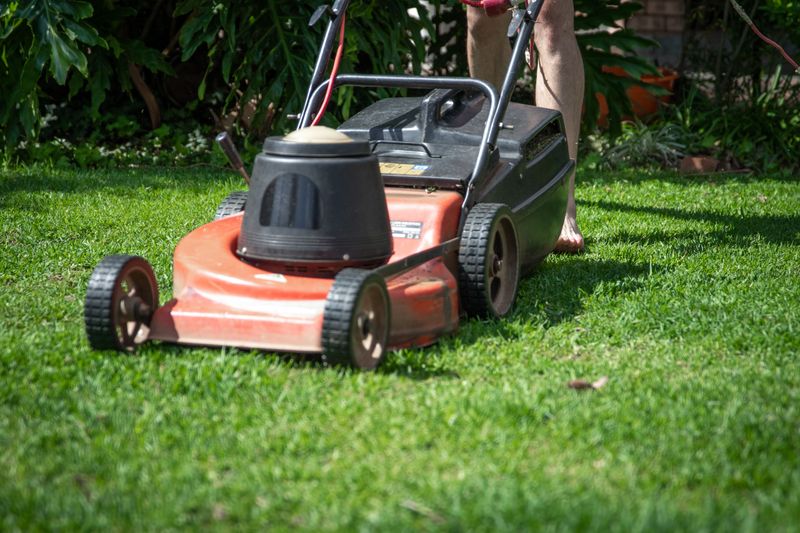
During Oklahoma summers, Bermuda grass grows fast enough to need mowing every five to seven days. Missing that window even once can lead to a cut that removes too much blade at one time.
The one-third rule is the golden standard for any turf type. Try not to remove more than one-third of the total blade height in a single mowing session.
If your grass grows to three inches between cuts, you should mow it back to two inches. Cutting it to one inch in that same pass is a recipe for stress and browning.
Mowing too infrequently forces you to cut more aggressively each time. That cycle creates a boom-and-bust pattern that weakens the lawn over the entire growing season.
Watering days also affect how fast Bermuda grass grows. A well-watered lawn in peak summer may need mowing every five days instead of seven.
Skipping a week during July or August because of the heat is a common mistake. The grass does not stop growing just because it is hot outside.
Mowing shortly after the morning dew dries off is best during summer heat. Cutting in the afternoon stresses already heat-fatigued grass and slows recovery significantly.
Leaving clippings on the lawn after mowing is actually a smart move. Short clippings break down quickly and return nitrogen to the soil without smothering the turf below.
Staying on a consistent schedule is one of the most powerful things you can do for your Bermuda grass all summer long.
Blade Sharpness And Other Overlooked Factors
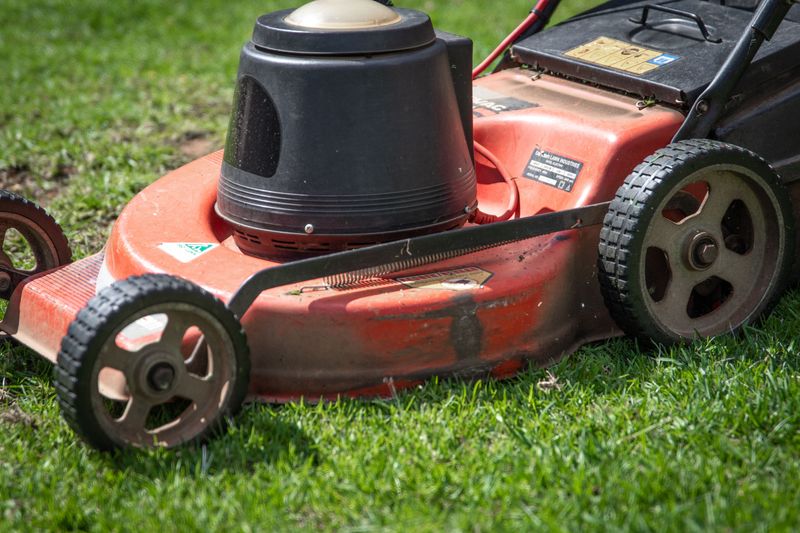
A dull mower blade tends to tear grass rather than cut it cleanly. That tearing leaves ragged edges that turn brown within hours and make your lawn look stressed even after a fresh cut.
Sharp blades slice cleanly through each grass blade, leaving a smooth tip that seals quickly. Clean cuts reduce moisture loss and lower the risk of disease entry points forming.
Most homeowners sharpen their mower blade once a season, if at all. For Bermuda grass mowed weekly, sharpening every four to six weeks is a much better practice.
You do not need a professional to sharpen a blade. A metal file or a bench grinder works well, and the whole process takes about fifteen minutes once you get the hang of it.
Mower wheel height is another factor people overlook. If your wheels are uneven or worn down, your deck will tilt and create an inconsistent cut across the lawn surface.
Grass clippings left in thick clumps are a sign your blade is dull or your mowing speed is too fast. Slow down and check your equipment before blaming the grass itself.
Tire pressure on riding mowers also affects cut quality. Low pressure on one side causes the deck to lean, which means uneven cutting heights across every single pass.
Cleaning the underside of your mower deck after each use prevents clipping buildup that restricts blade movement. A clogged deck cuts less efficiently and leaves behind uneven results every time.
Sharp, well-maintained equipment is just as important as the right height and schedule for a truly healthy lawn.
A Simple Summer Mowing Schedule For Bermuda Grass
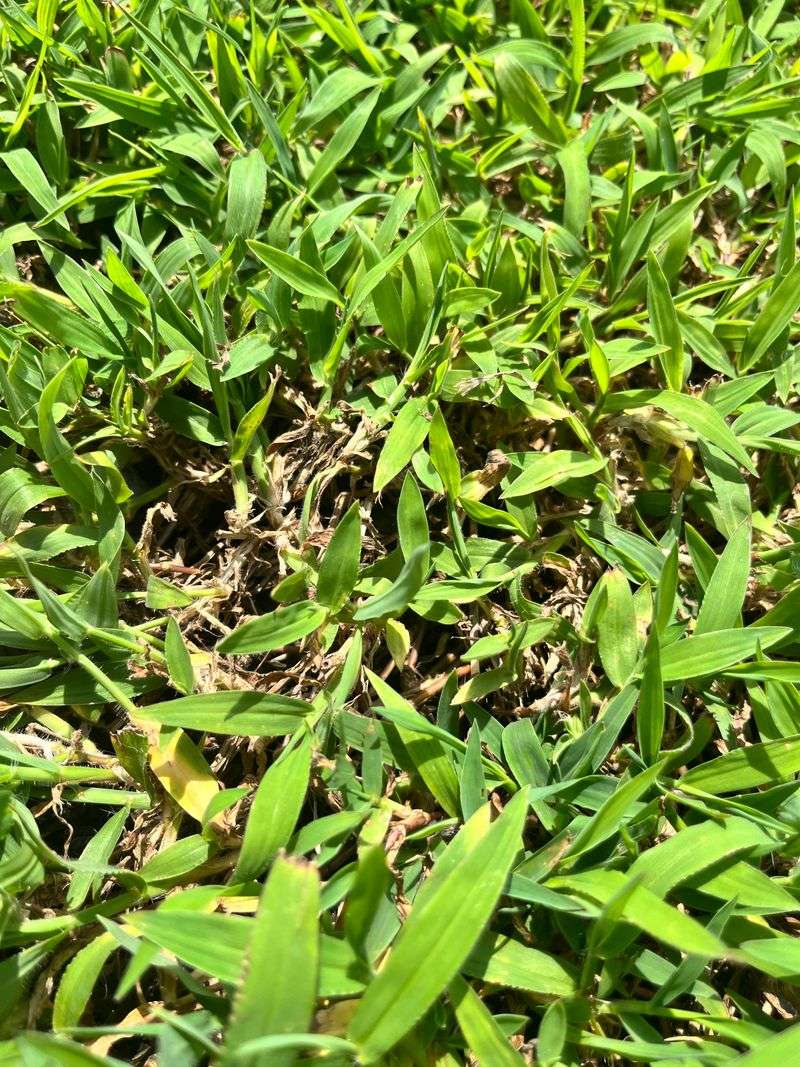
Keeping a simple schedule takes the guesswork out of lawn care entirely. When you know exactly when to mow, you stop second-guessing and start seeing consistent results week after week.
Start your summer schedule in late May when Bermuda grass shifts into active growth. Plan to mow every six days as a baseline and adjust based on how fast your turf grows.
During June, the grass grows quickly with warm temperatures and regular rain. Stick to the six-day cycle and check blade height after each cut to stay within the one-to-two-inch range.
July is peak heat season, and your schedule should stay firm even when temperatures climb. Mow shortly after the morning dew has dried, ideally before the day’s heat sets in, to reduce stress on both you and the grass.
August often brings dry spells that slow growth slightly. If the lawn is not reaching the one-third overage point by day seven, it is fine to wait one extra day before cutting.
September is when Bermuda grass starts preparing for dormancy. Gradually raise your cut height toward two inches to help the plant store more energy heading into fall.
Write your schedule on a calendar or set reminders on your phone. Treating lawn care like an appointment makes it far easier to stay consistent throughout the season.
Avoid mowing wet grass whenever possible. Wet blades clump together, clog your deck, and leave an uneven finish that undoes all your careful scheduling work.
A smart mowing schedule is the simplest way to avoid the mowing mistake many Oklahoma Bermuda grass owners make every single summer.