The Underrated Texas Porch Plant That Makes Flies Less Welcome
Texas porches can turn into fly headquarters fast.
One warm evening, the chairs are clean, the drinks are cold, and the ceiling fan is doing its best. Ten minutes later, flies are circling the sweet tea, hovering near the dog bowl, and acting like they paid rent for the place.
Basil can help change that.
It will not create an invisible shield around the porch or send every fly in the neighborhood packing.
But its strong herbal scent can make a seating area less inviting, especially when it sits close to people, gets brushed often, and works alongside basic cleanup habits.
That is where this plant earns its spot.
Basil is fragrant, edible, easy to grow in containers, and perfectly suited to a Texas porch with morning sun and a little afternoon protection.
So how can one humble herb make flies less welcome near your favorite chair?
Start with scent, then back it up with smart placement, regular pinching, cleaner surfaces, less standing water, and better airflow.
Basil Is The Porch Plant
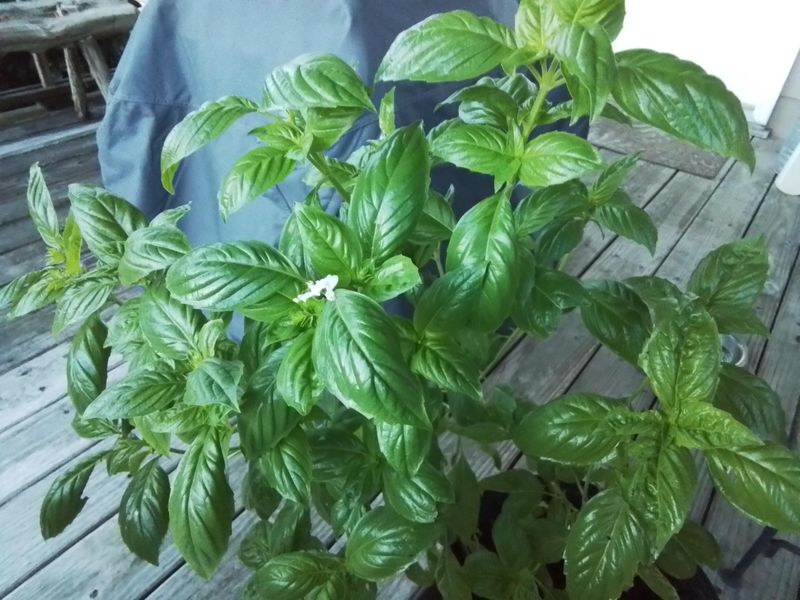
A pot of basil near the porch chair does more than look charming.
Basil leaves release strong aromatic oils that give the plant its sharp, fresh scent. That smell is lovely to people, but many flies find it less appealing than food scraps, pet bowls, trash, or damp organic messes.
That makes basil useful, not magical.
It will not wipe out a fly problem on its own. A dirty porch with old food, sticky tables, and uncovered trash will still attract flies no matter how many herbs sit nearby.
But basil adds pressure in the right direction.
It changes the scent profile around the seating area and makes the porch feel less like an open invitation. That works best when the plant sits close enough for the smell to matter.
Sweet basil is the easiest choice.
It is widely available across Texas in spring and summer, grows well in containers, and produces plenty of leaves with regular harvesting.
Thai basil and lemon basil are worth trying too.
Thai basil has a spicy, anise-like scent, while lemon basil brings a bright citrus note. Both can add variety to the porch and the kitchen.
Use basil as part of a porch plan.
Grow it near seating, keep the area clean, reduce standing water, and move air across the space. That combination makes flies work harder to feel comfortable.
For a plant that also belongs in pasta, that is a pretty good porch upgrade.
Strong Scent Works Best Brushed
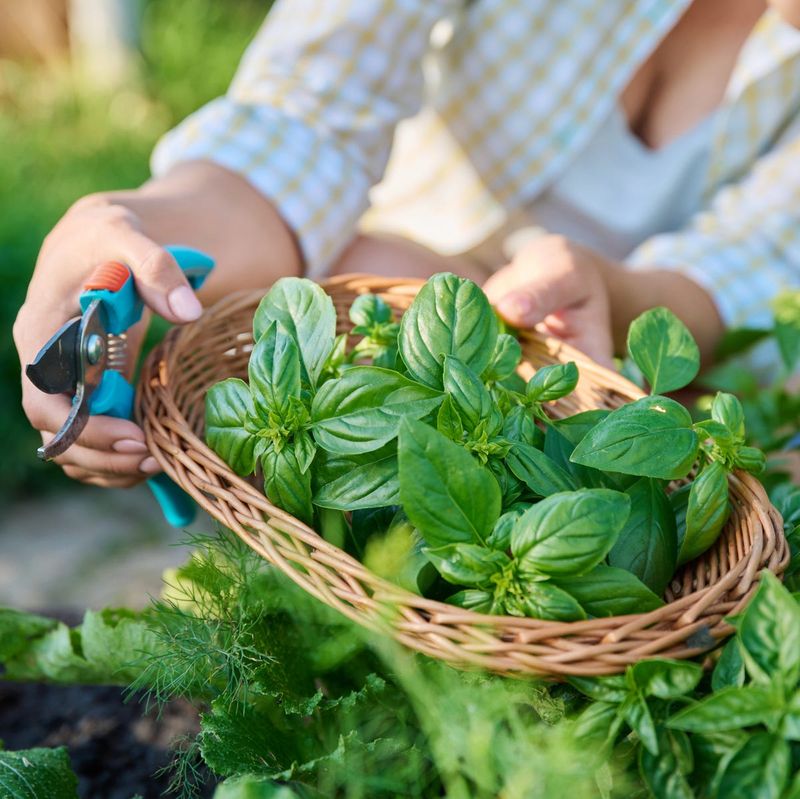
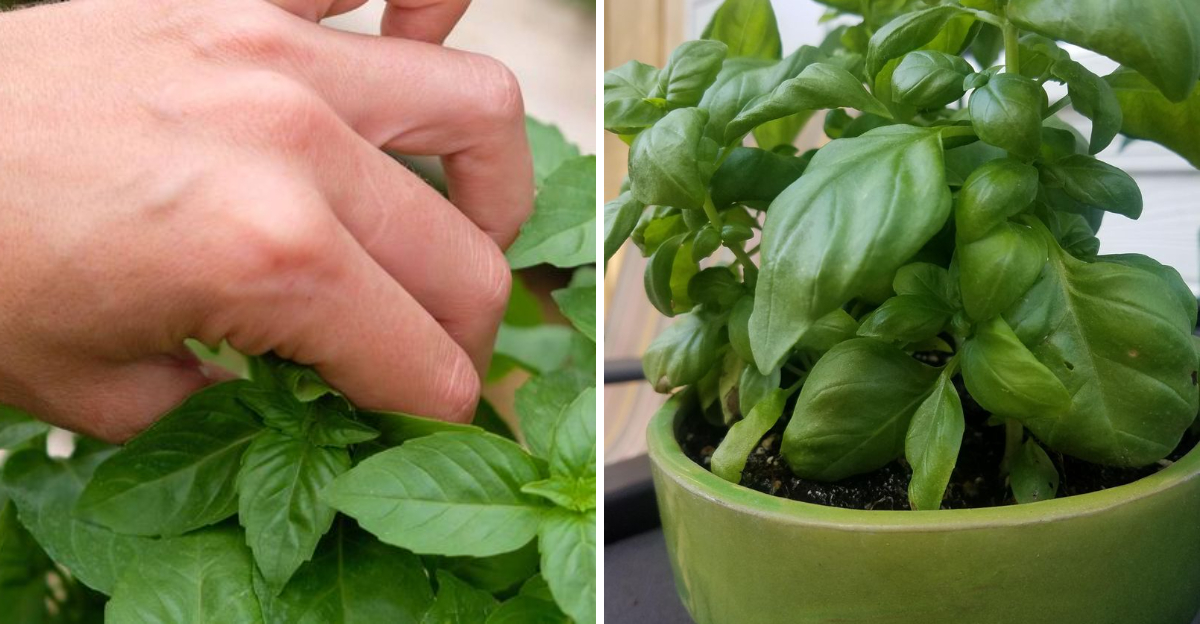
The scent gets stronger when the leaves are touched.
A basil plant sitting quietly in a corner gives off some fragrance, especially in Texas heat. But the real burst comes when leaves are brushed, pinched, snipped, or gently bruised.
That is when the oils release.
Run your fingers over a few leaves, and the smell rises almost immediately. That fresh green scent is exactly what helps make the nearby air less attractive to flies.
Place the plant where contact happens naturally.
Your Texas Garden Changes Every Week. Your Plan Should Too.
Gardening in Texas changes quickly throughout the season. Every Friday you’ll receive a simple weekly plan showing exactly what to plant, prune, fertilize, harvest, and protect so you never miss the right timing.
A pot beside a chair, near a side table, or along the walkway to the porch gets brushed more often than one tucked against a far wall.
Gentle touch is enough.
You do not need to crush the plant or damage whole stems. A light pass with your hand releases scent without hurting healthy leaves.
Harvesting helps too.
Snipping basil for dinner sends even more fragrance into the air. A few leaves for pasta, tomatoes, grilled chicken, or lemonade can freshen the porch while keeping the plant productive.
Fresh growth smells best.
Older, tough leaves usually do not release the same soft, bright aroma as young growth. Regular pinching keeps new leaves coming.
Make it a small porch habit.
Brush the plant when you sit down, snip a few leaves before dinner, and let the herb do what it does best.
Basil works hardest when it is not ignored.
Pots Belong Near Seating
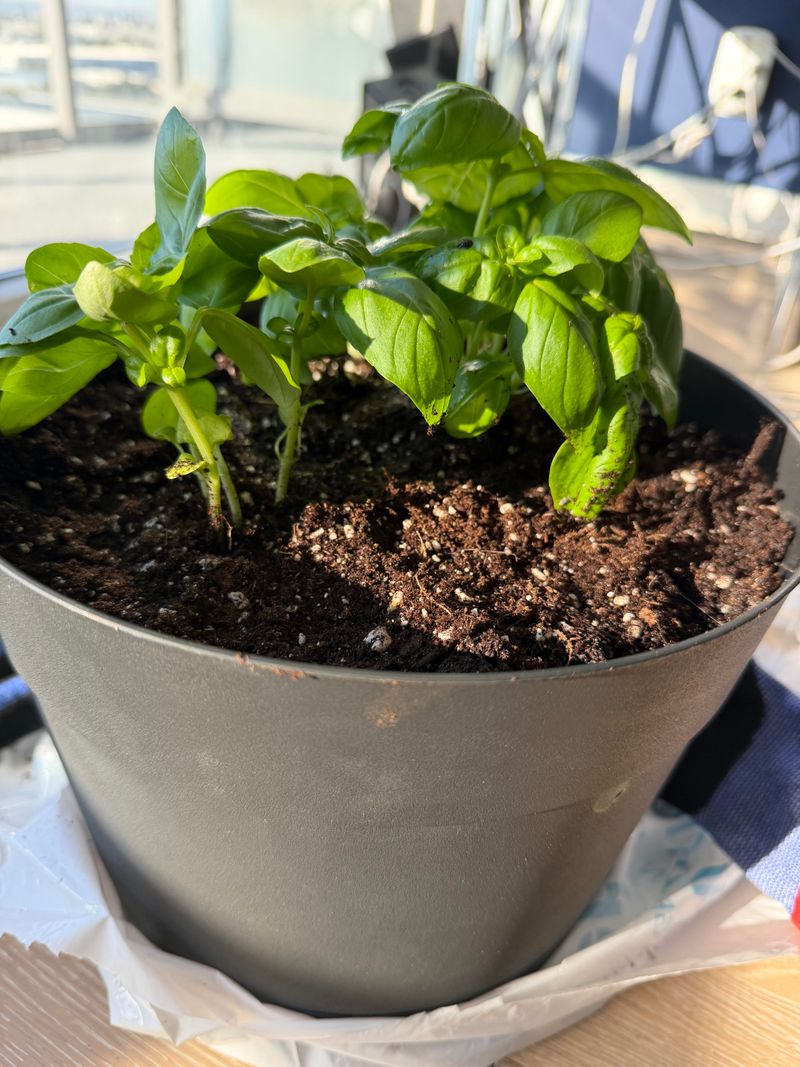
Placement decides how useful the plant feels.
A basil pot at the far end of the porch may look nice, but its scent will not do much near the table, swing, or chair where flies are actually bothering you.
Keep the fragrance close.
Put one pot beside the main seating area and another near the door. Flies often gather where people sit, eat, and move in and out of the house.
The grill zone can use one too.
Outdoor food prep attracts flies fast. A basil pot near the serving table or grill area adds scent exactly where food smells are strongest.
Texas sun needs a little strategy.
Basil loves warmth and bright light, but brutal afternoon sun can stress container plants. Morning sun with afternoon shade is often the sweet spot, especially in Central and South Texas.
Containers should be roomy.
A small six-inch pot can grow one basil plant, but a larger container gives roots more space and holds moisture longer. A twelve-inch pot can support a fuller, more fragrant planting.
Group pots for stronger effect.
Two or three basil containers near a porch chair create a small herbal zone that smells fresher than one lonely plant.
Keep them easy to reach.
A basil plant that sits within arm’s length gets brushed, pinched, watered, and harvested more often.
The best fly-discouraging plant is the one close enough to actually join the porch routine.
Pinching Keeps Leaves Fragrant
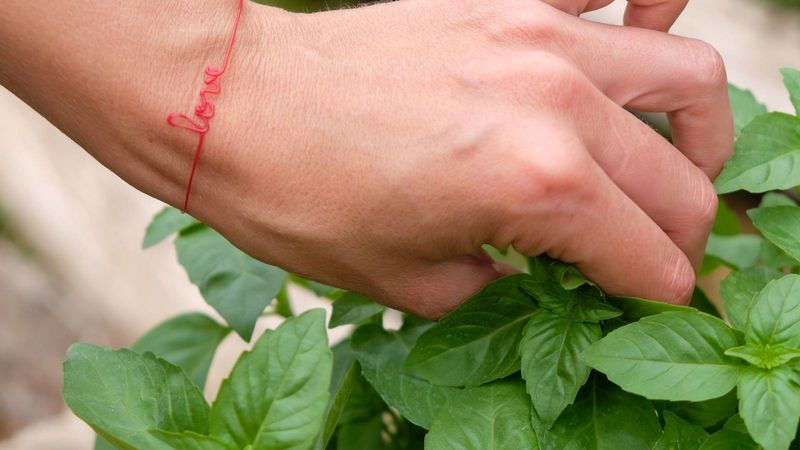
A bushy basil plant smells better than a tired one.
Pinching keeps basil full, leafy, and fragrant through the hottest stretch of the season. Without it, the plant stretches upward, forms flowers, and puts less energy into tender leaves.
The top growth is the target.
Pinch or snip just above a pair of leaves. The plant will usually send out two new side shoots from that spot, creating a fuller shape.
More branches mean more leaves.
More leaves mean more scent around the porch. That is exactly what you want when basil is part of your fly-discouraging setup.
Flower buds should come off most plants.
Once basil starts blooming heavily, the leaves often become smaller, tougher, and less flavorful. Texas heat can push basil toward flowering quickly, so check often in summer.
A weekly pinch works well.
Walk by with coffee, look for tall tips or tiny buds, and remove them before they take over. It only takes a minute or two.
Use the trimmings.
Do not waste those fragrant pieces. Toss them into dinner, muddle them into drinks, or set a few cut stems in a small jar of water on the table.
Water supports regrowth.
A pinched plant needs steady moisture to keep producing fresh leaves. Dry container soil can slow the whole process.
Pinching is not just grooming.
It is how basil stays young, useful, and strongly scented enough to earn its porch space.
Flowers Bring Helpful Insects
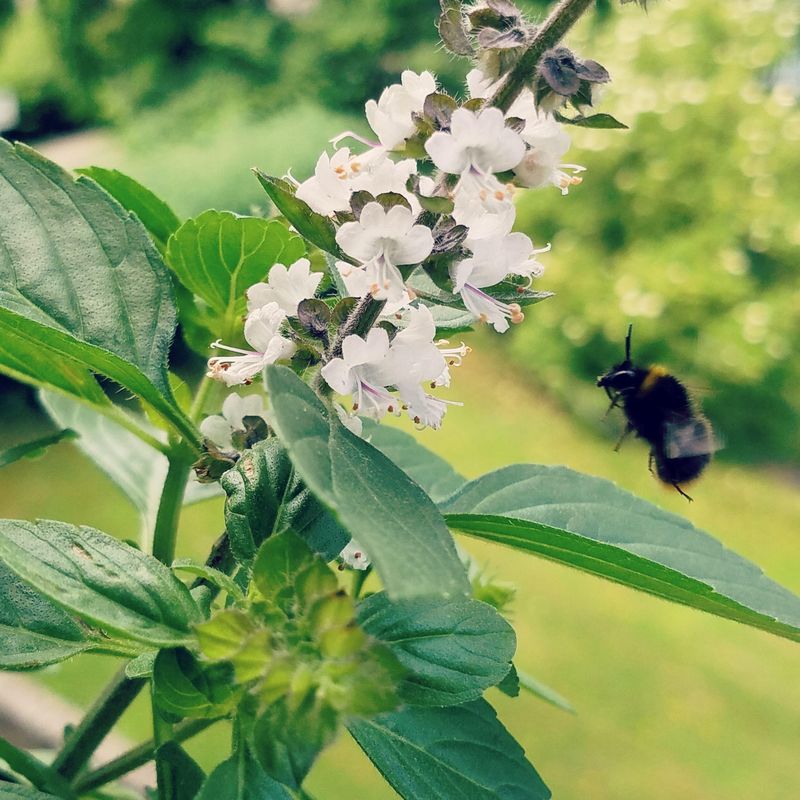
A few basil flowers can be worth keeping.
Most basil plants should be pinched for leafy growth, but letting one plant bloom gives the porch garden a different benefit. Those small white or pale purple flowers attract pollinators and beneficial insects.
Bees notice quickly.
Basil flowers may look modest, but pollinators work them with enthusiasm. A blooming plant can make the porch feel more alive without taking much space.
Hoverflies may visit too.
Adult hoverflies feed from small flowers, while their larvae help control aphids in the garden. That makes them welcome guests around container herbs and nearby plants.
Tiny wasps can be helpful.
Some small parasitic wasps use nectar from herb flowers and help manage pests elsewhere in the garden. They are easy to overlook, but they do useful work.
Let one plant bloom away from the main chair.
Pollinator traffic is great, but not everyone wants bees right beside their drink. Place the flowering basil slightly off to the side and keep the leafier plants near seating.
Keep harvesting the others.
That gives you both benefits: bushy, fragrant basil for scent and a blooming plant for insect support.
Basil flowers are edible too.
They have a softer version of the leaf flavor and can be sprinkled over salads, tomatoes, or bruschetta.
One blooming basil plant can turn the porch into a tiny working herb garden, not just a fly defense station.
Healthy Basil Smells Stronger
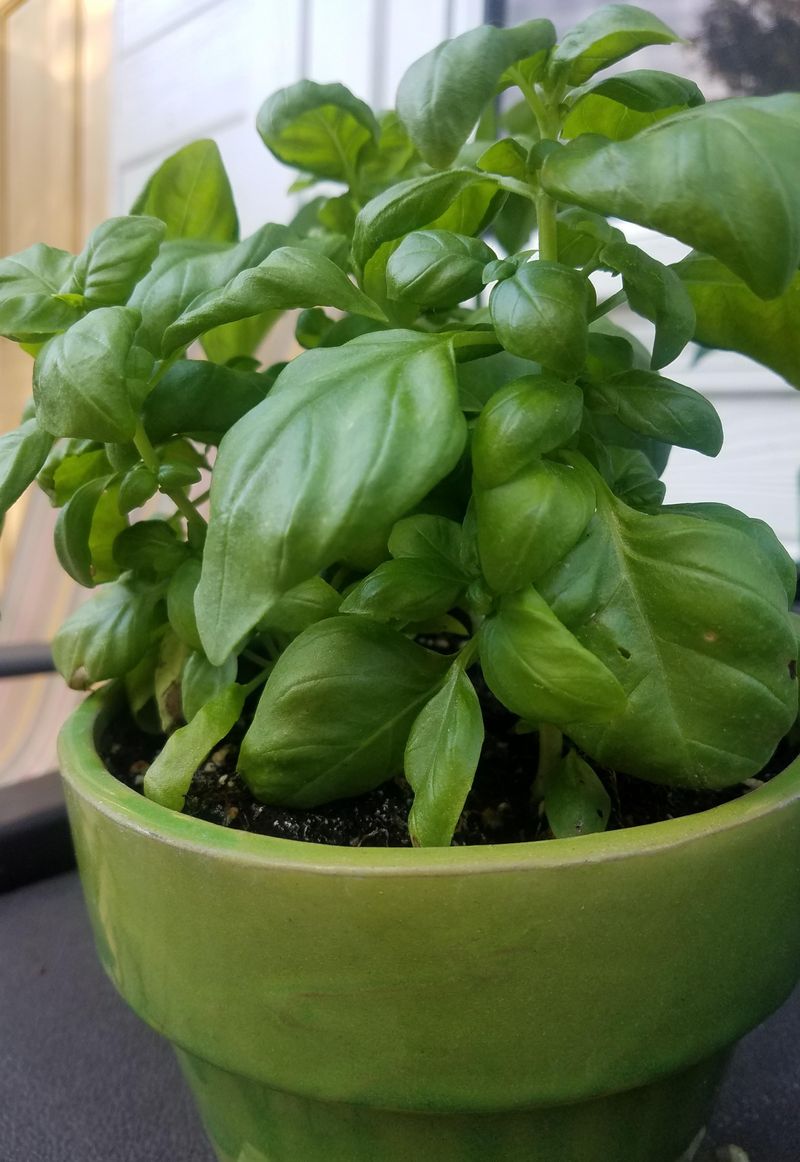
A stressed basil plant will not help much.
When basil dries out, wilts, or turns woody in Texas heat, it produces fewer lush leaves and less of that fresh herbal scent you want near the porch. Keeping the plant healthy keeps the fragrance stronger.
Container basil dries fast.
Porch pots can lose moisture quickly, especially in hot wind or afternoon sun. Check the soil often by pressing a finger into the top inch of potting mix.
Dry soil means water.
Give the plant a deep drink until water runs from the drainage holes, then let the pot drain fully. Basil likes steady moisture, not soggy roots.
Drainage is non-negotiable.
A pot without holes can leave roots sitting in stale water. That weakens the plant, dulls the leaves, and may create damp smells that attract insects instead of discouraging them.
Morning watering works best.
The plant gets moisture before the hottest part of the day, and any splashed leaves have time to dry. Evening watering can leave foliage damp overnight in humid weather.
Shade helps during brutal heat.
In much of Texas, basil appreciates morning sun and afternoon protection once temperatures climb hard. A plant that avoids heat collapse stays leafier and more fragrant.
Trim off tired stems.
Yellowing, woody, or stretched growth does not release scent as well as fresh leaves. Regular harvests encourage new growth that smells stronger when brushed.
The better the basil grows, the better it works.
A thriving porch plant brings stronger scent, better flavor, and one more reason flies may decide your neighbor’s porch looks easier.