The Must Have Garden Tools Every Beginner In North Carolina Should Own
Walking into a garden center as a beginner can feel overwhelming, with endless tool options promising to solve problems a new North Carolina gardener doesn’t even know exist yet.
A relatively small core set of quality tools actually covers the vast majority of tasks needed to successfully establish and maintain a garden bed, making expensive specialty items largely unnecessary for someone just starting out.
Investing in well-made versions of these essentials tends to pay off over time, since cheap tools often break or become frustratingly inefficient right when they’re needed most during a busy planting season.
Because North Carolina’s climate and soil conditions create specific challenges, certain tools prove more genuinely useful here than they might in other regions with different growing conditions.
Building a garden tool collection around these core essentials sets beginners up for real success without wasting money on items that will likely sit unused in a shed.
1. Bypass Pruners For Clean Cuts
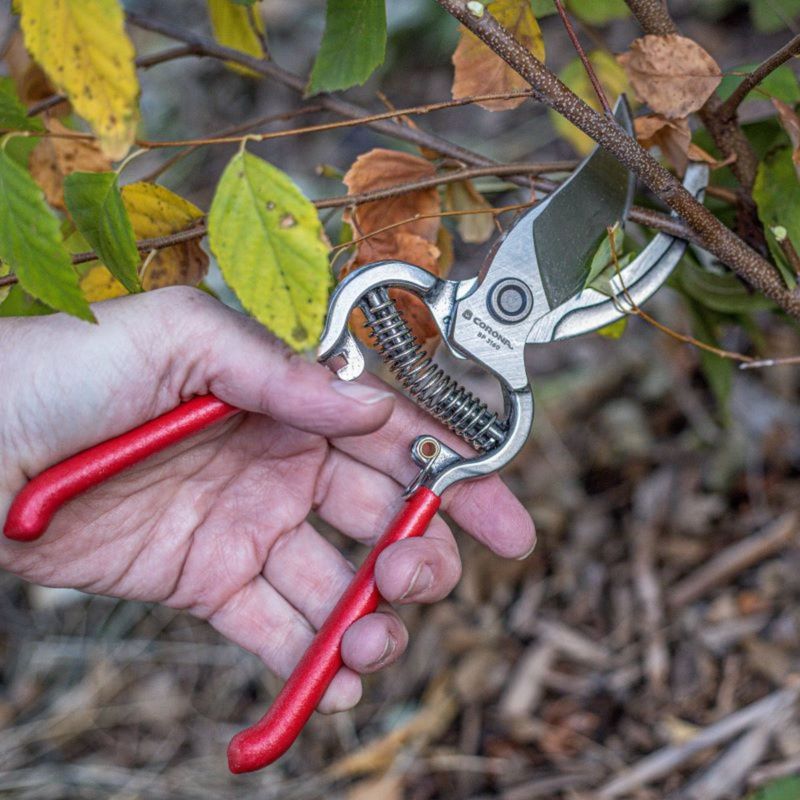
Ask any seasoned gardener which tool they grab first, and many will pull a pair of bypass pruners from their back pocket. These hand shears have two curved blades that slide past each other, just like scissors.
That simple design makes all the difference for your plants. Clean cuts matter more than most beginners realize.
When you snip a live stem with sharp bypass blades, the wound closes quickly and stays tidy. Dull pruners or anvil-style models, which press one blade against a flat surface, tend to crush stems instead.
Crushed tissue heals slowly and gives disease an open door. Comfort should guide your choice.
Hold a few pairs in the store and pick one that fits your hand without stretching your fingers too wide. Some brands even make smaller sizes and left-handed versions, so you have options.
Keep the job size in mind, too. Bypass pruners work best on stems up to about three-quarters of an inch thick. Anything bigger calls for loppers or a small saw, and forcing it can bend the blades.
A little care keeps them cutting like new. Wipe the blades clean after each use, sharpen them a few times a season, and disinfect them with rubbing alcohol when you move from a sick plant to a healthy one.
North Carolina gardeners will reach for these often. Our long growing season means months of deadheading flowers, shaping shrubs, and trimming perennials, so a good pair quickly becomes your trusty sidekick.
2. A Sturdy Hand Trowel For Planting
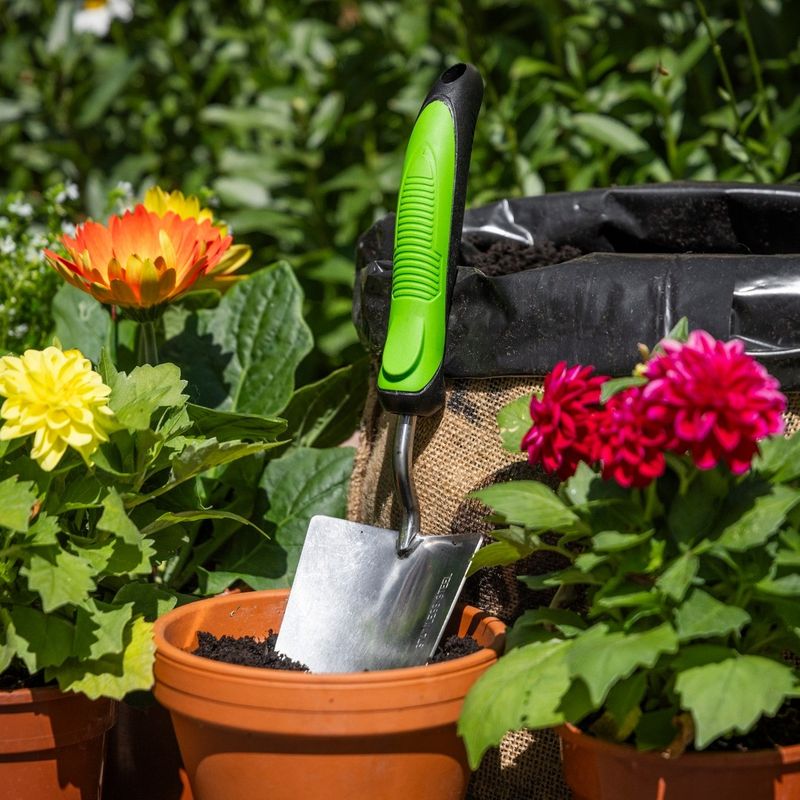
Small but mighty, the hand trowel might be the hardest working tool in your shed. Every time you tuck a marigold, tomato, or tulip bulb into the ground, this little pointed scoop does the heavy lifting. Most gardeners use it more than any other tool they own.
Quality really shows with a trowel. A well-made one slides into soil with less effort, saves your wrist from strain, and can last for many years. A flimsy one, on the other hand, turns every planting session into a wrestling match.
Look closely at how the blade connects to the handle. The best choices have a solid, one-piece metal design or a blade that is firmly attached with no wiggle at all. Cheap trowels often bend right at the neck the first time they hit heavy soil.
Grip counts as well. A handle with some cushion or a shape that fits your palm will keep blisters away during long spring planting days. Bright colors help, too, since trowels love to hide in mulch and tall grass.
Care is simple. Knock off the dirt after each use, rinse the blade if needed, and dry it well before putting it away. A dry tool stays free of rust and ready for the next job.
Here in North Carolina, that sturdiness is not optional. Dense Piedmont clay can grip a blade like glue, and weak tools fold fast. A tough trowel handles that clay with confidence season after season.
3. Good Gloves For Thorns, Ants, And Poison Ivy
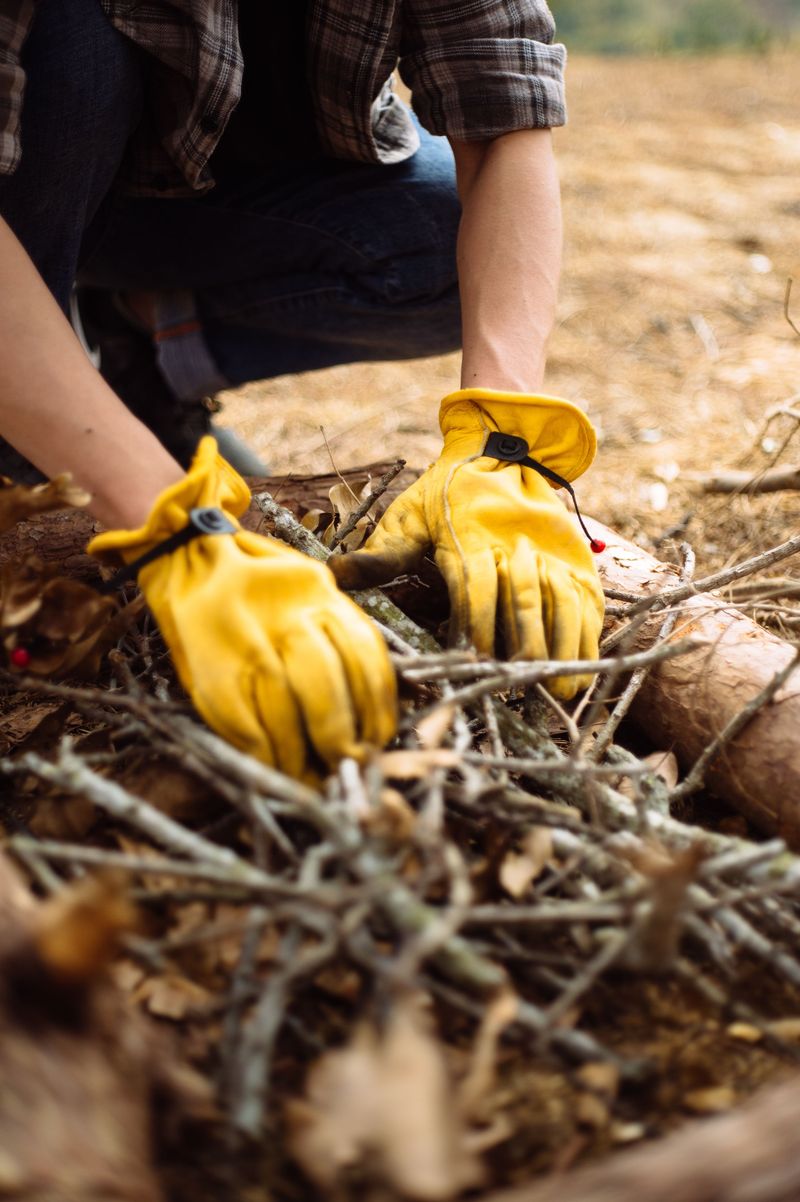
Nobody forgets their first fire ant sting. One minute you are happily pulling weeds, and the next your hand feels like it touched a hot stove. A good pair of gloves can spare you that lesson.
Hands take a beating in the garden. Gloves guard against blisters from digging, splinters from wooden stakes, and thorns from roses and blackberries. They also block plant sap that can make skin itchy and red.
Surprises hide in soil and mulch, too. Stinging insects often nest where you least expect them, and a layer of fabric or leather gives you a few seconds to react before trouble starts.
Owning two pairs works best. A lightweight, snug pair, like the kind with a coated palm, lets you feel tiny seedlings while planting and weeding. A heavier leather pair is perfect for pruning roses, hauling brush, and clearing tangled areas.
Poison ivy deserves extra respect. Its oil, called urushiol, can stay active on fabric for a long time, so wash gloves after touching the plant. Otherwise, you might get a rash weeks later just by slipping them back on.
North Carolina gardeners face these hazards often. Fire ants are common across the Piedmont and Coastal Plain, building mounds in lawns and beds.
Poison ivy grows everywhere from the mountains to the coast, climbing fences and trees. With the right gloves, you can garden boldly and keep your hands happy.
4. A Digging Fork For Heavy Soil
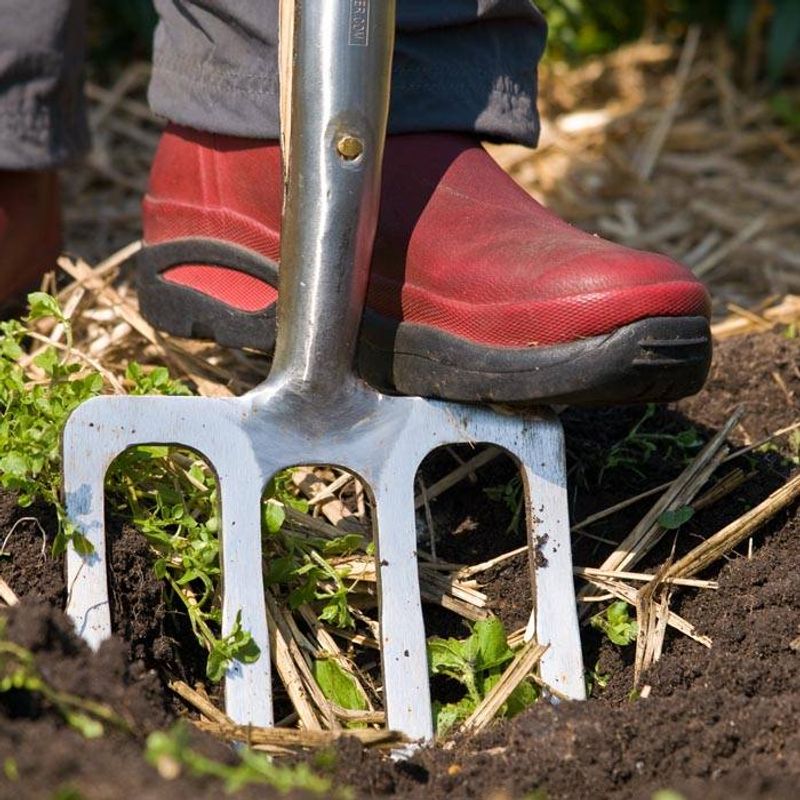
Think of a digging fork as a shovel with superpowers for tough ground. Its four strong, flat tines push into soil where a solid blade would stall. Once you try one, you may wonder how you ever gardened without it.
Compacted soil gives up much more easily to a fork. The tines slip between clumps and crack them apart, letting air and water back in. Turning in compost becomes quicker work, too.
Lifting plants is another area where a fork shines. When you dig up bulbs, divide perennials, or harvest potatoes and carrots, the tines slide around roots instead of slicing through them. You end up with fewer bruised potatoes and healthier transplants.
Build quality matters a lot. Choose a fork with thick, forged steel tines, since thin stamped ones can bend under pressure. A sturdy handle made of ash, fiberglass, or steel adds strength for years of use.
Technique saves both the tool and your back. Push the fork straight down with your foot, then gently rock it back and forth to loosen the soil. Prying hard like a crowbar is the quickest way to snap a handle.
Timing helps as well. Skip digging when soil is wet and sticky, because working it then squeezes out air and leaves hard clods behind.
For Piedmont gardeners, this tool is a game changer. Heavy red clay can feel like brick, yet a fork loosens it far more easily than any shovel.
5. A Round Point Shovel For Bigger Jobs
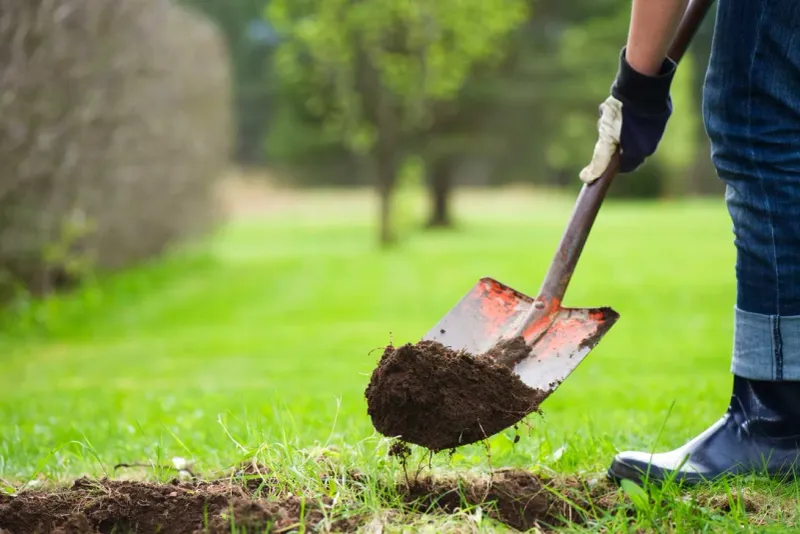
Planting a dogwood tree feels like a big moment, and the round point shovel is the tool that makes it happen. With its long handle and pointed blade, it was built for digging holes and moving soil. When a job is too big for a trowel, this is your answer.
That pointed tip is the secret. It bites into hard ground much more easily than a flat blade, focusing your push into a small spot. As a result, planting shrubs and trees goes faster and feels less exhausting.
Plenty of other chores benefit, too. You can split large clumps of daylilies or hostas, scoop mulch into a wheelbarrow, and spread compost across new beds. One good shovel covers a surprising amount of ground.
Shopping smart pays off. Pick a shovel with a strong steel blade and a foot ledge, sometimes called a step, along the top edge. That flat ledge lets you press down with your boot without hurting your foot, giving you extra power.
Many people never sharpen a shovel, but a quick pass with a metal file makes a huge difference. A sharp edge slices through roots and clay instead of bouncing off them. After each use, scrape off stuck soil and let the blade dry so rust stays away.
North Carolina ground can test any tool. Clay in the Piedmont and rocky soil in the mountains both demand a strong, well-made shovel that stands up to hard digging.
6. A Hoe For Fast Weed Control
Weeds are sneaky. One week your vegetable rows look spotless, and the next they are covered in tiny green invaders. A good hoe helps you win that race without crawling around on your knees.
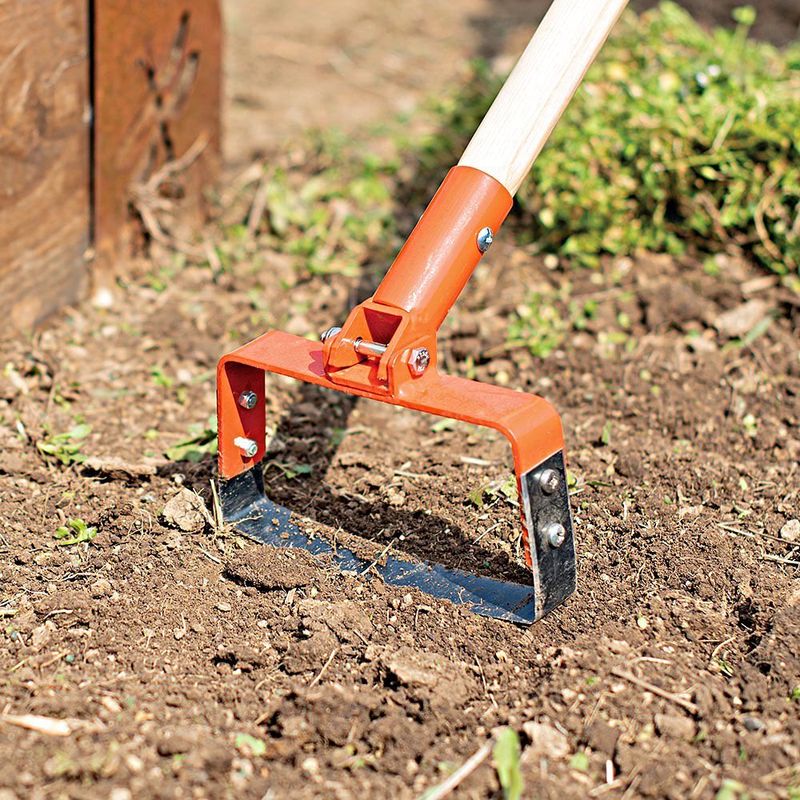
The stirrup hoe, also called a loop or hula hoe, is a favorite for beginners. Its thin, open blade slices weeds just below the soil surface. You can clean a whole bed while standing up straight, which your back will appreciate.
Speed is the real prize. Cutting weeds while they are young keeps them from spreading and dropping seeds. One weed left alone can produce thousands of seeds, so early action saves hours of work later.
Technique is easy to learn. Use a smooth push-pull motion, keeping the blade just under the surface. Many stirrup hoes cut in both directions, so every stroke does double duty.
Weather can be your helper. Hoe on dry, sunny days, and the cut weeds will shrivel up quickly instead of rooting again. After a rain, the same weeds may bounce right back.
Resist the urge to dig deep. Hoeing too far down brings buried weed seeds up to the light, where they happily sprout. A shallow touch works better.
Keep the blade sharp with a file, since a keen edge glides instead of dragging. In North Carolina, warm and humid weather makes weeds grow fast from spring through fall, so this tool earns its place quickly.
7. A Hose With A Watering Wand
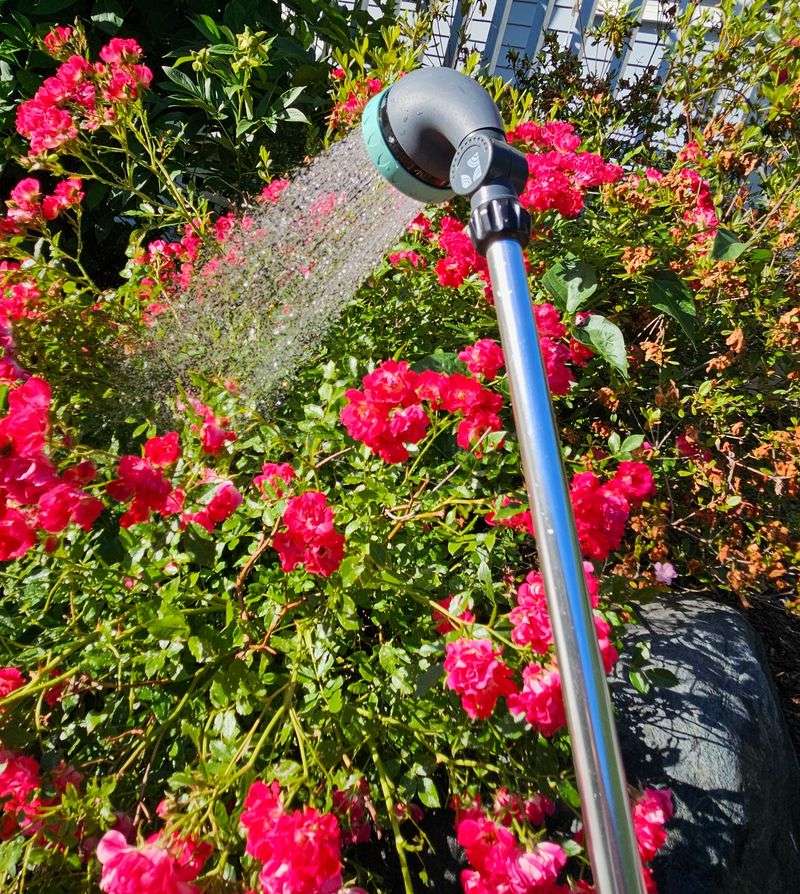
Summer in North Carolina can go from thunderstorms to bone-dry in what feels like a week. When the rain stops, your plants count on you. A reliable hose paired with a watering wand makes that job easy and even relaxing.
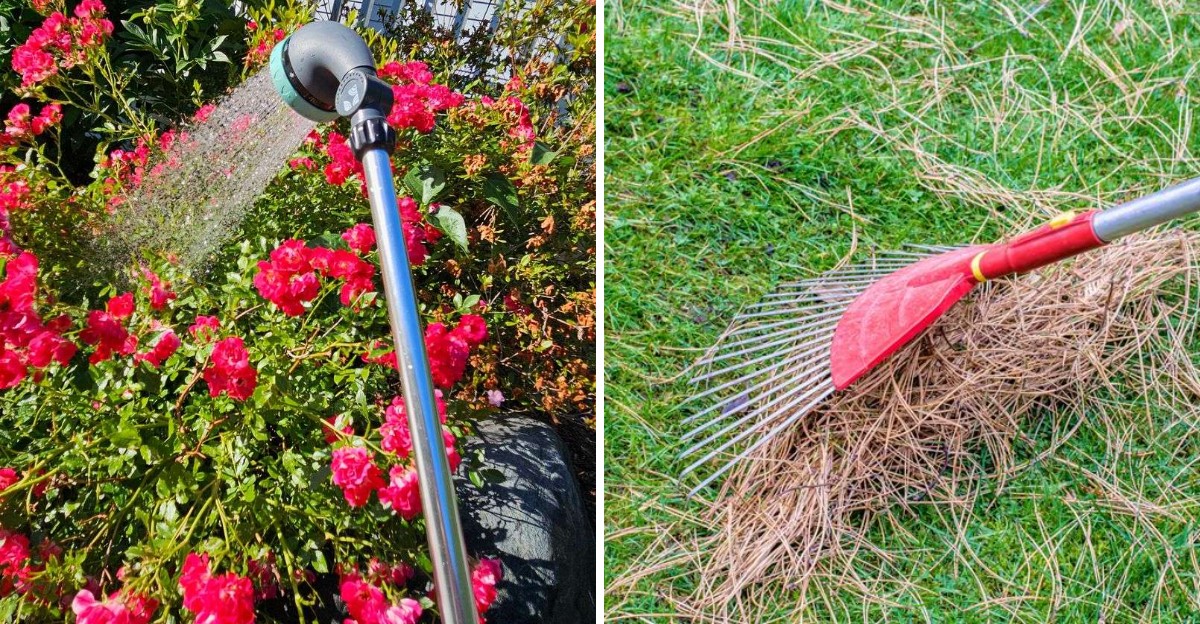
A watering wand is simply a long nozzle that gives off a gentle, rain-like shower. The extra length lets you reach the base of plants without bending over, which is a gift on hot afternoons. You can also reach hanging baskets and the back of wide beds with ease.
That soft spray protects young plants, too. A strong blast from a regular nozzle can wash seeds out of the ground or flatten tender seedlings. The wand delivers water slowly, so it soaks in instead of running off.
Aim low for healthier plants. Watering the soil rather than the leaves helps cut down on fungal problems, since wet foliage invites disease in humid weather.
Choose a kink-resistant hose that is long enough to reach every corner of your garden. Add a wand with a shut-off valve on the handle, so you can pause the flow while you move between beds without walking back to the spigot.
Morning is the best time to water. Plants drink up before the heat arrives, and leaves dry quickly. Before hard freezes, drain the hose and store it indoors to keep it from cracking.
8. A Leaf Rake For Fall Cleanup
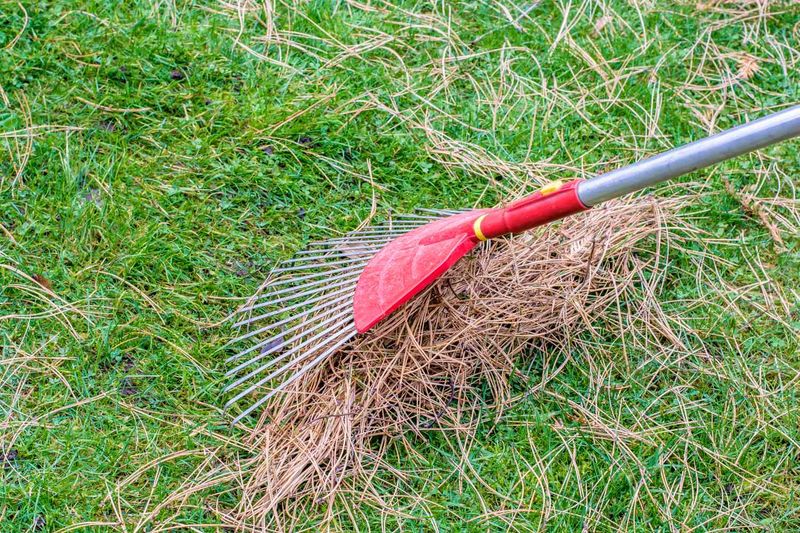
Crisp air, golden light, and a lawn buried in orange and red leaves. Fall in North Carolina is gorgeous, but it also means one thing for gardeners: raking season has arrived.
A leaf rake is lightweight and fan-shaped, with long, flexible tines that spread out wide. That bendy design lets it sweep up leaves, pine straw, and light debris without ripping up grass or scattering mulch.
It moves over the ground gently while still grabbing a big load. Fall cleanup is its main job, yet it has other talents.
You can use it to spread fresh mulch or pine straw evenly across flower beds. It also helps you clear leaves away from the crowns of perennials, where soggy piles can cause rot.
Tines make or break a rake. Choose one with sturdy tines, whether steel, strong poly, or bamboo, that will not snap in chilly weather. Cheap plastic rakes often crack the first frosty morning you use them.
Remember that leaves are not trash. Run over them with a mower to chop them up, then use them as mulch or add them to your compost pile. They break down into rich food for your soil, and it costs nothing.
North Carolina yards collect a lot of leaves. Oaks, maples, and hickories drop heavy loads each autumn, and pines shed needles too. With a good rake, that yearly chore feels more like a peaceful fall ritual.
9. A Soil Test Kit From The State
Guessing costs money. Many beginners buy bags of fertilizer and lime without knowing if their soil even needs them. A soil test ends the guesswork, and it might be the smartest tool you ever use.
It may not look like a shovel or rake, but a soil test gives you powerful information. The report shows your soil’s pH and nutrient levels, so you know exactly what to add.
That means healthier plants, less waste, and no over-fertilizing that can run off into streams.
Getting started is simple. Stop by your local Cooperative Extension office and pick up free sample boxes and forms. Staff there can also answer questions about filling them out.
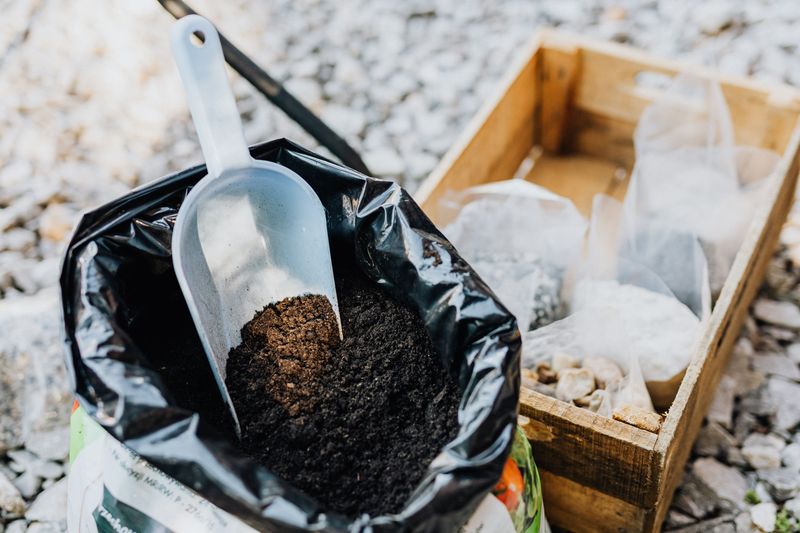
Collecting samples takes just a few minutes. Dig small scoops from several spots in each garden area, mix them together in a clean bucket, and fill the box. Keep separate boxes for areas like the lawn, vegetable garden, and flower beds.
Next, mail or drop off your samples at the North Carolina Department of Agriculture and Consumer Services soil testing lab in Raleigh.
For much of the year, testing is free for state residents. A small fee applies during the busy winter season, so sending samples earlier in fall can save money.
Many North Carolina soils are naturally acidic and often need lime to help plants take up nutrients. With such an easy, affordable state program, every beginner can start with real answers instead of guesses.