The One Thing You Must Do To North Carolina Russian Sage Before September Ends
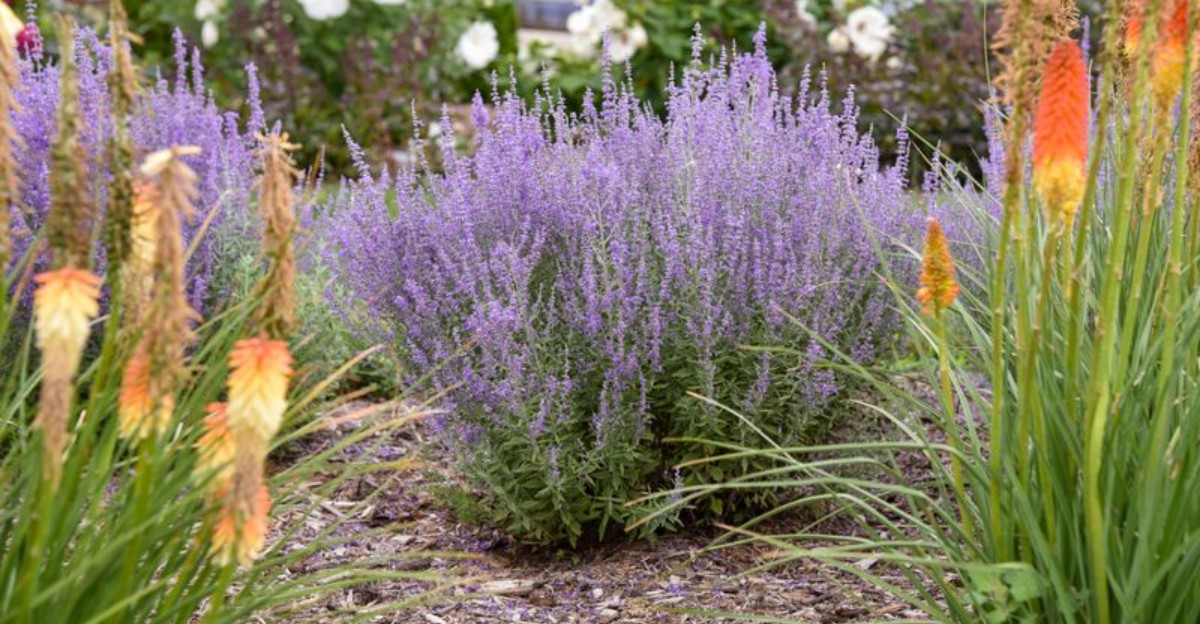
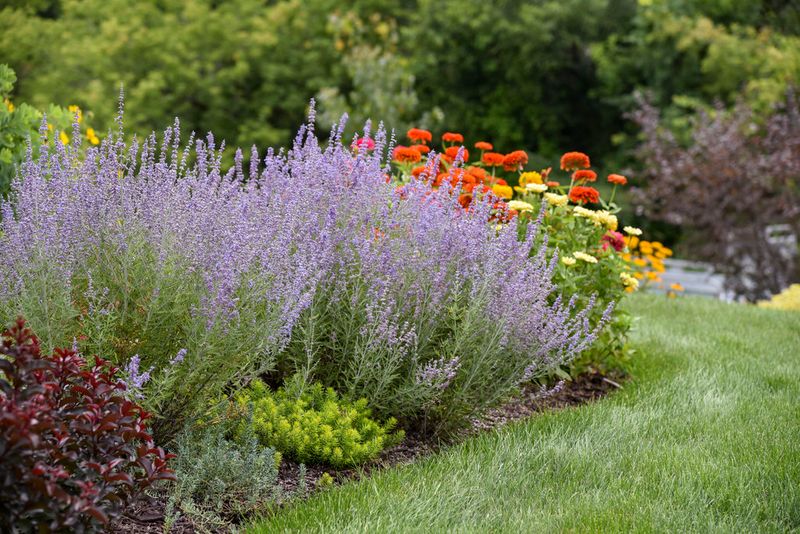
Russian sage has delivered its signature airy purple blooms all summer in North Carolina gardens, but one task this September plays a real role in how well the plant handles winter and returns next year.
As the plant shifts away from active blooming and toward preparing for dormancy, its care needs change in ways that are easy to overlook if the summer routine simply continues.
Skipping this step can leave Russian sage more vulnerable to winter damage, even after a strong season of growth and flowering.
Because this plant can struggle to recover from neglect during this transition period, addressing its needs now carries real weight. A little attention before the month ends helps set Russian sage up for a fuller, healthier return next spring.
Stop Heavy Pruning In September
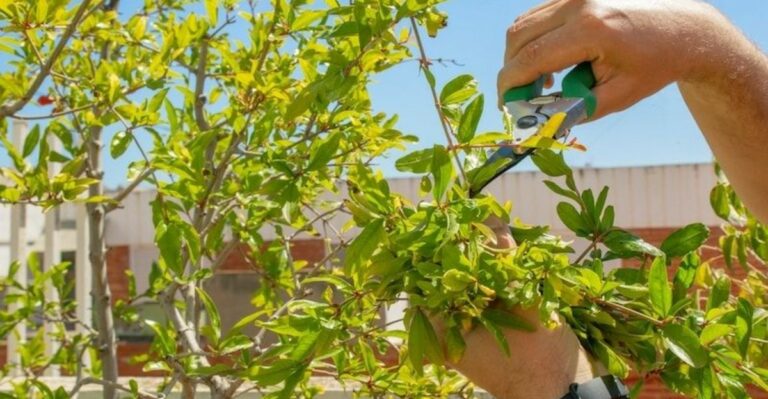
Grabbing your pruners in September feels natural, but hold off when it comes to Russian sage. Cutting the plant back hard right now sends the wrong message to its roots.
When you remove big portions of stem in early fall, the plant may try to push out fresh, tender growth. That soft new growth has no time to toughen up before cooler weather arrives. Instead of helping, heavy pruning leaves the plant weaker and more exposed.
North Carolina falls can swing between warm afternoons and chilly mornings. A plant that is busy making new shoots during this shift wastes energy it should be saving.
Russian sage naturally wants to slow down and rest as the season turns, and cutting it hard interrupts that rhythm.
Leaving the plant whole through fall lets it move into its resting stage the way nature intended. The stems, even as they fade, keep protecting the base of the plant. That protection matters when temperatures drop later in the year.
Think of September as a hands-off month. A little light tidying of clearly broken pieces is fine, but resist the urge to reshape the whole plant now.
Your Russian sage will reward this patience. By skipping the big cut, you give it a smooth path toward its natural quiet season.
When spring returns, you will have a stronger plant ready to burst back to life instead of one that struggled through fall trying to recover from an early trim.
Save Major Pruning For Late Winter
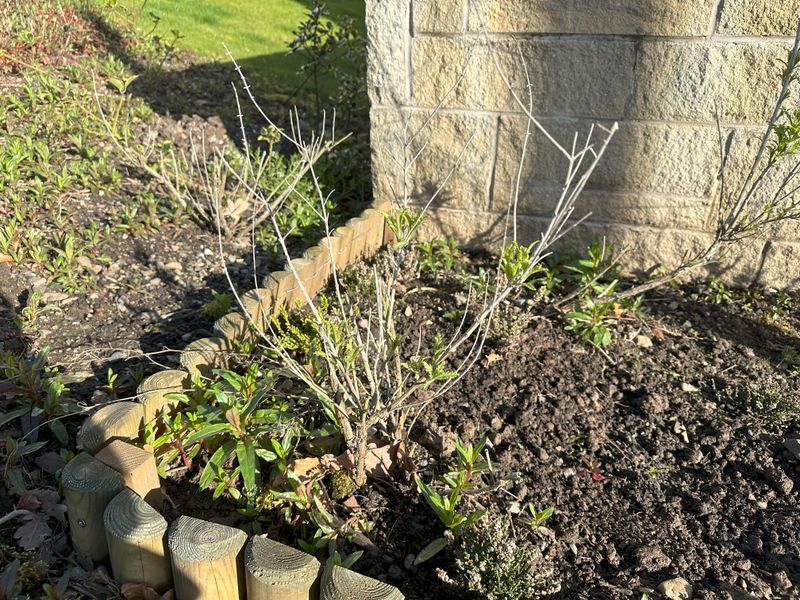
Timing changes everything with Russian sage, and the best window for a serious trim is late winter or very early spring. That is when you can cut back old stems without harming the plant.
Right before new growth begins, the plant is still resting. Cutting it then lets you clear away last year’s tired stems while the roots stay calm and ready. You are not interrupting anything, and the plant has plenty of time to launch fresh shoots once the weather warms.
Many gardeners trim Russian sage down to about a foot from the ground during this late winter window. That kind of bold cut works beautifully at the right time, encouraging thick, bushy growth.
Doing the same thing in September would leave the plant scrambling, but in late winter it sets the stage for a gorgeous season.
Your North Carolina Garden Changes Every Week. Your Plan Should Too.
Gardening in North Carolina changes quickly throughout the season. Every Friday you’ll receive a simple weekly plan showing exactly what to plant, prune, fertilize, harvest, and protect so you never miss the right timing.
Waiting also gives you a clearer view of the plant. Without leaves crowding your sight, you can spot which stems look healthy and which ones need to go. That clarity makes pruning easier and more accurate.
North Carolina winters are usually mild enough that late winter pruning fits neatly into the calendar. Aim for a stretch when the worst cold has passed but before buds swell.
By marking that late winter moment on your gardening plan, you take the pressure off fall. You get to relax now and save the real work for the season when your Russian sage is truly ready for a fresh start.
Keep The Soil Well Drained
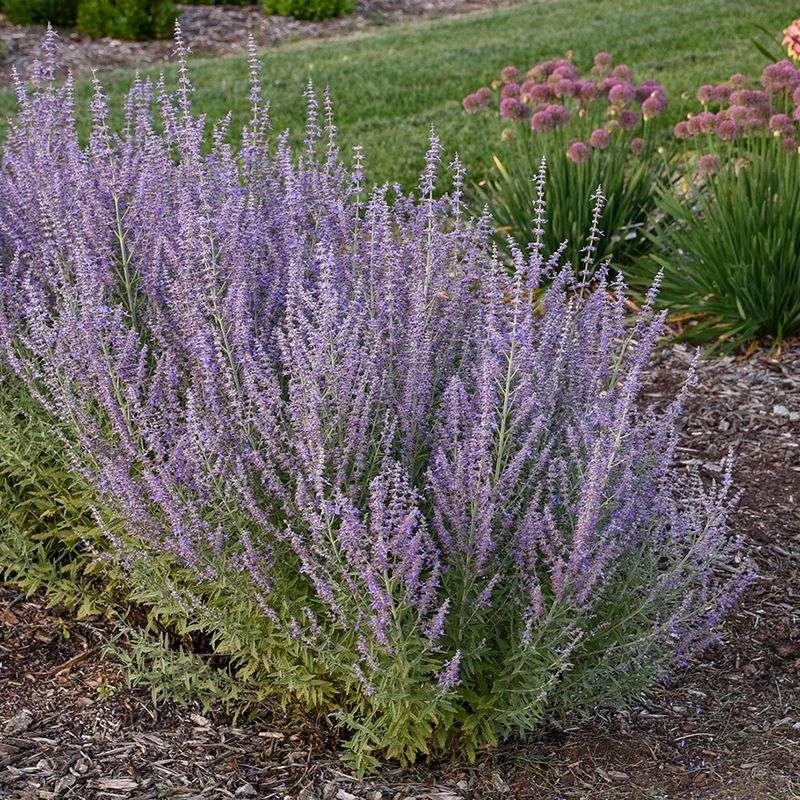
Soil quality quietly decides whether your Russian sage thrives or struggles. More than anything, this plant loves ground that drains fast and never stays soggy.
In its natural home, Russian sage grows in dry, rocky places where water rushes away quickly. Its roots are built for that setting. When they sit in heavy, wet soil, they cannot breathe the way they need to, and the whole plant suffers.
North Carolina falls can bring plenty of rain, and that is where trouble starts. A stretch of wet weather is actually harder on Russian sage than a spell of dryness. The plant handles thirst far better than it handles drowning roots.
If your soil holds water, improve drainage with a raised bed or mound, or amend the soil appropriately before planting. Raised beds and gentle slopes also help extra water move along instead of pooling around the crown.
Take a moment this month to notice how your soil behaves after rain. If puddles linger for a long time near your Russian sage, that is a signal worth fixing before the wettest part of the season arrives.
Good drainage protects the plant during the very time it wants to slow down. Dry, airy soil keeps roots strong and ready for the resting months ahead.
Give your Russian sage the loose, well-drained home it craves, and you remove one of the biggest risks it faces. Healthy roots now mean a happier, fuller plant when warm weather rolls back around.
Do Not Overwater Established Plants
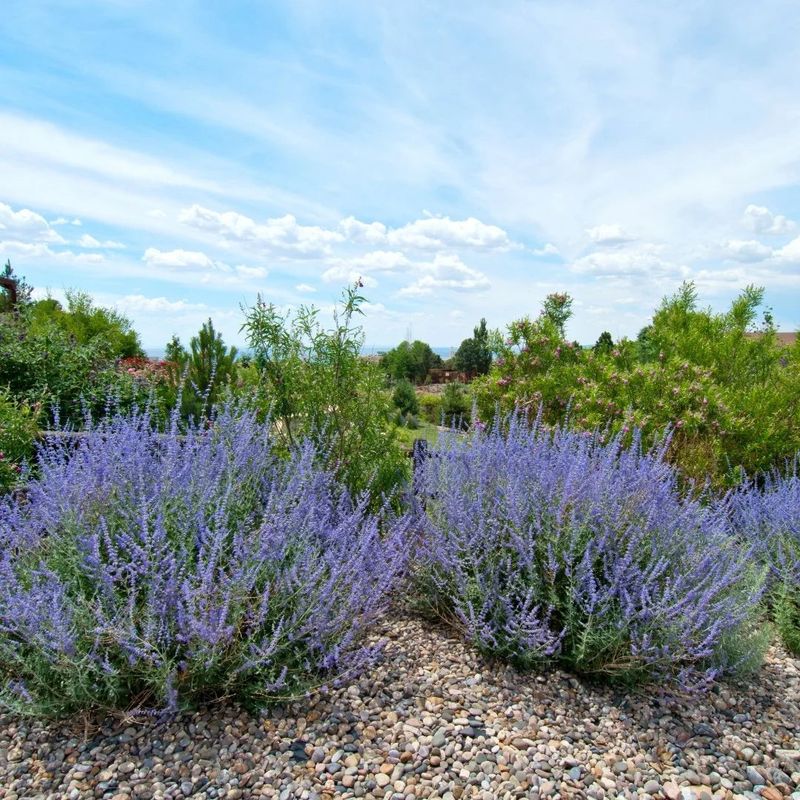
Kindness with the hose can backfire when it comes to Russian sage. Once this plant is settled in, it handles dry spells with ease and rarely needs extra water.
Established Russian sage sends its roots deep, pulling moisture from below the surface. That built-in toughness means it can go long stretches without help from you. Watering it often, especially in September, usually does more harm than good.
Too much water creates the exact conditions this plant hates. Soggy roots invite rot and weaken the crown just as the plant wants to ease into rest. What feels like care can quietly stress the plant.
Fall rain in North Carolina often supplies all the moisture Russian sage needs. Adding more on top of that pushes the soil past what the roots can handle. When in doubt, let the ground stay on the drier side.
A simple check helps. Poke your finger a few inches into the soil, and if it feels damp, skip the watering. Only very young plants in their first season truly need regular sips while they get established.
Backing off the water also saves you time and effort. There is real freedom in knowing your Russian sage prefers to be left alone during this stretch of the year.
By resisting the urge to water an established plant in September, you match its natural needs perfectly. Lean, dry conditions keep it sturdy and prepared, setting up a strong return once the growing season begins again in spring.
Check For Summer Stress
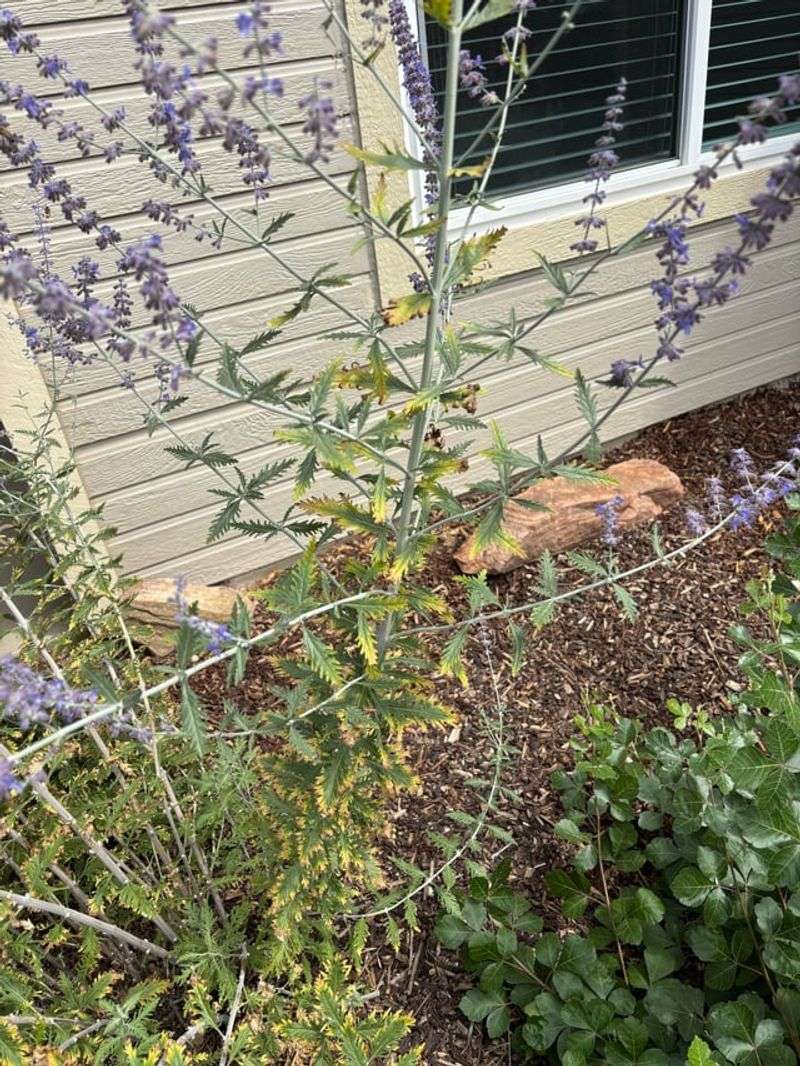
After a long, hot North Carolina summer, your Russian sage has been through a lot. September is the perfect time for a gentle checkup without going overboard.
Walk over and look closely at the stems. Broken or snapped pieces from wind or heavy weather can simply be snipped off. That kind of quick cleanup is fine and does not count as heavy pruning.
Keep an eye out for anything that looks off, like spots on the leaves, mushy patches, or stems that seem oddly wilted. Catching small problems early makes them much easier to manage before they spread.
Sometimes a plant looks a little tired at summer’s end, and that is normal. Fading color or slower growth does not mean something is wrong. Russian sage naturally winds down as the season shifts.
Here is the key part. When you spot stress, resist the urge to react with a big dose of fertilizer or a heavy shearing. Those quick fixes often stress the plant even more right when it wants to rest.
Instead, treat your inspection as gathering information. Note what you see so you know what to address during late winter pruning. A calm, watchful approach beats a rushed one every time.
Think of yourself as a friendly detective this month, simply observing and tidying the obvious problems. That mindset keeps you from overcorrecting.
By checking in without overreacting, you help your Russian sage move smoothly into fall. A little attention now, paired with patience, keeps the plant healthy and steady through the cooler weeks ahead.
Avoid Heavy Late Fertilizer
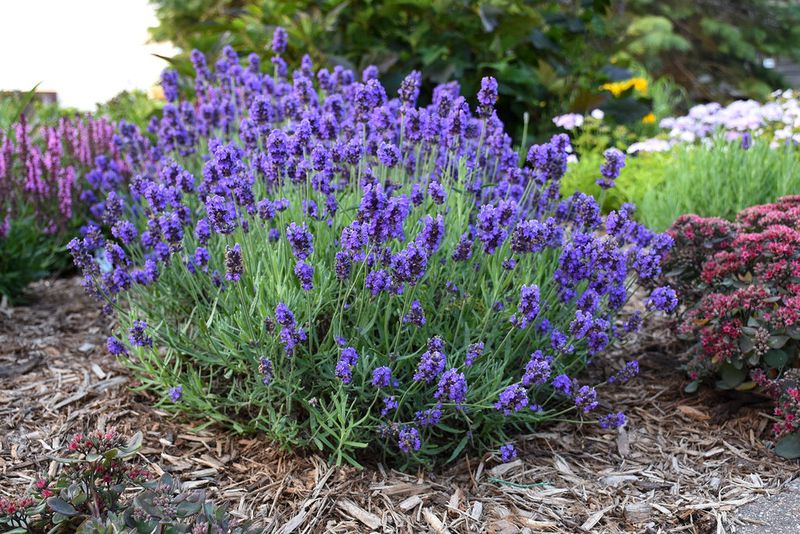
Feeding your plants feels like the loving thing to do, but Russian sage does not want a big meal this late in the year. Skip the heavy nitrogen in fall.
Established Russian sage grows well in lean soil and asks for very little extra nutrition. Piling on strong fertilizer now pushes the plant to do exactly the wrong thing, which is grow fast.
A blast of nitrogen tells the plant to send out soft, tender shoots. Those fresh shoots have no chance to firm up before cooler weather settles in. Instead of helping, you leave the plant with weak growth it cannot support.
The whole goal in September is to let Russian sage slow down. Feeding it heavily works against that natural pause and can leave it stressed heading into the resting months.
If your soil is truly poor, a light touch earlier in the growing season is plenty. By fall, the best move is to put the fertilizer bag away and trust the plant to manage on its own.
There is comfort in knowing this plant likes a hands-off approach. Many gardeners overfeed out of habit, and Russian sage simply does not need that kind of fussing.
Save your energy and your fertilizer for plants that actually crave it. Russian sage will look its best when you let it grow on lean rations.
By holding back on late-season feeding, you keep your plant sturdy and ready for rest. That restraint pays off with tougher, healthier growth when spring finally arrives.
Leave Healthy Stems Through Winter
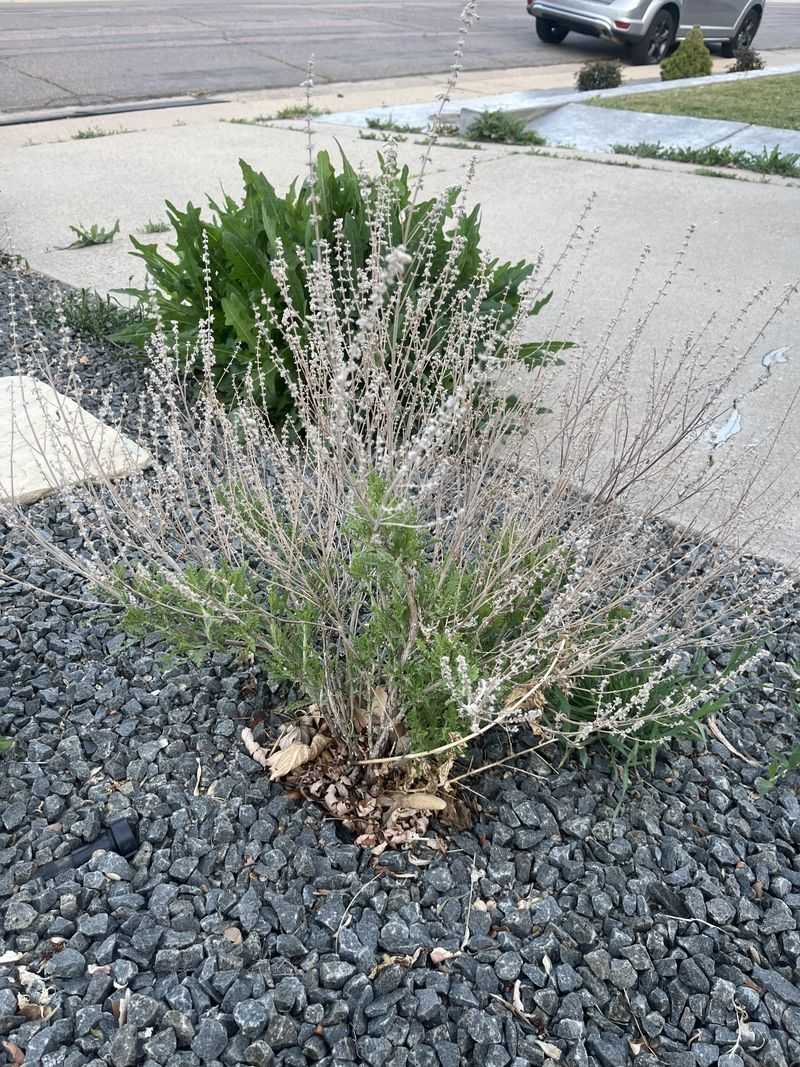
Those tall, silvery stems have one more job to do before the year ends. Leaving them standing through fall and winter helps your Russian sage in more ways than one.
Standing stems act like a natural shield for the crown, the important base where next year’s growth begins. They trap a bit of warmth and buffer the plant from harsh winter swings. That gentle protection matters during cold snaps.
Beyond helping the plant, the stems bring real beauty to a quiet winter garden. Frost clings to them in the morning, and a light dusting of snow turns them into something worth admiring from your window.
Many gardeners feel tempted to clean everything up in fall so the beds look neat. With Russian sage, that tidy instinct actually works against you. The plant does better when left mostly alone until late winter.
The stems also give shelter to helpful garden creatures during the cold months. A garden that keeps some structure standing supports more life than a bare, cleared bed.
Picture your garden in the middle of winter. Empty ground looks flat and lonely, but Russian sage stems add height, movement, and a soft glow even on gray days.
So let those stems stay put and enjoy the show they provide. Resisting the cleanup gives you both a healthier plant and a prettier winter view.
When late winter arrives, you can finally cut them back. Until then, the standing stems keep working quietly, guarding the crown and rewarding your patience with lasting garden charm.
Prepare For A Strong Spring Flush
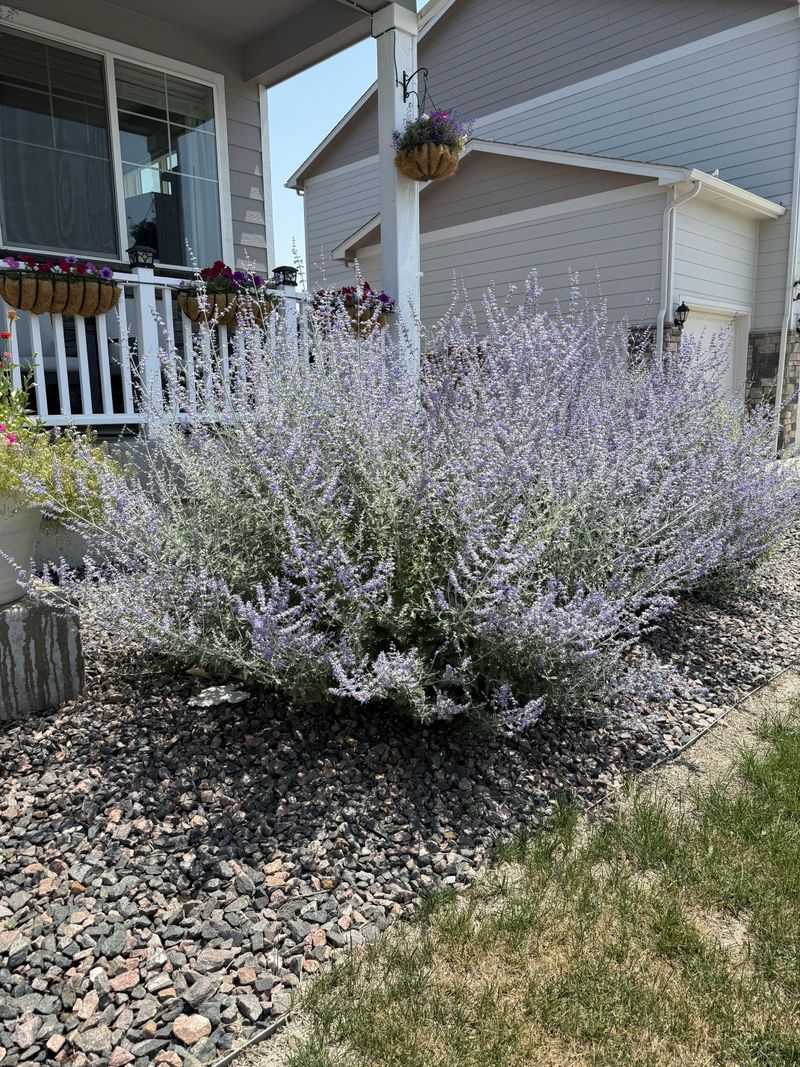
Everything you do this fall builds toward one exciting payoff, a burst of fresh growth next spring. A few smart habits now set your Russian sage up to shine.
Start with drainage. When the soil lets water flow away freely, the roots stay healthy through the wet, cool months and are ready to power new shoots the moment warmth returns.
Add in your restrained watering, and the picture gets even better. By keeping the ground on the dry side this September, you protect the roots and encourage the deep, tough system that fuels vigorous spring growth.
Skipping heavy pruning plays its part too. Because you left the plant whole through fall, the crown stays protected and full of stored energy, ready to release once the growing season begins.
Then comes the reward of waiting for late winter to cut back old stems. That well-timed trim clears the way for thick, bushy new growth instead of interrupting the plant’s rest.
Put all these pieces together and you have a simple, powerful plan. None of it takes much effort, and most of it is about patience rather than hard work.
Come spring, you will watch fresh green shoots rise from the base with real energy. That vigorous flush is the direct result of the calm, thoughtful choices you made months earlier.
Your Russian sage rewards gardeners who slow down and work with its natural rhythm. Follow these steps before September ends, and you set the stage for a fuller, healthier plant and a season of stunning purple blooms.