The Native California Groundcover That Spreads Aggressively In A Good Way
If you have ever wished for a plant that would just quietly get on with the job of filling empty spaces without needing constant supervision, woodland strawberry might be exactly what you have been looking for.
This California native groundcover, known botanically as Fragaria vesca, has a genuinely charming way of spreading through runners and gradually carpeting shaded or partly shaded garden areas with low, soft, attractive growth.
And yes, it produces tiny wild strawberries too, which is honestly just a bonus nobody is going to complain about.
The key is planting it where conditions actually suit it, because like any plant, it performs best when the spot matches its needs.
Get that right and this little groundcover can quietly transform bare soil and softened garden edges in a way that feels completely effortless. Low maintenance plant goals, achieved.
1. A Native Carpet For Shady California Corners
Shady corners can be surprisingly tricky to plant. Many groundcovers struggle without enough sun, and bare soil in those spots can look uninviting for most of the year.
Woodland strawberry, Fragaria vesca, is a California native that genuinely belongs in those quieter, shadier spaces.
Native to forests, foothills, and woodland edges across the state, this plant has adapted over time to grow beneath tree canopies where filtered light reaches the ground.
Its low-growing form, typically staying under six inches tall, allows it to spread outward without crowding taller plants nearby.
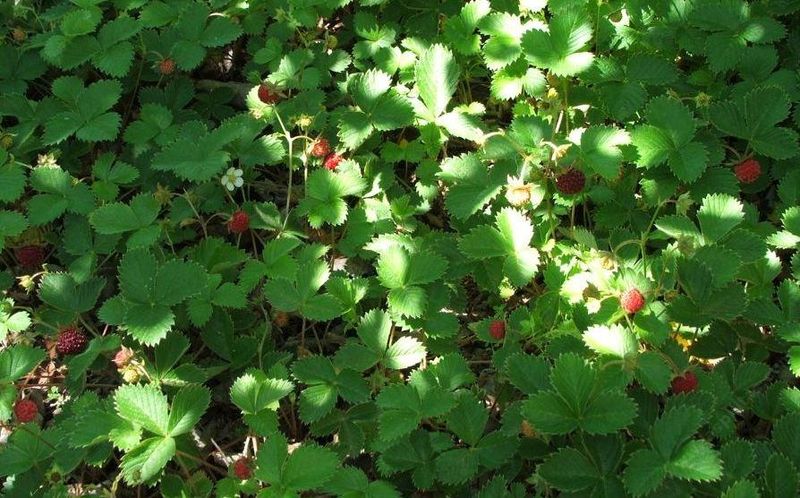
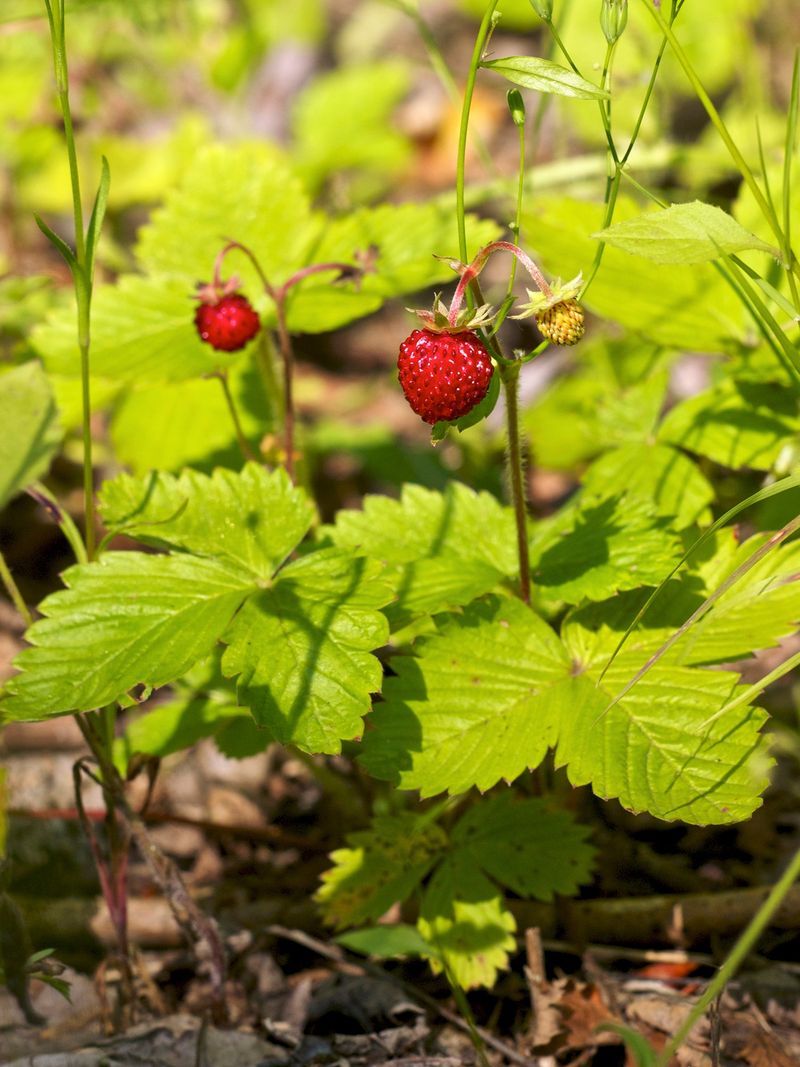
The soft, tri-lobed leaves create a natural-looking layer that blends well with other shade-tolerant natives.
Planting a native in a shady border does more than just fill space. It connects the garden to the surrounding regional landscape in a way that non-native groundcovers simply cannot.
Fragaria vesca can grow along woodland-style borders, beneath oaks or other native trees, and in garden areas designed to echo the natural plant communities of the region.
It is worth noting that woodland strawberry is not a universal fix for every shady corner in California. The state’s many climate zones mean that a planting in a cool coastal garden may perform quite differently from one in a warmer inland valley.
Choosing the right site within your specific region is the most important step before planting this native carpet.
2. Runners That Fill Bare Spaces Naturally
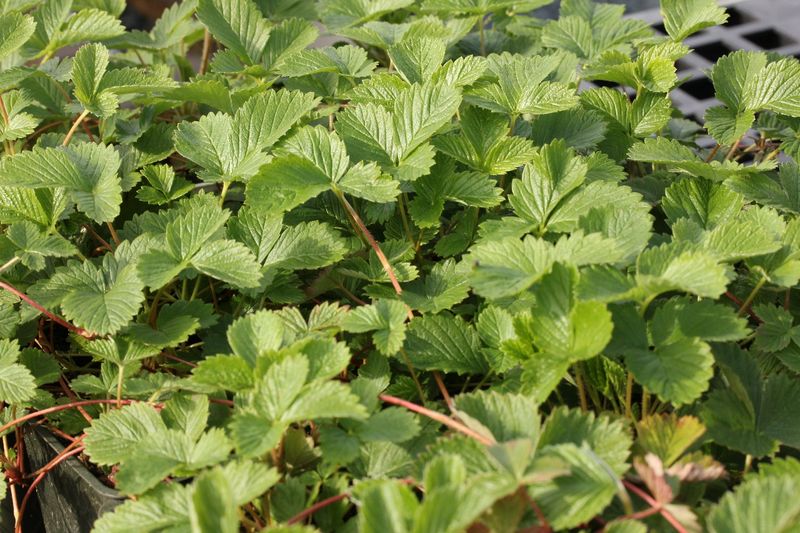
Bare soil between established plants is one of the most common frustrations in garden design. Weeds move in quickly, the ground looks unfinished, and bare patches can dry out faster than planted areas.
Woodland strawberry addresses this gradually through a spreading growth habit driven by stolons, which are horizontal stems commonly called runners.
Each runner extends outward from the parent plant and produces a new plantlet where it contacts the soil. Over time, a single plant can generate several new plants this way, slowly filling nearby open ground.
The process is gradual rather than explosive, and the rate of spread depends on moisture availability, light levels, soil quality, and the specific California climate where it is growing.
Coastal gardens with reliable moisture and moderate temperatures may see faster establishment than drier inland sites. In foothill or mountain locations, spread may slow during dry summers unless supplemental water is provided.
Your California Garden Changes Every Week. Your Plan Should Too.
Gardening in California changes quickly throughout the season. Every Friday you’ll receive a simple weekly plan showing exactly what to plant, prune, fertilize, harvest, and protect so you never miss the right timing.
This means that expectations should be realistic and based on local conditions rather than a single standard across all of California.
The runner-based spread becomes most useful when a gardener intentionally wants coverage in a defined area.
Placing plants strategically along a woodland border or beneath a canopy allows the runners to fill inward and outward over one to several growing seasons.
Unwanted runners that reach beyond the intended planting area can be trimmed or redirected without much effort.
3. Small White Flowers Bring Springtime Charm
Spring in a California garden carries a particular kind of energy, and woodland strawberry contributes to it in a quiet but charming way.
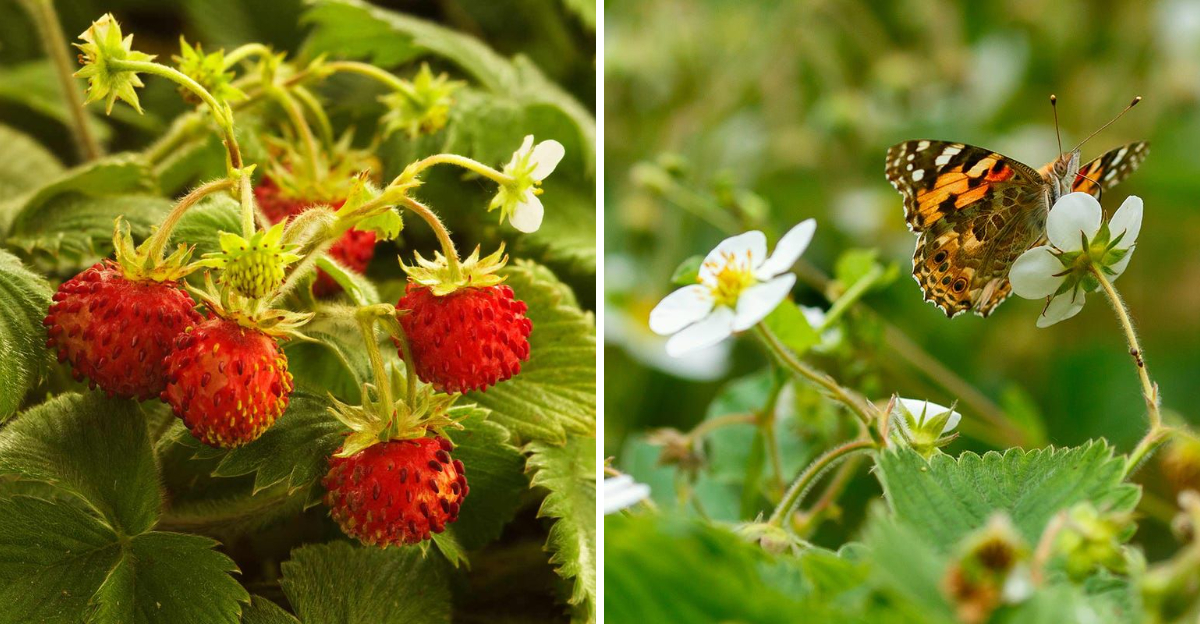
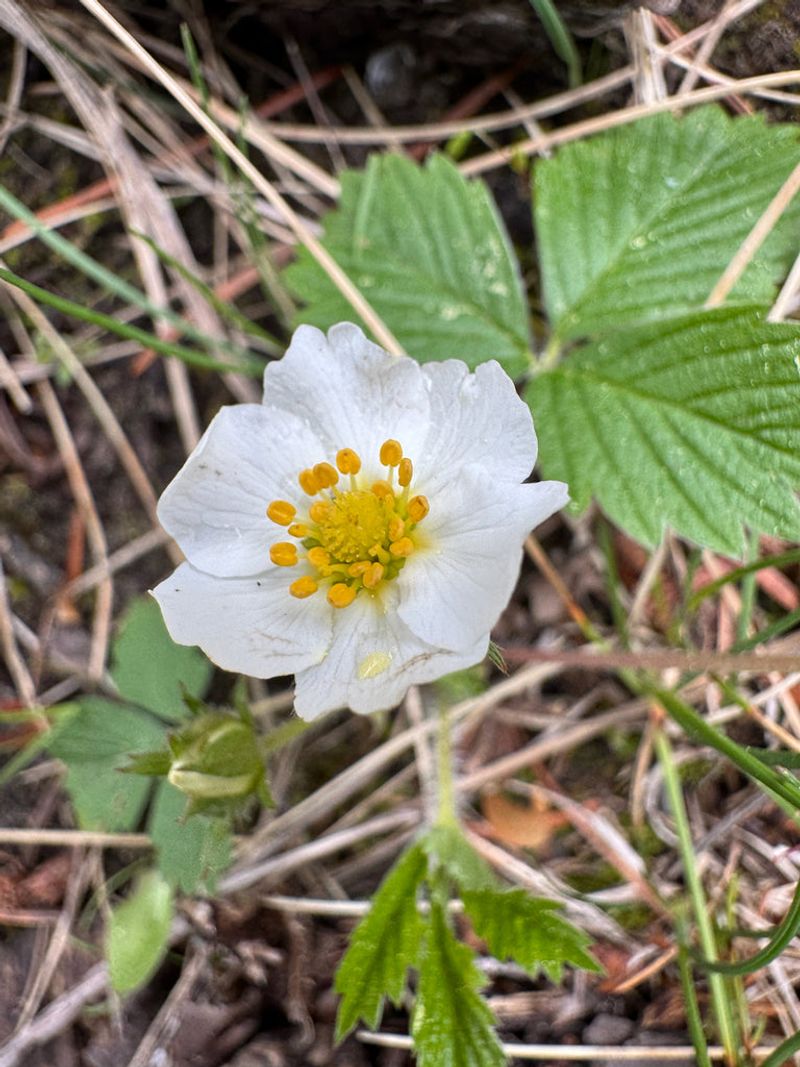
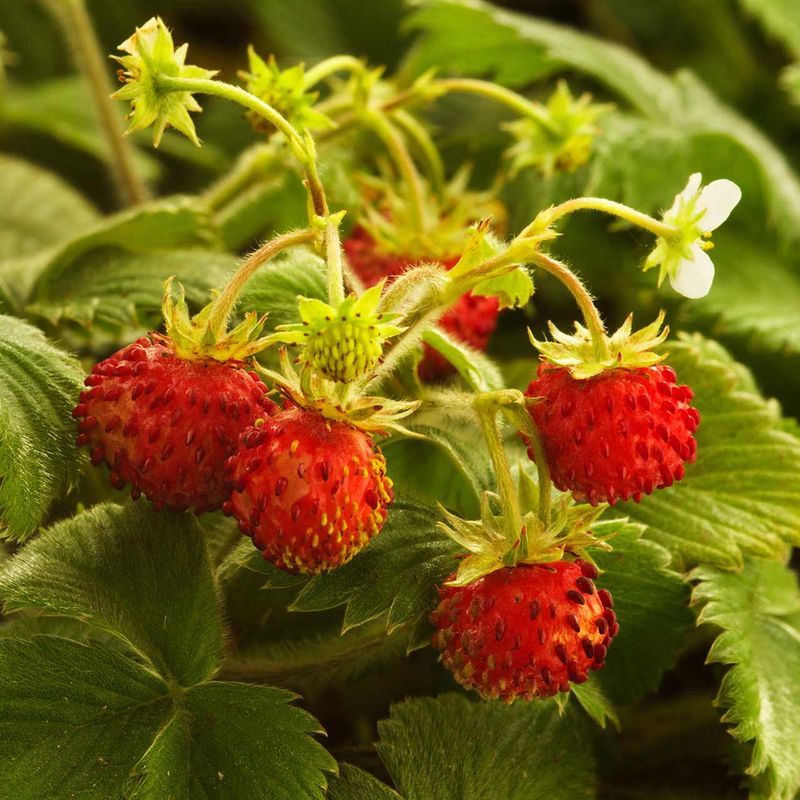
The plant produces small white flowers with five rounded petals and a yellow center that appear in spring, typically from late winter through early summer depending on the location and local conditions.
Each bloom is modest in size, usually less than an inch across, but when multiple plants have spread across a garden bed, the collective effect of dozens of small white flowers can be genuinely lovely.
The flowers sit on slender stems that rise just above the leaf canopy, giving the planting a delicate, layered look that feels more like a woodland floor than a formal garden bed.
In California’s milder coastal climates, flowering may begin earlier in the season and extend longer than in warmer inland regions. Mountain and foothill plantings tend to follow a more defined spring bloom window tied closely to temperature and snowmelt patterns.
Understanding the local California season helps set realistic expectations for when to expect the display.
Beyond ornamental value, the flowers play a role in garden biodiversity by offering nectar and pollen to small insects during the spring foraging period.
The blooms are not showy enough to serve as a focal point on their own, but as part of a layered native planting, they add seasonal interest that many non-native groundcovers simply do not provide.
4. Tiny Strawberries Add Extra Garden Appeal
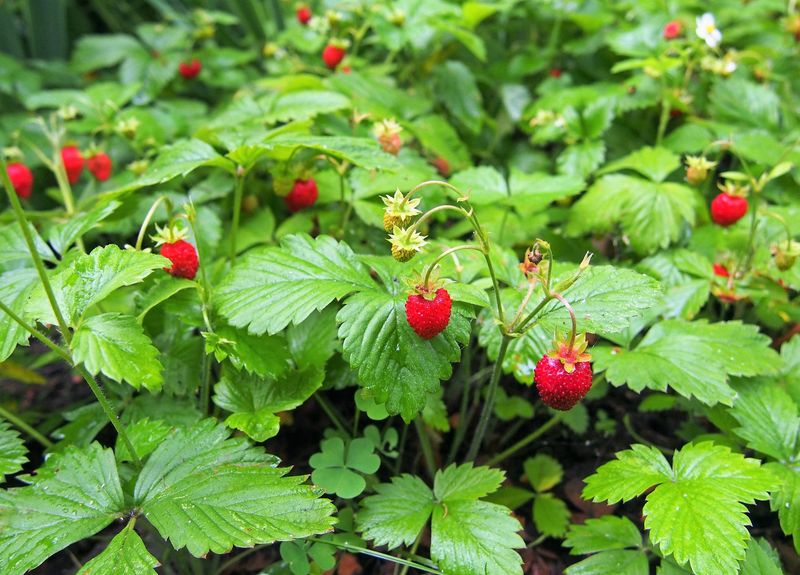
One of the more delightful surprises that comes with growing woodland strawberry is the fruit. Following the spring flowers, small red berries develop that are noticeably different from the large commercial strawberries found in grocery stores.
These fruits are considerably smaller, often no bigger than a fingernail, and they carry a flavor that many people describe as intensely sweet and aromatic.
Fragaria vesca is not the same plant as Fragaria x ananassa, the hybrid species grown for commercial fruit production.
The woodland strawberry produces fruit in much smaller quantities and should be thought of as a garden feature rather than a reliable food crop.
A gardener hoping to harvest large bowls of strawberries from a woodland strawberry planting would likely be disappointed, but one who appreciates a few sweet bites while tending the garden will find real pleasure in what the plant offers.
Wildlife also takes notice of the small fruits. Birds and small mammals may visit the planting to feed on ripe berries, which adds another layer of ecological value to an already useful groundcover.
This kind of wildlife interaction is one of the reasons California native plant gardeners often favor Fragaria vesca over non-native groundcover alternatives.
The fruit season generally follows the bloom period and tends to be relatively brief.
In some locations, a second flush of flowers and fruit may occur later in the growing season if moisture and temperatures remain favorable, though this is not guaranteed in every California climate zone.
5. A Groundcover That Welcomes Pollinators
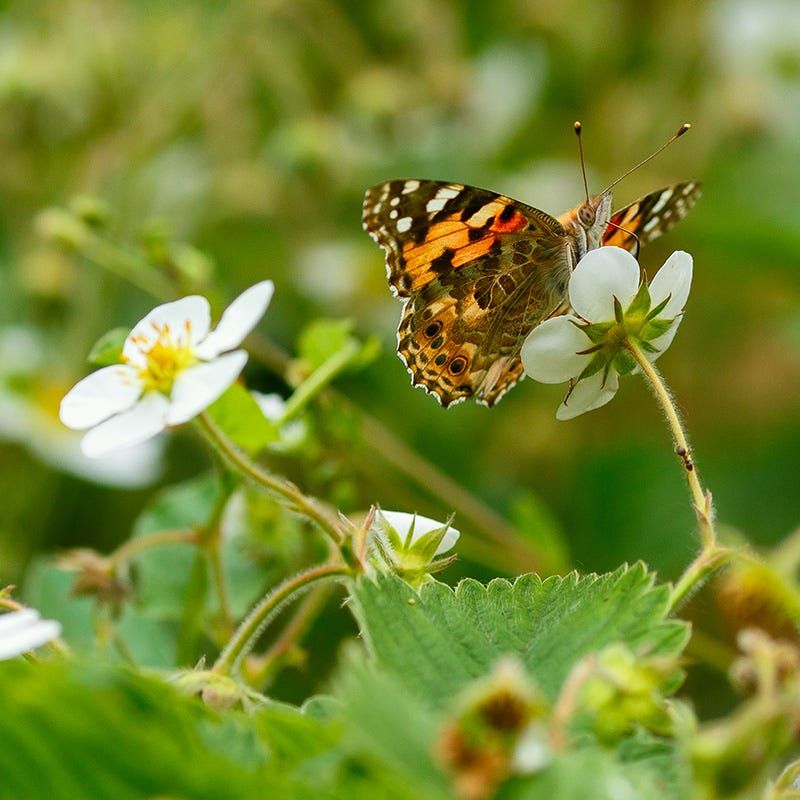
Gardens that support pollinators tend to feel more alive, and choosing plants that provide reliable floral resources is one of the most straightforward ways to encourage that activity.
Woodland strawberry offers nectar and pollen through its spring flowers, making it a modest but genuine contributor to a pollinator-friendly California garden design.
Small native bees, including sweat bees and mining bees, are among the visitors that may forage on Fragaria vesca blooms.
These smaller bee species are often overlooked compared to honeybees or bumblebees, but they play meaningful roles in native plant communities and agricultural landscapes across the state.
A groundcover that supports them, even in a small way, adds ecological value beyond its visual appeal.
It would be an overstatement to suggest that planting woodland strawberry alone will dramatically transform pollinator activity in a garden. Pollinators respond to a variety of food sources across multiple seasons, and a single species can only offer so much.
Woodland strawberry works best as part of a broader native planting that includes other natives blooming at different times throughout the year.
What makes Fragaria vesca particularly useful in this context is that it occupies the ground layer, a planting zone that is sometimes overlooked when gardeners focus on shrubs and trees.
Filling that lower level with a native plant that flowers and fruits adds resources at a scale that complements taller California garden plantings rather than competing with them.
6. The Shady Spots Where It Thrives Best
Finding plants that genuinely prefer shade is not always easy, but woodland strawberry is one that performs best when it receives filtered or partial shade rather than full sun exposure.
In many gardens across the state, the area beneath mature oaks, bay laurels, or other native trees provides exactly the kind of light environment where Fragaria vesca can settle in comfortably.
Soil moisture is another key factor. Woodland strawberry prefers soil that stays reasonably moist but drains well enough to prevent waterlogging around the roots.
In summer-dry climates, this often means the plant benefits from some supplemental irrigation during the dry season, particularly in inland, foothill, and valley locations where summer heat can stress unwatered plantings.
Coastal gardens tend to offer more naturally favorable conditions for this plant, with cooler temperatures, higher humidity, and more consistent moisture from coastal fog and seasonal rain. In those settings, woodland strawberry may establish with less intervention.
Warmer, drier inland locations require more thoughtful siting and supplemental water to keep the planting looking healthy through the dry months.
Mountain and foothill gardens can also support woodland strawberry well, especially in areas that receive adequate spring moisture and have naturally shaded slopes or stream-adjacent zones.
The plant is not recommended for exposed, hot, or extremely dry locations where its moisture needs cannot be reasonably met.
Matching the plant to the right microclimate within California is the most reliable path to success.
7. Why Its Spreading Habit Works So Well
Bare soil in a garden does not stay bare for long. Weeds are opportunistic, and any open patch of ground is an invitation for unwanted plants to establish.
Choosing a spreading native groundcover like woodland strawberry is one way to fill that space intentionally before less desirable plants move in.
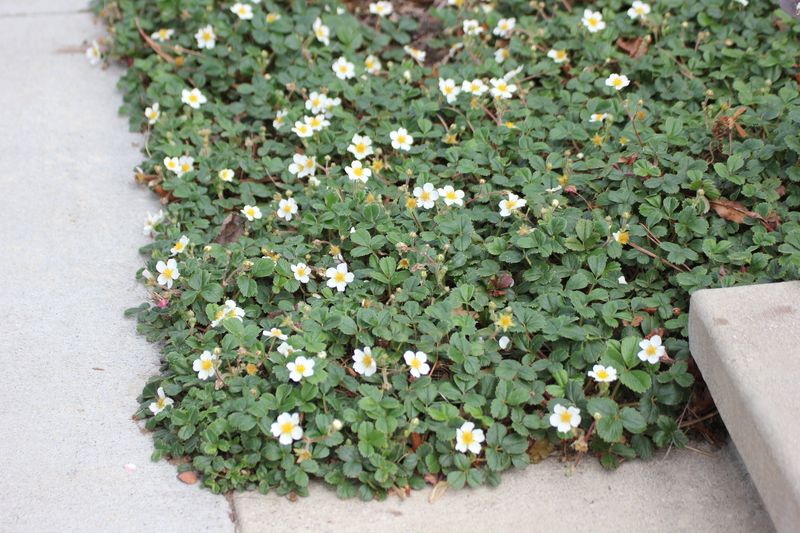
The runner-based spread of Fragaria vesca is particularly well-suited to filling irregular shapes, such as the areas between established shrubs, along a winding garden path, or beneath a canopy of trees with exposed root zones.
Runners can navigate around obstacles and find their own way into available soil, creating a naturalistic coverage pattern that looks less forced than evenly spaced plantings.
For California gardeners interested in layered native plant design, this spreading habit supports the goal of building a ground layer that mirrors how plants grow in California’s natural woodland and forest communities.
A living ground layer reduces the visual dominance of bare soil and creates a more complete, cohesive planting that feels connected to the regional landscape.
Filling bare soil also reduces the frequency of manual weeding in those areas over time, though it does not eliminate the need for garden attention entirely.
Some weeding may still be needed while the groundcover establishes, and occasional maintenance remains part of caring for any planted area.
The practical benefit is that a well-established patch of woodland strawberry requires less intervention than bare soil managed by hand or mulch alone.
8. Keeping Woodland Strawberry Healthy And Manageable
Regular care for woodland strawberry does not have to be complicated, but a few consistent practices will keep the planting looking its best and growing where it belongs.
Watering is the most important ongoing consideration, especially during summer-dry months when natural rainfall is minimal and temperatures can stress shallow-rooted groundcovers.
During the dry season, providing supplemental irrigation on a regular schedule helps maintain healthy foliage and supports continued runner development.
Drip irrigation or soaker hoses work well for this purpose because they deliver moisture directly to the root zone without wetting the foliage excessively.
Overhead watering in humid conditions can encourage fungal issues on the leaves, so keeping water at ground level is generally the better approach in most garden settings.
Managing runners is the other main task for keeping the planting tidy.
When runners extend beyond the intended planting area, trimming them back with hand pruners or redirecting them toward bare spots within the bed keeps the groundcover contained.
This kind of light maintenance is straightforward and takes only a few minutes during a regular garden walkthrough.
Removing old or yellowing leaves periodically helps the planting look fresh and allows air to circulate through the dense mat of foliage.
In some California regions, the plant may go partially dormant during the hottest or driest part of summer, then recover when cooler temperatures and moisture return in fall.
Allowing this natural seasonal cycle rather than forcing growth with excess water is generally the healthier approach for this native groundcover.