What California Gardeners Should Know About Planting Bulbs In October
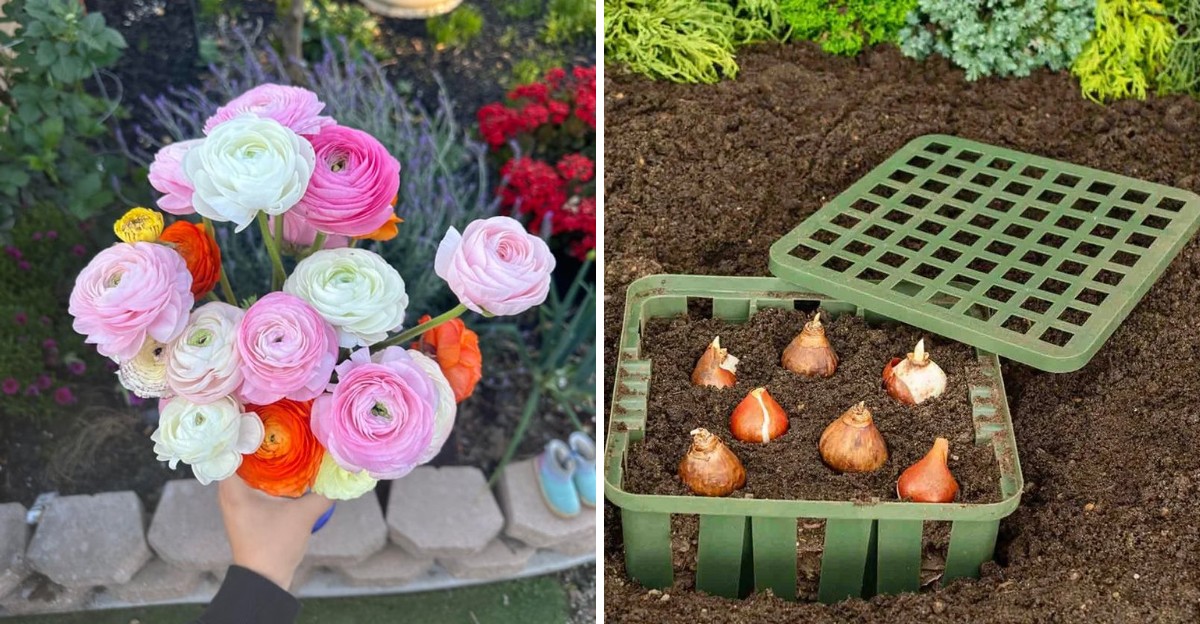
Brown. Papery. About the size of an onion. Not much to look at, right?
Yet those plain little lumps hold an entire spring show folded up inside. Color, fragrance, and petals that seem to glow once March rolls around. All of it waits patiently for one thing. The right start.
October is when that start begins for many California gardeners. Nurseries fill their shelves. Bargain bins overflow. Mixed bags promise a rainbow for a few dollars.
The catch? Not every bulb in that bag plays by the same rules. Some are ready for the ground the moment you get home. Others expect a specific and unusual first stop. And a few attract fans you did not invite.
So how do you tell the difference before the shovel comes out?
The answer depends on your climate, your yard, and a couple of surprising tricks packages rarely mention.
Ready to turn those papery lumps into a spring you will brag about? Clear some space. You may need it in an unexpected place.
Daffodils Need No Extra Chilling Here
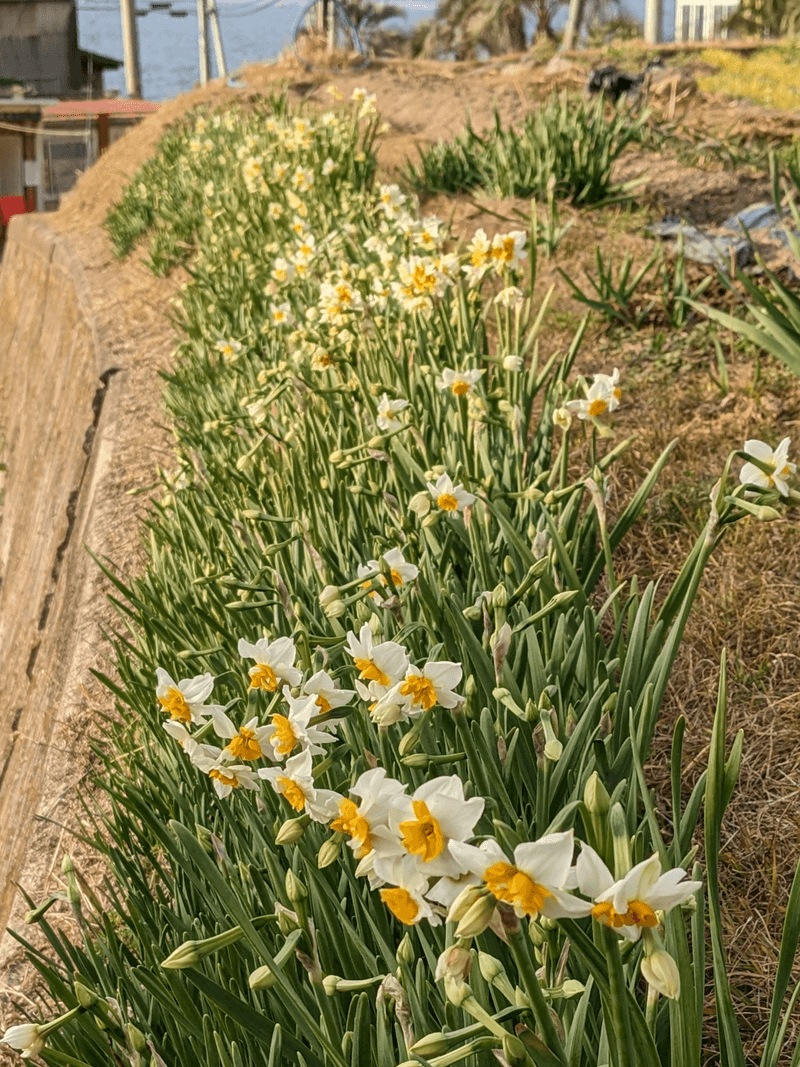
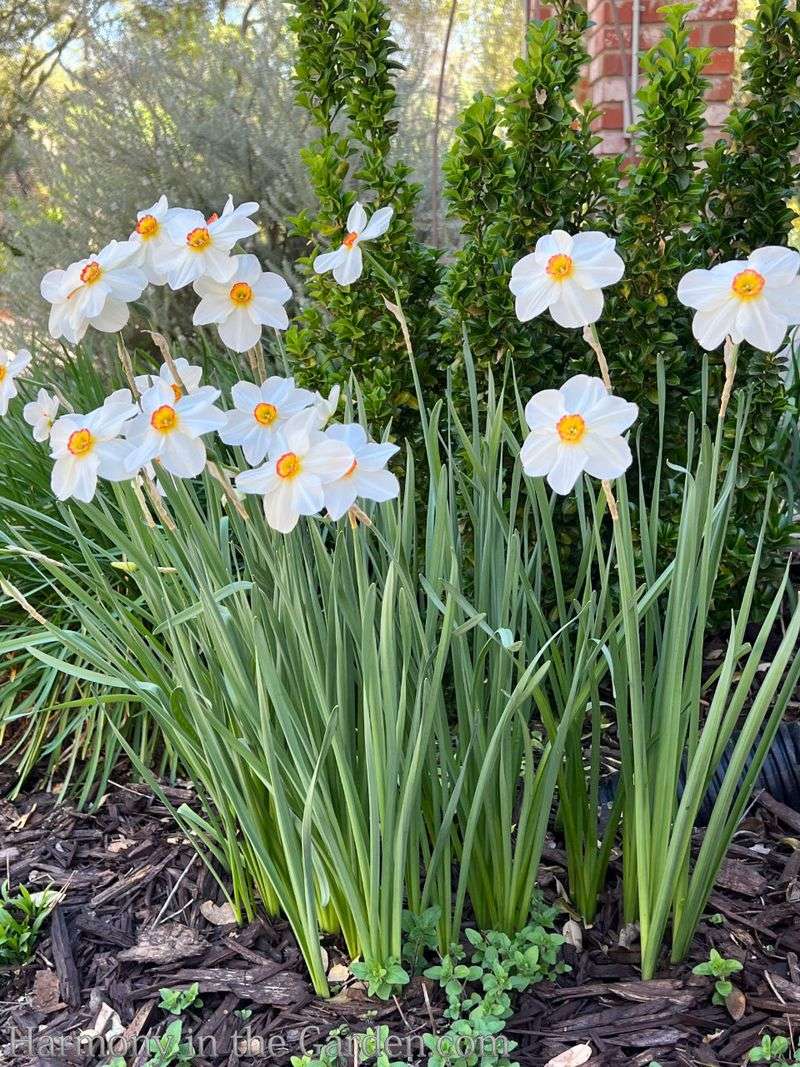
Some bulbs are fussy. Daffodils are the easygoing friends of the flower world. Pull them out of the bag in October, tuck them into the ground, and walk away. In most of California, natural winter weather gives them all the cold they need.
No refrigerator time required. Cool nights from November through February provide enough chill for a good bloom. That makes daffodils one of the simplest choices for beginners and busy gardeners alike.
Plant each bulb about two to three times as deep as it is tall. For most bulbs, that means roughly six inches down, pointy end up. Space them a few inches apart, and water them in well.
Pick a sunny spot that drains well, since soggy soil can make bulbs rot. Clay soil is common in many California yards, so a bit of compost helps a lot. Raised beds and large containers also work nicely.
Now for the bonus that makes daffodil fans a little giddy. These bulbs often return year after year and even multiply over time. Gardeners call that habit naturalizing. A handful planted this fall could grow into a golden patch that lasts a decade or more.
Daffodils belong to the genus Narcissus, named after a figure from Greek mythology. He famously fell for his own reflection.
Your daffodils may act a little vain too. With blooms that pretty, honestly, they have earned it.
Tulips Require Weeks In Your Refrigerator
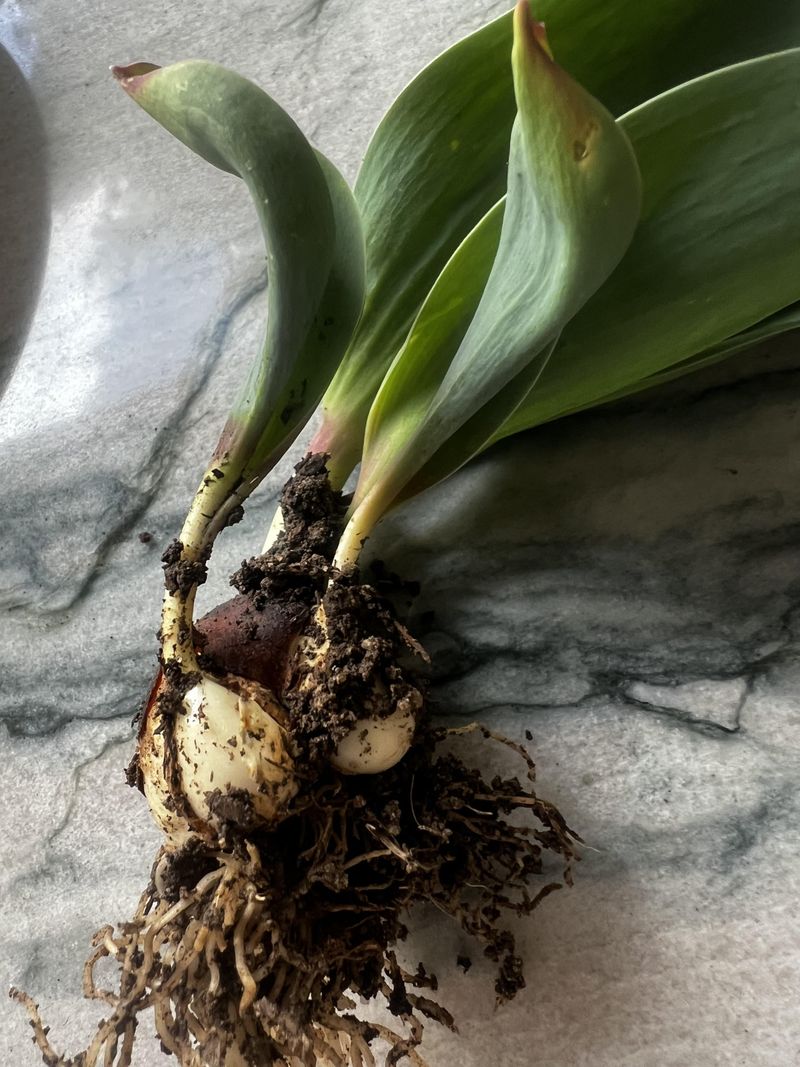
Tulips grew up in places with long, cold winters, and they still expect one. Without that deep chill, they may bloom on short, stubby stems. Some skip the bloom altogether. Hyacinths share the same problem in most of California.
The standard advice calls for about 6 to 12 weeks in the refrigerator before they go in the ground. California winters do bring cold snaps. The chill, however, usually is not steady or long enough to trigger strong blooms.
Place the bulbs in a paper bag or mesh bag and label it with the date. Store them in the refrigerator, often in the crisper drawer. Aim for about 40 to 45 degrees Fahrenheit.
Your California Garden Changes Every Week. Your Plan Should Too.
Gardening in California changes quickly throughout the season. Every Friday you’ll receive a simple weekly plan showing exactly what to plant, prune, fertilize, harvest, and protect so you never miss the right timing.
Now pay close attention, because this next tip saves a lot of heartbreak. Keep bulbs far away from apples, pears, and other ripening fruit.
Fruit releases a gas called ethylene that can damage the flower forming inside the bulb. Your crisper drawer is not the place for a fruit and bulb sleepover.
Bulbs bought and chilled in early October will be ready for the ground from late November through early January. Some garden centers sell prechilled bulbs, which saves precious fridge space.
Once they come out, plant them promptly in cool soil. Time on a warm counter can undo all that patient chill. Treat hyacinths the same way.
Your family may raise an eyebrow at the paper bag next to the lettuce. Just tell them it is dessert for spring.
Gophers Favor Tulips Over Daffodils
Mention gophers to a Central Valley gardener, and you will probably hear a groan. These underground diggers treat a bed of fresh tulip bulbs like an all-you-can-eat buffet. One week, fifty bulbs go in. The next week, only a few sprout.
Tulip bulbs taste great to gophers, voles, and squirrels. Crocus and some other bulbs get snacked on too. Daffodils, however, usually get a pass. They contain bitter, toxic compounds that rodents avoid.
That difference opens the door to a clever plan. Yards with gopher mounds can lean heavily on daffodils for reliable spring color. Some gardeners plant daffodils around bed edges, though that alone will not stop a hungry gopher.
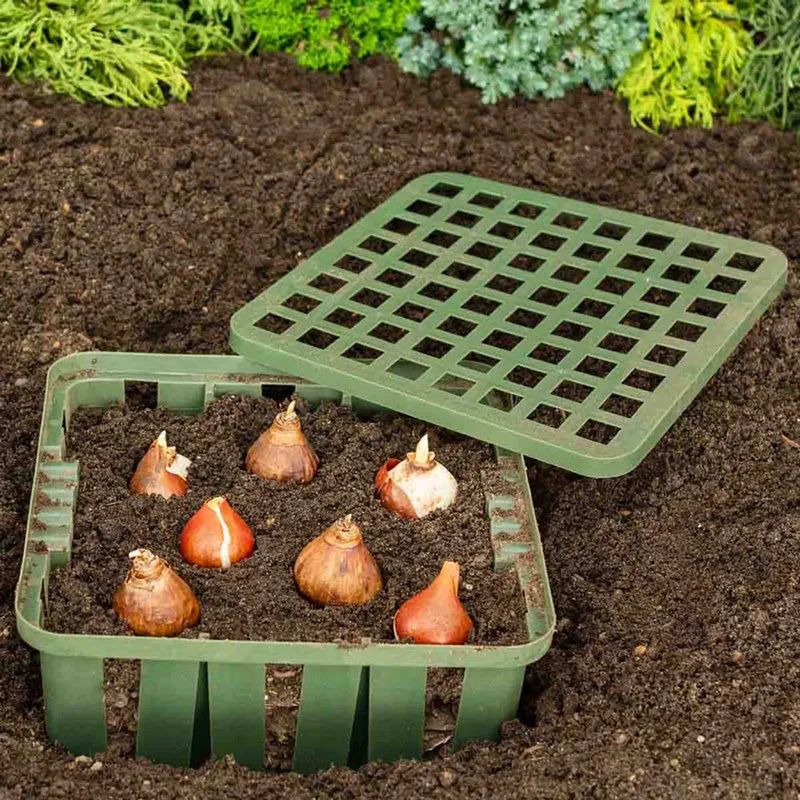
Tulip lovers still have options. Wire baskets made from hardware cloth, or ready-made gopher cages, offer solid protection. Place the bulbs inside the basket before they go in the ground so the wire surrounds them.
Now for a trick that doubles as decor. A large pot on the patio keeps tulips away from tunnel diggers. Just make sure the pot drains well.
Squirrels may still dig in pots, so a layer of chicken wire over the soil helps until shoots appear. No method works perfectly every time, but a little prep goes a long way.
Your tulips get to bloom, and the gophers get to sulk. Somebody has to lose this round, and it may as well be the one with the tiny shovel hands.
Species Tulips Naturalize Without Prechilling
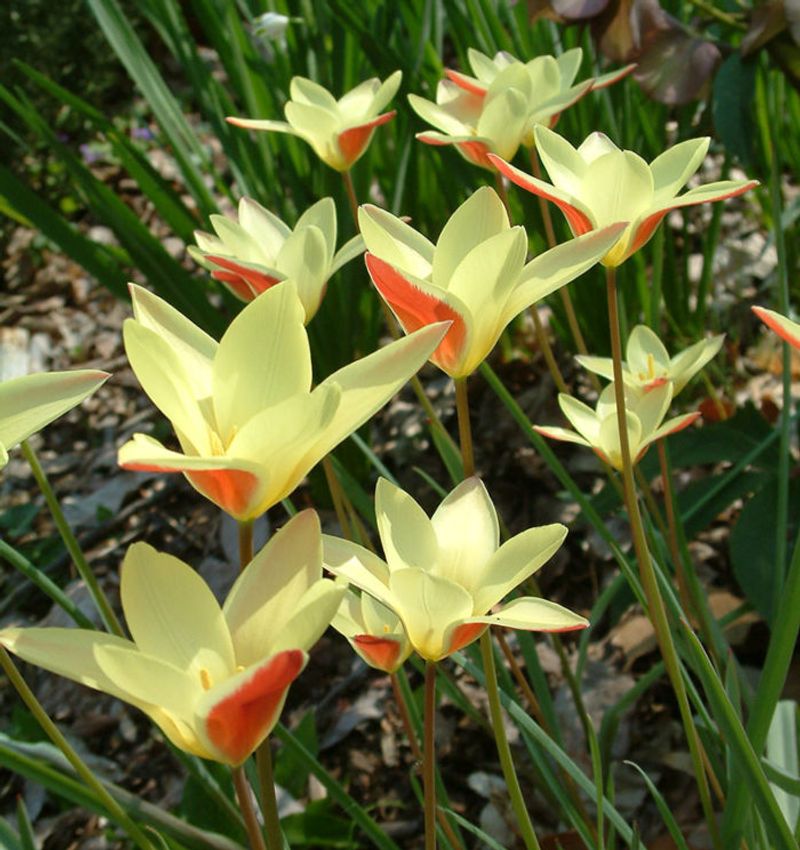
Plot twist in the tulip story. Not every tulip needs a vacation in the refrigerator. Species tulips, sometimes called botanical or wild tulips, break the rule.
These smaller tulips come from mountain and dry regions of Central Asia and the Mediterranean. Summers there run hot and dry, which sounds a lot like California. Types such as Tulipa bakeri, Tulipa clusiana, and Tulipa saxatilis often bloom well in mild climates without a cold treatment.
Even better, many species tulips naturalize. They return year after year and may slowly spread. Big, showy hybrid tulips usually act more like annuals in most of California.
Now prepare for a style change, because these little guys look nothing like the store displays. They stand shorter, often under a foot tall. Their star-shaped blooms open wide in the sun. Tulipa clusiana, known as the lady tulip, wears striped red and white petals that look like peppermint candy.
Give them a sunny spot with sharp drainage. Rock gardens, slopes, and gravel beds suit them perfectly. After bloom, they actually prefer a dry summer, so skip spots where sprinklers run all the time.
Plant them in fall, about four to five inches deep. They are still tulips, so gophers may still come calling. Wire baskets are a wise move.
For a low-effort tulip that fits the California climate, these little charmers are hard to beat. They are basically tulips that moved here and learned to love the weather.
October Timing Lets Roots Establish Before Winter
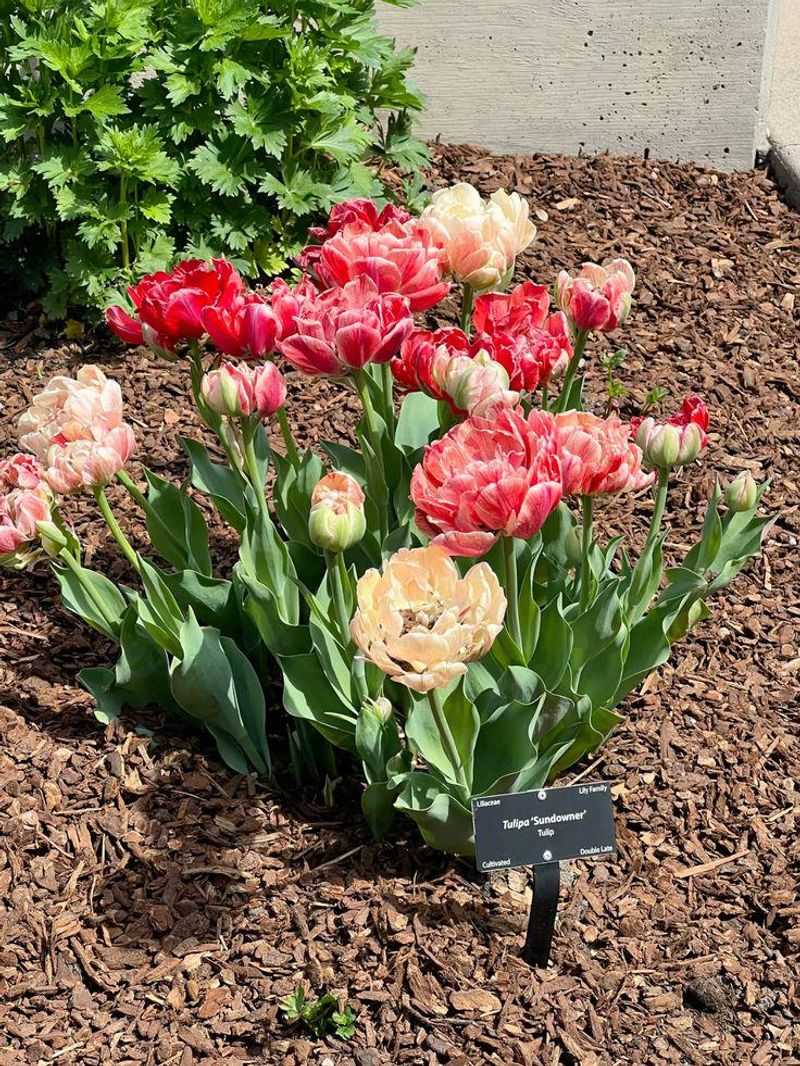
October feels like the garden takes a deep breath. The blazing summer heat fades, yet the soil stays warm enough to encourage growth. For many spring bulbs, this is the sweet spot.
The real action happens underground. After bulbs go in, they spend fall and early winter on root growth. Nothing shows above the soil yet. Those roots help each bulb soak up water and nutrients for strong leaves and flowers later.
An October start gives daffodils, freesia, iris, ranunculus, and anemones time to settle in before the coldest weeks. By spring, they stand ready to bloom. A late start can mean weaker roots and smaller flowers.
Inland heat changes the schedule a bit. In the hottest areas, many gardeners wait until the soil cools further, often in late October or November.
A handy rule: plant once daytime temperatures stay below about 80 degrees. Coastal gardeners can usually plant anytime in October.
Now a quick reminder, because this is where mixed bags cause mix-ups. Tulips and hyacinths are the exception. October purchases belong in the fridge now, not the ground. Their turn comes later in the season.
After the bulbs go in, water once to settle the soil. Then let fall rains handle much of the work. Add water only through long dry stretches, since too much moisture in cool soil can cause rot.
The bulbs do their quiet work all winter. You get to sit back and take the credit in spring.
Ranunculus And Anemone Fit This Window Too
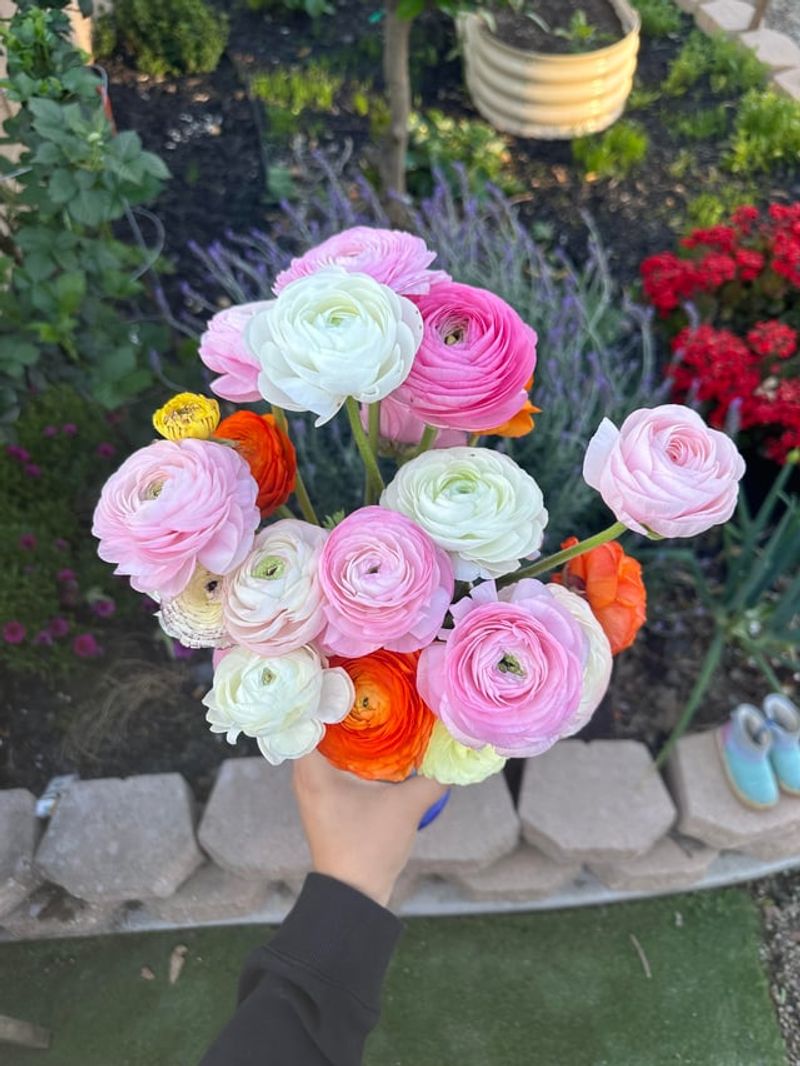
Daffodils may be the dependable workhorses, but these two are the party guests. Ranunculus blooms look like layered tissue paper in orange, pink, red, and gold. Anemones bring bold colors with dark centers that pop in any bed.
Both come from Mediterranean regions, so they feel right at home in California. No cold treatment needed. Mild winters suit them well, which makes them a fall favorite across much of the state.
These do not look like typical bulbs, though. Ranunculus grow from claw-shaped tubers that resemble tiny octopuses. Anemones come from hard, wrinkled corms. Many gardeners soak them in room-temperature water for a few hours before they go in, to wake them up.
Now for the tricky part, and it feels a bit like a puzzle. Plant ranunculus with the claws pointed down, about two inches deep.
Anemones are harder to read. A sideways position works fine when the top stays a mystery. Space both about six inches apart in a sunny, well-drained spot.
Go easy on water at the start. Soak the soil once, then wait for sprouts before the next drink, unless the soil dries out completely. Too much early moisture can rot the tubers.
Spring brings the reward. Cut the blooms often, since both make wonderful cut flowers and frequent harvests encourage more. A small patch can fill kitchen vases for weeks.
Your tiny octopuses turn into a flower party. Not bad for something that looked like a bag of dried snacks.
Match The Bulb To What Your Climate Provides
The whole secret fits in one sentence. Bulb success in California comes down to a match between the plant and the winter you actually have.
Most of the state misses the long, steady cold found in places like Michigan or New York. Daffodils, freesia, ranunculus, iris, and anemones feel happy with the natural chill California provides. Tulips and hyacinths usually need 6 to 12 weeks in the refrigerator first.
So sort your bulbs into two piles at home. One pile goes straight into the ground in October. The other heads into a labeled paper bag in the fridge, away from fruit, until late fall or early winter.
Limited fridge space calls for easy bulbs. Species tulips make a nice compromise for tulip lovers. Prechilled bulbs offer another shortcut.
Now a friendly word of caution, because the internet loves one-size-fits-all advice. Many national sites assume freezing winters everywhere.
That guidance often misses the mark in California. Local nurseries and regional garden experts tend to give far better tips, and some offer free help lines.
Mountain areas above a few thousand feet play by different rules. They may get enough natural chill for tulips. A quick check with local experts can confirm it.
A little prep now leads to a spring garden you will proudly show off. Your neighbors may even come to you for bulb advice. Try not to let it go to your head.