The Native-Friendly Fall Bloomer Pennsylvania Gardens Are Missing
Pennsylvania gardens do a reasonable job of supporting pollinators through spring and summer. But fall is where most of them fall short.
By September and October, the blooms that carried the garden through the warmer months have finished, and the bees, butterflies, and beneficial insects still active in fall are left searching a landscape that has very little left to offer.
One native fall bloomer changes that more effectively than almost anything else you could plant.
It erupts into color right when the garden needs it most, producing dense clusters of blooms that pollinators return to repeatedly through October and beyond.
It’s been growing wild across Pennsylvania for centuries. And yet most residential gardens don’t have a single one.
Plant New England Aster For Late-Season Color
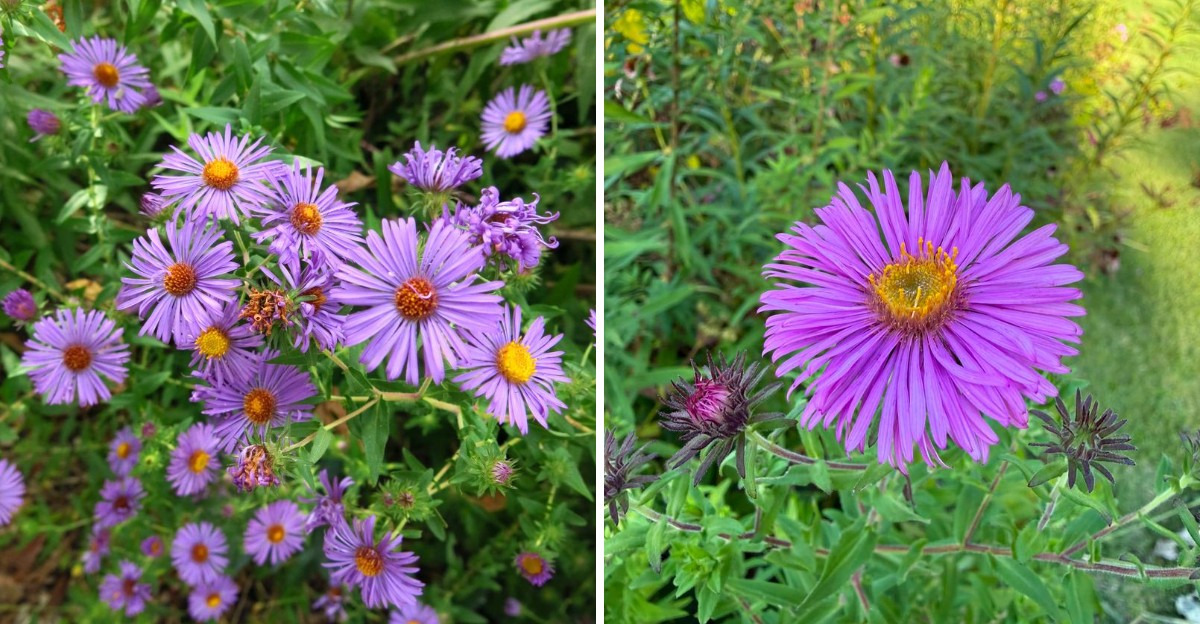
Picture a garden that stays cheerful even as the days grow shorter. That is exactly what New England aster (Symphyotrichum novae-angliae) offers Pennsylvania gardeners.
This native perennial wakes up just as summer flowers begin to fade, filling your yard with bright bursts of purple, pink, and lavender.
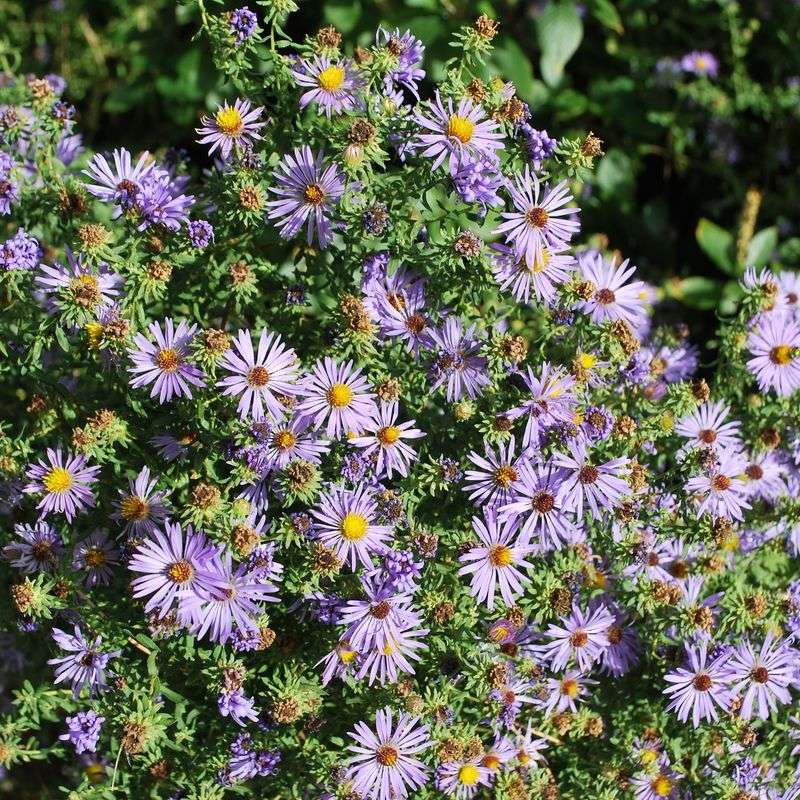
Native to our region, it thrives naturally in Pennsylvania soil and weather. That means less fussing for you and more reward. The blooms sit atop tall, bushy stems and can cover a plant so thickly that you barely see the leaves underneath.
Gardeners love it because it feels like a bonus round of color. Right when many people think the flower season is over, aster steps in and keeps things lively.
The golden centers of each flower glow against the cool-toned petals, creating a look that pairs beautifully with autumn leaves.
Another reason to plant it is how well it holds up. Once settled in, New England aster is hardy and dependable. It comes back year after year, growing bigger and fuller each season without needing much help.
You can tuck it into flower beds, borders, or wild meadow spaces. It works in both neat gardens and relaxed natural plantings. Because it is a true native, it also fits right in with the local landscape and feels at home.
If your garden tends to fizzle out by September, this plant is the fix. Adding just a few will transform a dull corner into a colorful highlight. New England aster proves that the growing season does not have to end early.
Why New England Aster Blooms So Late
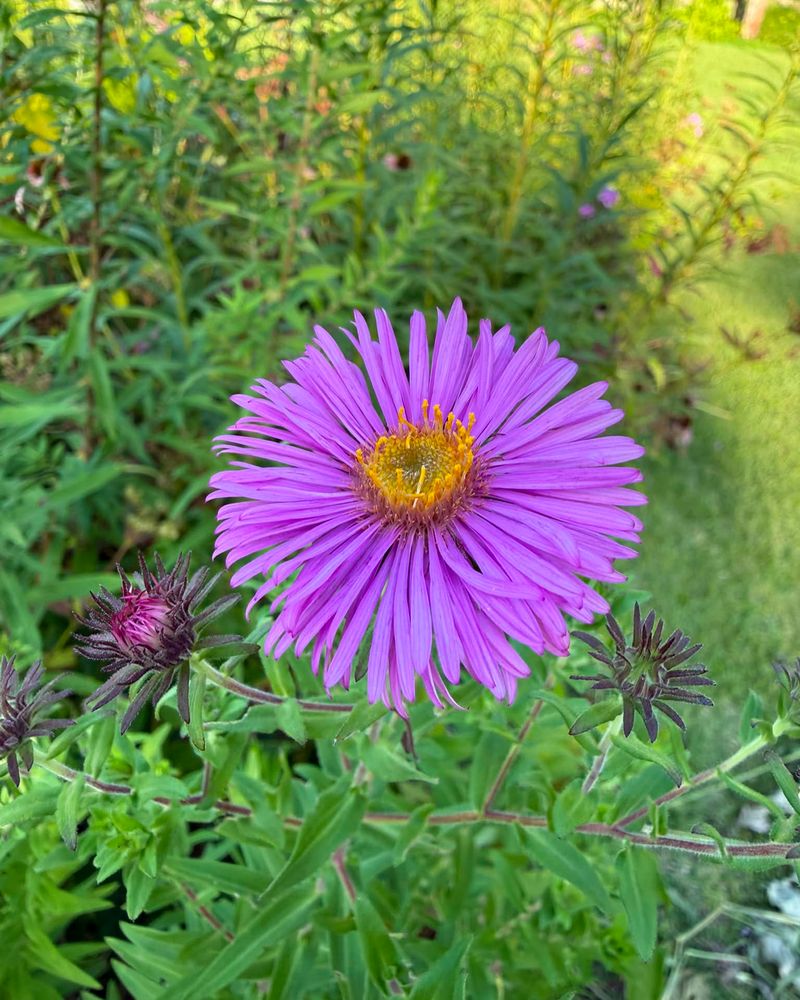
Timing is everything, and New England aster has perfect timing. While most garden flowers show off in spring and summer, this plant waits patiently and saves its big display for late summer and fall. Its main bloom usually arrives from late August through October.
There is a smart reason behind this schedule. As daylight hours shrink in the fall, the aster senses the change and responds by opening its flowers. This natural rhythm helps it stand out at a time when few other plants are blooming.
For gardeners, this late show fills a real gap. By September, many summer favorites have finished flowering and left empty spaces behind.
Your Pennsylvania Garden Changes Every Week. Your Plan Should Too.
Gardening in Pennsylvania changes quickly throughout the season. Every Friday you’ll receive a simple weekly plan showing exactly what to plant, prune, fertilize, harvest, and protect so you never miss the right timing.
New England aster steps right into that quiet stretch and keeps the garden feeling alive and full.
The plant spends the early part of the year growing tall and leafy. All that green growth is really just preparation. It builds up energy through spring and summer so it can explode with color later on.
Because it blooms so late, it also extends your garden’s overall season. Instead of everything wrapping up at once, your yard gets a second wind of beauty. That longer stretch of color is something many gardens simply do not have.
Cool fall weather actually helps the flowers last longer, too. The blooms hold their bright shades well into autumn, sometimes right up until the first frost. This makes the plant a reliable finish to the growing year.
Understanding its timing helps you plan smarter. Pairing it with earlier bloomers gives your garden nonstop color from spring all the way through fall.
How New England Aster Helps Pollinators
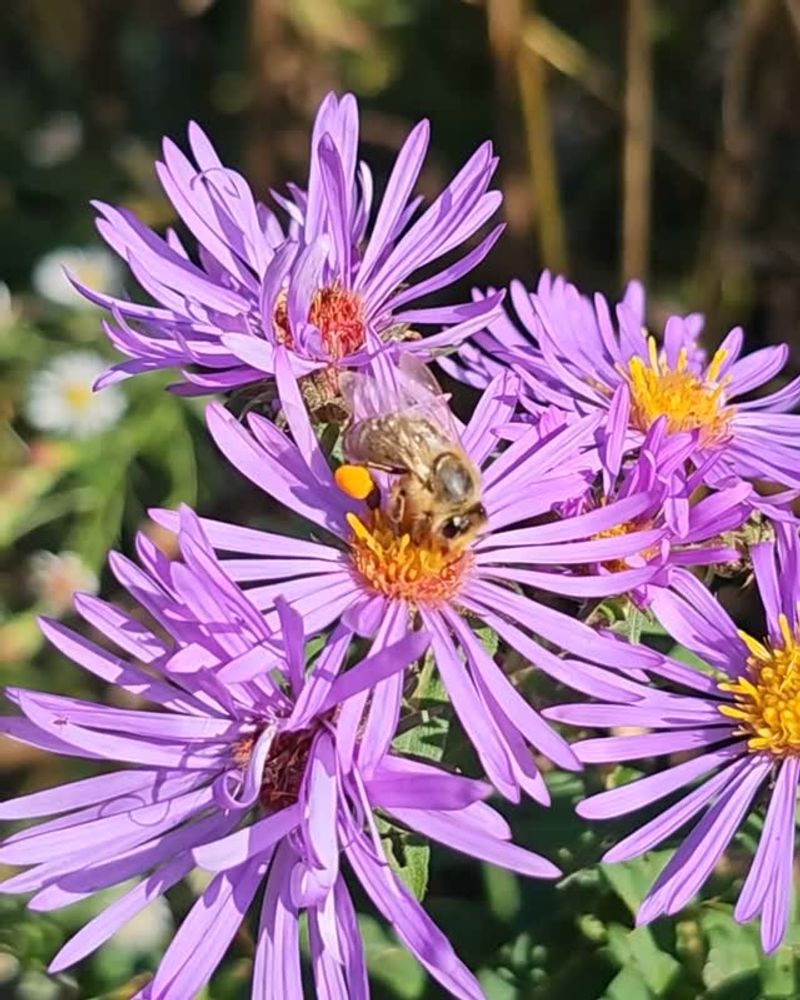
Buzzing, fluttering visitors flock to New England aster like a favorite diner. When most flowers have already faded, this plant becomes a lifeline for hungry pollinators searching for one last meal before winter arrives.
Bees especially depend on it. As fall approaches, honeybees and native bees need to store up food for the cold months ahead. The aster’s countless flowers offer a rich supply of nectar and pollen right when it matters most.
Butterflies love it too. Monarch butterflies passing through Pennsylvania on their long journey south stop to fuel up on aster nectar. These flowers give them the energy they need to keep traveling thousands of miles.
The sheer number of blooms is what makes this plant so valuable. A single healthy aster can produce hundreds of tiny flowers, creating a giant feeding station. That means more food for more creatures in one convenient spot.
Other helpful insects show up as well. You might spot moths, beetles, and tiny wasps all visiting the blooms. These visitors play important roles in keeping your garden and local ecosystem balanced and healthy.
Planting native asters supports the whole web of local wildlife. Birds benefit too, since some feed on the insects the flowers attract. Later, seed-eating birds enjoy the seeds the plant produces after blooming.
By choosing this native flower, you are doing more than decorating your yard. You are offering real help to creatures that need it during a tough season.
It is a simple way to make your garden matter beyond its good looks. Few plants give back to nature quite like this one does.
Give New England Aster The Right Growing Conditions
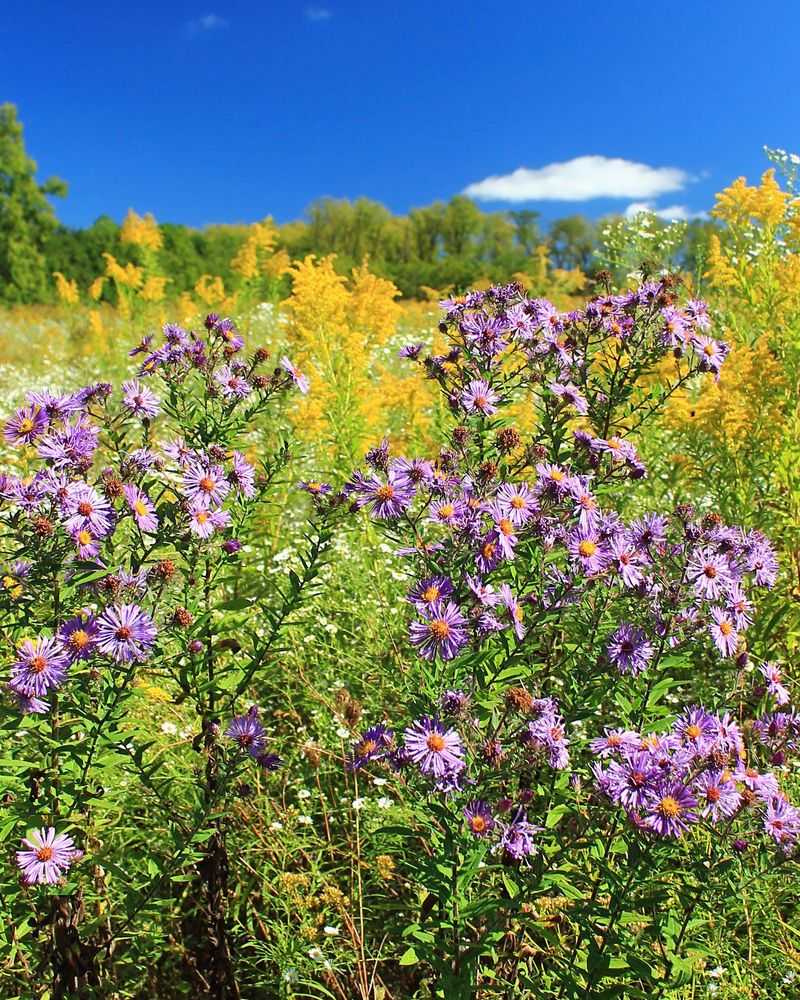
Happy plants start with the right home, and New England aster is no different. Give it what it likes, and it will reward you with a stunning fall display. The good news is that its needs are simple and easy to meet.
Sunlight tops the list. This plant loves full sun, meaning at least six hours of direct light each day. The more sun it gets, the stronger it grows and the more flowers it produces.
Soil matters too, though asters are not too picky. They do best in soil that drains well but still holds some moisture. Rich, loamy ground is ideal, but they can handle average garden soil just fine.
Water is important, especially while the plant is young. Regular watering during dry spells helps roots grow deep and strong. Once established, New England aster becomes fairly tough and can handle short dry periods on its own.
Good air circulation makes a big difference. Crowded, stuffy conditions can lead to spotty leaves or mildew. Giving each plant enough breathing room keeps it looking fresh and healthy all season long.
Spacing plants a couple of feet apart works well. This lets air move freely between them and gives roots space to spread. It also helps sunlight reach the lower parts of the plant.
Adding a layer of mulch around the base keeps the soil cool and moist. Mulch also cuts down on weeds that compete for water and nutrients.
Just keep it a little away from the stems. Meet these basic needs, and your aster will thrive for many years to come.
Keep New England Aster From Becoming Too Tall Or Floppy
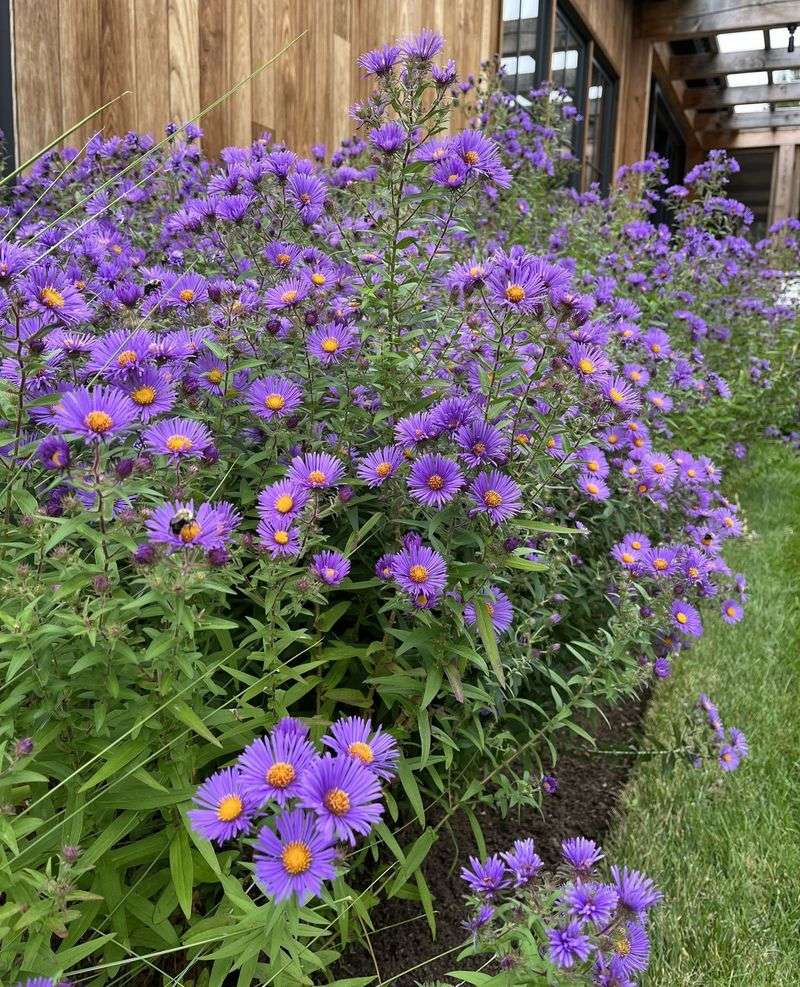
One little quirk about New England aster is that it can get leggy. Left alone, it may shoot up tall and then flop over when the flowers weigh down the stems. A few easy habits keep it neat and upright.
Sunlight is your first helper. Plants grown in full sun tend to stay sturdier and shorter than those in shade. Weak, stretched stems usually come from too little light, so pick a bright spot.
Spacing also plays a part. When plants are crowded, they stretch upward to compete for light and become thin and weak. Giving them room helps each one grow strong and balanced.
The best trick is pinching. In early summer, around June, snip off the top few inches of each stem. This encourages the plant to branch out and grow bushier instead of tall and lanky.
Pinching may feel scary at first, but it truly works. The plant responds by producing more stems and even more flowers. You end up with a fuller, tidier shape that holds itself up better.
You can also cut the plant back by about a third in early summer for the same effect. This keeps the mature height in check without hurting the fall bloom. The flowers just arrive on a shorter, stronger plant.
If your asters still lean, a simple stake or plant support can help. Placing it early in the season lets the plant grow up around it naturally. That way the support stays hidden by leaves.
With these small steps, your aster will stand proud and full instead of sprawling across the garden.
Add New England Aster To A Pennsylvania Native Garden
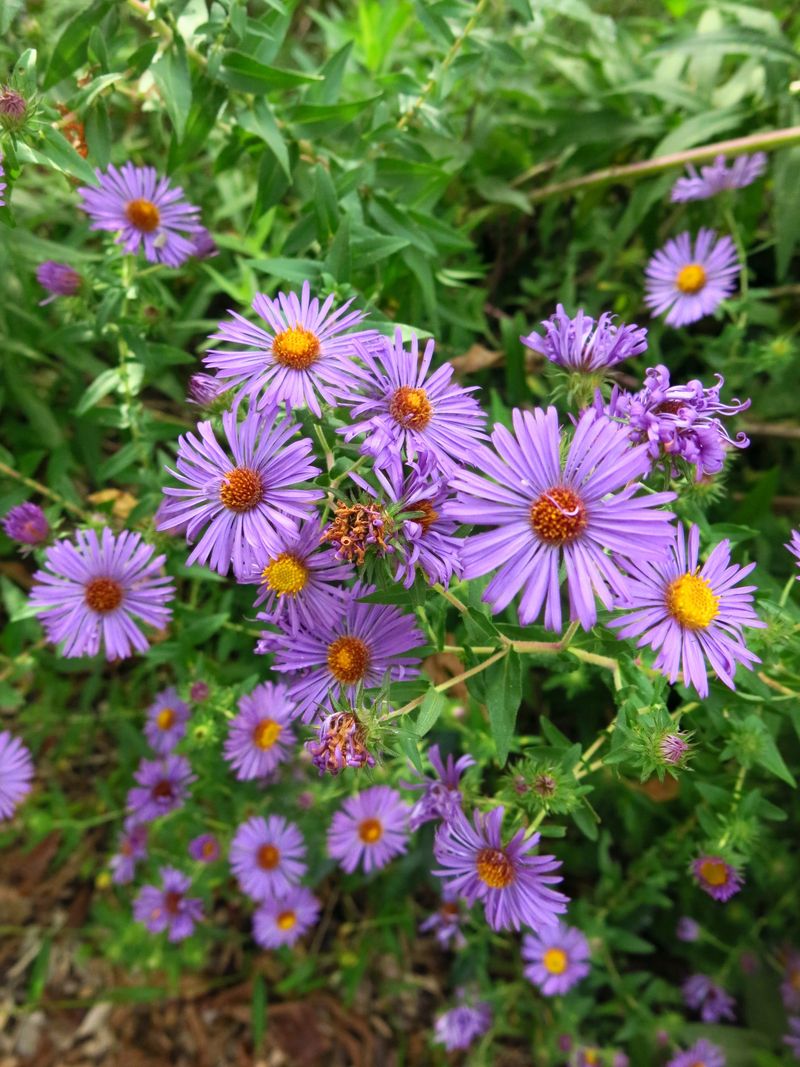
Imagine a garden buzzing with life and glowing with fall color long after the neighbors’ yards have gone quiet.
Pairing New England aster with other native plants makes that dream easy to reach. Together, they create a display that lasts and helps wildlife thrive.
Goldenrod is a classic partner. Its bright yellow flowers bloom at the same time as the aster’s purple ones, and the two colors look striking side by side. This pairing also doubles the food available for pollinators.
Native grasses add another layer of beauty. Little bluestem and switchgrass give height, texture, and movement in the breeze. Their soft tones balance the bold aster blooms and keep the garden interesting.
You can also mix in earlier bloomers like coneflowers and black-eyed Susans. These flower in summer, so your garden stays colorful from June through October. Layering bloom times keeps something always in season.
Grouping several asters together creates a bigger impact. A cluster of blooms draws more attention and more pollinators than a single plant. It also looks fuller and more natural, like a piece of wild meadow.
Think about heights when you arrange your plants. Place taller asters toward the back and shorter natives up front. This gives every plant its moment to shine and makes the whole bed look neat.
Leaving the plants standing through winter helps wildlife even more. Birds eat the seeds, and insects find shelter in the stems. You can trim everything back in early spring instead.
Building a native garden this way turns your yard into a colorful, welcoming home for local creatures all year round.